The California Plants That Take Over Gravel Areas So Weeds Can’t Move In
Gravel areas can look clean at first, but weeds always seem to find the tiny openings. A few seeds settle in, and suddenly that low maintenance space needs more attention than expected.
California gardeners can get ahead of the problem by using plants that spread low and steady through the gaps. The right choices soften the hard look of gravel without making the area feel messy.
They can also shade the soil underneath, which makes it harder for weeds to gain ground. This works best with plants that can handle heat and lean conditions.
Once they settle in, gravel paths and open strips can feel more finished. Choose the right spreaders, and those bare pockets become part of the design instead of an open invitation for weeds.
1. Dymondia Makes A Tight Silver Mat
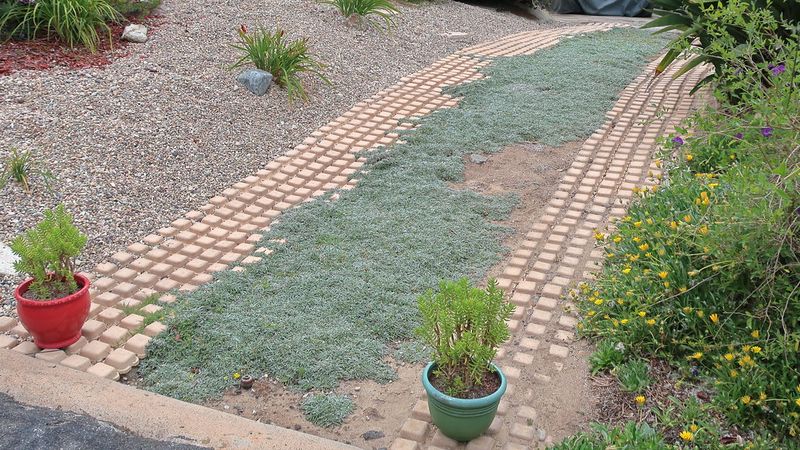
There is something almost magical about watching dymondia spread across a gravel bed. It moves slowly but with total confidence, stitching itself into every open patch until nothing else can get through.
It is one of the most reliable weed-blocking ground covers available in our state.
Dymondia forms a tight, flat mat of narrow leaves that are green on top and silvery-white underneath. That two-toned look gives gravel areas a clean, polished appearance.
Small yellow daisy-like flowers appear in summer, adding a cheerful pop of color without making the plant look messy.
It grows best in full sun and handles drought extremely well once it gets established. Sandy or gravelly soil is where it truly thrives.
It does not like sitting in wet conditions, so gravel beds are basically its ideal home.
Foot traffic is not a problem for dymondia. It bounces back after being walked on, making it a smart pick for gravel paths or areas between pavers.
Plant it about six inches apart and give it regular water during the first season to help roots settle in.
After that first year, you can cut watering way back. Dymondia is also resistant to most pests and diseases, which keeps maintenance simple.
It is a strong, quiet performer that earns its place in any dry garden.
2. Silver Carpet Spreads Through Dry Open Gaps
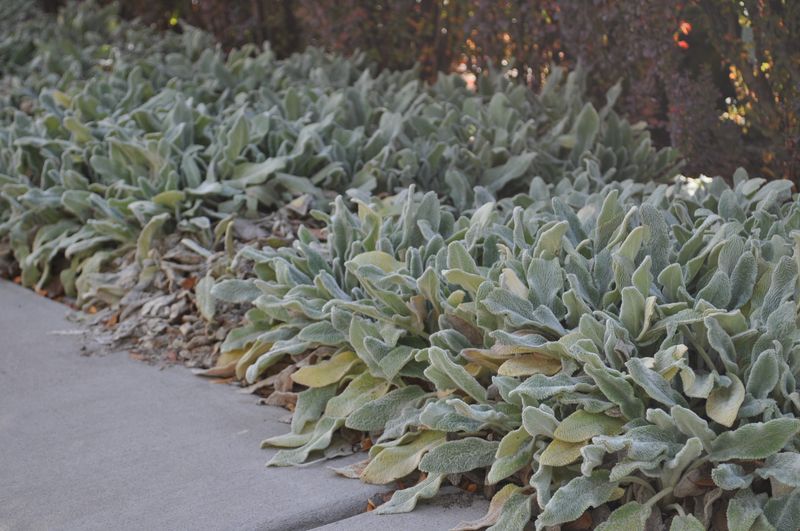
Soft, fuzzy, and almost impossibly silver, this ground cover turns dry gravel gaps into something that looks intentional and designed.
Silver carpet, a variety of lamb’s ear, spreads through open spaces with a quiet persistence that keeps weeds from ever getting a foothold.
Unlike the standard lamb’s ear, silver carpet rarely sends up flower stalks. That means all of its energy goes into spreading outward and keeping that dense mat of silver leaves thick and full.
The result is a ground cover that looks like it was laid down by hand.
It thrives in full sun and handles heat well. Gravelly, fast-draining soil is exactly what it prefers.
Heavy clay or soggy ground will cause problems, but in a dry gravel bed, silver carpet performs beautifully without much help from the gardener.
The soft texture of the leaves adds contrast when planted near darker green plants or rocks. It works especially well along the edges of gravel paths or in wide open gaps between boulders.
Your California Garden Changes Every Week. Your Plan Should Too.
Gardening in California changes quickly throughout the season. Every Friday you’ll receive a simple weekly plan showing exactly what to plant, prune, fertilize, harvest, and protect so you never miss the right timing.
Spacing plants about a foot apart gives them room to spread naturally.
Water regularly during the first few weeks after planting, then ease off as roots take hold. Once established, it needs only occasional watering even through summer heat.
Trim back any ragged edges in early spring to keep the mat looking fresh and tidy throughout the growing season.
3. California Fuchsia Fills Gravel With Summer Color
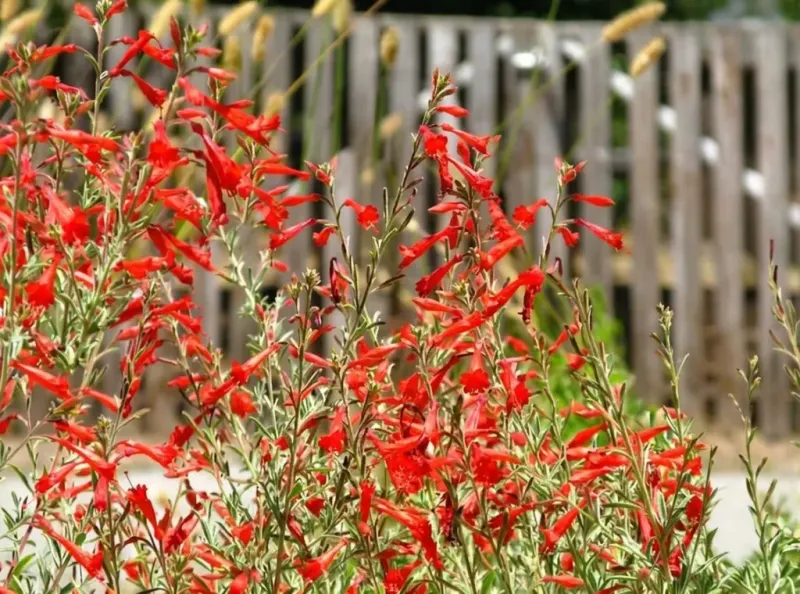
Bright red-orange flowers bursting out of a dry gravel bed in the middle of summer sounds almost too good to be true. But that is exactly what California fuchsia delivers, and it does it with almost no water.
It is one of the showiest plants in our state’s native plant lineup.
Also known by its scientific name Epilobium canum, this plant blooms from late summer into fall, which is when most other plants have already faded.
Hummingbirds are drawn to the tubular flowers and will visit the garden regularly once the plant is established. That alone makes it worth growing.
It spreads by underground runners, which means it fills gravel gaps steadily over time. Each plant sends out new shoots that pop up nearby, slowly building a colony that crowds out weeds naturally.
The gray-green foliage stays low and neat outside of the blooming season.
Full sun and dry, rocky soil are its best conditions. It actually blooms more and spreads faster when it is not overwatered.
Giving it too much water can cause the roots to rot, so gravel beds with good drainage are ideal.
Cut it back hard in late winter before new growth begins. This keeps the plant compact and encourages a fresh flush of stems and flowers each season.
It is a bold, reliable performer that brings life to even the driest corner of the yard.
4. Creeping Sage Covers Hot Sunny Soil
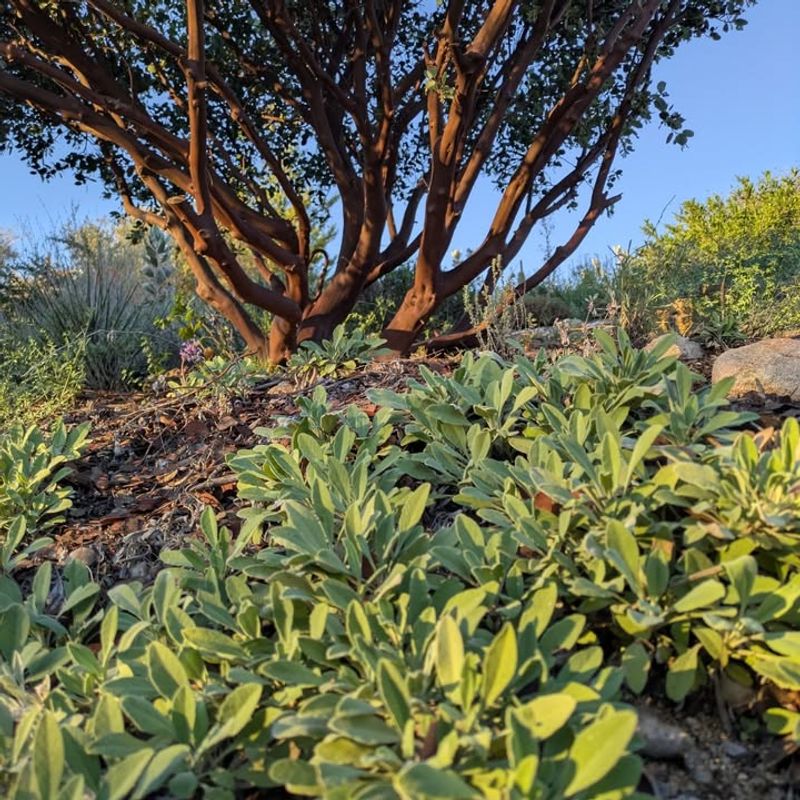
Hot, dry, and full of sun, that is the kind of spot most plants avoid. Creeping sage, on the other hand, heads straight for it.
This low-growing native thrives in conditions that would stress most ground covers, making it a go-to choice for tough gravel areas.
Salvia sonomensis, commonly called Sonoma sage or creeping sage, spreads outward in a loose but effective mat of aromatic gray-green leaves.
The scent is herby and pleasant, especially after a light rain or when the leaves are brushed.
Small purple-blue flowers appear in spring and attract native bees and other pollinators.
It grows well in full sun and needs excellent drainage to stay healthy. Gravel or rocky soil suits it perfectly.
Planting it in heavy or clay-rich soil will cause it to struggle, but in a dry open bed, it spreads confidently and steadily fills the space.
Space plants about two to three feet apart and water them regularly during their first summer. After that first season, rainfall in most parts of our state is enough to keep it going.
It is a truly low-maintenance option once the roots are settled in.
Trim back lightly after flowering to keep the mat dense and tidy. Over time, creeping sage builds a thick enough layer to block most weeds completely.
It is a quiet but powerful presence in any sun-baked gravel garden.
5. Point St. George Aster Spreads Fast In Dry Beds
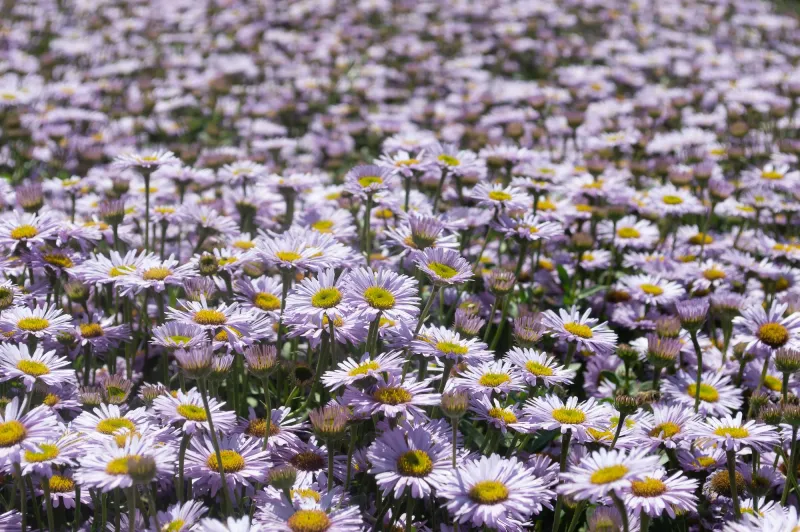
Named after a rugged coastal headland in the northern part of our state, Point St. George aster brings that same wild, unstoppable energy to the garden.
It spreads fast, blooms generously, and fills dry gravel beds with cheerful lavender flowers from late summer into fall.
This is a native aster that naturalizes quickly once it gets going. It sends out horizontal stems that root as they spread, forming a loose but effective ground cover.
The coverage it creates is thick enough to prevent most weed seeds from finding bare soil to sprout in.
It handles both full sun and partial shade, which makes it more flexible than many other ground covers on this list. It also tolerates coastal conditions, including wind and salt air, better than most plants.
In drier inland areas, it performs just as well with minimal irrigation.
The flowers are a magnet for butterflies and native bees. Planting it near the edges of a gravel bed creates a natural wildlife habitat that is both beautiful and functional.
The blooms are small but appear in large numbers, giving the plant a full and lively look.
Water it during the first growing season to help it establish, then ease off. It is quite drought-tolerant once the roots have spread.
Cut it back to a few inches in late winter so fresh new growth can take over and keep the bed looking its best.
6. Beach Strawberry Knits Gravel Borders Together
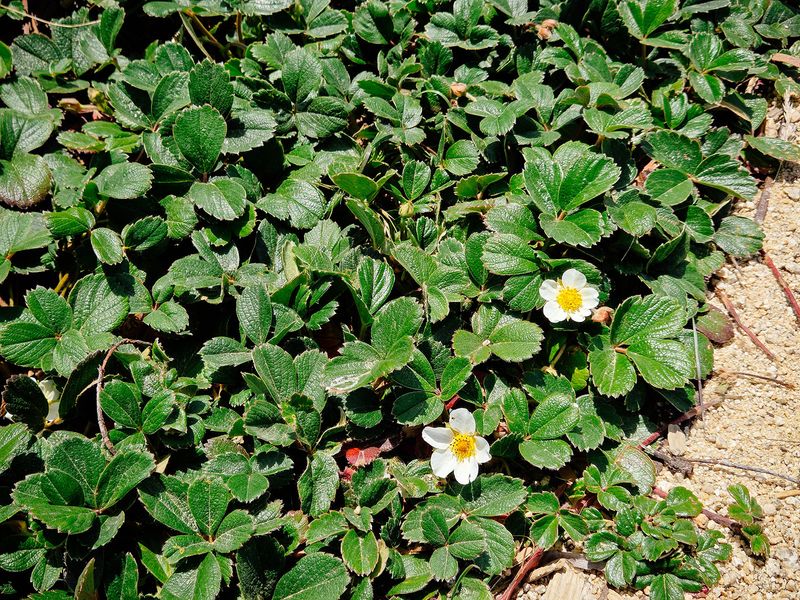
There is something undeniably charming about a plant that spreads through your gravel beds and produces actual strawberries along the way.
Beach strawberry is a native ground cover that does exactly that, and it does it while keeping weeds firmly out of the picture.
Fragaria chiloensis grows naturally along the coast of our state, where it spreads through sandy and gravelly soils with ease.
It sends out runners that root wherever they touch the ground, quickly knitting together a dense, low carpet of glossy green leaves.
That carpet is what makes it such an effective weed barrier.
White flowers appear in spring and are followed by small red fruits that birds and wildlife enjoy. The foliage stays green through most of the year, giving gravel borders a lush, lived-in look even in dry seasons.
It handles both sun and light shade without skipping a beat.
It is a good choice for gravel borders along fences, paths, or the edges of raised beds. Plant it about a foot apart and water regularly through the first summer.
Once the runners start spreading, coverage fills in quickly without much extra effort from the gardener.
Mow or trim it back once a year in late winter to refresh the foliage and encourage new runners. It bounces back fast and comes in fuller each season.
Beach strawberry is practical, pretty, and surprisingly productive for a ground cover plant.
7. Creeping Thyme Softens Sunny Gravel Edges
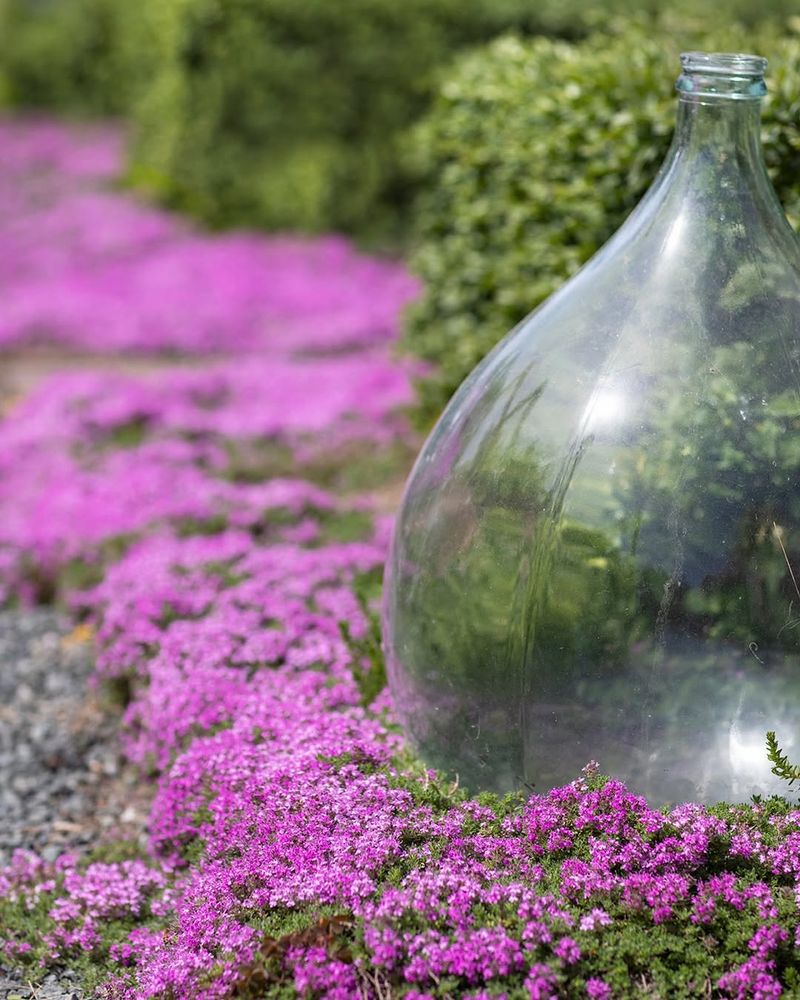
Few plants work as hard as creeping thyme does in a gravel garden. It stays low to the ground, spreads steadily outward, and fills every gap it can find.
Once it gets going, weeds simply have nowhere to push through.
This tough little plant loves full sun and drains well in rocky or sandy soil. It handles the heat of a dry California summer without much fuss.
You can plant it along gravel borders, between stepping stones, or at the edge of a dry bed, and it will do the rest.
One thing gardeners love about it is the smell. Walk across it or brush against it, and it releases a fresh herby scent.
Some people even use it as a substitute for lawn grass in small areas.
Creeping thyme blooms in late spring and early summer, producing tiny pink, purple, or white flowers that attract bees and butterflies. After blooming, it settles back into a dense, flat mat of tiny green leaves.
That mat is what makes it such a powerful weed blocker.
Water it once or twice a week when first planted, then cut back as it establishes. After the first season, it needs very little water at all.
Trim it lightly after flowering to keep it tidy and encourage new growth the following year.
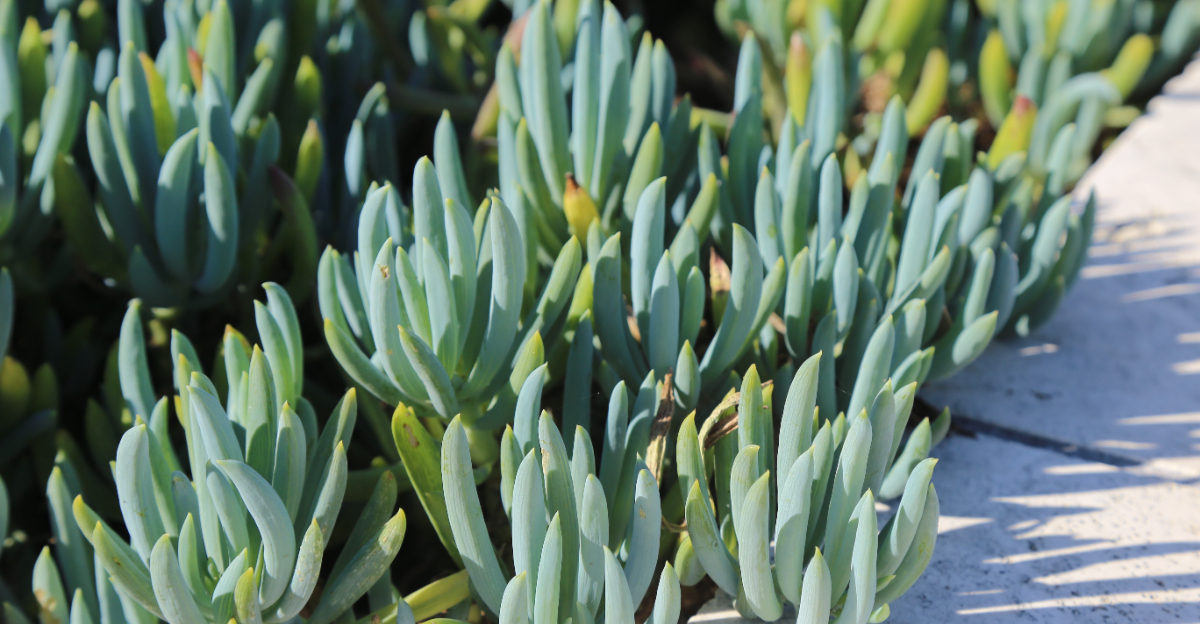
8. Blue Chalksticks Blocks Weeds With Dense Succulent Growth
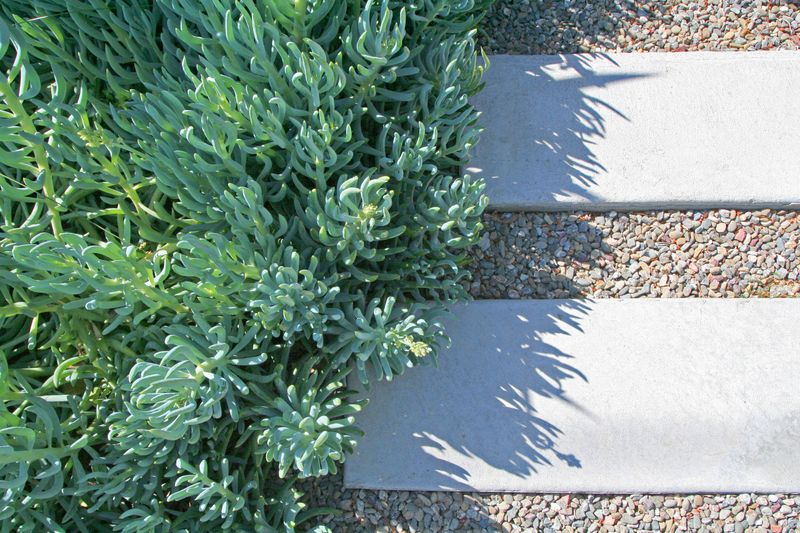
Pale blue, finger-shaped leaves packed so tightly together that weeds cannot find even a sliver of space, that is the power of blue chalksticks.
This succulent ground cover is one of the most visually striking options for dry gravel areas, and it is almost ridiculously easy to care for.
Senecio serpens grows low and wide, spreading through gravel beds at a steady pace. Each stem roots easily where it touches the soil, which means the plant self-propagates without any help.
Over a single season, one small plant can fill a surprisingly large area with its dense, silvery-blue growth.
It needs very little water once established. In fact, too much water is the main thing to avoid.
Gravel soil that drains fast is exactly what this plant wants. It handles intense summer heat without any sign of stress, making it ideal for the hottest parts of the yard.
The blue-gray color contrasts beautifully with darker rocks, red gravel, or terracotta containers nearby. Small white flowers appear in summer, adding a subtle brightness to the cool-toned foliage.
It works well as a border plant, a slope cover, or a filler between boulders and pavers.
Propagating it is simple. Break off a stem, let the cut end dry for a day, then press it into the gravel.
It roots quickly and gets to work spreading right away. Blue chalksticks is tough, beautiful, and one of the best weed-blocking succulents available in our state.