8 Simple Tricks That Keep Ornamental Grasses Looking Full And Neat Through Michigan Seasons
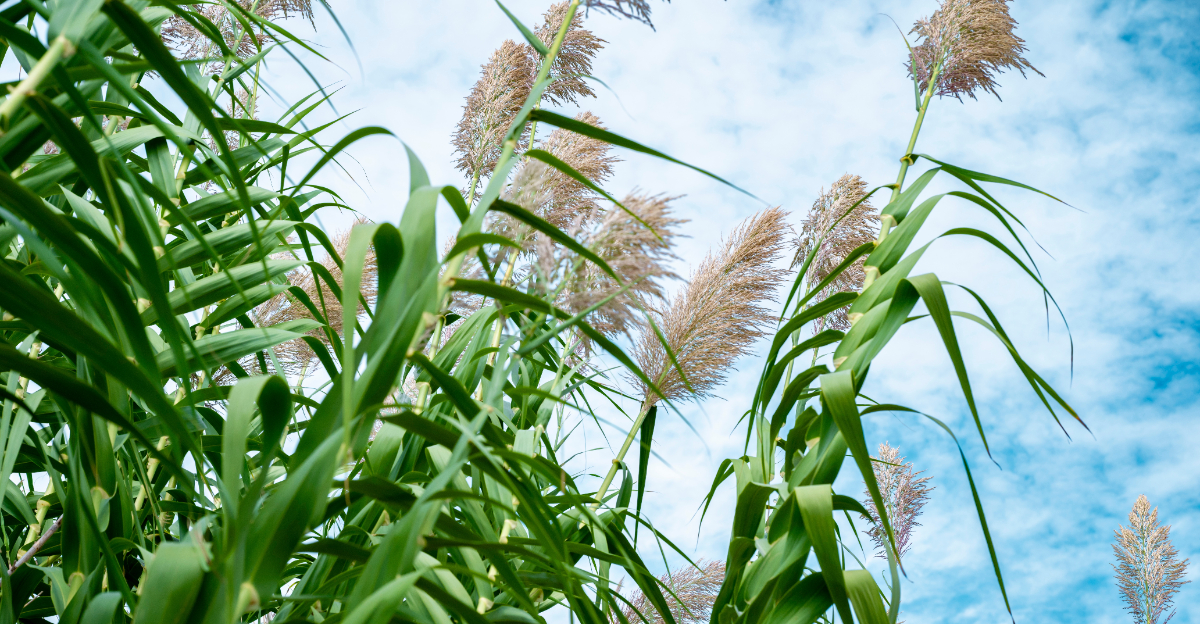
Something about the ornamental grass beds in certain Michigan yards is different, and it is not the variety. Same grasses. Similar climate. Completely different results by October.
Some yards have ornamental grasses that stand tall through the first snow and come back full and lush every spring. Other yards have the same species looking hollow, floppy, and vaguely defeated by August.
So, what separates them?
Walk through a neighborhood of well-maintained Michigan yards and pay attention to what is happening near the grass beds. Not the grass itself. The habits around it. The timing of cuts. The mulch layer.
Do you know what your ornamental grasses actually need to stay full and neat through every Michigan season?
The habits are specific. They are not complicated. But they are not intuitive either, and skipping any one of them shows up in the grass eventually.
1. Cut Back Old Growth In Early Spring
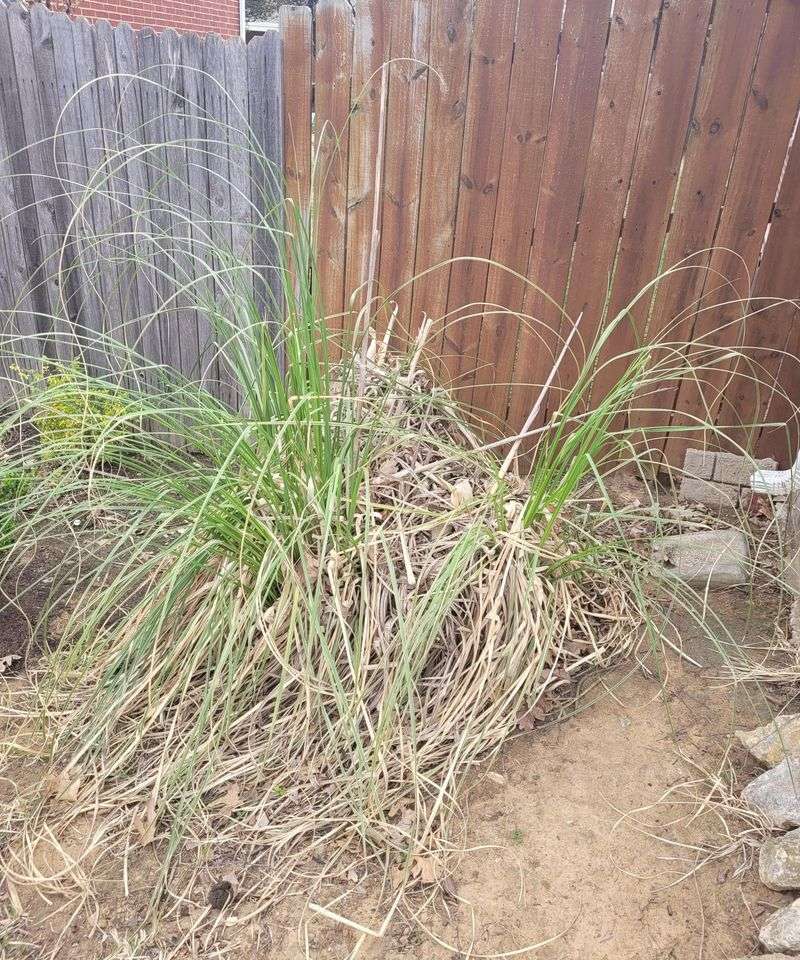
Timing is the most important variable in ornamental grass maintenance, and Michigan gives a specific window that closes faster than most gardeners plan for.
The target is late March to early April, right before new green shoots emerge from the base. Cool-season grasses cut back to four to six inches.
Warm-season varieties like switchgrass and miscanthus do best at six to eight inches. Those measurements are not arbitrary. Too short risks crown damage. Too tall and old growth tangles with new shoots through the whole growing season.
Good hedge shears or pruning loppers handle most cuts cleanly. For thick clumps, wrap twine around the blades before cutting.
The trimmings bundle neatly and cleanup takes a fraction of the time it would otherwise. That single prep step changes how the whole task feels.
Have you ever skipped the spring cutback and watched last year’s brown material tangle with new growth through June? Fresh shoots cannot perform when they are buried under a season’s worth of old blades.
Bag the old material and compost it or add it to yard waste collection. The bed looks completely different within minutes of finishing.
A clean cut in late March determines what the grass looks like in July. The connection between the two is that direct.
The grass spent all winter waiting for this moment. A fresh cut in April is essentially the official start of its year.
2. Tie Wisely For Winter Protection
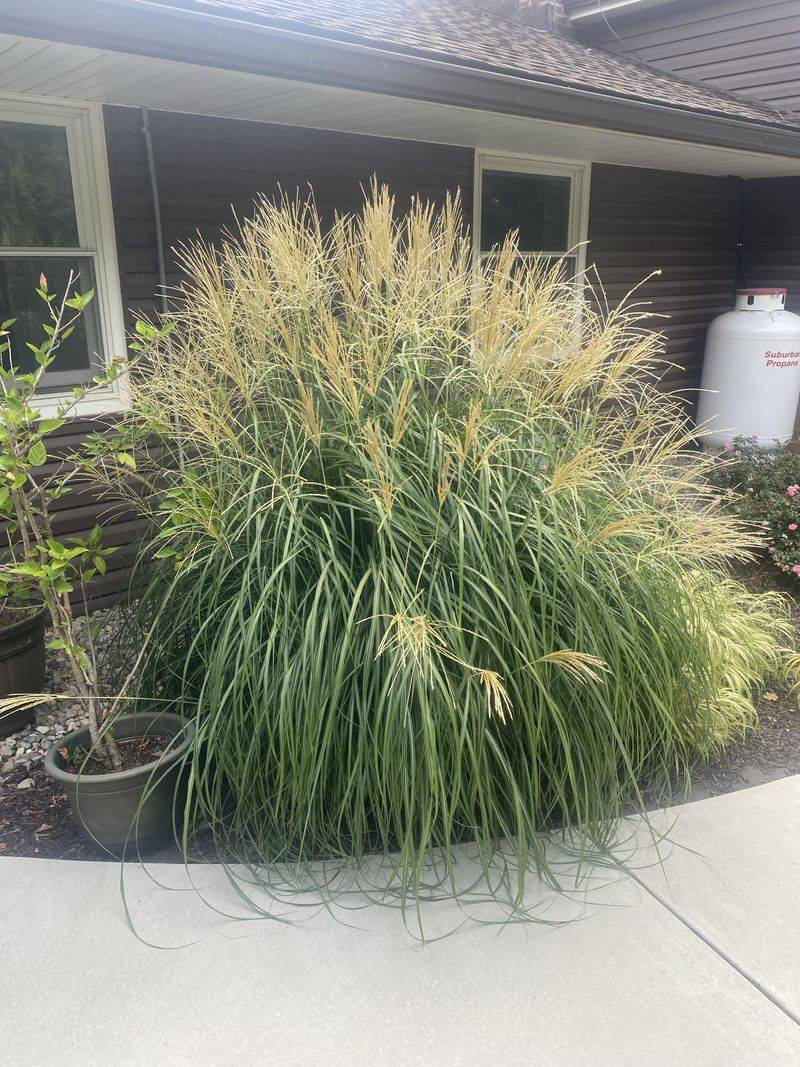
Before the first hard freeze arrives, ten minutes with natural twine protects the grass through everything Michigan winter delivers.
Gathering the blades of each clump and tying them loosely keeps them upright through ice and heavy snow.
Michigan winters test most garden structures. Ornamental grasses without support fold over under the weight and stay folded.
Flopped-over blades mat down and trap moisture at the crown of the plant. That sustained contact encourages rot and fungal issues during the freeze-thaw cycles Michigan winters reliably deliver.
A tied, upright clump allows air to circulate and keeps the crown considerably drier through the coldest months.
The tie should be loose. The goal is support, not compression. Natural twine or jute works better than synthetic material and degrades more gracefully when removal gets delayed in the spring rush.
Your Michigan Garden Changes Every Week. Your Plan Should Too.
Gardening in Michigan changes quickly throughout the season. Every Friday you’ll receive a simple weekly plan showing exactly what to plant, prune, fertilize, harvest, and protect so you never miss the right timing.
Do you know what bundled ornamental grasses look like standing in fresh snow? They catch light in a way that loose, floppy clumps simply cannot.
The visual difference between a tied grass and an untied one in a snowy Michigan landscape is more significant than it sounds until you see both in the same yard.
Tie in late October or early November, around the first frost warnings. Check after major storms and retie when the twine has slipped.
Ten minutes in October versus months of looking at a collapsed tangle. The math is favorable enough that even the grass endorses this plan.
3. Divide Large Clumps For Fullness
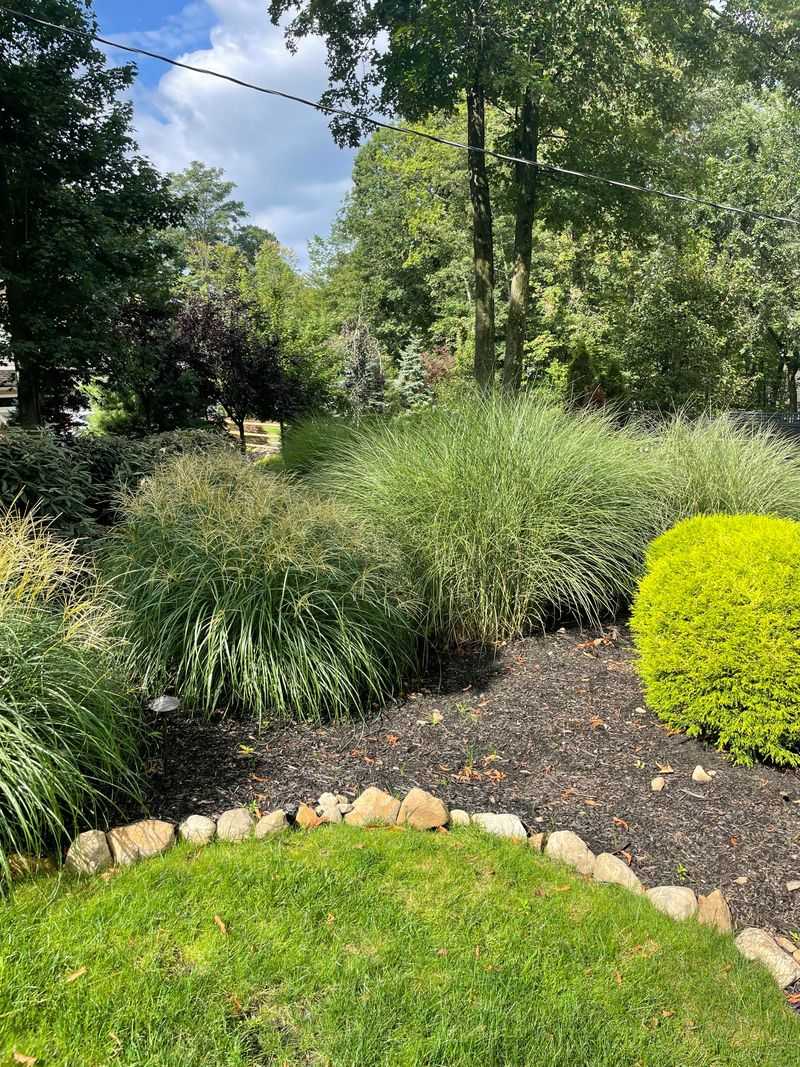
Ornamental grasses are committed growers. Over three to five years, that commitment produces a visible problem. The center of the clump hollows out while a ring of healthy growth continues around the outside.
The hollow center is not subtle once it develops. The grass looks like a donut. Lush at the edges, empty in the middle. That pattern is a clear signal that division is overdue.
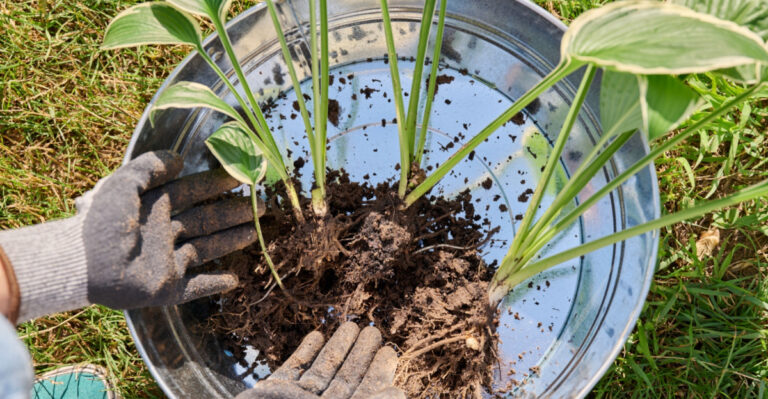
Early spring is the right timing, just before new growth begins. A sharp spade handles average clumps. A reciprocating saw makes quick work of extra-large, tough ones without requiring significant effort.
Cut into sections, each with healthy roots and visible green shoots. Replant at the same depth the clump was growing before, water in well, and the divisions establish quickly.
Have you counted what one divided clump actually produces? A miscanthus that looked tired and sparse can become three or four fresh, full plants in a single afternoon. That is free landscaping material from a plant you were already maintaining.
Discard the hollow center sections. They rarely contribute meaningful growth once separated from the productive outer ring. Topdress new divisions with a thin layer of compost to support rooting.
Dividing feels like a drastic step the first time. The grass comes back so quickly and completely that the hesitation seems unnecessary in retrospect.
Divide every three to four years and the hollow center problem never becomes a problem at all.
4. Leave Some Old Stalks For Winter Interest
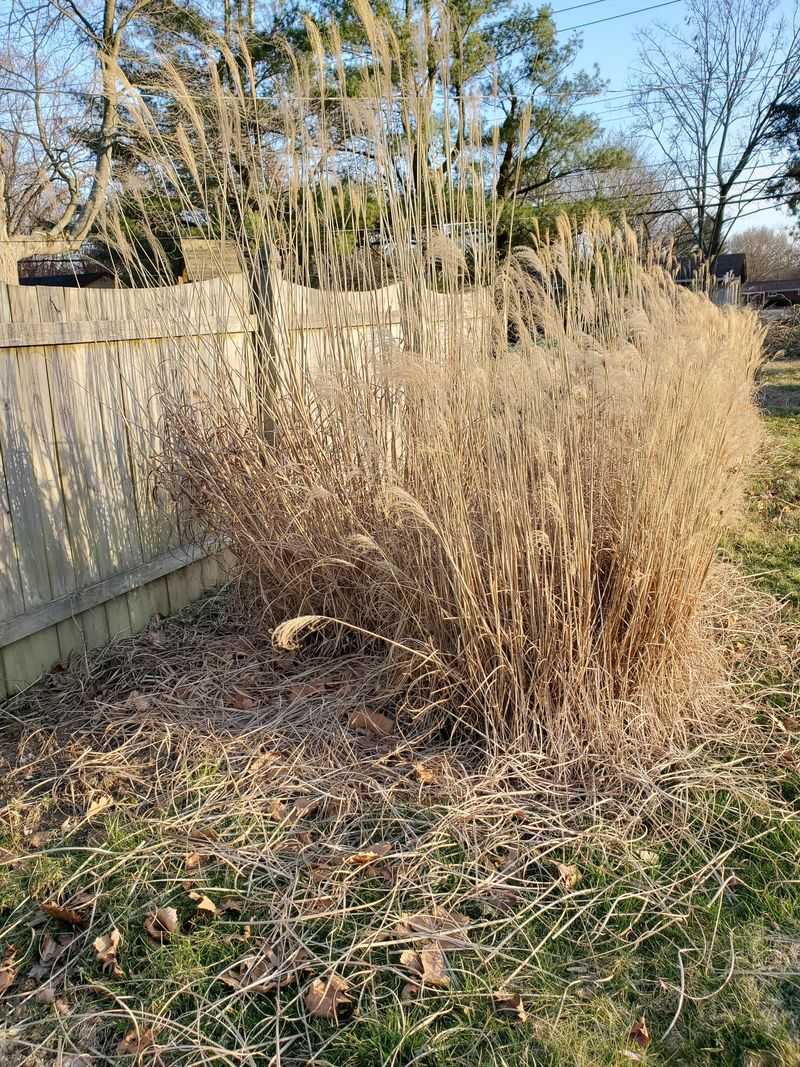
Not every ornamental grass needs to come down before winter. Some varieties earn their place in the landscape precisely by what they contribute through Michigan’s coldest months.
Karl Foerster feather reed grass and maiden grass hold their dried plumes and seed heads through winter in a way that looks intentional rather than neglected. The structure they provide in January is genuinely different from what bare mulched beds offer.
Birds respond quickly. Finches and sparrows work through the seed heads on cold mornings, which turns a frozen landscape into something worth watching from a warm window.
The standing stalks also insulate the crown of the plant through the freeze-thaw cycles Michigan consistently delivers from November through March.
Being selective is the key. Leave varieties with attractive seed heads or upright structure. Cut back anything that flops badly or turns a muddy color that reads as neglect rather than intentional design.
Have you looked at switchgrass in December? It holds color and form better than most people expect heading into the coldest part of the year.
By late February, the stalks begin to look genuinely tired. That tiredness is the signal to cut back before new growth arrives.
A winter garden that rewards patience and refuses to accept that bare and brown is the only option from December through March.
The finches, for what it is worth, have never once complained about the seed heads.
5. Add Mulch For Moisture Retention
Michigan summers alternate between soggy and surprisingly dry with a frequency that keeps the gardening calendar guessing from week to week.
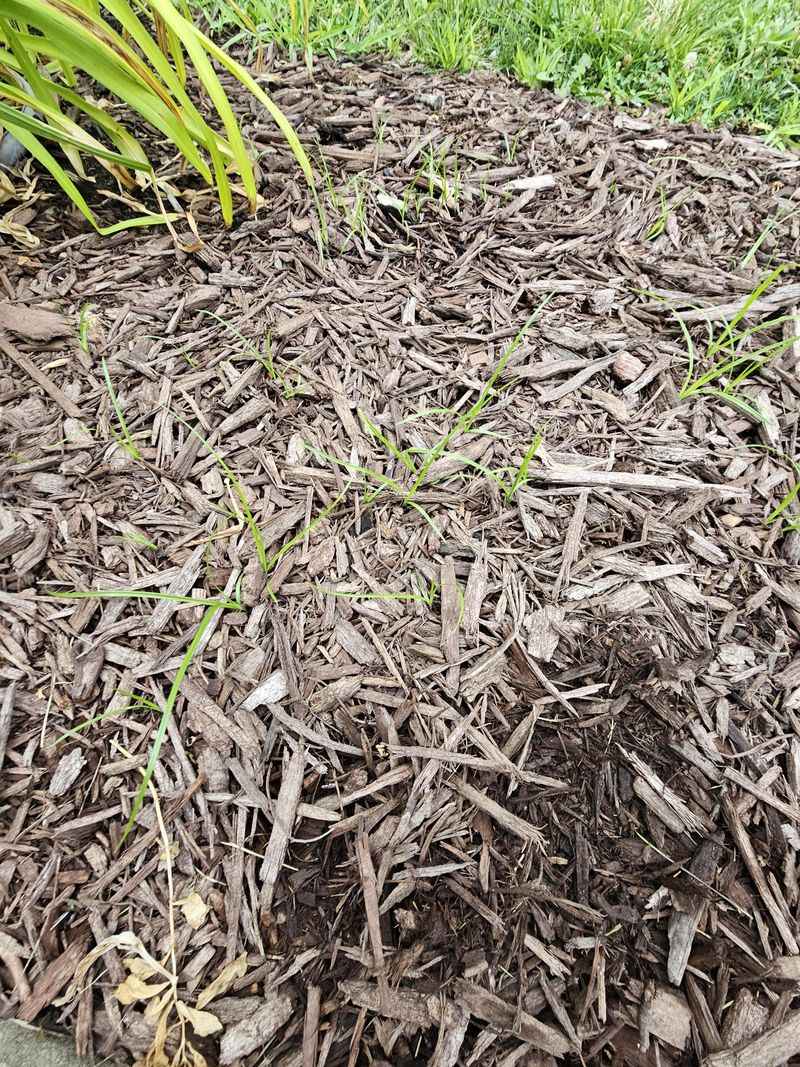
A two to three inch layer of organic mulch around ornamental grass bases provides a buffer against both conditions. It holds moisture in during dry stretches and moderates soil temperature when heat pushes into July and August.
Shredded bark, wood chips, and leaf compost all perform well. Keep the mulch a few inches away from the crown of the plant.
Moisture sitting directly against stems over an extended period creates fungal conditions that cool, damp Michigan springs already encourage naturally. A small gap between mulch and crown prevents that without reducing any of the other benefits.
Do you pull weeds from your ornamental grass beds regularly? A consistent mulch layer reduces how often that task is necessary.
The suppression it provides limits germination in the most weed-prone areas without requiring anything more than a single annual application.
Apply in late spring once the soil has warmed. Refresh each year in May to maintain effectiveness and give beds a finished look heading into the main growing season.
Organic mulches break down over time and return nutrients to the soil as they go. The grass benefits quietly from that slow contribution throughout the season.
One mulch application each year keeps moisture levels stable, suppresses weeds, and moderates soil temperature simultaneously.
Three jobs from one task. That is an efficiency most Michigan gardens could use more of.
6. Spot Clean Weeds Around Grass Edges
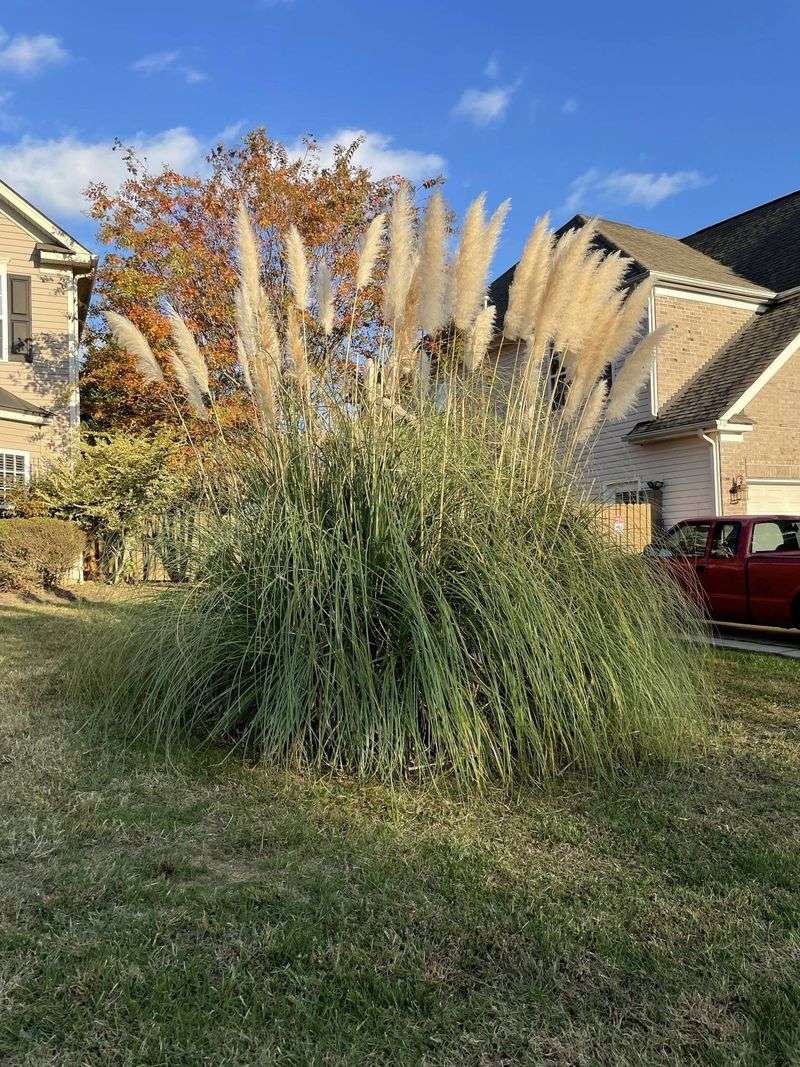
Weeds near ornamental grasses are patient. They move in slowly and blend with the grass blades initially. By the time the problem is obvious, removing them without disturbing roots requires considerably more care than pulling a small seedling would have.
Staying ahead of them prevents that escalation entirely.
Walk the bed once a week during the active growing season from May through September. Pull weeds while they are small and the soil is moist from recent rain.
A narrow hoe or hand weeder gets close to the base without disturbing the grass root system. Broad herbicides near ornamental grasses can damage the plants alongside the weeds, which eliminates the chemical shortcut option.
Have you defined the edge of your ornamental grass bed this season? A clean perimeter created with a spade or rotary edger slows weed encroachment from lawn grasses. It gives the bed a maintained quality that hand-weeding alone does not fully achieve.
Redefine that edge each spring and touch it up mid-season as needed.
Three habits working together produce an outcome no single habit achieves on its own. Regular weeding, a fresh mulch layer, and a defined edge create a system that keeps weeds from finding comfortable territory.
That combination requires about ten minutes a week during the growing season.
A bed that looks professionally maintained through October for ten minutes of weekly effort. The weeds were never going to stop trying. The goal is simply making sure their effort was not worth it.
7. Select Hardy Michigan Varieties
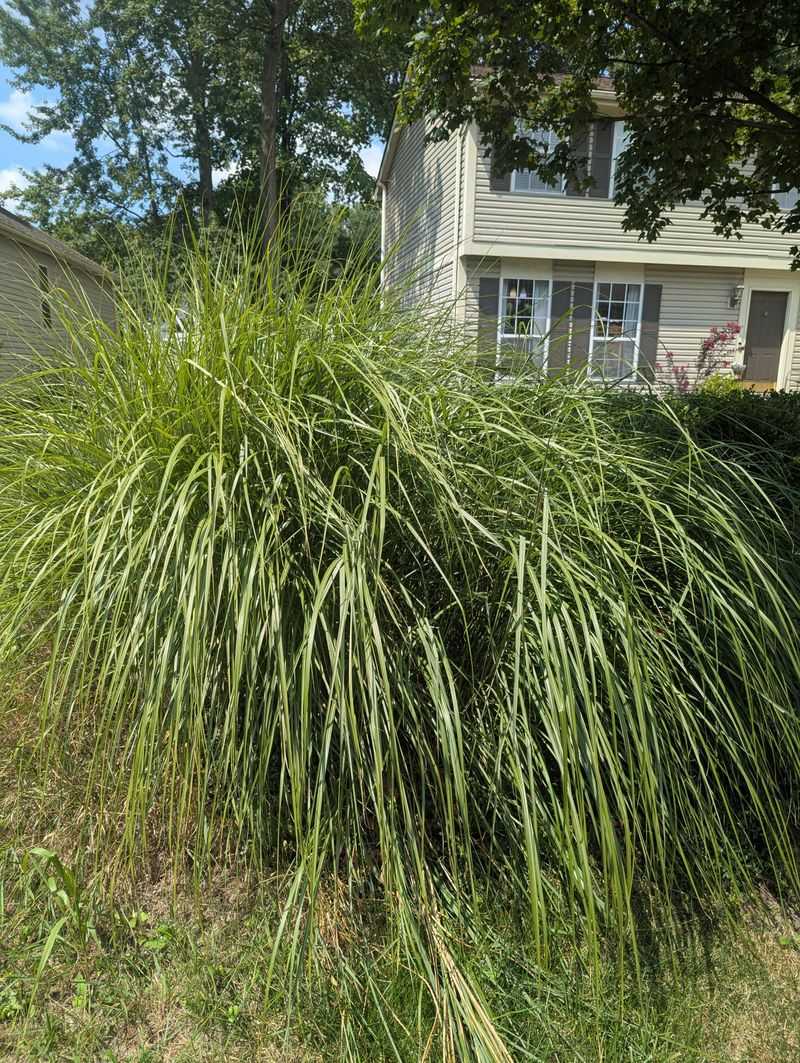
The right grass in the right zone changes how much every other habit on this list matters.
Michigan winters regularly push below zero in the northern Lower Peninsula and Upper Peninsula. Varieties rated for USDA hardiness zones 4 or 5 give ornamental grasses the best chance at surviving those temperatures and returning fully each season.
Karl Foerster feather reed grass is one of the most reliable performers in Michigan landscapes. Upright, elegant, and rated to zone 4.
Little bluestem is a native Michigan grass that turns striking copper-red by October, which is a seasonal bonus no care routine produces on its own.
Switchgrass varieties like Shenandoah and Heavy Metal handle both wet and dry Michigan soil conditions well. Maiden grass and miscanthus perform reliably in southern Michigan but may struggle further north without additional winter protection.
Do you check zone ratings at the nursery before purchasing, or does the plant tag get skimmed in favor of the photo on the front? The zone number is the single most predictive piece of information for how a grass performs through a Michigan winter.
Native grasses are worth prioritizing because they evolved alongside Michigan’s climate and wildlife. Many attract pollinators and require minimal care once established.
Matching the grass to the zone and the site to the sun requirements builds a foundation that every other habit reinforces.
Choose correctly and the rest of the work becomes genuinely easier. Choose poorly and no amount of mulch fully compensates.
8. Water Smart During Summer Growth
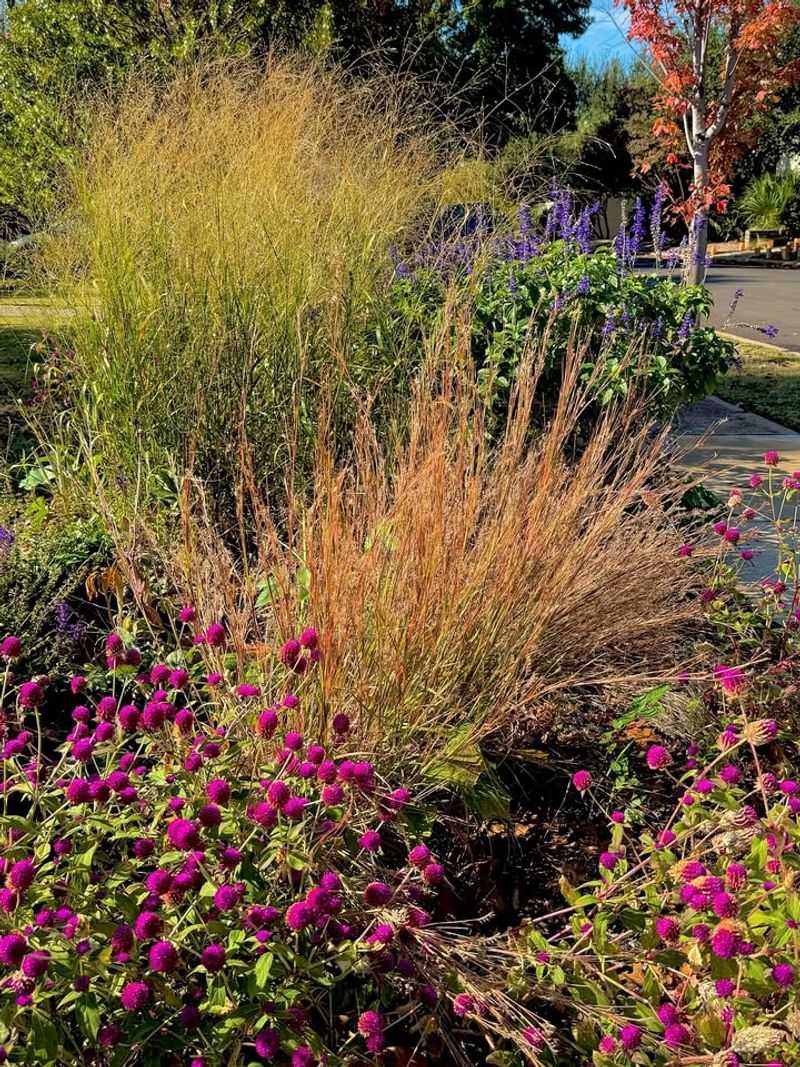
Ornamental grasses build a reputation for toughness, and most of them earn it. Established plants in decent Michigan soil rarely need significant supplemental irrigation after their first full season.
The first growing season after planting or dividing is different. Consistent moisture during that establishment window determines how quickly and fully the roots develop.
A plant that roots deeply in its first season handles Michigan dry stretches far better in subsequent years. One that was watered lightly and frequently stays shallow and vulnerable.
Water newly planted or recently divided grasses deeply once or twice a week rather than giving them a light daily sprinkle.
Deep watering encourages roots to grow downward into cooler, more stable soil. Shallow, frequent watering keeps roots near the surface where soil heats most and dries fastest.
Are you tracking rainfall against what your grasses actually receive? A rain gauge is inexpensive and removes the guesswork about when supplemental irrigation is necessary versus when the sky already handled it.
After the first full season, established grasses rarely need supplemental water during anything but the driest Michigan stretches.
Overwatering is a more consistent mistake than underwatering. Soggy soil weakens roots and produces floppy blades that lean instead of standing tall.
Morning watering suits grasses better than evening since foliage dries during the day rather than staying wet overnight.
Water deeply in year one and the grass handles Michigan summers largely on its own after that.
That is either very reassuring or a very good argument for planting more of them. Probably both.