Florida’s Pollinator Garden Trend For 2026 And The Best Native Plants Supporting It This Season
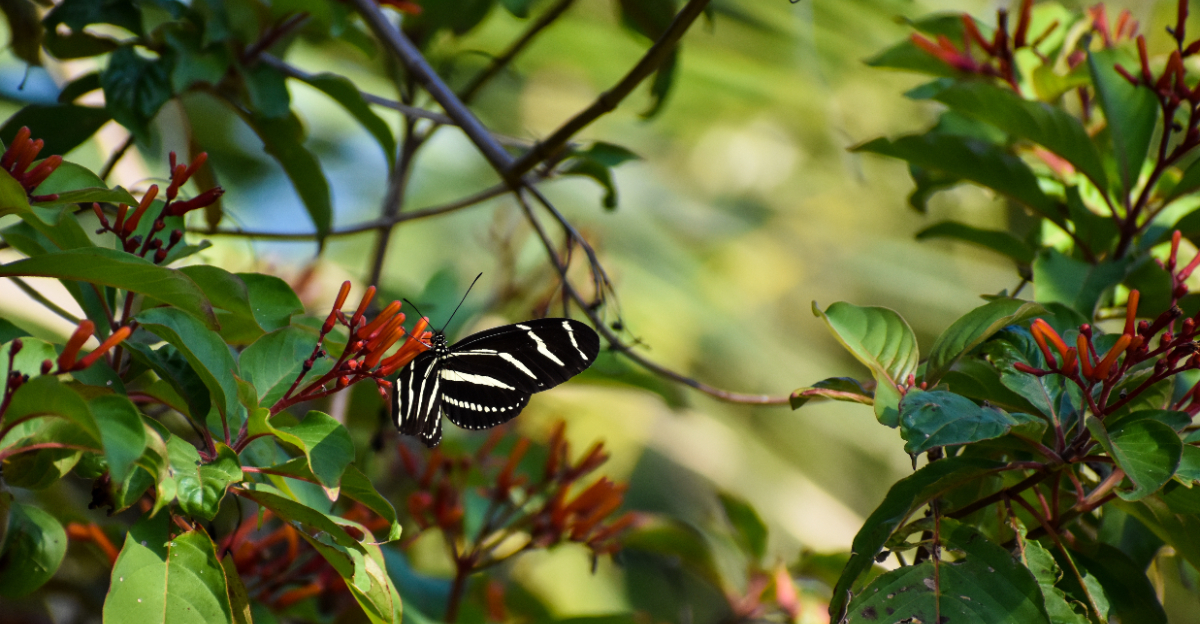
Something has shifted in Florida yards this season. The perfectly manicured lawn with a few standard shrubs is losing ground to something wilder, more intentional, and honestly more interesting.
Pollinator gardens have moved from a niche hobby into one of the most talked about landscaping approaches across the state in 2026. This is not just an aesthetic trend.
Florida’s native bee populations, butterfly species, and other pollinators have been under real pressure for years. Homeowners are starting to connect the dots between what they plant and what shows up in their yard.
The native plant industry has responded. Nurseries are stocking differently, and gardeners are asking better questions.
A handful of Florida native plants have emerged as the clear favorites this season for anyone building or expanding a pollinator garden. Some of these plants are flying off nursery benches right now.
Knowing which ones deserve a spot in your yard is worth figuring out before they sell out.
1. Layered Native Beds Are The 2026 Pollinator Move
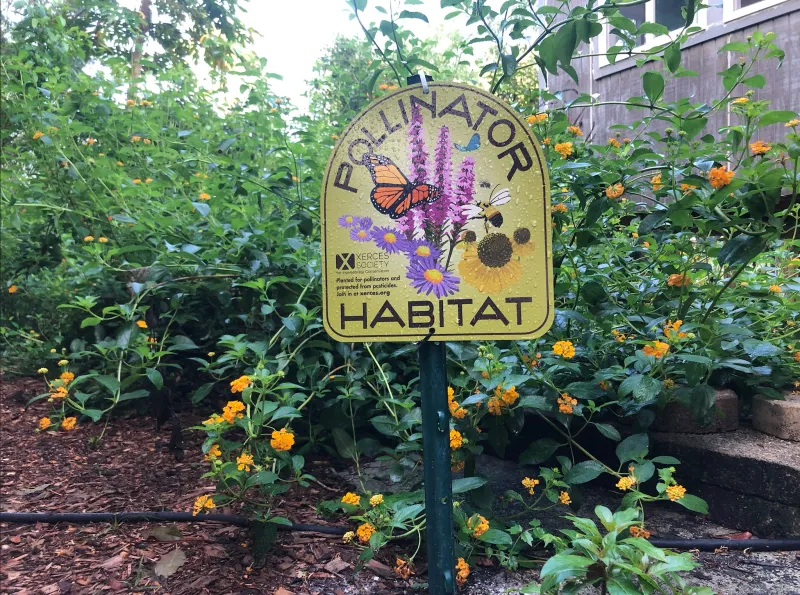
Forget the isolated pollinator patch tucked in one corner of the yard. The 2026 trend is about replacing that approach with layered native beds that function like mini-habitats.
These beds stack groundcovers, wildflowers, native grasses, and shrubs into a living system that supports pollinators across multiple seasons.
Lawn reduction is a big part of this shift. Replacing even a modest strip of turf with a layered native planting cuts irrigation demand and reduces mowing.
It also opens the door for season-long bloom windows that keep bees, butterflies, and beneficial insects fed from late winter into fall. Seedheads left standing through winter feed birds and shelter overwintering insects at ground level.
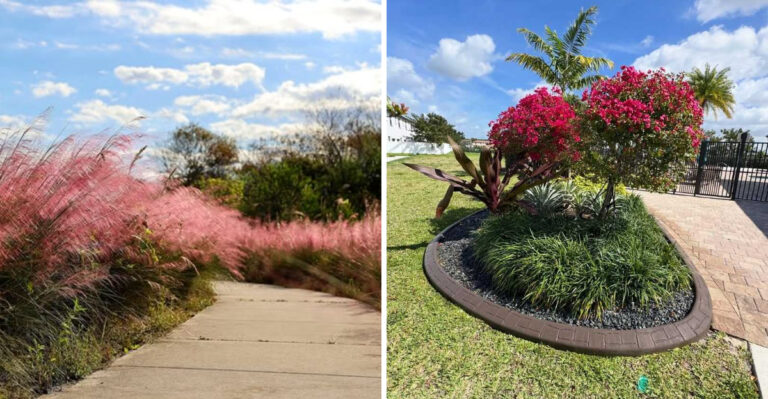
Grasses like muhly grass add movement, texture, and soft seasonal color while also providing shelter. Low-growing groundcovers anchor the front of beds and soften hard edges.
Mid-height wildflowers carry the bloom sequence through spring and summer. Taller natives handle the back layer and the late-season push when many other plants have finished.
Reduced pesticide use is essential to making this work. A layered native bed full of blooms means nothing if sprays wipe out the insects it was designed to support.
The right plant in the right place is what separates a real pollinator garden from a decorative one in 2026. Thoughtful spacing, diverse species, and a lighter hand with chemicals matter too.
2. Frogfruit Turns Lawn Edges Into Tiny Bloom Corridors
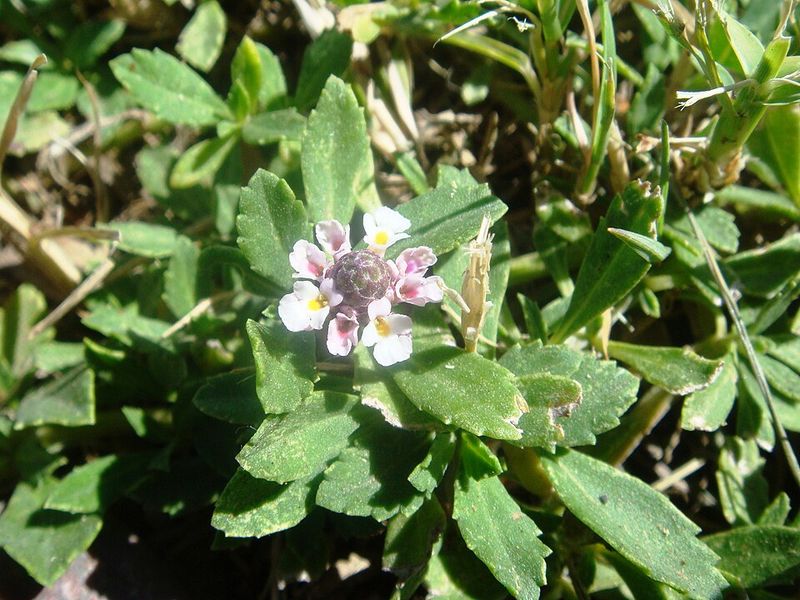
Walk the edge of a sunny lawn and you might not notice frogfruit at first. Phyla nodiflora grows low and spreads quietly, forming a dense mat of small leaves.
It is topped with clusters of tiny white to pale pink flowers that bloom across a long season. Those small blooms punch well above their size when it comes to attracting native bees, skippers, and other small pollinators.
For gardeners following the lawn-reduction trend, frogfruit fits naturally along lawn edges, between stepping stones, or in sunny transition zones. Those are the places where turf is often being phased out.
Your Florida Garden Changes Every Week. Your Plan Should Too.
Gardening in Florida changes quickly throughout the season. Every Friday you’ll receive a simple weekly plan showing exactly what to plant, prune, fertilize, harvest, and protect so you never miss the right timing.
It handles heat well, tolerates sandy soil, and asks for very little once it settles in. Full sun is where it performs best, and it needs good drainage to stay healthy through the rainy season.
One honest note: frogfruit is not a heavy foot traffic solution for the whole yard. It can handle occasional light stepping but does better as a low-maintenance border or edge planting rather than a full lawn substitute in high-traffic areas.
Mowing it occasionally keeps it tidy and encourages fresh growth.
As a native groundcover confirmed by the Native Plant Society and supported by UF/IFAS, it earns its place in the front layer of a layered pollinator bed. Pairing it with taller wildflowers behind it creates a corridor feel that guides pollinators through the whole planting.
3. Spotted Beebalm Brings Buzz To Hot Sunny Beds
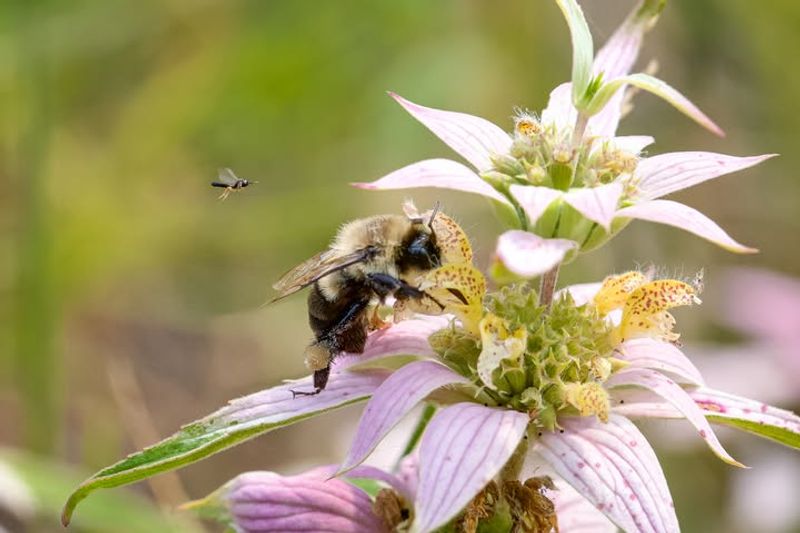
Hot, dry, and sandy is not a problem for spotted beebalm. Monarda punctata is one of those native wildflowers that genuinely thrives where many ornamentals struggle.
That makes it a standout choice for sunny pollinator beds across much of this state. Its blooms are unusual and layered, with stacked whorls of small spotted flowers surrounded by showy bracts in soft shades of pink, lavender, and cream.
The aromatic foliage is part of what makes it special. That scent, pleasant and herby, signals to pollinators that this is a rewarding stop.
Bumblebees, native bees, and various wasps visit it heavily when it is in bloom. The extended bloom season typically runs from summer into fall, depending on the site.
That gives pollinators a reliable mid-season resource in beds that might otherwise have a bloom gap.
Sandy or well-drained soil is genuinely important here. Heavy clay or consistently wet spots do not suit this plant.
In naturalistic beds with good drainage, it spreads gradually by seed and rhizome. That gives the planting an informal, meadow-style look that fits the 2026 layered aesthetic perfectly.
Stiff formal borders are not the right context for spotted beebalm. It belongs in naturalistic beds where its loose, layered habit reads as intentional rather than messy.
Pair it with coreopsis, grasses, and tropical sage for a sunny bed that stays interesting from spring through fall.
4. Coreopsis Keeps Native Color Easy And Cheerful
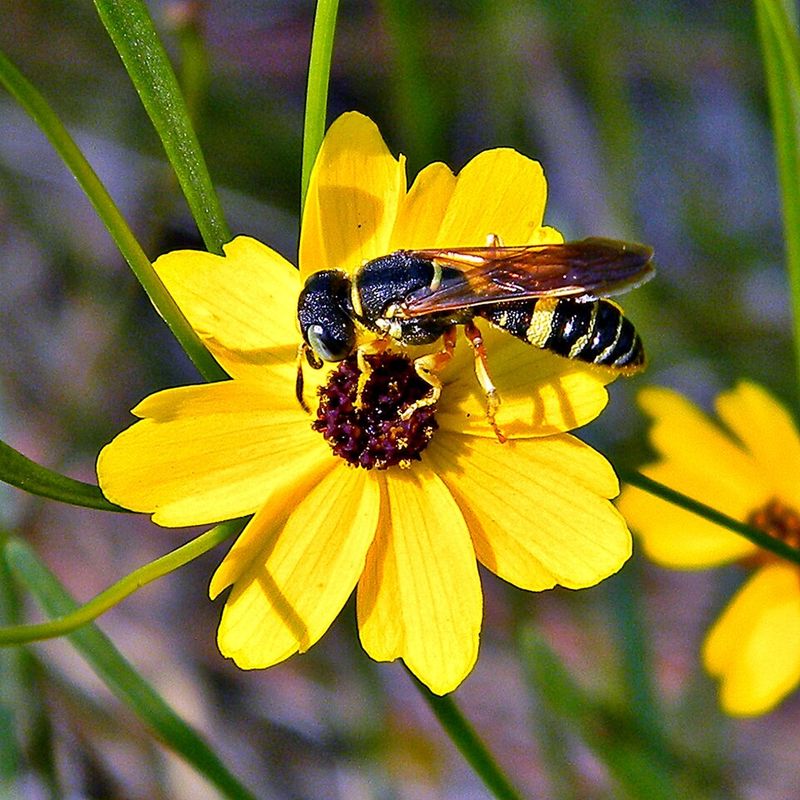
Cheerful is the right word for coreopsis. Those bright yellow daisy-like flowers have been a staple of native plantings for good reason.
In 2026, they still earn their place in layered pollinator beds across the state. Several Coreopsis species are native to this state, including Coreopsis leavenworthii, the tickseed that serves as our state wildflower.
That makes it a genuine local choice rather than a generic filler.
Sunny beds are where coreopsis shines best. It handles heat, tolerates sandy soil, and blooms generously through spring and into summer when planted in the right conditions.
Native bees and butterflies visit the flowers, and the seedheads that follow provide food for small birds like goldfinches during their migration season. That adds another layer of wildlife value to the planting.
A practical caution worth mentioning: not every coreopsis sold at garden centers is a native. Some cultivars and non-native species are commonly sold alongside native ones, so checking labels or buying from a reputable native plant nursery matters.
The Florida Wildflower Foundation lists several native species worth seeking out by name.
Pairing coreopsis with native grasses, spotted beebalm, or tropical sage creates a sunny mid-layer combination that carries seasonal color without demanding much.
Let it reseed naturally where possible, and the planting fills in beautifully over time with almost no extra effort from the gardener.
5. Tropical Sage Feeds Pollinators With Loose Garden Charm
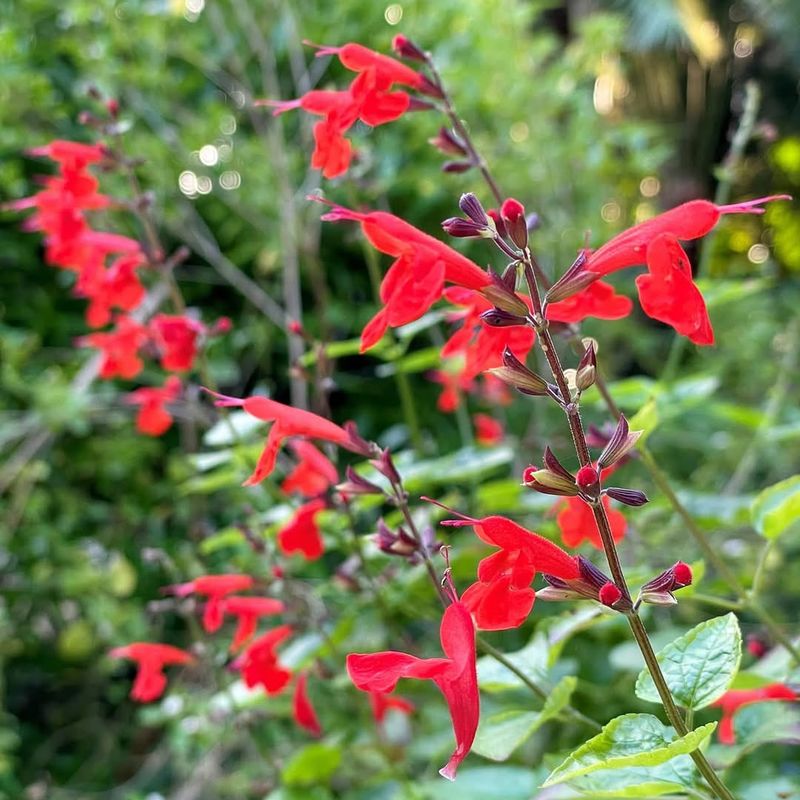
Red flowers that reseed freely and keep coming back season after season without much help from the gardener are worth noticing. That is the kind of plant that earns a permanent spot in a low-maintenance pollinator bed.
Salvia coccinea, known as tropical sage, delivers exactly that. Its upright spikes of small scarlet flowers bloom across a long season and attract hummingbirds, butterflies, and native bees with real consistency.
Sunny to partly sunny beds are its sweet spot. It handles heat well, tolerates average to dry soil once established, and fits naturally into the informal, layered style that defines the 2026 pollinator garden trend.
The loose, open habit gives beds a relaxed, alive feeling rather than a clipped, formal one, which is exactly the aesthetic this trend is moving toward.
Reseeding is one of its best qualities and one thing to manage with intention. Volunteers pop up generously in happy sites, which means a planting can expand quickly.
Thinning seedlings occasionally keeps the bed from becoming overcrowded and ensures other plants in the layer still have space to contribute. Pulling a few volunteers is easy work, and the extras can be transplanted elsewhere.
Tropical sage is confirmed as a native by the Florida Native Plant Society and supported by UF/IFAS. It works beautifully alongside coreopsis, narrowleaf sunflower, and blue mistflower.
Together, those four plants can carry color and pollinator activity from late spring well into fall across much of the state.
6. Narrowleaf Sunflower Brings Fall Nectar With Native Drama
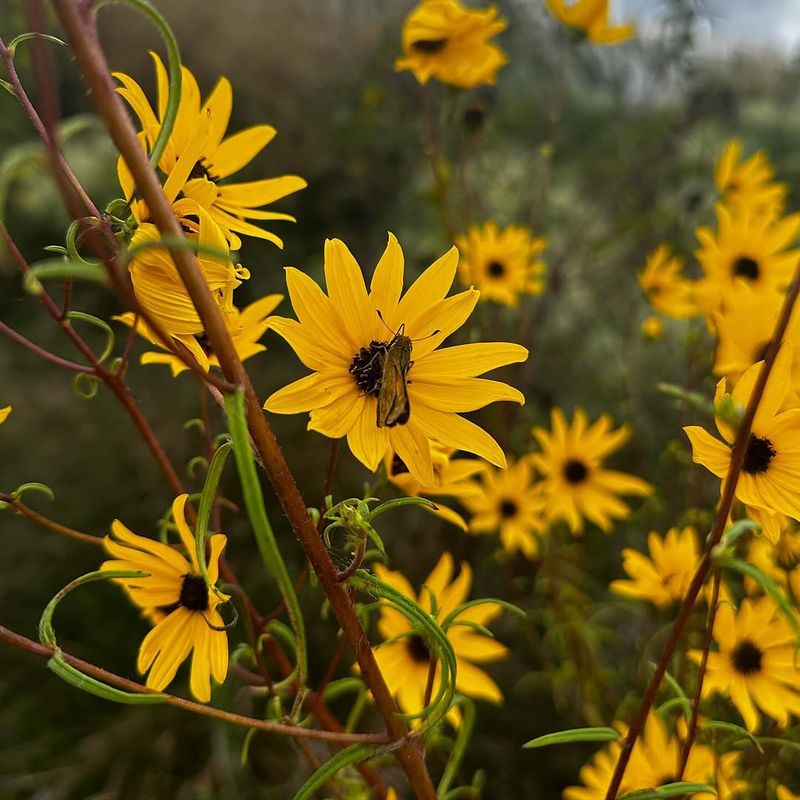
By the time October arrives, a lot of summer plantings are winding down, and that is exactly when narrowleaf sunflower steps into the spotlight.
Helianthus angustifolius blooms in fall with a burst of bright yellow flowers that can cover a tall plant almost completely.
It creates some of the most dramatic seasonal color in any native garden. It is a genuine late-season powerhouse for pollinators when other nectar sources are thinning out.
Height is a defining characteristic here. Narrowleaf sunflower can reach six to eight feet or more in good conditions, making it a clear back-of-border or meadow-style plant rather than a front-row choice.
In larger beds, meadow-style plantings, or along fence lines, that height becomes an asset. In a small front yard with no room to spread, it can easily overwhelm the space.
Native bees, butterflies, and goldfinches all use this plant at different points. Bees and butterflies visit the flowers through fall.
The seedheads that follow attract birds well into winter, extending the plant’s wildlife value beyond its bloom season. Leaving stems standing through winter supports overwintering insects and adds structural interest to the bed.
Moist to average soil suits it well, and it tolerates the wet conditions that come with our rainy season. It is confirmed as a native by multiple state sources, including the Florida Native Plant Society.
It belongs in any layered planting that needs strong fall presence and real ecological depth.
7. Blue Mistflower Adds Soft Color For Late Season Visitors
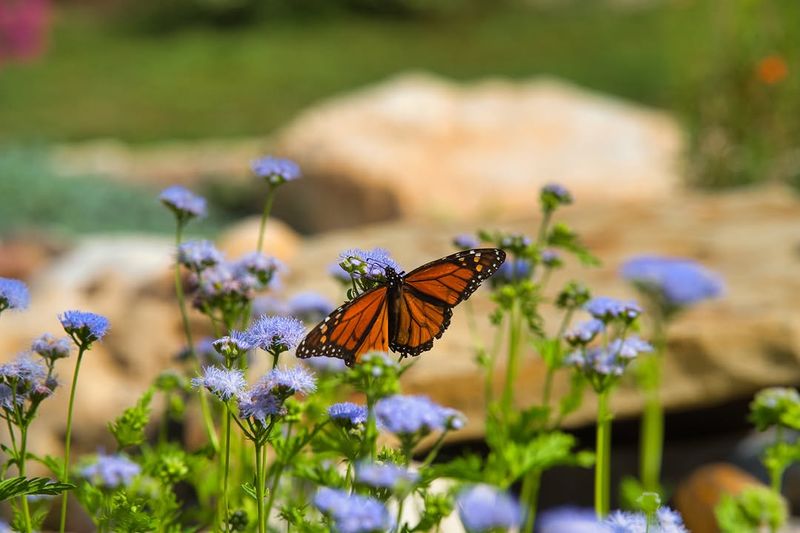
Soft, fuzzy clusters of blue-purple flowers showing up just as summer fades into fall, that is the moment blue mistflower earns every bit of attention it gets.
Conoclinium coelestinum is a native perennial that blooms from late summer into fall, filling a seasonal gap that many gardens leave empty.
For butterflies making their way through during migration season, that timing can be genuinely important.
Partly sunny to partly shaded spots with consistent moisture are where this plant settles in most happily. Along pond edges, in low spots that hold some moisture, or in the shadier corners of a layered bed, it finds its footing and spreads steadily.
The soft color is a welcome contrast to the golden yellows and reds that dominate fall native plantings, giving the bed a more balanced palette.
Spreading enthusiastically is an honest trait of blue mistflower in sites it likes. Gardeners planting it in ideal conditions should expect it to expand and plan for that in the bed layout.
Dividing clumps every few years keeps it from crowding out neighbors and gives the gardener extra plants for other spots in the yard.
It is confirmed as a native by the Florida Native Plant Society and referenced by UF/IFAS. It pairs well with goldenrod, narrowleaf sunflower, and tropical sage for a fall bloom combination that keeps pollinators active well past the summer peak.
Its texture and color make it a finishing layer that the whole bed benefits from.
8. Goldenrod Carries The Pollinator Show Into Fall
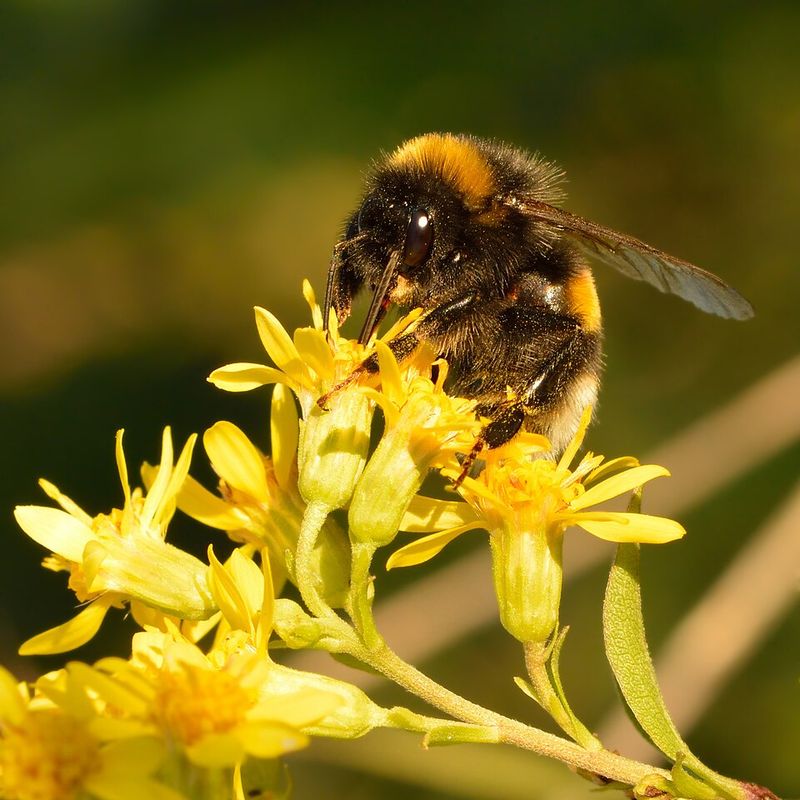
Goldenrod has a reputation problem it does not deserve. Many people blame it for fall allergies, but its pollen is heavy and sticky, carried by insects rather than wind.
The real culprit is ragweed, which blooms at the same time and spreads its light pollen through the air. Goldenrod just gets the blame because it is bright and visible.
Setting that record straight matters, because native Solidago species are among the most ecologically valuable plants a gardener can grow.
Several Solidago species are native to this state, including Solidago odora and Solidago sempervirens. Both are confirmed through the Native Plant Society and referenced by UF/IFAS Extension.
Choosing the right species for the right region is important. Some species are better suited to coastal areas, others to inland or northern regions.
Checking with a local native plant nursery or county Extension office helps narrow down the best fit for a specific site.
The late-season bloom timing is what makes goldenrod irreplaceable in a 2026 pollinator garden. Bees, butterflies, and beneficial wasps visit the golden flower plumes heavily in fall when other nectar sources are fading.
Seedheads that follow provide food for birds through winter, and the upright stems offer shelter for beneficial insects at ground level.
Spreading by rhizome is a real trait in some species, so placement matters. Giving goldenrod room to expand at the back of a bed or along a fence line keeps it from becoming an issue.
That works better than crowding it into a tight border, and it lets the plant do what it does best.