The Tiny Hummingbird That Stays In Oregon All Year And How Your Garden Can Help
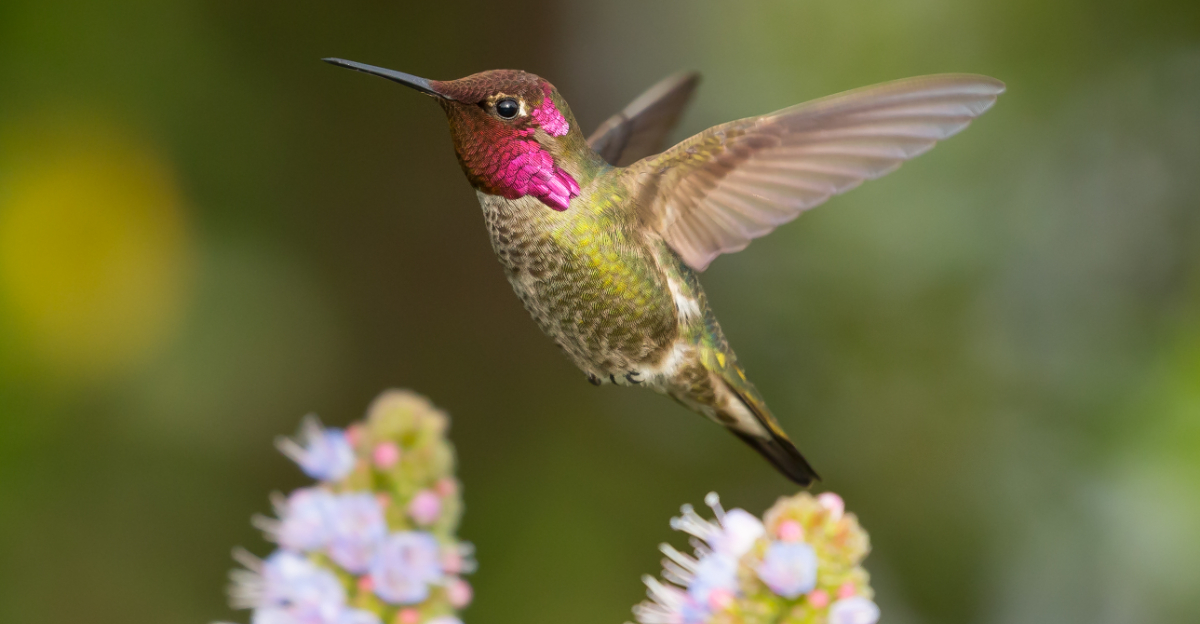
A tiny hummingbird in an Oregon garden can make the whole yard feel more alive. Most people expect these little birds to show up only for part of the year, but one species can stick around through every season when the habitat feels right.
That makes your garden more important than it may seem. Flowers can help keep it interested during bloom season.
A clean feeder can offer backup when natural food is limited. Shelter also matters, since small birds need safe places to rest between visits.
This does not mean changing your whole yard overnight. It starts with knowing what this bird uses and how to make the space more welcoming.
For many Oregon gardeners, that year round visitor is Anna’s hummingbird, and spotting one can turn an ordinary day outside into something special.
1. Anna’s Hummingbird Is The Year-Round One
Of all the hummingbirds that visit the Pacific Northwest, only one refuses to leave when the temperatures drop.
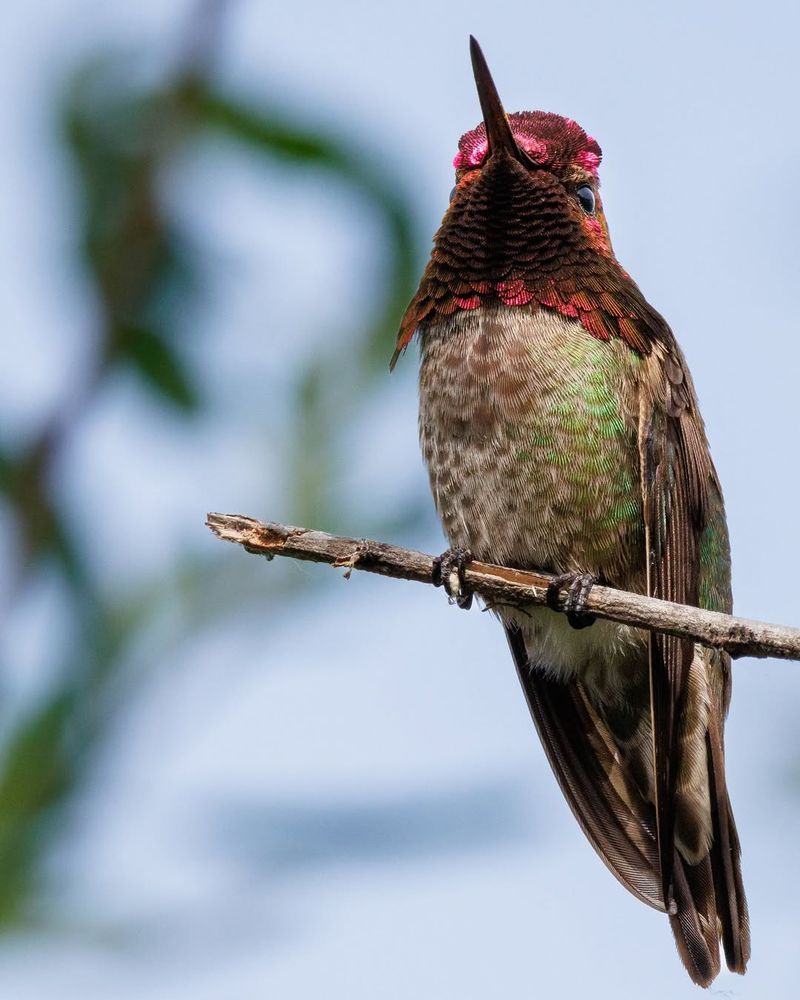
Anna’s Hummingbird is the only species that stays in our state through every single season, including the cold and rainy winter months that send most other birds heading south.
Males are easy to spot with their brilliant rose-pink throats that flash like a tiny jewel in sunlight.
Females are a bit more subtle, with green backs and spotted throats, but both are just as tough and determined to survive the year-round chill of the region.
Anna’s Hummingbirds were not always common here. Back in the early 1900s, they were mostly found in California.
As more people planted gardens with winter-blooming flowers and put up feeders, the birds slowly expanded their range northward. Now they are a familiar and beloved part of the local wildlife scene.
These birds are incredibly resourceful. On cold nights, they enter a state called torpor, which slows their heart rate and saves energy.
Their tiny bodies can handle more cold than most people realize. Still, a reliable garden with food and shelter gives them a much better chance of making it through the roughest weeks of winter without struggling too much.
2. Summer Gardens Still Matter For This Tiny Bird
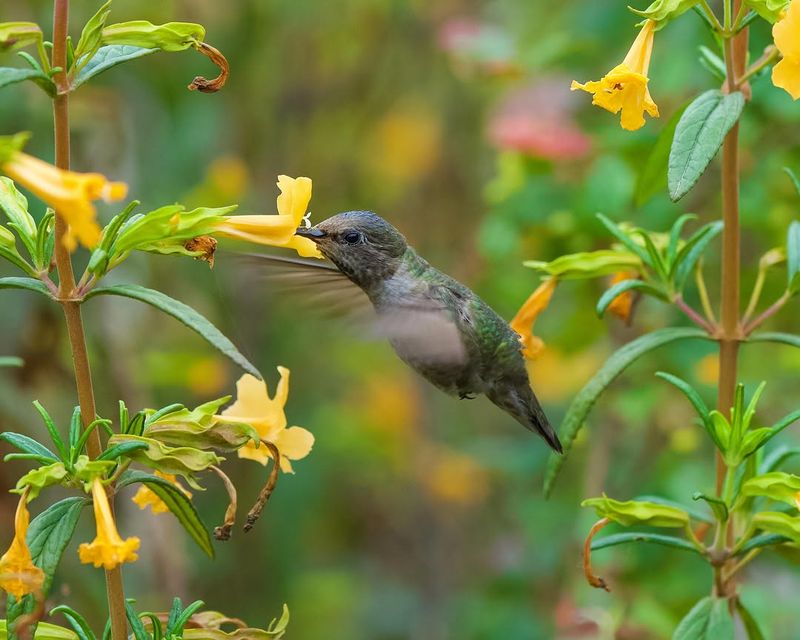
It is easy to think hummingbirds only need help in winter, but summer is actually one of the busiest and most demanding times in their lives.
Anna’s Hummingbirds are raising chicks, defending territories, and burning enormous amounts of energy from late winter all the way through summer.
A female builds her tiny nest using plant fibers and spider silk, which allows it to stretch as the chicks grow.
She feeds her young a mix of nectar and small insects, giving them the protein and sugar they need to develop fast.
Without enough food nearby, she has to travel farther and work harder to keep everyone fed.
Summer gardens packed with blooming flowers give these birds a reliable fuel source right in your yard. The more variety you offer, the better.
Different flowers bloom at different times, so a well-planned garden keeps nectar flowing all season long without any long gaps.
Your Oregon Garden Changes Every Week. Your Plan Should Too.
Gardening in Oregon changes quickly throughout the season. Every Friday you’ll receive a simple weekly plan showing exactly what to plant, prune, fertilize, harvest, and protect so you never miss the right timing.
Hummingbirds also use gardens as territorial bases. Males will perch on high branches and guard patches of flowers from rivals.
Having a garden they trust means they will return again and again throughout the season. That kind of loyalty makes your yard a genuinely important part of their daily survival routine, not just a nice bonus stop on a longer route.
3. Nectar Flowers Keep Them Visiting Beyond Feeders
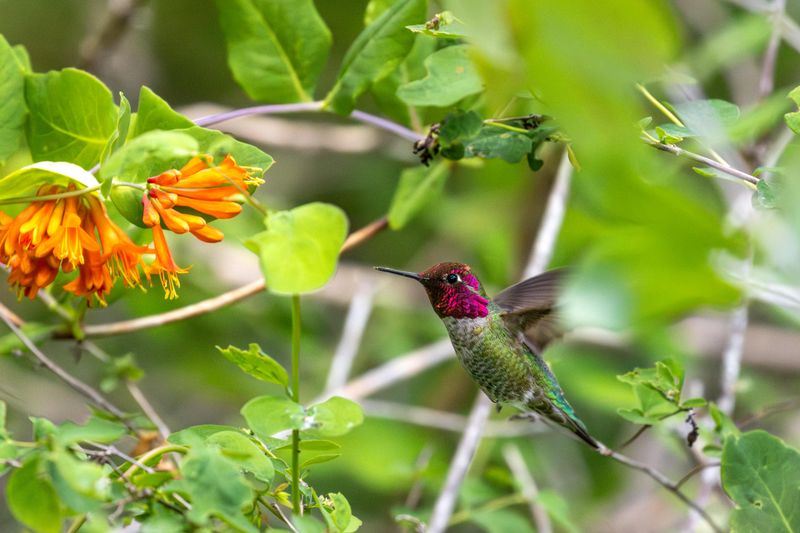
Feeders are a great starting point, but flowers offer something a plastic bottle of sugar water simply cannot.
Natural nectar comes packed with trace minerals, enzymes, and subtle nutrients that vary from plant to plant.
A garden full of blooming flowers gives hummingbirds a richer and more complete diet than feeders alone.
Red and orange tubular flowers are the classic favorites. Salvia, penstemon, crocosmia, and fuchsia are all excellent choices that Anna’s Hummingbirds love.
These plants produce deep, narrow blossoms that are shaped almost perfectly for a hummingbird’s long bill and tongue.
Planting in clusters makes a big difference. A single flower here and there is easy to miss.
But a bold patch of bright blooms acts like a beacon that draws hummingbirds in from a distance.
Once they find a reliable spot, they will keep coming back on a regular schedule, almost like a route they check every day.
Flowers also make your garden more beautiful for you, which is a bonus worth celebrating. You get to enjoy the colors and the pollinators they attract, while the hummingbirds get a steady supply of real food.
It is a simple and rewarding trade that benefits everyone involved, and it starts with just a few well-chosen plants from your local nursery.
4. Insects Give Them Protein Sugar Water Cannot
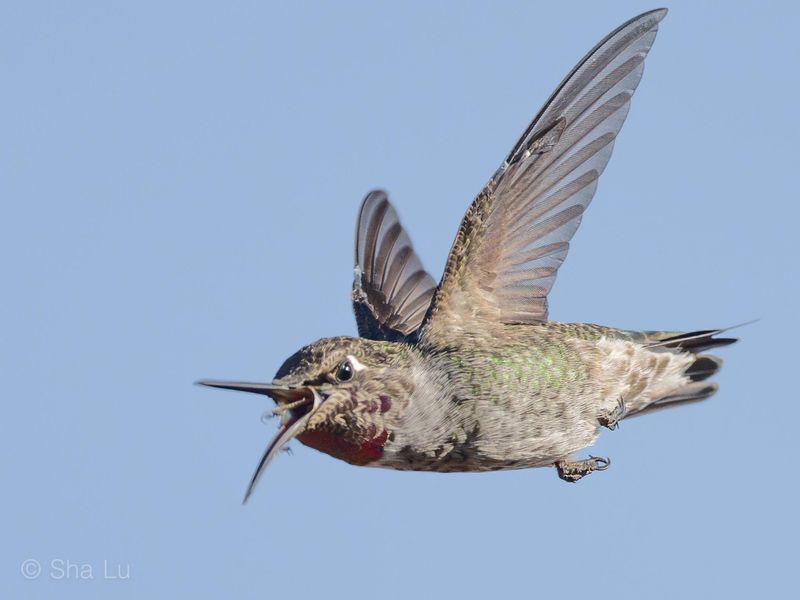
Sugar water in a feeder keeps a hummingbird going, but it does not give them everything they need. Insects are a critical part of their diet, and without enough of them, these birds cannot stay healthy or raise strong chicks.
Protein from bugs is what builds muscle, supports feather growth, and fuels reproduction.
Anna’s Hummingbirds catch insects in mid-air, snatch them off leaves, and even pull tiny spiders from their webs. They are surprisingly skilled hunters for such small creatures.
A single bird may eat dozens of small insects and spiders every single day, especially during nesting season when chicks need protein-rich meals to grow.
One of the best things you can do for hummingbirds is avoid using pesticides in your garden. Chemical sprays wipe out the very insects these birds depend on.
A garden with healthy insect populations is a much more complete habitat than one that looks tidy but has no bugs at all.
Letting a small section of your yard grow a little wild can help. Leaf litter, native plants, and undisturbed soil all support insect life.
You do not need to let your whole yard go, just a corner or a border bed where nature can do its thing.
That small patch can quietly become one of the most valuable parts of your hummingbird-friendly garden.
5. Native Shrubs Offer Perches And Shelter
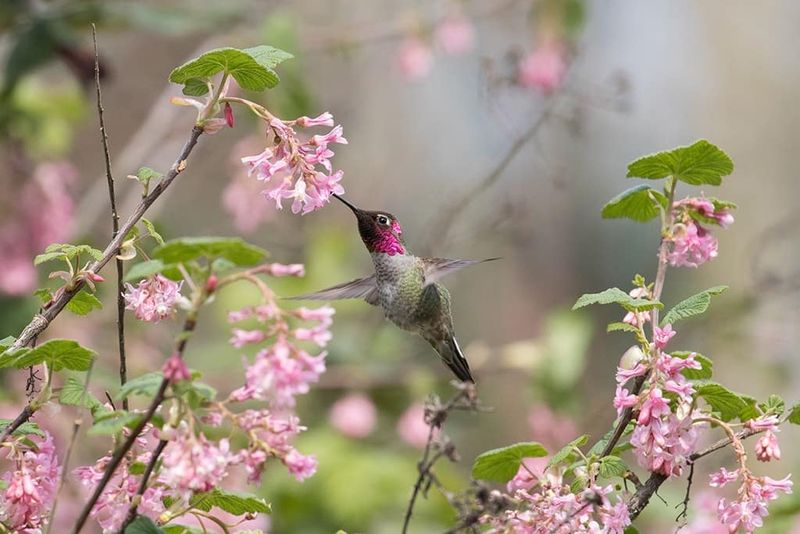
Hummingbirds do not spend all their time flying. They actually perch quite a lot, resting between feeding bursts, watching for rivals, and scanning their territory.
Native shrubs give them the perfect spots to do all of that while also blending into a natural-looking yard.
Red flowering currant is one of the best native shrubs you can plant for Anna’s Hummingbirds in the Pacific Northwest. It blooms early in the year, often right when winter feeders start to run dry and natural food is hardest to find.
Those early pink-red flower clusters are like a lifeline arriving at exactly the right moment.
Tall shrubs also provide shelter from wind, rain, and cold. On stormy nights, a dense shrub can protect a small bird from the worst of the weather.
Hummingbirds often choose sheltered spots to enter torpor, so having thick vegetation nearby gives them a safe and protected place to rest through cold nights.
Native shrubs support insects too, which doubles their value in a hummingbird garden. Plants like osoberry, native honeysuckle, and salal all provide both food and structure for a healthy backyard habitat.
You get a garden that looks natural and layered, and the hummingbirds get a space that actually feels like home rather than just a quick pit stop between flights.
6. Clean Feeders Help More Than Extra Feeders
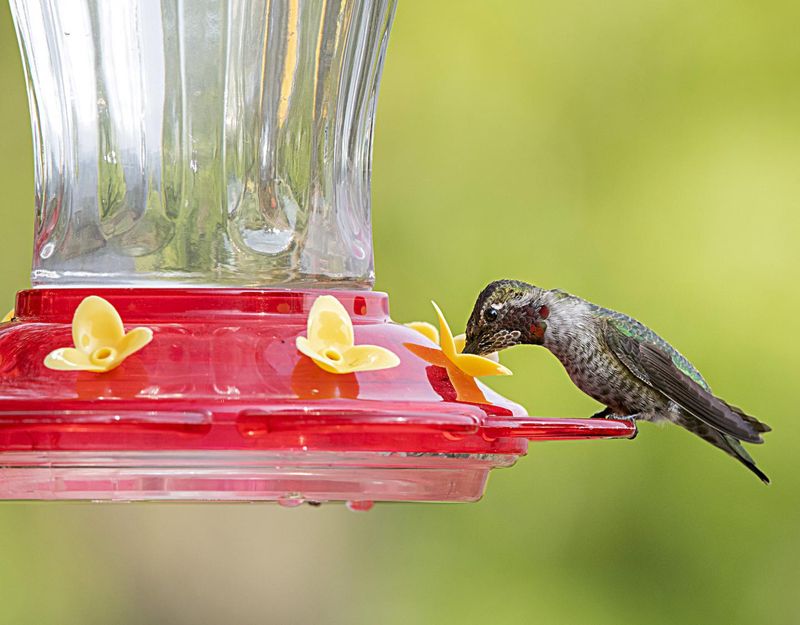
More feeders in your yard might seem like a great idea, but a single clean feeder beats five dirty ones every time.
Hummingbirds are sensitive to spoiled nectar, and a feeder that has not been cleaned properly can cause real harm to the birds that drink from it.
Nectar goes bad fast, especially in warm weather. In summer, you should rinse and refill your feeder every two to three days.
In cooler months, once a week is usually enough. If you see the liquid turning cloudy or notice black mold forming inside the ports, clean it right away with hot water and a bottle brush.
Never use soap with strong fragrances, and avoid bleach unless you rinse the feeder very thoroughly afterward. Even small traces of cleaning chemicals can be harmful to tiny birds.
Hot water and a good scrub brush are usually all you need to keep things safe and fresh.
Placement matters too. Keeping feeders in a shaded spot slows down the spoiling process in summer.
In winter, bringing feeders inside on freezing nights prevents the nectar from turning to ice. Some people keep two feeders and rotate them so one is always clean and ready to go.
That simple routine makes your feeder a reliable and safe resource instead of a risky one.
7. Skip Red Dye In Hummingbird Nectar
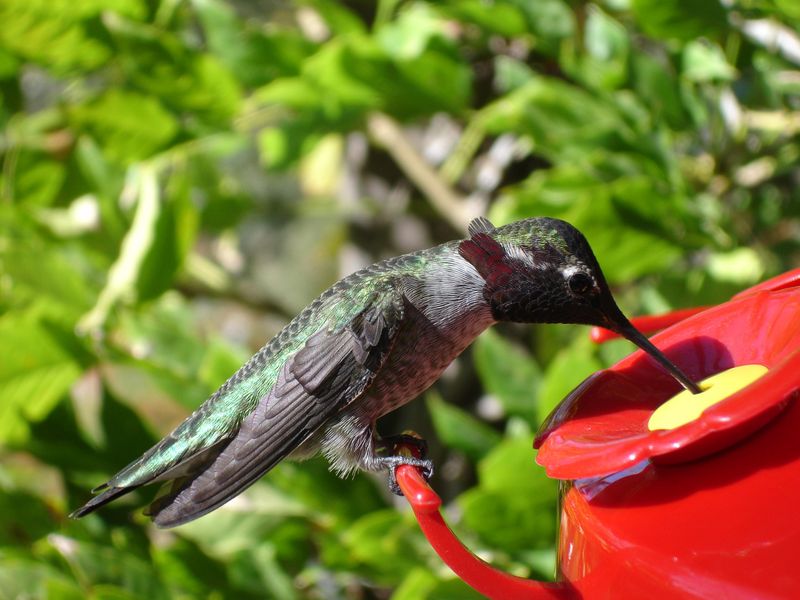
Walk into any garden store and you will likely see bottles of bright red hummingbird nectar for sale.
It looks appealing and seems like the obvious choice, but that red coloring is completely unnecessary and may not be safe for the birds you are trying to help.
Hummingbirds are attracted to the color of the feeder itself, not the color of the liquid inside. A red feeder with clear nectar works just as well as one filled with dyed liquid.
The birds have been visiting red feeders for generations without needing the water to match.
Making your own nectar at home is simple and much safer. Mix one part plain white granulated sugar with four parts water.
Bring it to a boil to help dissolve the sugar and slow the growth of mold, then let it cool completely before filling your feeder. Store any extra in the fridge for up to two weeks.
Avoid using honey, brown sugar, powdered sugar, or artificial sweeteners. These can cause health problems or ferment too quickly in the feeder.
Plain white sugar most closely mimics the natural sucrose found in flower nectar.
It is the cleanest and most straightforward option available, and it costs almost nothing compared to store-bought mixes. Keeping it simple is genuinely the best approach here.
8. Plant Blooming Flowers From Spring Through Fall
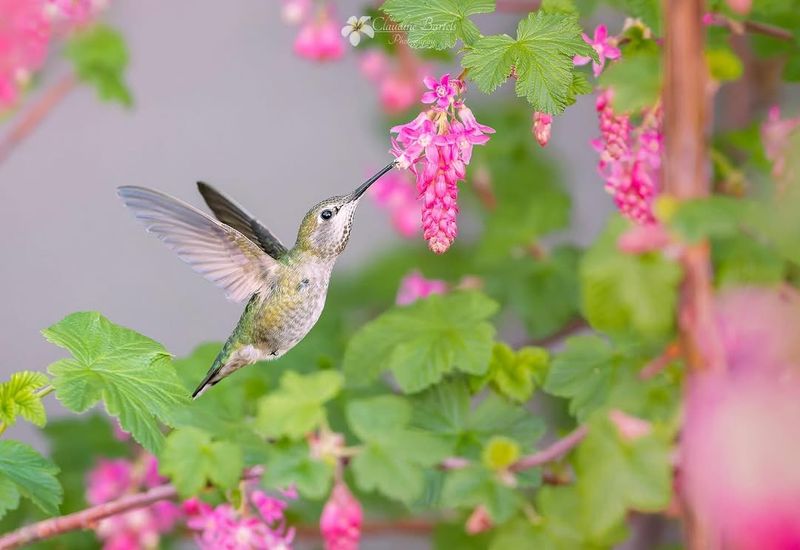
One of the smartest things any gardener can do for hummingbirds is plan for continuous bloom.
If all your flowers peak at once in midsummer and then fade, you leave the birds with a long stretch of nothing.
Spreading bloom times across the whole growing season keeps nectar available when they need it most.
Early spring bloomers like red flowering currant and lungwort get things started right when Anna’s Hummingbirds are most active and building nests. As spring turns to summer, salvia, penstemon, and agastache take over with bold, long-lasting color.
Late summer brings crocosmia and cardinal flower into their prime, followed by autumn bloomers like late-season salvias that carry things all the way to frost.
A layered planting approach works best. Tall plants at the back, medium ones in the middle, and low groundcovers at the front create a tiered effect that looks great and maximizes blooming space.
Mixing annuals with perennials gives you flexibility to fill gaps and try new plants each year.
Container gardens work well too, especially for renters or people with small spaces. A few large pots filled with hummingbird-friendly plants on a porch or patio can attract birds just as effectively as a full garden bed.
The key is keeping something in bloom at all times so the birds always have a reason to stop and stay a while.