The Minnesota Coneflower That Blooms Longer And Grows Bolder Each Season
Some perennials show up, do their job, and quietly disappear. This one shows up and takes over.
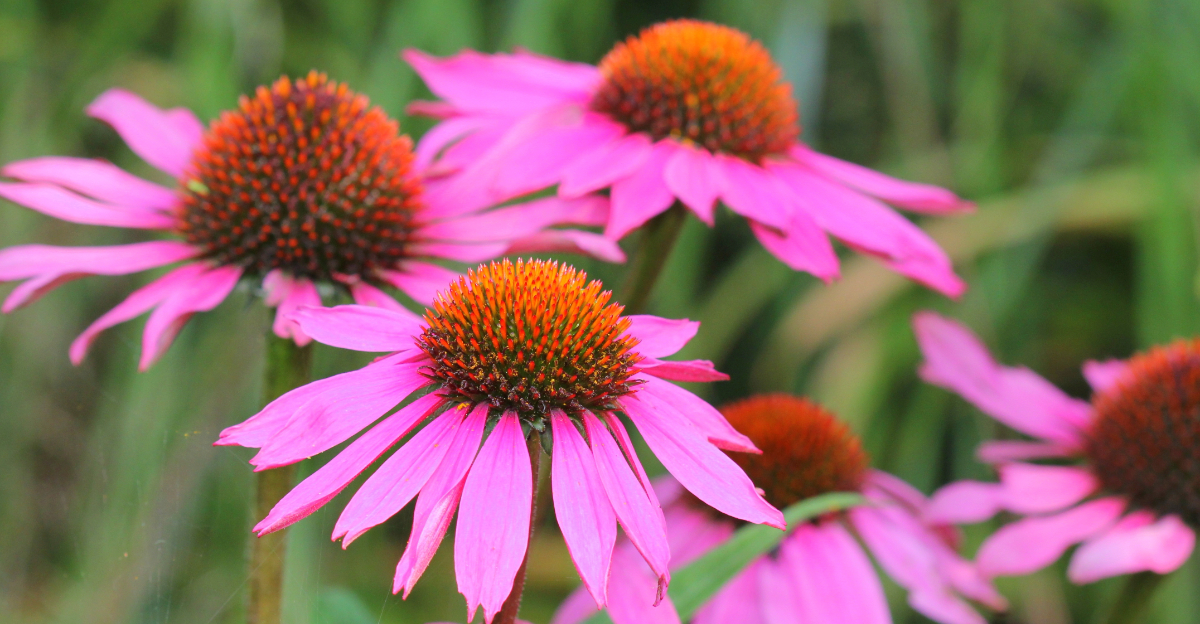
The color is a rich rosy-purple that deepens on new blooms and softens as they age, so the whole clump carries two shades at once. Minnesota summers are brutal and Minnesota winters are worse.
This coneflower handles both without flinching. It draws in butterflies and bees all season, then keeps goldfinches coming back long after the first frost hits.
And every spring it returns a little fuller, a little bolder, a little harder to ignore. It asks for very little and delivers a lot, and Minnesota gardeners who plant it once tend to wonder why they waited so long.
Just a perennial that genuinely gets better with age. Minnesota gardeners who plant it once tend to wonder why they waited so long.
The Coneflower That Rewards Minnesota Gardeners Year After Year
Magnus earns its place in the garden the honest way. It shows up, blooms hard, and comes back even stronger the following season.
This perennial coneflower was not always the household name it is today. A Swedish horticulturist named Magnus Nilsson spent over a decade selecting and refining this standout cultivar, and it was introduced to the gardening world in 1985.
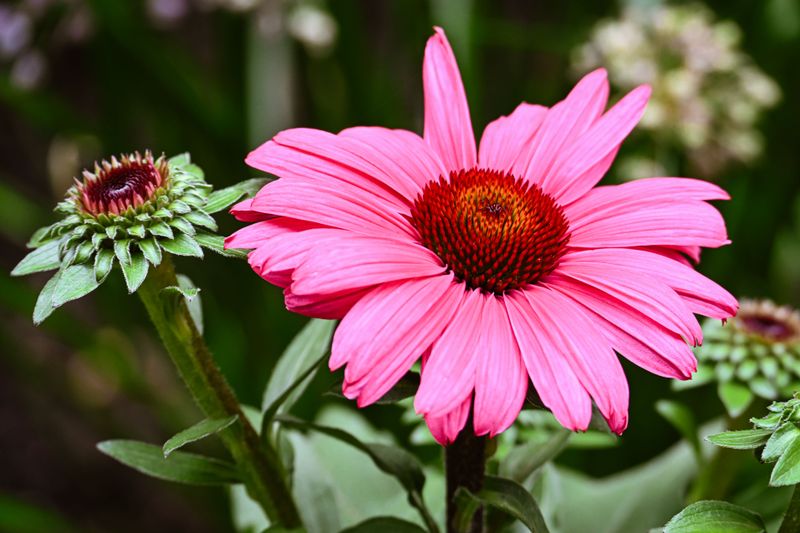
What sets Magnus apart is its unusually wide, flat petals. Most coneflowers have petals that droop downward, but Magnus holds them nearly horizontal, making each bloom look almost twice as large.
The rosy-purple color is rich and consistent from one bloom to the next. That bold, saturated hue holds steady all season long, consistent, unfading, and always impressive.
Gardeners who plant Magnus in spring are often rewarded with blooms by mid-July. From that point forward, the show runs well into September without much intervention at all.
Each year the clump grows wider and more impressive. A single plant can expand noticeably within a few seasons, filling bare spots beautifully without becoming invasive.
The Minnesota coneflower that blooms longer and grows bolder each season is not a marketing slogan. It is simply what Magnus does, reliably, season after season, year after year.
Why Magnus Thrives In Minnesota’s Harsh Climate
Winters here are brutal, and most delicate plants simply cannot survive them. Magnus was practically built for this kind of punishment.
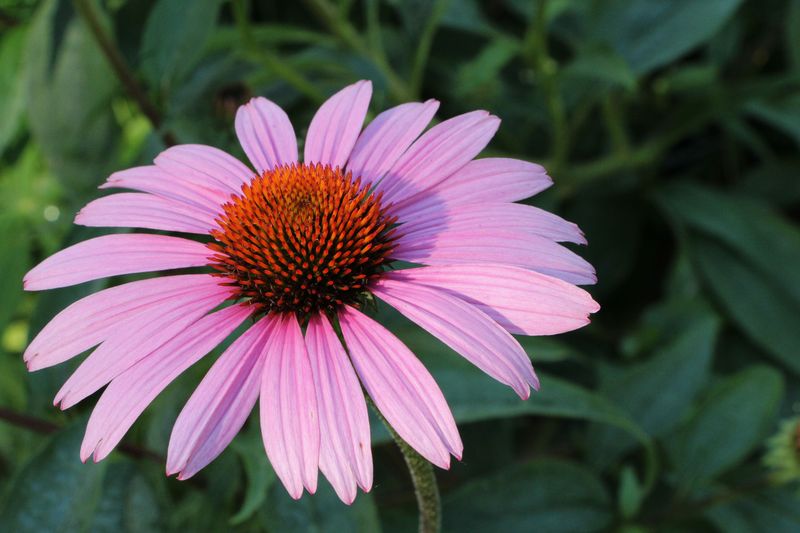
Echinacea purpurea is native to the central prairies of North America. That heritage gives Magnus a deep genetic toughness that allows it to endure cold snaps, dry spells, and heavy clay soil without complaint.
It is rated hardy to USDA Zone 4, which means it handles winter temperatures as low as minus 20 degrees Fahrenheit without missing a beat.
The root system is the real secret weapon. Magnus develops a strong, established root system that anchors it firmly and draws moisture from below the surface during dry summer stretches.
Once established, usually after the first full growing season, it barely needs supplemental watering. The plant handles summer heat and humidity with the same ease it handles a cold snap in early October.
Your Minnesota Garden Changes Every Week. Your Plan Should Too.
Gardening in Minnesota changes quickly throughout the season. Every Friday you’ll receive a simple weekly plan showing exactly what to plant, prune, fertilize, harvest, and protect so you never miss the right timing.
Soil drainage matters more than soil richness for this plant. Magnus actually performs better in lean, well-drained ground than in overly fertilized beds where foliage can get floppy.
Tough climate conditions that send other perennials into retreat are basically just background noise for Magnus. It blooms right through all of it, season after season, without missing a beat.
A Bloom Season That Outlasts Almost Every Other Perennial
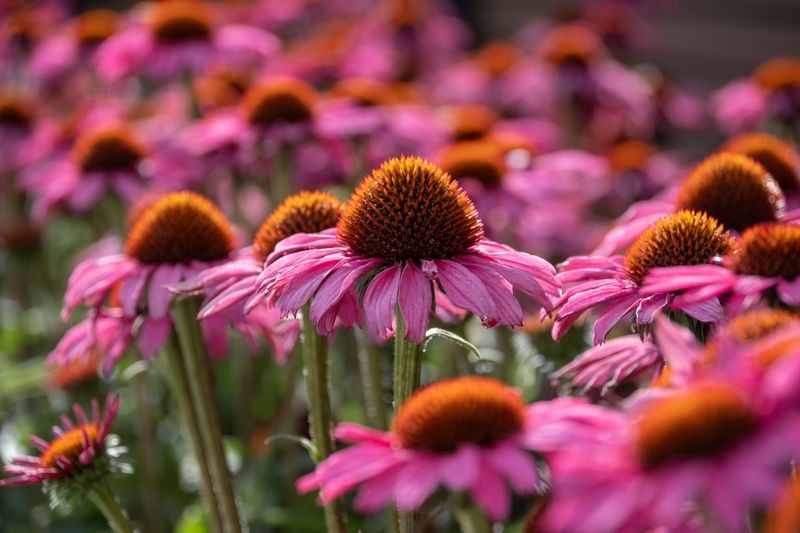
Most perennials give you two, maybe three weeks of flowers before they tap out. Magnus laughs at that timeline.
The bloom season for this cultivar typically runs from early July all the way through late September. That is a solid ten to twelve weeks of color, which is exceptionally long for a flowering perennial.
The secret is in how Magnus produces its flowers. New buds keep forming on side branches even as older blooms begin to fade, creating a continuous relay of fresh color throughout the whole summer.
Removing spent blooms early in the season can push even more flowers out. Snipping off faded heads before they set seed signals the plant to keep producing, which extends the show further into fall.
Come late September, the remaining blooms transition into spiky bronze seed heads. These are not a sign of decline but rather the beginning of the plant’s second act as a wildlife resource.
Even after the petals drop, those seed heads hold visual interest through the winter months. Snow-dusted cones standing tall in a dormant garden have their own quiet, sculptural beauty.
No other common perennial in this region offers that kind of multi-season performance. Magnus delivers color, structure, and wildlife value from July straight through the following spring thaw.
How Magnus Gets Bolder And Fuller With Each Passing Year
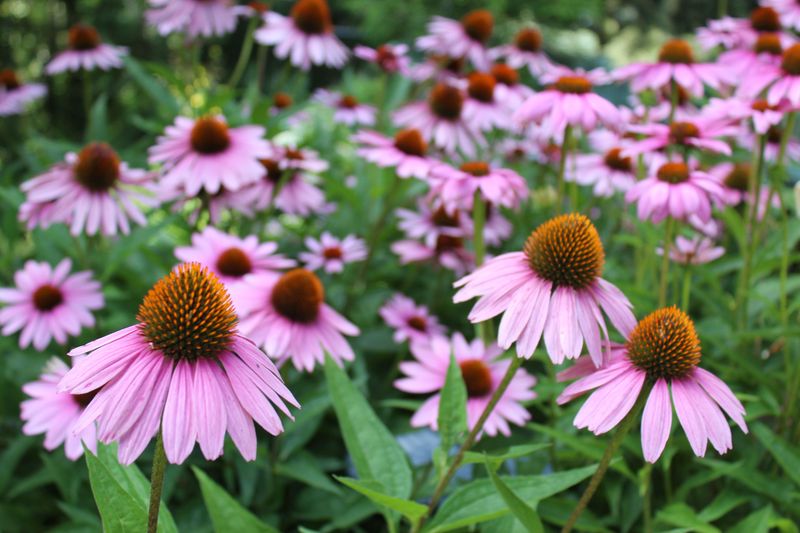
Planting Magnus once is all you need to do. Nature handles the expansion from there.
In its first season, Magnus focuses most of its energy underground. The root system establishes itself quietly while the above-ground growth remains modest and a little unassuming.
By the second year, the transformation begins. The clump widens noticeably, sending up more stems and producing significantly more blooms than the season before.
Year three is when the plant truly hits its stride. A well-established Magnus clump can produce dozens of blooms simultaneously, creating a bold, rounded mound of color that stops people mid-step.
This growth pattern is called clump expansion, and it happens naturally without any dividing or replanting required. The plant simply spreads outward from its crown, adding new growth rings each season.
If the clump eventually gets too wide for its space, division is easy and actually reinvigorates the plant. Dig it up in early spring, split it into sections, and replant them for even more coverage across your yard.
The Minnesota coneflower that blooms longer and grows bolder each season is not just a catchy description. It is a literal account of what happens when you give Magnus time and space to do its thing.
The Low-Maintenance Care Routine Minnesota Gardeners Will Appreciate
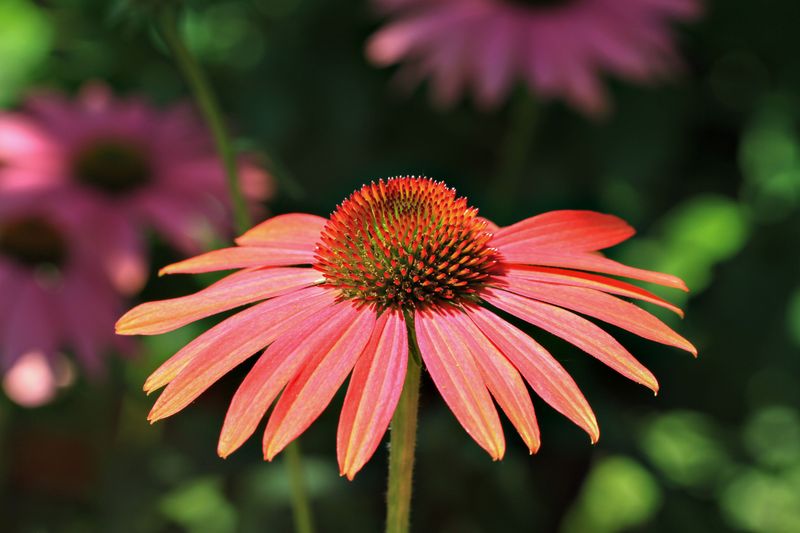
Not everyone has hours to spend babying their garden. Magnus was designed, almost by accident, for exactly that kind of gardener.
After the first season, watering needs drop dramatically. A deep soak once a week during dry stretches is usually more than enough to keep Magnus thriving and blooming.
Fertilizing is optional and honestly unnecessary in most yards. Average garden soil provides plenty of nutrients, and overfeeding actually encourages leafy growth at the expense of flowers.
Mulching around the base in late fall offers a little winter insulation and helps retain moisture through dry spring periods. A two-inch layer of shredded leaves or bark does the job perfectly well.
Pests rarely bother Magnus in any meaningful way. Japanese beetles occasionally visit, but the plant recovers quickly and continues blooming without significant setback or long-term damage.
Powdery mildew can appear in late summer if airflow around the plant is poor. Spacing plants at least eighteen inches apart prevents most mildew issues before they ever get started.
Cutting stems back to the ground in late fall or early spring keeps the planting tidy and encourages vigorous new growth. Either timing works fine, so choose whichever fits your schedule best.
Wildlife It Attracts From Summer Straight Through Winter
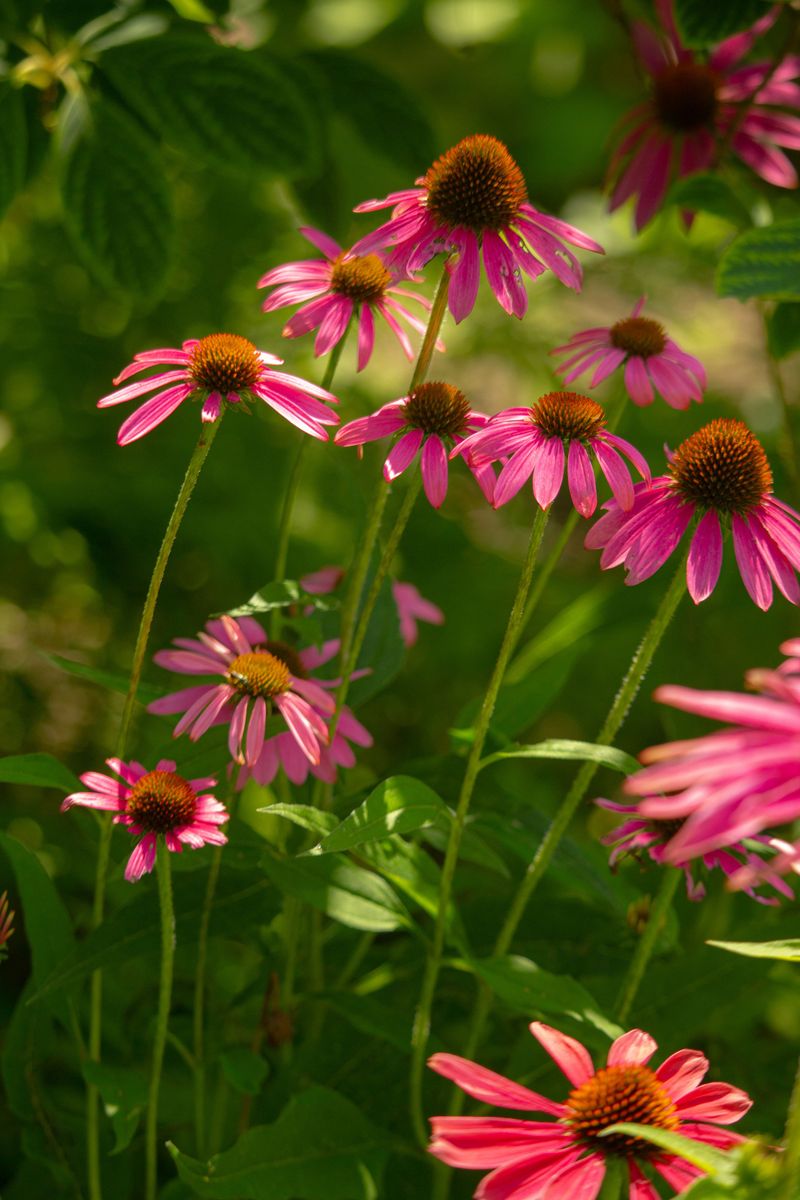
A garden that feeds wildlife is a garden that earns its keep twice over. Magnus does this better than almost any other perennial you can plant.
During peak bloom, the wide flat flowers serve as a landing pad for butterflies and native bees. Monarchs, swallowtails, and bumblebees visit constantly from July through September, making the bed feel alive with movement.
Planting Magnus near a window gives you a front-row seat to the whole buzzing, fluttering show.
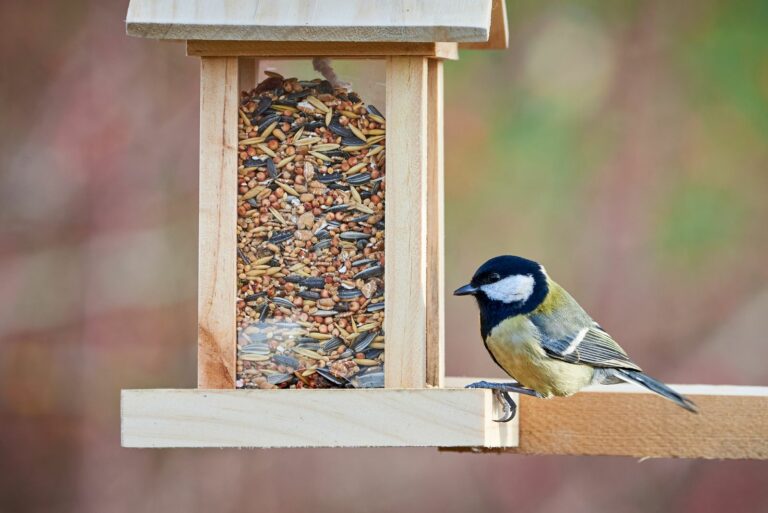
As summer fades and blooms become seed heads, a new crowd moves in. American goldfinches are especially fond of Magnus seeds and will cling to the dried cones all through October and November.
Chickadees and other small songbirds join in as temperatures drop further. The seed heads act as a natural bird feeder that requires no refilling and costs nothing to maintain once established.
Leaving seed heads standing through winter is the single best thing you can do for local wildlife. Shelter-seeking insects also overwinter in the hollow stems, supporting the broader food chain.
Few plants offer this kind of seasonal wildlife progression. Magnus moves from pollinator paradise to bird buffet without skipping a single beat.
How To Plant It And Where It Looks Best In Your Yard
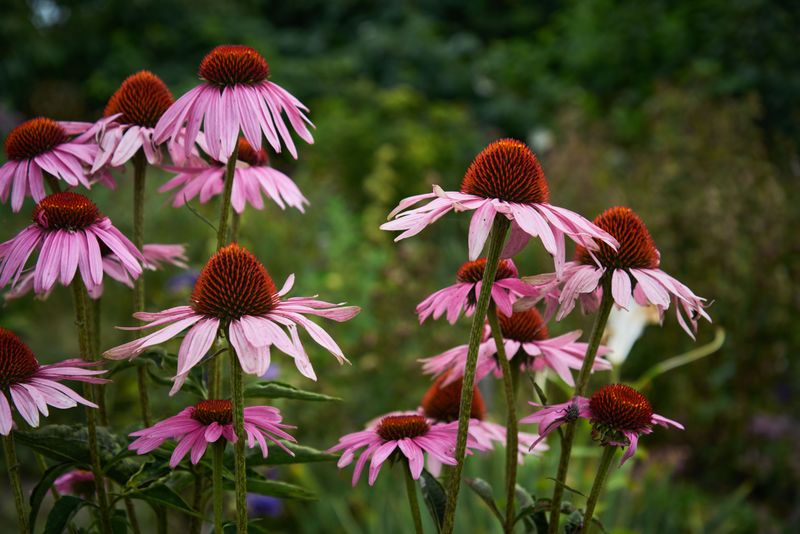
Picking the right spot makes all the difference between a plant that limps along and one that absolutely thrives. Magnus is flexible, but it does have preferences.
Full sun is the top priority, meaning at least six hours of direct sunlight per day. Plants grown in shade tend to get leggy, produce fewer blooms, and become more susceptible to mildew.
Well-drained soil is the second key requirement. Avoid low spots in the yard where water pools after rain, as soggy roots will weaken even the hardiest Magnus plant over time.
Planting depth matters too. Set the crown of the plant just at soil level, no deeper, and space multiple plants about eighteen to twenty-four inches apart to allow for future expansion.
Magnus pairs beautifully with ornamental grasses, black-eyed Susans, and purple salvia. These companions share similar care needs and create a layered, naturalistic look that feels intentional without requiring a design degree.
Mid-border placement works best for most yards, since the plants reach about two to four feet tall. Shorter plants in front and taller grasses behind create a classic tiered effect.
Container gardening with Magnus is also possible in large pots with good drainage. Wherever you put it, the Minnesota coneflower that blooms longer and grows bolder each season will absolutely deliver.