How North Carolina Clay Soil Can Benefit Your Garden
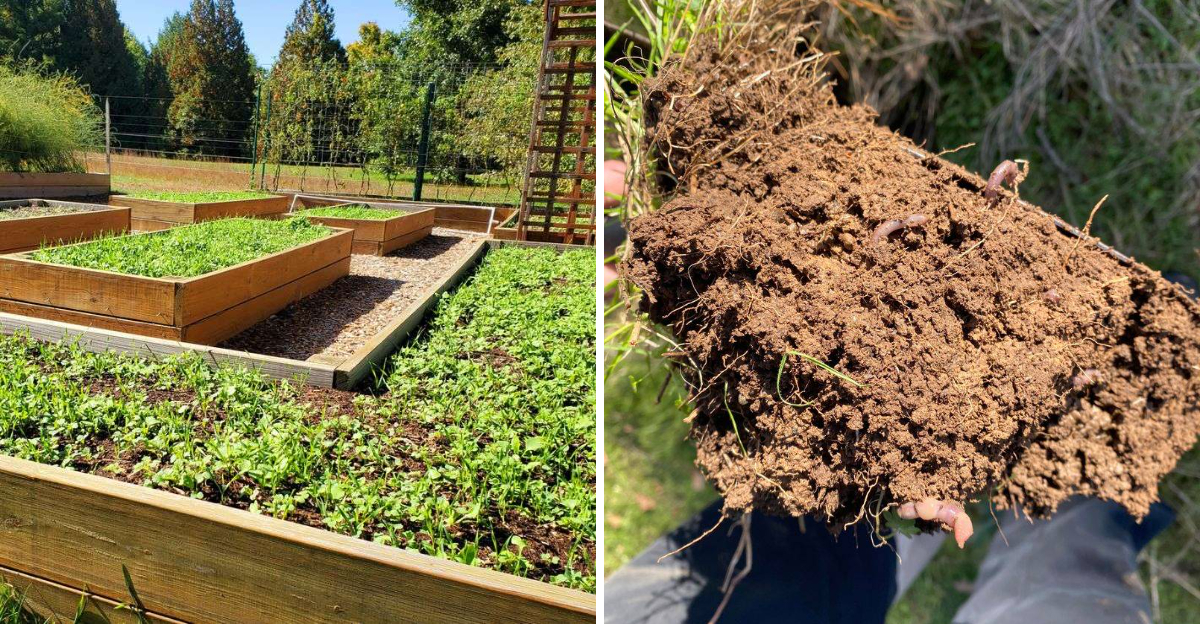
North Carolina clay soil and frustration go together in a way many gardeners know personally. You dig a hole, hit that dense orange layer, and the shovel stops like it made a point.
The reputation is earned in some ways. Sticky when wet, concrete-hard when dry, slow to drain after heavy rain.
But something interesting happens in gardens where clay is treated as an asset rather than a problem to fix.
Certain plants grow fuller and more resilient in heavy clay than they ever would in lighter soil.
Moisture stays in the root zone through dry stretches without constant irrigation. Nutrients that would wash through sandy ground stick around where roots can actually use them.
Does your clay soil feel like a sentence rather than a starting point?
It is not a perfect medium. Real challenges come with it, and no amount of reframing changes the physical reality of working in dense soil.
But North Carolina gardeners who stop fighting their clay and start reading it end up with some of the most productive and drought-resistant gardens in the region.
1. Clay Retains Moisture For Dry Periods
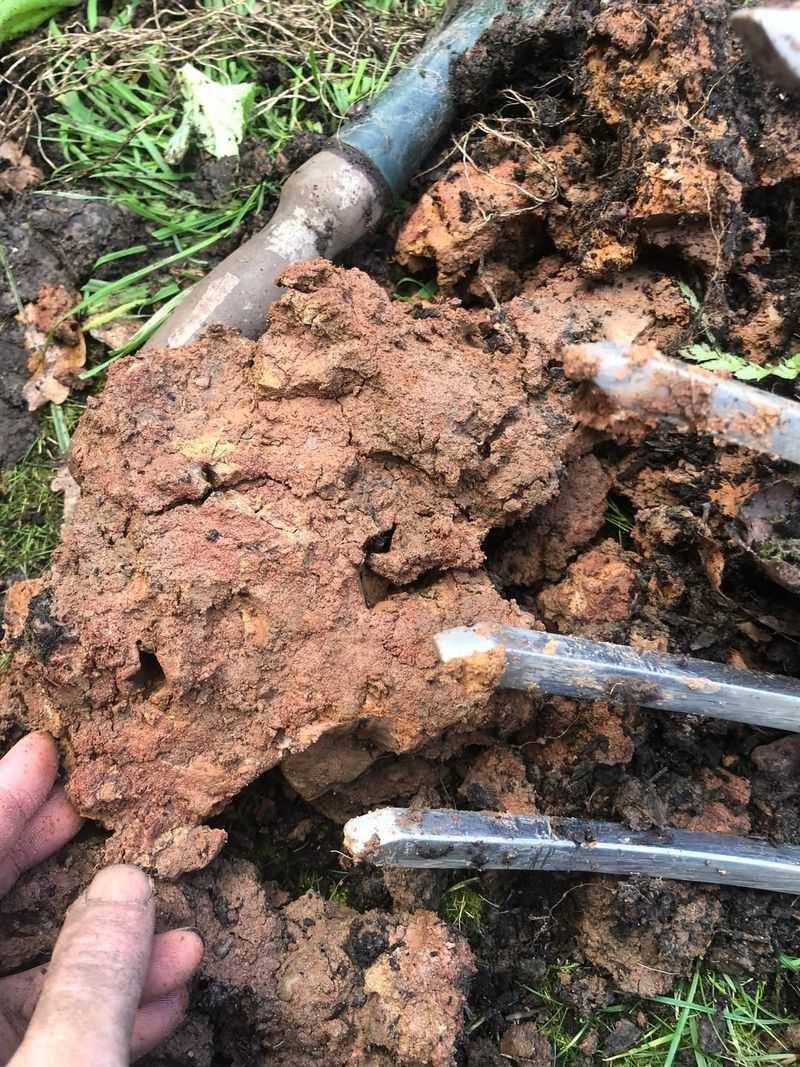
Summers in North Carolina push into the nineties for weeks at a stretch. Sandy soils lose water almost as fast as it lands. Clay does the opposite.
Clay particles are extremely small and pack tightly together, creating pores that trap and hold water long after the last rainfall. Root zones in clay stay consistently moist while nearby sandy gardens dry out and require constant attention.
Gardens planted in clay tend to need less frequent watering than those in lighter soils. That difference is noticeable on the water bill and significant during drought years when restrictions limit outdoor watering.
To get the most from this natural advantage, water deeply and infrequently rather than shallowly and often.
Shallow watering keeps roots near the surface where they are more exposed to heat. Deep watering sends roots downward into the clay layer where moisture holds much longer.
Do you know how deep your last watering actually reached? A screwdriver or soil probe pushed into the ground after irrigation tells you immediately.
If it slides in easily past twelve inches, moisture is doing its job. If it stops near the surface, the watering cycle needs adjusting.
Early morning irrigation reduces surface evaporation before heat builds. A layer of organic mulch on top extends that benefit further by slowing moisture loss between cycles.
Clay soil stores water in a way that sandy soil cannot match. In a dry North Carolina August, that storage is not a minor convenience.
It is the difference between a garden that needs you every day and one that takes care of itself until the next rain.
2. It’s Rich In Nutrients Naturally
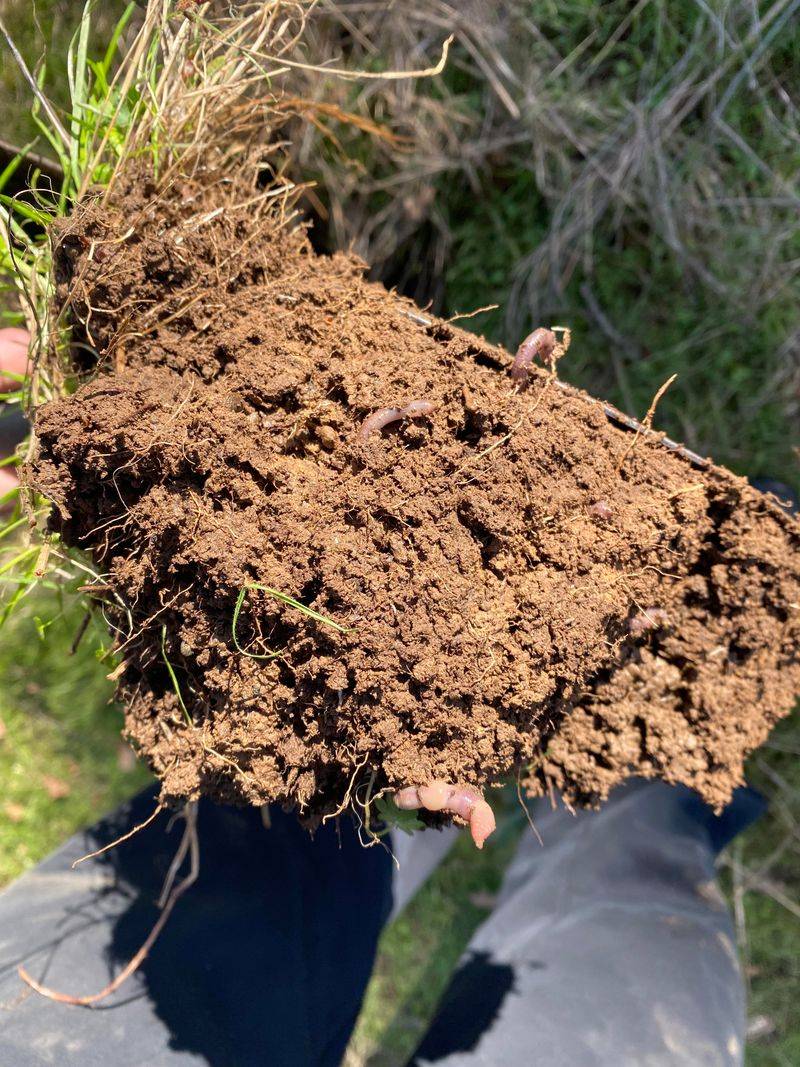
Clay does something that sandy soil simply cannot. It holds nutrients in place where plant roots can actually reach them.
Clay particles carry a negative electrical charge. That charge attracts and binds positively charged nutrient ions including calcium, magnesium, and potassium.
Your North Carolina Garden Changes Every Week. Your Plan Should Too.
Gardening in North Carolina changes quickly throughout the season. Every Friday you’ll receive a simple weekly plan showing exactly what to plant, prune, fertilize, harvest, and protect so you never miss the right timing.
The nutrients you add to clay soil stay in the root zone rather than washing away with the next heavy rain.
Sandy soils have a well-documented leaching problem. Fertilizers and minerals move through quickly before roots absorb them. Clay eliminates most of that loss.
Nutrients added once remain available over a much longer period, providing steady supply rather than a brief spike followed by depletion.
This natural fertility advantage means clay-soil gardeners are often starting from a stronger position than they realize, even before adding a single amendment.
Have you had your clay soil tested recently? A basic soil test identifies what is already present and what might be missing, so you can add what is needed rather than guessing and applying products the soil does not require.
Working with your soil’s natural nutrient-holding capacity rather than against it changes the entire approach to fertilization. Less frequent application, lower overall quantity, and more predictable results.
Sandy soils require gardeners to fertilize constantly just to maintain basic nutrient levels. Clay holds those nutrients between applications and releases them steadily into the root zone.
Not a glamorous soil characteristic. But a remarkably useful one for anyone who has ever watched fertilizer wash away in a rainstorm.
3. Organic Matter Unlocks Clay’s Structure
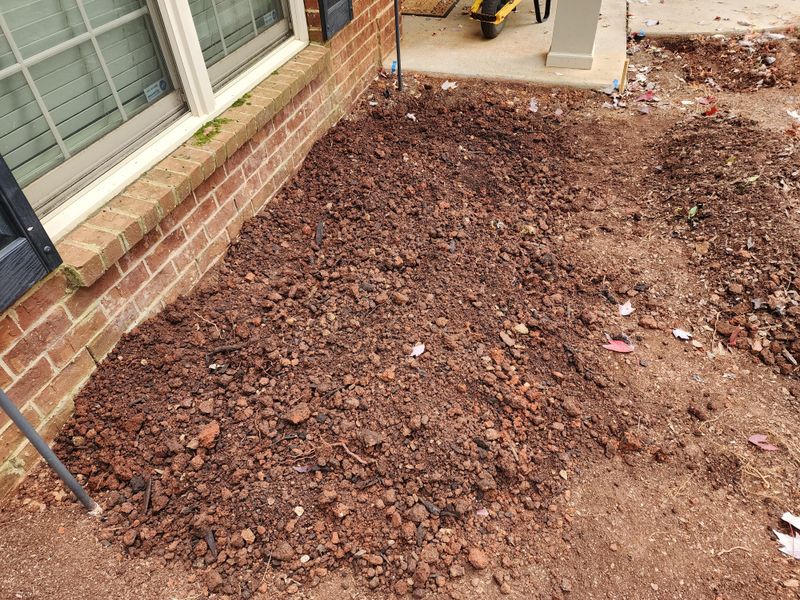
Clay soil earns its difficult reputation honestly. It compacts under foot traffic, drains slowly after rain, and cracks into plates during dry spells. Those are real challenges.
Organic matter addresses all of them. Compost, aged manure, leaf mold, and wood chips introduce air pockets into the tightly packed clay structure.
Those pockets improve drainage and create pathways for roots to push through rather than deflect around dense layers.
The biological activity organic matter carries is the part most gardeners underestimate. Fungi, bacteria, and earthworms that arrive with organic amendments continue breaking material down long after initial incorporation.
Each season of biological activity loosens the structure further without any additional effort from the gardener.
Do you add organic matter to your clay beds consistently, or only when things look clearly problematic? Consistency matters more than quantity for this process.
Two to four inches of organic matter worked into the top six to eight inches of soil each season produces results that compound over years rather than requiring a single large intervention.
Fall is a natural timing window for this work in North Carolina. Amendments incorporated in autumn have all winter to begin breaking down before spring planting arrives.
One note worth taking seriously: do not add sand to clay unless prepared to add an enormous quantity. Small amounts of fine sand mixed into clay can produce a dense, concrete-like mixture that performs worse than the original clay.
Organic materials are the correct amendment for clay structure improvement.
Clay rewards consistent organic matter additions. It just takes a few seasons to stop being so obvious about the skepticism.
4. Clay-Tolerant Plants Thrive Where Others Struggle
Not every plant objects to clay. A significant number actually perform better in it than they would in lighter, faster-draining soils.
The gardening challenge is knowing which plants belong in which category before the wrong ones go into the ground.
Clay-tolerant plants in North Carolina include coneflowers, black-eyed Susans, daylilies, and switchgrass. These species evolved in conditions that include heavier, slower-draining soils.
They access clay’s moisture and nutrient-holding capacity without struggling against its density.
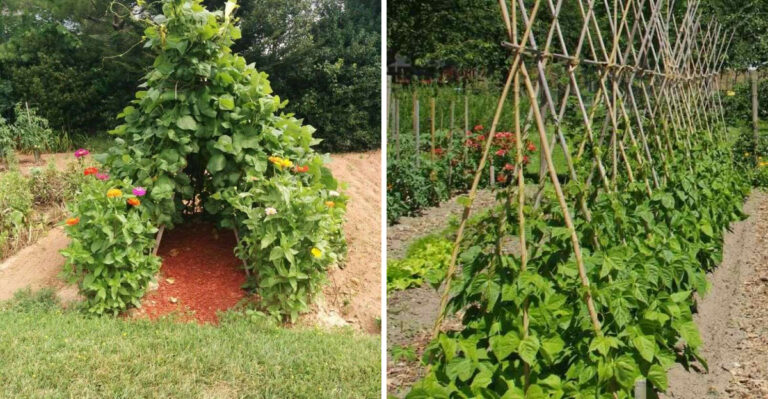
For vegetables, okra, squash, and pole beans handle heavy soils more effectively than root crops like carrots, which need loose, friable ground to develop properly.
If you have been trying to grow carrots in dense clay and finding stunted, twisted results, that is not a technique problem. It is a placement problem.
Have you considered which parts of your yard have the heaviest clay and matched plant selection to those specific zones?
Treating the garden as one uniform environment misses the advantage of placing plants where their requirements align with what the soil naturally provides.
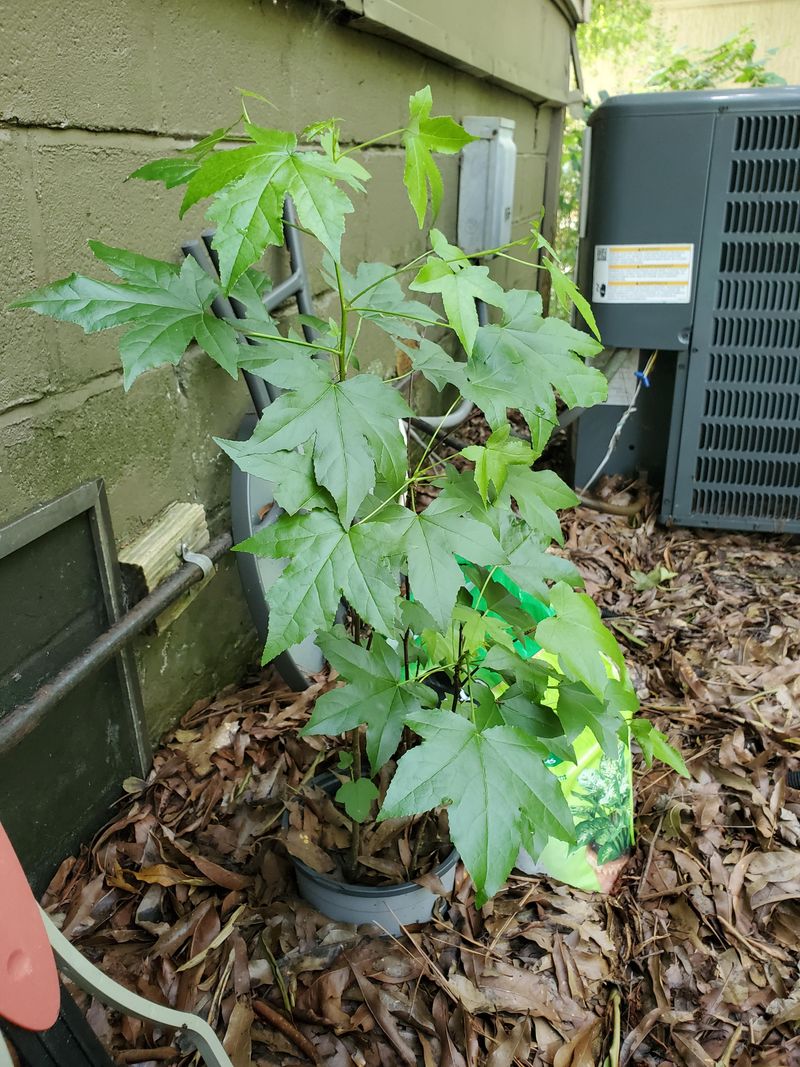
Red maple, sweetgum, and river birch handle clay well and improve soil structure over time through root activity and leaf litter accumulation.
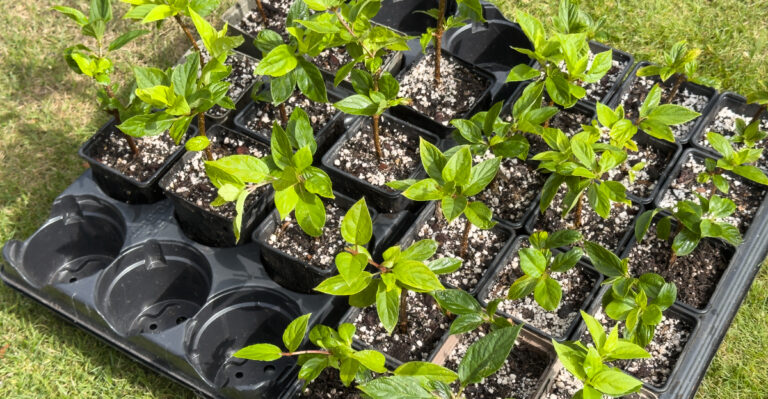
Oakleaf hydrangea and buttonbush add visual interest at the shrub level with genuine tolerance for clay conditions.
Matching plants to actual soil conditions rather than ideal conditions produces gardens that require less intervention and perform more consistently.
Clay-tolerant plants do not need you to fix the soil before they can succeed. They just need to be planted in it.
5. Raised Beds Over Clay Give You Drainage Control
Clay’s tendency to hold water is an advantage in dry conditions and a genuine problem after heavy rain. Roots that sit in standing water for extended periods experience stress that shows up in plant performance across the rest of the season.
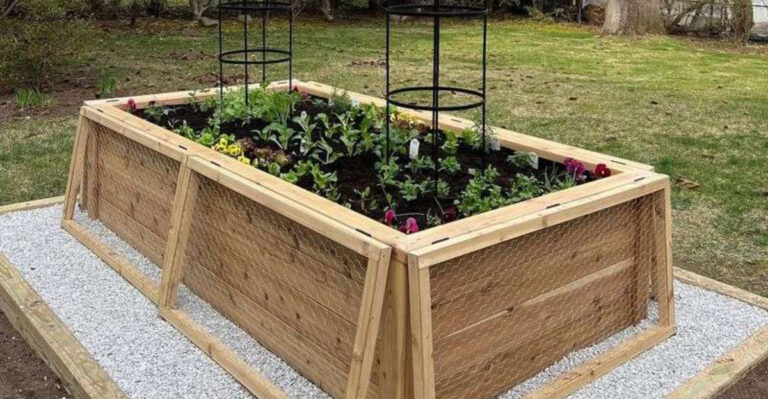
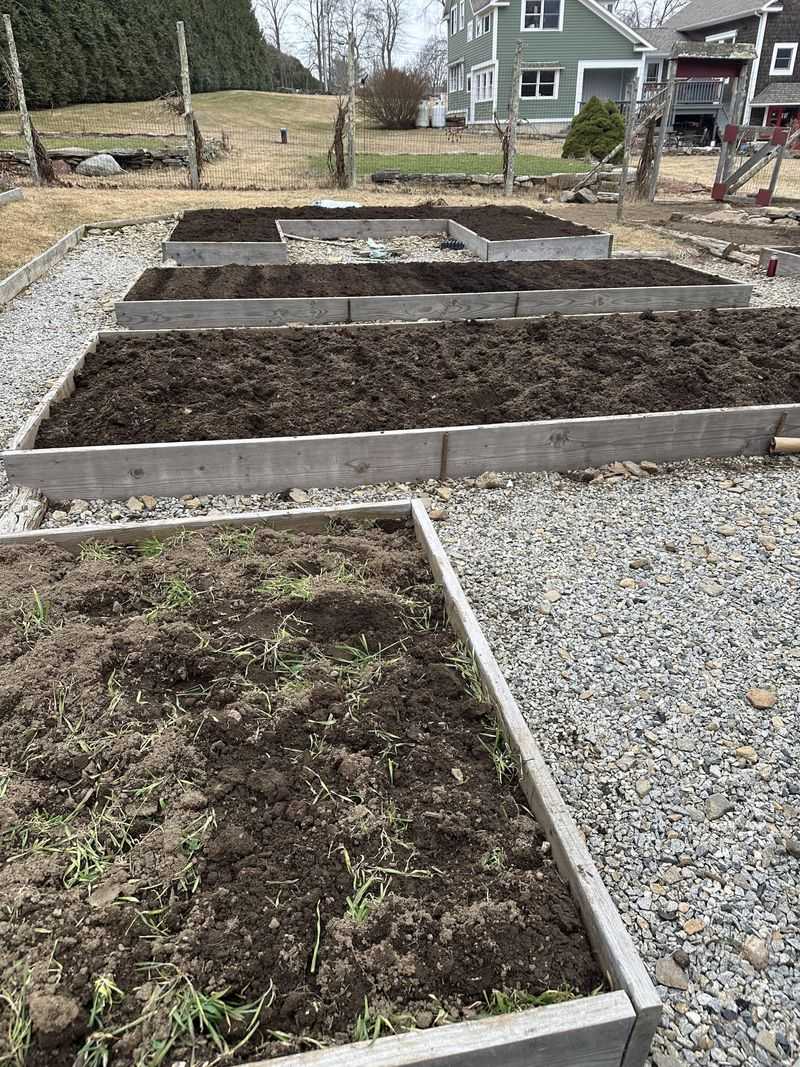
Raised beds address the drainage problem while preserving the benefits that make clay worth working with.
A raised bed positioned over clay creates a two-layer system. The upper section, filled with amended soil, drains freely through the growing season.
The clay base beneath provides a moisture reservoir that wicks upward during dry stretches. Both layers contribute without the disadvantages of either operating alone.
Beds should be at least eight to twelve inches deep to give roots room before reaching clay. That depth ensures plants establish in the well-draining upper layer while still benefiting from moisture stability below.
If you’re planting directly in problematic clay areas that stay wet for days after rain, those spots are candidates for raised beds rather than direct planting or continued amendment work.
In North Carolina, spring rain arrives frequently and heavily. Raised beds warm up faster than in-ground clay, allowing earlier planting in spring. That head start translates to longer growing seasons and earlier harvests.
Positioning beds to run parallel with any natural slope directs excess water away from root zones rather than allowing pooling.
Clay underneath a well-built raised bed stops being a problem entirely.
It becomes the quiet infrastructure that keeps the garden hydrated through summer without anyone noticing it is there.
6. Cover Crops Transform Clay From The Inside Out
Cover crops are the most underused tool available to North Carolina clay gardeners. These are plants grown specifically to improve the soil rather than feed the gardener.
When timed correctly, they change clay structure, fertility, and biological activity across a single off-season.
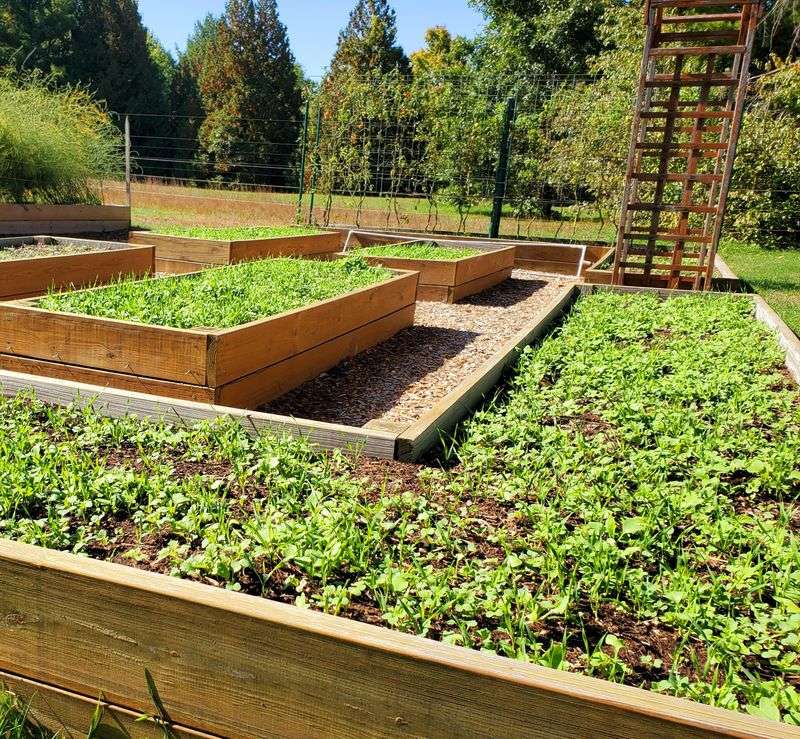
Winter rye, crimson clover, hairy vetch, and Austrian winter peas all suit North Carolina gardens well. Planted in fall after the main crops finish, they grow through cooler months when beds would otherwise sit bare.
Their roots push into compacted clay, creating channels that improve aeration and water movement. When turned under in spring, they become organic matter that feeds soil biology through the growing season.
If you leave beds bare over winter, it’s exposed to compaction from rain impact and foot traffic throughout the period when soil is already at its most vulnerable.
Legume cover crops like clover and vetch fix atmospheric nitrogen directly into the soil. That biological nitrogen becomes available to the following season’s crops without any purchased fertilizer.
Plant cover crops four to six weeks before the first expected frost so they establish before cold weather slows growth.
Turn them under in early spring and wait two to three weeks before planting the main garden. That waiting period allows the organic material to begin breaking down rather than sitting as fresh plant matter around new root systems.
Cover crops do the work while the garden rests. Few other practices offer that kind of return on an afternoon of fall planting.
7. Smart Watering And Mulch Let Clay’s Natural Strengths Do Most Of The Work For You
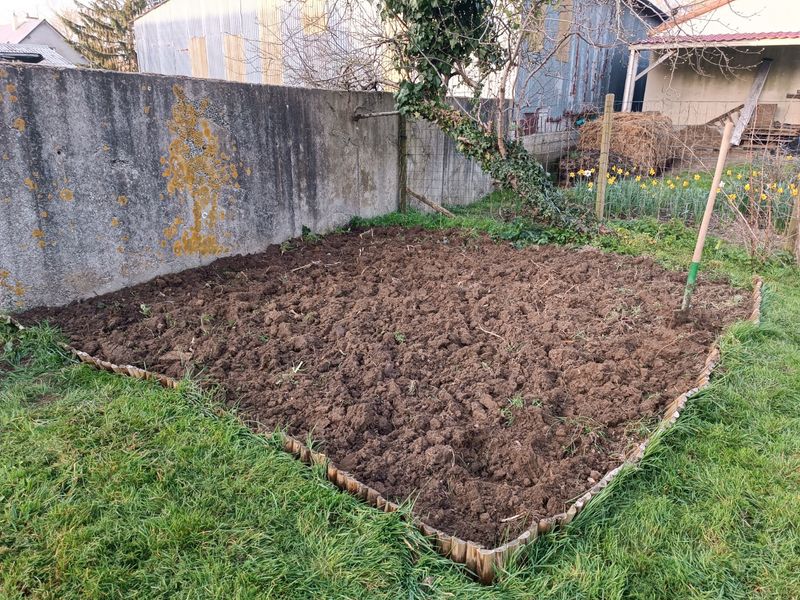
Watering clay incorrectly can undermine every other improvement made to it. Water applied too fast sits on the surface and runs off before the soil can absorb it.
Water applied too frequently keeps the already slow-draining clay saturated longer than roots can tolerate.
Drip irrigation and soaker hoses suit clay gardens better than overhead sprinklers. They deliver water slowly and directly to the root zone, giving the dense soil time to absorb moisture without runoff.
That delivery method also keeps moisture off foliage, which reduces fungal pressure in North Carolina’s humid summer conditions.
Have you watched how water behaves on your clay beds during irrigation? If it pools on the surface rather than soaking in, the application rate is too fast for the soil’s infiltration speed. Slowing the delivery rate or switching to drip changes that outcome immediately.
Mulch is the natural complement to smart watering. A three to four inch layer of shredded leaves, straw, or wood chips does several things simultaneously.
It slows evaporation, moderates soil temperature during July heat, and adds organic matter to the clay surface as it breaks down.
Keep mulch pulled a few inches back from plant stems to prevent moisture accumulation against bark and stems at the base. Refresh the layer once or twice a year as decomposition reduces depth.
Consistent mulching improves clay texture gradually over multiple seasons. Each year the soil beneath becomes slightly easier to work than the year before.
The garden does not change overnight. But it does change, and it remembers the mulch.