The Meaning Behind Seeing A Firefly In Your Ohio Yard
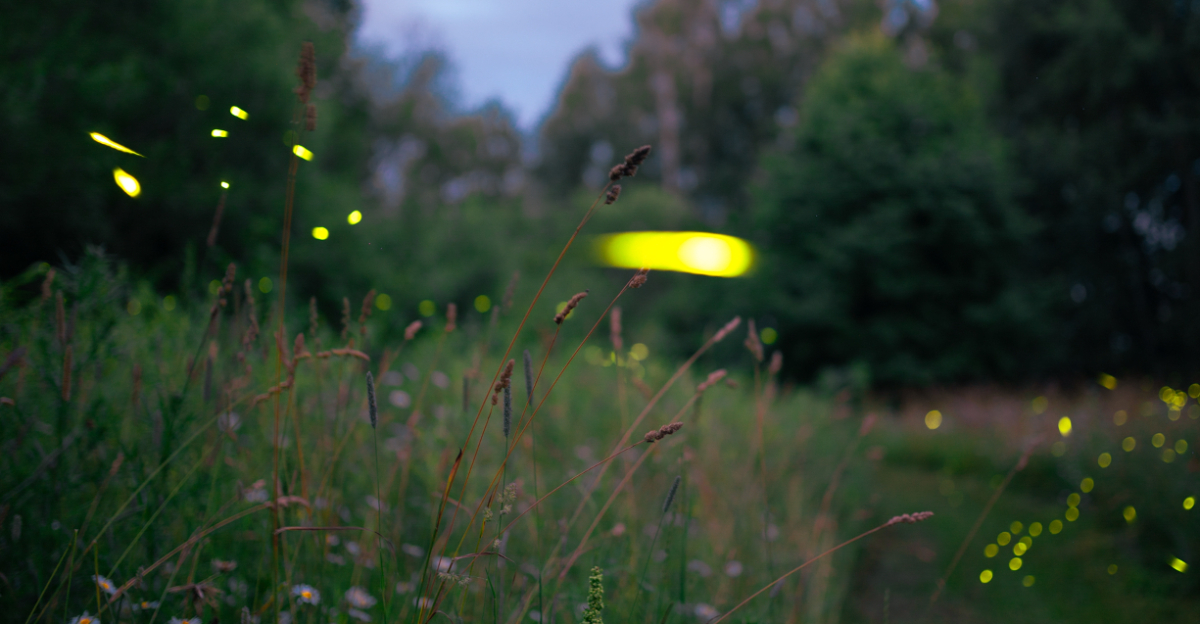
There is something about a firefly that stops you mid-thought. One blink of cold light across a dark yard and suddenly you are eight years old again, barefoot in the grass, convinced the night is full of magic.
Few things in the natural world land quite like that first firefly of the season. But fireflies are not just nostalgic.
They are indicators. Their presence, or absence, in your Ohio yard is actually saying something real about the health of your local ecosystem.
It also says something about your soil, your moisture levels, and how hospitable your little patch of land has become for the creatures that belong here. Seeing one means something.
Seeing several means something more. And understanding what they are actually responding to changes the way you look at your yard entirely.
Ohio firefly populations have been shifting. What shows up in your yard on a summer night is worth paying attention to.
1. A Firefly Glow Means Your Yard Still Has Wildness
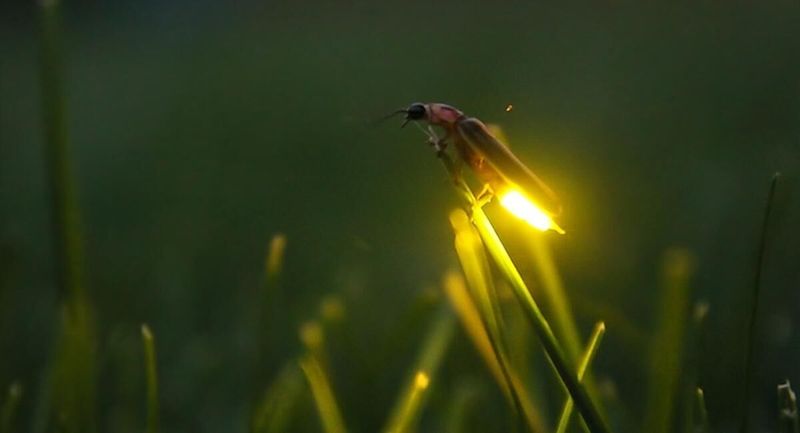
Some summer evenings carry a certain quality that feels harder to find each year. Seeing a firefly drift across your yard is one of those moments, and it can mean more than just a pretty light show.
Fireflies are not especially common in heavily disturbed or overly managed landscapes, so spotting one suggests your yard still holds some habitat value.
That does not mean your whole yard is a pristine wilderness. One firefly on one evening is not proof of a thriving ecosystem.
But if you notice them returning across multiple nights, or in small groups, that pattern is worth paying attention to.
Fireflies tend to appear in yards that offer a mix of conditions, including some moisture, sheltered ground, and reduced chemical pressure. A single flash in your yard may simply mean one adult wandered in from a nearby area.
Repeated sightings, though, suggest your yard may be supporting at least part of their life cycle.
Keeping some natural edges, avoiding excessive soil disturbance, and holding back on unnecessary sprays can help maintain whatever small wildness your yard already has. The glow is a signal worth noticing.
2. Moist Living Soil May Be Hiding Under That Flash
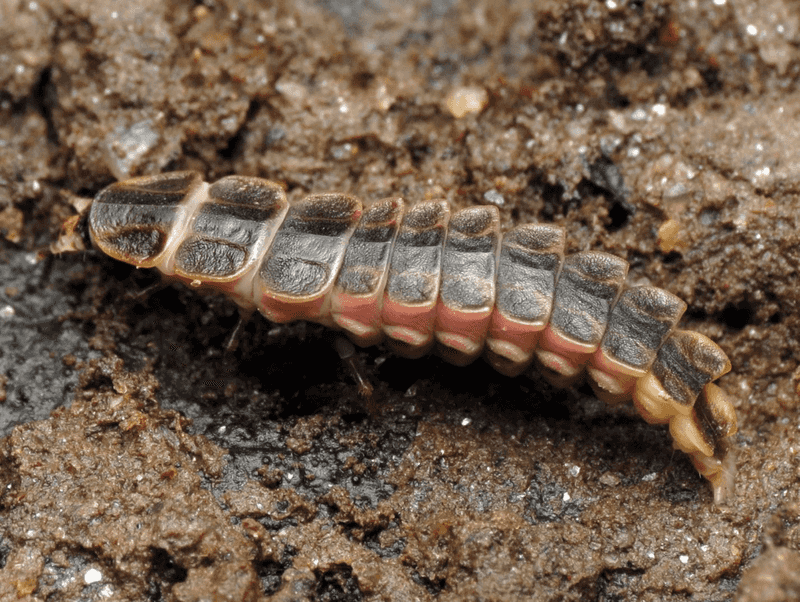
A damp corner under shrubs can hold more life than it shows during the day. Firefly larvae, depending on the species, often develop in moist soil, humus-rich ground, or areas with consistent leaf cover.
That underground stage of their life can last months, sometimes closer to a year, before the adult emerges and begins to flash.
Yards with compacted, dry, or heavily disturbed soil may be less supportive for firefly development. Lawns that are stripped of organic matter, graded flat, or treated frequently with chemicals can reduce soft, layered ground conditions.
Those are the kinds of conditions some species seem to prefer.
This does not mean you need to turn your yard into a bog. Reasonable moisture from normal watering, rain, or shaded beds can be enough to support soil conditions that benefit fireflies and many other small organisms.
Your Ohio Garden Changes Every Week. Your Plan Should Too.
Gardening in Ohio changes quickly throughout the season. Every Friday you’ll receive a simple weekly plan showing exactly what to plant, prune, fertilize, harvest, and protect so you never miss the right timing.
Adding organic mulch to garden beds can help retain soil moisture without making things soggy.
If you have a low-lying corner, a shaded bed, or an area near a downspout that stays damp longer than the rest of the yard, pay attention. That spot may be doing more ecological work than you realize.
Healthy soil is a quiet foundation for a lot of backyard life.
3. Leaf Litter Could Be Helping Fireflies Survive

Raking every leaf off every surface of the yard each fall feels tidy, but it may remove more than just debris. Some firefly life stages are associated with leaf litter, decomposing organic material, and sheltered ground layers.
Leaving some leaves in low-traffic garden beds or under shrubs gives that organic layer a chance to do its quiet work.
You do not need to leave piles of leaves near your home’s foundation, on walkways, or in spots where they could create moisture problems. The goal is selective leaving, not wholesale neglect.
A thin, settled layer of leaves under a hedgerow or along a back fence line is enough to make a difference for small ground-dwelling insects.
Leaves that break down over winter also feed soil organisms and improve ground texture over time. That process benefits the yard in multiple ways, not just for fireflies.
Many gardeners who shift to a more relaxed leaf management approach report noticing more insect activity the following spring and summer.
Starting small helps. Pick one bed or one shaded corner and leave the leaf layer intact through winter.
Check that spot the following summer and see what shows up. Small habitat decisions made in fall can shape what you see on warm evenings months later.
4. Darker Evenings Make Firefly Signals Easier To See
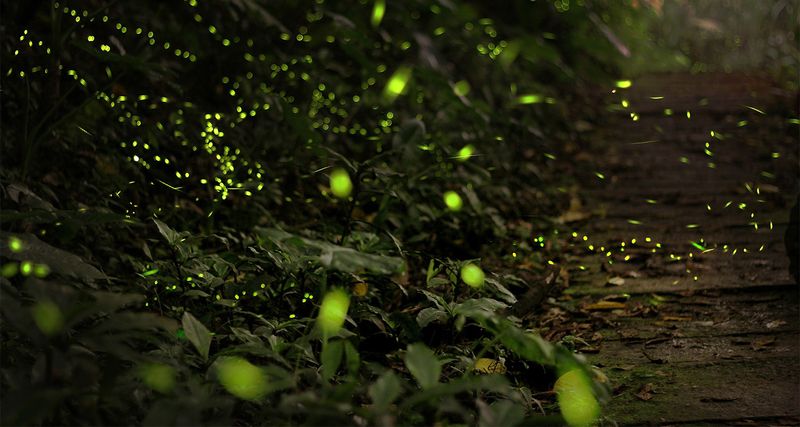
Outdoor lighting has changed a lot over the past few decades, and not always in ways that help insects. Firefly flashes are communication signals, used primarily to find mates.
Bright outdoor lights can make those signals harder to detect and may interfere with the natural behavior that allows fireflies to find each other on summer evenings.
Research from institutions studying light pollution and insect behavior has raised concerns about how artificial light affects many species, including fireflies.
When a yard or neighborhood is heavily lit at night, the contrast that makes a firefly’s glow visible simply disappears into the background brightness.
Practical steps are easier than most people expect. Switching to motion-activated lights means your yard stays dark most of the time and only lights up when needed.
Closing curtains or blinds on bright interior rooms can reduce the light that spills outside. Turning off decorative string lights or floodlights for a few hours after dark can open up a window of natural darkness.
Even one darker corner of the yard, away from the driveway or back porch light, can give fireflies a better stage to signal from. Darkness is not something most yards have much of anymore, and creating even a small patch of it can make a real difference.
5. Softer Yard Edges Give Fireflies Better Shelter

Not every yard needs to look like a park to support wildlife. A yard with some planted borders, unmowed strips along fences, or low-disturbance beds along the house foundation can offer more shelter.
That is more useful than a fully clipped, edge-to-edge lawn. Those softer transitions between mowed and unmowed ground create small zones where insects can rest, hide, and move between areas.
Fireflies tend to rest during the day in vegetation, and edges with taller plants, native grasses, or shrubby growth give them cover before evening activity begins.
A lawn that is perfectly manicured from fence to fence leaves very little of that transitional habitat in place.
The good news is that softening yard edges does not require a complete overhaul. Plant a low native shrub border along a fence, or let a narrow strip along a back wall grow a bit taller.
You can also add a simple perennial bed near the property line to shift the character of the yard’s edges. Those changes can happen without making the space look overgrown or unkempt.
Neighbors and local ordinances are worth keeping in mind, but most tidy planted borders satisfy both. The goal is creating a yard that has some gradual transitions rather than hard, clipped boundaries at every edge.
Those gradual shifts add up for small insects moving through the landscape.
6. Taller Grass Can Create Safer Firefly Resting Spots
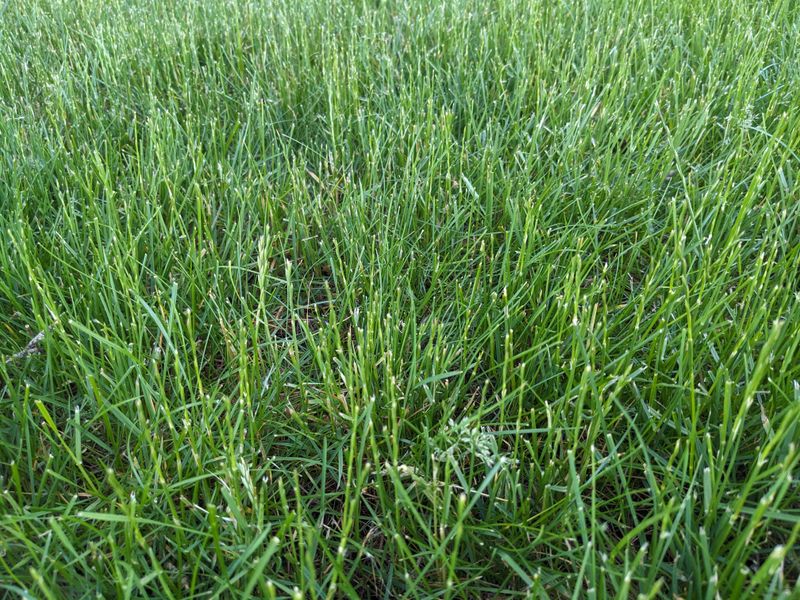
Mowing is one of the most common yard tasks in this state, and most lawns get cut on a tight schedule through the growing season. But grass height matters more to small insects than most homeowners realize.
Some firefly species rest in vegetation during the day. Areas with slightly taller grass or unmowed patches offer real cover that a closely cropped lawn simply cannot provide.
The trick is keeping taller grass in controlled sections rather than letting the whole yard go unmanaged. A strip along a back fence, a corner near a garden bed, or a narrow band along a property edge can serve as a resting zone.
It can do that without creating safety or aesthetic concerns near walkways, play areas, or the front of the house.
Mowing height across the rest of the lawn can also make a difference. Raising the mower blade by even an inch or two keeps grass a bit taller and reduces the stress on the turf, which benefits the soil below.
Many lawn care guides from university extension programs recommend mowing at three to four inches for healthier grass in this region.
Small adjustments to mowing habits, rather than a full approach change, are often enough to shift a yard toward being more hospitable. Fireflies and many other beneficial insects respond well to even modest increases in vegetation structure.
7. Fewer Harsh Sprays Can Make Your Yard More Welcoming
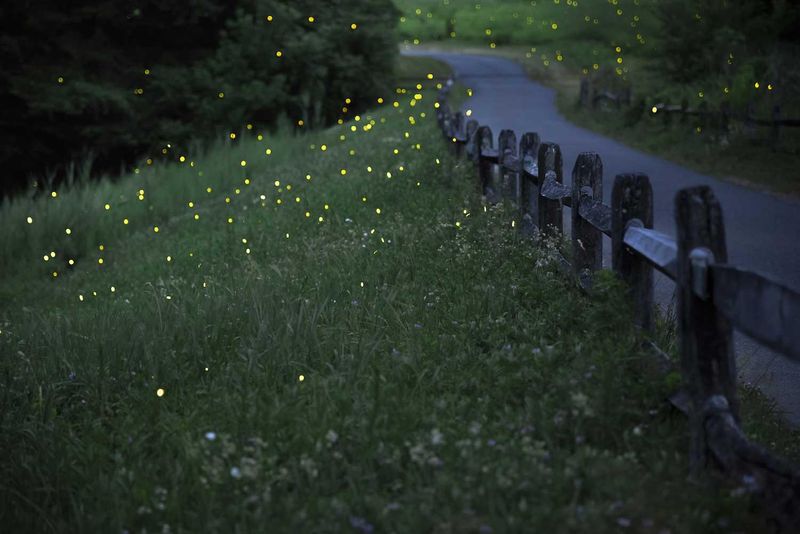
Broad insecticide applications are one of the more significant pressures on beneficial insect populations in home landscapes. When a spray is applied to control one target pest, it often affects a wide range of other insects in the same area.
That includes fireflies and the small soil organisms that firefly larvae may depend on for food.
This is not about avoiding all pest management. Some situations genuinely call for targeted treatment.
The shift worth considering is moving from routine, calendar-based spraying to need-based, targeted applications. Those should be used only when a specific problem has been identified and other options have been considered first.
Ohio State University Extension and similar resources recommend integrated pest management approaches. These prioritize identification, monitoring, and the least disruptive control option first.
That framework helps homeowners make better decisions without giving up pest control entirely.
Keeping a section of the yard spray-free, especially near garden beds, shrub borders, or areas where fireflies have been spotted, gives those insects a buffer zone.
Even a modest reduction in chemical pressure across part of the yard can make a measurable difference over a season or two.
Fireflies are not uniquely fragile, but they do respond to the overall conditions of a yard, and chemical load is one of those conditions.
8. Every Flash Is Part Of A Summer Mating Signal
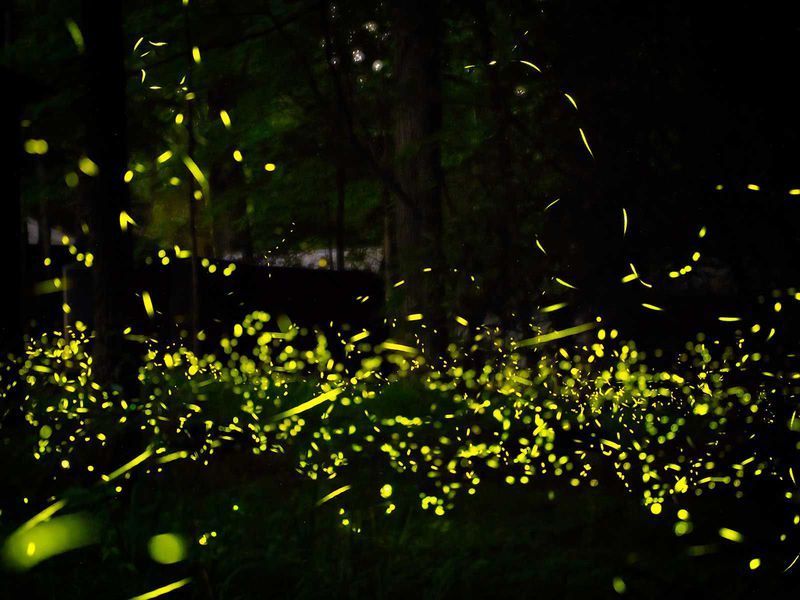
That blinking light drifting across your yard on a June or July evening is not random. Each flash is a carefully timed signal, part of a species-specific pattern that fireflies use to find mates.
Male fireflies typically fly and flash while females wait in vegetation below, responding with their own flash if the timing matches their species’ code.
Different firefly species have different flash patterns, including variations in timing, color, and the arc of the flight path. Some flash quickly in a straight line while others dip and rise in a slow J-shaped pattern.
Watching closely on a warm evening can reveal more than one pattern if multiple species are present in or near your yard.
The adult stage of a firefly’s life is relatively short, lasting only a few weeks in most species. The flashing you see represents a small window in a life cycle that spends far more time underground or in vegetation than it does glowing in the open air.
That makes each flash a genuinely brief event worth watching.
Understanding what the light actually means connects the beauty of the moment to real biology. The yard becomes a stage for something that has been happening long before neighborhoods existed here.
The flash is simply the most visible part of a much longer story unfolding close to the ground.