The Ornamental Grasses New York Wants You To Reconsider Planting In Your Yard
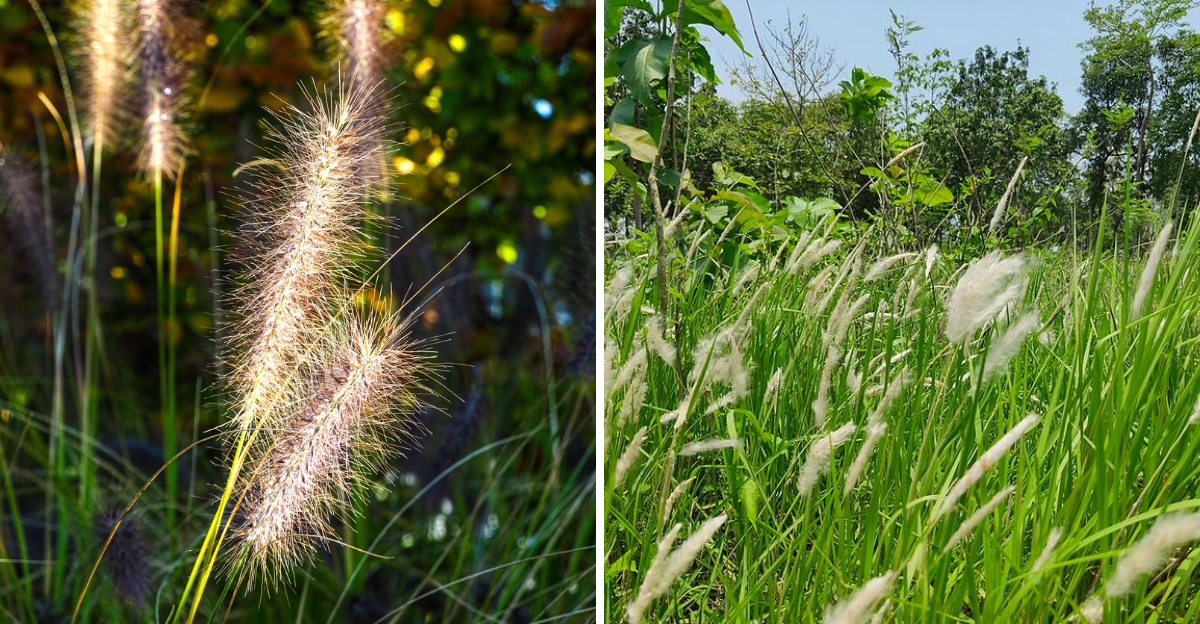
That ornamental grass swaying in your neighbor’s yard looks straight out of a magazine. But some of those feathery, low-maintenance favorites are quietly making New York’s list of plants that don’t play well with others.
They jump fences, seed into wetlands, and muscle out native wildflowers that local wildlife actually depends on.
The state has already cracked down on several species that garden centers have been selling for years, and homeowners are often the last to find out.
If you’ve ever grabbed a dramatic clump of grass at the nursery because it looked beautiful and asked no questions, this one’s for you.
Here’s a closer look at the ornamental grasses New York wants you to think twice about before they end up in your yard.
1. Miscanthus Sinensis
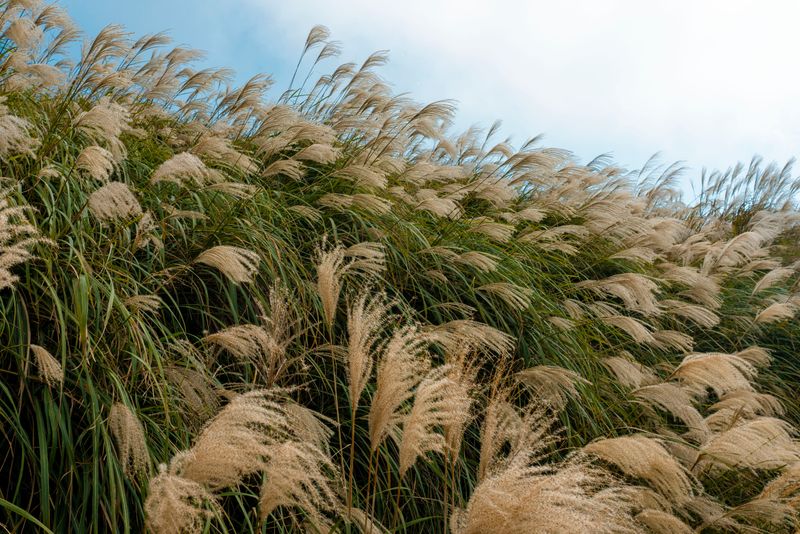
It looks like something straight out of a magazine spread. Miscanthus sinensis, also called Chinese silver grass, is one of the most widely sold ornamental grasses in the country.
The problem is that it spreads aggressively beyond garden borders. Its seeds travel on the wind and land in meadows, roadsides, and natural areas across the Northeast.
New York formally classifies this grass as a regulated invasive species. That means ecologists are watching it closely as populations grow in wild spaces outside of gardens.
Once established, Miscanthus forms dense thickets that block sunlight. Native grasses and wildflowers simply cannot compete with its thick growth.
Many homeowners are surprised to learn their beloved grass is a problem. It looks so elegant waving in the fall breeze that the ecological impact feels invisible. The damage happens slowly, quietly, and usually far beyond your property line.
New York formally classified Miscanthus sinensis as a regulated invasive species in 2015. That means nurseries are legally required to label it before selling it to the public.
Some nurseries still sell it freely, which adds to the confusion. Always check the label and ask staff whether a plant has invasive tendencies in your region.
If you already have Miscanthus in your yard, you have options. Removing seed heads before they mature is one way to reduce spread without full removal.
Cutting it back hard in early spring also slows its ability to establish new growth in surrounding areas.
Better alternatives include native switchgrass or little bluestem. Both offer similar visual appeal with a much friendlier ecological footprint for your local environment.
Your garden can still turn heads without turning into an ecological problem for the whole neighborhood.
2. Phragmites Australis
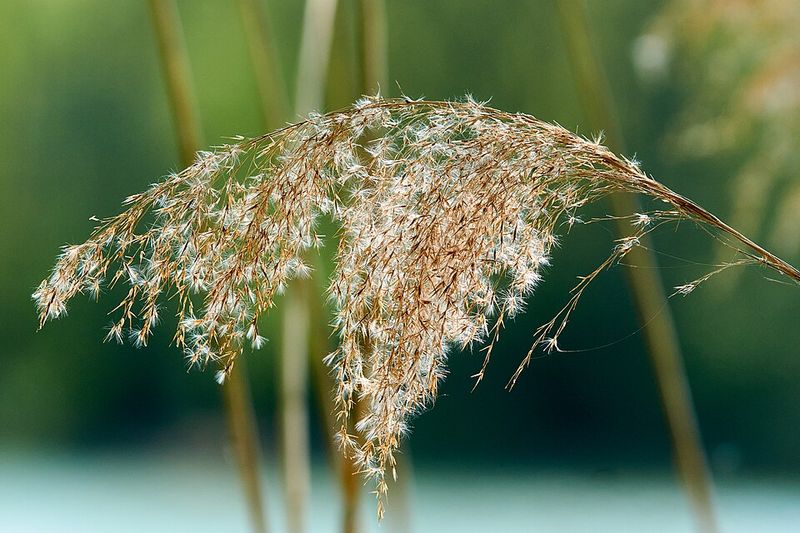
Stand near any highway wetland in the state and you will see it. Phragmites australis, the common reed, forms towering walls of hollow canes that can reach fifteen feet tall.
This grass is one of the most aggressive invaders in the region. The non-native strain has overtaken marshes, shorelines, and stormwater ponds across the entire Northeast.
What makes it so troubling is its root system. Underground stems called rhizomes spread outward rapidly, choking out cattails, native sedges, and marsh plants that wildlife depend on.
Your New York Garden Changes Every Week. Your Plan Should Too.
Gardening in New York changes quickly throughout the season. Every Friday you’ll receive a simple weekly plan showing exactly what to plant, prune, fertilize, harvest, and protect so you never miss the right timing.
Birds that nest in wetland grasses lose critical habitat when Phragmites moves in. Species like marsh wrens and red-winged blackbirds need diverse plant structure that a monoculture simply cannot provide.
Some homeowners plant it intentionally near ponds for a natural screen. That choice can have serious downstream consequences for neighboring wetlands and waterways.
What looks like a privacy solution from your back porch can quietly unravel an entire wetland ecosystem just a few yards away.
The non-native strain is notoriously hard to remove once rooted. Professional management often involves repeated cutting combined with careful treatment over multiple growing seasons.
Identifying the invasive strain versus the native one takes a trained eye. Native Phragmites has reddish stems and is much less aggressive in how it spreads.
If your yard borders a water feature or low-lying area, skip this one entirely. Native alternatives like blue flag iris or soft rush offer beauty without the ecological baggage.
Your shoreline can still look stunning with plants that actually belong there.
3. Microstegium Vimineum
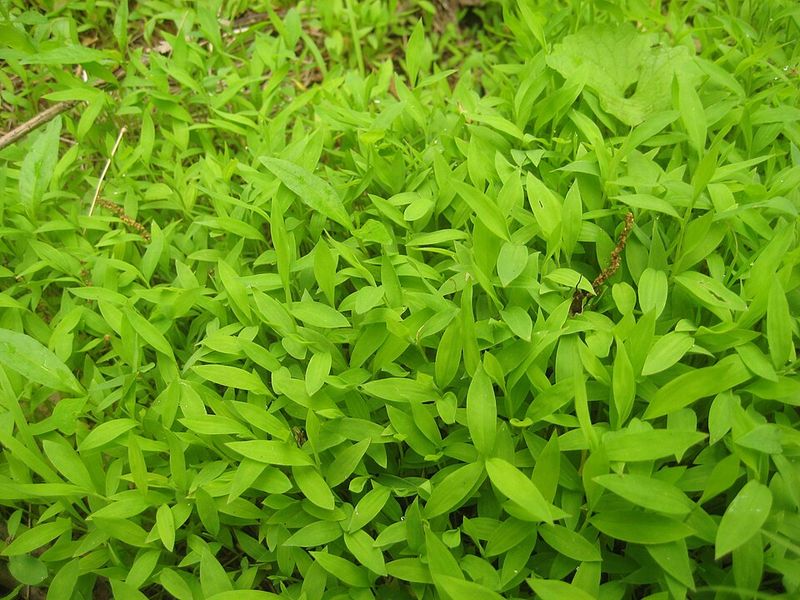
Japanese stiltgrass does not look threatening at first glance. Microstegium vimineum is a low, wispy annual grass that creeps quietly across shaded ground like a pale green carpet.
Do not let its modest appearance fool you. This grass is one of the most problematic invasive plants in eastern North America right now.
It thrives in the exact conditions many backyards offer: shade, moist soil, and disturbed ground near paths or garden beds. Once it moves in, it produces thousands of seeds per plant each fall.
Those seeds stick to shoes, pet fur, and garden tools. That is how it jumps from one yard to the next with almost no effort at all.
The grass suppresses native wildflowers and tree seedlings by forming a thick mat. Forest understories that should be filled with trillium and ferns end up bare except for stiltgrass.
Deer tend to avoid eating it, which gives it an unfair advantage over native plants that deer browse heavily. The result is a landscape slowly taken over by one species. Meanwhile, the native plants that songbirds and pollinators rely on keep disappearing one yard at a time.
Hand-pulling before seed set in late summer is an effective control method. The roots are shallow, so removal is manageable if you catch it early enough in the season.
Keeping a thick layer of mulch in garden beds can reduce germination rates. Planting native groundcovers like wild ginger or pachysandra also helps crowd this grass out over time.
Getting ahead of stiltgrass is always easier than trying to reclaim ground it has already taken.
4. Phalaris Arundinacea
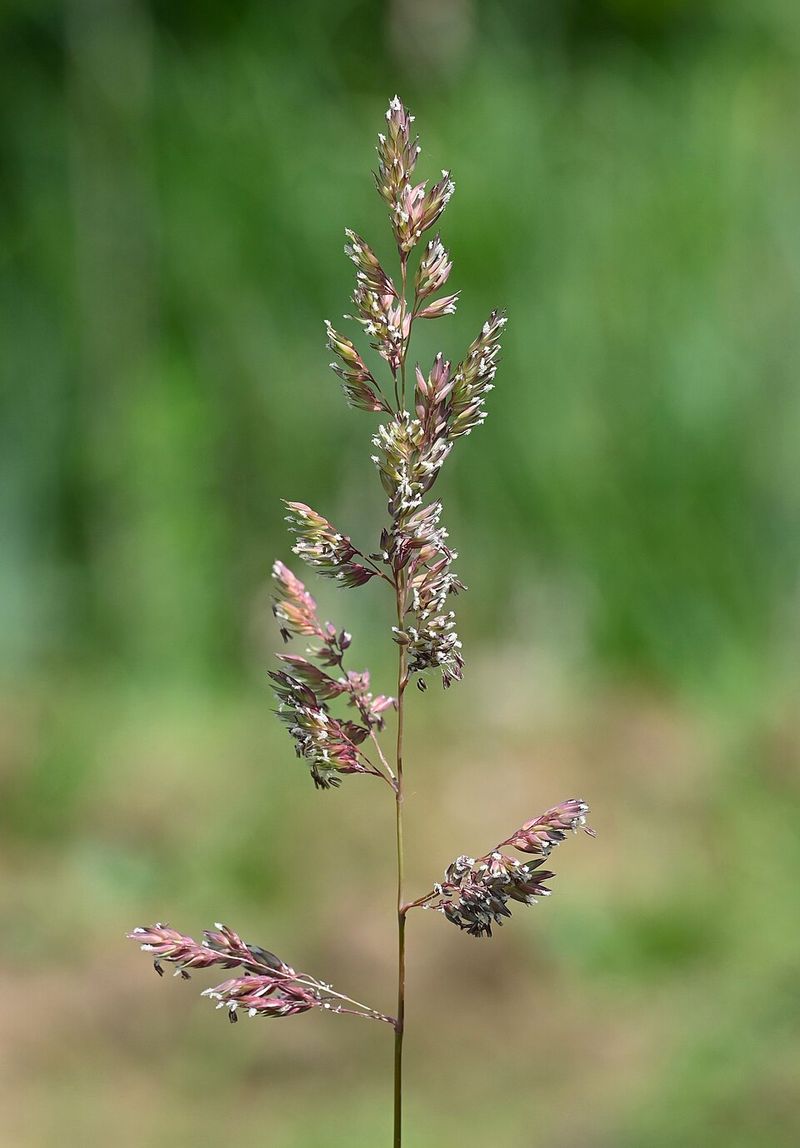
Ribbon grass sounds charming, and honestly it looks charming too. Phalaris arundinacea, especially the popular striped cultivar called Gardener’s Garters, has been a garden staple for decades.
That creamy green-and-white foliage is hard to resist at the nursery. But beneath the surface, this grass is sending out aggressive rhizomes in every direction.
It particularly loves wet areas, stream banks, and rain gardens. Those are precisely the spots where native plants need the most protection from competition.
When ribbon grass escapes into natural areas, it forms dense single-species stands. Those stands eliminate the plant diversity that wetland animals and insects need to survive.
Waterfowl, amphibians, and native pollinators all suffer when ribbon grass takes over a shoreline. A habitat that once supported dozens of species can collapse into a monoculture surprisingly fast.
What started as a pretty border plant can quietly rewrite the ecology of an entire wetland edge.
Even the ornamental cultivars can revert to the aggressive wild form over time. That means your well-behaved garden plant might eventually produce seeds that spread the invasive type.
Containing it in a buried pot or raised planter can reduce spread if you are committed to keeping it. However, most experts recommend choosing a safer alternative from the start.
The containment strategy works until it does not, and by then the damage is already done.
Native options like blue wild indigo or prairie dropseed give you similar texture without the risk. Your garden stays beautiful and your local ecosystem stays intact at the same time.
5. Pennisetum Alopecuroides
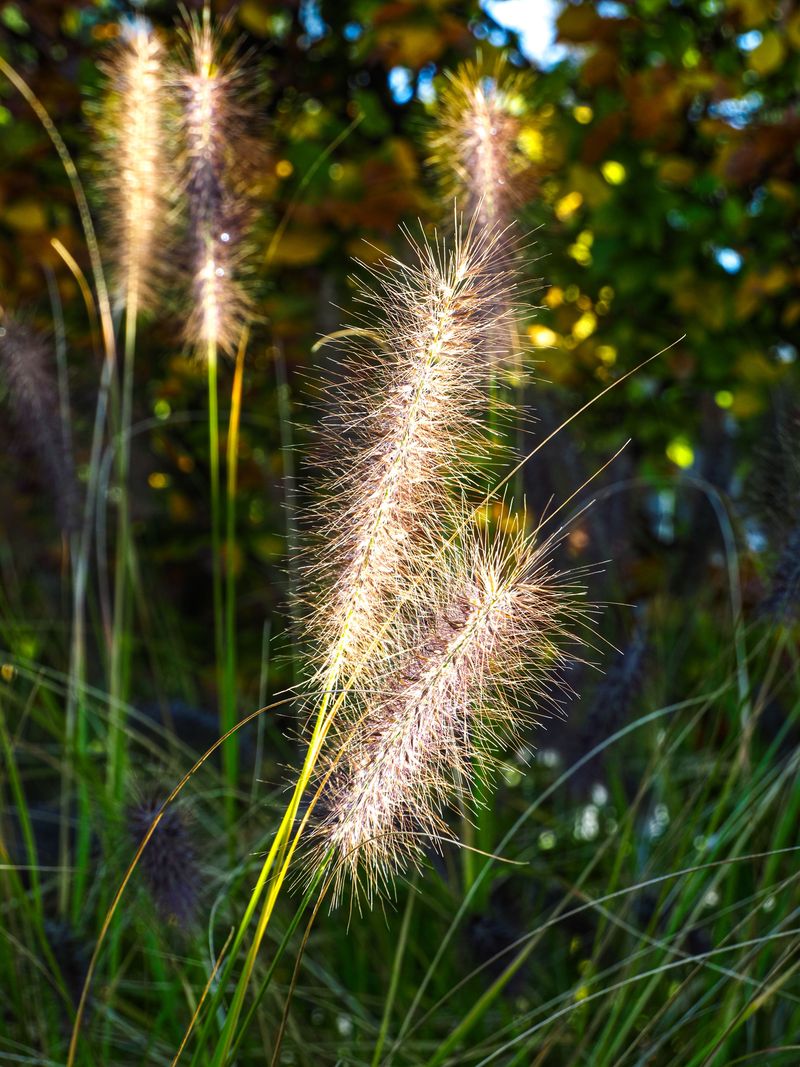
Image Credit: © SK Strannik / Pexels
Fountain grass is everywhere in suburban landscaping right now. Pennisetum alopecuroides lines driveways, fills median strips, and anchors countless front yard designs across the state.
Its soft, arching form and fuzzy seed heads make it genuinely beautiful. That is exactly why it has been planted so widely and why its spread is becoming a growing concern.
While the species is considered less aggressive than some relatives, certain cultivars produce viable seeds that naturalize in disturbed areas. Roadsides, open fields, and natural edges near developed land are especially vulnerable.
The concern in the ornamental grasses world is about cumulative impact. When millions of homeowners plant the same grass, even modest seed spread adds up to a large ecological footprint.
No single yard is the problem, but every yard is part of it.
Warmer winters are also changing the equation. Plants that once retreated with the first frost are now surviving longer and spreading farther than historical records would suggest.
Some cultivars like Hameln are considered lower risk than others. But the safest move is always to ask your nursery specifically which cultivars have been tested for seed viability in your zone.
A quick conversation at the register can save a lot of ecological headache down the road.
If you love the fountain grass look, native alternatives can deliver similar drama. Prairie dropseed and purple lovegrass both offer graceful movement and seasonal color without the invasive baggage.
Choosing natives is not about giving up beauty in your yard. It is about making a smart swap that keeps your garden looking great while protecting the ornamental grasses situation in wild spaces nearby.
6. Imperata Cylindrica
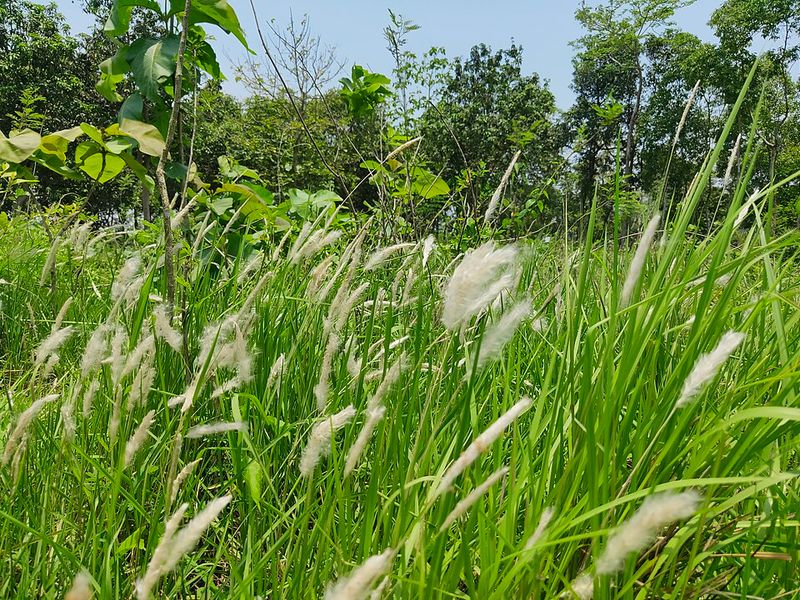
Image Credit: Wikimedia Commons, CC0.
Few grasses stop people in their tracks like this one does. Imperata cylindrica, sold as Japanese blood grass, has blade tips that glow a rich, translucent red in sunlight.
It looks like something between a plant and a flame. Gardeners have adored it for years, and that popularity is exactly what makes it a problem worth discussing.
The ornamental red form is a cultivar, but it can revert to the aggressive all-green wild type. That wild type, called cogon grass, is ranked among the most destructive invasive plants globally.
Cogon grass has severely disrupted ecosystems across the southern United States. While cooler climates in the Northeast have limited its spread so far, warming temperatures are shifting that boundary northward. What once felt like a regional problem is slowly becoming a New York problem too.
Once the wild form establishes, it is extraordinarily hard to remove. It forms a thick mat of roots and foliage that outcompetes nearly everything around it, including trees trying to regenerate.
Federal authorities list cogon grass as a noxious weed, which reflects how seriously land managers take the threat. Planting the ornamental form is essentially gambling with your local ecosystem. That is a high-stakes bet for something you bought at a garden center on a Saturday afternoon.
If you spot your Japanese blood grass losing its red color and turning all green, act fast. That color change is a warning sign that the plant may be reverting to its invasive form.
Switching to native red grasses like little bluestem gives you that warm autumn color. You get the visual payoff without the ecological risk hiding right beneath the surface.
7. Arthraxon Hispidus
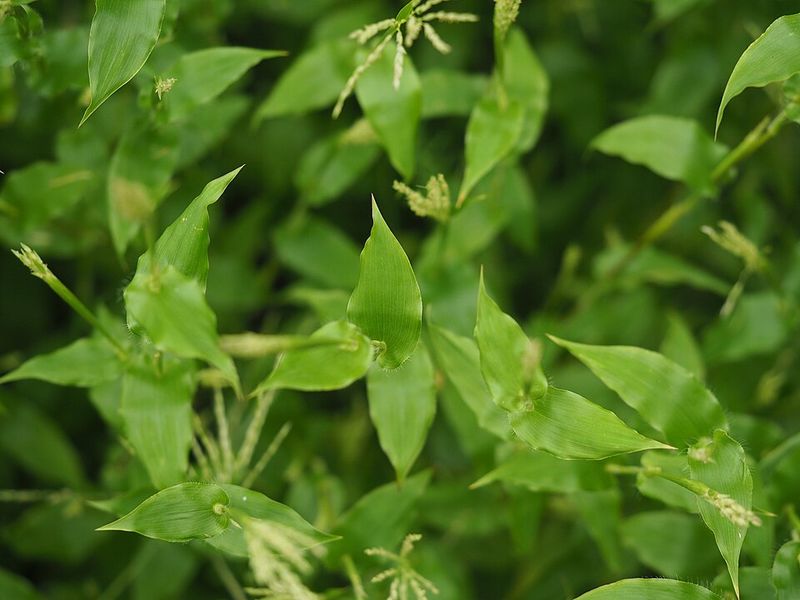
Most homeowners have never heard of this one, and that is part of the problem. Arthraxon hispidus, commonly called small carpetgrass, flies completely under the radar in most gardens.
It originated in Asia and arrived in North America as a contaminant in crop seed shipments. Since then, it has quietly spread across moist, shaded habitats throughout the eastern states.
The grass stays low and inconspicuous, growing in places where other plants struggle. Shaded stream banks, woodland edges, and moist garden beds are its favorite spots to colonize.
Because it looks so unassuming, people rarely notice it until it has already spread widely. By the time you realize what you have, it has likely seeded into surrounding areas too.
It is the kind of invader that never announces itself until the damage is already done.
Small carpetgrass forms a dense mat that prevents native seedlings from getting started. Woodland wildflowers that need bare soil or leaf litter to germinate simply cannot compete with its coverage.
There is no dramatic plume or striking color to warn you it is there. It just quietly takes over, season after season, with minimal fanfare and maximum impact.
In that sense, it might be the most deceptive grass on this entire list.
Pulling it by hand is effective when the soil is moist. The key is removing it before it sets seed in late summer, which is when it spreads most aggressively.
Staying aware of what grows in your shadier garden spots is the best defense. Knowing about the ornamental grasses and low-growing invaders that target shaded yards puts you one step ahead of the spread.