Michigan Perennials You Should Divide Before June Ends And Those You Shouldn’t Touch
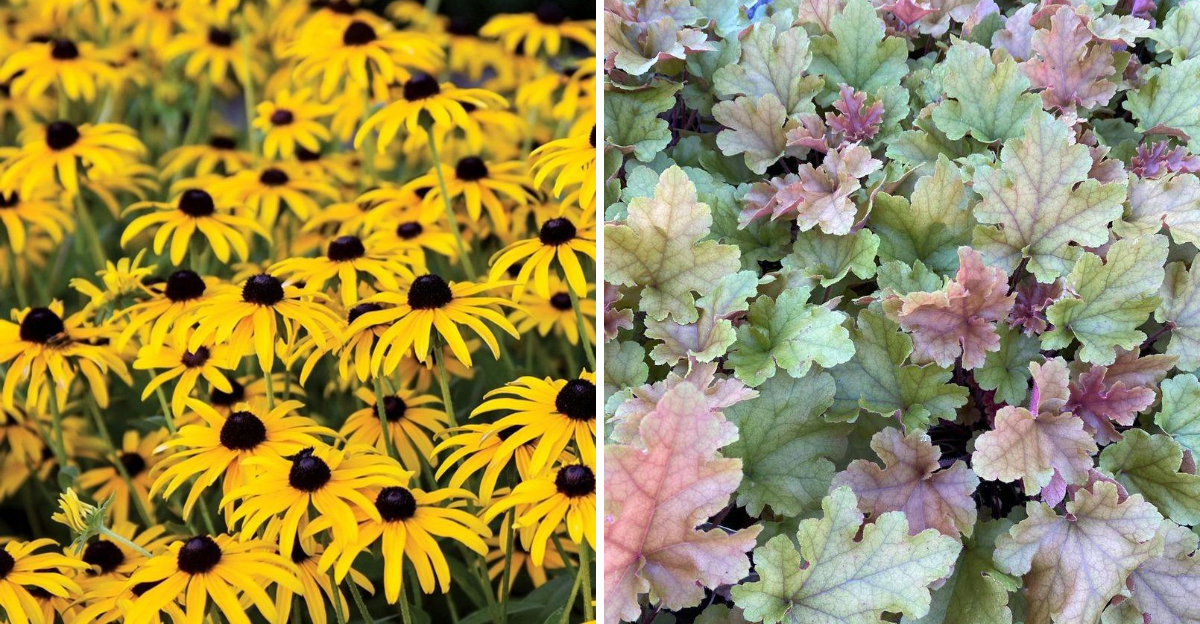
Timing is everything when it comes to dividing perennials, and Michigan’s relatively short growing season makes that timing even more critical than it would be in warmer parts of the country.
The window before the end of June is genuinely one of the best opportunities all year to get this done, but not every plant in the bed is ready for it at the same time.
Dividing the wrong perennial at the wrong moment can set it back so significantly that it struggles to recover before the first frost arrives.
Knowing which plants are ready and actively benefit from being split right now, and which ones are better left completely alone until fall or early spring, is the kind of practical knowledge that protects a lot of time and effort in the garden.
1. Divide Daylilies Before June Ends
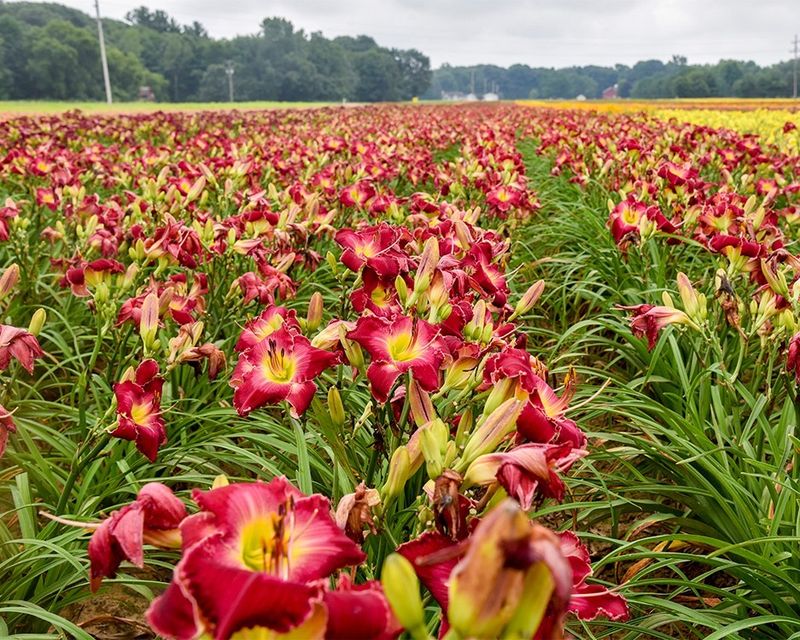
Few plants reward a gardener’s effort as quickly as daylilies do. When a clump gets crowded, the blooms shrink, the center of the plant starts looking tired, and the whole thing just loses its spark.
Dividing before June ends gives each new section enough time to settle in and build strong roots before summer heat peaks.
To divide daylilies, push a garden fork into the soil about six inches from the edge of the clump and loosen the root ball gently. Pull the clump apart into sections, each with at least five to eight healthy fans of leaves.
Replant each division about eighteen to twenty-four inches apart in well-amended, well-draining soil enriched with compost.
Michigan gardeners should aim for a planting depth where the crown sits about one inch below the soil surface. Water thoroughly right after planting and keep the soil consistently moist for the first two to three weeks.
Daylilies are tough and adapt quickly, but that initial watering support makes a real difference in how fast they bounce back.
One fun fact worth knowing: a single daylily bloom only lasts one day, but a well-divided clump can produce dozens of buds per stem.
More stems mean more blooms, so dividing now is basically a free way to double your summer flower show without spending a single dollar at the nursery.
2. Hostas Too
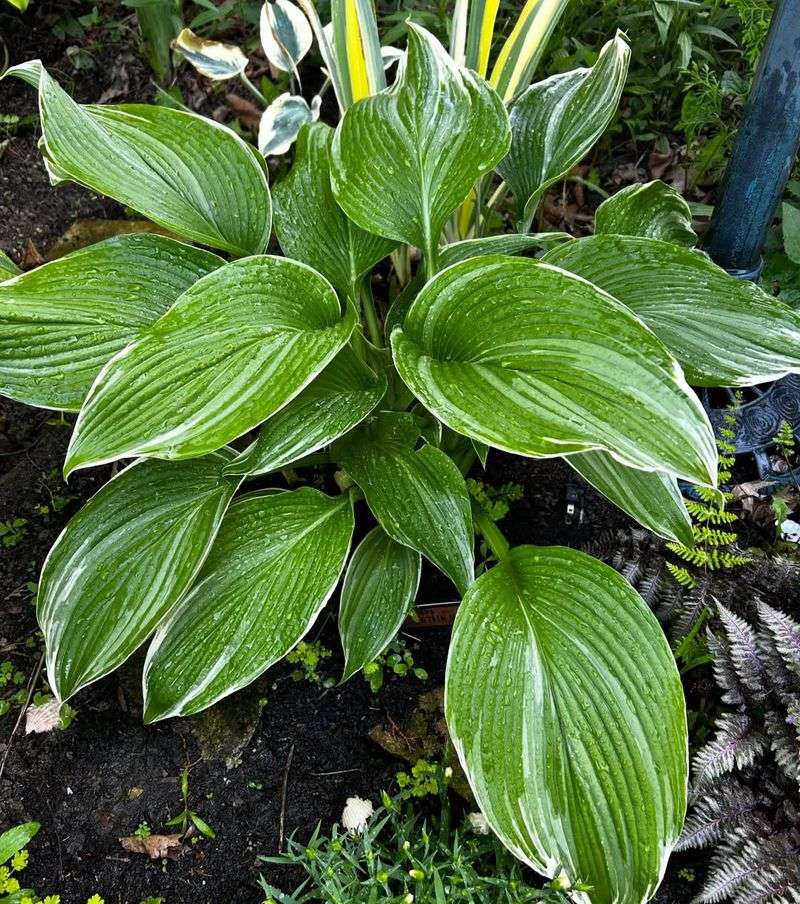
Hostas are one of the most forgiving perennials in any shade garden, but even the toughest plants have their limits.
When a hosta clump gets too dense, the leaves start competing for space and light, and the overall size and color of the foliage can fade noticeably.
Dividing before the end of June keeps those beautiful leaves large, vibrant, and full of life all summer.
The best way to divide a hosta is to dig up the entire clump using a sharp spade, then slice through the root mass with a clean, straight cut. Each division should have at least two to three healthy shoots with roots still attached.
Smaller divisions take a bit longer to fill in, but larger divisions with five or more shoots will look great almost immediately after replanting.
Your Michigan Garden Changes Every Week. Your Plan Should Too.
Gardening in Michigan changes quickly throughout the season. Every Friday you’ll receive a simple weekly plan showing exactly what to plant, prune, fertilize, harvest, and protect so you never miss the right timing.
Replant each section in moist, humus-rich soil at the same depth it was growing before. Hostas prefer dappled shade in Michigan gardens, though some varieties tolerate more sun if they get consistent moisture.
After dividing, water deeply every two to three days for the first few weeks to help the roots reestablish.
Here is something most gardeners do not realize: hostas actually look their best in years two and three after division. So the effort you put in now pays off beautifully over the next couple of growing seasons, making your shady spots look lush and polished.
3. Bee Balm Will Love It
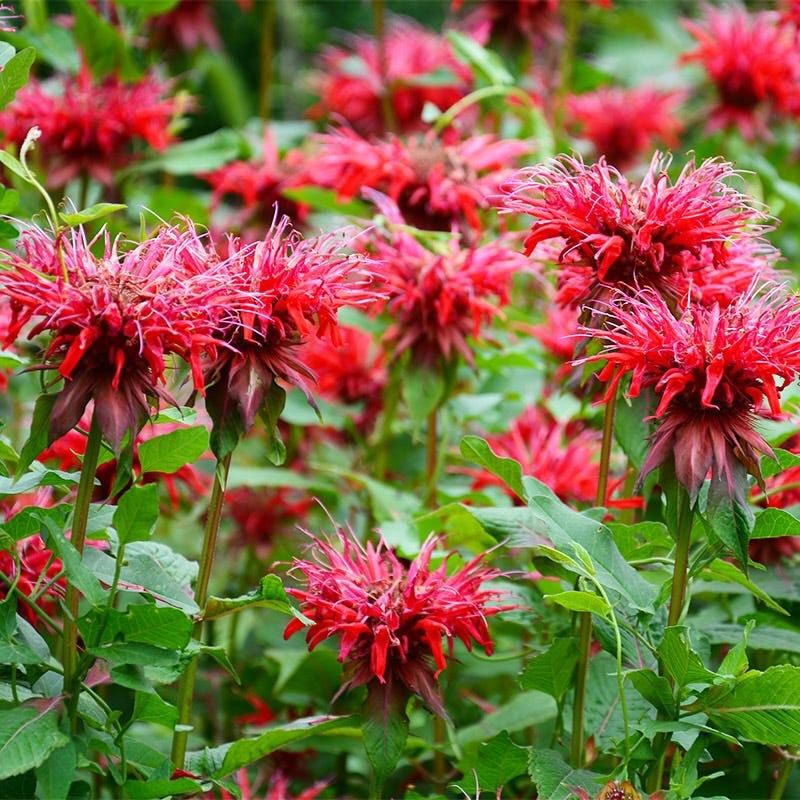
Bee balm is one of the most vivid and wildlife-friendly perennials you can grow in Michigan, but it has a habit of spreading fast and getting crowded.
That crowding creates a warm, damp environment at the center of the plant, which is exactly where powdery mildew loves to settle in.
Dividing bee balm before June ends opens up airflow, reduces mildew risk, and encourages stronger, more colorful blooms.
To divide, use a garden fork to lift the clump and separate the outer sections, which are the most vigorous and healthy parts of the plant. The older woody center can be set aside and replaced with fresh outer divisions.
Space new divisions about eighteen to twenty-four inches apart so air can move freely between plants throughout the summer.
Bee balm thrives in full sun to light shade and prefers consistently moist, fertile soil. Adding a layer of compost before replanting helps retain moisture and feeds the roots as they reestablish.
Michigan gardeners in areas with heavy clay soil should mix in some organic matter to improve drainage and prevent root rot during wet stretches.
Pollinators absolutely love bee balm, and a well-divided, well-spaced planting will attract hummingbirds, bees, and butterflies in impressive numbers.
Keeping the clumps manageable through regular division every two to three years is the single best thing you can do to keep this showstopper performing at its very best each season.
4. Black-Eyed Susan Benefits From Dividing
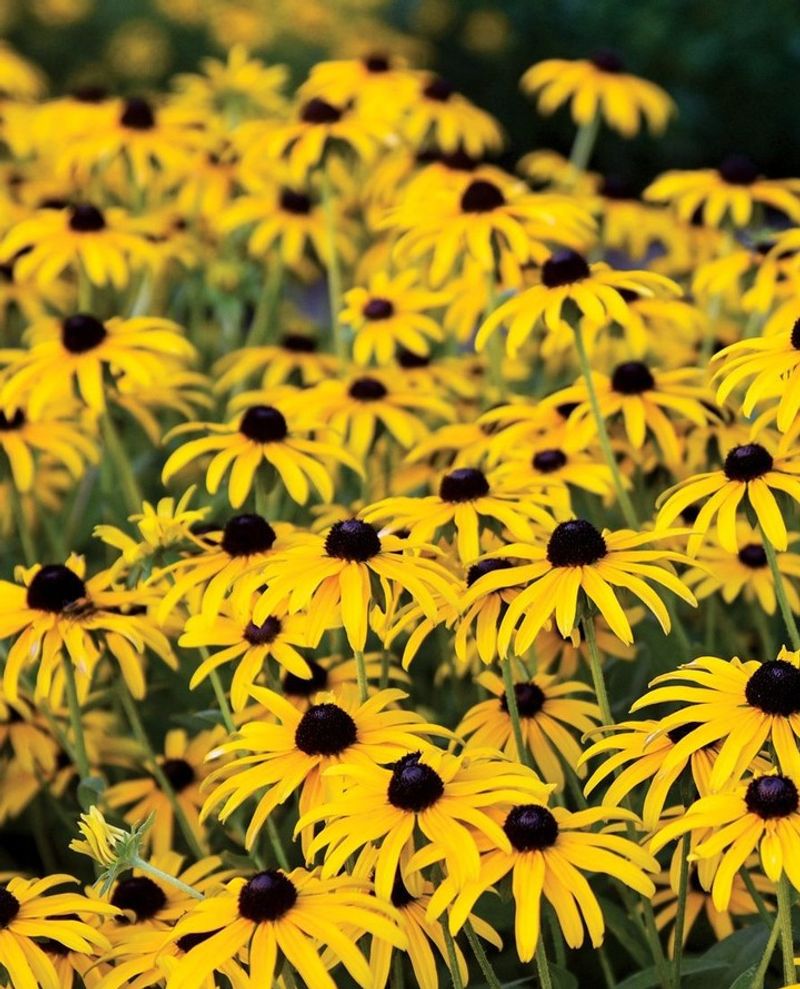
Black-eyed Susans are the ultimate cheerful summer perennial, and Michigan gardens would feel incomplete without them.
Over time, though, these plants form dense clumps that crowd themselves out, producing fewer and smaller flowers with each passing year.
Dividing before June ends resets the clock and sends a burst of fresh energy into each new plant section.
Lift the clump with a garden fork, then pull or cut it into sections about the size of your fist. Each piece should have several healthy shoots and a good chunk of fibrous roots attached.
Replant divisions about twelve to fifteen inches apart in full sun, which is where Rudbeckia fulgida truly thrives and produces the most blooms.
Michigan soils vary quite a bit from region to region, so amending your planting area with compost before replanting is always a smart move.
Black-eyed Susans are drought-tolerant once established, but newly divided plants need consistent moisture for the first three to four weeks.
A light layer of mulch around each division helps hold moisture in and keeps weeds from competing with the young roots.
One thing that makes black-eyed Susans especially rewarding to divide is how quickly they recover. Within a few weeks of dividing, you will notice fresh new growth pushing up confidently.
By mid-summer, those divisions will be blooming boldly, filling your garden with golden color and attracting goldfinches, bees, and butterflies right through the fall season.
5. Peonies Do Not
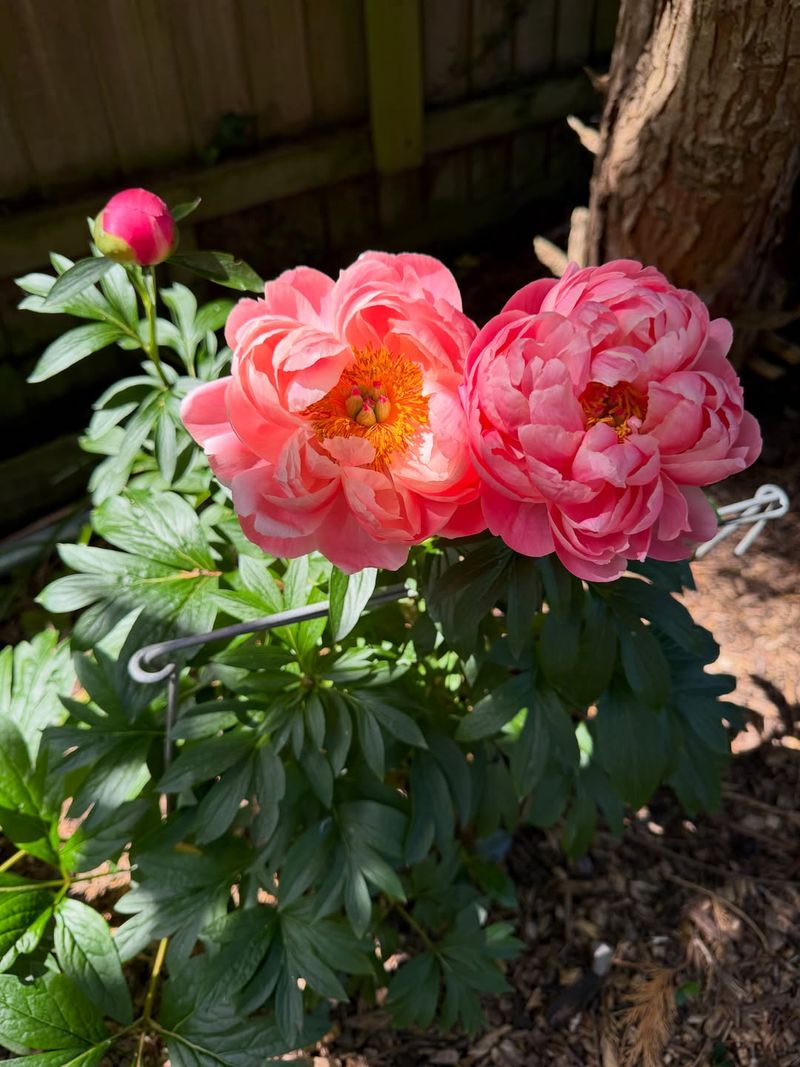
Peonies are one of the most beloved perennials in Michigan gardens, and they have earned every bit of that reputation.
Those big, fragrant blooms are worth waiting for, which is exactly why dividing them at the wrong time is such a costly mistake.
Late spring and early summer are when peonies are actively using all their stored energy to push out those spectacular flowers and build their root systems.
Cutting into a peony clump now stresses the plant significantly and almost always reduces blooming for the following season.
The roots are particularly vulnerable in warm, moist soil, and disturbing them during active growth can set the plant back by one to two full years.
Michigan gardeners who have waited patiently for a peony to bloom know how frustrating that kind of setback can feel.
The correct time to divide peonies is early fall, typically September in Michigan, when the plant has finished growing for the year and the soil is still warm enough to encourage some root development before winter.
Each division should have three to five eyes, which are the small pink buds on the root, and should be replanted no deeper than one to two inches below the soil surface.
Planting too deep is one of the most common reasons peonies fail to bloom, so depth really matters here. Leave your peonies alone for now, enjoy those gorgeous flowers, and mark your calendar for a September division instead.
Patience with peonies always pays off in the most beautiful way.
6. Do Not Divide Bleeding Heart Now
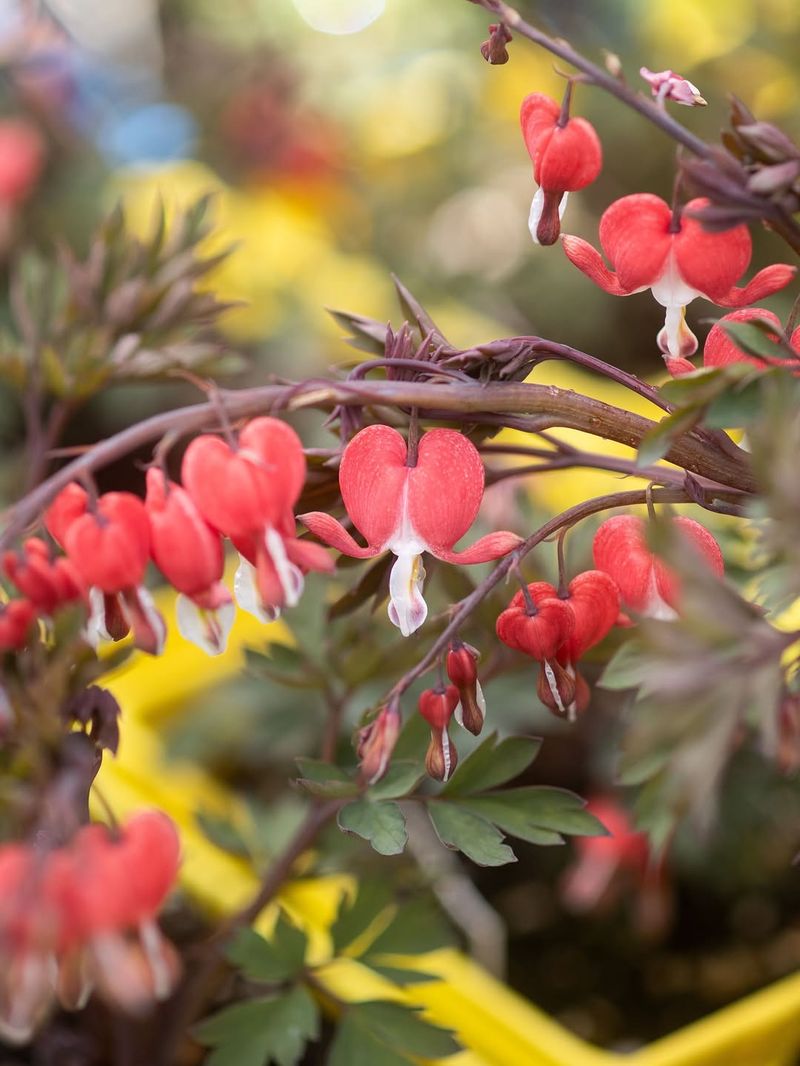
There is something almost magical about bleeding heart in full bloom, with those perfectly shaped pink and white flowers dangling from arching stems like tiny ornaments.
By late spring, though, this plant is already heading toward its natural dormancy period, and that is exactly why dividing it right now is a bad idea.
Disturbing the roots during or after flowering weakens the plant and can delay next year’s blooms significantly.
Bleeding heart foliage typically begins to fade and yellow in early summer as the plant prepares to go dormant for the season.
Digging it up during this transition stresses the fragile root system and gives it very little recovery time before the soil warms up and conditions become challenging.
Michigan summers can bring stretches of heat and humidity that a freshly divided bleeding heart simply is not equipped to handle.
If your bleeding heart clump has grown large and you feel it needs to be divided, the safest window is early spring, just as the first pink shoots are emerging from the soil.
At that point, the plant has full energy ahead of it and the cool spring weather gives divisions the best possible start. You can also divide in very early fall if the plant shows signs of life.
For now, enjoy the soft beauty of those heart-shaped blooms and resist the urge to dig. Pair it with hostas or ferns nearby so the bare spot left after dormancy stays looking lush and intentional throughout the rest of your summer garden season.
7. Or Native Michigan Ferns (Osmunda, Matteuccia)
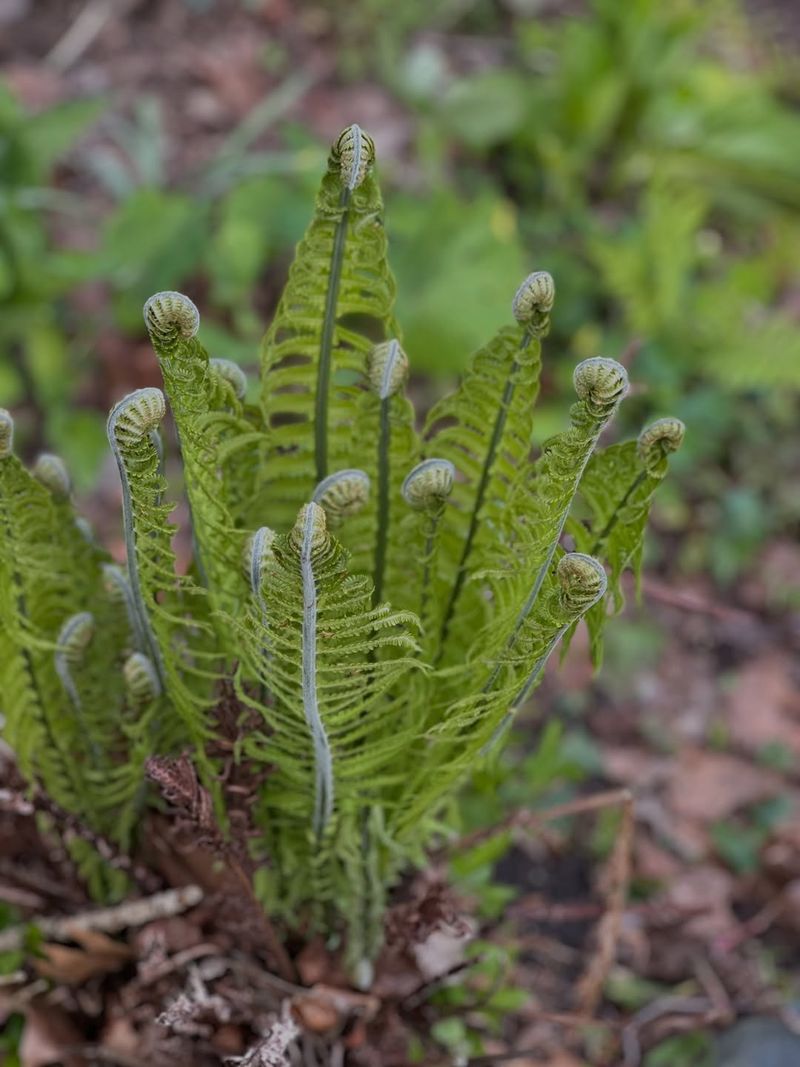
Native Michigan ferns like ostrich fern and cinnamon fern are among the most striking plants you can grow in a shaded landscape, and they work hard to build their root systems all through spring and early summer.
Right now, those roots are actively absorbing water and nutrients to fuel the fronds you see unfurling above ground.
Dividing ferns during this active growth phase disrupts that process at the worst possible moment.
Early division can damage the emerging fronds, which are surprisingly fragile when they are still uncurling. Once a frond is damaged, it does not repair itself, and the whole aesthetic of the plant suffers for the entire growing season.
For a plant that is grown almost entirely for its graceful, feathery foliage, that is a significant loss.
The root systems of native ferns, particularly the rhizomes of ostrich fern, are also quite sensitive to disturbance during warm weather.
Michigan summers bring heat and occasional drought stress, and a fern with a recently divided root system struggles to keep its fronds hydrated and upright.
The result is often a droopy, stressed-looking plant that takes most of the season to recover.
Wait until early spring, when the fiddleheads are just beginning to push through the soil, for the safest and most successful division. That timing gives each section cool temperatures and plenty of moisture to settle in quickly.
Native ferns are absolutely worth the patience, because a well-established colony is one of the most lush and low-maintenance features any Michigan shade garden can have.
8. Don’t Divide Coral Bells
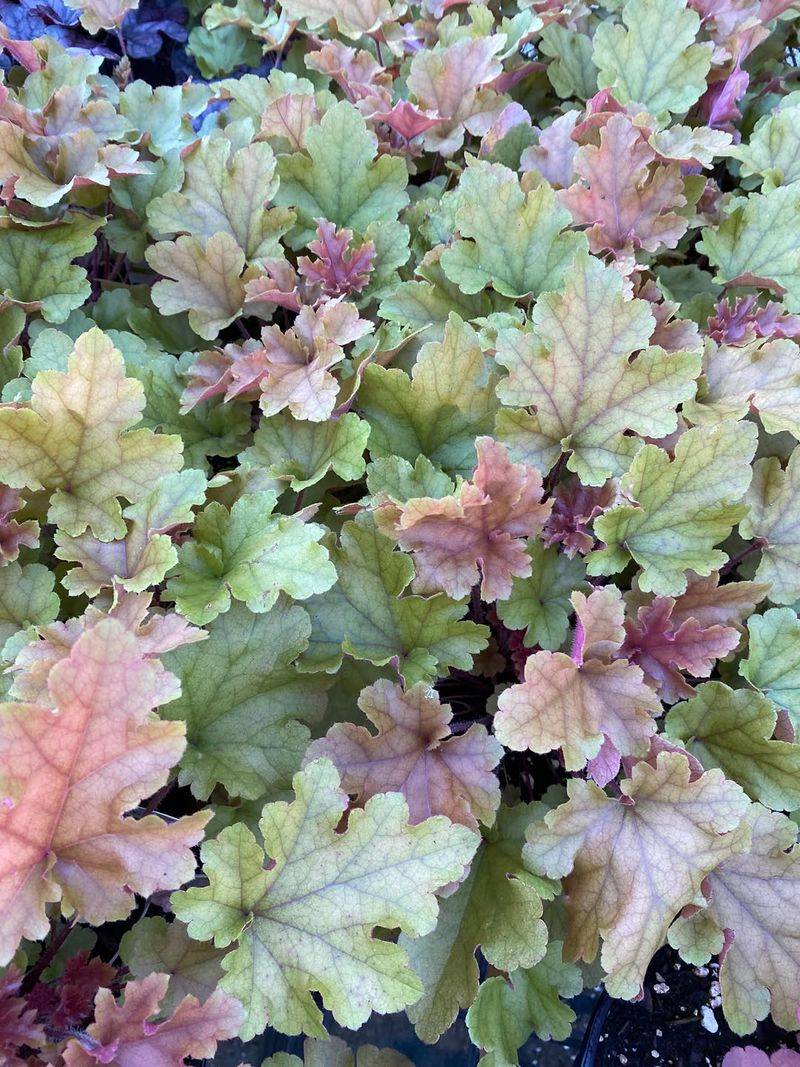
Coral bells have become one of the most popular foliage plants in Michigan gardens, and it is easy to see why. With leaf colors ranging from deep burgundy to lime green to caramel bronze, they bring color to spots where flowers rarely thrive.
But dividing them in late spring or early summer puts those beautiful clumps under real stress right when they need their energy the most.
Heuchera clumps tend to heave out of the soil over time, which can make them look like they need attention.
That heaving is a natural process, though, and replanting or dividing right now means the roots go back into warm soil without adequate time to reestablish before summer heat arrives.
Divisions made too late in the season tend to produce smaller, less colorful foliage for the remainder of the year.
The ideal time to divide coral bells in Michigan is late August through mid-September, when temperatures are cooling down and the soil still holds enough warmth to encourage root growth.
At that point, each division has several weeks to anchor itself before the ground freezes, setting it up for a strong and vibrant return the following spring.
Replant divisions at the same depth they were growing, making sure the crown is not buried too deeply.
After fall division, water consistently until the first frost and add a light layer of mulch to protect the roots through winter.
Coral bells that are divided and planted at the right time reward you the very next spring with fuller, more colorful clumps that make every corner of your garden look intentional and polished.
9. It’s Not The Time To Divide Iris Either
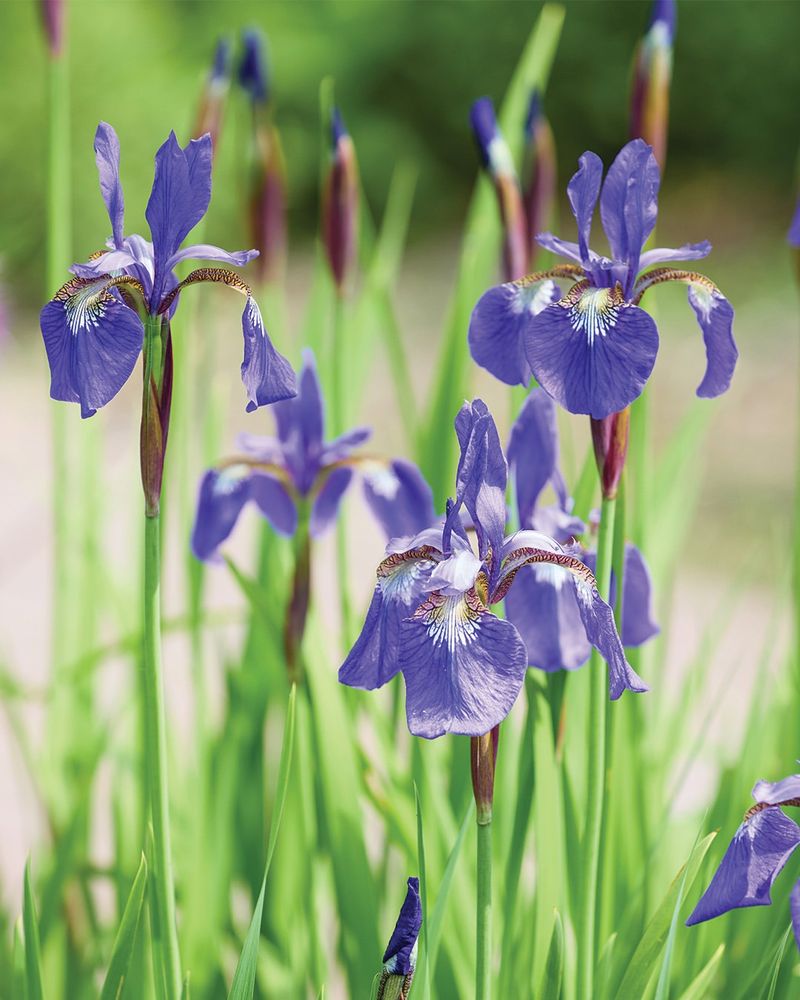
Bearded and Siberian iris are two of the most dramatic and rewarding perennials in any garden, with their tall stems and intricate, layered blooms stealing the show every single spring.
Right after blooming, though, the rhizomes and root systems need time to recover and store energy for next year.
Dividing iris in late spring or early summer cuts into that recovery period and almost always reduces the following season’s bloom count noticeably.
The rhizomes of bearded iris, in particular, are still quite vulnerable right after flowering. They need warm, dry conditions to firm up and heal, and dividing them while the soil is still moist and the plant is actively growing invites rot and stress.
Michigan’s variable early summer weather, with stretches of rain and humidity, makes this timing even riskier than it might be in drier climates.
The right time to divide iris in Michigan is mid to late July through early August, about four to six weeks after blooming has finished. By that point, the rhizomes have had time to rest, firm up, and store some energy.
Replant divisions in full sun with the tops of the rhizomes sitting just at or slightly above the soil surface, since burying them too deep is a very common mistake that prevents blooming.
Space bearded iris about twelve to eighteen inches apart to allow good air circulation and room to spread. Siberian iris prefers consistently moist soil and can handle slightly more shade.
Hold off on dividing either type right now, and your patience will be rewarded with a stunning, full display of blooms when spring rolls back around next year.