How Michigan Gardeners Harvest Thyme In Summer For Better Flavor And Fresh Growth
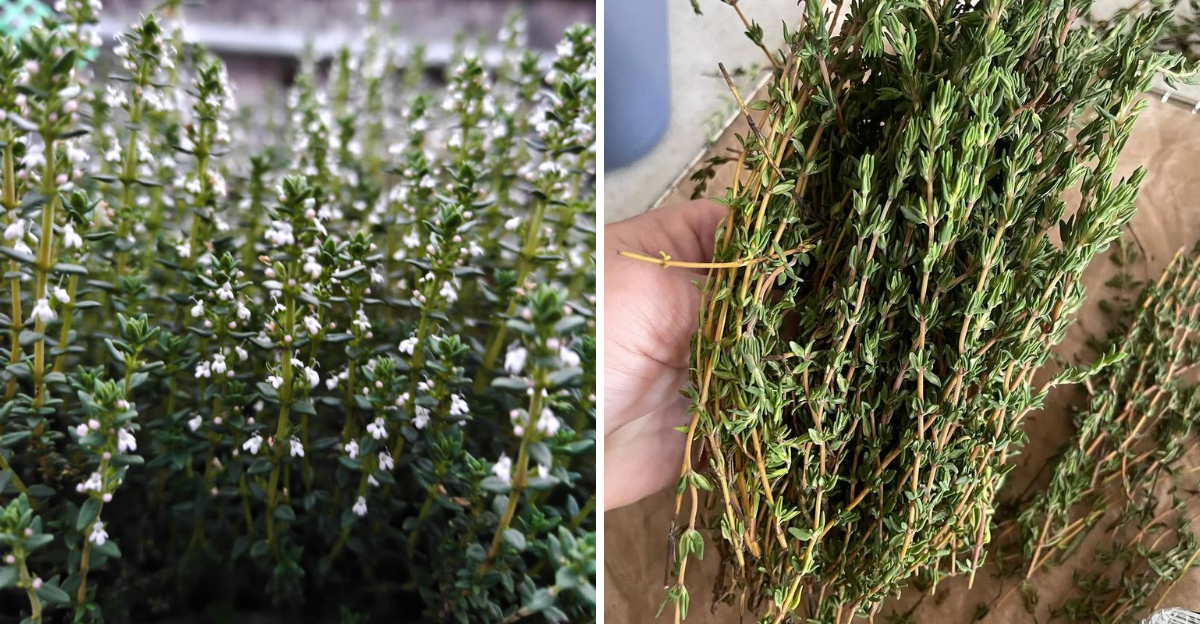
Growing thyme in Michigan is one of the most rewarding things a home gardener can do, and one of the most quietly misunderstood.
Most people snip a few sprigs when they need them, toss the rest, and wonder why the plant looks increasingly scraggly by August.
The truth is that how you harvest thyme during summer has more impact on the plant’s health, flavor, and productivity than almost any other care decision you make.
Cut it wrong and you end up with a leggy, woody plant that barely bounces back. Cut it right and you get a full, fragrant bush that keeps giving you fresh sprigs all season long.
Michigan summers bring warm days, plenty of sun, and just enough humidity to push thyme into fast growth.
That growth window is your best chance to shape the plant, boost oil production, and stock up on dried herbs for fall.
These practical techniques can help Michigan gardeners get the most from their thyme every summer, whether it is growing in containers on a Grand Rapids porch or in a raised bed in Traverse City.
1. Snip Tips Before Stems Turn Woody
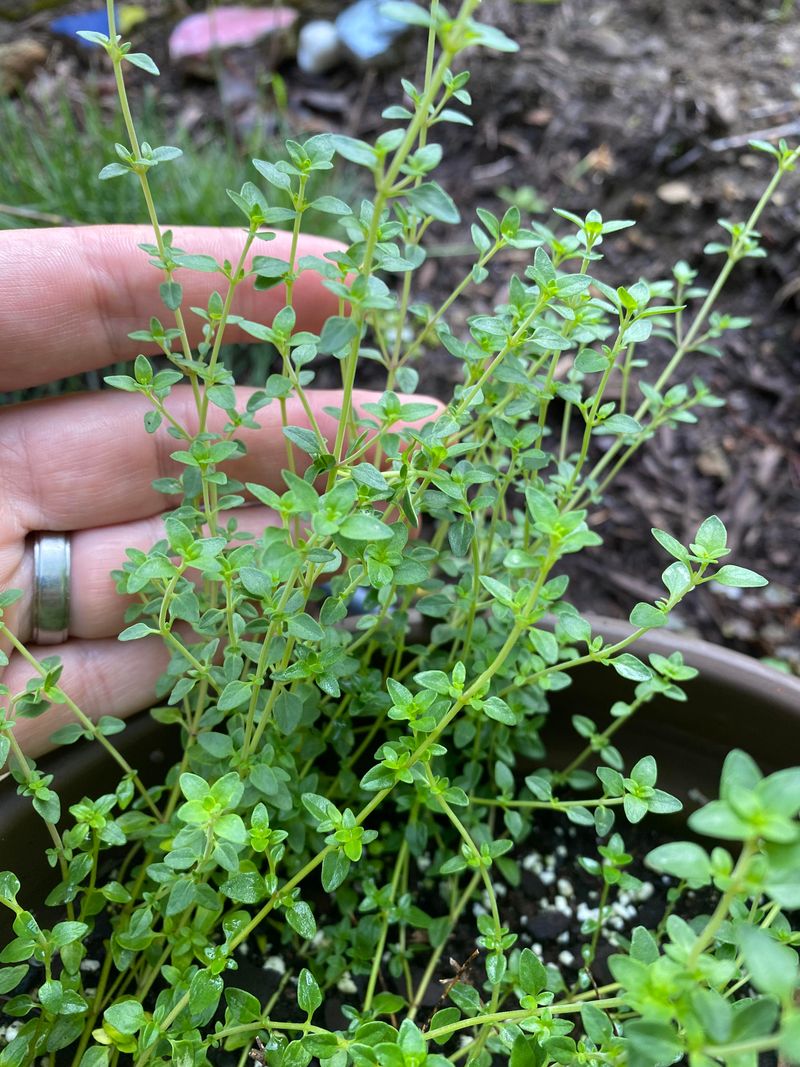
Fresh thyme starts with knowing exactly where to cut.
The soft, green tips at the end of each stem are where the flavor lives. Those tender tips hold the highest concentration of essential oils, which is exactly what gives thyme its sharp, earthy punch in soups, roasts, and marinades.
Woody stems tell a different story. Once a stem turns brown and stiff at the base, it stops pushing out flavorful new growth as efficiently.
Cutting into that woody zone does not encourage branching the way snipping green tips does. You want your scissors working in the green zone, always.
Michigan State University Extension notes that thyme is a perennial that benefits from regular light pruning to stay productive.
Letting stems go unchecked through summer causes the plant to put energy into long, floppy growth rather than dense, bushy new shoots. That bushy shape is what you are after.
A good rule of thumb is to look for stems that are still flexible and bright green at least two to three inches from the tip.
Those are your harvest targets. Grab a pair of clean herb scissors or sharp snips and take only the top third of those green stems. Leave everything below that point untouched for now.
This approach keeps the plant tidy, encourages side branching, and signals the thyme to keep producing those oil-rich tips you want all summer long.
2. Harvest After Morning Dew Dries
Timing your thyme harvest to the right part of the morning is a small change that makes a surprisingly big difference.
Most experienced herb growers will tell you the same thing: wait until the dew is completely gone from the leaves before you start cutting.
Wet leaves and stems are more prone to bruising, and moisture trapped in a fresh bundle of cuttings can lead to mold during drying.
In Michigan, summer mornings can stay dewy until eight or nine o’clock depending on overnight temperatures and humidity.
Your Michigan Garden Changes Every Week. Your Plan Should Too.
Gardening in Michigan changes quickly throughout the season. Every Friday you’ll receive a simple weekly plan showing exactly what to plant, prune, fertilize, harvest, and protect so you never miss the right timing.
Give the plant time to dry naturally in the sun before reaching for your scissors. Usually, mid-morning between nine and eleven is the sweet spot for most Michigan growing zones.
Do not wait too long into the afternoon either.
As temperatures climb past the mid-day mark, the plant begins pulling essential oils deeper into its tissues as a natural stress response to heat.
That means the oils you want on those leaves are less accessible right after the hottest part of the day.
Harvesting in that mid-morning window, after dew lifts but before peak heat, captures the highest oil content in the leaves.
You will notice the difference when you rub a freshly cut sprig between your fingers.
The scent is stronger, the leaves feel slightly tacky from the oils, and the flavor that follows in your cooking will be noticeably more intense than herbs cut at less ideal times.
3. Take Small Cuts Often
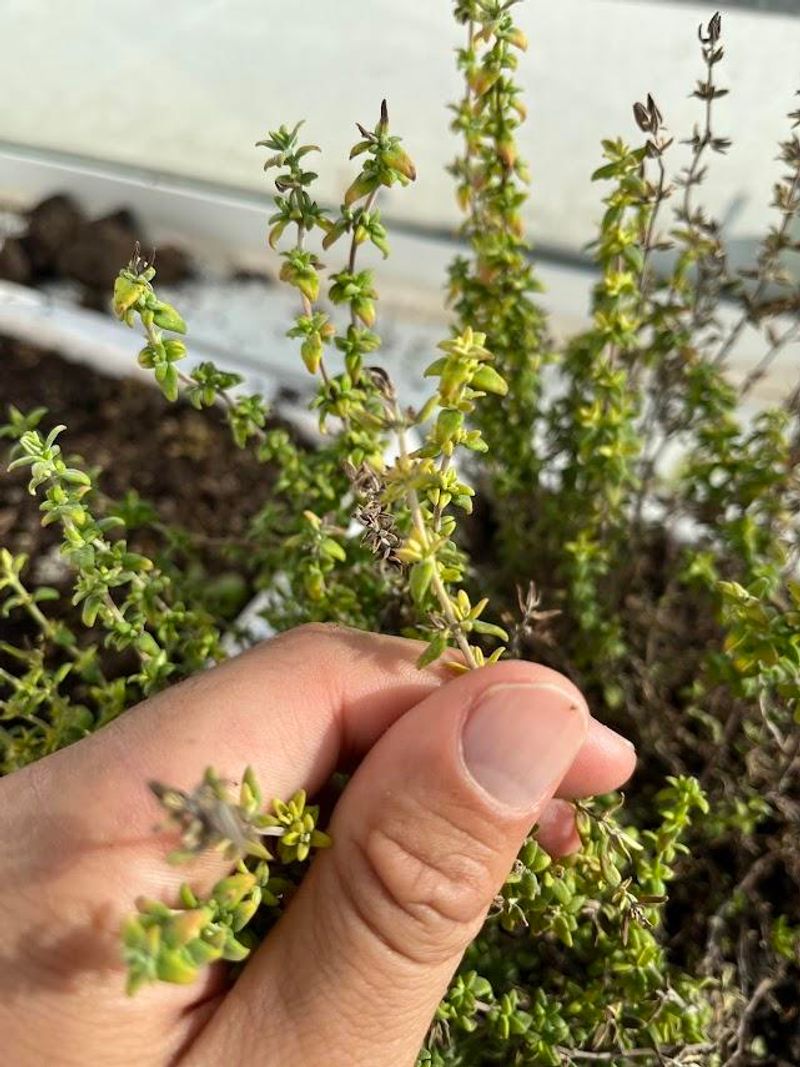
Frequent, light harvesting is one of the best habits a thyme grower can build.
Rather than waiting weeks and then cutting the plant back hard all at once, try visiting your thyme every seven to ten days and taking just a little from each stem.
This rhythm keeps the plant in a constant state of active, productive growth.
Every time you snip a tip, the stem below it responds by pushing out two new side shoots. More cuts mean more branching, and more branching means a fuller, more productive plant by the end of summer.
Small, consistent cuts keep things manageable and encourage the plant to branch outward rather than stretch upward.
For Michigan gardeners working with container thyme on patios or balconies, this approach is especially valuable.
Containers limit root space, so the plant is already working harder to sustain itself. Frequent light harvesting reduces stress on the root system while still giving you usable herbs every week or so.
A harvest journal or a simple phone reminder can help you stay on schedule.
Even taking a few sprigs at a time adds up quickly. By midsummer, a thyme plant that has been harvested regularly will look dramatically fuller and healthier than one that was left alone and then cut back aggressively.
Consistent small efforts really do produce the best results with this herb.
4. Leave Green Growth Behind
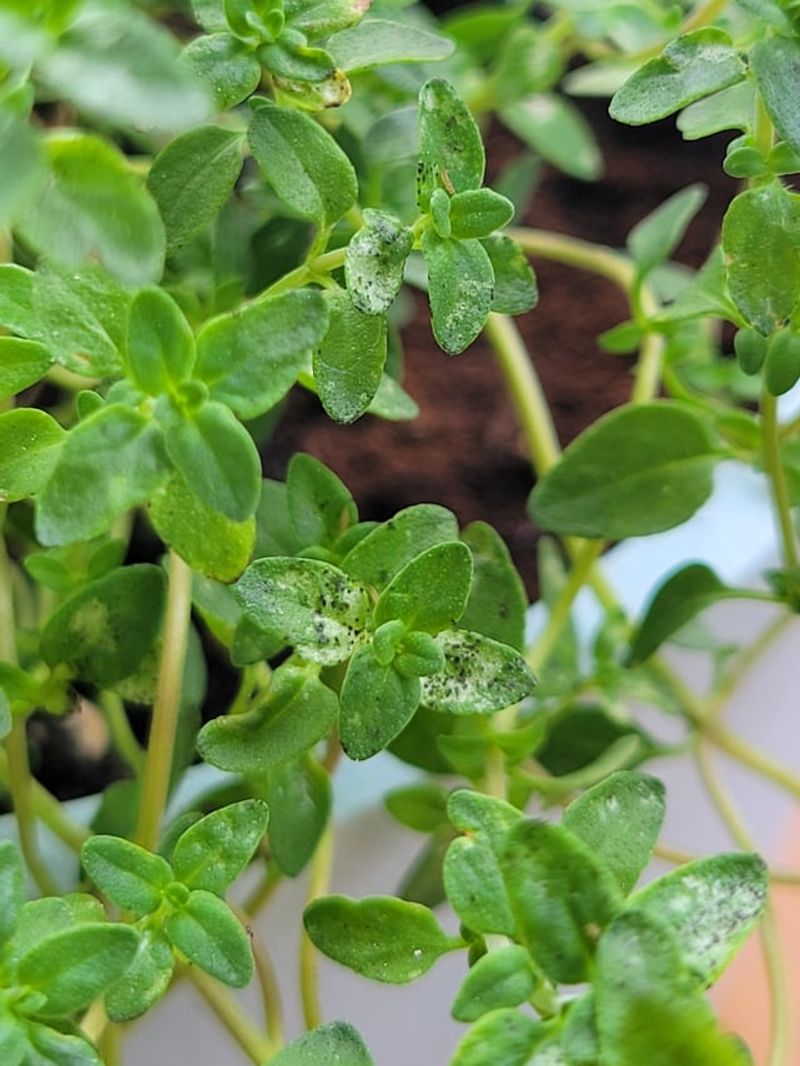
One of the most common mistakes new herb gardeners make with thyme is cutting too much at once.
It is tempting to take a big harvest when the plant looks full and lush, but stripping too much foliage at one time puts the plant under serious stress and slows regrowth significantly.
A solid guideline backed by most university herb-growing resources is to never remove more than one-third of the plant at any single harvest.
That two-thirds you leave behind is not just there to look pretty. Those remaining leaves are doing the photosynthesis work that fuels new growth.
Without enough green foliage, the plant cannot produce the energy it needs to push out fresh shoots.
Michigan summers are warm enough to support fast thyme regrowth, but only if the plant has the leaf area to capture sunlight and convert it into growth energy.
Strip a plant bare, and it may take three to four weeks to recover, which means you lose valuable production time during the peak growing season.
When you harvest, step back and look at the whole plant before you start cutting.
Identify which stems are longest and most mature, then take from those first. Leave the shorter, newer stems completely alone.
After harvesting, the plant should still look green and reasonably full. If it looks sparse or nearly bare, you went too far.
5. Trim Above A Leaf Pair
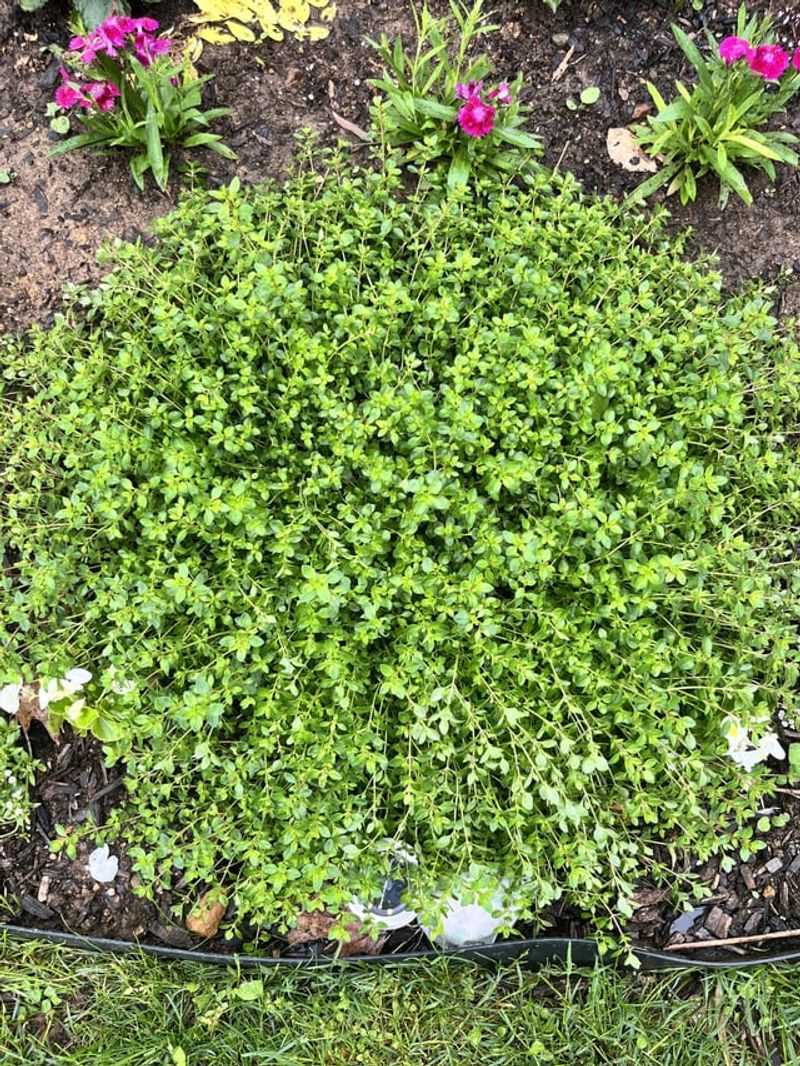
Where exactly you place your cut on a thyme stem matters more than most beginners realize.
Cutting just above a pair of leaves, rather than randomly along the stem, is the technique that actively triggers branching. It is a simple adjustment that turns a single stem into two, and those two into four over the following weeks.
Thyme grows leaves in opposite pairs along each stem.
When you cut directly above one of those pairs, the plant responds by activating the growth buds that sit at the base of each leaf in that pair.
Within a week or two, you will see two new shoots emerging right where you made the cut. That is the branching response you want to encourage all summer long.
Cutting randomly in the middle of a bare section of stem, or below a leaf pair, does not trigger the same response.
Those cuts can leave a stub that simply dries out without producing new growth. Precision here is not about being fussy. It is about understanding how the plant grows so you can work with it instead of against it.
The next time you harvest, slow down and look at the stem before you cut.
Find a healthy leaf pair about two to three inches from the tip. Place your scissors just above that pair and make a clean snip.
Do this consistently across the plant, and by late summer your thyme will be noticeably fuller and more compact than a plant that was cut without attention to leaf placement.
6. Pause Before Heavy Flowering
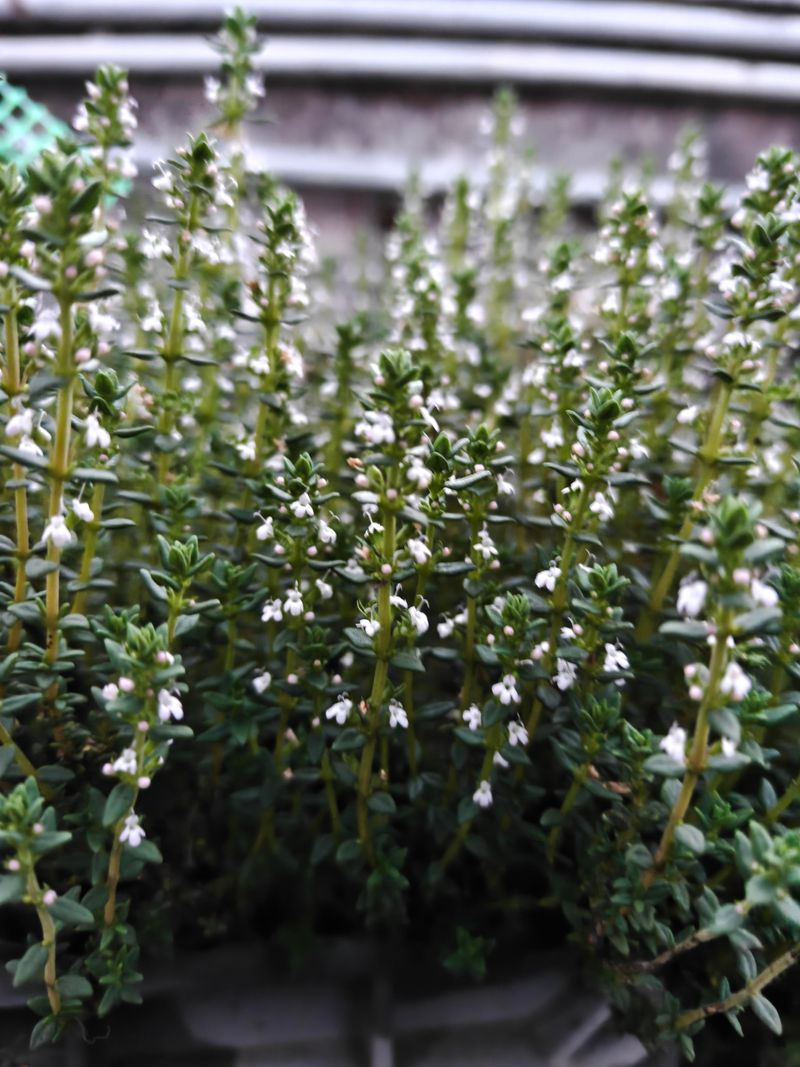
Thyme in full bloom is beautiful, but it signals a shift in the plant’s priorities that affects your harvest quality.
Once thyme commits to flowering, it redirects energy away from leaf production and toward seed development.
That shift changes the chemical profile of the leaves, and many cooks and growers notice that the flavor becomes slightly more bitter and less bright after full bloom sets in.
The best window for harvesting thyme with peak flavor is right before the flowers fully open.
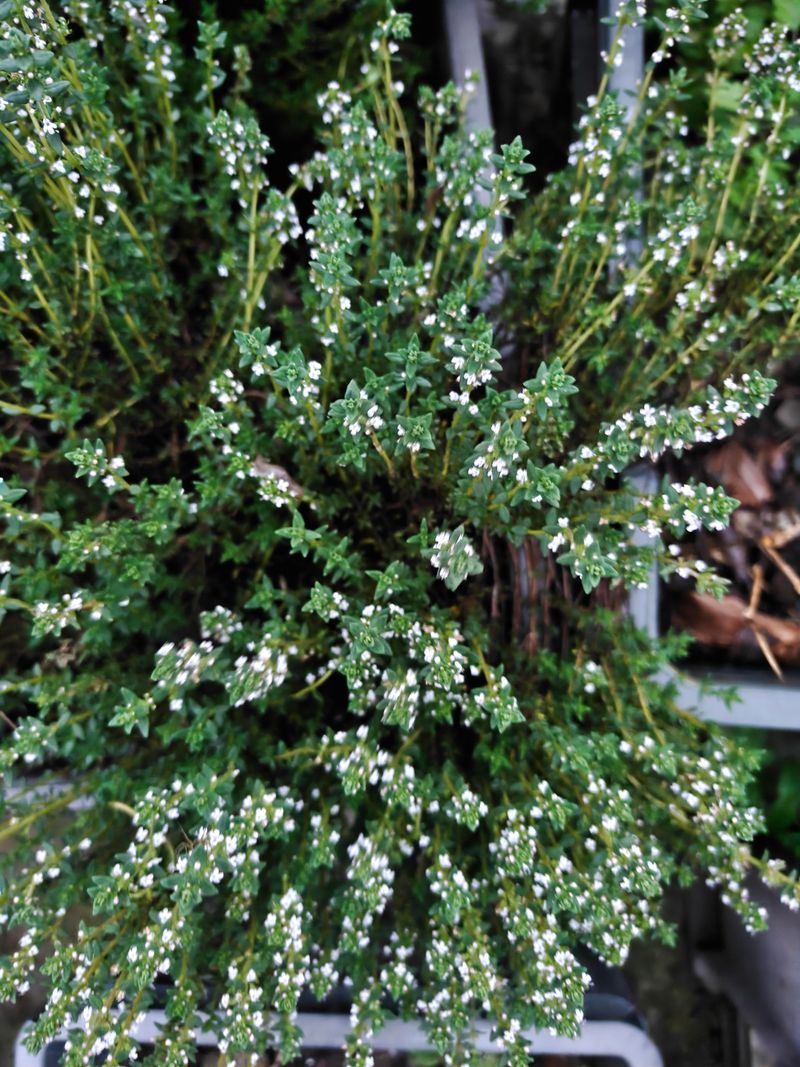
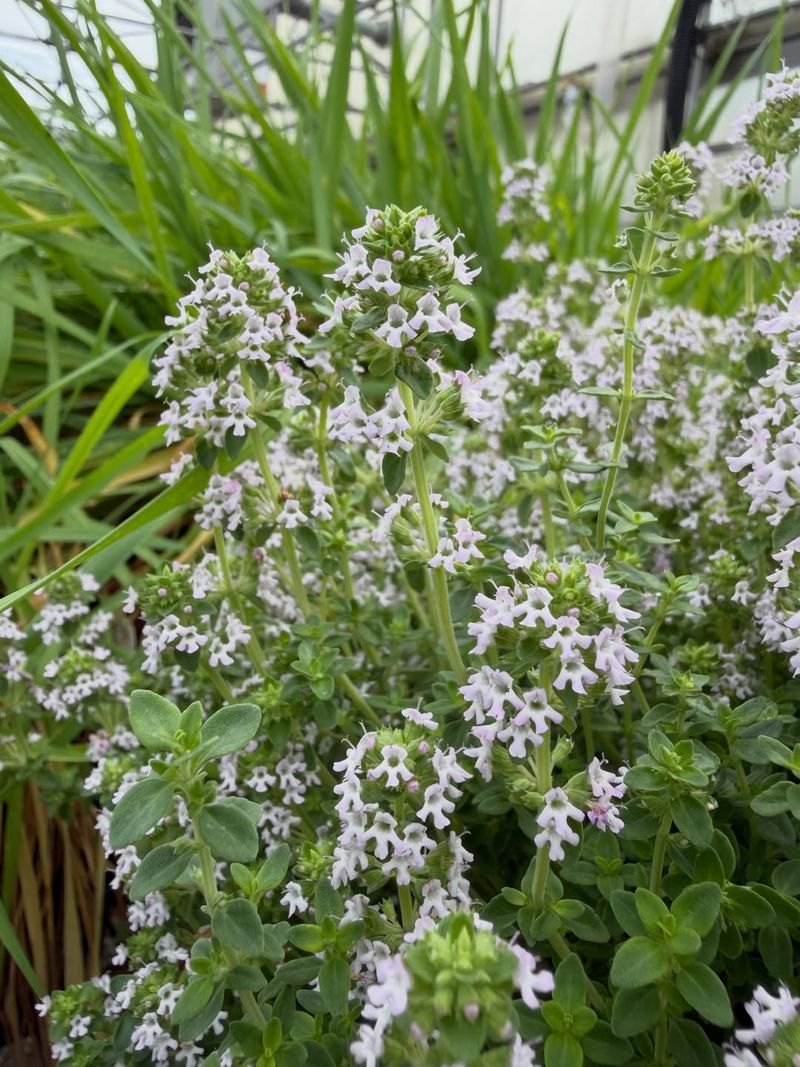
You will notice small buds forming at the tips of stems, often in shades of purple, pink, or white depending on the variety. That bud stage is your signal to harvest generously.
The leaves at that moment hold the highest concentration of thymol and carvacrol, the two main compounds responsible for thyme’s signature flavor.
In Michigan, thyme typically begins to flower in June or early July, depending on the variety and the season’s weather pattern.
Watch your plants closely during that window. If you catch the buds just before they open and harvest the tips back, you can actually delay full flowering and extend that peak-flavor production period by a couple of weeks.
If your plant does flower fully, pinch off the spent flower heads to redirect the plant’s energy back toward leaf growth.
You will get a second wave of flavorful new growth within a few weeks, giving Michigan gardeners another round of quality harvests before the summer season winds down.
7. Dry Extra Sprigs In Small Bundles
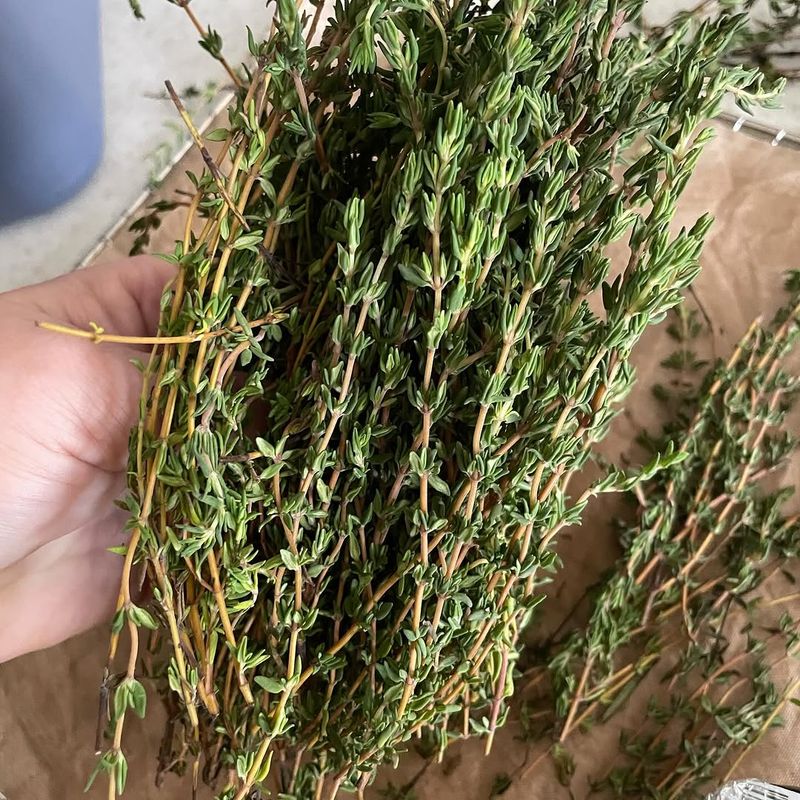
Summer harvests often produce more thyme than you can use fresh in a week, and that surplus deserves a good plan.
Air-drying is the simplest, most accessible preservation method for home growers, and it works especially well for thyme because the herb’s low moisture content means it dries cleanly without a lot of fuss.
Small bundles are the key here.
Grouping too many stems together in one bundle traps moisture in the center, which slows drying and can create conditions for mold to form before the herbs are fully preserved.
Keep each bundle to about eight to twelve stems maximum, tied loosely at the base with a piece of natural twine or a rubber band.
Hang the bundles upside down in a spot with good airflow and low humidity.
A dry kitchen, a covered porch, or an interior room away from direct sunlight all work well. Michigan summers can bring humidity, so choosing a spot with a small fan nearby or natural air circulation helps speed the process.
Thyme typically dries fully in one to two weeks under good conditions.
Once dried, strip the leaves from the stems by running your fingers down from tip to base.
Store the crumbled leaves in a small glass jar with a tight lid, away from heat and direct light. Properly dried and stored thyme holds strong flavor for up to a year, giving you a taste of Michigan summer all through the colder months ahead.
8. Keep Fertilizer Light For Flavor
Feeding your thyme too much actually makes it taste worse, which surprises a lot of new herb gardeners.
Thyme is a Mediterranean herb that evolved in lean, rocky, well-drained soils. It is built for conditions where nutrients are limited.
When you give it rich, heavily fertilized soil, the plant responds by growing lots of soft, watery foliage that dilutes the essential oil content in the leaves.
Those essential oils are what give thyme its flavor and aroma.
A plant growing in lean conditions concentrates those oils in its leaves as part of its natural stress response.
That concentration is exactly what you want when you are harvesting for cooking or drying. Lush, overfed thyme looks impressive but often tastes flat compared to a plant grown with restraint.
For Michigan gardeners, a light application of balanced organic fertilizer once at the start of the growing season is usually enough for in-ground thyme.
Container-grown thyme benefits from a diluted liquid feed every four to six weeks since nutrients wash out of pots more quickly with regular watering. Even then, err on the lighter side of the recommended dose.
Compost-amended soil at planting time provides a gentle, slow-release nutrient base that suits thyme well without pushing excessive soft growth.
Good drainage matters just as much as fertilizer restraint. Thyme roots sitting in soggy soil struggle regardless of feeding habits.
Keep the soil lean, the drainage sharp, and the fertilizer minimal, and your thyme will reward you with intensely flavored leaves all summer long.