New York Plants That Can Make Your Yard Less Firefly-Friendly, And What To Grow Instead
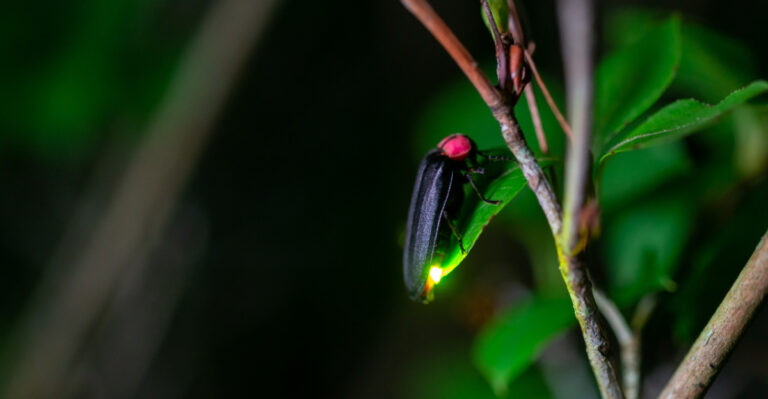
Summer evenings in New York used to mean one thing: backyards full of blinking lights. These days, many residents are noticing fewer and fewer of them.
Firefly populations have been declining across the country, and while light pollution and pesticides get most of the blame, your garden plants may be quietly making things worse.
Invasive species, many of them common landscaping staples, crowd out the native plants fireflies depend on for shelter, breeding, and food.
Fewer native plants means less leaf litter, and less leaf litter means fewer soft-bodied insects for firefly larvae to feed on. The chain reaction is gradual, easy to miss, and not easy to undo.
These plants will not harm a firefly on contact, but over time, they reshape the habitat just enough to make survival harder.
Native swaps exist for every single one of them, and most are just as easy to grow.
1. Japanese Barberry
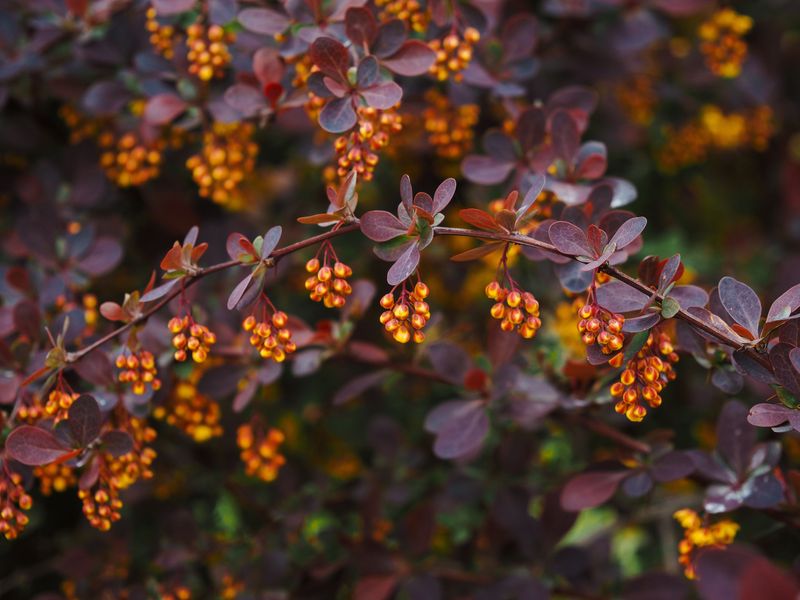
Walk through almost any suburban yard in the Northeast and you will likely spot it. Japanese Barberry, with its deep red leaves and tiny berries, looks harmless enough from the curb.
Beneath that pretty exterior, though, is one of the most disruptive shrubs you can plant. Its dense, thorny growth creates humid pockets at ground level that attract ticks and crowd out native ground cover.
Fireflies need moist, leaf-covered soil to lay their eggs and for larvae to hunt. When barberry takes over, it changes the soil chemistry and significantly degrades that critical habitat layer.
Research from Connecticut shows that areas dense with barberry have significantly higher tick populations. That alone is worth keeping in mind when deciding whether to keep it around.
Swap it out for native Inkberry Holly, which thrives in similar conditions without the invasive spread. Inkberry provides berries for birds, supports pollinators, and keeps the ground layer open for firefly larvae to do their thing.
You can also try native Spicebush, a gorgeous shrub with yellow spring flowers and red fall berries. It supports over 20 species of moths and butterflies, making your whole yard a more vibrant, firefly-friendly ecosystem.
Removing barberry does take some effort since the roots are stubborn. Pull young plants by hand and treat larger ones with a targeted approach recommended by your local cooperative extension office.
Your summer nights will thank you for it.
2. Burning Bush
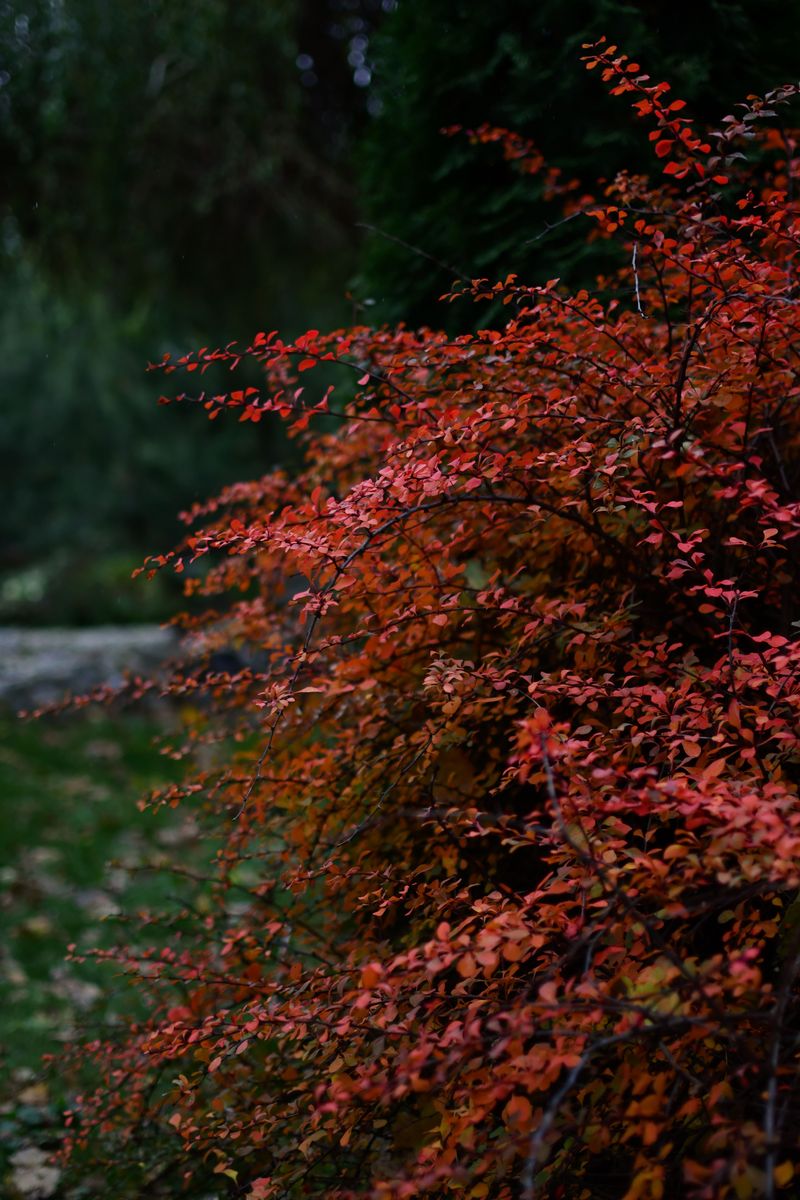
Few plants put on a fall show quite like Burning Bush. That fiery red color is so dramatic that homeowners have planted it everywhere for decades.
The problem is that birds love the berries just as much as gardeners love the color. Seeds get spread far and wide into forests and meadows, where the shrub takes over native understory plants.
When native understory shrubs disappear, so do the insects that depend on them. Fireflies are especially sensitive to these changes because their larvae live in the soil and leaf litter beneath native plants.
Burning Bush also creates a dense canopy that blocks light from reaching the forest floor. Less light means fewer native wildflowers and ground covers, which means fewer firefly-friendly habitats.
Your New York Garden Changes Every Week. Your Plan Should Too.
Gardening in New York changes quickly throughout the season. Every Friday you’ll receive a simple weekly plan showing exactly what to plant, prune, fertilize, harvest, and protect so you never miss the right timing.
A brilliant native swap is Highbush Blueberry, which turns a stunning crimson red in fall and produces edible fruit as a bonus. It supports native bees, birds, and keeps the soil environment open and healthy for firefly larvae.
Another fantastic option is Fothergilla, a native shrub with white bottlebrush flowers in spring and jaw-dropping orange and red fall foliage. It attracts native bees and supports a healthy insect food web without spreading aggressively.
If you already have Burning Bush in your yard, fall is a great time to remove it before the berries drop. Getting rid of it before seeds disperse makes a meaningful impact on nearby natural areas.
Brilliant fall color is still very much within reach.
3. Norway Maple
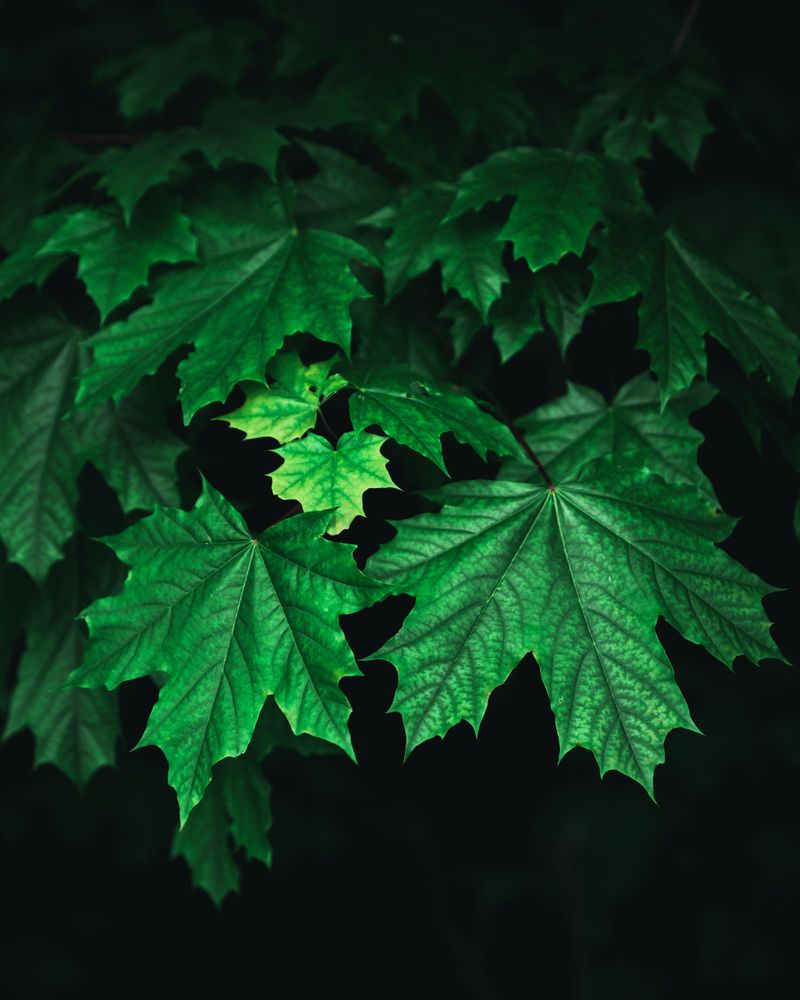
Norway Maple looks like a perfectly respectable shade tree, and for years that is exactly how it was sold. It lines streets across the Northeast, offering broad canopies and impressive size.
The catch is that Norway Maple creates such deep shade that almost nothing grows beneath it. Native wildflowers, ferns, and ground covers simply cannot compete with the darkness it casts.
Fireflies need those understory plants and leaf litter to complete their life cycle. When the ground under a tree is bare, it becomes much less useful habitat for firefly larvae.
Norway Maple also produces thousands of winged seeds that spread easily into natural areas. Once established in a forest edge, it pushes out native maples and the insects that rely on them.
The native Red Maple supports over 280 species of moths and butterflies and creates a rich leaf litter layer that firefly larvae depend on. Sugar Maple is an equally strong choice, offering spectacular fall color and the same ecological generosity.
Sugar Maple is an equally strong choice, offering spectacular fall color and the same ecological generosity.
If you are replacing a Norway Maple, give your new native tree a generous mulch ring to help it establish. Avoid piling mulch against the trunk, and water consistently through the first two summers.
Shade can be beautiful and ecologically generous at the same time.
4. Japanese Honeysuckle
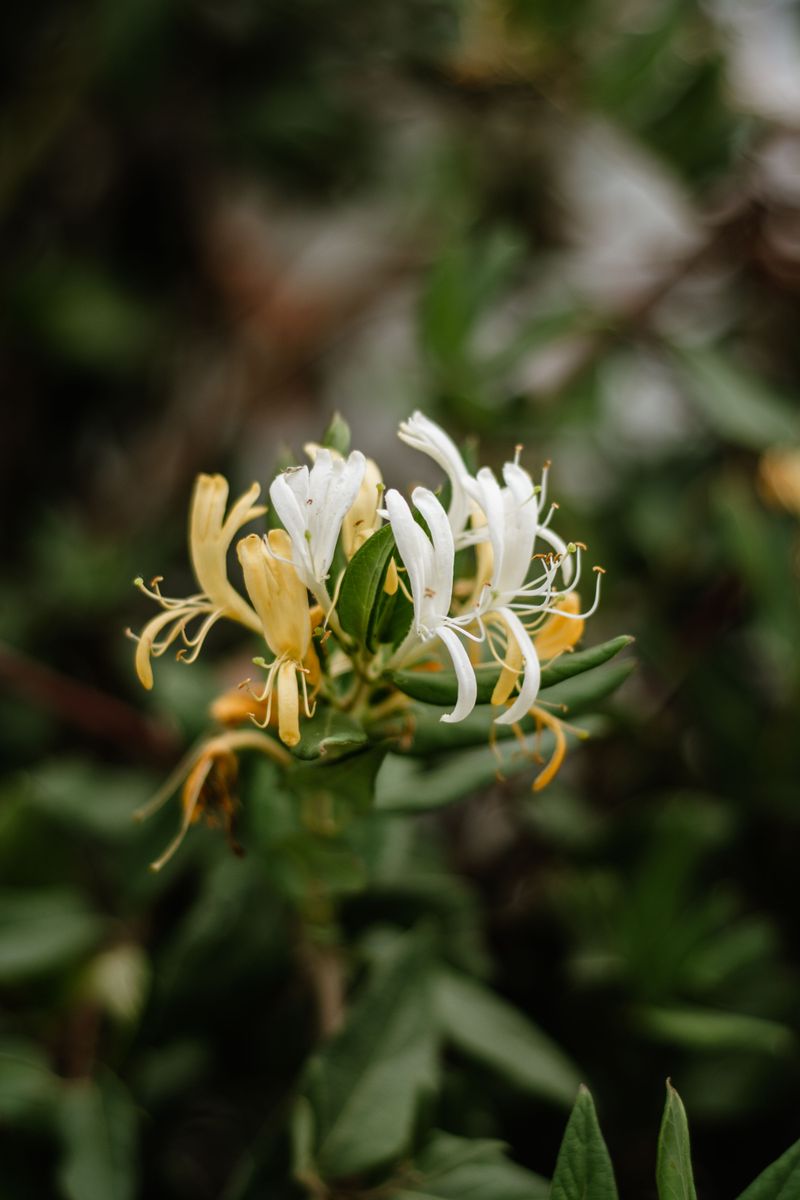
Image Credit: © Nadiye Odabaşı / Pexels
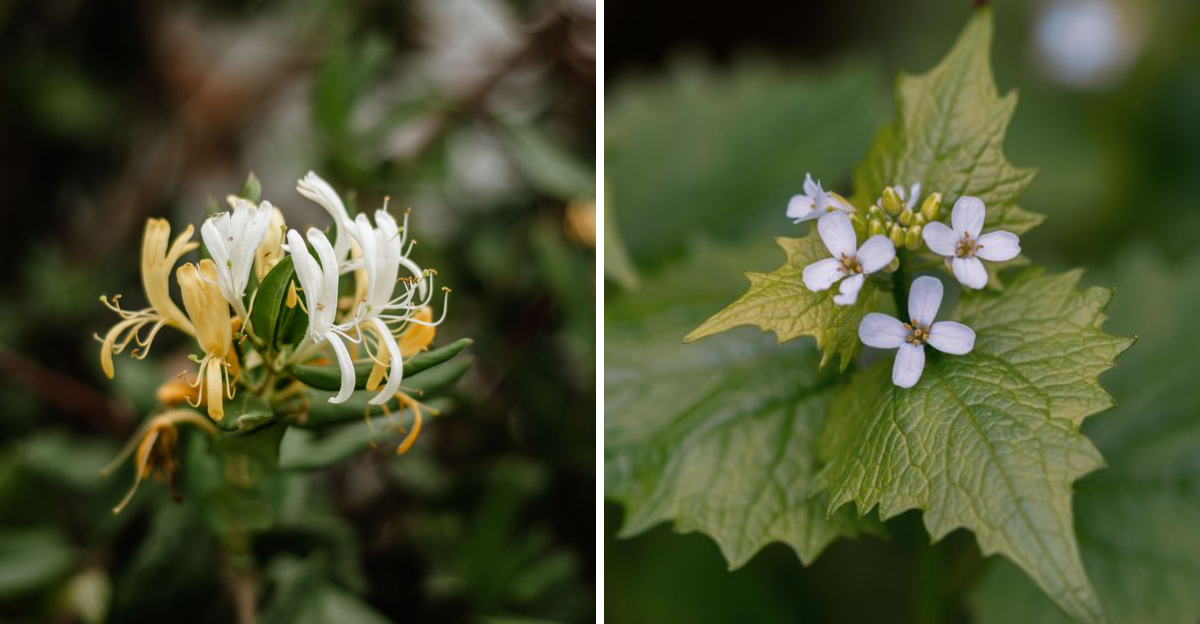
That sweet, unmistakable fragrance drifting through a summer evening might actually be part of the problem. Japanese Honeysuckle smells wonderful, but it is quietly strangling native plants across the region.
This aggressive vine wraps around shrubs and small trees, blocking sunlight and cutting off growth. Over time, entire thickets of native vegetation get replaced by a monoculture of honeysuckle.
Native shrubs and wildflowers are the backbone of firefly habitat. When they disappear under a blanket of invasive vine, the insects that depend on them, including firefly larvae, lose their food sources and shelter.
Japanese Honeysuckle also stays green late into fall, which sounds nice but actually disrupts the natural leaf-drop cycle. That leaf litter is essential for firefly eggs and overwintering larvae.
Native Coral Honeysuckle is the perfect swap, offering gorgeous tubular red and orange flowers that hummingbirds adore. It climbs beautifully on trellises and fences without spreading aggressively into natural areas.
Another great option is native Trumpet Creeper, which produces bold orange flowers and supports specialist native bees. It can spread, so plant it where you have room, but it will never cause the ecological damage of its invasive cousin.
Removing Japanese Honeysuckle requires persistence since the roots resprout readily. Cut vines at the base repeatedly throughout the growing season, and consider enlisting native groundcovers to reclaim the space afterward.
Fragrance and ecological health can coexist in your garden.
5. Purple Loosestrife
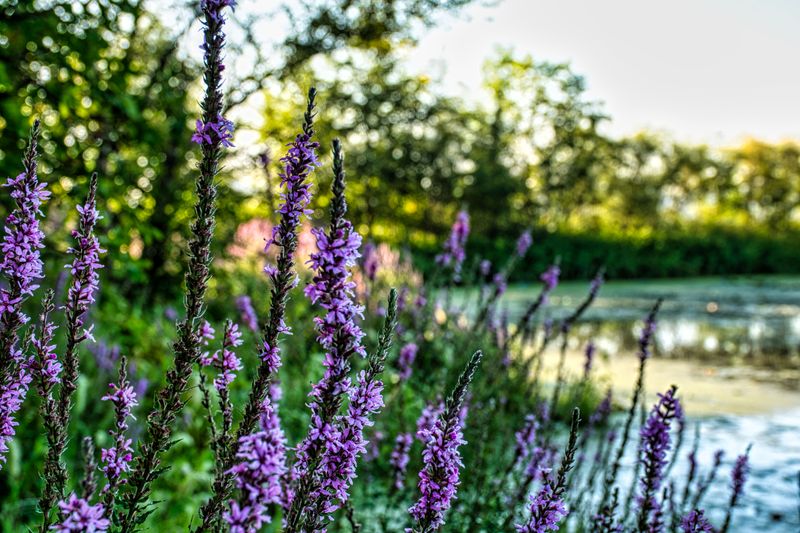
Standing in a wetland surrounded by tall purple flower spikes, it is easy to see why people thought Purple Loosestrife was beautiful and harmless. That assumption has cost native wetlands enormously.
A single mature plant can produce over two million seeds per year. Those seeds spread rapidly, turning diverse wetland ecosystems into dense single-species stands with drastically reduced ecological value.
Wetlands are prime firefly territory. The moist soil, native sedges, and rich insect life of a healthy marsh create exactly the conditions fireflies need to breed and thrive.
When Purple Loosestrife takes over, it eliminates native cattails, sedges, and wetland wildflowers. That wipes out the habitat complexity that supports fireflies, frogs, waterfowl, and dozens of other species.
Native Blue Flag Iris is a stunning wetland replacement with gorgeous violet-blue flowers in early summer. It supports native bees and creates beautiful structure along pond edges without spreading uncontrollably.
Swamp Milkweed is another outstanding native option for wet or moist areas. It feeds monarch butterflies, attracts a wide variety of native pollinators, and produces silky seed heads that add winter interest to the garden.
Joe Pye Weed rounds out an excellent native wetland planting palette. Its dusty pink flower clusters bloom in late summer and attract butterflies, bees, and other beneficial insects that support the broader food web.
Healthy wetlands glow with fireflies on warm July nights, and that magic is worth protecting.
6. Japanese Knotweed
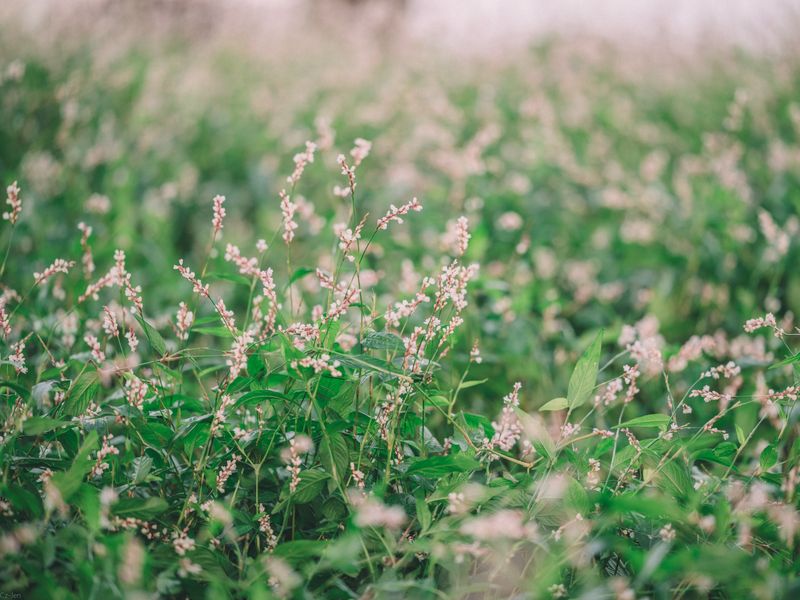
Japanese Knotweed is the plant that refuses to quit. Cut it down and it comes back stronger, spreading through underground rhizomes that can extend 20 feet from the parent plant.
Along riverbanks and moist roadsides, it forms impenetrable walls of vegetation that crowd out every native plant in reach. Nothing else gets a foothold once knotweed moves in.
Fireflies are strongly associated with moist, vegetated stream corridors. Those areas provide the humid soil, native ground cover, and invertebrate prey that firefly larvae need throughout their two-year underground stage.
Knotweed destroys that entire habitat system. Its thick canopy and root mat eliminate native plants, reduce soil biodiversity, and leave the ground ecologically impoverished beneath its aggressive spread.
Native Elderberry is an excellent replacement for moist, disturbed areas along stream edges. It grows quickly, produces white flower clusters loved by pollinators, and offers dark berries that wildlife devours through the fall season.
Virginia Wildrye, a native grass, also thrives in moist riparian zones and provides important structure for ground-level insects. Its graceful arching stems add texture and movement while supporting a rich insect community beneath.
Controlling knotweed is a multi-year commitment that often requires professional help in severe cases. Start small, remove what you can, and immediately replant with natives to prevent the knotweed from reclaiming the ground.
Every square foot you reclaim from knotweed is a square foot returned to fireflies.
7. English Ivy
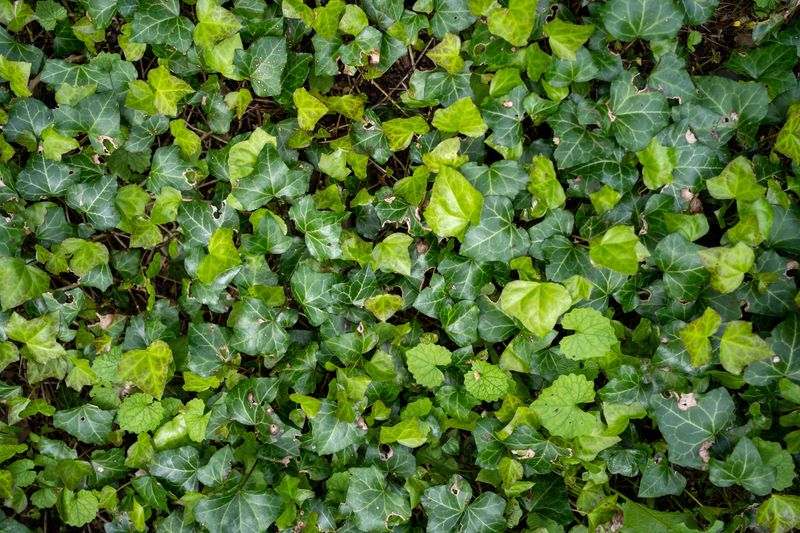
English Ivy has a reputation for being elegant, and in European gardens it earns that label. In North American ecosystems, though, it behaves like a slow-moving ecological disaster.
Creeping across the ground and climbing trees, ivy forms a thick mat that smothers native wildflowers, ferns, and the leaf litter layer beneath. It is sometimes called a green desert for a reason.
That leaf litter layer is not just decoration. It is where firefly eggs are laid, where larvae spend up to two years hunting, and where pupation occurs before adults emerge on warm summer evenings.
Ivy eliminates that layer completely. Where ivy grows, firefly larvae have nowhere to live, hunt, or develop, making even the prettiest ivy-covered yard essentially an empty landscape for fireflies.
Native Wild Ginger is a gorgeous low-growing ground cover for shaded areas. Its heart-shaped leaves form a dense, attractive mat while supporting native bees and leaving the soil layer intact for ground-dwelling insects.
Native Pachysandra, often called Allegheny Spurge, is another excellent shady ground cover that actually supports native insects. Unlike its Japanese cousin, the native version contributes meaningfully to local food webs.
Removing established ivy takes real work since the stems root at every node. Pull it back gradually, dispose of it properly so it does not resprout, and plant natives quickly to fill the space.
A ground cover should cover the ground and feed the ecosystem, not just look tidy.
8. Garlic Mustard
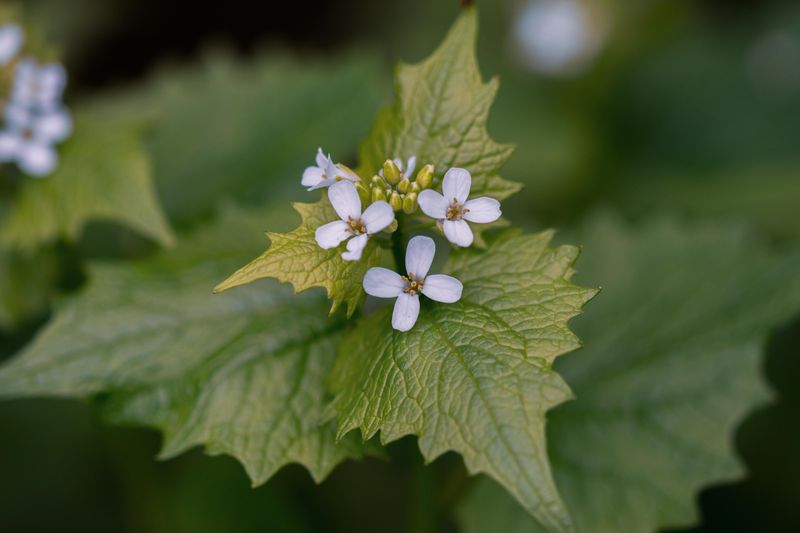
Image Credit: © Diana ✨ / Pexels
Garlic Mustard might be the sneakiest plant on this list. It looks like an innocent woodland wildflower, blooming with small white flowers in spring forest understories across the region.
What makes it so destructive is chemical warfare. Garlic Mustard releases compounds into the soil that can disrupt the mycorrhizal fungal networks native trees and wildflowers depend on to survive.
When those fungal networks collapse, native wildflowers struggle to establish and thrive. Forest floors that once hosted trilliums, wild ginger, and bloodroot get replaced by dense garlic mustard carpets that native insects cannot use.
Fireflies in woodland settings depend heavily on those native wildflowers and the insects they support. Garlic mustard does not just take up space; it actively undermines the system that makes firefly habitat function.
Wild Columbine is a breathtaking native replacement for forest edges and partially shaded spots. Its nodding red and yellow flowers bloom in spring, feeding hummingbirds and native bees right when they need fuel most.
Native Trillium, where conditions allow, restores the woodland wildflower layer that garlic mustard destroys. It is slow to establish but deeply rewarding, signaling a genuinely healthy forest floor ecosystem beneath your feet.
Pulling garlic mustard by hand in spring before it sets seed is the most effective control method. Bag and dispose of pulled plants carefully since seeds can continue maturing even after the plant is uprooted.
Protecting firefly habitat starts right here, on the forest floor, one pulled plant at a time.