8 Reasons Colorado Gardeners Are Planting Lemon Balm Near Their Patios
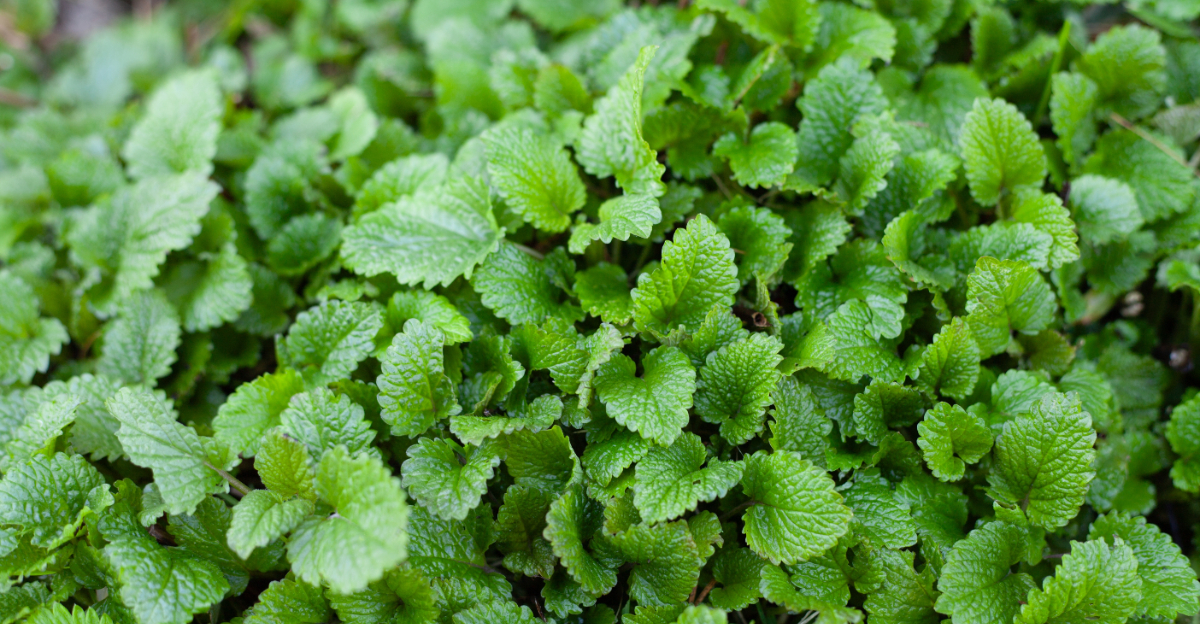
Most patio herbs mind their own business. Lemon balm throws a party.
This citrus-scented overachiever has been quietly taking over Colorado patios, and once you find out why, you will want one yesterday.
It repels insects, feeds the bees, survives brutal winters, and still has energy left to flavor your evening tea.
Colorado gardeners are not sentimental people. They grow what works. And lemon balm, it turns out, works exceptionally well.
Grow it in the ground or stuff it into a container by the back door, lemon balm will not complain either way.
Here is exactly why it keeps showing up on Front Range patios year after year.
1. A Fresh Citrus Scent Comes Standard With This Herb
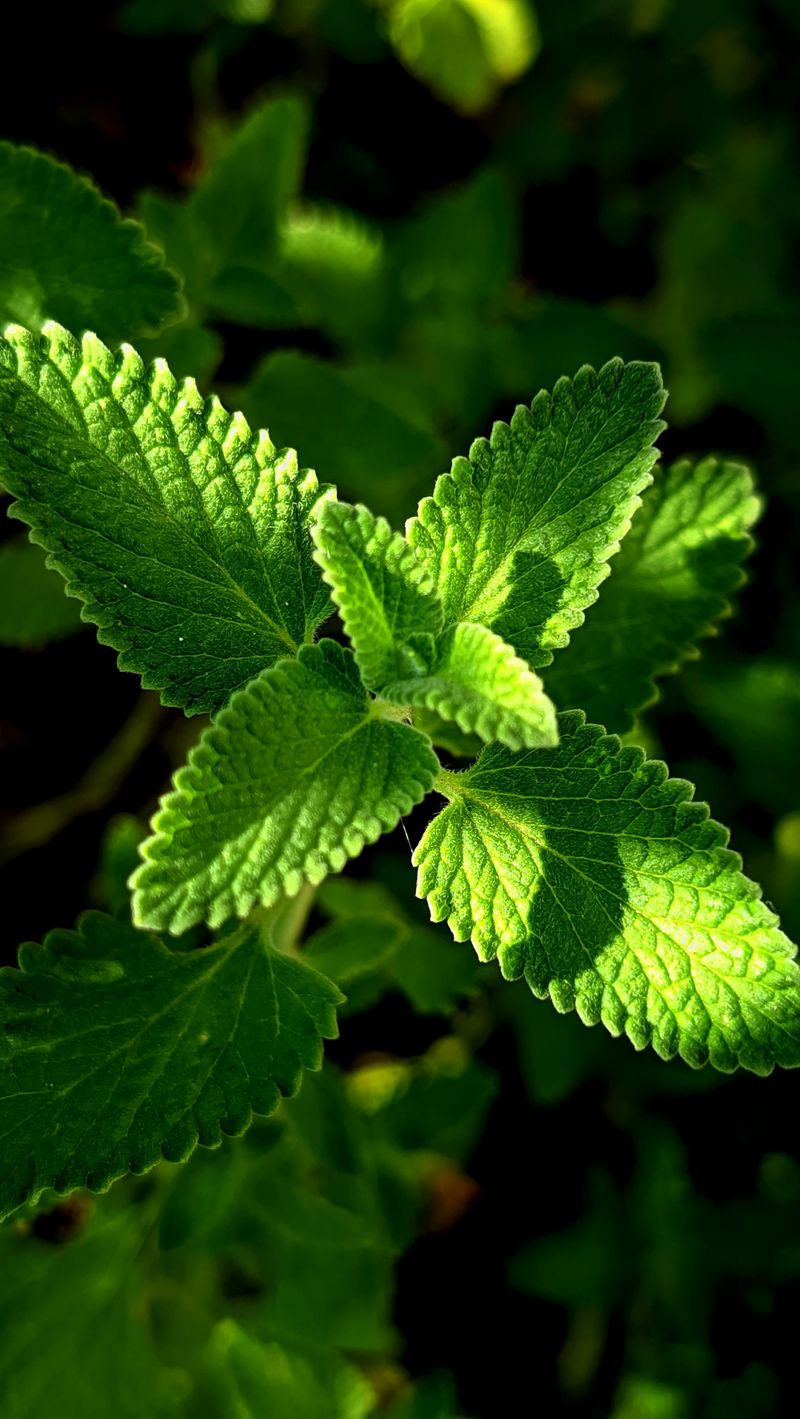
Brush your fingers across a lemon balm leaf, and your whole mood shifts instantly. That bright, clean citrus smell hits you before you even sit down on your patio chair.
Lemon balm belongs to the mint family, but it skips the sharp edge of peppermint. Instead, it delivers a soft, lemony perfume that floats through the air on warm afternoons.
Gardeners who plant lemon balm near their patios often say it transforms the entire feel of the space. It is like having a natural air freshener that never runs out or needs batteries.
It also happens to be one of the easiest plants to keep alive in a Colorado summer. Low effort, high reward, exactly the kind of plant a busy gardener reaches for.
The scent carries well even without touching the plant at all. On warm afternoons, it drifts through the air and fills the whole patio area naturally.
In high-altitude yards where the sun is intense, the fragrance can actually become more concentrated. Colorado’s intense sun and low humidity can concentrate the plant’s natural oils, making the scent stronger on warm afternoons.
Unlike heavily scented flowers that can feel overwhelming, lemon balm keeps things fresh and subtle. It pairs beautifully with lavender, basil, and other aromatic plants without competing for attention.
Guests always notice the smell before they notice the plant itself. That quiet, citrusy welcome is something no candle or spray can fully replicate outdoors.
2. It Helps Keep Mosquitoes And Gnats At Bay
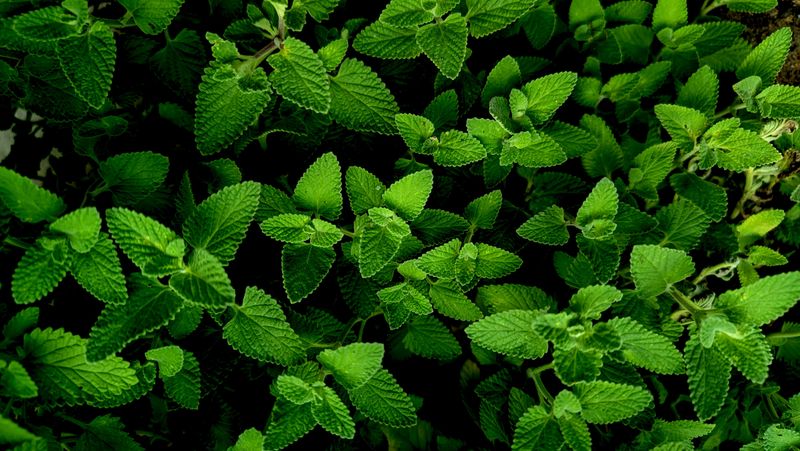
Nobody wants to share their patio with mosquitoes buzzing around every five minutes. Lemon balm contains citronellal, a natural compound that bugs genuinely dislike.
Colorado summers are short, and every evening outside counts. The last thing you want is to cut the night short because the insects showed up uninvited.
Crushing lemon balm leaves and rubbing them on skin can help deter mosquitoes, though the effect is shorter-lasting than most commercial repellents.
Gnats are another common annoyance in Colorado gardens, especially near moisture-heavy soil. Planting lemon balm nearby creates a natural deterrent that works quietly in the background.
For best results, place pots of lemon balm directly on your patio table or near seating areas. The closer it is to where people sit, the more effective the natural protection becomes.
Your Colorado Garden Changes Every Week. Your Plan Should Too.
Gardening in Colorado changes quickly throughout the season. Every Friday you’ll receive a simple weekly plan showing exactly what to plant, prune, fertilize, harvest, and protect so you never miss the right timing.
You can also crush a few fresh leaves and rub them on your arms before heading outside. It is a simple, chemical-free trick that gardeners have used for generations.
The plant does not eliminate every bug, but it noticeably reduces how many stick around. That small difference can make evening outdoor time much more enjoyable for everyone.
Families with young children especially appreciate having a plant-based option nearby. Lemon balm near your patio turns a bug problem into a garden solution that smells wonderful too.
Think of it as a two-for-one deal, a plant that pulls double duty as both a fragrant patio accent and a first line of defense against summer pests.
3. Colorado Winters Do Not Scare It Off
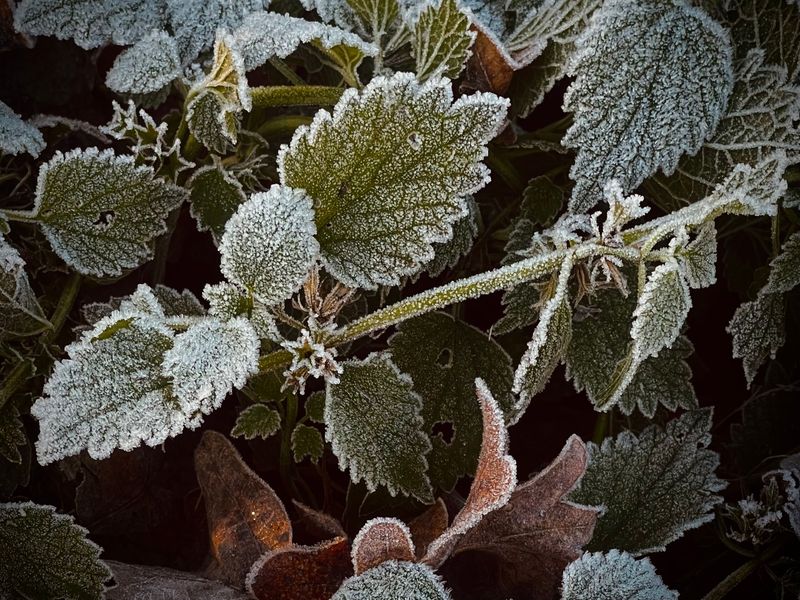
Winter in the Rockies can be brutal, but lemon balm shrugs it off like a seasoned local. This herb is hardy down to USDA Zone 4, which covers most of the state comfortably.
When the first hard frost arrives, the above-ground leaves will die back naturally. But underground, the roots stay alive and quietly wait for warmer days to return.
That dormant period is not a sign of failure, it is just lemon balm doing what it does. It goes quiet, conserves energy, and comes back swinging in spring.
Come spring, fresh new growth pushes up through the soil without any help from you. That kind of built-in resilience is rare, and gardeners here genuinely appreciate it.
Most tender herbs like basil need to be replanted every single year after winter. Lemon balm skips that annual hassle entirely, saving both time and money at the nursery.
In milder Front Range winters, some plants even stay semi-evergreen with minimal dieback. A light layer of mulch over the roots adds extra protection during particularly cold snaps.
The plant also handles the dramatic temperature swings that Colorado springs are famous for. A warm week followed by a late snowstorm does not rattle lemon balm one bit.
Year one, you plant it. Year two, it surprises you. By year three, you cannot imagine your patio without it.
Knowing your patio herb will return each year creates a sense of gardening confidence. Once it is established, lemon balm near your patio becomes a permanent, dependable part of your outdoor world.
4. Pollinators Flock To Your Patio All Season Long
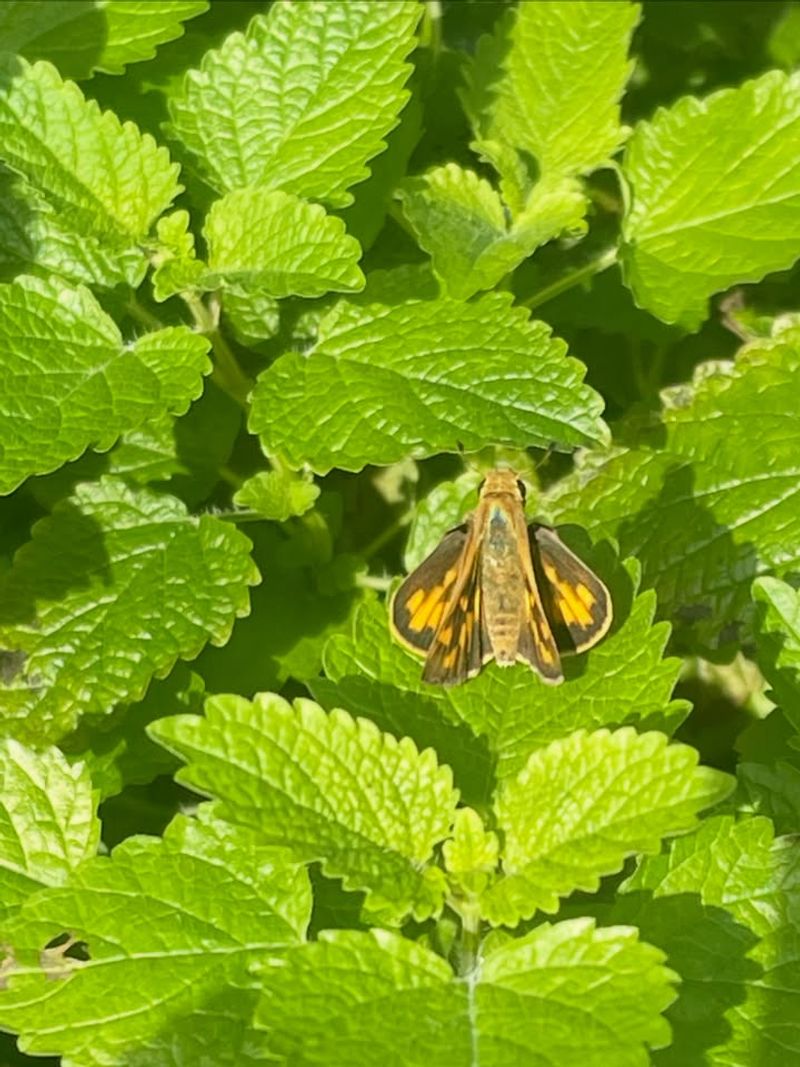
Tiny white flowers bloom along lemon balm stems from midsummer through early fall. Bees absolutely love them, and a buzzing plant is a healthy, productive garden sign.
In fact, the ancient Greek name for lemon balm, melissa, literally means honeybee. Beekeepers historically rubbed it inside hives to attract swarms and keep colonies happy.
Beyond bees, butterflies and beneficial insects are also drawn to the delicate blooms. Having that kind of pollinator traffic near your patio helps every surrounding plant produce better.
Tomatoes, squash, peppers, and herbs all benefit when pollinators are active nearby. Planting lemon balm essentially boosts your whole garden’s output without any extra effort on your part.
Colorado’s long sunny days and open landscapes give pollinators plenty of opportunity to find and return to lemon balm blooms throughout the season.
The flowers are small and understated, so they do not overwhelm the look of a tidy patio. They add a soft, cottage-garden charm without demanding center stage.
If you want to maximize blooms, simply trim the plant back after the first flowering flush. New growth will appear quickly, and a second round of blossoms will follow shortly after.
Watching bees work through a patch of lemon balm on a sunny afternoon is oddly calming. It is the kind of small, natural moment that makes a backyard feel truly alive.
5. Container Life Suits This Herb Just Fine
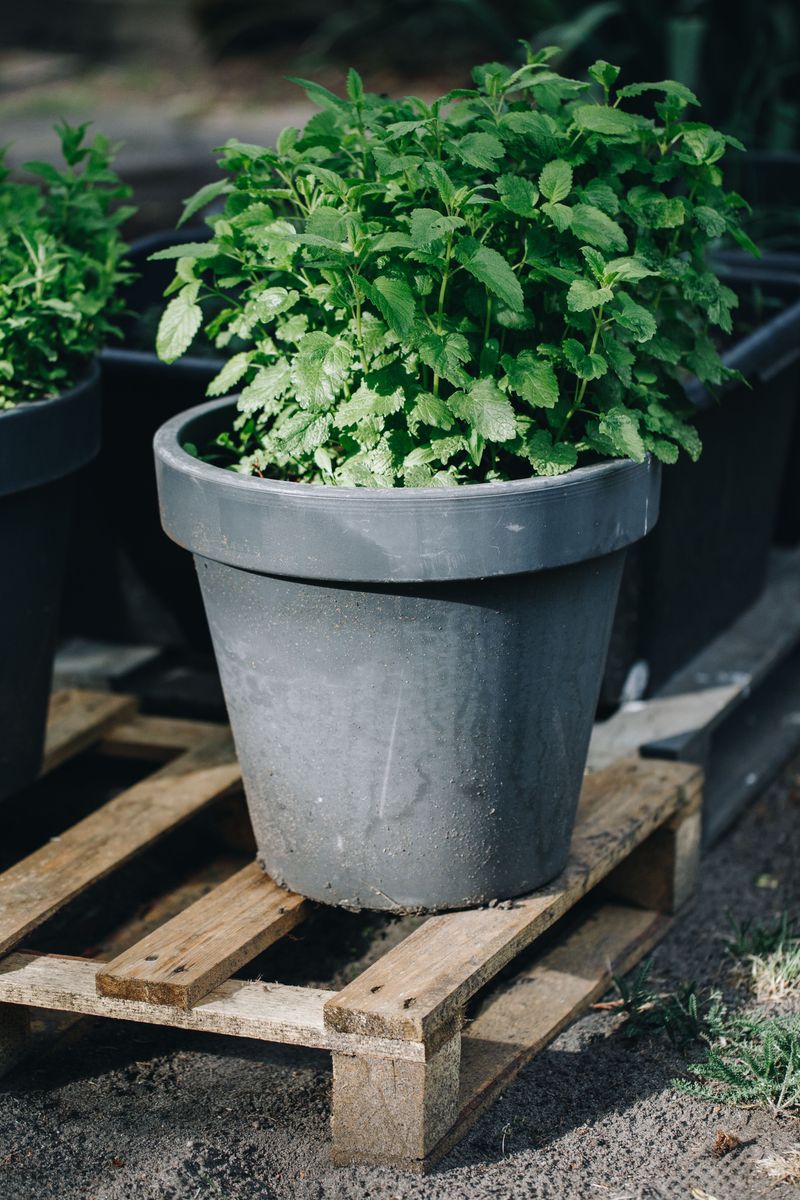
Not everyone has a sprawling garden plot, and lemon balm does not require one. A single large container on your deck or patio is more than enough for this herb to thrive.
Choose a pot that is at least 12 inches wide and has good drainage holes at the bottom. Lemon balm roots like to breathe, and soggy soil is one of the few things that can slow it down.
Use a quality potting mix and place the container where it gets morning sun and afternoon shade. That balance is ideal for Colorado’s intense high-altitude sunlight, which can scorch tender leaves.
Container growing also gives you one major advantage: control over spreading. Lemon balm can get enthusiastic in open ground, so a pot keeps things tidy and manageable.
Water regularly but allow the top inch of soil to dry out between sessions. Overwatering is a more common mistake than underwatering with this resilient plant.
In late fall, move the container to a sheltered spot like a garage or covered porch. The roots will survive the cold season, and the plant will bounce back strong come spring.
Patio container gardening with lemon balm is genuinely low-effort and high-reward. Once you see how well it performs in a pot, you will wonder why you waited so long to try it.
6. Busy Gardeners Love How Little It Asks For
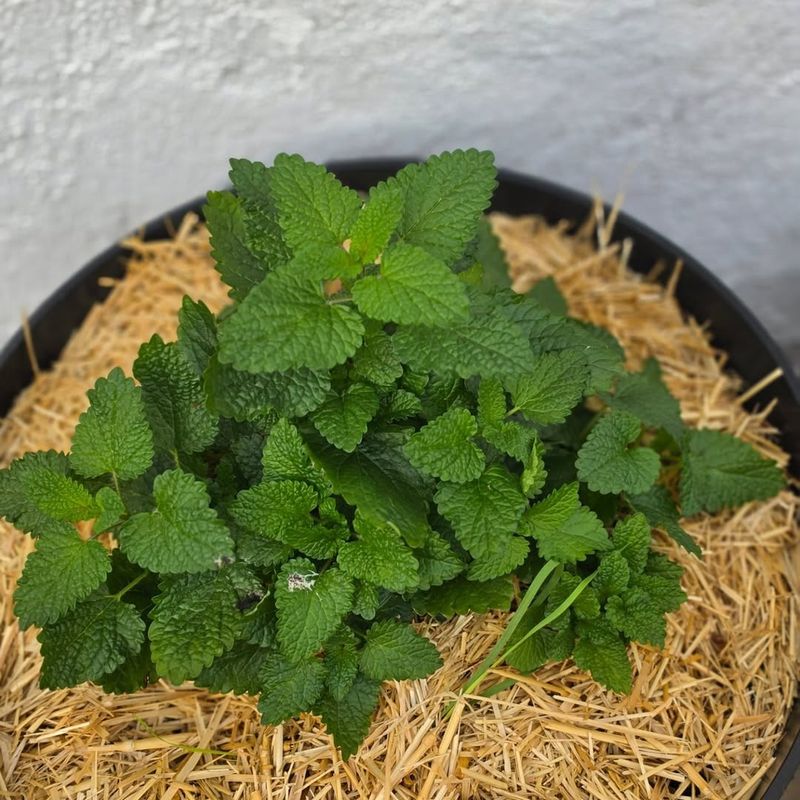
Some plants demand constant attention, and lemon balm is not one of them. Plant it, water it occasionally, and step back while it does its thing.
It tolerates a wide range of soil types, from sandy to clay-heavy, without throwing a fit. That kind of adaptability makes it ideal for Colorado yards where soil quality varies wildly by neighborhood.
Fertilizing is rarely necessary once the plant is established in decent soil. An occasional compost top-dressing in spring is plenty to keep it growing strong through the season.
Pruning is optional but encouraged if you want to keep the plant compact and bushy. Cutting it back by one-third mid-season promotes fresh growth and delays flowering if you prefer more leaf production.
Pests are rarely a serious problem with lemon balm, thanks partly to its strong scent. Most insects that would damage other herbs simply avoid it, which means fewer headaches for you.
Even if you forget to water for a week during a busy stretch, the plant usually bounces back without drama. It is genuinely forgiving in a way that high-maintenance herbs like cilantro simply are not.
For gardeners juggling work, kids, and weekend plans, low-maintenance matters enormously. Lemon balm near your patio rewards you with beauty and fragrance without demanding much in return.
7. Fresh Leaves Are Always Steps From Your Back Door
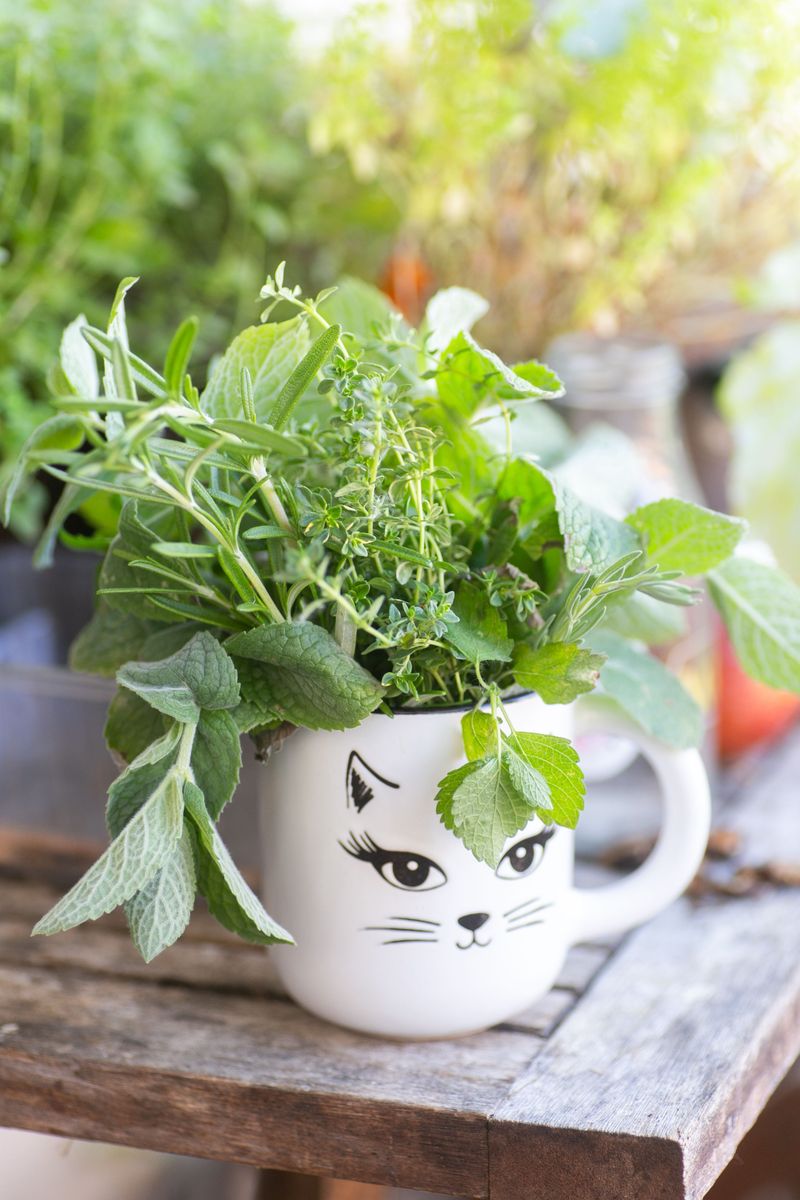
Having fresh herbs within arm’s reach of your kitchen is one of gardening’s best perks. Lemon balm steps from your back door means fresh leaves whenever a recipe calls for them.
The leaves can be steeped into a calming tea that many people swear by for stress relief. Just a handful of fresh leaves in hot water creates a soothing, lemony brew in minutes.
Lemon balm also works beautifully in salad dressings, fruit salads, and cold summer drinks. Its mild citrus flavor adds brightness without overpowering other ingredients on the plate.
Harvest in the morning after the dew has dried for the best flavor and aroma. That is when the essential oils in the leaves are at their most concentrated and potent.
You can dry excess leaves by hanging small bunches upside down in a warm, dry spot. Dried lemon balm stores well in a sealed jar for months and works great in winter teas.
Children especially enjoy picking and smelling fresh herbs from a patio garden. It turns an ordinary afternoon into a sensory activity that connects kids to where food actually comes from.
The more you harvest, the more the plant produces, which makes it an incredibly generous grower. Keeping lemon balm near your patio means you always have something fresh, useful, and fragrant on hand.
8. Every Plant Around It Benefits From Its Presence
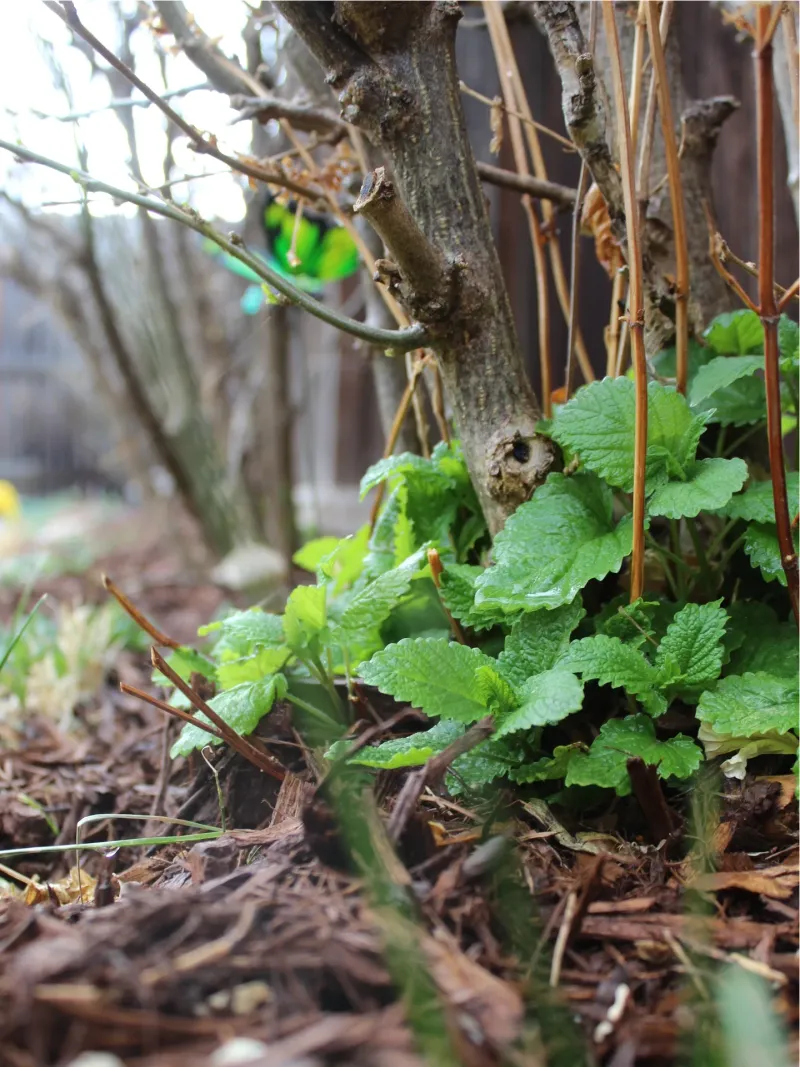
Some plants are divas that crowd out neighbors or leach nutrients from the soil. Lemon balm is the opposite, a cooperative, easygoing companion that makes its garden neighbors look better.
It pairs naturally with lavender, creating a calming aromatic corner that smells like a spa. That combination is popular in Colorado patio gardens for both its beauty and its relaxing scent profile.
Planted near vegetables, lemon balm attracts the pollinators that help crops produce more abundantly. Tomatoes and squash especially benefit from having this herb nearby during their peak flowering period.
Its dense, leafy growth also works as a living ground cover that shades out weeds. Less weeding means more time enjoying your patio rather than kneeling in the dirt.
Lemon balm does not steal nutrients aggressively from neighboring plants the way some herbs can. It coexists peacefully, making it a reliable team player in mixed herb beds and borders.
The soft green foliage also provides a neutral visual backdrop that makes brightly colored flowers pop. Garden designers often use it as a filler plant to tie different sections of a bed together.
Whether you grow it solo in a pot or tuck it into a mixed border, lemon balm fits right in. It is the kind of plant that makes your whole patio garden feel more complete, and that is exactly why so many Colorado gardeners keep coming back to it.