How To Identify And Treat Boxwood Blight In Connecticut
The smell reaches you before anything else, not quite unpleasant but distinctly off, like something green turning.
You crouch down and notice dark lesions circling the stems, pale circles marking the leaves.
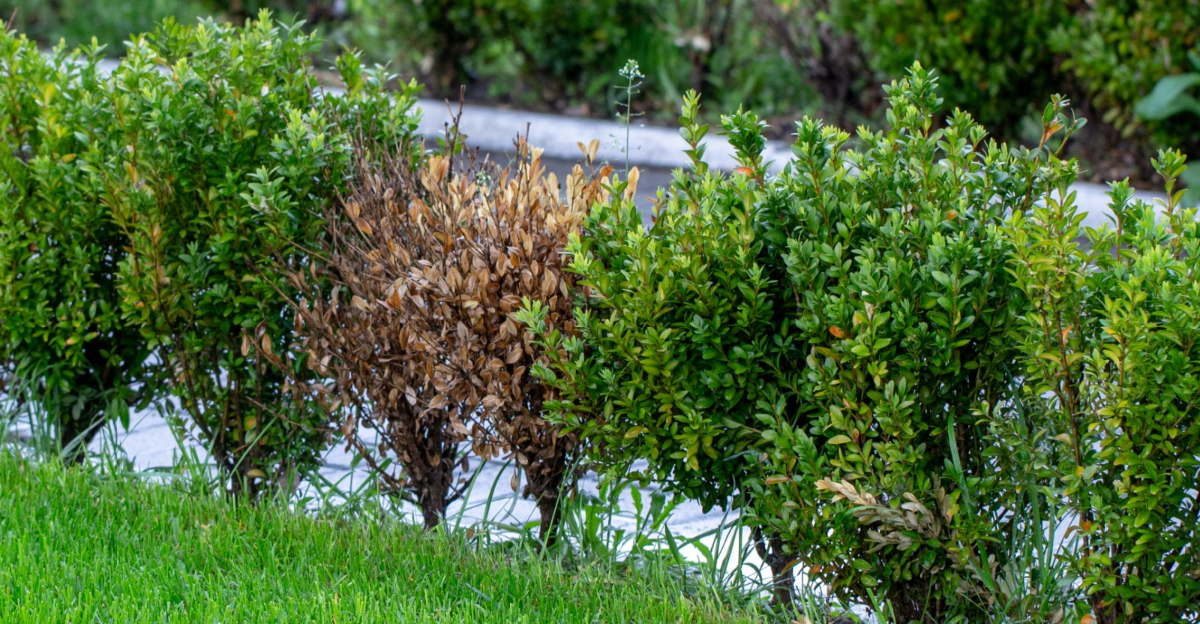
A full section of your hedge, maybe eight feet, has been quietly fading while your attention was elsewhere.
This is Connecticut in July, peak humidity, the exact conditions blight needs to undo years of careful landscaping in just a few weeks. It travels fast, moving on water droplets, shared tools, even the soles of your shoes.
Ever notice how one shrub declines while its neighbor looks perfectly fine, right up until it isn’t? The fungus responsible gives no warning, it simply spreads, then takes hold.
Connecticut gardeners lose established hedges every season to a disease that’s entirely manageable when you spot it early and understand what you’re seeing.
Below is everything worth knowing before that moment arrives, stage by stage, symptom by symptom, and solution by solution. Your hedges still have a very good chance.
Dark Leaf Spots With Yellow Halos
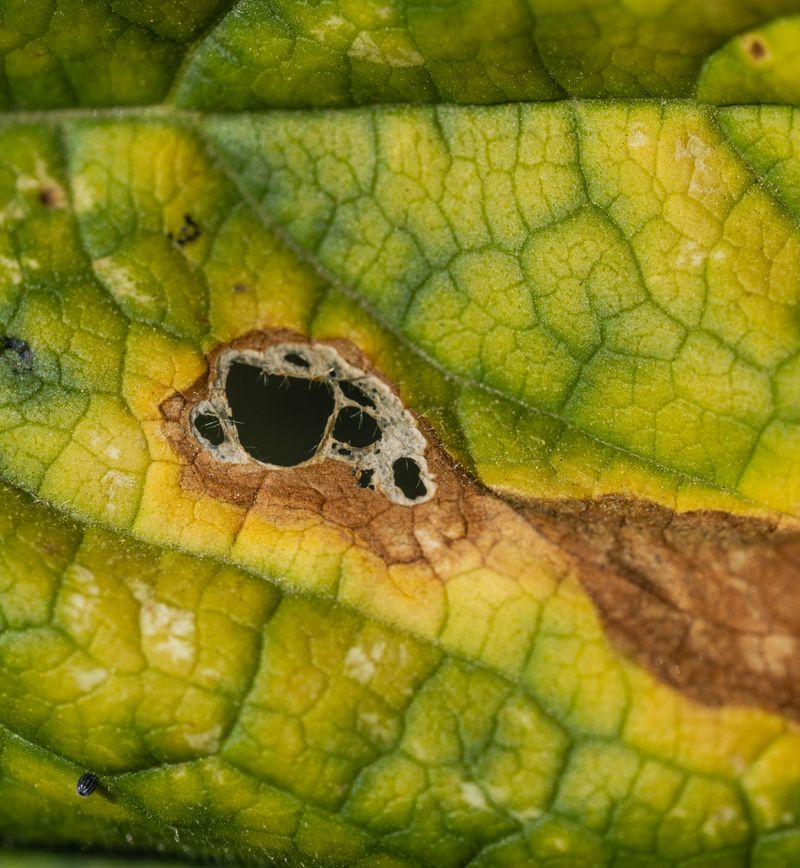
You notice something strange on your boxwood leaves, and it looks like tiny bullseyes scattered across the surface.
Dark brown or black spots appear on the leaves, each one ringed with a distinct pale yellow border that makes them hard to miss. This is one of the earliest and clearest signs of boxwood blight taking hold in your garden.
The spots start small, maybe the size of a pencil tip, but they multiply and spread fast in warm, wet weather if left unaddressed.
Connecticut summers give this fungus exactly what it wants: persistent humidity, frequent rain, and dense foliage that stays damp for hours at a time.
Once you spot these halos appearing across your leaves, the infection is already active and moving.
Check the youngest leaves first, since the fungus tends to target new growth most aggressively.
Do not assume the spots are just cosmetic damage from insects, sun exposure, or routine seasonal stress.
The yellow halo is a signature marker of Calonectria pseudonaviculata, the specific fungus responsible for boxwood blight.
Catching it at this stage and acting quickly gives you the best shot at stopping the spread before it moves deeper into the stems and branches. Early identification is your most powerful tool right now, so do not wait to act.
Rapid, Widespread Leaf Drop
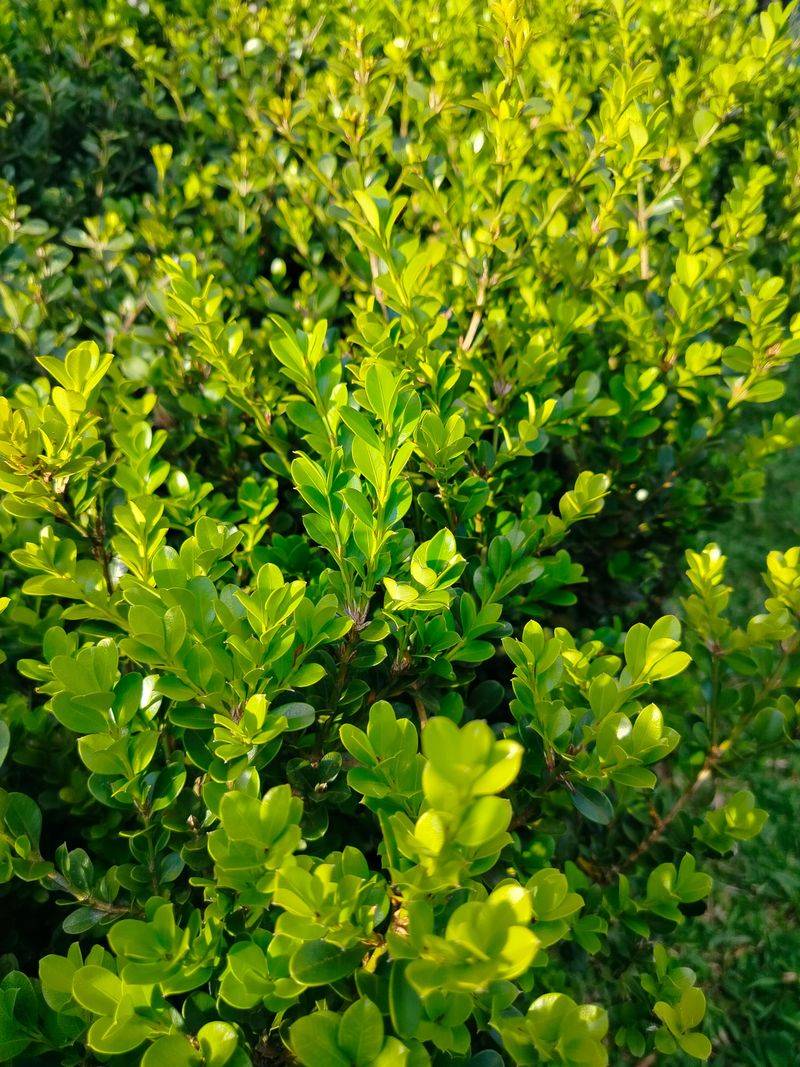
One morning your boxwood looks thin. By the end of the week, the ground beneath it is covered in a thick layer of fallen leaves.
Rapid leaf drop is one of the clearest signs that boxwood blight has moved well past the early stage. Healthy boxwoods hold their leaves tightly through the season, so sudden and significant shedding is a major red flag worth taking seriously.
The fungus attacks the leaf tissue so aggressively that the plant simply cannot keep up with the damage being done.
Leaves turn brown, curl slightly at the edges, and fall off in surprisingly large numbers over just a few days.
Your Connecticut Garden Changes Every Week. Your Plan Should Too.
Gardening in Connecticut changes quickly throughout the season. Every Friday you’ll receive a simple weekly plan showing exactly what to plant, prune, fertilize, harvest, and protect so you never miss the right timing.
What makes this stage particularly tricky is that it can look like drought stress or a pest problem at first glance.
But if you also see those dark spotted halos we mentioned in the previous section, blight is almost certainly the cause.
In Connecticut, this kind of rapid drop often happens after a stretch of rainy days followed by a sudden rise in warm temperatures.
That combination creates ideal conditions for aggressive fungal spread throughout your plants. Do not rake those fallen leaves back into the bed or anywhere near your shrubs.
Every single leaf on the ground is carrying spores that are ready to reinfect your plants and restart the cycle all over again.
Dark Streaking On Stems
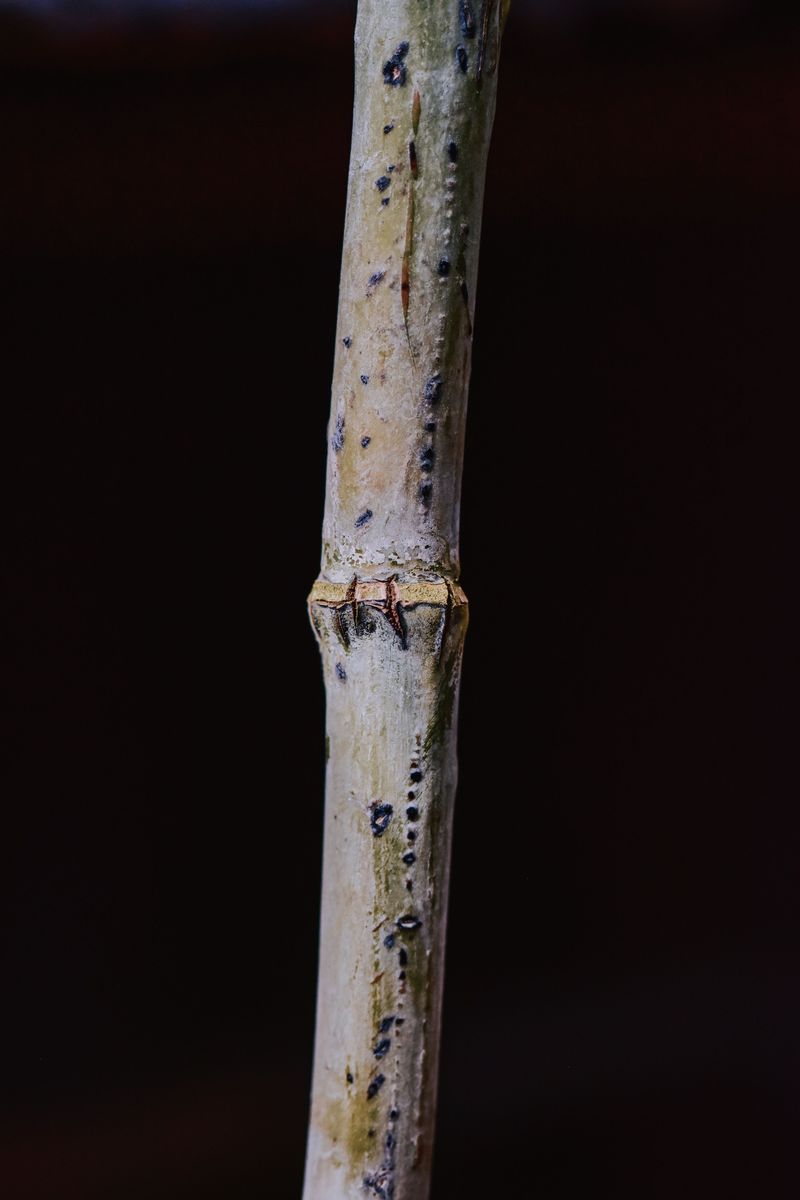
Flip your attention from the leaves to the stems, and you might find something unsettling. Dark brown or black streaks running along the length of the branches are a serious warning sign.
This streaking happens when the fungus moves from the leaves down into the vascular tissue of the stem. At that point, the plant cannot move water and nutrients properly through those branches.
Infected stems often look water-soaked at first, then darken to a deep brown or nearly black color. The discoloration usually starts near a leaf attachment point and travels downward.
In Connecticut gardens, this symptom often shows up after a wet spring when the fungus has had weeks to establish itself.
Catching stem streaking early matters because it tells you how far the infection has traveled inside the plant.
Use a clean, sharp pair of pruners to cut into a suspicious stem. If the inner wood shows dark coloring, the blight has moved deep into that branch.
Stem streaking means the clock is ticking, and pruning needs to happen before the fungus reaches the main trunk of the shrub.
White Spore Masses On Leaf Undersides
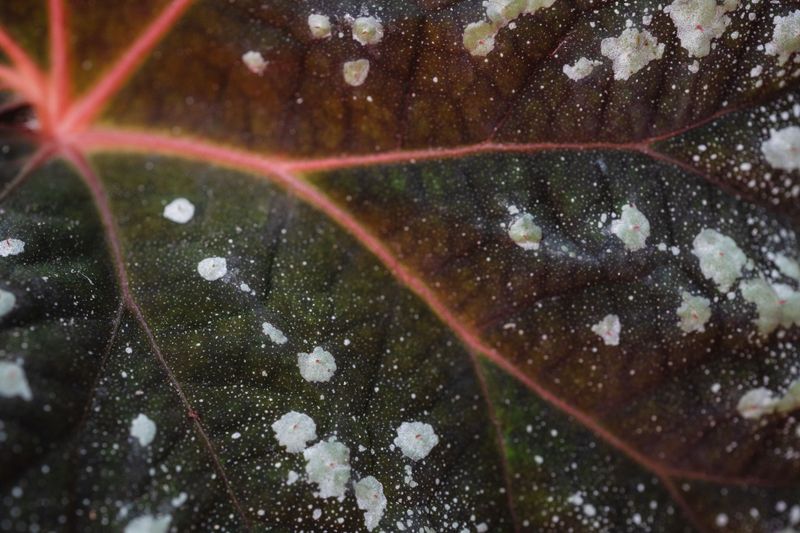
Flip over a suspicious leaf and look closely at the underside. A white, powdery or cottony coating on the lower surface of the leaf is one of the most definitive signs of active boxwood blight.
These white masses are clusters of fungal spores, and they are incredibly contagious. Wind, rain splash, and even your own hands or tools can carry them to healthy plants nearby.
This is where boxwood blight earns its reputation as one of the faster-spreading fungal diseases gardeners encounter.
Each tiny spore mass contains thousands of individual spores ready to start new infections. In Connecticut, rainy seasons accelerate spore production dramatically.
Under warm, wet conditions, a single infected shrub can spread the fungus to nearby plants within a matter of weeks.
If you see white growth on leaf undersides, wear gloves before touching anything. Wash your tools with a bleach solution after every cut, and change your shoes before moving to a different part of the yard.
Spore masses are the fungus at its most active, and treating the plant at this stage requires both chemical and physical action right away.
Straw-Colored Interior Dieback
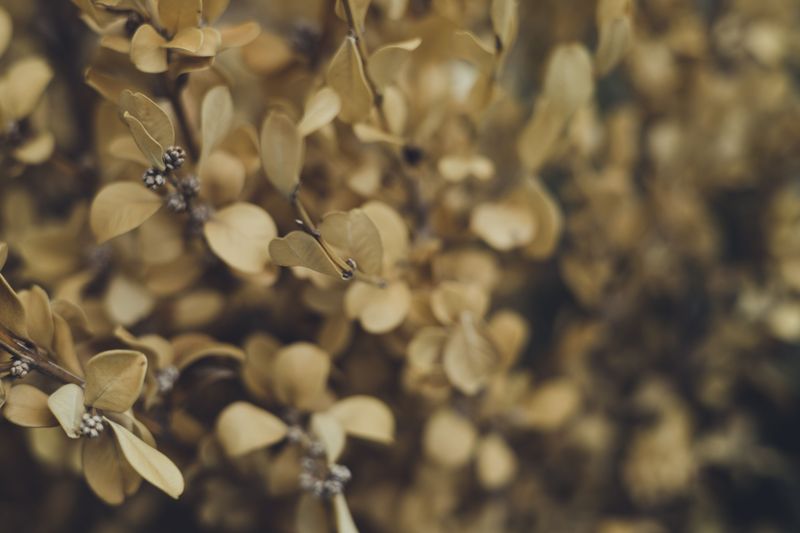
Pull apart the outer branches of your boxwood and peer inside. If the interior looks like a bundle of dry straw instead of healthy green growth, you are looking at advanced dieback.
This straw-colored browning happens when the fungus has cut off moisture and nutrients to the inner branches over a long period. The outer leaves may still look green for a while, which makes this symptom easy to miss.
Many Connecticut gardeners discover this stage only when they trim their hedges and notice the hollow, bare interior. By then, the infection has often been active for weeks or even months.
The straw color comes from brittle, moisture-depleted wood that the plant could not save. Unlike normal seasonal browning, this dieback does not recover with watering or fertilizing.
Check the interior of your boxwoods at least once a month during the growing season. Early detection of inner dieback gives you a chance to prune aggressively and stop the spread before it reaches the crown.
A plant with significant interior dieback is fighting hard to survive, and it needs your help right now.
Debris Buildup At The Base Of The Plant

Look down at the soil around your boxwood, not just up at the leaves. A thick layer of spent leaves and fallen debris piling up at the base is a serious problem that most people ignore.
That debris is not just unsightly. It is a reservoir of fungal spores that reinfect the plant every time it rains or you water.
Boxwood blight spores survive in spent leaf material for months, sometimes even through a Connecticut winter.
Each rain event splashes those spores back up onto the lower branches and starts the cycle again.
Clearing the base of your boxwood is not just tidiness. It is a critical step in breaking the reinfection loop that keeps the fungus coming back season after season.
Use gloves and a disposable bag when cleaning up debris. Do not add it to your compost pile, since home composting temperatures rarely get hot enough to destroy the fungal spores.
A clean base does not guarantee recovery, but a debris-filled base almost guarantees the problem will get worse before it gets better.
Prune And Remove All Infected Tissue
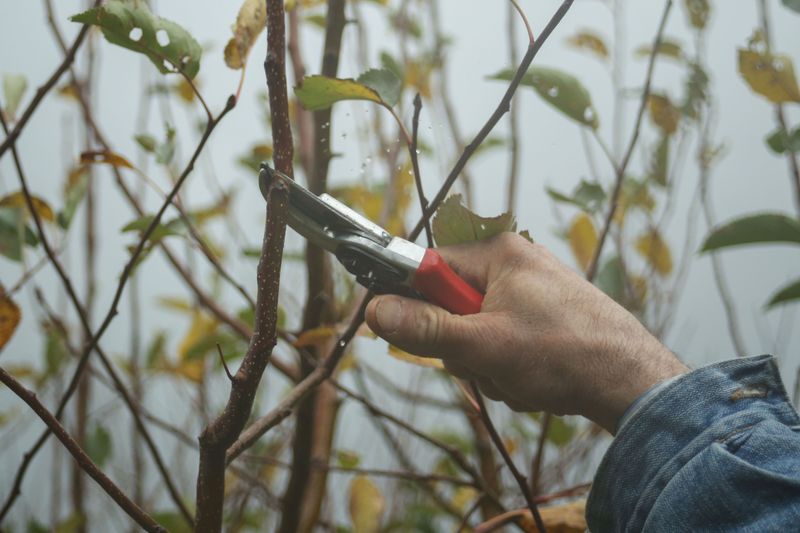
Sharp pruners and a steady hand are your first line of defense once blight is confirmed. Removing infected branches immediately stops the fungus from spreading further into healthy tissue.
Cut at least four to six inches below any visible signs of infection. That margin matters because the fungus often extends beyond what you can see with the naked eye.
Clean your pruning tools with a ten percent bleach solution between every single cut. Skipping this step means you are essentially spreading the infection yourself with every snip.
In Connecticut, the best time to prune is during dry weather when spores are less likely to travel.
Pruning during rain or high humidity gives the fungus an easier path to spread. After cutting, step back and assess the overall shape of the plant.
Aggressive pruning can look dramatic at first, but a well-pruned shrub has a much better chance of recovering than one left with infected branches attached.
Prune more generously than feels comfortable. Preserving a little shape now at the cost of the whole plant is unlikely to pay off by next season.
Bag And Dispose (Do Not Compost)

Every clipping, every fallen leaf, every scrap of debris you pull from an infected boxwood needs to go straight into a sealed bag. This is one of the most important steps you can take to protect the rest of your garden.
Composting infected material is one of the most common mistakes Connecticut gardeners make. Home compost piles do not reach the temperatures needed to destroy Calonectria pseudonaviculata spores.
Use heavy-duty contractor bags and seal them tightly before placing them in the trash. Double-bagging is a smart move if you are dealing with a heavy infection.
Do not leave bags sitting open in the yard while you work. Spores can become airborne on a breezy day and travel to healthy plants nearby.
Some municipalities in Connecticut accept bagged diseased plant material in regular trash pickup. Check your local guidelines before disposal to make sure you are following the correct protocol.
Burning infected material is an option in areas where open burning is permitted, since fire effectively eliminates spores completely.
Whatever method you choose, getting that material off your property quickly is the single most important thing you can do after pruning.
Apply A Registered Fungicide
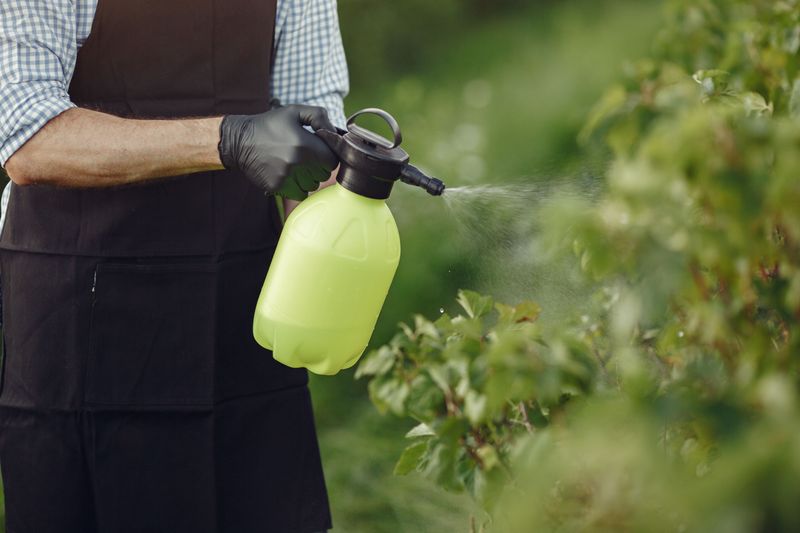
Fungicide is not a cure, but it is a powerful shield when used correctly. Applying a registered product at the right time slows the spread of boxwood blight and protects healthy foliage.
Look for fungicides containing thiophanate-methyl or tebuconazole. Both active ingredients have proven effectiveness against the fungus responsible for boxwood blight.
Chlorothalonil may also be effective, but current EPA guidelines restrict it to professional applicators. It is not available for general home garden use.
In Connecticut, fungicide applications are most effective when started in early spring, before symptoms appear.
Preventive treatment is significantly more effective than reactive treatment after the infection is already visible.
Follow label instructions exactly, including mixing ratios and application intervals. Most registered products need to be reapplied every seven to fourteen days during wet periods.
Spray both the top and underside of leaves thoroughly. Spores live on leaf undersides, so missing that surface leaves a major gap in your protection.
Always wear gloves, eye protection, and long sleeves when applying any fungicide. Protecting your plants from boxwood blight while also protecting yourself makes the whole process more sustainable for the long haul.