8 Proven Connecticut Backyard Changes That Bring More Birds Every Summer
A Baltimore oriole landed four feet away, not ten. I was completely still and utterly speechless.
The bird glanced at me once, plucked a grape jelly cube off the feeder, and vanished into the oak like it owned the place.
That was the moment Connecticut turned me into someone who cancels plans to watch birds.
Since then, I have watched chickadees stage a full takeover on a sunflower-seed feeder.
I have tracked a pileated woodpecker the size of a shoe across three yard zones. I have also figured out exactly why a yard goes completely quiet.
Birds are not wandering aimlessly, they are reading your yard like a map. If your Connecticut yard feels empty, it is sending the wrong signals.
What signals do yours send? Make a few quiet shifts in your yard and the birds will do something truly remarkable, because they will find you first.
1. Plant Native Flowering Shrubs And Perennials
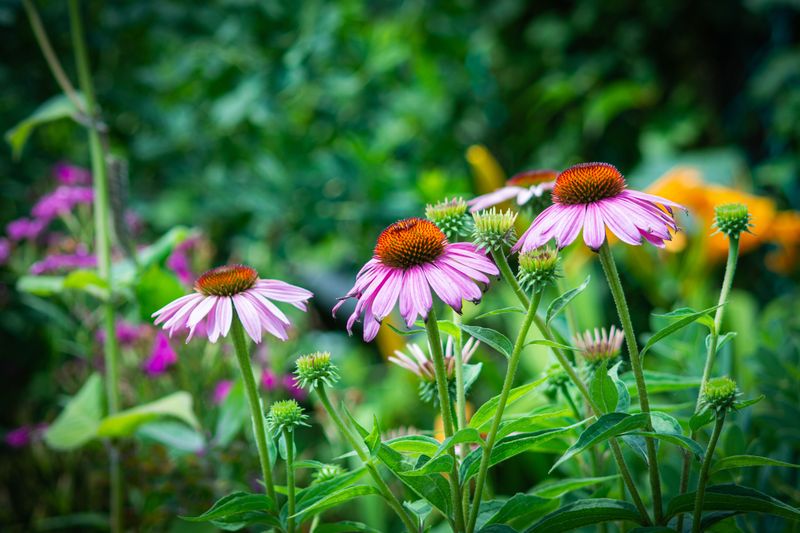
Walk past a patch of wild bergamot in July and you will hear it before you see it. The buzzing of insects and the flash of hummingbird wings make native plantings feel more active than ornamental gardens typically do.
Native flowering plants feed birds on two levels at once. First, they produce seeds, berries, and nectar that birds eat directly.
Second, they host the caterpillars and insects that make up over ninety percent of most nestling songbird diets during the breeding season
Great choices for Connecticut yards include coneflower, black-eyed Susan, cardinal flower, and buttonbush.
Each one thrives in local soil and climate without much fuss from you once established. Shrubs like native viburnums and spicebush add structure and shelter alongside their food value.
Spicebush in particular attracts spicebush swallowtail caterpillars, which in turn bring in hungry warblers and thrushes during migration.
Planting in clusters rather than single specimens makes a bigger visual and ecological impact. A patch of ten coneflowers draws far more goldfinches than one or two scattered plants ever could.
Skip the double-flowered cultivars at the garden center. Those pretty blooms often have reduced nectar and fewer seeds, making them less useful for wildlife even though they look spectacular.
One well-chosen native shrub can anchor an entire backyard bird habitat. These Connecticut backyard changes pay dividends for years without replanting, weeding, or watering once the roots take hold.
2. Add A Shallow Birdbath With Moving Water
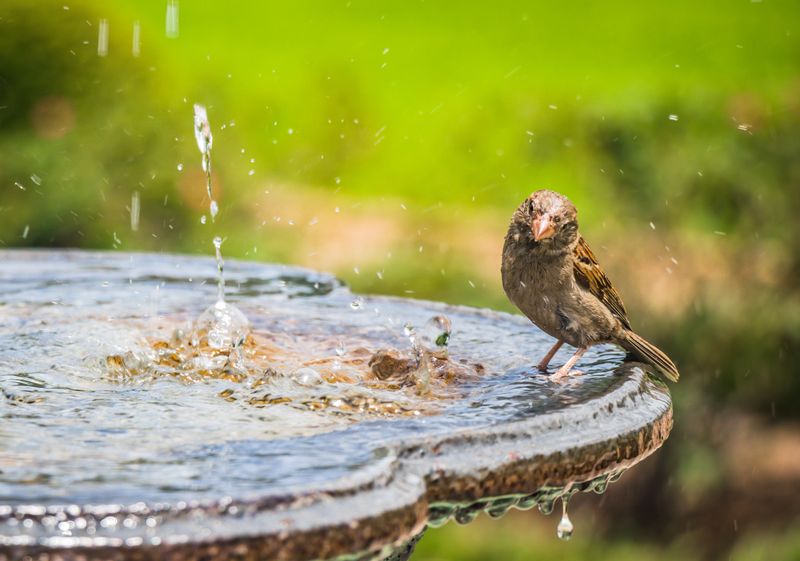
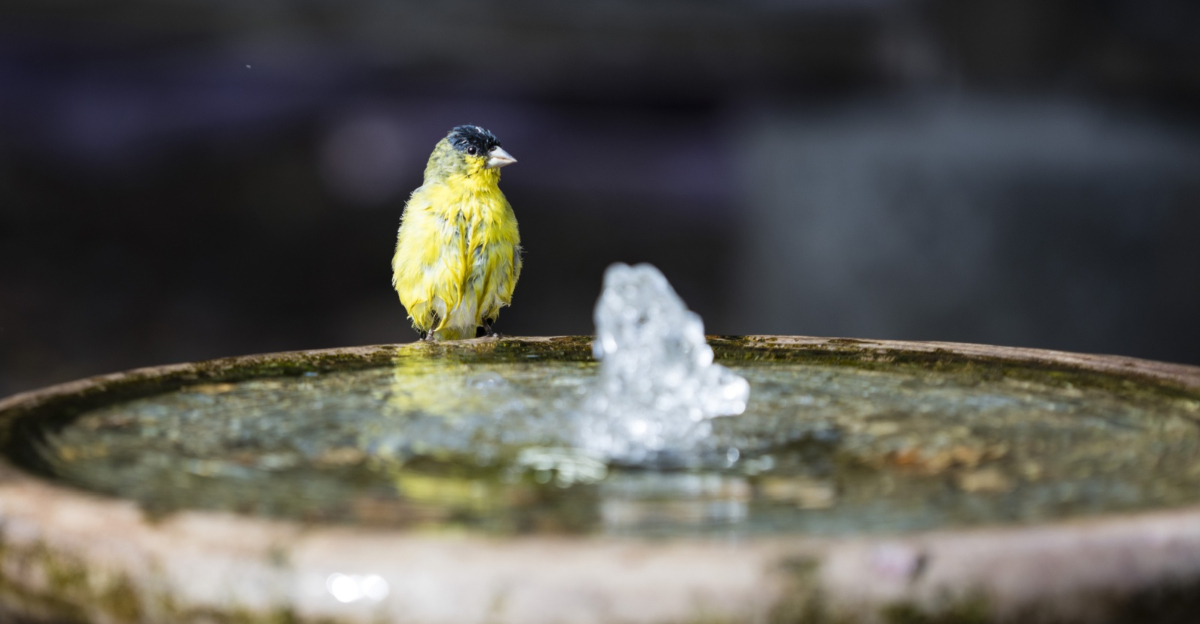
Still water is fine, but moving water is irresistible to birds. The sound of dripping or splashing carries through the air and works like a dinner bell for thirsty songbirds passing overhead.
A simple solar-powered dripper or wiggler costs under twenty dollars and transforms a basic birdbath into a bird magnet. You do not need a fancy pond or a complicated setup to make a big difference.
Place your birdbath in a semi-shaded spot, ideally within ten feet of shrubs or trees. Birds like to feel safe when they bathe, and nearby cover lets them escape quickly if a hawk swings by.
Your Connecticut Garden Changes Every Week. Your Plan Should Too.
Gardening in Connecticut changes quickly throughout the season. Every Friday you’ll receive a simple weekly plan showing exactly what to plant, prune, fertilize, harvest, and protect so you never miss the right timing.
Keep the water depth under two inches at the center. Robins, sparrows, and warblers all prefer shallow water where they can wade in without feeling overwhelmed.
Scrub the basin with a stiff brush every few days to prevent algae and mosquito larvae. A clean bath stays more attractive and keeps your feathered visitors healthy all summer long.
One underrated trick is placing a few flat stones in the center of the bath. Smaller birds like warblers and chickadees love stepping stones that let them control how deep they go.
During July and August, water becomes even more critical as natural sources dry up across the state.
A reliable, moving water source in your Connecticut backyard changes the entire bird traffic pattern on your block.
3. Add Berry-Producing Natives Like Serviceberry And Elderberry
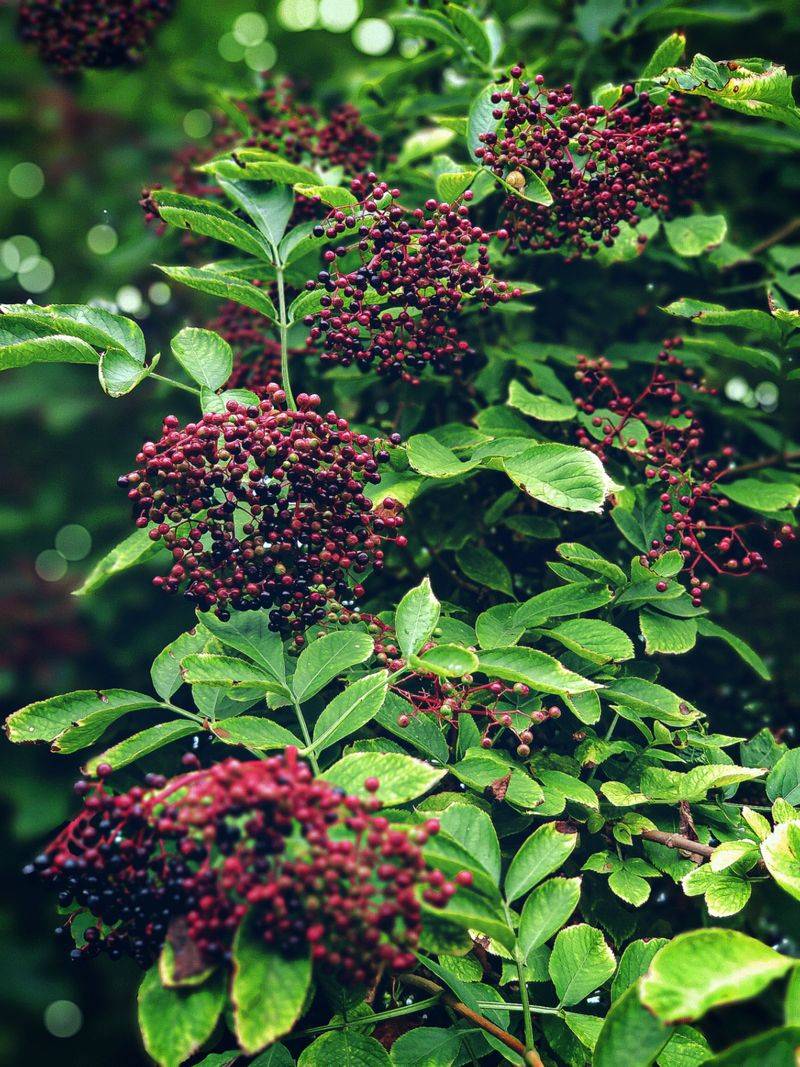
Cedar waxwings descend on a serviceberry tree like a tiny feathered flash mob. One morning the branches are full of ripe purple berries, and by afternoon a flock of thirty waxwings has stripped the whole thing clean.
Serviceberry, also called shadbush or Juneberry, is one of the best native trees you can add to a Connecticut yard.
It blooms early in spring, fruits in June, and provides shelter year-round as a multi-stemmed shrub or small tree.
Elderberry is another powerhouse. Its flat-topped clusters of dark berries ripen in late summer, feeding catbirds, thrushes, and vireos right when they need to bulk up before migration begins.
Both plants grow quickly and tolerate a wide range of soil conditions, including the clay-heavy yards common across the state.
Plant them in a sunny to partly shaded spot and water them through the first summer. Beyond birds, these shrubs support hundreds of native bee species and butterfly larvae.
A yard with serviceberry and elderberry becomes a layered, living ecosystem rather than just a pretty green space.
You can find both plants at native plant nurseries or through Connecticut’s DEEP-sponsored habitat programs.
Buying locally sourced stock ensures the plants are genetically matched to your region’s insects and wildlife.
Once established, these shrubs ask almost nothing from you. They bloom, fruit, and feed birds summer after summer with minimal effort on your part beyond basic pruning.
4. Build A Brush Pile At The Yard’s Edge
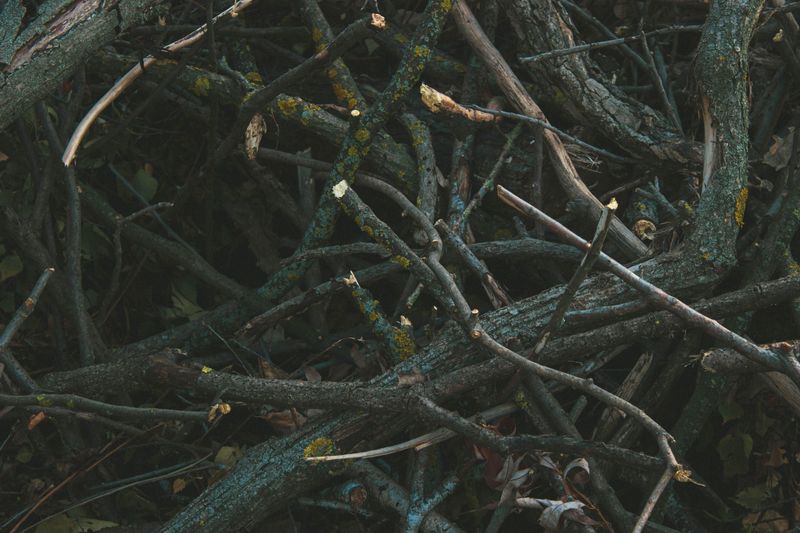
It looks like a mess, but to a white-throated sparrow it looks like a five-star hotel. A brush pile is one of the most underrated habitat features you can add to any backyard, and it costs absolutely nothing.
Start by stacking larger logs and branches on the bottom to create air pockets and tunnels. Layer smaller sticks, leaves, and brush on top to build a dense, insulating mound about three to four feet tall.
Towhees, wrens, sparrows, and thrashers all use brush piles for foraging, roosting, and escaping predators. In winter, a good pile can shelter a dozen birds through a bitter Connecticut cold snap.
Place your pile at the edge of the yard near existing shrubs or a fence line. That transition zone between open lawn and dense cover is exactly where ground-feeding birds feel most comfortable spending time.
As the pile breaks down over time, it creates rich habitat for beetles, millipedes, and other invertebrates. Those bugs become a premium food source for robins, woodpeckers, and any bird raising chicks nearby.
Neighbors sometimes raise an eyebrow at brush piles, but a quick chat explaining the wildlife benefits usually wins them over. You can also tuck it behind a garden shed or native shrub screen to keep it looking intentional.
Nature does most of the work once the pile is in place. Leave it alone and let the birds figure out what to do with it, because they absolutely will.
5. Keep Your Feeders Clean and Fresh
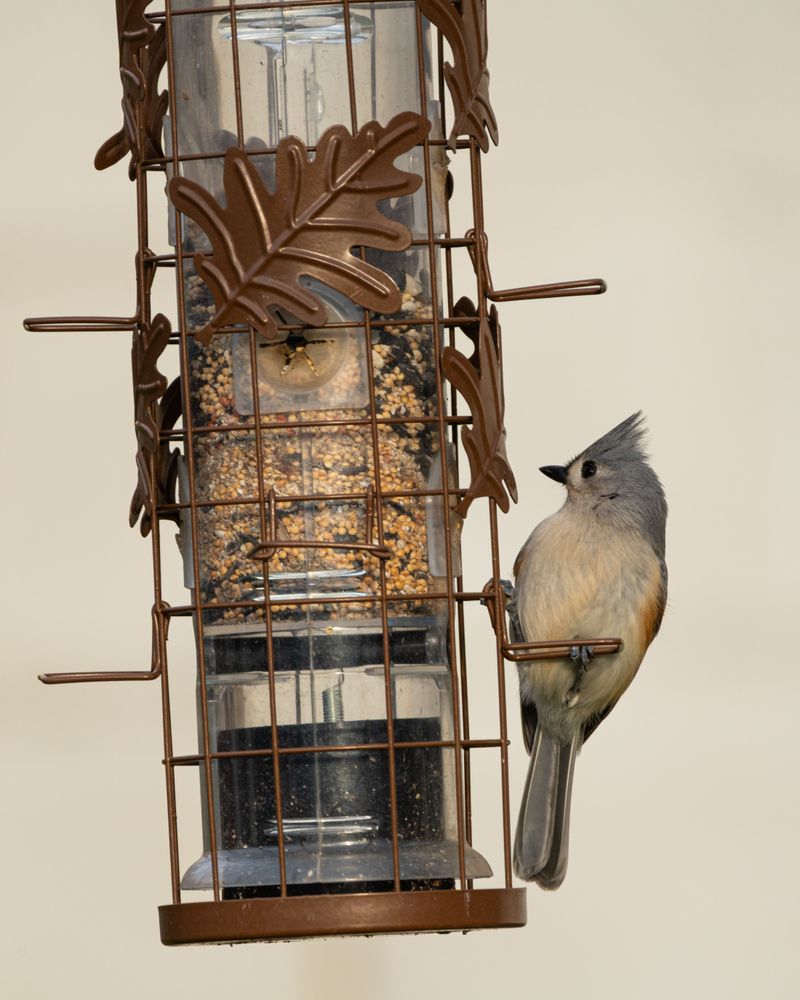
A dirty feeder can do more harm than good. Moldy seed and wet hulls can harbor bacteria and fungal spores that sicken birds, and a sick bird at your feeder spreads illness to every visitor that follows.
Cleaning does not have to be a big production. Disassemble the feeder, soak it in a solution of one part white vinegar to nine parts hot water for ten minutes, then scrub with a bottle brush and rinse thoroughly.
Let feeders dry completely before refilling them. Wet seed clumps and spoils within days, especially during humid Connecticut summers when temperatures and moisture levels both run high.
Check seed levels every two to three days in summer. Heat speeds up spoilage dramatically, and a feeder full of rancid sunflower seeds will send birds looking for fresher options in someone else’s yard.
Platform feeders and open trays need more frequent attention than tube feeders because rain and bird droppings accumulate faster. A quick wipe-down every few days keeps them safe and appealing between deep cleanings.
Ground below feeders matters too. Rake up old hulls and droppings regularly to prevent the buildup of pathogens that can affect ground-feeding birds like juncos, doves, and sparrows.
Consistent feeder hygiene is one of the most powerful Connecticut backyard changes you can make for bird health. Birds remember reliable, clean food sources and return to them season after season without hesitation.
6. Stop Using Pesticides
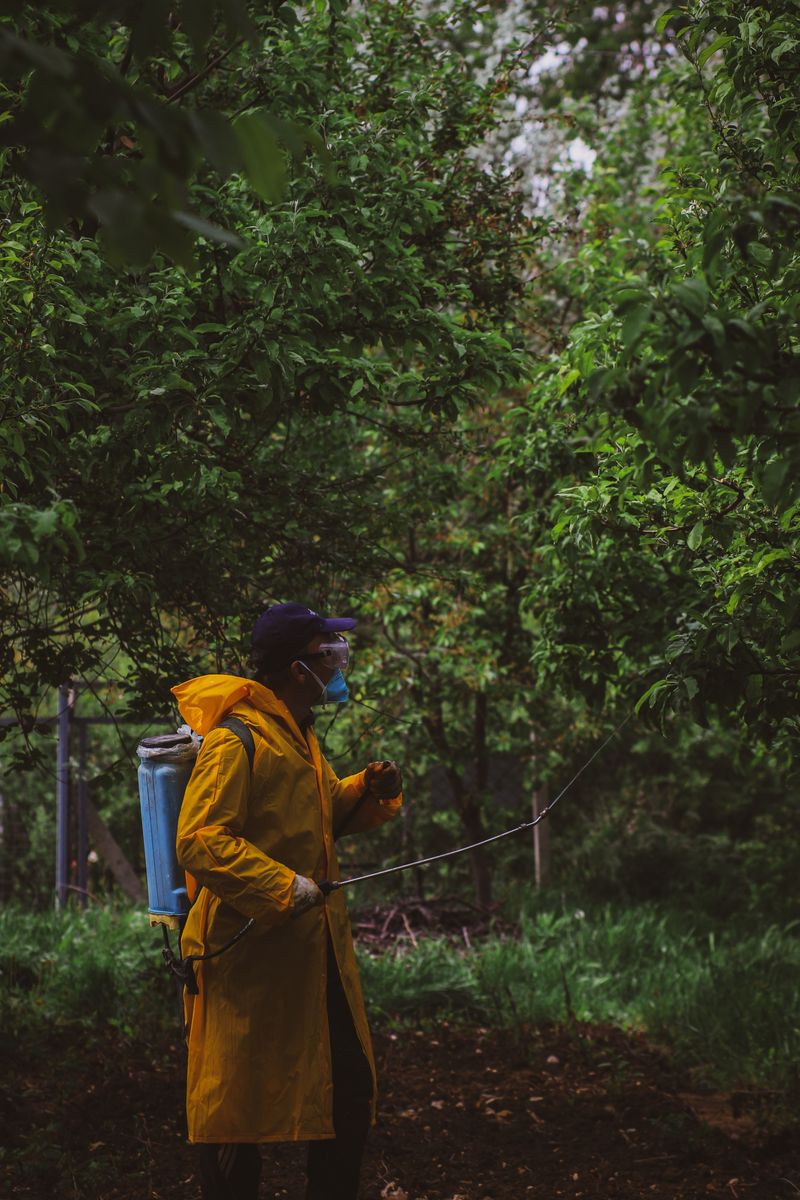
Insects are an asset, not a problem to solve. To a nesting chickadee raising six chicks, caterpillars are everything.
A single clutch of chickadee chicks can require up to nine thousand caterpillars before they fledge the nest.
Pesticides, even organic ones, knock out the insect base that birds depend on completely. When you spray your yard, you are not just eliminating pests.
You are reducing the food supply that songbirds rely on to feed their young. Systemic insecticides are especially damaging because they move through a plant’s entire tissue, including pollen and leaves that insects consume.
Birds eating those insects absorb the chemicals too, which affects their reproduction and navigation.
Switching to pesticide-free gardening sounds scary, but most healthy native plant gardens reach their own balance naturally.
Predatory insects like ladybugs and lacewings move in and manage pest populations on their own timeline. Tolerate some leaf damage on your plants.
Chewed leaves are a sign of a functioning ecosystem, not a failing garden. The caterpillar eating that oak leaf is the reason a warbler stopped in your yard this morning.
If you have a serious pest problem, try targeted physical removal, insecticidal soap on contact, or row covers for vegetables.
These approaches handle specific issues without disrupting the broader insect community your birds depend on.
Going pesticide-free is one of the easiest Connecticut backyard changes with the widest ripple effect.
Healthier insects mean healthier birds, and healthier birds mean a yard that hums with life all summer.
7. Put Up Nest Boxes
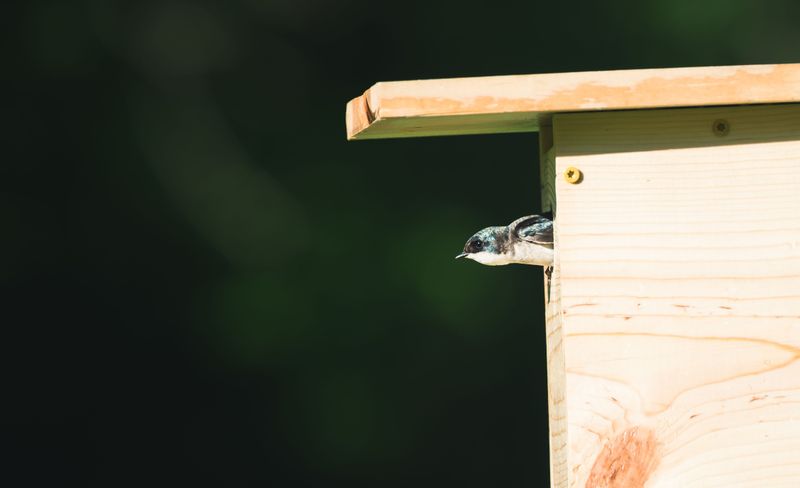
Eastern bluebirds nearly vanished from the landscape decades ago. Then people started putting up nest boxes, and the population bounced back in a way that still gives birders goosebumps to talk about.
Cavity-nesting birds like bluebirds, tree swallows, wrens, and chickadees cannot build their own holes.
They depend on natural tree cavities or human-provided boxes, and suitable spots are in short supply across most suburban yards.
Box placement matters enormously. Bluebird boxes belong in open areas facing away from the midday sun, mounted on a smooth metal pole with a baffle to block raccoons and snakes from climbing up.
Wren boxes can go closer to shrubby edges and do not need as much open space around them.
House wrens are feisty, enthusiastic nesters that will claim a box within days of installation if the habitat suits them.
Check boxes every week or two during nesting season. Remove old nests after each brood fledges to encourage a second nesting attempt, which bluebirds and swallows often complete within the same summer.
Avoid boxes with perches on the front. Perches help predators, not songbirds. Native cavity nesters cling to the box face naturally and do not need any extra landing platform to enter safely.
A single well-placed nest box can host two or three successful broods per season. Few Connecticut backyard changes produce as much visible, measurable joy as watching a bluebird family grow from eggs to fledglings.
8. Leave Patches Of The Yard Wild
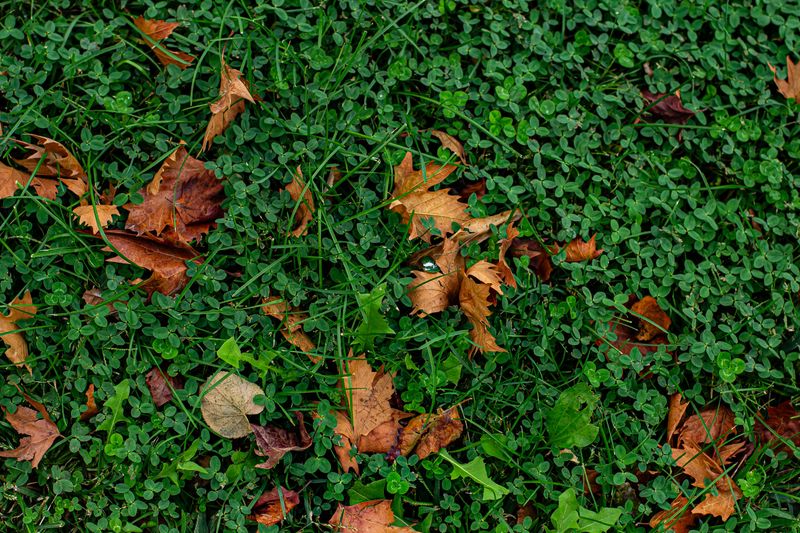
That scruffy corner by the back fence that you keep meaning to clean up? Leave it alone. That patch of goldenrod and tall grass might be the most productive bird habitat in your entire yard.
Letting part of your lawn go wild creates layers of vegetation that birds use for foraging, hiding, and nesting. Tall grasses hold seeds through winter.
Dry stems shelter overwintering insects. Leaf litter hides the worms and beetles that thrushes and towhees scratch for all day.
American goldfinches adore goldenrod and wild asters, clinging to dried seed heads well into January.
Catbirds and song sparrows nest low in dense grass clumps during the breeding season from May through July.
You do not need to sacrifice the whole yard to make an impact. A ten-by-ten-foot wild patch at the yard’s edge is enough to start attracting a noticeably wider variety of species within one season.
Mow a clean edge around the wild patch to signal that the messiness is intentional. A defined border tells neighbors and code enforcement that you are gardening on purpose, not simply ignoring your lawn.
Add a small sign identifying it as a wildlife habitat area. The National Wildlife Federation offers a free Certified Wildlife Habitat designation that gives your wild patch official credibility and neighborhood conversation-starter status.
These Connecticut backyard changes do not require a green thumb, a big budget, or a weekend of hard labor. Sometimes the best thing you can do for birds is simply step back and let nature take over.