Before You Plant Strawberries In Virginia, Avoid These 8 Common Mistakes
Have you ever watched a perfectly planned garden season fall apart before summer even starts?
You put in the work, followed every tip you found, and still walked away with nothing to show for it.
Three rows of plants and weeks of watering produced no berries. Virginia’s red clay had suffocated the roots while a late frost you ignored wiped out the blooms.
The humidity simply finished what you started. That first failure stings in a way that stays with you.
It also makes you dig deeper, ask better questions, and come back stronger the next season. You talked to growers, dug through research, and replanted with a sharper eye.
The second year brought buckets, actual buckets of berries. The difference was not luck or better weather.
It was knowing exactly what to avoid before a single plant ever went into the ground. Some lessons are quiet, but they change everything. Yours starts right here.
1. Planting Where Tomatoes, Potatoes, Or Eggplants Grew Recently
Soil has memory, and that memory can set your strawberry patch back fast. Tomatoes, potatoes, and eggplants all belong to the nightshade family.
These crops leave behind soilborne pathogens that linger long after harvest season ends. The biggest threat is a fungal disease called Verticillium wilt.
Strawberries are extremely sensitive to it, and infected soil can cause widespread plant loss across an entire planting. You might not see any visible signs in the soil.
The ground looks fine, smells fine, and feels fine. But underground, those pathogens are waiting.
Once your strawberry roots hit that contaminated zone, the plant begins to decline fairly quickly. Leaves yellow, crowns deteriorate, and fruiting rarely happens the way it should.
Virginia gardeners often rotate beds without thinking about this specific pairing. They pull out last year’s tomatoes in October and drop in strawberry transplants the following April.
That gap is simply not long enough. Many experts suggest waiting several years before planting strawberries in any bed that hosted nightshades, though some research indicates the pathogen can persist far longer.
Choosing a completely different location is the safest approach. If waiting feels impossible, choose a completely different location in your yard.
Raised beds filled with fresh soil are a smart workaround for gardeners with limited space. Test your intended site’s history before committing. Ask yourself what grew there in the last three seasons.
A quick soil test can also reveal signs of pathogen pressure if you suspect contamination. Choosing the right site from the start prevents disappointment at harvest time.
2. Choosing A Frost-Prone Or Low-Lying Site
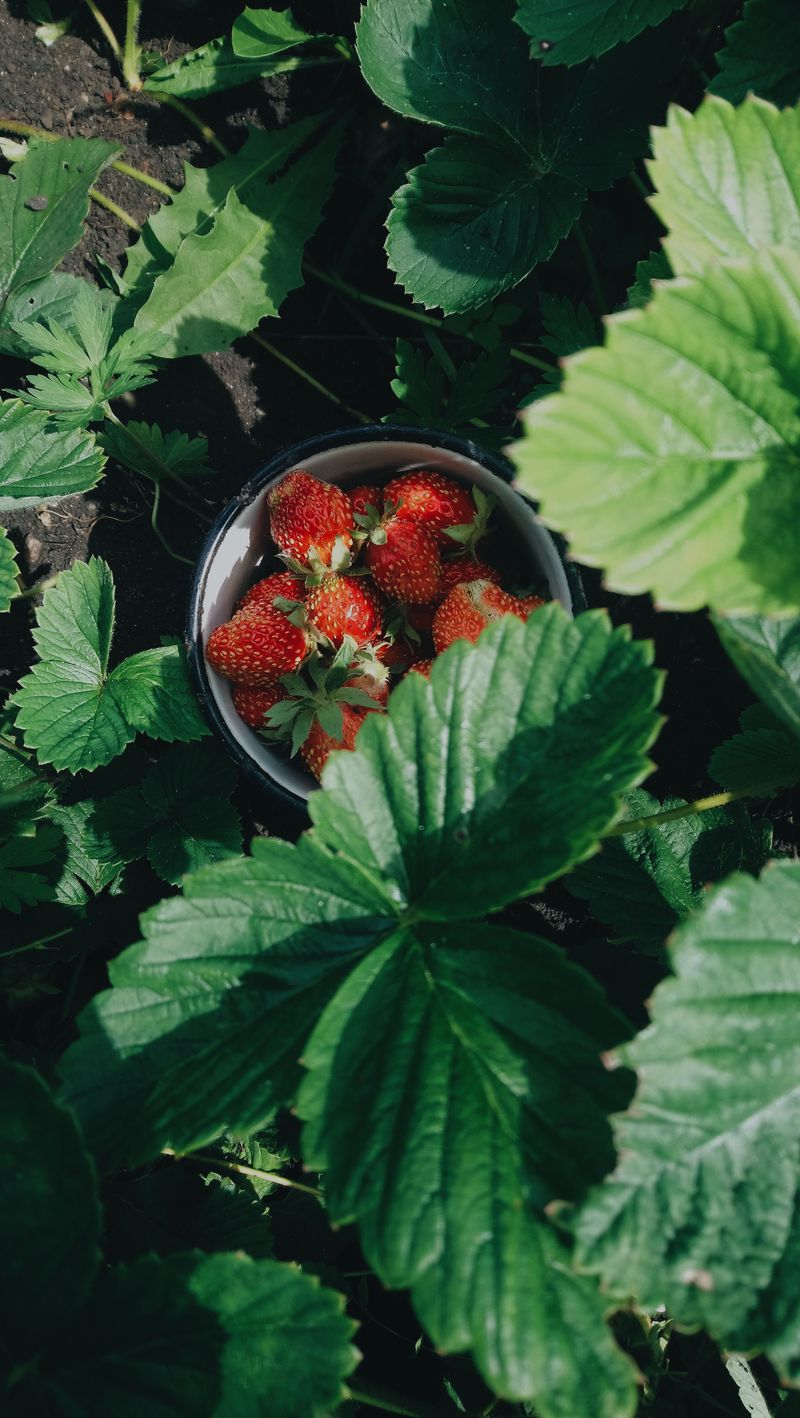
Cold air sinks, and strawberries planted in the wrong spot are the first to suffer.
Virginia’s spring weather is notoriously unpredictable. A warm week in March can flip into a hard freeze overnight, catching new blooms completely off guard.
Low-lying areas collect cold air like a bowl collects rainwater. Frost settles there first and lingers longest, even when nearby spots stay a few degrees warmer.
Your Virginia Garden Changes Every Week. Your Plan Should Too.
Gardening in Virginia changes quickly throughout the season. Every Friday you’ll receive a simple weekly plan showing exactly what to plant, prune, fertilize, harvest, and protect so you never miss the right timing.
Strawberry blossoms are fragile. A single frost event at the wrong time can eliminate the season’s flowers entirely, which means no fruit that season.
Gardeners in the Shenandoah Valley and higher elevation areas of Virginia face this risk more than coastal growers. But even Piedmont gardeners encounter surprise late frosts well into April.
Avoid planting at the bottom of a slope or in a natural drainage basin. These microclimates trap cold and stay wet longer after rain, which also promotes root rot.
A gentle slope with good air drainage is the ideal setup. Cold air flows downhill and away from your plants rather than pooling around them.
North-facing slopes warm up slowly in spring, which can actually delay blooming just enough to dodge a late frost. Some experienced growers use this trick intentionally.
Before settling on a spot, observe your yard on a cold spring morning. Notice where frost hangs around longest and mark those areas off your planting map.
Picking the right microclimate is one of the smartest moves you can make before a single plant goes in the ground.
3. Overcrowding Plants
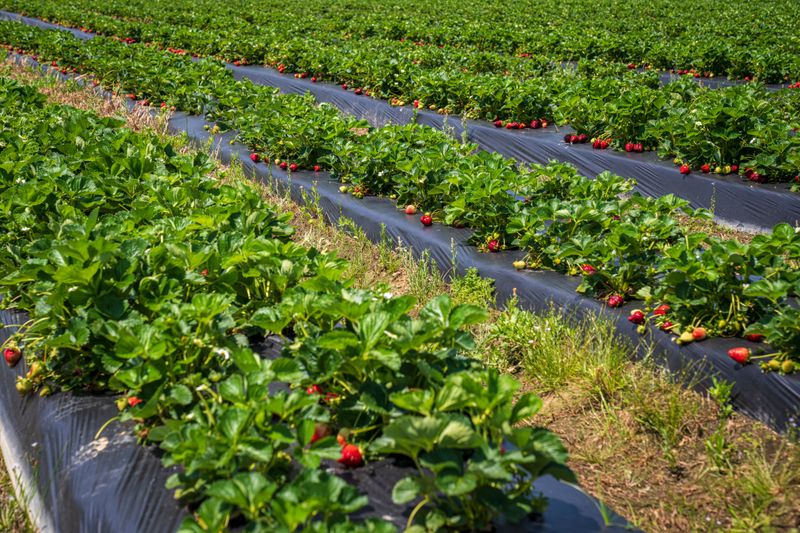
Squeezing in extra plants feels efficient, but it backfires every single time. Strawberries need breathing room to thrive.
Crowded plants compete for nutrients, water, and sunlight, and none of them win that competition.
Most June-bearing varieties need about 18 inches between plants. Everbearing types can go a bit closer, but they still need at least 12 inches of clear space around each crown.
When plants grow too close together, the canopy of leaves traps moisture. That damp environment becomes a breeding ground for gray mold and leaf spot diseases.
Virginia summers are already humid enough without adding a crowded bed into the mix. Poor air circulation turns a manageable moisture level into a serious fungal problem.
Fruit quality also drops in overcrowded beds. Berries stay smaller, ripen unevenly, and often deteriorate before they reach full color because airflow cannot reach them properly.
New gardeners often misjudge how much space a strawberry plant actually needs. At transplant time, the small plugs look lonely at 18 inches apart. Trust the spacing anyway.
Within a few weeks, those plants fill out dramatically. Runners spread outward, and by midsummer, a properly spaced bed looks lush and full without being choked.
Mark your spacing before planting using a measuring tape and small stakes. It takes five extra minutes and saves months of frustration.
Giving each plant its own territory means more fruit, healthier leaves, and a bed that bounces back stronger every season.
4. Skipping Soil Preparation And pH Testing
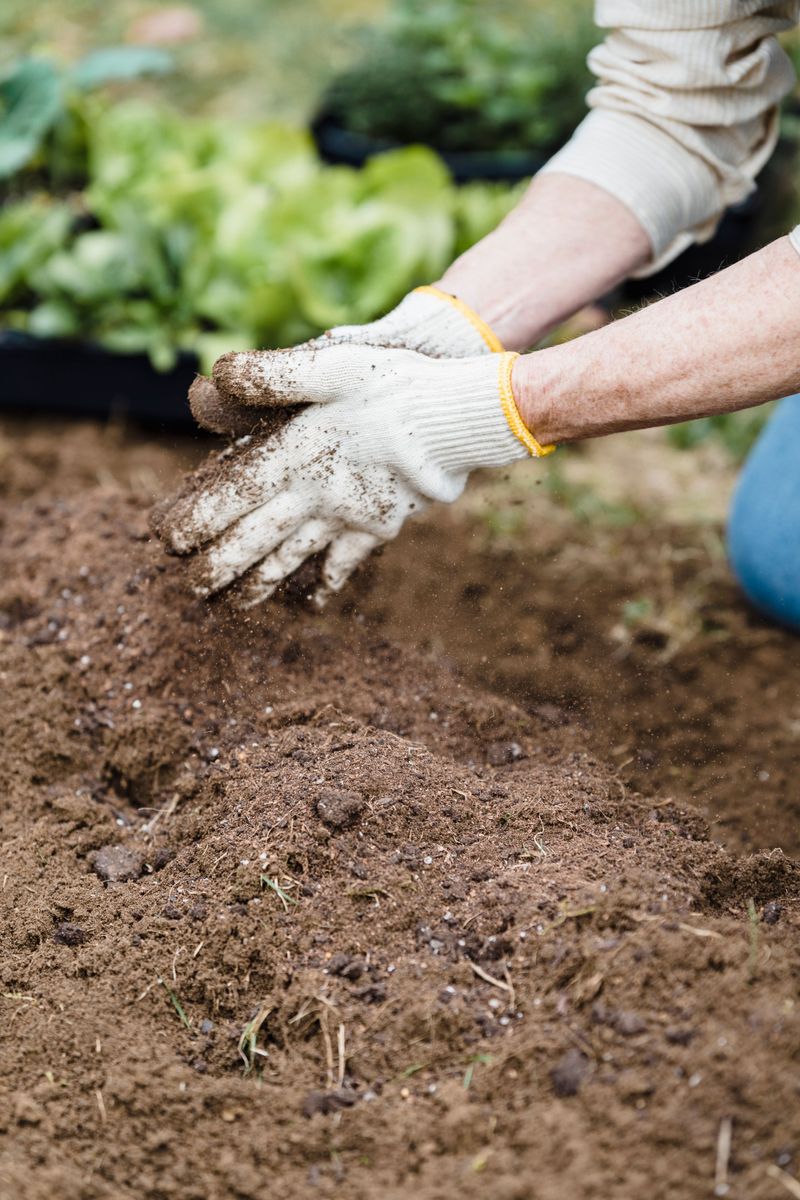
Healthy strawberries start below the surface, not above it. Virginia soils vary widely across the state.
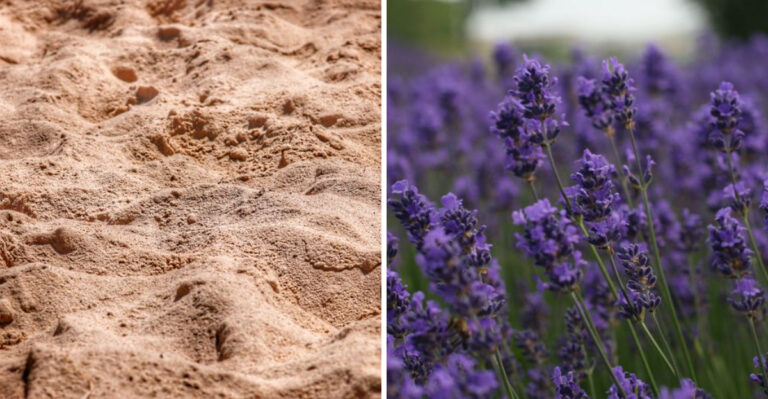
Northern Virginia tends toward heavy clay, while the coastal plain leans sandy and acidic. Neither extreme suits strawberries without some adjustment.
Strawberries prefer a soil pH between 5.3 and 6.5. Outside that range, nutrients lock up in the soil and become unavailable to roots, no matter how much fertilizer you add.
A simple soil test costs around $10 and results typically come back within three working days through the Virginia Cooperative Extension. That small investment tells you exactly what your soil needs.
If pH runs too high, sulfur amendments can bring it down over several months. If it runs too low, lime raises it back up gradually.
Beyond pH, soil structure matters enormously. Heavy clay drains poorly and suffocates roots. Sandy soil drains too fast and starves plants of moisture between waterings.
Adding compost solves both problems at once. A generous layer worked into the top eight to ten inches improves drainage in clay and water retention in sandy ground.
Many gardeners skip this step because it takes time and feels like extra work. But planting into unprepared soil is like building a house on a crumbling foundation.
The prep work you do in fall or early spring pays off from the moment your plants go in the ground.
Roots establish faster, blooms come earlier, and fruit sets more reliably. Good soil is not a luxury for strawberries. It is the foundation everything else depends on.
5. Burying The Crown At Planting
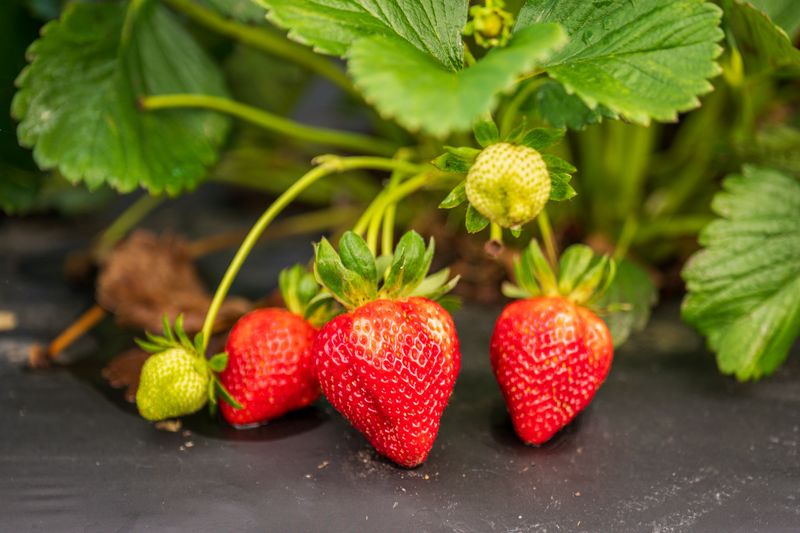
Planting depth is the detail that separates a thriving patch from a struggling one. The crown is the thick nub where roots meet leaves at the center of a strawberry plant. Its position in the soil at planting time is absolutely critical.
Bury the crown too deep, and it deteriorates. The moist soil surrounds it, cuts off airflow, and fungal decay sets in within days of planting.
Plant it too shallow, and the roots dry out. Exposed roots cannot absorb moisture or anchor the plant firmly, and the whole thing wilts under Virginia’s spring sun.
The correct position places the crown exactly at soil level. The top half stays exposed to air, and the bottom half connects cleanly with moist soil below.
This sounds simple, but it trips up experienced gardeners too. Transplants often settle deeper after watering, so planting slightly high accounts for that natural shift.
After the first watering, check every plant. If any crown has sunk below soil level, gently lift and reposition it before the roots establish too deeply.
Bare-root strawberries, which are common in Virginia garden centers in early spring, require extra attention to crown placement. The roots splay outward and downward while the crown sits right at grade.
A trick worth knowing: lay a pencil or stick across the planting hole as a guide. The crown should be even with the top of that stick, not below it. Nail this one detail, and your plants will establish quickly and confidently.
6. Neglecting Mulch
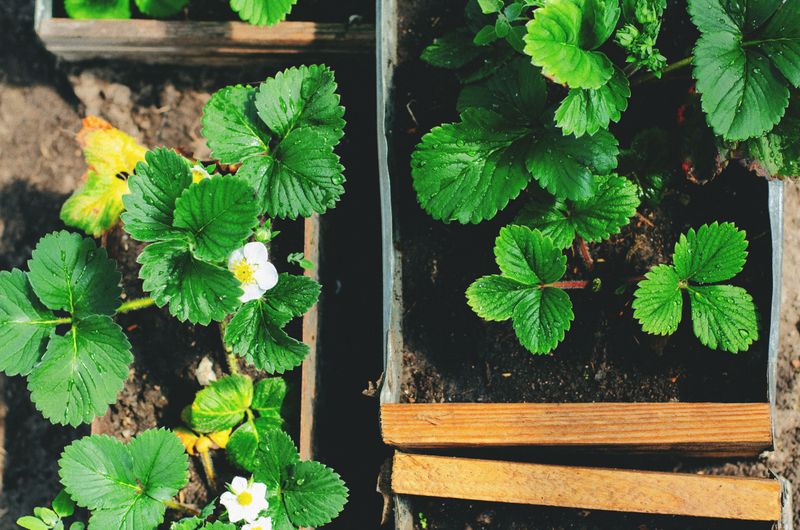
Bare soil around strawberries is an open invitation for problems. Mulch does more work in a strawberry bed than most gardeners realize.
It regulates soil temperature, holds moisture, suppresses weeds, and keeps fruit off the dirt.
Straw is the classic choice, and for good reason. It is lightweight, breathable, and breaks down slowly enough to last a full growing season without smothering crowns.
In Virginia, summer heat can push soil temperatures well above what strawberry roots prefer.
A two-inch layer of straw mulch keeps the root zone noticeably cooler during July and August heat waves.
Without mulch, weeds emerge fast and compete aggressively. Hand-weeding a strawberry bed is tedious work, especially once runners begin spreading in every direction.
Fruit quality also improves with mulch underneath. Berries that rest on straw rather than bare soil stay cleaner, ripen more evenly, and resist gray mold much better.
In winter, mulch becomes a protective blanket. Virginia winters can bring hard freezes that damage crowns and roots in unprotected beds, especially in the western part of the state.
Apply a heavier layer of straw in late November after the ground cools. Pull it back slightly in late February or early March as new growth begins to emerge.
Some gardeners use pine needles instead of straw, which also works well and slightly acidifies the soil over time.
Both options beat leaving the ground bare. A well-mulched bed practically manages itself through the toughest parts of the growing season.
7. Failing To Manage Runners
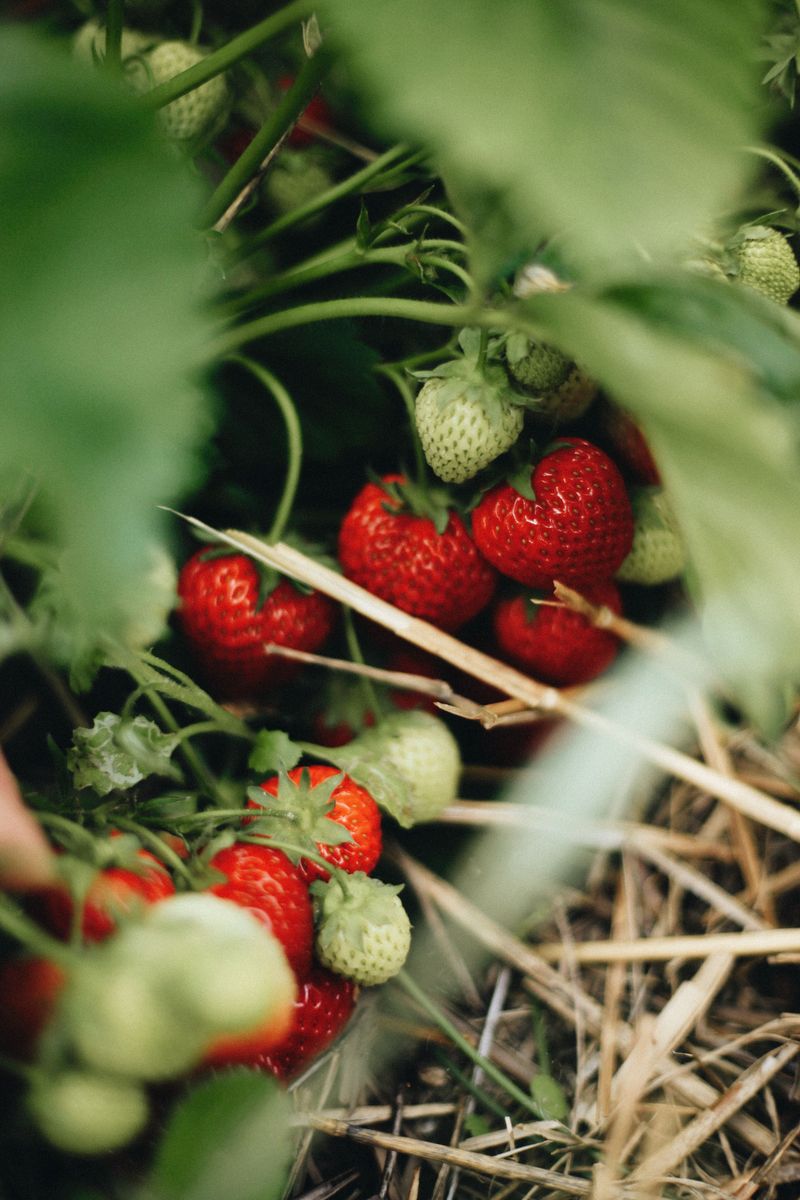
Runners look harmless at first, but they can take over a garden faster than you expect. Strawberry plants send out long horizontal stems called runners.
Each runner produces a daughter plant at its tip, which roots wherever it touches the ground.
This spreading habit is natural and even useful for propagating new plants. But left unchecked, it turns a tidy patch into a tangled situation within one growing season.
When a plant puts energy into producing runners, it pulls that energy away from fruit production. More runners almost always means fewer berries on the mother plant.
June-bearing varieties are especially active spreaders. A single plant can send out numerous runners between June and August if nothing is done to slow them down.
The right approach depends on your goals. If you want maximum fruit this season, remove most runners as soon as they appear.
If you want to expand your patch, allow a few to root in designated spots. A good rule of thumb is allowing each mother plant to root two or three daughter plants per season.
Any runners beyond that get snipped off at the base. Use small scissors or pruning snips rather than pulling runners by hand.
Pulling can disturb the mother plant’s roots and set back its growth unexpectedly. Check your bed every week during peak runner season.
Staying on top of it for ten minutes a week prevents a two-hour cleanup job later in the season.
Managing runners keeps your patch productive, organized, and ready to deliver a strong harvest year after year.
8. Planting In Recently Sodded Ground
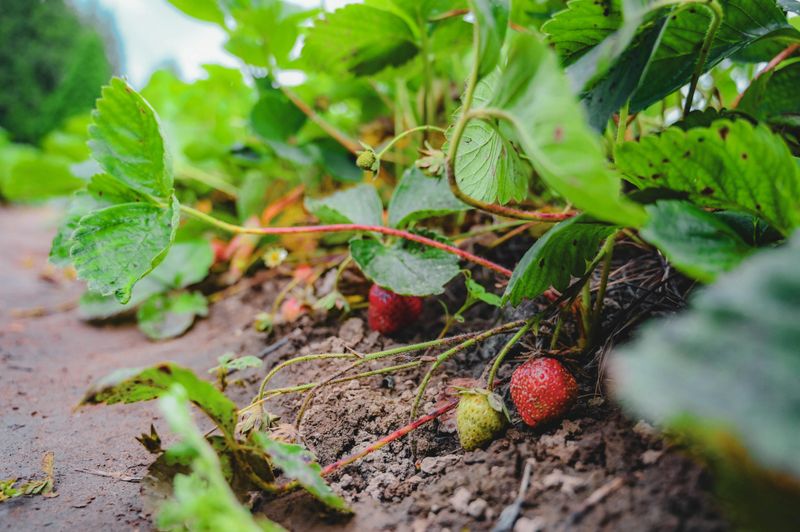
Fresh sod conceals a range of problems that strawberries are not well equipped to handle. When sod is laid down, the soil beneath goes through a period of biological disruption.
Decomposing grass roots, unsettled microbes, and soil compaction all create an unfavorable environment for new plants.
Before you plant strawberries in Virginia in recently converted lawn areas, you need to understand what lies beneath. Grubs are one of the biggest concerns hiding in sod ground.
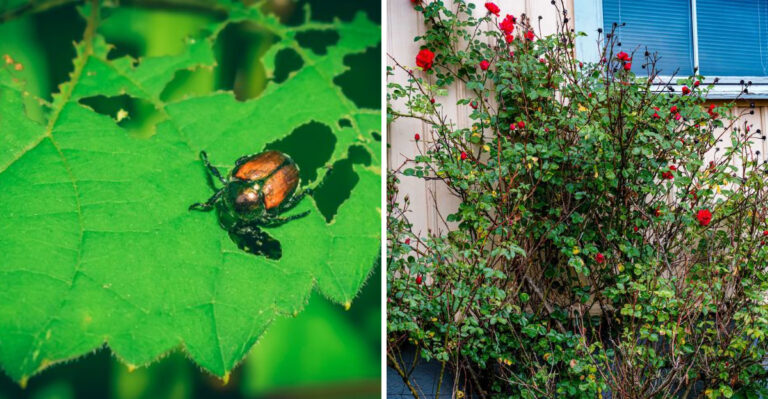
White grubs, the larvae of Japanese beetles and June bugs, thrive in newly turned turf. They feed heavily on strawberry roots and can cause serious damage to a young planting before you notice anything above ground.
Grasses also leave behind natural compounds that may interfere with the establishment of new plants in the first season.
Beyond pests and soil chemistry, the soil structure under sod is often compacted and low in organic matter. Strawberry roots need loose, well-aerated soil to spread and anchor properly.
Waiting at least one full growing season after removing sod is the safest approach. Use that time to amend the soil heavily with compost and monitor for grub activity.
If you spot grubs while turning the soil, address them with beneficial nematodes or an appropriate soil treatment before planting.
Do not skip this step in recently grassed areas. Raised beds built over converted lawn areas offer a faster workaround.
Fill them with quality amended soil and avoid direct contact with the compromised ground below. Patience here protects your entire investment in plants, time, and effort.