Japanese Beetles Are Spreading In Colorado And Here’s How To Protect Your Garden
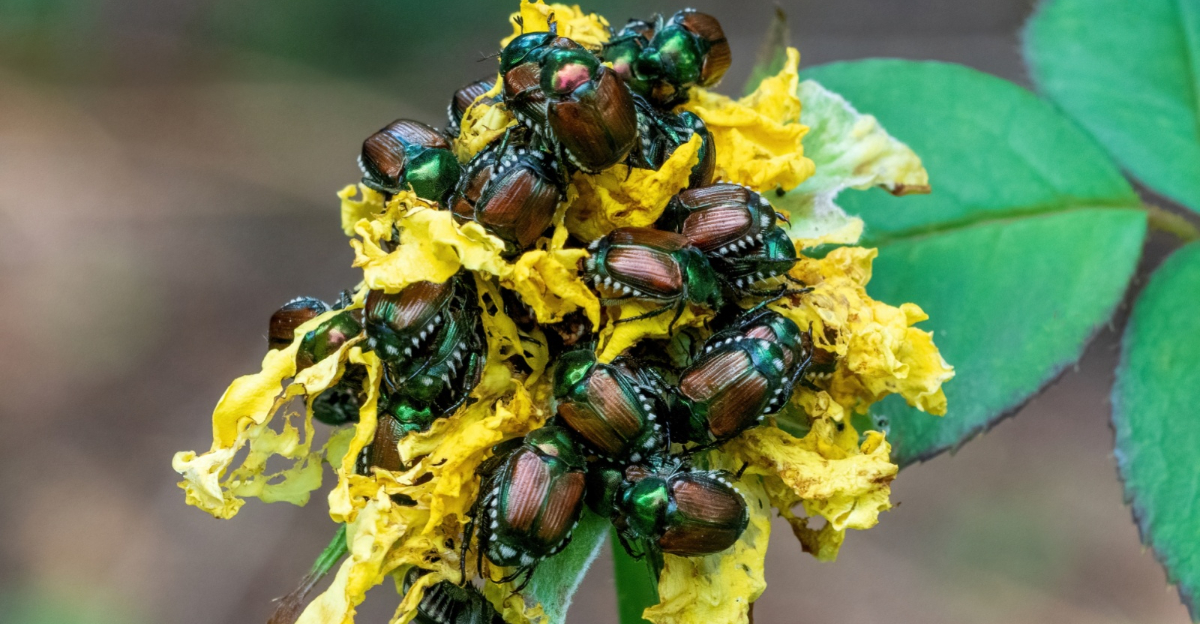
I found the rose I had grown for six years reduced to brown lace. Not wilted. Not diseased. Stripped bare, like something had moved through it and left nothing worth saving.
One tiny invader had become forty. Overnight. They signal each other with chemical attractants, and a feast assembles before you can react.
They work through 300 plant species without slowing down. Are you watching your garden fade one leaf at a time and still blaming the deer?
These visitors arrived uninvited, they multiply fast, and they have no interest in stopping. The spread across Colorado is accelerating. The losses are real. The window to act is short.
Good news: your garden has a fighting chance, but there is no single miracle product that will solve a Japanese beetle problem overnight.
Hand-Pick Beetles Into Soapy Water
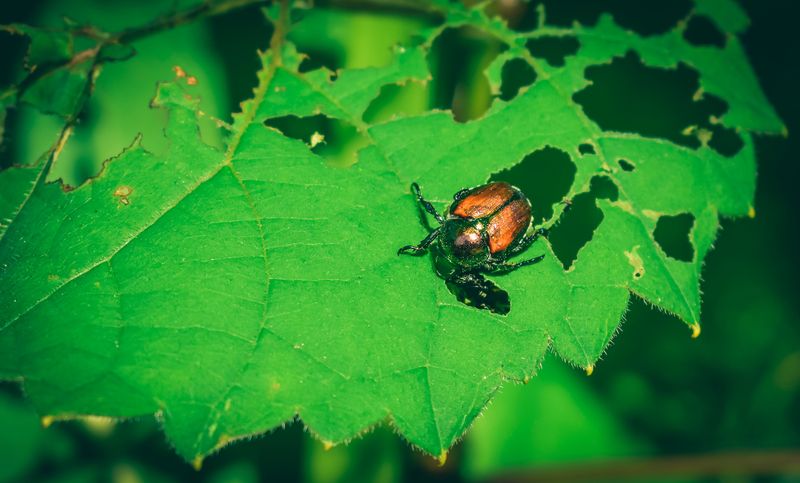
Your bare hands are one of the most effective weapons you own. Hand-picking Japanese beetles sounds old-fashioned, but it genuinely works for smaller infestations.
Grab a bucket and fill it with water mixed with a few drops of dish soap. The soap breaks the water’s surface tension so beetles sink and cannot escape.
Walk your garden rows slowly and deliberately. Look under leaves, along stems, and on flower buds where beetles tend to cluster.
Drop each beetle directly into the soapy bucket. Do not toss them on the ground, because they will just fly back onto your plants.
This method costs almost nothing and has no chemical impact on your soil, your pollinators, or your pets. It is especially satisfying once you get into a rhythm.
Regularly removing beetles can help reduce feeding damage and limit the chemical signals that attract additional beetles.
Because Japanese beetles gather where other beetles are already feeding, consistent removal can slow the buildup of larger infestations.
Consistency is the key here. Do this every single day during peak season, which runs from late June through August in most Front Range areas. Your plants will show the difference quickly.
Do It Early Morning When Sluggish
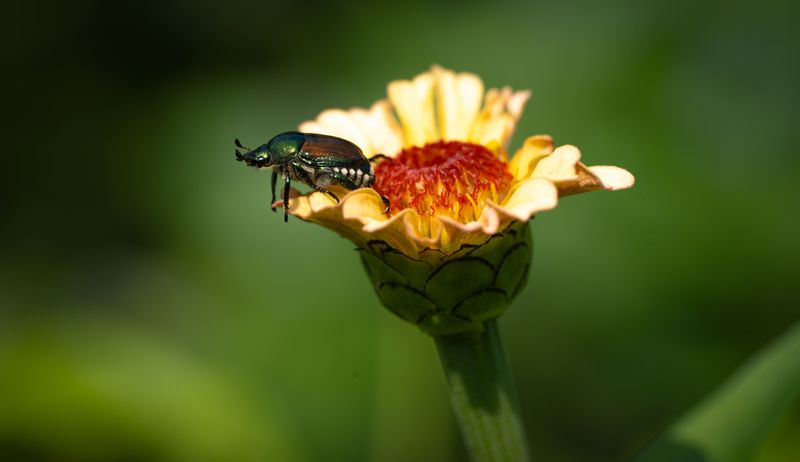
Timing is everything when it comes to hand-picking these pests. Japanese beetles are cold-blooded insects, and cool morning temperatures slow them down considerably.
Before 7 a.m., beetles sit almost motionless on leaves and stems. They have not warmed up enough to fly, which makes catching them almost embarrassingly easy.
By mid-morning, once the sun heats things up, they become fast and evasive. Try grabbing one at noon and you will watch it zip away before your fingers get close.
Set your alarm just a bit earlier during peak beetle season. A 20-minute morning patrol can clear dozens of beetles before they have a chance to feed.
Bring your soapy bucket along during this early sweep. Knock beetles straight from the plant into the water without giving them a chance to react.
Morning dew also weighs down their wings slightly, adding another layer of advantage for the early-rising gardener. Nature is essentially doing half the work for you.
Your Colorado Garden Changes Every Week. Your Plan Should Too.
Gardening in Colorado changes quickly throughout the season. Every Friday you’ll receive a simple weekly plan showing exactly what to plant, prune, fertilize, harvest, and protect so you never miss the right timing.
Make this part of your morning routine, like watering or checking for weeds. A short daily habit now prevents a massive problem later in the season.
Handle Carefully, Do Not Compress
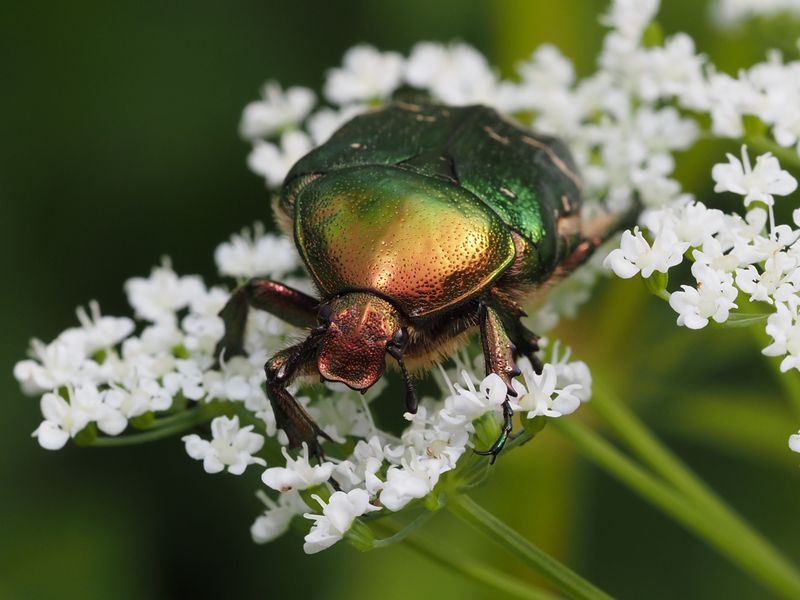
Squishing beetles feels satisfying, but it is actually one of the worst things you can do. When beetles feed on a plant, the damaged leaves release volatile compounds that attract more beetles to the same spot.
Japanese beetles are attracted to plants that are already being fed upon. As leaves are damaged, they release chemical cues that can attract additional beetles to the same plant.
For that reason, it is generally better to remove beetles into a container of soapy water rather than leave them on the plant or crush them directly on the foliage.
Always drop beetles into soapy water instead of crushing them on the leaf. The soap solution neutralizes the chemical signals and prevents the attraction response from triggering.
This rule applies even when you are frustrated and a beetle escapes your fingers. Resist the urge to smash it against the stem or fence post.
Some gardeners keep a small lidded container with soapy water for on-the-go collection. This makes it easier to capture beetles without squishing by accident. Spreading awareness about this tip to neighbors matters too.
If everyone on your block avoids squishing, the collective beetle pressure on your shared garden space drops fast. Remove, do not squish, and the soapy water bucket does the rest.
Shake Branches Over Soapy Water
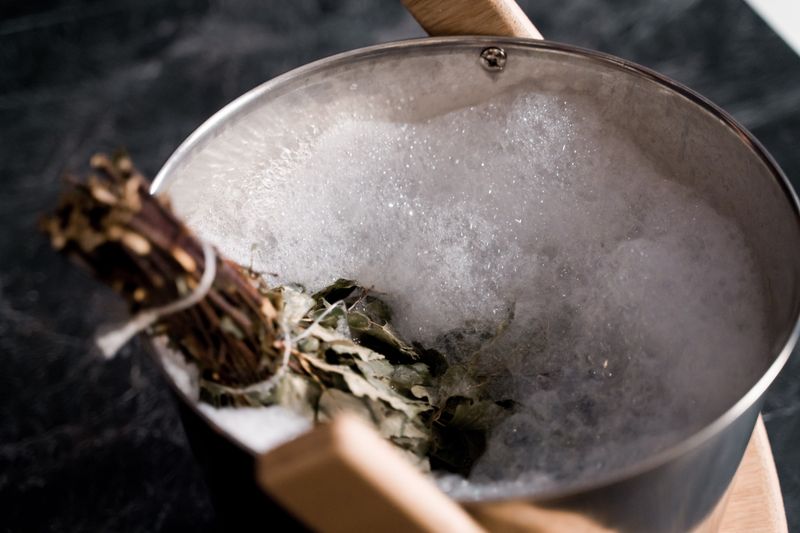
Sometimes beetles cluster so thick on a branch that hand-picking one at a time takes forever. Shaking is the faster, smarter approach for heavy infestations.
Hold your soapy water bucket directly beneath an infested branch. Give the branch one firm, quick shake and watch beetles rain down into the water.
One shake can collect 15 to 30 beetles in a single second. That is far more efficient than picking them off one by one with your fingers.
The key is to move fast and position the bucket precisely before the shake. Beetles that miss the bucket will scatter and potentially fly back to the plant.
Use a wide-mouthed container for better coverage under larger branches. A simple plastic tub or even a disposable roasting pan works great for this.
Repeat the shake-and-collect process on every affected branch during your morning patrol. Work from the top of the plant downward so you do not disturb beetles above ones you have already collected.
This technique works best during those cool early hours when beetles are still sluggish. Pair it with hand-picking for a thorough, chemical-free cleanup that actually makes a dent in your beetle population.
Apply Nematodes To Stop Grubs
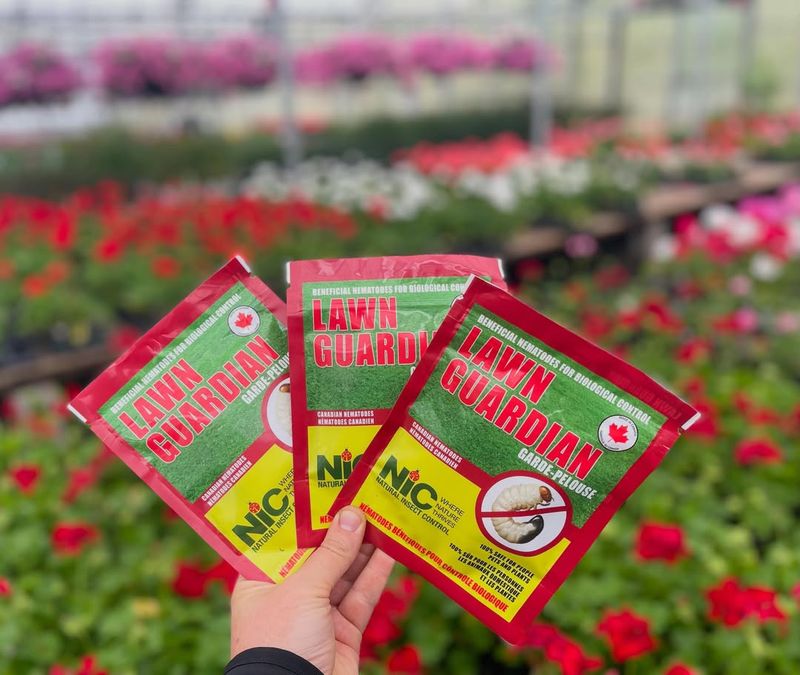
Nematodes sound like something from a science fiction novel, but they are completely natural and remarkably effective.
These microscopic roundworms seek out beetle grubs living underground and infect and eliminate them beneath the soil surface.
Specifically, look for Heterorhabditis bacteriophora, the species best suited for targeting Japanese beetle grubs. Most garden centers and online retailers carry them in a dormant, refrigerated form.
Mixing them with water and applying them to your lawn is straightforward. Use a watering can, hose sprayer, or backpack sprayer to distribute them evenly across your grass.
Nematodes need moist soil to move and hunt effectively. Water your lawn before and after application to give them the best possible environment to work in.
They are completely safe for pets, children, birds, and earthworms. You are essentially introducing a natural predator that targets only the pest you are fighting.
Results are not instant, but over several weeks, grub populations drop noticeably. Fewer grubs mean fewer adult beetles emerging next summer to attack your plants all over again.
Think of nematodes as a long-game strategy that works underground while you handle surface beetles above. Combining both approaches creates a two-front defense that is hard for beetles to survive.
Treat Grubs In Late Summer And Early Fall
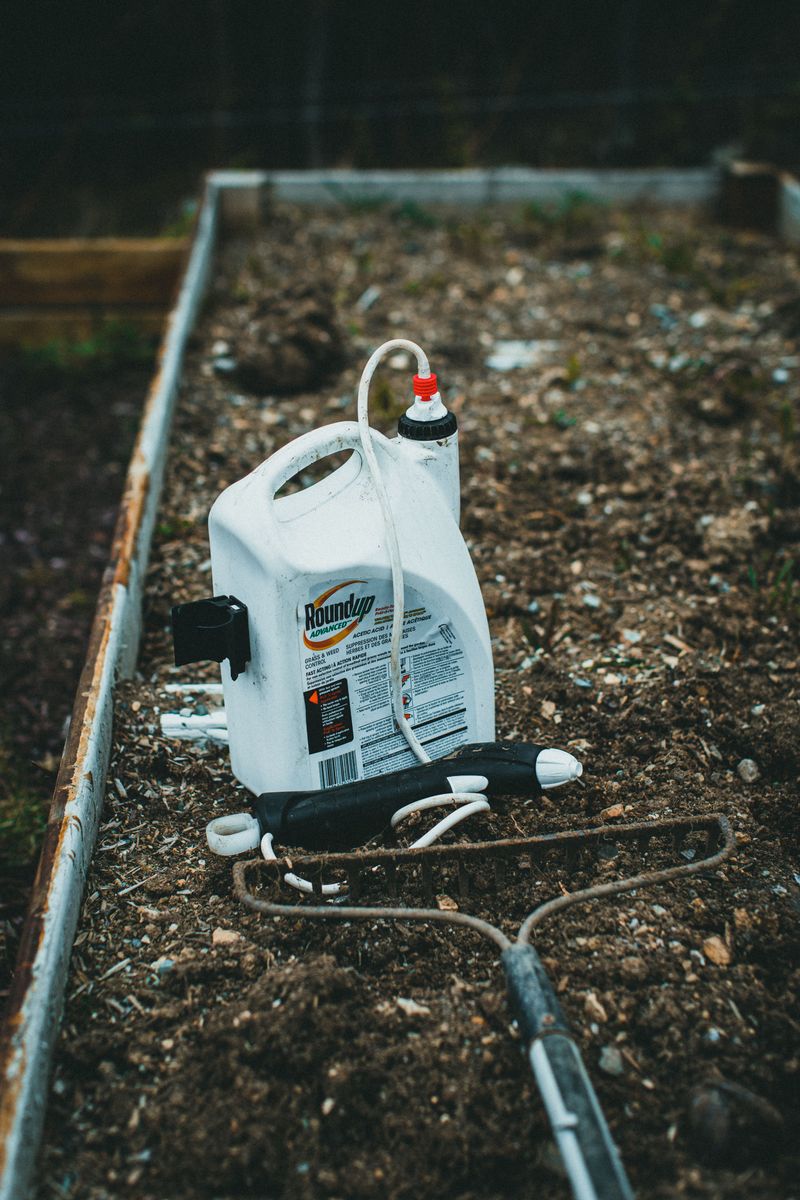
Adult beetles get all the attention, but the real damage happens underground. Grubs are the larval stage of Japanese beetles, and they spend months chomping through your lawn’s root system.
Late summer and early fall is the sweet spot for grub treatment. Young grubs are small, near the soil surface, and extremely vulnerable to both biological and chemical controls.
By late fall, grubs burrow deeper into the soil to escape freezing temperatures. Once they go deep, most treatments cannot reach them effectively.
Target them in August and September for the best results. This timing aligns with when the current year’s eggs have hatched and grubs are actively feeding near the surface.
Products containing milky spore, a naturally occurring bacterium, are sometimes used for long-term grub suppression.
In Colorado’s climate, milky spore can take three to five years to establish. Its effectiveness may also be limited depending on soil conditions. Parasitic nematodes are generally a faster and more reliable option for this region.
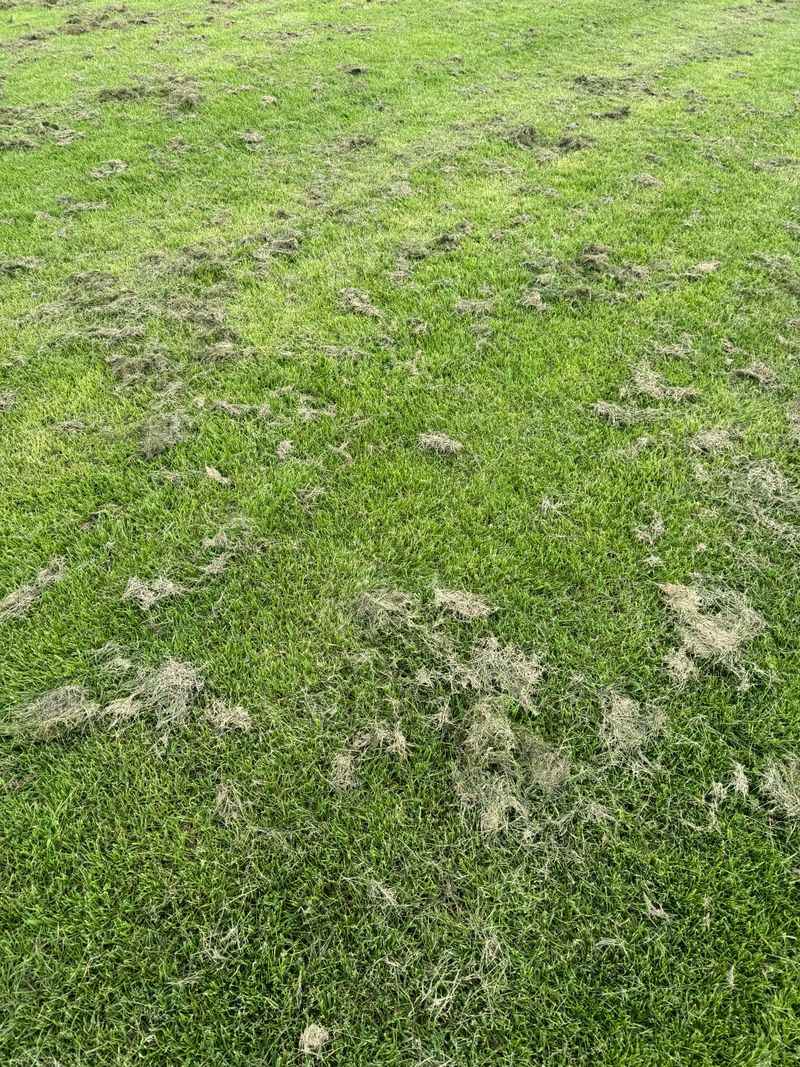
Signs of grub damage include spongy turf, brown patches, and grass that peels back like a loose carpet. If you notice these symptoms, check for grubs just below the soil line.
Acting during this narrow treatment window saves you from a far worse beetle season next summer. A little effort now breaks the cycle before it starts again.
Protect Delicate Fruits And Flowers
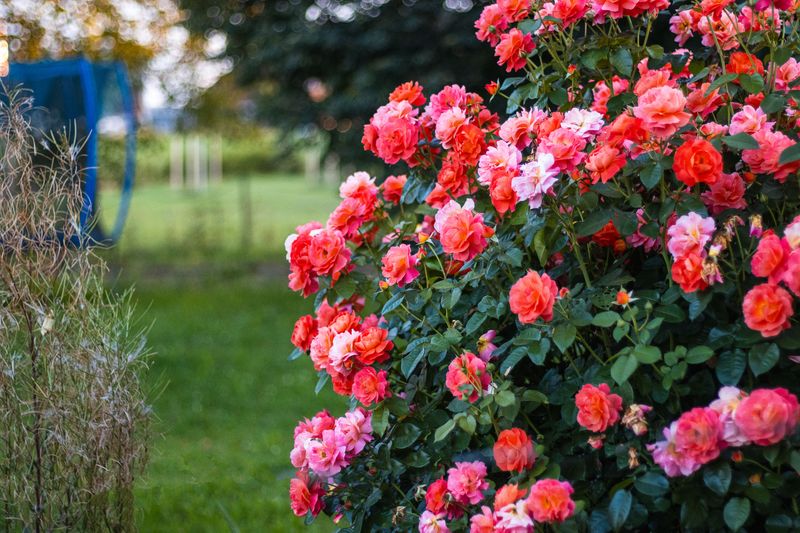
Japanese beetles have very strong opinions about what tastes good. Roses, grapes, peaches, and raspberries are at the absolute top of their menu.
If you grow any of these plants, consider them high-priority targets that need your attention first. Beetles can strip a rose bush bare in just a few days.
Row covers made from lightweight fabric offer a physical barrier that keeps beetles off vulnerable plants. Drape them loosely over plants and secure the edges to the ground.
Remove covers during bloom time so pollinators can still access the flowers. Then replace the covers once blooms fade and the plant becomes purely a foliage target.
For fruit trees like peaches, kaolin clay spray is another strong option. This white, powdery mineral coating makes leaves and fruit surfaces unappealing and difficult for beetles to grip.
Inspect these plants daily during peak season, which usually runs from late June through mid-August. Catching a small cluster early prevents it from becoming a full-on feeding frenzy.
Healthy, well-watered plants also recover from beetle damage faster than stressed ones. Keep your most vulnerable plants nourished and hydrated so they can bounce back even during a tough beetle year.
Skip The Beetle Traps
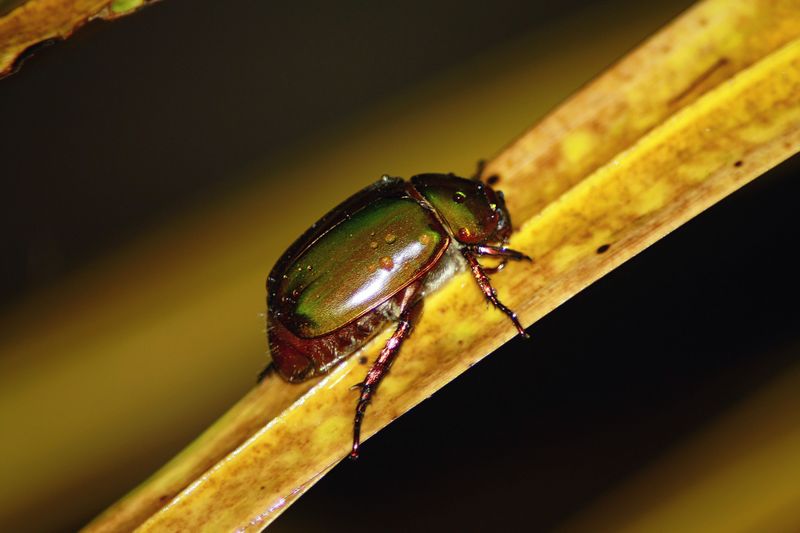
Beetle traps are everywhere at garden centers, and they look like a brilliant solution. Bright yellow bags filled with floral and sex-scented lures seem almost too good to be true.
They are. Research consistently shows that beetle traps attract far more beetles than they actually catch. The lures pull insects in from a wide radius around your yard.
Beetles that miss the trap end up landing on your plants instead. You essentially turn your garden into a beetle magnet while catching only a fraction of the newcomers.
University extension studies found that traps can actually increase plant damage in the surrounding area. Neighbors without traps sometimes see less damage than the homeowner using one.
The only scenario where traps might help is placing them far away from your garden, at the edge of your property. Even then, results are inconsistent and often disappointing.
Save your money and spend it on nematodes, row covers, or kaolin clay instead. Those tools actually reduce beetle populations rather than advertising your yard as a destination.
Resist the marketing on the packaging, no matter how convincing it looks. When it comes to Japanese beetles, attracting them is the last thing any gardener wants to do.
Do Not Move Sod From Infested Counties
This one might surprise you, but moving sod is one of the main ways Japanese beetles spread to new areas. Grubs hide inside sod rolls, completely invisible to the naked eye.
When that sod gets installed somewhere new, the grubs emerge as adults and establish a fresh population far from where they started. One truckload can seed an entire new infestation.
Several Colorado counties are already under quarantine or advisory restrictions on sod movement. These rules exist specifically to slow the westward spread of Japanese beetles into unaffected areas.
Before purchasing sod, ask the supplier where it originated. Reputable suppliers should be able to tell you exactly which county their product comes from.
If you are a landscaper or contractor, this responsibility falls on you too. Sourcing sod from infested regions and installing it in clean areas creates legal and ecological problems.
Home gardeners renovating a lawn should check with the Colorado Department of Agriculture before buying large quantities of sod. A quick call or website check takes five minutes and could prevent a regional disaster.
Spreading Japanese beetles accidentally is avoidable. Being mindful about where your sod comes from is one of the most impactful things you can do for your entire community.
Report New Sightings To Colorado Department Of Agriculture
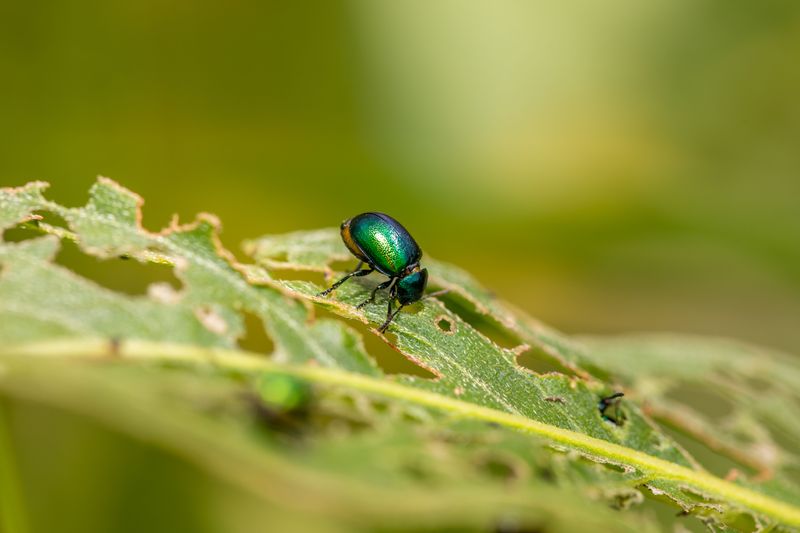
Spotting a Japanese beetle in an area where they have not been seen before is genuinely important information. Reporting it could help stop a new population from taking hold.
The Colorado Department of Agriculture actively tracks beetle spread across the state. Your sighting data feeds directly into their monitoring maps and response planning. Reporting is easy and takes less than five minutes.
Visit the Colorado Department of Agriculture website and look for their pest reporting portal or invasive species hotline. Take a clear photo of the beetle before collecting or removing it.
A good image helps experts confirm the identification and log the exact location accurately. Note the date, the specific address or GPS coordinates, and what plant the beetle was on.
These details give scientists the context they need to assess the threat level. Early detection is the single most powerful tool against invasive species spread.
One timely report can trigger a response that protects thousands of acres of farmland and gardens. You are not just protecting your own yard when you report a sighting.
You become part of a statewide defense network that keeps Japanese beetles from overwhelming areas that are still pest-free. Early reporting helps protect unaffected areas across the state.
Use Neem Oil As A Repellent Spray
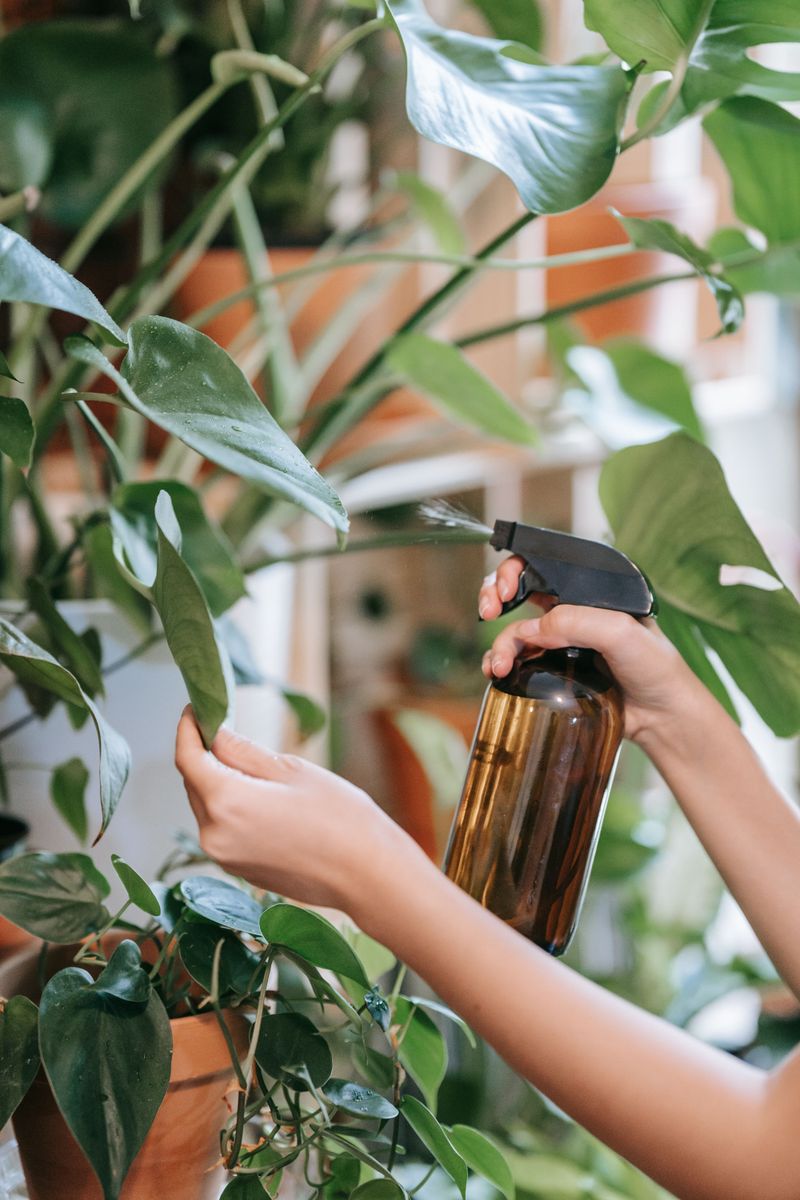
Neem oil is pressed from the seeds of the neem tree, and beetles tend to avoid it. When sprayed on foliage, it disrupts feeding behavior and makes plants far less appealing to pests.
Mix neem oil concentrate with water and a few drops of dish soap as an emulsifier. Shake it well and apply it directly to plant leaves, covering both the tops and undersides.
Reapply every seven to ten days and always after rain washes it off. Consistency matters because neem oil breaks down quickly in sunlight and water.
Beyond repelling beetles, neem oil also disrupts the reproductive cycle of insects that consume treated foliage. It is a slow but steady weapon against repeat infestations.
Apply it in the evening to avoid harming bees and other pollinators that are active during the day. Neem oil is much safer for beneficial insects when used after they return to their hives.
Do not apply neem oil to stressed or drought-weakened plants, as it can cause leaf burn. Water your plants thoroughly before treating them for the safest possible results.
Neem oil will not eliminate a heavy infestation on its own, but paired with hand-picking and nematodes, it rounds out a solid, chemical-free management plan that really delivers.
Stay Consistent And Keep At It
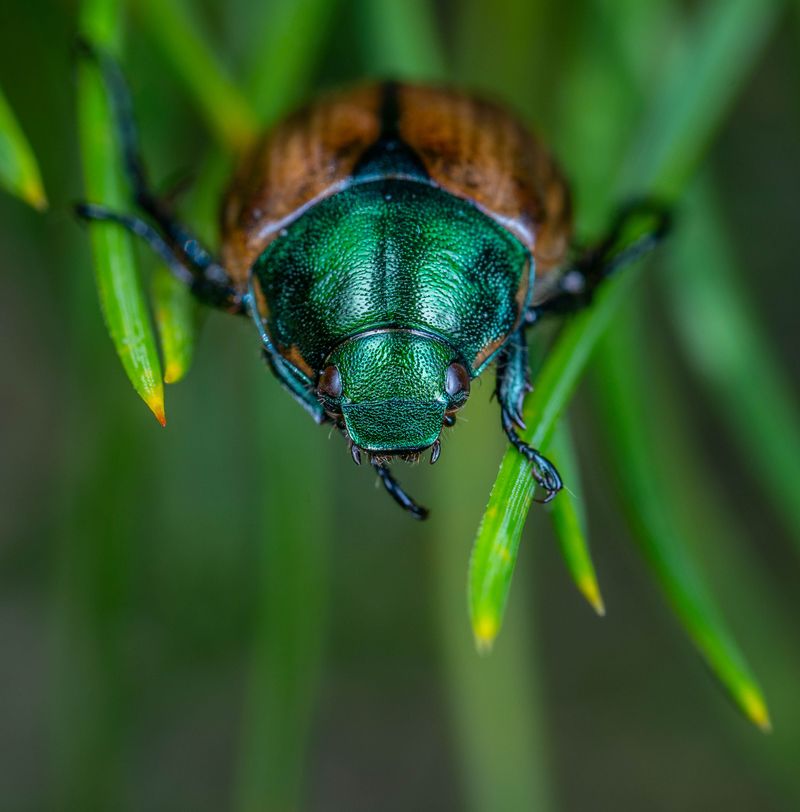
Japanese beetles do not give up after one bad week, and neither should you. The gardeners who win this battle are the ones who show up every single day during peak season.
Consistency separates a managed infestation from a disaster. Even a few missed days during a heavy beetle week can set your plants back significantly.
Build a simple daily checklist: morning hand-pick session, check for new feeding damage, reapply sprays as needed. Keeping it routine makes the work feel manageable rather than overwhelming.
Track which plants are getting hit hardest and prioritize them each morning. Shifting your focus based on real-time observation makes your efforts far more efficient.
Share what you learn with neighbors, especially those who are new to gardening. A neighborhood-wide approach to Japanese beetle control is dramatically more effective than one household fighting alone.
Join local gardening groups or extension service newsletters for updates on beetle activity in your specific county. Knowing when populations peak in your area helps you prepare before the damage begins.
Japanese beetles are established across much of Colorado’s Front Range, and eradication efforts on the Western Slope have shown real progress. Informed gardeners in affected areas are not helpless.
With the right tools and a daily commitment, you can protect your garden and come out ahead every single season.