Virginia’s Cicadas Are Back, And Here’s What To Expect In Your Yard
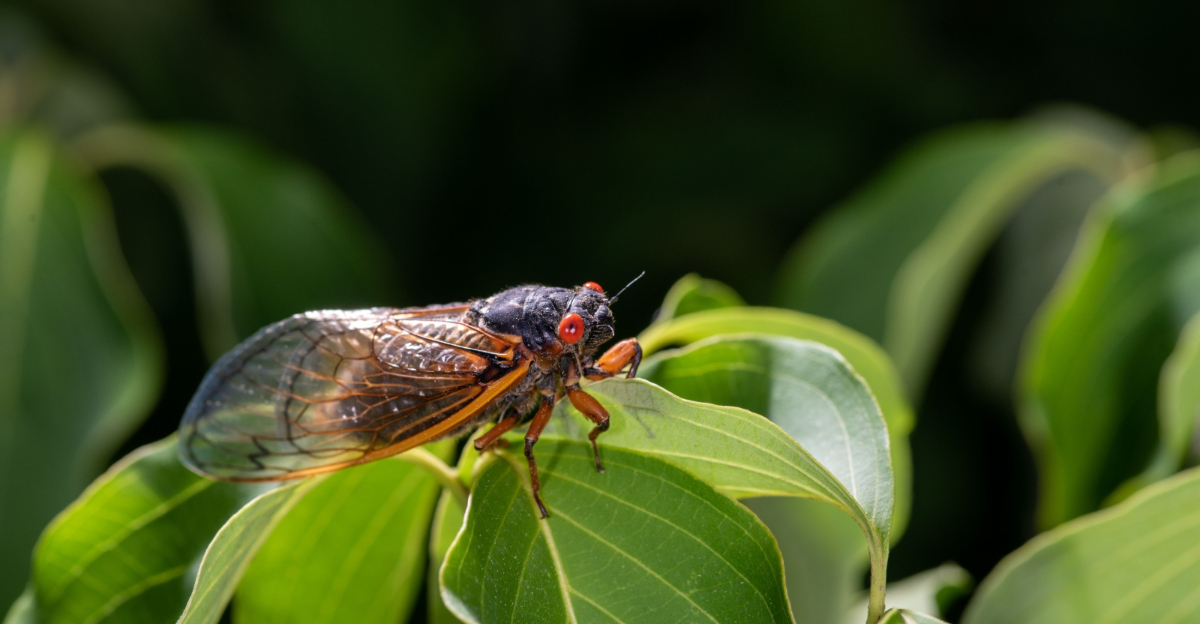
Something has been living under your yard for over a decade. And it just decided to come up for air, all two billion of it.
Virginia’s periodical cicadas are back. If your backyard suddenly sounds like a rock concert and looks like a scene from a nature documentary, that is completely normal.
Inconvenient, maybe. A little unsettling, sure.
But completely normal.
These insects spent years underground, quietly minding their own business.
Now they have about four to six weeks to make up for lost time.
The noise, the shells, the sheer number of them can feel overwhelming if you do not know what is actually happening.
Here is the honest truth: cicadas are not here to ruin your summer. They are just passing through.
And by the time you finish reading, you might even enjoy the show.
Cicada Season Brings Noise, Shells, And Yard Changes
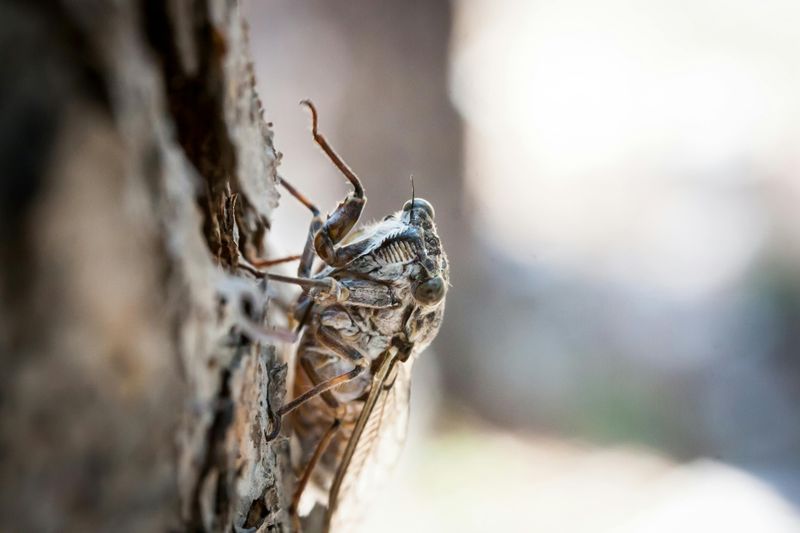
Walk outside right now and your yard is telling a story. The ground is dotted with small holes.
Every fence post and tree trunk is covered in brittle brown shells. And somewhere above it all, a sound like a thousand power lines is humming through the air.
This is cicada season, and it hits all at once.
The noise comes first. Male cicadas produce their signature buzz by vibrating a pair of drum-like organs called tymbals.
A single cicada is loud.
Then come the shells. These are the discarded exoskeletons left behind as nymphs molt into adults.
They are completely harmless and break down quickly, but for a few weeks they will be everywhere.
The ground itself looks different too. Hundreds of small exit holes and chimney-like mud tubes mark where nymphs pushed up through the soil.
In a heavy emergence, you can see hundreds per square yard.
It looks chaotic. But every part of it has a purpose.
How Long Cicada Season Actually Lasts
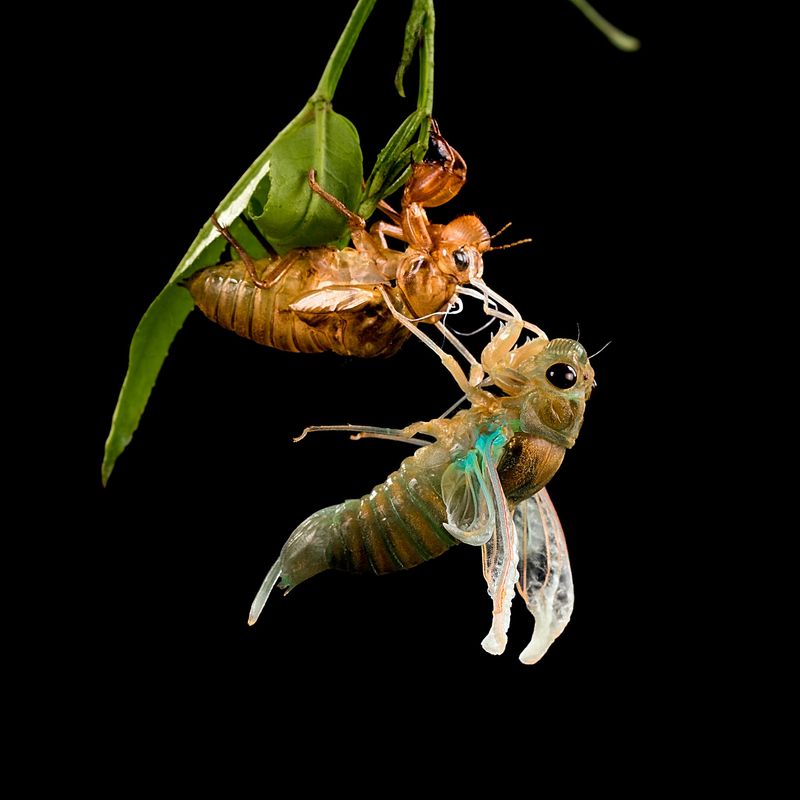
Good news: cicada season is not permanent, even though it feels that way when the noise hits 100 decibels before breakfast.
The entire above-ground event typically lasts between four and six weeks.
Most of the action wraps up by late June or early July, depending on your specific location in the state. The timeline moves in predictable stages once the insects surface.
Adult cicadas spend the first week or two molting and drying out their wings, then the singing starts. That loud, relentless buzzing is the males calling for females.
It peaks around weeks two and three.
After mating, females lay eggs in small tree branches, and then the adults begin to slow down.
By week five or six, the adults are gone entirely. Their bodies break down into the soil, leaving behind a brief smell.
That decomposition is actually a natural fertilizer. The chaos ends, and your yard comes out quietly richer for it.
Knowing the end date is in sight makes the whole experience feel manageable. Mark your calendar for mid-to-late June and remind yourself that the silence on the other side is coming.
Your Virginia Garden Changes Every Week. Your Plan Should Too.
Gardening in Virginia changes quickly throughout the season. Every Friday you’ll receive a simple weekly plan showing exactly what to plant, prune, fertilize, harvest, and protect so you never miss the right timing.
Patience is your best tool right now.
What Cicadas Actually Do To Your Lawn
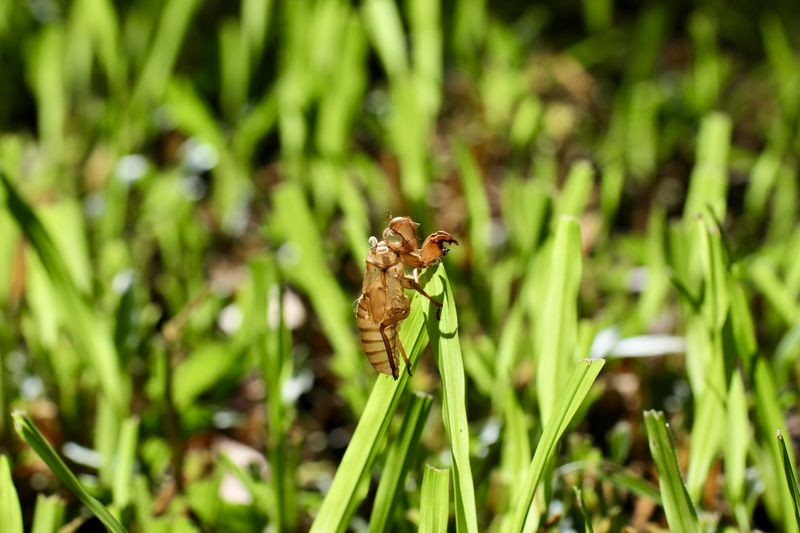
Your lawn is going to look like something tunneled through it, because something did.
As cicada nymphs exit the ground, they leave behind small, chimney-like mud tubes and round holes. A heavy emergence can leave hundreds of these holes per square yard.
The good news is that this natural aeration actually loosens compacted soil and improves water drainage over time. Beyond the holes, you will likely find a crunchy layer of molted shells stuck to every vertical surface in sight.
Fences, tree trunks, porch railings, lawn furniture, and even your car tires become temporary resting spots for the discarded exoskeletons. These shells are completely harmless and break down quickly once they fall to the ground.
Adult cicadas do not eat your grass or flower beds. Unlike locusts, which are often confused with cicadas, these insects have piercing mouthparts designed only for sipping fluids from plant stems.
Your lawn itself is largely safe from feeding damage during this phase. The real concern for your yard is the sheer number of fallen cicadas once the season winds down.
A thick layer of decomposing cicadas can smother patches of grass if left unraked. Rake every few days.
It keeps things manageable and speeds up the composting process your soil has been waiting for.
The Real Impact On Your Garden And Trees
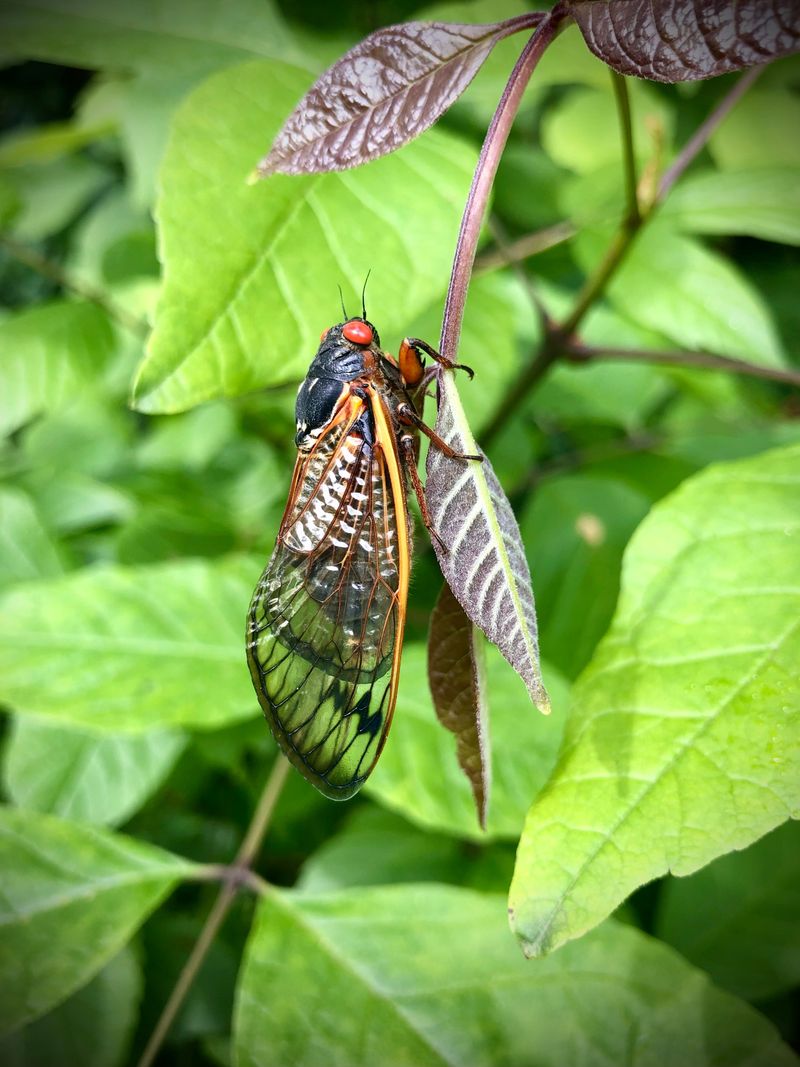
Young trees are the most vulnerable things in your yard right now, full stop.
Female cicadas use a sharp organ called an ovipositor to slice small slits into pencil-sized branches, where they deposit their eggs. A single branch can receive dozens of cuts, causing the tip to wilt and turn brown in a process gardeners call flagging.
Mature, established trees handle this damage without much trouble. Think of it like a severe pruning that the tree bounces back from within a growing season.
In fact, some arborists note that cicada pruning can actually stimulate new growth in older, healthy trees once the season passes. Younger trees, especially those planted within the last two to three years, face a tougher road.
A sapling that loses too many branch tips can struggle to photosynthesize enough energy to stay healthy through the summer. Fruit trees and ornamental shrubs with thin, flexible branches are especially at risk.
Vegetable gardens tend to escape serious damage since most garden crops do not offer the woody stems cicadas prefer for egg-laying. Your tomatoes and peppers are probably fine.
Young berry bushes, dwarf fruit trees, and newly planted ornamentals need your attention now. The egg-laying peak is coming, and waiting is not a good strategy.
How To Protect Your Plants During Cicada Season
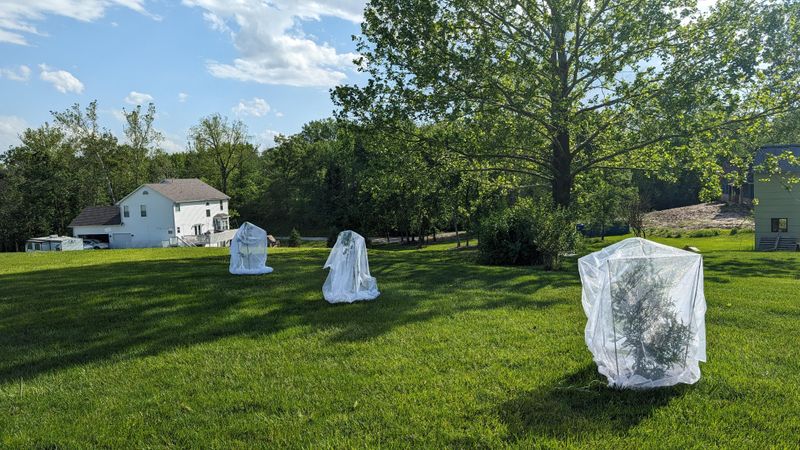
Netting is your single best weapon right now, and it costs almost nothing compared to replacing a young tree.
Fine-mesh garden netting with holes smaller than one centimeter will physically block female cicadas from reaching branches. Drape it loosely over young trees and shrubs before the emergence peaks.
Secure it at the base so insects cannot crawl underneath.
Skip the pesticides entirely. The numbers are too overwhelming for spraying to make any real difference.
Worse, it ends up harming beneficial pollinators, birds, and other wildlife sharing your yard.
Cicadas are a seasonal food source for local wildlife and soil ecosystems. Chemical intervention does more harm than good.
For potted plants and container gardens on patios or decks, the solution is simple. Move them indoors or into a garage during the peak weeks.
Cicadas are clumsy fliers and tend to concentrate in areas with established trees, so open patios with no overhead canopy see far fewer insects.
Watering your established plants a bit more generously during this period helps them handle any minor stress from branch damage or root disturbance. Healthy, well-hydrated plants recover faster from the season’s wear.
A little extra care now pays off with a stronger, more resilient garden by the time August rolls around and things return to normal.
When Your Yard Will Return To Normal
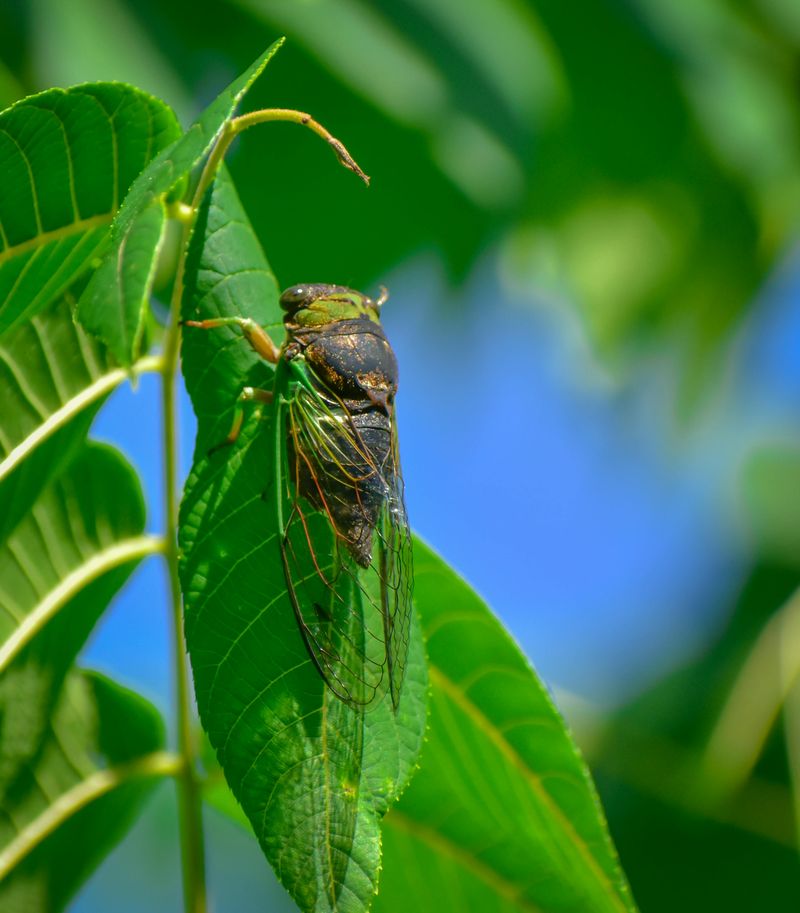
By mid-July, the silence will feel almost eerie after weeks of relentless buzzing.
The adults fall and decompose within days. Your yard will look rough around the edges, but not for long.
Flagged branch tips on trees will dry out and eventually fall off on their own. New growth typically sprouts from just below the damaged sections within a few weeks, filling in the gaps by late summer.
Established trees rarely show any lasting signs of the season by the following spring. Lawns bounce back quickly once the emergence holes close up and the decomposing bodies are absorbed into the soil.
If you notice bare patches where grass struggled under a heavy layer of debris, a light overseeding in late August or early September fixes things up nicely. Cool-season grasses especially benefit from a fall refresh after a stressful summer.
Here in Virginia, the next dual-brood overlap like this one will not happen for generations. What feels like an invasion right now is actually a once-in-a-lifetime natural spectacle happening right outside your back door.
Take a few photos, tell your kids about it, and know that your yard will be just fine on the other side.
The Surprising Benefits Cicadas Bring To Your Property
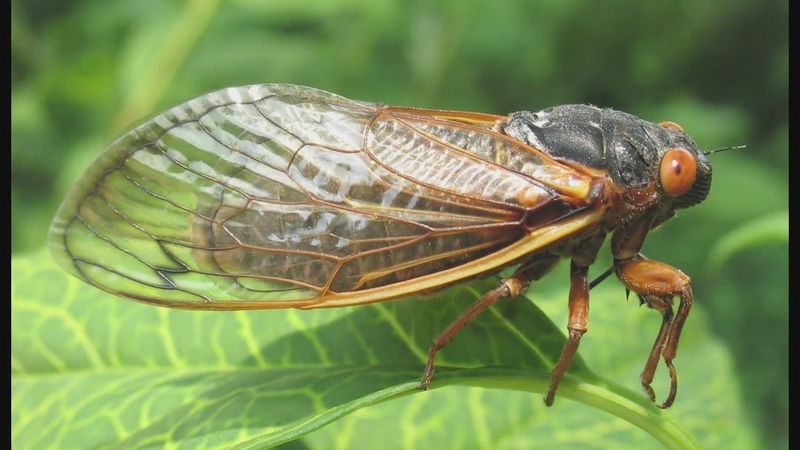
Most people only focus on the noise and the mess, but cicadas are quietly doing your yard a serious favor.
Billions of tunneling nymphs create millions of tiny channels in the soil. Air, water, and nutrients suddenly have a direct path into compacted ground.
This natural aeration rivals anything a rented lawn aerator machine can accomplish. The decomposing bodies left behind after the season are an extraordinary source of nitrogen, phosphorus, and other nutrients.
As the carcasses break down, they act as a slow-release organic fertilizer across your entire lawn and garden bed. A heavy emergence can significantly enrich soil with nitrogen and other nutrients, acting as a natural alternative to commercial fertilizer.
Birds, foxes, raccoons, and other backyard wildlife absolutely feast during cicada season. The abundance of easy protein gives nesting birds a serious boost.
Research suggests some species even produce more eggs in emergence years.
Your backyard bird activity this summer will be unlike anything you have seen before. Even your trees benefit in the long run from the natural pruning caused by egg-laying.
Those pruned branches will push out fresh, vigorous growth by summer’s end. It is a little annoying, but it is also completely free.