The Most Underrated Pennsylvania Native Perennial That Supports Monarch Butterflies During Migration
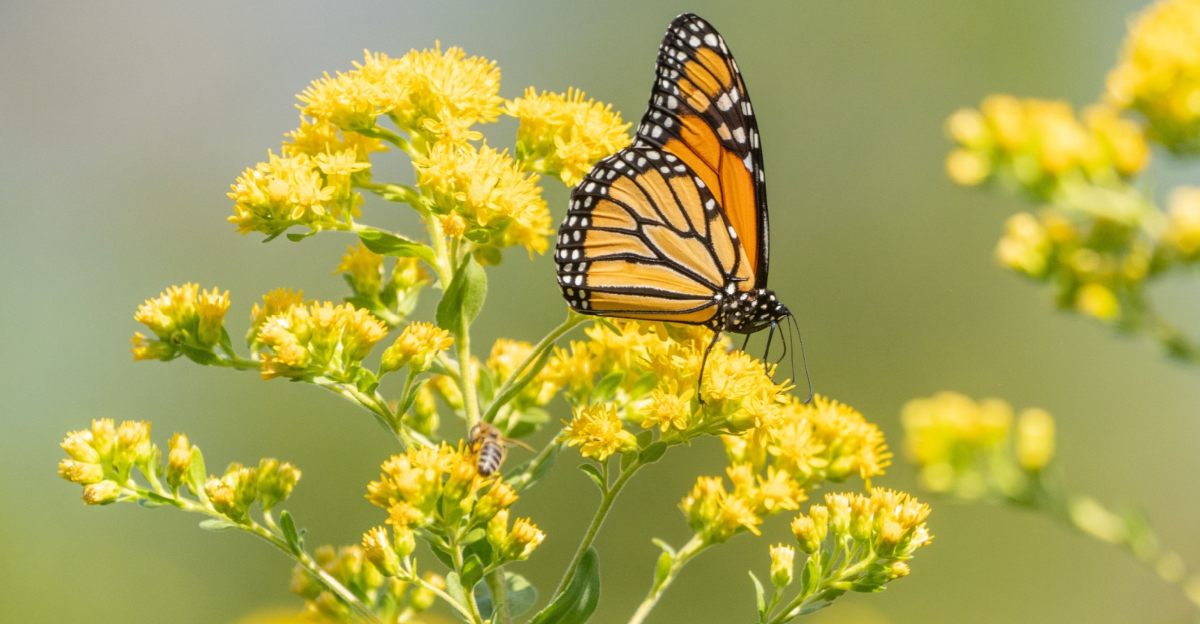
Goldenrod has a bit of an image problem, and it is honestly undeserved. For years it has been written off as a weedy roadside plant that causes allergies and takes up space, neither of which tells the full story.
Come fall though, something shifts. Those bright yellow blooms light up garden borders and sunny edges across Pennsylvania right when migrating monarchs need nectar the most.
That timing is not a coincidence. It is exactly why goldenrod deserves a serious second look from anyone growing native plants.
Milkweed gets all the monarch credit, and fairly so for the caterpillar stage, but adult butterflies fueling a migration need nectar and goldenrod delivers it in abundance at precisely the right moment.
It is colorful, ecologically valuable, and genuinely one of the most underrated native perennials a Pennsylvania gardener can grow.
1. A Late Nectar Stop For Monarchs
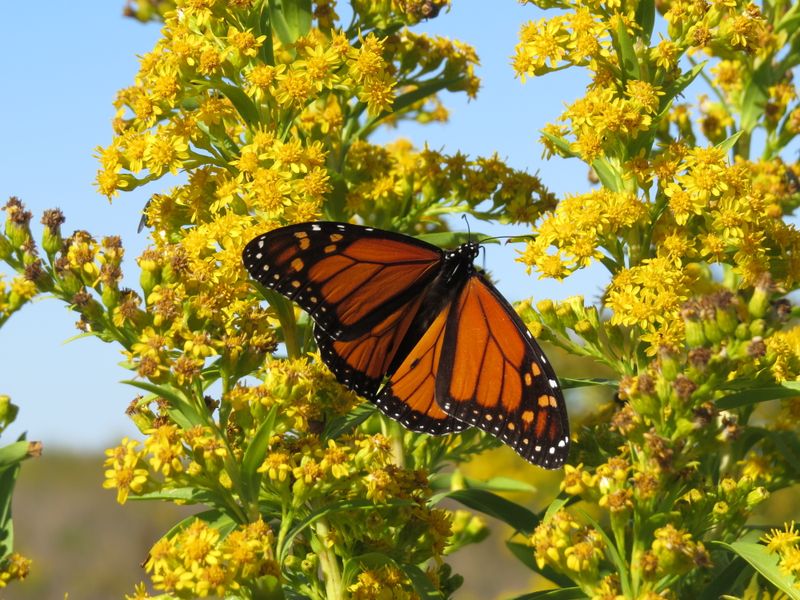
By late summer, a Pennsylvania garden can feel as if it has spent most of its energy, but goldenrod is just getting started. That timing is what makes it so useful for monarch butterflies passing through the region.
Adult monarchs need nectar as they move south, and goldenrod offers bright, nectar-rich flowers when many earlier perennials are winding down.
I like to think of it as a fall refueling station, especially when it is planted in a sunny border with asters, native grasses, or mountain mint nearby.
Showy goldenrod is a good choice for gardeners who want a native perennial with a more polished look, while rough goldenrod can fit nicely in looser pollinator plantings.
In Pennsylvania, where September can still bring warm afternoons, these yellow flower clusters often become busy with butterflies, bees, and other helpful insects.
Goldenrod does not replace milkweed, since milkweed serves a different monarch role, but it adds something milkweed cannot offer later in the season. Give it sun, reasonable spacing, and a spot where its fall color can stand out.
If the bed is near a path, you get the bonus of watching the visitors up close without needing a complicated setup. Keep the soil reasonably drained, avoid crowding the crown, and let the plant settle into its season.
2. Fall Blooms With Real Purpose
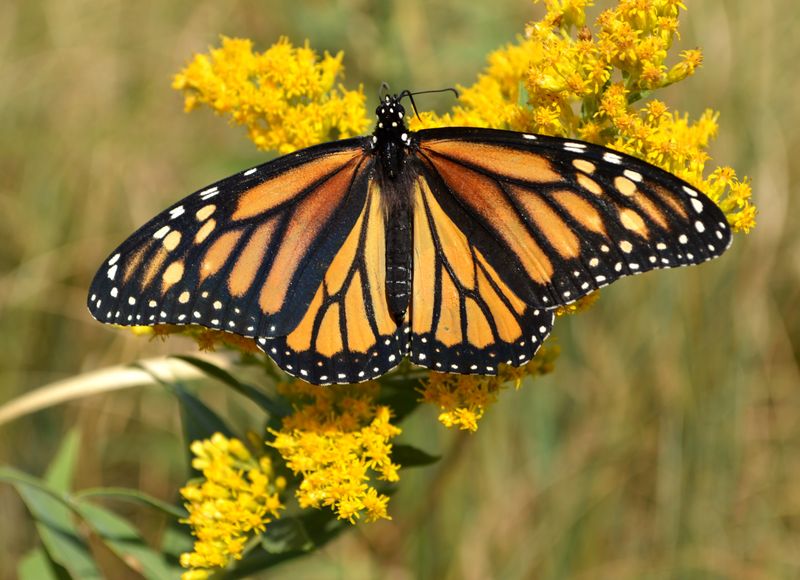
Fall flowers have a special kind of value because they show up when the garden is shifting into a quieter mood. Goldenrod brings that late color, but it also brings real purpose for monarchs and other pollinators.
In Pennsylvania, goldenrod species can bloom from late summer into fall, which lines up well with the season when monarch butterflies are traveling. Those bright yellow blooms are more than decoration.
They provide nectar, and nectar gives adult butterflies the energy they need for flight. That makes goldenrod a smart plant for gardeners who want a beautiful border that also supports wildlife.
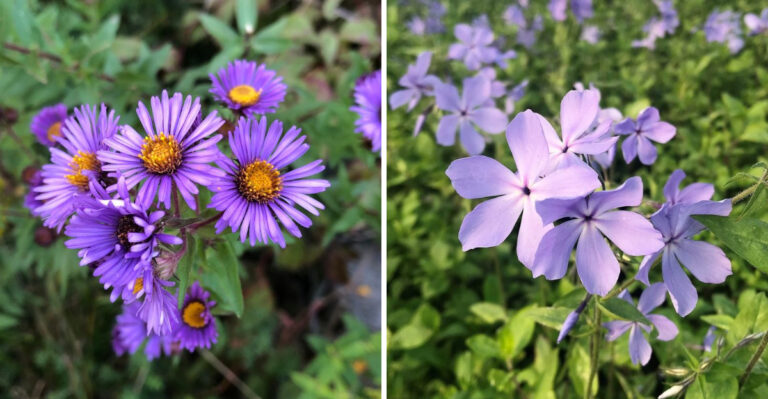
It works especially well with purple asters, because the two plants bloom around the same time and create a strong fall display. In a tidy garden, showy goldenrod can look intentional rather than wild.
Your Pennsylvania Garden Changes Every Week. Your Plan Should Too.
Gardening in Pennsylvania changes quickly throughout the season. Every Friday you’ll receive a simple weekly plan showing exactly what to plant, prune, fertilize, harvest, and protect so you never miss the right timing.
In a meadow-style planting, larger goldenrods can bring a more natural look. The main point is placement.
Put the plant where it has room, where it gets enough sun, and where its bold color can do something useful. A Pennsylvania garden with goldenrod in fall feels alive, not just pretty, and that is where this plant earns its keep.
That mix of color and service is why I like it near seating areas, where the fall show can be enjoyed instead of hidden at the back fence.
3. More Than Just A Yellow Wildflower
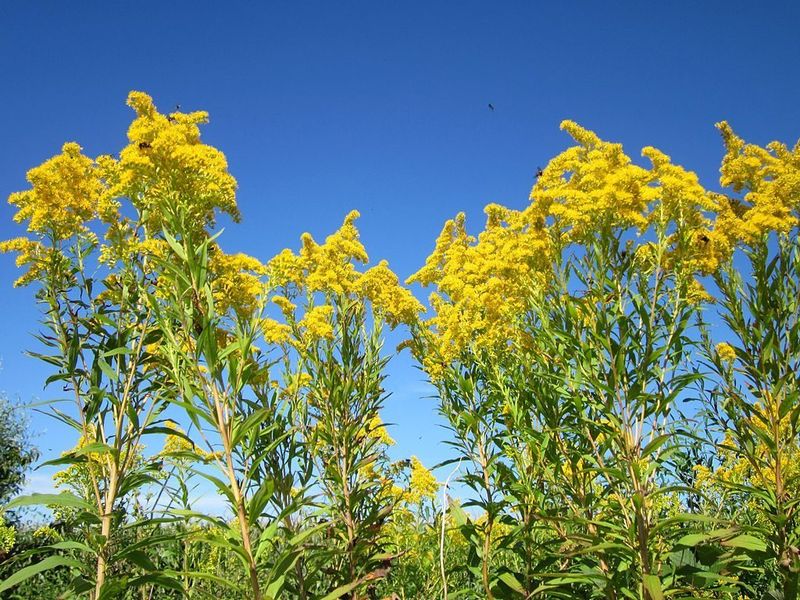
Goldenrod gets brushed off too easily because many people see it along roadsides, fields, and open edges. Familiar plants can seem ordinary, but goldenrod has more garden value than it is often given credit for.
It is a native perennial, it blooms late, and it supports a wide mix of insects, including butterflies. For monarchs moving through Pennsylvania, that late nectar can matter because the migration season arrives after many summer flowers have slowed.
The best garden use starts with choosing the right kind. Some goldenrods spread more than a small border can comfortably handle, while others have a clump-forming habit that suits home landscapes better.
Showy goldenrod is one of the cleaner choices for a sunny perennial bed, and rough goldenrod selections can look excellent in larger pollinator plantings. The flowers bring a warm yellow that pairs well with fall grasses, dark seed heads, and blue or purple asters.
I would not tuck it into a tiny space and hope for a miniature plant. I would give it a real role.
In the right Pennsylvania garden spot, goldenrod stops looking like a roadside extra and starts looking like a smart, season-stretching native perennial.
It can also soften the line between a formal bed and a wilder edge, which works well in many Pennsylvania yards.
4. A Native Plant Monarchs Can Use
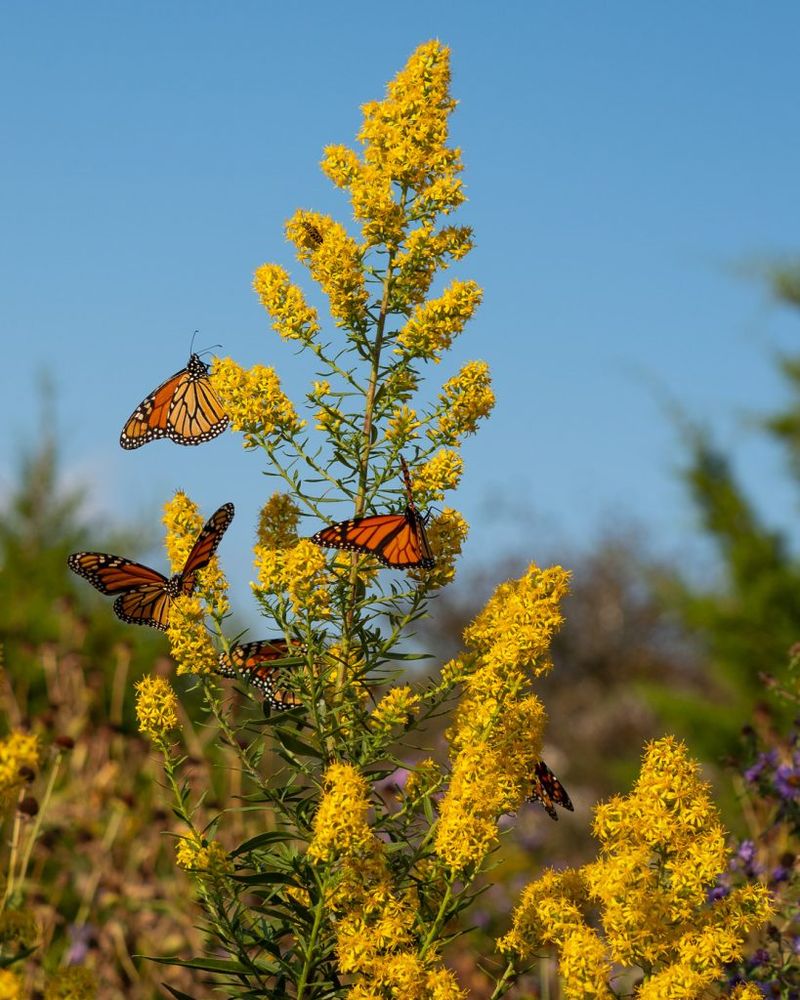
Milkweed often gets the spotlight in monarch gardening, and it deserves attention because monarch caterpillars depend on milkweed. Adult monarchs need something different.
They need nectar, especially during long seasonal movement, and that is where goldenrod becomes valuable. A Pennsylvania gardener who plants milkweed in spring or summer can strengthen the planting by adding fall nectar sources nearby.
Goldenrod helps cover that later window. Its flowers can draw adult monarchs while also feeding bees, wasps, beetles, and other butterflies.
That wider insect activity is one reason experienced gardeners tend to appreciate it once they watch the plant in bloom. It is not just one butterfly plant.
It is part of a broader pollinator planting. Site choice still matters.
Goldenrod does best when gardeners match the species or cultivar to the space, with sunny conditions and enough room for the plant to mature. In a small garden, a more refined selection is easier to manage.
In a naturalized area, a taller form may look right at home. For Pennsylvania monarch gardens, goldenrod adds a useful late-season layer that milkweed alone does not provide.
I also like it because it teaches a simple gardening lesson: monarch support is not one plant doing every job.
5. Bright Color For The Migration Season
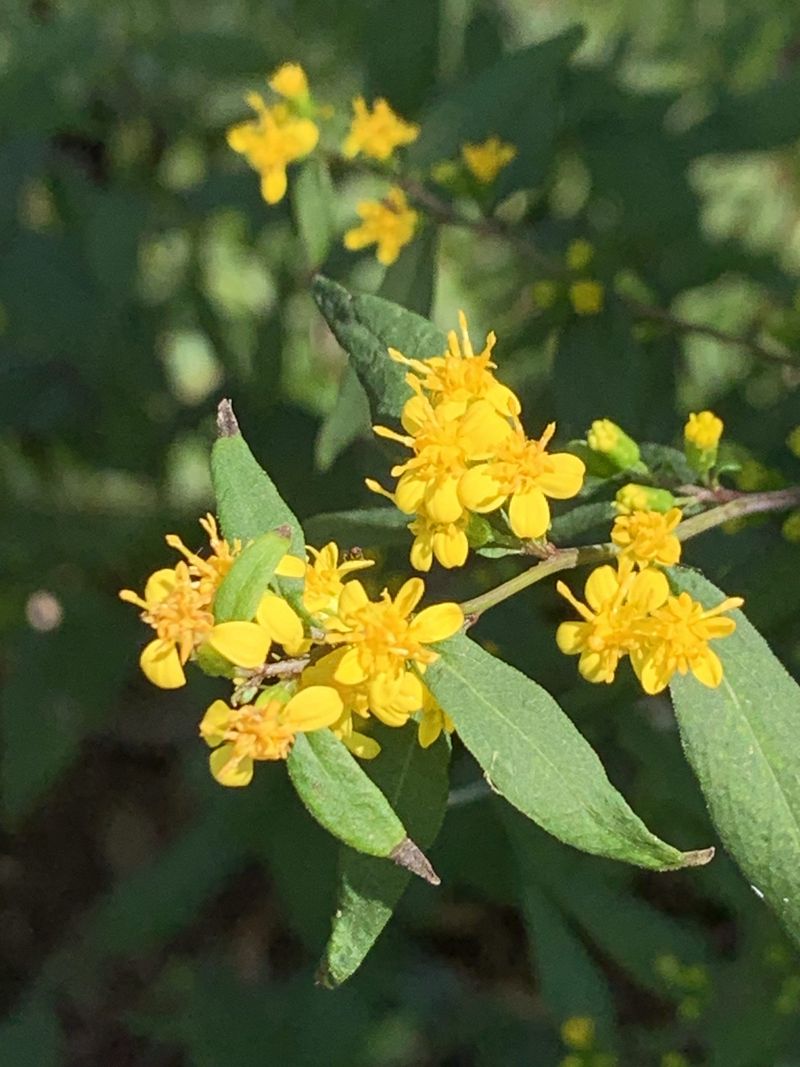
There is something satisfying about a plant that looks good exactly when it is most useful. Goldenrod brings clear yellow color into Pennsylvania gardens during the same general season monarch butterflies are moving through.
That color can make a late border feel warm and full, especially beside asters, ironweed, or native grasses. The flowers are also easy for gardeners to notice, which means they are more likely to notice the life around them too.
On a warm fall afternoon, a goldenrod clump can hum with small insects while butterflies move from flower to flower. For monarchs, the value is nectar.
For the gardener, the value is both beauty and timing. A plant that blooms after the main summer rush helps the garden avoid that flat, tired look that can happen in early fall.
Goldenrod can be used along fences, at the back of sunny beds, near meadow edges, or in a pollinator patch where its height and color feel natural. Pennsylvania gardens do not need to be huge to use it well.
Even one thoughtfully placed clump can bring fall brightness and give migrating monarchs a helpful place to feed. If you are trying to make a native bed feel more designed, repeat small groups of goldenrod instead of planting one lonely stem.
6. Nectar When Summer Flowers Fade
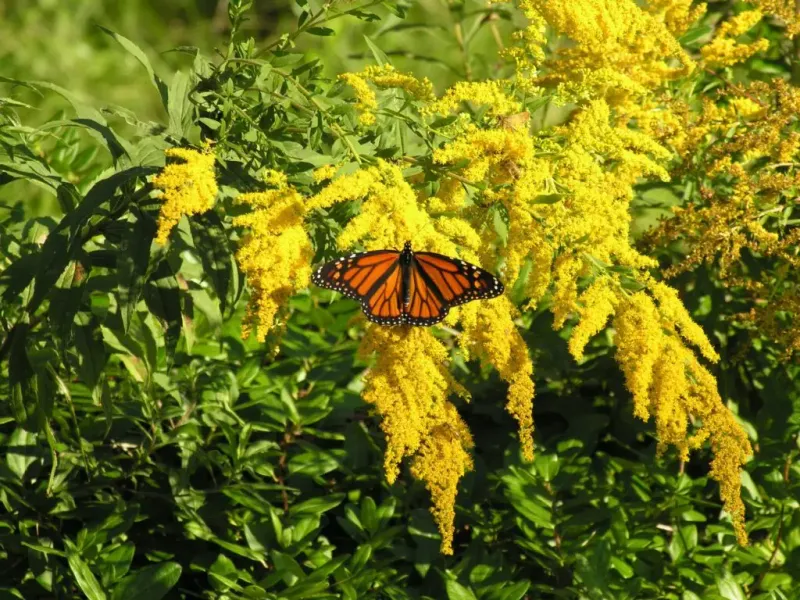
Many gardens are packed with early color, then run short on fresh blooms as the season turns. That gap matters for pollinators, especially monarch butterflies passing through Pennsylvania in late summer and fall.
Goldenrod helps fill the gap with nectar-rich flowers at a time when fewer perennials are still carrying the show. It is one of those plants that quietly waits its turn, then suddenly becomes important.
The yellow blooms stand above the foliage and make the garden feel active again. Pairing goldenrod with asters is one of the easiest ways to build a strong fall nectar patch, because the colors look good together and both plants can attract pollinators.
Good air movement and sensible spacing help the planting look cleaner, especially in humid weather. If space is limited, choose a garden-friendly goldenrod rather than a more spreading type.
In Pennsylvania, where the first cool nights can arrive while warm afternoons still keep insects moving, late flowers can make a visible difference.
Goldenrod gives the garden another chapter after summer flowers fade, and monarchs can use that extra nectar during their journey.
It also gives gardeners a reason to walk the garden later in the year, when many people stop paying close attention.
7. A Helpful Plant Beyond Milkweed
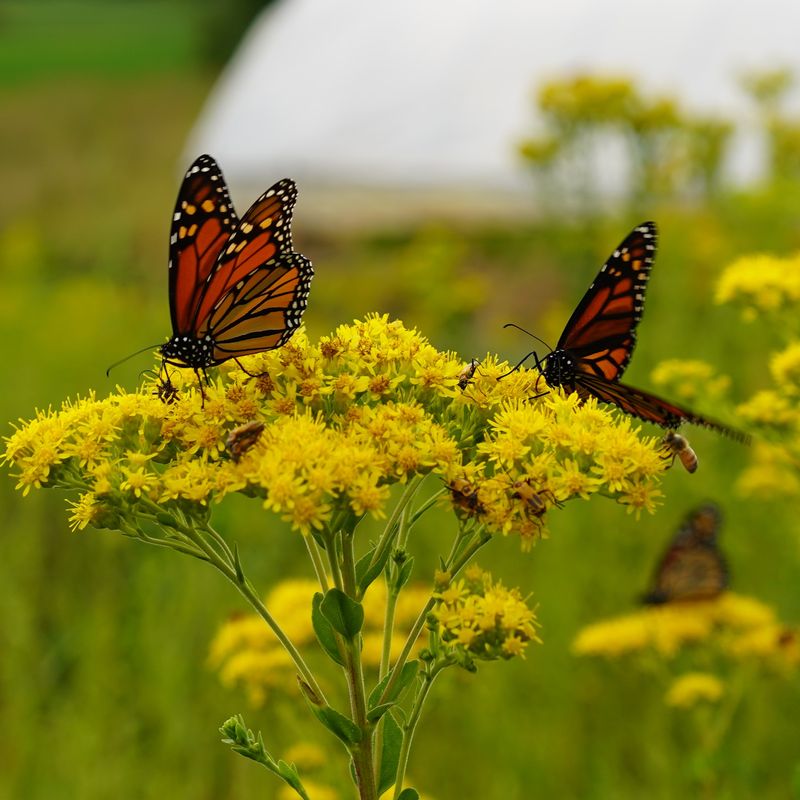
A monarch garden built only around milkweed can miss part of the story. Milkweed is important for caterpillars, but adult butterflies use nectar from many flowers.
Goldenrod helps provide that nectar later in the season, when migration is on the minds of many Pennsylvania gardeners watching for orange wings over the yard. It is also useful because it supports more than monarchs.
Penn State guidance describes goldenrod as valuable to many insects, and anyone who grows it can see that activity firsthand. Bees work the flower clusters, small wasps move through the blooms, and butterflies may stop when the weather is warm enough.
That kind of traffic gives the garden a lively, useful feeling. The plant also asks gardeners to think in seasons instead of single moments.
A strong pollinator bed has flowers from spring through fall, not just one dramatic flush. Goldenrod carries part of the late-season load.
It belongs in sunny beds, meadow-style corners, and native borders where it can stand with other sturdy perennials. For Pennsylvania gardeners, it is a reminder that monarch support continues beyond milkweed and into the nectar season.
I would place it where you can let the seed heads stand for a while after bloom, as long as the planting still looks cared for.
8. Fall Garden Beauty With Butterfly Value
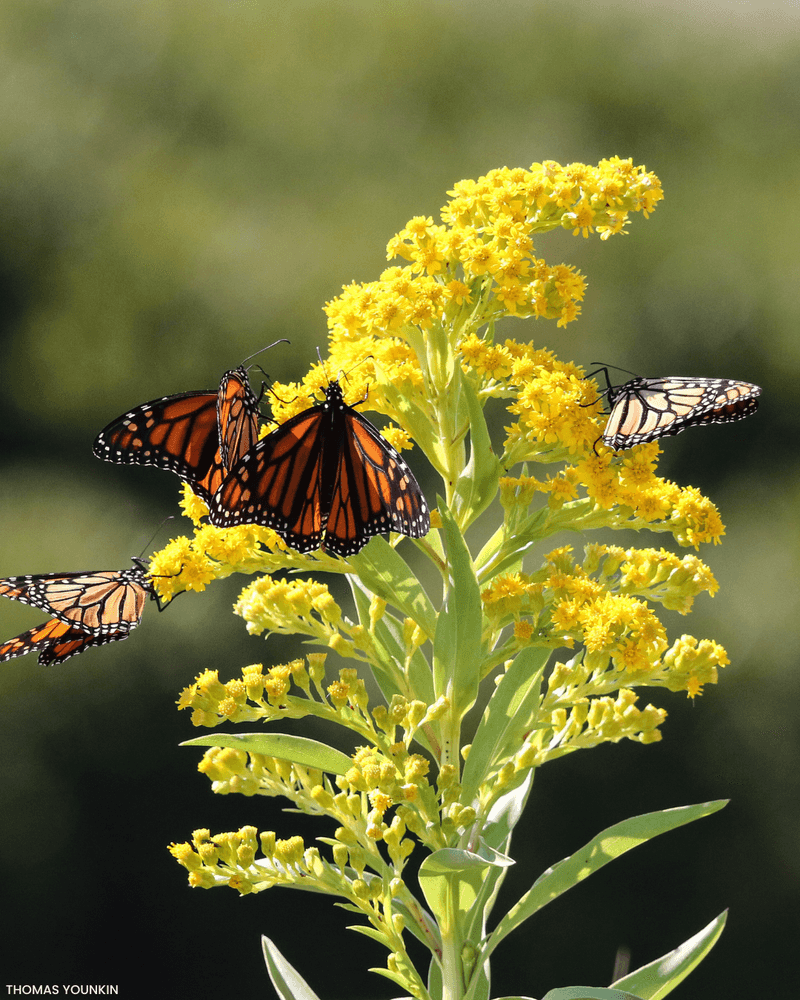
Goldenrod proves that a wildlife-friendly plant can still earn its place visually. Its yellow flowers bring warmth to Pennsylvania gardens just as many beds need a fresh lift, and those same blooms can support monarch butterflies during migration.
That combination makes it one of the more useful native perennials for fall. The plant works best when it is treated like a planned part of the garden rather than something left to chance.
Place it where it gets sun, where the mature size fits, and where neighboring plants can balance its strong color. Purple asters are a classic partner, but native grasses, coneflowers, and mountain mint can also make the planting feel full and natural.
Showy goldenrod is especially appealing for gardeners who want beauty with a cleaner shape. Larger goldenrods can fit better in meadows or relaxed borders.
In Pennsylvania, fall can move quickly, so plants that bloom late help extend the garden’s usefulness. Goldenrod gives butterflies nectar, gives gardeners color, and gives the whole planting a sense of purpose.
That is why it feels underrated: it is beautiful, practical, and timed beautifully for monarch season. It is the kind of plant that rewards a gardener for thinking ahead.