These Pennsylvania Native Plants Smother Weeds On Slopes Without Chemicals
Slopes are one of the most stubborn weed problems in any Pennsylvania yard. The ground is hard to reach, mowing is awkward or impossible, and bare soil on an incline practically invites weeds to move in and hold on tight.
Most people either resort to chemicals, which need reapplying constantly and wash downhill with every rain, or give up and let the slope go wild.
Native Pennsylvania plants offer a third option that works better than either of those, and it gets more effective over time rather than less.
The right natives spread across a slope, root in deeply, and create a dense canopy of ground level growth that simply does not leave room for weeds to get started.
They also hold soil, handle the dry and sometimes compacted conditions that slopes tend to have, and look far better than a patchy hillside of grass or bare mulch. Once they are established, these plants largely take care of themselves.
1. Creeping Phlox
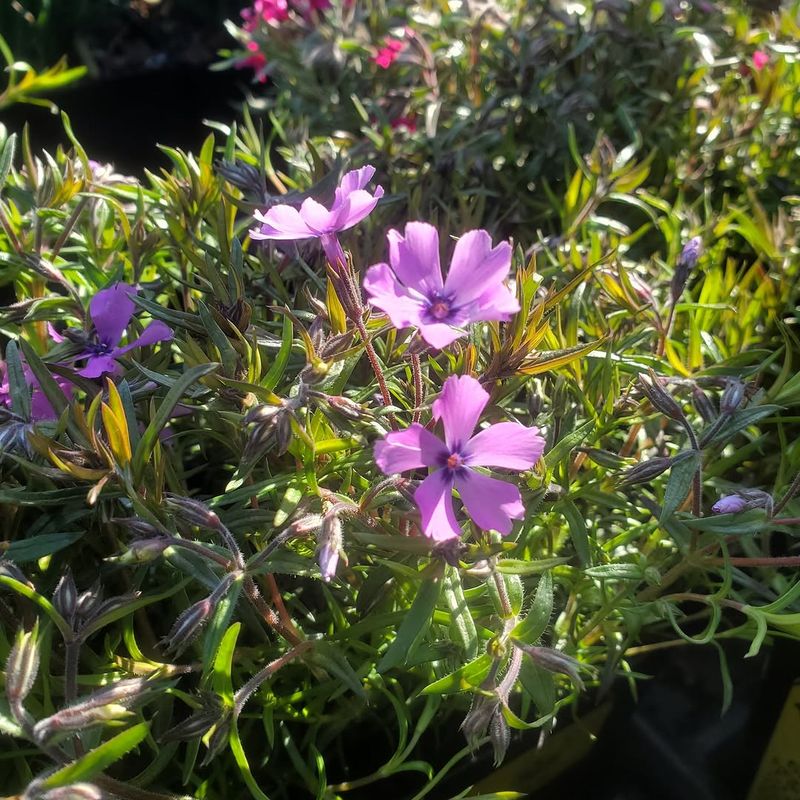
Few plants put on a spring show quite like creeping phlox. When it blooms in April and May, it covers slopes with a thick carpet of pink, purple, or white flowers that stops people in their tracks.
Beyond the beauty, this plant is a serious weed fighter. Creeping phlox is a low-growing evergreen plant, meaning it keeps its leaves all year long. That constant ground coverage means weeds never really get a chance to find open soil.
The dense mat it forms blocks sunlight from reaching the ground below, which is exactly what weed seeds need to sprout.
Planting creeping phlox on a sunny slope in Pennsylvania is a smart move. It thrives in well-drained soil and handles dry spells well once it gets established. You do not need to water it constantly or add fertilizer to keep it happy.
One of the best things about this plant is how quickly it spreads. Each year, it creeps a little further out, filling in bare patches without any help from you. Over time, a few starter plants can cover a surprisingly large area.
Creeping phlox also holds soil in place with its root system, which helps prevent erosion on steep slopes. Birds and butterflies love visiting it during bloom season.
Planting it along the edges of a slope also gives the yard a polished, finished look without requiring constant upkeep or chemical treatments of any kind.
2. Pennsylvania Sedge
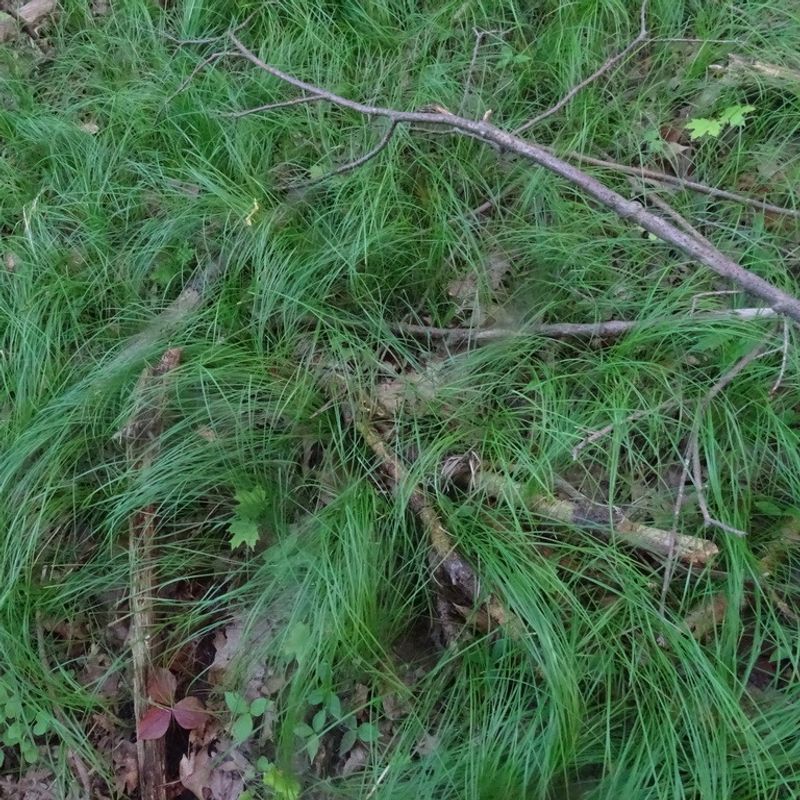
Not every slope gets full sun, and that is exactly where Pennsylvania sedge comes in. This tough little native plant thrives in partial to full shade, making it perfect for wooded hillsides or areas under large trees where most other plants struggle to survive.
Pennsylvania sedge grows in low, arching clumps that spread slowly but steadily over time. Once established, the clumps knit together and form a thick, grass-like carpet across the slope.
That coverage is what makes it so effective at keeping weeds out. What makes this plant especially useful is how little it demands. It does not need regular mowing, heavy watering, or fertilizing.
Your Pennsylvania Garden Changes Every Week. Your Plan Should Too.
Gardening in Pennsylvania changes quickly throughout the season. Every Friday you’ll receive a simple weekly plan showing exactly what to plant, prune, fertilize, harvest, and protect so you never miss the right timing.
In fact, it does best when you mostly leave it alone. That hands-off approach is great news for homeowners who want a low-maintenance yard.
Pennsylvania sedge stays green through most of the year in our region, giving the slope a tidy, natural look even in late fall. It handles clay soil and dry shade, two conditions that are notoriously difficult for most plants to deal with.
Because it grows so densely, weeds simply cannot compete. The sedge takes up all the available space and light, leaving nothing for unwanted plants to grab onto.
Did you know Pennsylvania sedge is actually one of the most recommended native lawn alternatives by horticulturists in the Mid-Atlantic region? It offers the look of a traditional lawn without the chemicals or constant care that grass typically demands.
3. Wild Ginger
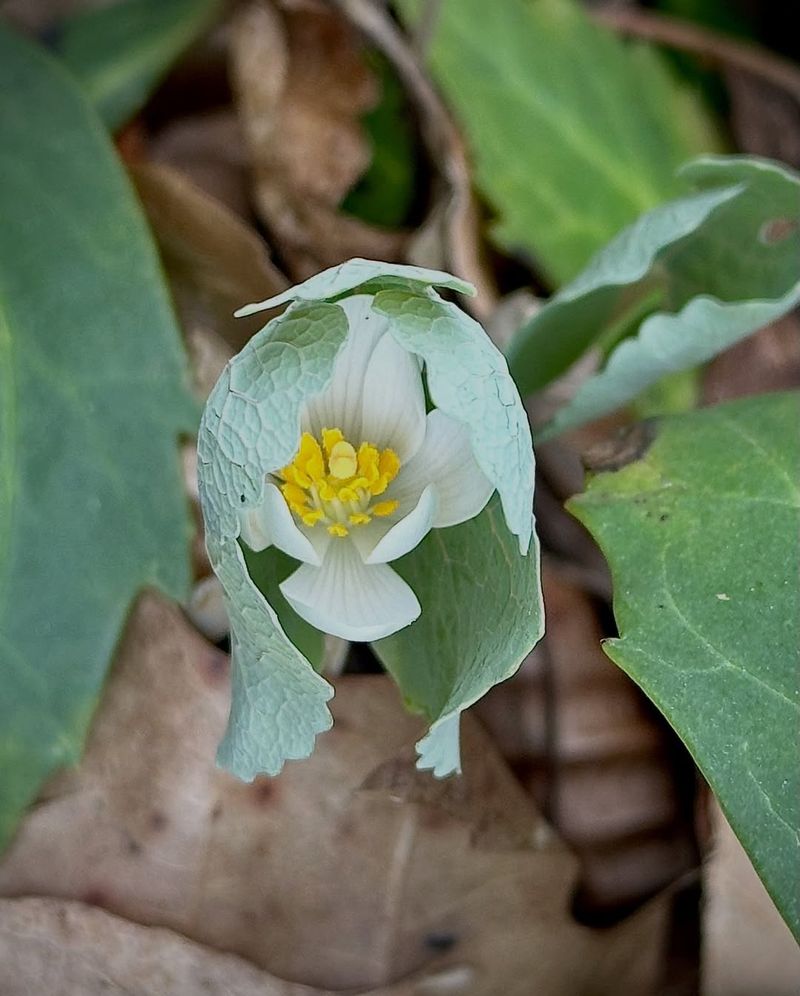
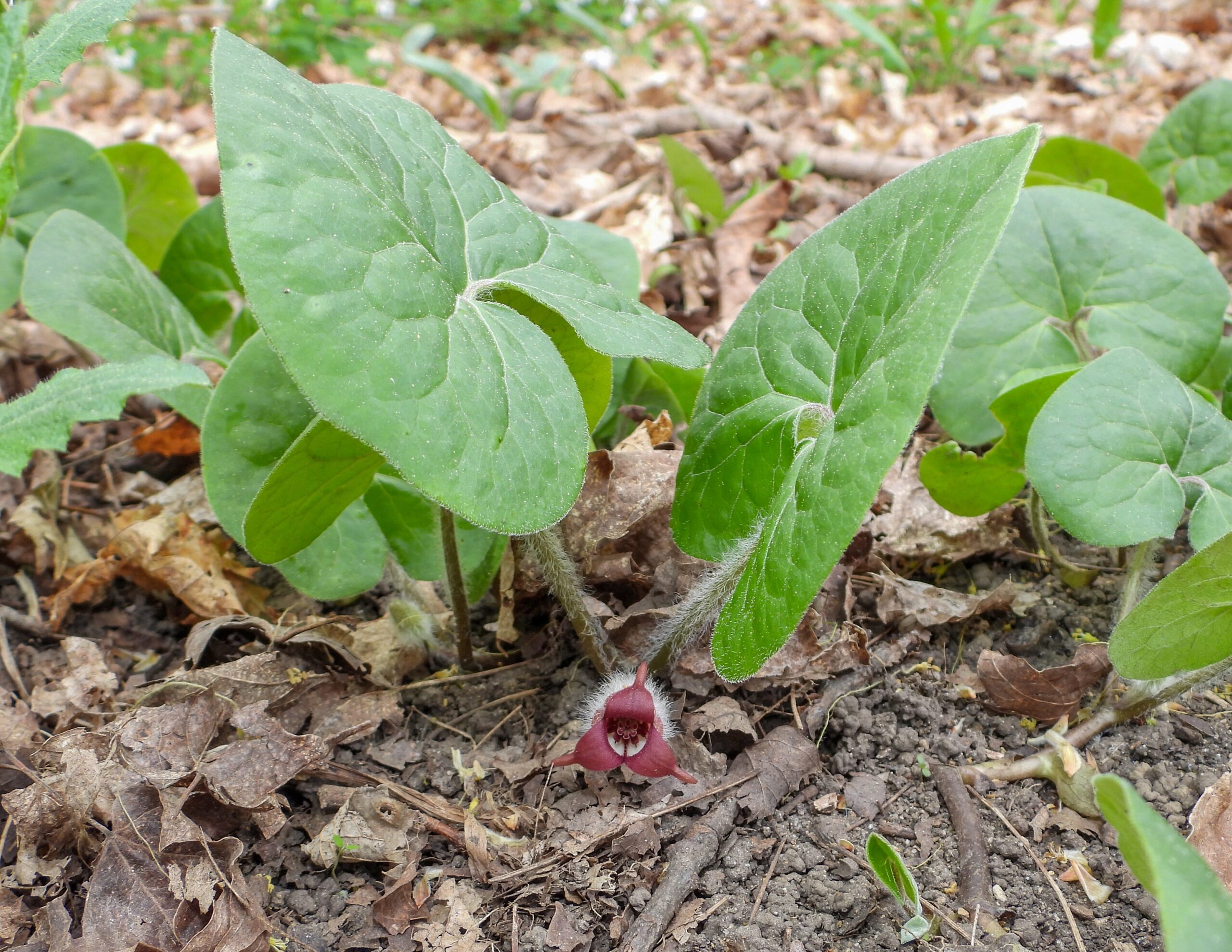
Walk through any Pennsylvania woodland in late spring and you might spot wild ginger carpeting the forest floor.
Those big, heart-shaped leaves overlap each other like roof shingles, and that overlapping is exactly what makes wild ginger such a powerful weed suppressant on shaded slopes.
The leaves of wild ginger are broad and low to the ground, blocking almost all sunlight from reaching the soil below. Without light, weed seeds simply cannot germinate.
Over time, wild ginger spreads through underground rhizomes, slowly but consistently filling in more of the slope with its lush foliage.
This plant is ideal for partially shaded areas, like the slope beneath a canopy of oaks or maples. It prefers moist, rich soil and does especially well when organic matter like leaf litter is allowed to accumulate around it.
You do not need to do much to help it along. Wild ginger is also a host plant for the pipevine swallowtail butterfly, which is a wonderful bonus for anyone who enjoys watching wildlife in the garden.
The flowers are small and hidden beneath the leaves, so most people never even notice them, but insects certainly do.
One thing to keep in mind is that wild ginger spreads slowly compared to some other ground covers. Be patient with it.
Once it gets going, it will reward you with a thick, weed-free carpet that requires almost no attention and looks stunning throughout the growing season on your hillside.
4. Little Bluestem
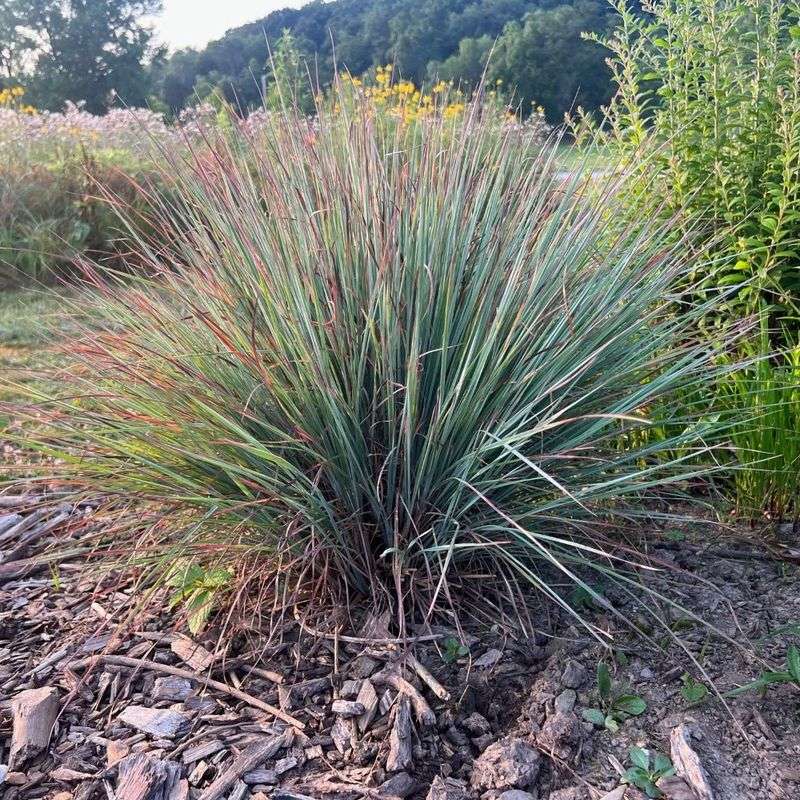
Little bluestem is one of those plants that earns its place in the yard in every single season. In summer, its blue-green blades give slopes a soft, natural texture.
By fall, it turns a stunning reddish-orange that rivals any ornamental grass you could buy at a garden center.
Beyond the looks, little bluestem is a serious performer on slopes. Its root system goes incredibly deep, sometimes reaching several feet into the ground.
Those deep roots anchor soil firmly in place, reducing erosion even on steep hillsides where runoff can be a real problem after heavy rain.
Because little bluestem grows in dense clumps, it takes up a lot of space that weeds would otherwise claim. The clumps grow close enough together that few unwanted plants can squeeze through.
Over time, as the grass naturalizes, the coverage becomes even thicker and more effective at weed control.
This grass is native to Pennsylvania and thrives in full sun with well-drained soil. It handles drought well, which is a big plus on slopes where water tends to run off quickly rather than soaking into the ground.
Once established, it needs almost no supplemental watering. Little bluestem also supports wildlife in a big way. Songbirds love the fluffy seed heads that appear in late fall and persist through winter, giving birds a food source when other options are scarce.
Planting a mass of little bluestem on a sunny slope is one of the smartest decisions a Pennsylvania homeowner can make.
5. Green-And-Gold
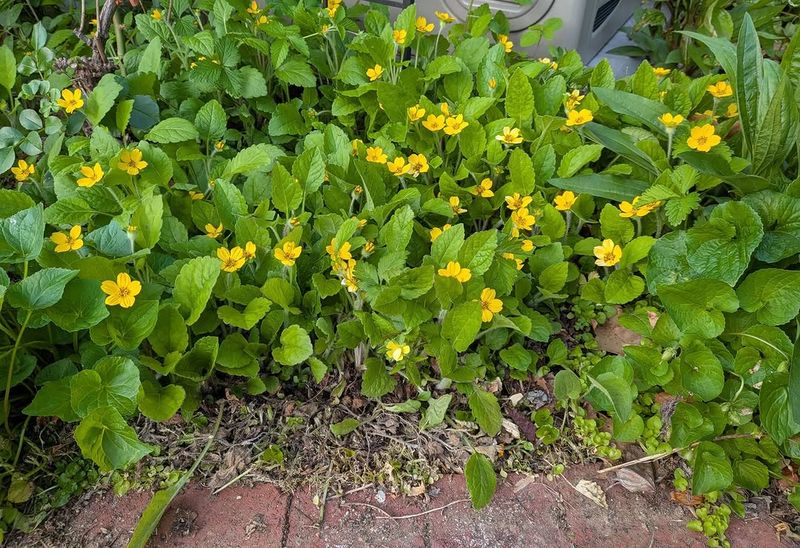
Bright yellow flowers on a shaded slope? That is exactly what green-and-gold delivers.
This cheerful little native plant blooms in spring and sometimes again in fall, adding a pop of color to areas that most flowering plants completely ignore.
Green-and-gold, also known by its botanical name Chrysogonum virginianum, grows low to the ground and spreads by both runners and seeds. That combination of spreading methods means it fills in gaps quickly and efficiently.
Anywhere there is bare soil on a partly shaded slope, green-and-gold will find it and cover it up.
The foliage stays semi-evergreen in Pennsylvania, which means it provides ground coverage even after the flowers fade.
That year-round presence is important for weed suppression, since bare soil in fall and winter is just an open invitation for weed seeds to move in.
Green-and-gold is not picky about soil. It tolerates a range of conditions, from average garden soil to slightly dry or slightly moist areas.
It grows best in partial shade but can handle a bit more sun if the soil retains some moisture. Planting it on a north-facing slope or under a tree canopy tends to give the best results.
Pollinators absolutely love the bright yellow blooms, so you will likely see bees and small butterflies visiting regularly during the growing season.
For homeowners looking for a low-growing, weed-smothering option that also adds genuine beauty to a difficult slope, green-and-gold is genuinely hard to beat.
6. Foamflower
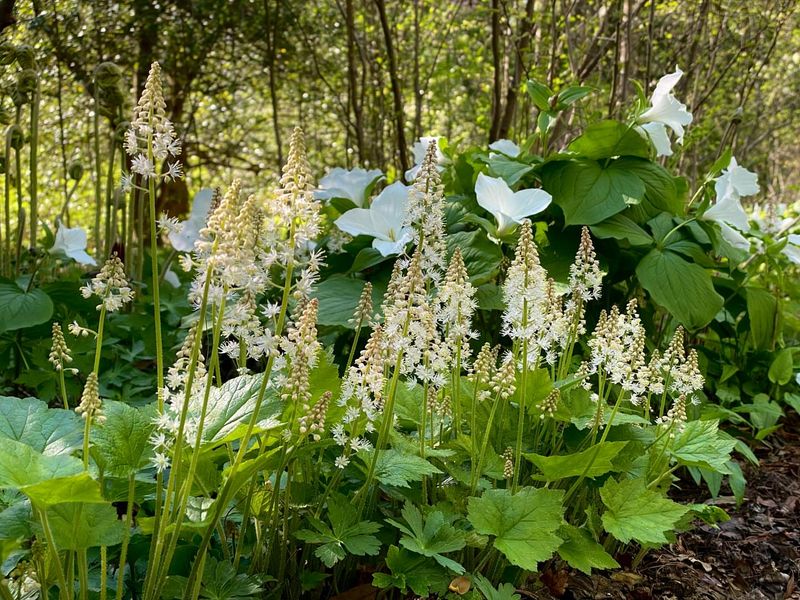
There is something almost magical about foamflower in bloom. The delicate white flower spikes rise above a bed of heart-shaped leaves in spring, giving wooded slopes a soft, airy look that feels straight out of a fairy tale.
But foamflower is more than just a pretty face. Foamflower, known scientifically as Tiarella cordifolia, spreads steadily through stolons, which are horizontal stems that root as they travel across the soil surface.
This spreading habit allows it to fill in bare areas on woodland slopes over time, forming a thick, weed-blocking layer of foliage that keeps the ground covered season after season.
The leaves of foamflower are broad enough to shade the soil effectively, which is key for preventing weed germination.
In shaded areas where grass will not grow and most ornamental plants struggle, foamflower moves in confidently and gets the job done without any chemical assistance.
Foamflower prefers moist, rich soil and partial to full shade, making it a natural fit for Pennsylvania slopes beneath tree canopies.
It pairs beautifully with wild ginger and Pennsylvania sedge, creating a layered ground cover planting that covers soil from multiple angles.
One extra benefit worth mentioning is that foamflower is a native plant, so it supports local insects and wildlife in ways that non-native plants simply cannot.
Bees are drawn to the spring flowers, and the dense foliage provides shelter for small beneficial insects throughout the warmer months. It is a hardworking plant that rewards patience generously.
7. Switchgrass
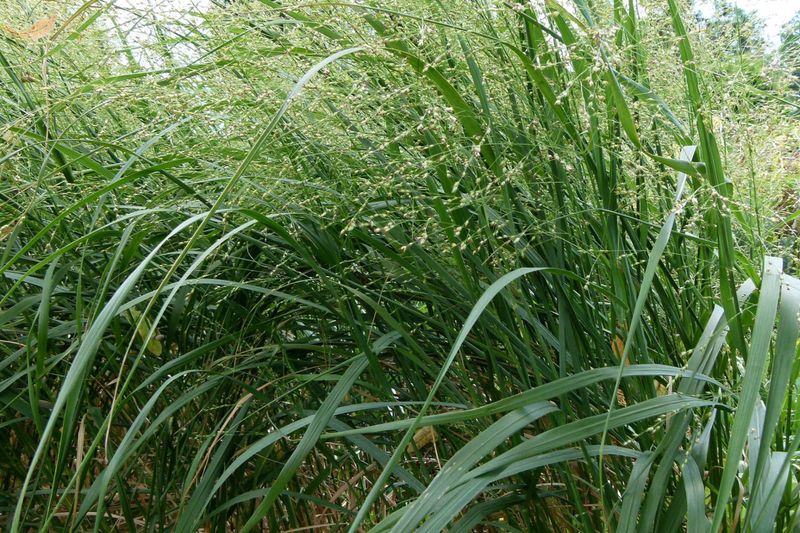
Switchgrass has a presence on a slope that you simply cannot ignore. It grows tall and bold, with feathery seed heads that catch the breeze and shimmer in the afternoon light.
Gardeners in Pennsylvania have been turning to this native grass more and more, and for very good reason.
The root system of switchgrass is one of the most impressive in the native plant world. The roots can reach six feet or more into the ground, anchoring the soil on even the steepest slopes.
That kind of root depth is incredibly effective at preventing erosion, especially during heavy rainstorms that are common in Pennsylvania summers.
Above ground, switchgrass grows in dense clumps that close off open space quickly. Weeds need light and room to establish themselves, and switchgrass refuses to give them either.
As the clumps mature and expand, the weed pressure on the slope drops dramatically without any chemical intervention needed.
Switchgrass thrives in full sun and tolerates a wide range of soil conditions, including clay, sandy, and even occasionally wet soil. That flexibility makes it useful on slopes with variable soil types, which is common across Pennsylvania landscapes.
In fall and winter, switchgrass turns beautiful shades of gold and amber, keeping the slope visually interesting long after other plants have gone dormant. Birds flock to the seed heads during colder months, making it a valuable food source for wildlife.
For homeowners dealing with a weedy, eroding slope, switchgrass is a strong and reliable solution that delivers results year after year.