Plants Pennsylvania Gardeners May Need To Feed Before June Ends
Late June has a way of sneaking up on Pennsylvania gardeners.
One week you are still catching up on planting, and the next the tomatoes are setting fruit, the sweet corn is shooting skyward, and the containers on the porch are quietly running out of the nutrients they started with.
This is one of those moments in the growing season where a little attention to feeding can make a genuinely visible difference, and it is also one of those moments where it is easy to either overdo it or miss the window entirely.
Not every plant in your garden needs fertilizer right now, and reaching for the same product across every bed and pot is rarely the right move.
What actually works comes down to knowing what each plant is doing right now and feeding accordingly.
1. Container Vegetables Need Regular Feeding
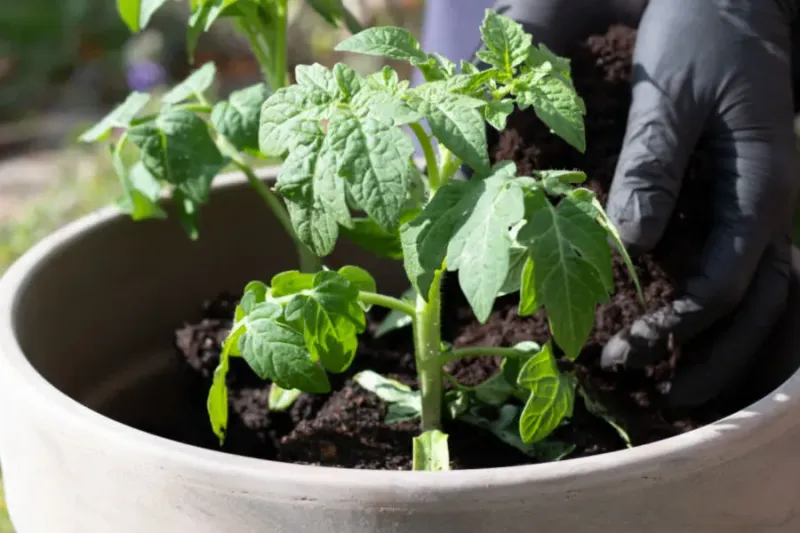
Frequent watering is one of the biggest reasons container vegetables may run short on nutrients by late June. Every time you water a pot, some of those dissolved nutrients move right through the potting mix and out the drainage holes.
Unlike garden beds with larger soil volumes and natural nutrient reserves, containers hold a limited amount of mix and can become depleted faster than many gardeners expect.
Pennsylvania summers can bring stretches of heat that push gardeners to water containers daily or even twice a day. That pace speeds up nutrient loss considerably.
Tomatoes, peppers, cucumbers, and lettuce growing in pots are all actively producing during this period, which means their demand for nutrients is real and ongoing.
Before reaching for a fertilizer, check your container mix and think about what you have already applied.
Some potting mixes include slow-release granules that provide several months of feeding, while others are more basic and rely on you to supply nutrients separately.
Reading the bag label can tell you a lot about what your mix may or may not already contain.
If your container vegetables look pale, are growing slowly, or have older leaves that seem to be fading, a balanced water-soluble fertilizer applied according to label directions is a reasonable starting point.
Feeding lightly and consistently tends to work better for containers than heavy, infrequent applications that can stress roots or push uneven growth.
2. Container Flowers Need Summer Support
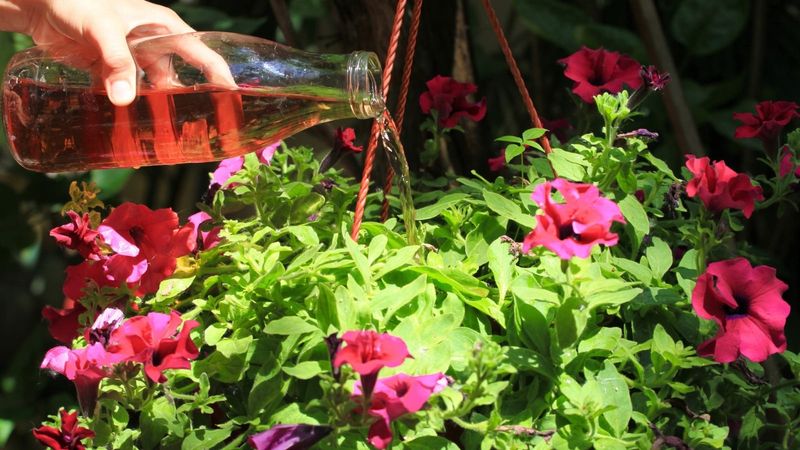
By late June, container flowers that started the season looking full and vibrant can sometimes begin to slow down, produce fewer blooms, or show leaves that have lost some of their deep green color. That shift is not always about watering or sun exposure.
Nutrients washing out of the potting mix with every watering cycle is a common and often overlooked reason for the change.
Petunias, calibrachoa, geraniums, impatiens, and other popular Pennsylvania container flowers are heavy feeders during their blooming season.
They put a lot of energy into producing flowers continuously, and that process draws on whatever nutrients are available in the mix.
Once those reserves drop, bloom production can slow noticeably.
A water-soluble fertilizer with a moderate to higher middle number, which represents phosphorus and supports flowering, is a common recommendation for blooming container plants during summer.
Your Pennsylvania Garden Changes Every Week. Your Plan Should Too.
Gardening in Pennsylvania changes quickly throughout the season. Every Friday you’ll receive a simple weekly plan showing exactly what to plant, prune, fertilize, harvest, and protect so you never miss the right timing.
Following the label rate and frequency matters here, since applying more than recommended does not speed up results and can stress roots.
Deadheading spent blooms regularly and keeping containers consistently watered also makes a real difference in how well feeding works. Fertilizer moves through the mix more evenly when the potting medium is already moist rather than bone dry.
Pennsylvania gardeners who maintain that routine through summer often see container flowers stay fuller and more colorful well into August without needing dramatic intervention.
3. Asparagus Needs Feeding After Harvest
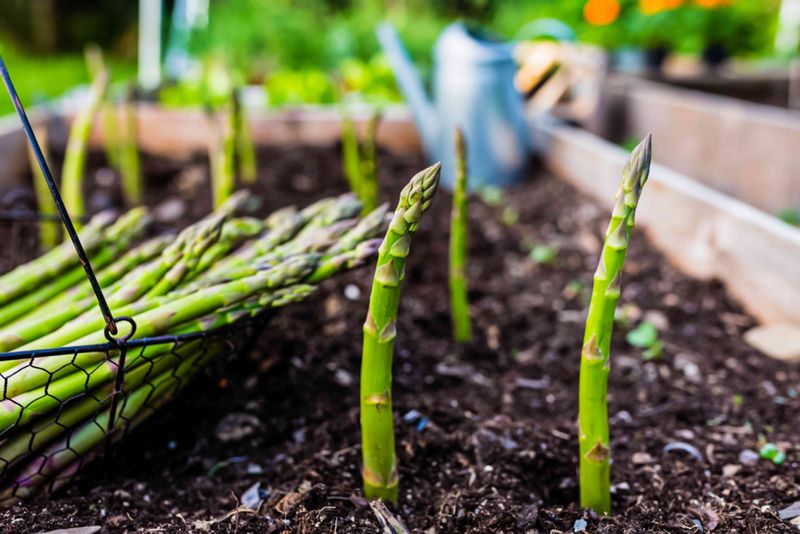
Once the asparagus harvest wraps up for the season, those beds shift into a recovery and root-building phase that carries the plant through until next spring.
Harvest season in Pennsylvania typically winds down by late May or early June, and what happens in the weeks right after can influence how well the crowns produce in future years.
After cutting stops, asparagus sends up its tall, ferny fronds that gather sunlight and send energy back down to the root system below. Those crowns are working hard to rebuild the reserves that were drawn on during harvest.
Supporting that recovery with appropriate nutrition is something many experienced asparagus growers pay attention to each year.
A top-dressing of balanced fertilizer or compost applied to the bed after harvest ends is a common approach recommended for home asparagus patches.
The exact timing and amount can depend on your soil, how your crowns have been cared for in previous seasons, and whether you have had a soil test done recently.
A soil test through a Pennsylvania cooperative extension office can give you a clearer picture of what your specific bed may actually need rather than guessing.
Asparagus beds that are well established and planted in fertile, amended soil may need less supplemental feeding than newer beds or those growing in sandier ground.
Keeping weeds out of the bed and avoiding foot traffic over the crowns during this recovery period also supports long-term plant health heading into next season.
4. Sweet Corn Needs A Midseason Boost
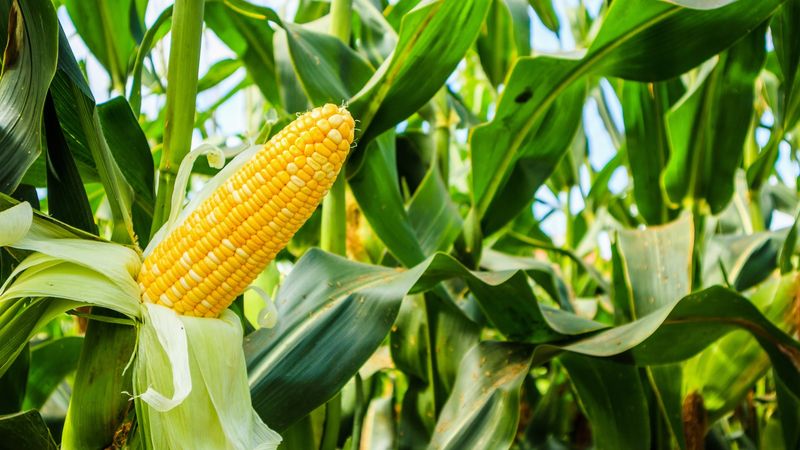
Sweet corn is a fast grower, and by late June in Pennsylvania, many home garden patches are showing impressive height. Corn planted in May can be knee-high or taller by now, and it is entering a growth phase that places real demands on the soil.
Nitrogen is the nutrient most closely associated with corn’s leafy, upright growth, and it can move through soil relatively quickly, especially after rain or irrigation.
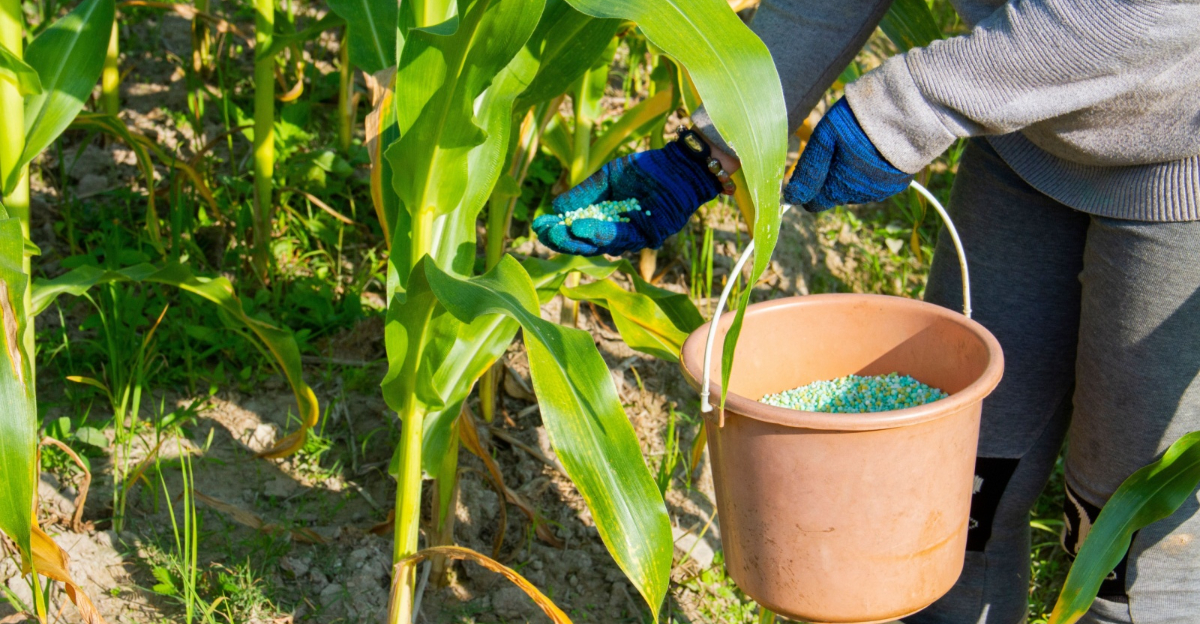
Sidedressing is a traditional technique for giving corn a nitrogen boost during the growing season without broadcasting fertilizer across the whole garden. The idea is to apply a nitrogen source to the soil alongside the rows rather than directly on the plants.
This gets nutrients closer to the root zone where the corn can access them during active growth.
Timing matters when it comes to midseason corn feeding. Many home gardeners sidedress when plants reach about knee height, which in Pennsylvania often falls somewhere in late June depending on planting date and variety.
Waiting too long into the season reduces how much that feeding can actually benefit the developing ears.
Before adding nitrogen, it is worth thinking about what was already applied at planting and what your soil was like going into the season.
Gardens with rich organic matter or those that received heavy fertilization at the start may need less supplemental nitrogen than sandier, leaner plots.
Watching the lower leaves for yellowing can sometimes signal that nitrogen levels are dropping, though other issues can cause similar symptoms.
5. Tomatoes Need Care After Fruit Sets
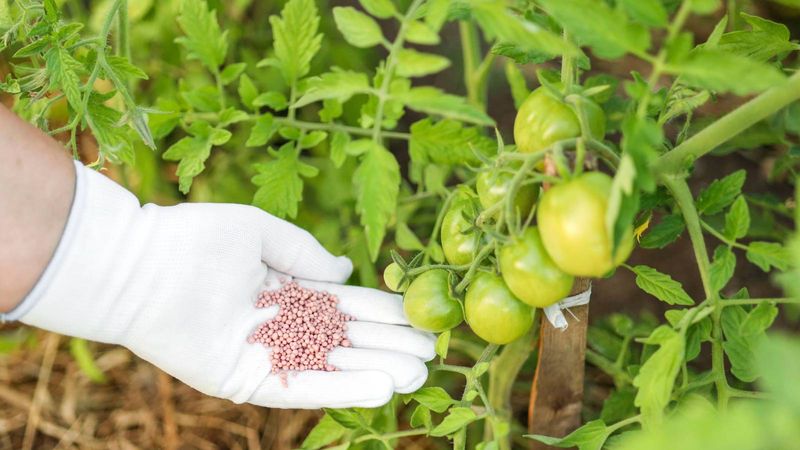
Watching the first small green tomatoes form on the vine is one of the more satisfying moments in a Pennsylvania summer garden. Once fruit begins to set, the plant’s nutritional needs shift in a meaningful way.
The push for leafy growth that characterized earlier weeks gives way to the energy-intensive work of developing and maturing those fruits.
Feeding tomatoes with too much nitrogen after fruit sets can encourage the plant to keep pushing out new leaves and stems rather than putting energy into the tomatoes already forming.
That is why many experienced gardeners ease back on high-nitrogen fertilizers once fruiting begins and look for options with a more balanced or slightly lower first number on the label.
Calcium is another nutrient that gets attention during tomato fruiting season. Blossom end rot, which shows up as a dark, sunken area on the bottom of the tomato, is linked to calcium uptake issues.
Inconsistent watering is often the main driver of this problem since it interferes with how calcium moves through the plant, but soil calcium levels can also be a factor worth checking.
Mulching around tomato plants helps keep soil moisture more even, which supports steady nutrient uptake.
Pennsylvania gardeners who keep their tomatoes consistently watered, properly staked or caged, and fed with a fertilizer appropriate for the fruiting stage tend to see better results through the rest of the summer without overcomplicating the process.
6. Strawberries Need Help After Harvest
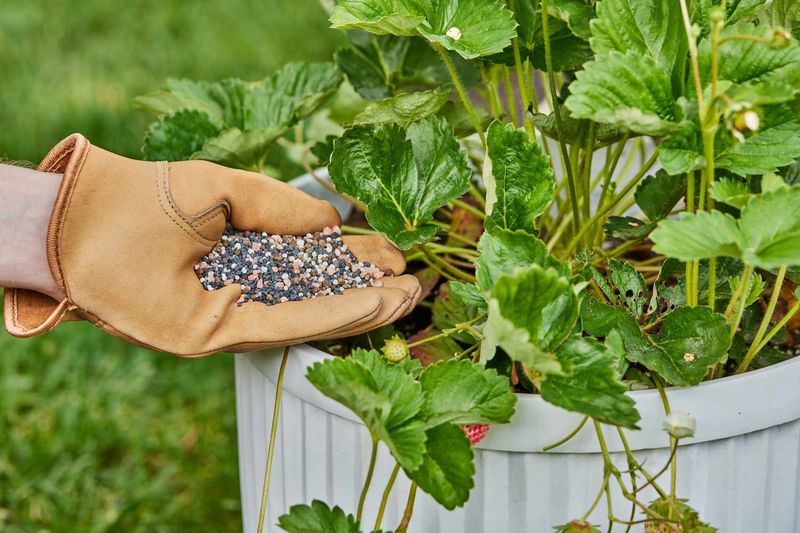
June-bearing strawberries in Pennsylvania put an enormous amount of energy into producing their crop, and by the time picking season ends, the plants have been through a demanding stretch.
Renovation is a common practice for June-bearing beds right after harvest, and it typically involves mowing down the old foliage, thinning the plants, and clearing out the bed to give the remaining crowns room to recover and send out healthy runners.
Fertilizing after renovation is something many strawberry growers include as part of the process.
The goal is to support the plants as they grow new leaves, establish daughter plants from runners, and build up the root strength that will carry them into next year’s fruiting season.
Applying too much nitrogen at the wrong time, however, can push excessive leafy growth at the expense of the flower buds that develop later in the season.
A moderate application of a balanced fertilizer after renovation and before late summer is a general approach used for home strawberry beds. The specific timing and rate should be guided by your soil test results and the recommendations that apply to your situation.
Pennsylvania gardeners who have not tested their strawberry bed soil in a few years may find that a test gives them more useful information than a general feeding schedule.
Keeping the bed consistently watered after renovation and watching for weeds that can crowd out recovering plants are both important steps that work alongside any fertilizing you choose to do this time of year.
7. Roses Need Support For More Blooms
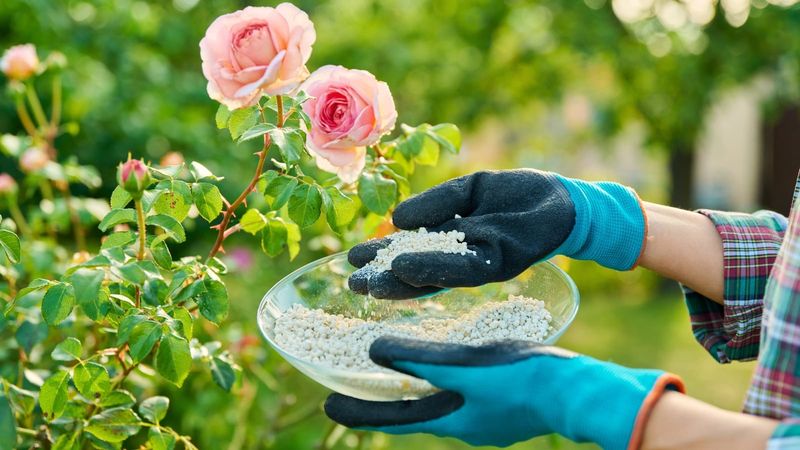
Repeat-blooming roses are in an active growth phase in late June, and in Pennsylvania gardens, that often means the first big flush of flowers is winding down while the plants are already pushing toward their next cycle.
Supporting that transition with appropriate nutrition is something rose enthusiasts pay attention to during this part of the season.
Roses are known for being heavy feeders during their blooming period, and many gardeners who grow repeat-blooming varieties apply fertilizer on a regular schedule from spring through late summer.
The exact product and frequency can vary depending on the rose type, the soil, and personal preference, but the general idea is to keep nutrients available while the plant is actively growing and setting new buds.
Deadheading spent blooms promptly encourages the plant to redirect energy toward new growth and bud development rather than seed production.
Combined with consistent watering and a layer of mulch to moderate soil temperature and moisture, regular feeding creates conditions where repeat bloomers can perform well through the summer months.
Pennsylvania gardeners should be cautious about feeding roses too late in the season, as stimulating a lot of tender new growth heading into fall can leave that growth vulnerable when temperatures begin to drop.
For now, late June is generally considered a reasonable time to continue feeding repeat-blooming roses that are actively growing.
Always follow fertilizer label directions and avoid applying to dry or stressed plants.
8. Garden Mums Need Feeding Before Fall
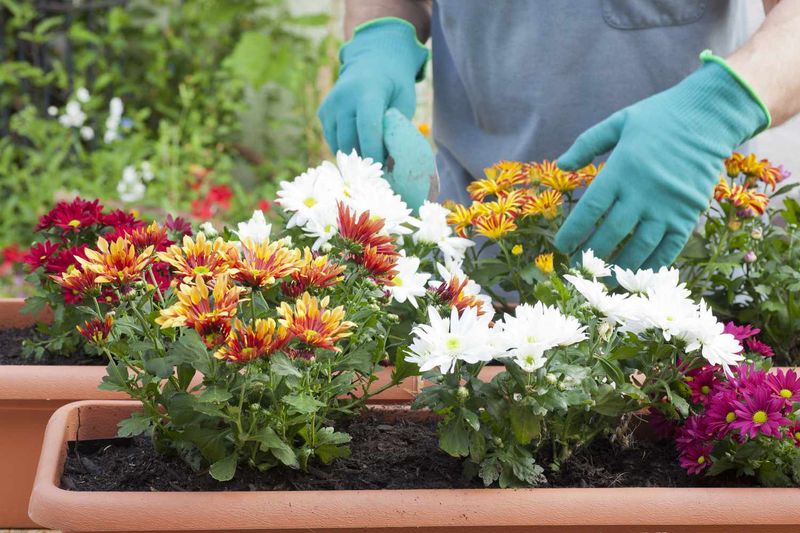
Garden chrysanthemums are often thought of as fall plants, but the work that shapes their late-season performance happens in summer.
By late June in Pennsylvania, mums that were planted in spring are actively growing and putting on vegetative growth that will eventually support the flower buds they develop as days shorten in late summer and fall.
Feeding mums during this active vegetative phase is something many gardeners do as part of a regular summer care routine.
A balanced fertilizer applied while the plants are growing steadily helps support the strong stems and healthy root system that carry a mum through its long blooming season.
Nitrogen supports the leafy growth happening now, while phosphorus and potassium contribute to overall plant strength.
Pinching is the other key task for mums in late June. Removing the growing tips regularly through early summer encourages branching and creates the fuller, more compact shape that produces more flower buds in fall.
Most recommendations suggest stopping pinching by mid-July in Pennsylvania so the plant has enough time to set buds before the season shifts.
Mums growing in garden beds with decent organic matter may need less supplemental feeding than those in leaner soils.
Checking how your plants are performing and comparing that to a soil test can help you decide whether feeding is genuinely useful or unnecessary in your specific situation.
Healthy, actively growing mums going into July give Pennsylvania gardeners the best chance of a strong fall display.