Florida Native Plants That Help Repel Rats And Belong In The Yard Anyway
Rats in Florida are not a seasonal problem you can wait out. They are year round, they are bold, and a yard without any natural deterrents is basically open for business.
Most homeowners find out they have a rat situation long after it has already become a real one. Chemical deterrents and traps have their place, but they are reactive.
They deal with rats that have already decided your yard is worth visiting. Smart landscaping works differently, it changes the math before rats ever get comfortable.
Certain Florida native plants have scents, textures, and growth habits that rats genuinely want nothing to do with. And the best part is that these plants belong in a Florida yard regardless.
They support pollinators, they look good, they handle the climate without complaint. Rat deterrence just happens to be a bonus worth paying attention to, especially for anyone tired of playing defense every single season.
1. Spotted Beebalm Adds Scent Without Heavy Cover
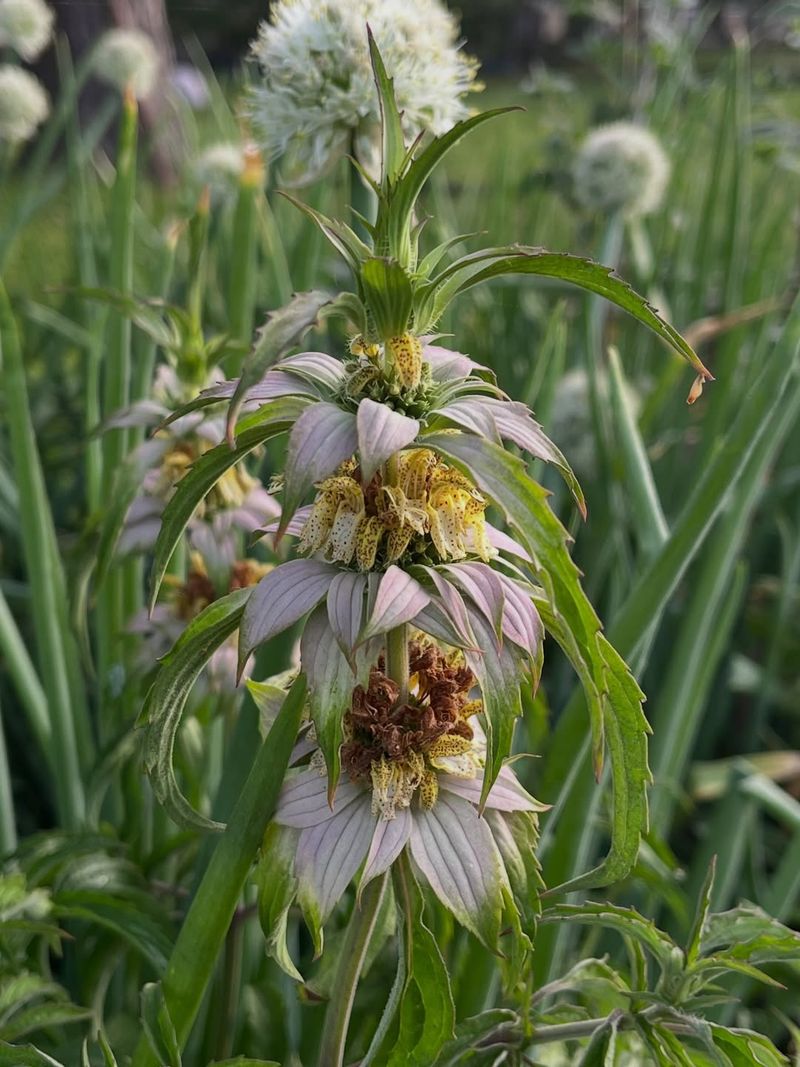
Walk past a patch of spotted beebalm on a warm afternoon and your nose will notice it before your eyes do. Monarda punctata, sometimes called horsemint, carries a sharp, oregano-like fragrance that fills the air around it.
That strong scent comes from aromatic oils in the leaves and bracts, the same compounds that make it stand out in a native bed.
Unlike aggressive mint relatives that spread underground and create dense, hard-to-manage mats, spotted beebalm grows upright with an open, airy habit.
Mature plants typically reach two to three feet tall with stems spaced loosely enough that light and airflow move freely through the planting.
That open structure means no dark, tangled hiding spots at ground level, which matters more than most gardeners realize.
The blooms are layered and unusual, with spotted yellowish flowers surrounded by showy pink or lavender bracts that stack up the stem. Bees, wasps, and butterflies visit heavily during the summer and fall bloom period.
For pollinators, it is genuinely one of the most productive natives you can grow in a sunny bed.
Spotted beebalm thrives in well-drained, sandy soil with full sun, making it a natural fit for the kind of dry, open sites common across much of this state. It handles heat well and is listed as a Florida native by the Florida Native Plant Society.
Once established, it needs little supplemental water.
To keep it tidy, cut stems back after blooming and remove spent material so it does not become a loose pile of dry debris. Debris piles near the foundation are exactly the kind of clutter that makes a yard more inviting to rodents.
Keep the bed clean, enjoy the scent, and let the pollinators do the rest.
2. Muhly Grass Keeps Sunny Beds Open And Airy
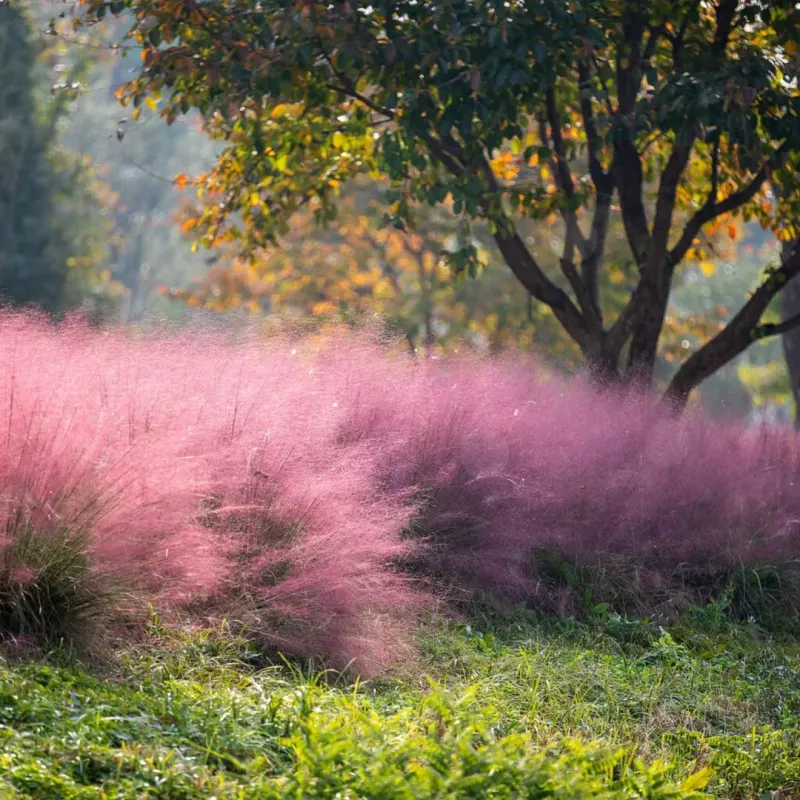
Every October, muhly grass earns its reputation with a show that stops people mid-walk. The pink to magenta plumes rise above the fine-textured foliage in clouds of color, catching light in a way that few other plants can match.
Muhlenbergia capillaris is one of the most recognizable native grasses in this state, and for good reason.
Your Florida Garden Changes Every Week. Your Plan Should Too.
Gardening in Florida changes quickly throughout the season. Every Friday you’ll receive a simple weekly plan showing exactly what to plant, prune, fertilize, harvest, and protect so you never miss the right timing.
Beyond the seasonal display, muhly grass brings real structural value to a sunny yard. Each clump grows in a neat, rounded mound, typically reaching two to three feet tall and wide, with slender leaves that move in the breeze.
The growth habit stays upright and open rather than sprawling into a dense mat. That visibility matters when you want a planting that looks intentional and stays easy to inspect and maintain.
Dense, tangled groundcover near the home can give rats a sheltered route to the foundation. Muhly grass does not create that kind of cover.
The clumps are distinct and spaced, light passes through the planting, and there is no thick thatch layer hiding at ground level when the plant is maintained properly.
After the bloom period fades, cut the clumps back hard in late winter or early spring before new growth begins. Leaving old, dry stems piled up is not ideal near the house.
A clean cut keeps the plant looking sharp and removes any loose material that could become nesting debris.
Muhly grass performs best in full sun with well-drained soil, including sandy sites that challenge other plants. According to UF/IFAS, it is drought-tolerant once established and requires minimal fertilization.
Use it in open foundation beds, sunny borders, or along paths where its structure and seasonal color can shine without creating clutter or cover problems near the home.
3. Railroad Vine Covers Sand Without Brushy Hiding Spots
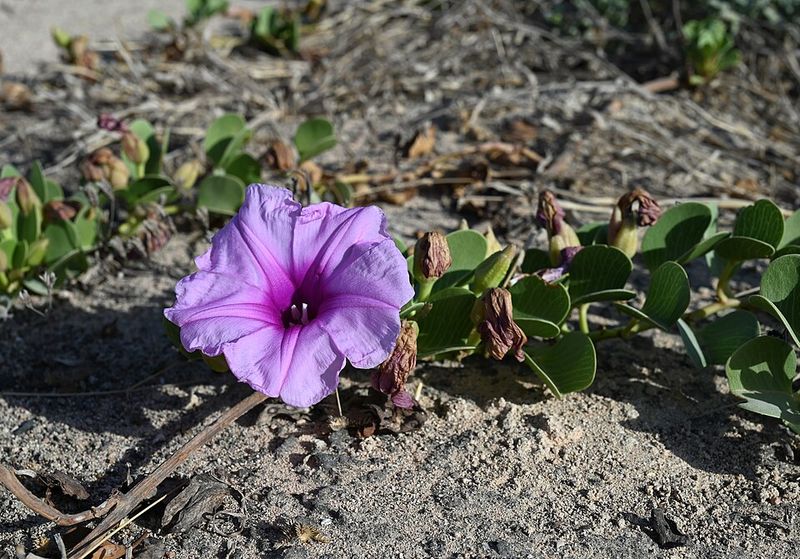
Sandy coastal yards present a specific challenge. Left bare, open sand becomes a weedy, debris-collecting mess that is harder to manage than a planted ground.
Railroad vine, Ipomoea pes-caprae, is one of the few natives built specifically for that kind of site.
Along beaches and coastal dunes across this state, railroad vine spreads long trailing stems across open sand. It covers the ground with thick, waxy leaves and large purple morning-glory-style flowers.
The stems stay flat and close to the ground rather than mounding up into brushy cover. That low, open profile is part of what makes it practical near coastal homes where you want coverage without creating a raised thicket.
Salt spray, sandy soil, and intense coastal sun are conditions where railroad vine genuinely thrives. UF/IFAS lists it as a Florida native with strong salt and drought tolerance in appropriate coastal settings.
The flowers are showy and attract pollinators, adding real wildlife value beyond ground coverage.
It is important to place this plant where it belongs, which is on sandy, coastal, or beach-adjacent sites. Forcing it into a small inland bed with rich soil and regular irrigation is not the right fit, and the plant may behave poorly in those conditions.
Match the plant to the site and it performs beautifully. Push it into the wrong setting and you will spend more time managing it than enjoying it.
Keep edges trimmed where stems approach paths, structures, or areas where you need clear visibility. Railroad vine is a spreader by nature and should be used where that spreading habit is welcome and useful.
On the right sandy site, it replaces bare ground and weeds with a clean, low-growing carpet that stays open, visible, and manageable with minimal effort.
4. Frogfruit Softens Bare Ground Without Dense Clutter
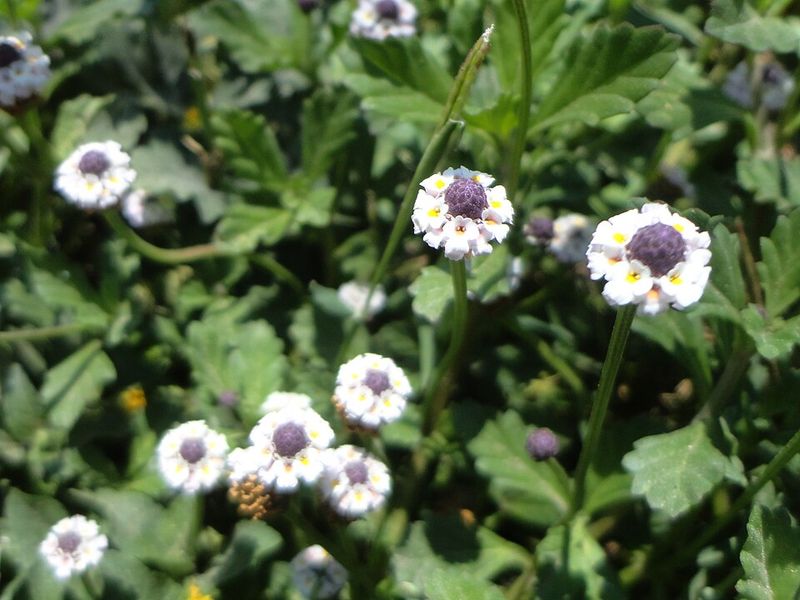
Bare soil in a yard is an open invitation for weeds, and weedy patches near the home tend to accumulate debris and litter that create cover problems over time.
Frogfruit, Phyla nodiflora, offers a practical native solution for low spots, path edges, and open areas.
It works where you want something green and tidy without a tall, brushy plant taking over.
This native groundcover grows flat and low, rarely reaching more than a few inches in height. It spreads by creeping stems that root at the nodes, forming a dense but short mat that covers bare soil without mounding up.
The tiny white and lavender flowers are small but plentiful, and they attract an impressive range of small pollinators.
According to the Florida Wildflower Foundation, those include native bees and butterflies, particularly the white peacock and phaon crescent butterflies.
Because frogfruit stays so close to the ground, it does not create the kind of raised, hidden shelter that rodents prefer for nesting or traveling. A low, visible mat of groundcover is a very different situation from an overgrown shrub border or a pile of mulch against the foundation.
Visibility and low growth are real advantages in a rat-aware yard.
Frogfruit handles heat, humidity, and moderate foot traffic well. It works in sunny to partly shaded spots and tolerates a range of soil types, including the sandy and clay soils common across this state.
UF/IFAS notes it as a useful lawn alternative in areas where traditional turf struggles.
Mow or trim it occasionally to keep edges neat and prevent it from creeping into areas where you want clear ground. Pair it with clean mulch practices and regular yard maintenance to get the most out of this low-growing, pollinator-friendly native.
That keeps any section of the yard from going unmanaged.
5. Tropical Sage Brings Color Without A Tangled Thicket
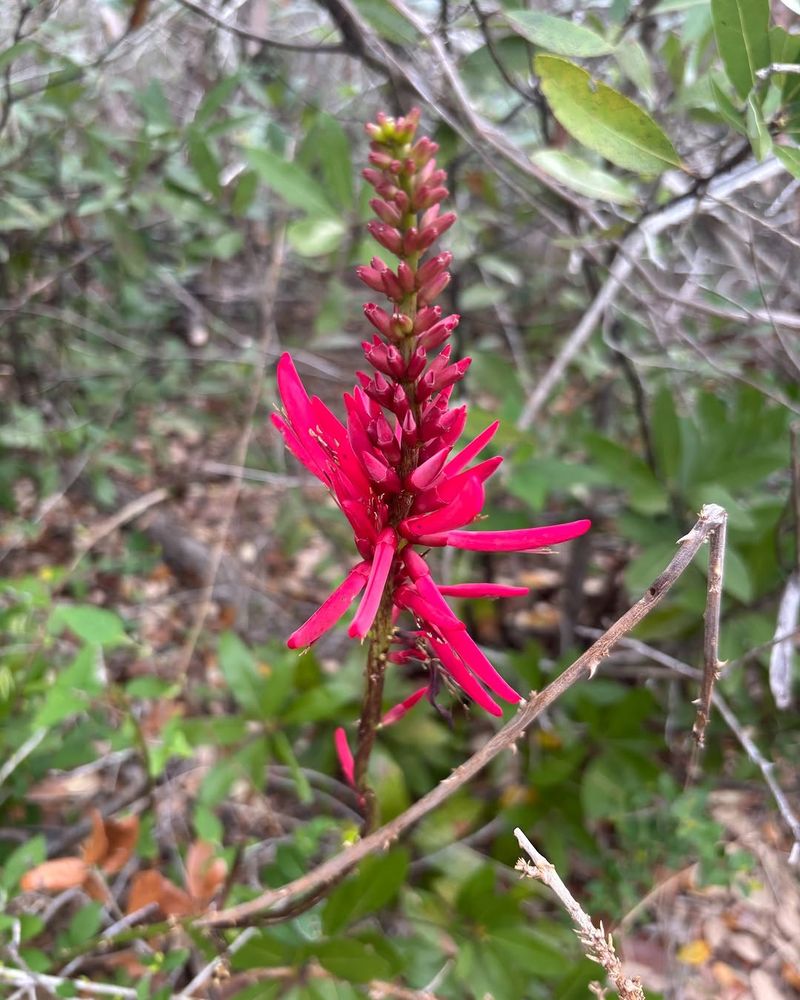
Bright red flowers that hummingbirds cannot resist are only part of the appeal. Tropical sage also has a loose, open growth habit and reseeds itself season after season without becoming a solid wall of vegetation.
That is what tropical sage, Salvia coccinea, brings to a sunny or partly sunny Florida bed.
Tropical sage is native to this state and much of the southeastern coastal plain. It grows upright to about two or three feet with airy stems that never form a dense, impenetrable mass.
You can see through and around the planting, which keeps the bed visible and easy to monitor. Compare that to a thick hedge or a mounding shrub pressed against the foundation and the difference in openness becomes obvious.
Hummingbirds, butterflies, and native bees all visit the red tubular flowers regularly. The Florida Wildflower Foundation lists it as a valuable wildlife plant with a long bloom season stretching from spring through fall in warm regions.
In southern regions, it may bloom nearly year-round in favorable conditions.
One thing worth knowing is that tropical sage reseeds freely. Volunteers pop up around the original plant and can fill in a bed quickly if left unchecked.
Thinning seedlings once or twice a year keeps the planting from becoming overcrowded and helps maintain that open, airy structure that makes it less appealing as cover.
Pull or cut back any stems that sprawl low to the ground near the foundation, and remove spent flower stalks to keep debris from accumulating. Tropical sage is not a high-maintenance plant, but a little seasonal attention makes a real difference.
Place it in full sun to light shade with well-drained soil. It will reward you with color, wildlife activity, and a planting that stays open and tidy with minimal effort.
6. Dune Sunflower Brightens Sandy Spots With Clean Coverage
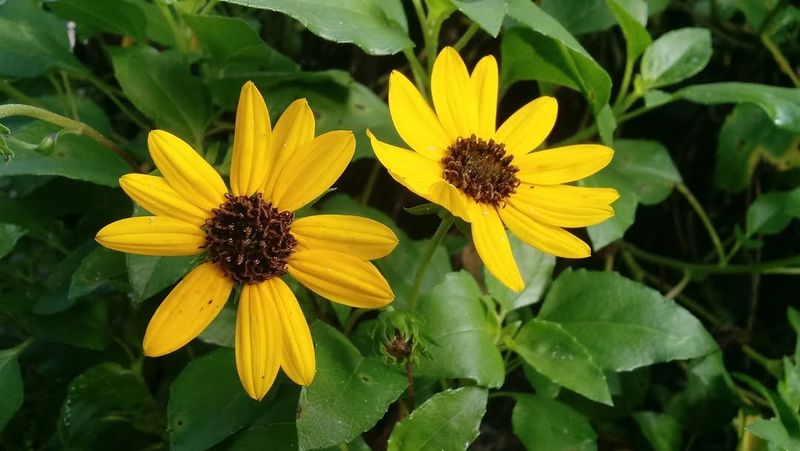
Sandy patches in the yard that refuse to grow anything useful are a common frustration across this state. Weeds fill in, debris collects, and before long you have a scraggly corner that is harder to manage than a planted bed.
Dune sunflower, Helianthus debilis, was practically built for exactly that situation.
Dune sunflower is native to sandy soils along coastal and inland sites in this state. It spreads low and wide with cheerful yellow blooms that appear for much of the year in warm regions.
The flowers are classic sunflower style, bright and showy, and they attract bees, butterflies, and seed-eating birds including goldfinches. UF/IFAS notes it as a tough, low-maintenance native that handles sandy, well-drained soil and full sun with ease.
Growth stays relatively low compared to taller sunflower species, with stems spreading outward rather than reaching straight up into a tall column.
That spreading habit covers ground efficiently, replacing bare sandy patches with a layer of foliage and blooms that looks intentional and stays reasonably open.
It is not a dense, raised shrub and does not create the kind of hidden tunneling routes that concern homeowners thinking about rodent activity near the home.
Place dune sunflower where its spreading habit is welcome. Along a fence line, across a sandy slope, or filling a dry open bed are all good fits.
Avoid planting it directly against the foundation or in tight spaces where spreading stems could pile up against the structure and create a cluttered contact zone.
Trim the edges back when stems start pushing into areas where you want clear ground. Remove spent flower heads and any deceased material to keep the bed tidy.
A well-managed patch of dune sunflower turns a problem sandy spot into a productive, pollinator-rich corner of the yard that earns its place every single season.
7. Pairing These Plants With Smart Yard Habits Makes All The Difference
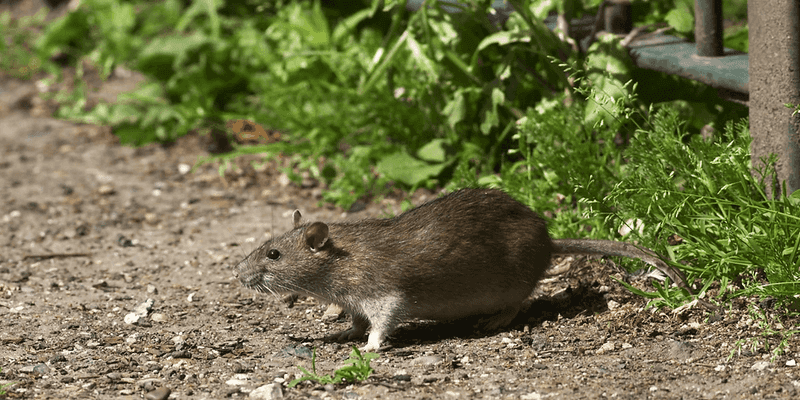
Choosing the right plants is only one part of keeping a yard less appealing to rats. The plants on this list contribute by avoiding dense, brushy cover and messy litter accumulation, but they cannot do the job alone.
Every gardening expert and public health resource makes the same point: sanitation and structural maintenance are the real foundation of rodent prevention.
Sealed trash cans, clean compost bins, and removed fallen fruit are non-negotiable. Fruit trees and vegetable gardens are not problems by themselves.
But dropped fruit left on the ground overnight is a reliable food source that draws rodents in from surrounding areas. Pick up fallen fruit daily during the growing season and store compostable material in a sealed container.
Trim any vegetation that touches the home’s exterior walls, eaves, or roof line. Rats are capable climbers and use overhanging branches and vines as access routes.
Keep a clear, open zone of at least eighteen inches between any planted bed and the foundation where possible. Use clean mulch no deeper than two to three inches in that zone.
Seal gaps, cracks, and openings around pipes, vents, and the base of the home. According to UF/IFAS Extension, rats can squeeze through openings as small as a half inch.
No amount of fragrant plants or open-structured landscaping compensates for an unsealed entry point in the structure itself.
Store firewood, lumber, and any stored materials off the ground and away from the home. Clutter at ground level is shelter, plain and simple.
The native plants in this article help replace messier, denser plantings with cleaner, more open alternatives. But the yard habits surrounding those plants determine how effective the overall approach will be.
Good plants and good habits together create a yard that is genuinely harder to settle into.