These Beautiful Plants Can Become A Problem In Small California Yards
A plant can look perfect at the garden center, then feel way too bold once it settles into a small yard.
California gardeners have plenty of beautiful options, but some grow faster or wider than their labels make them seem.
A narrow side yard can shrink quickly when one plant starts claiming more room. Roots may also push into places where they are not welcome.
The problem is not that these plants are ugly. It is that their size, spread, or habits can clash with tight spaces.
That is why a little caution pays off before planting. Choose with the mature plant in mind, and a small yard can stay pretty without turning into a constant control project.
1. Pampas Grass Outgrows Small Yards Fast
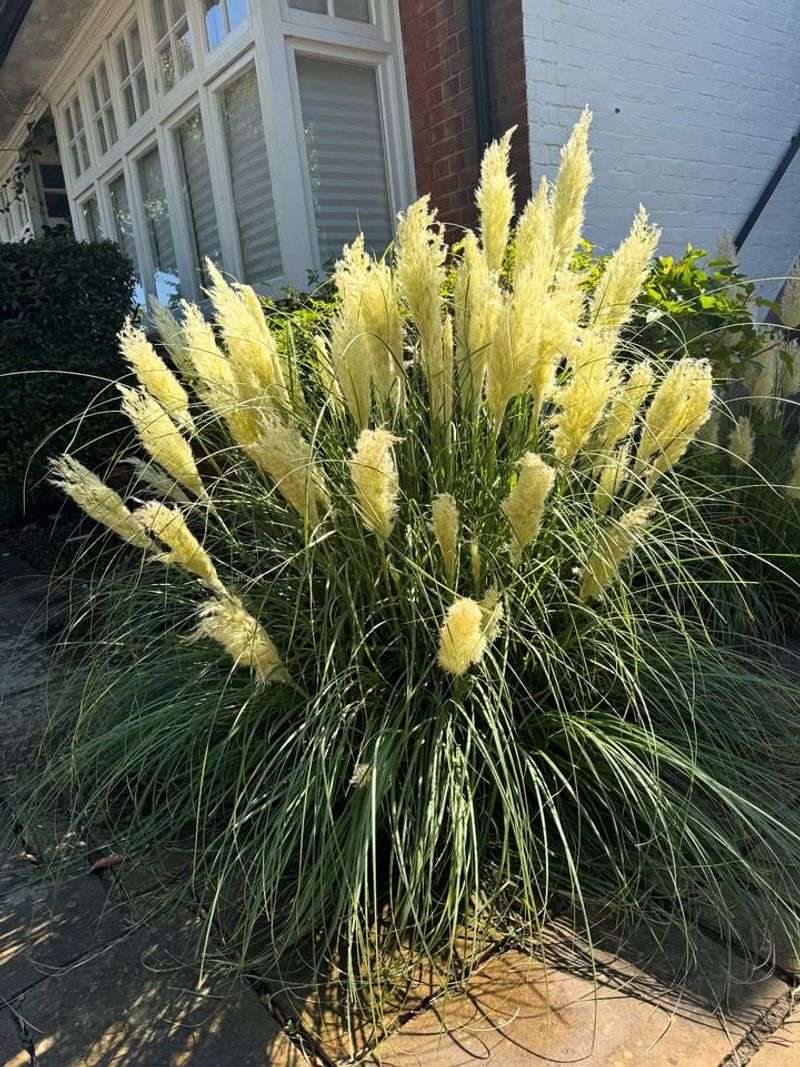
Few plants make as bold a statement as pampas grass. Those tall, feathery white plumes swaying in the breeze look like something out of a design magazine.
But the reality of living with this plant in a small yard is a very different story.
Pampas grass can grow up to 12 feet tall and just as wide. In a compact outdoor space, that means it can take over an entire corner, block sunlight from other plants, and crowd out anything nearby.
The sharp-edged leaves can also scratch skin, making it uncomfortable to garden around.
Once it is established, removing pampas grass is no easy task. The root system goes deep, and the clumps are dense and heavy.
Most homeowners need gloves, long sleeves, and serious tools just to trim it back. Cutting it down does not always stop it from coming back.
In our state, pampas grass is also considered invasive in some regions. It produces thousands of seeds that travel on the wind, which means it can spread well beyond your yard.
Native plants and wildlife habitats can be affected when it escapes into open land.
If you love the look of pampas grass, consider a dwarf variety instead. Smaller cultivars offer a similar style without the extreme size.
Always check the mature size on the plant tag before buying, and think carefully about how much space you are truly willing to give up.
2. Fountain Grass Seeds Where You Don’t Want It
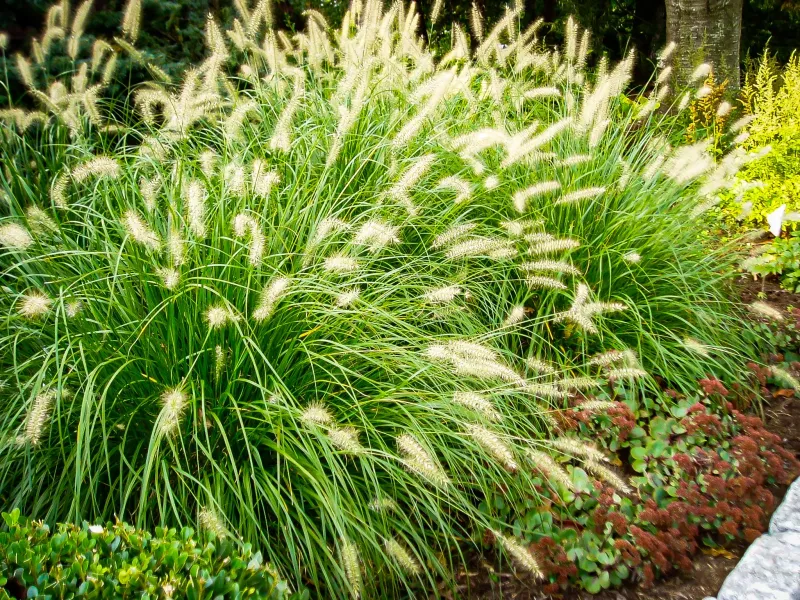
There is something undeniably charming about fountain grass. Its arching blades and soft, bottlebrush-like seed heads give any yard a relaxed, natural feel.
Many homeowners plant it as a low-maintenance accent, and at first, it delivers exactly that.
The problem shows up later, when you start noticing fountain grass popping up in places you never planted it. The seed heads are incredibly productive, releasing hundreds of seeds that travel by wind and water.
Before long, seedlings appear in your lawn, between patio stones, and in garden beds meant for other plants.
In a large yard, this might be manageable. In a small space, it quickly becomes overwhelming.
You can spend entire weekends pulling seedlings, only to face the same situation the following season. The plant also reseeds so aggressively that it can crowd out slower-growing plants nearby.
Your California Garden Changes Every Week. Your Plan Should Too.
Gardening in California changes quickly throughout the season. Every Friday you’ll receive a simple weekly plan showing exactly what to plant, prune, fertilize, harvest, and protect so you never miss the right timing.
Purple fountain grass, a popular variety in our state, is sterile in some forms but not all. It is worth checking the specific variety you are buying before bringing it home.
Even the less aggressive types can still spread more than most small-yard owners want to deal with.
Deadheading, or removing the seed heads before they mature, can slow the spread. But that requires regular attention throughout the growing season.
If you enjoy low-effort gardening, fountain grass in a tight space may create more work than you expected when you first fell in love with its looks.
3. Mexican Feather Grass Spreads Too Easily
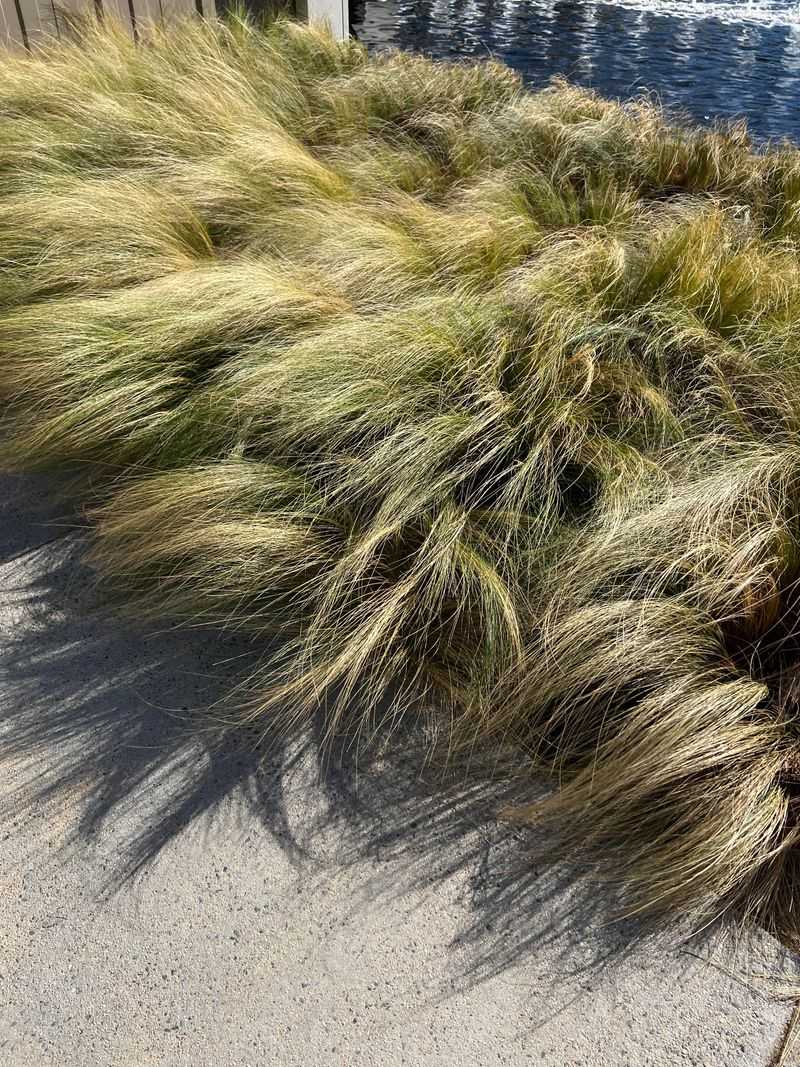
Wispy, golden, and almost magical-looking in a breeze, Mexican feather grass has become a favorite in modern California landscaping. Designers love it for its delicate texture and drought tolerance.
It fits perfectly into dry, contemporary garden styles that suit our warm climate.
However, this plant has earned a reputation for spreading far beyond its original spot. Each plant produces a large number of lightweight seeds that float easily on the wind.
In a small yard, those seeds land in every crack, container, and bed nearby. The result is a yard slowly taken over by one plant.
What makes this especially tricky is how innocent it looks. The seedlings are thin and easy to miss at first.
By the time you notice how many there are, they have already put down roots in inconvenient spots. Removing them from between pavers or at the base of other plants takes patience and time.
Our state has flagged this grass as invasive in wildland areas, particularly in Southern regions. It can escape yards and spread into natural habitats, outcompeting native grasses that local wildlife depends on.
That ecological impact is worth considering before planting it.
If you want a similar look without the spread, try native bunch grasses like blue grama or purple needlegrass. They offer graceful movement and texture without the aggressive reseeding.
Swapping out one grass for another can protect both your yard and the wild spaces nearby.
4. Pride Of Madeira Gets Too Big For Tight Yards
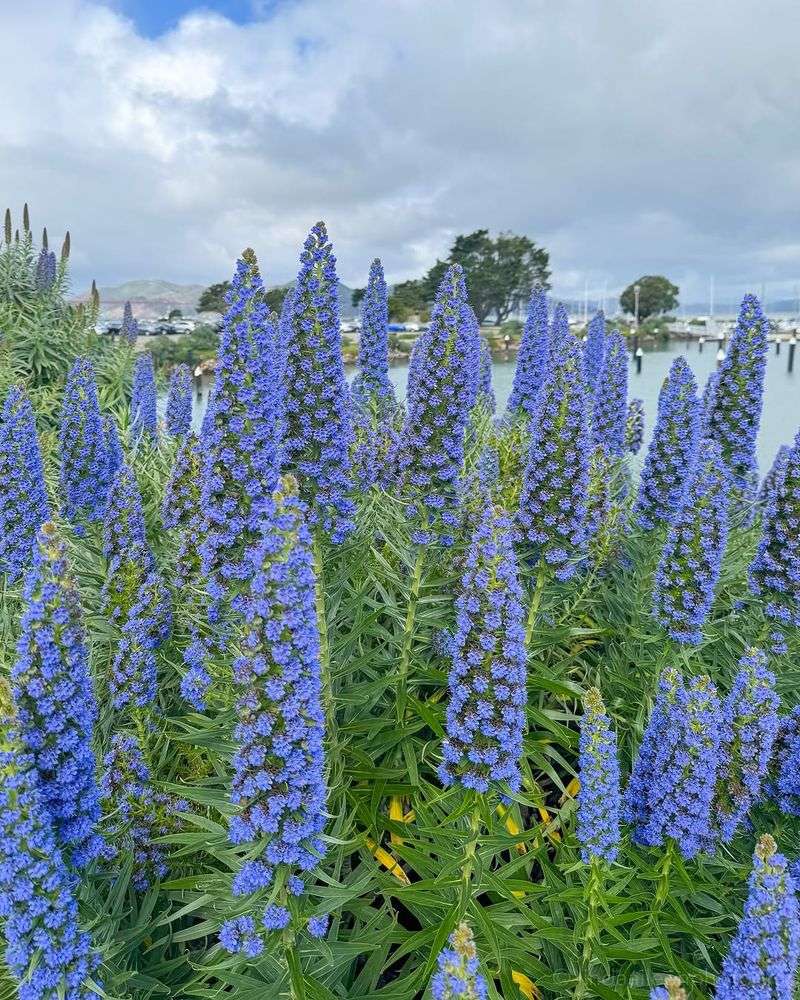
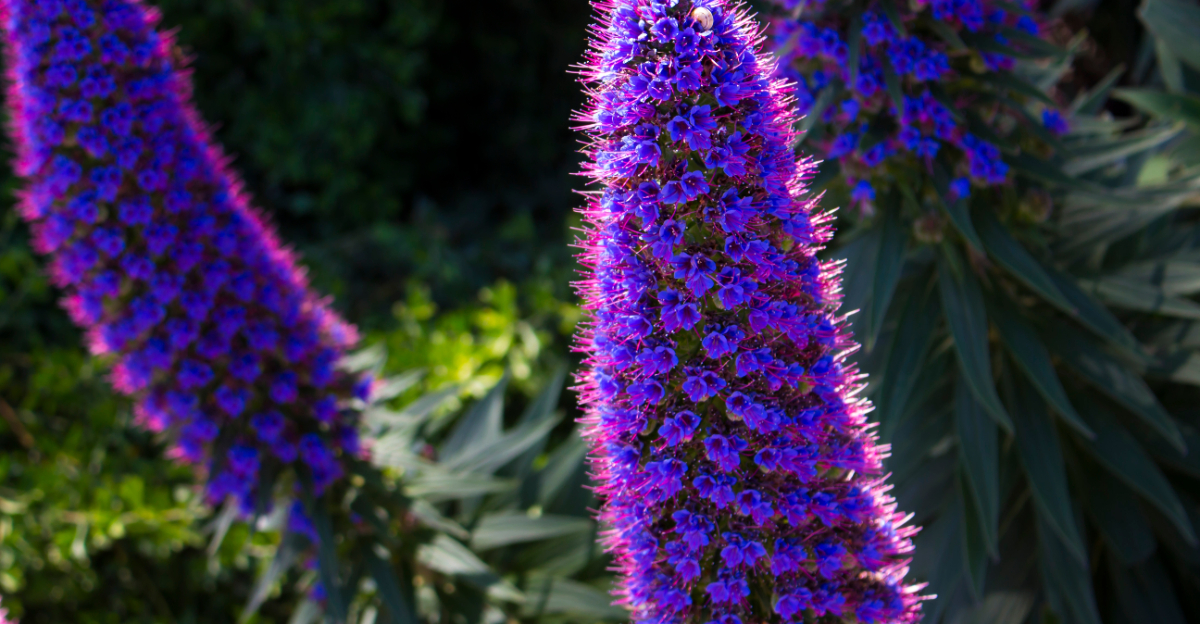
Walk past any coastal neighborhood in our state during spring, and you will likely spot Pride of Madeira in full bloom. Its tall spikes of violet-blue flowers are stunning, and pollinators absolutely love it.
It looks like a plant built for the California landscape. And it is, perhaps a little too well built. Pride of Madeira is a fast grower that can reach six feet tall and eight feet wide within just a couple of seasons.
In a spacious garden, that size is a feature. In a small yard, it quickly becomes the only thing you can see.
The thick, woody stems are not easy to cut back, and heavy pruning can leave the plant looking awkward and bare. It also tends to reseed in favorable conditions, sending up new plants in spots where you did not plan for them.
Coastal gardens with mild temperatures and some moisture are especially prone to this.
Another thing to keep in mind is that the plant produces a lot of leaf litter. The long, narrow leaves drop regularly and can pile up around the base and in nearby beds.
In a tight yard, that means more cleanup than most people expect from an ornamental plant.
Pride of Madeira works best in large, open spaces where it has room to do its thing. If you only have a small yard, a potted version can let you enjoy the blooms without the size.
Just be ready to replant or prune the container regularly to keep things manageable.
5. Periwinkle Creeps Past Garden Borders
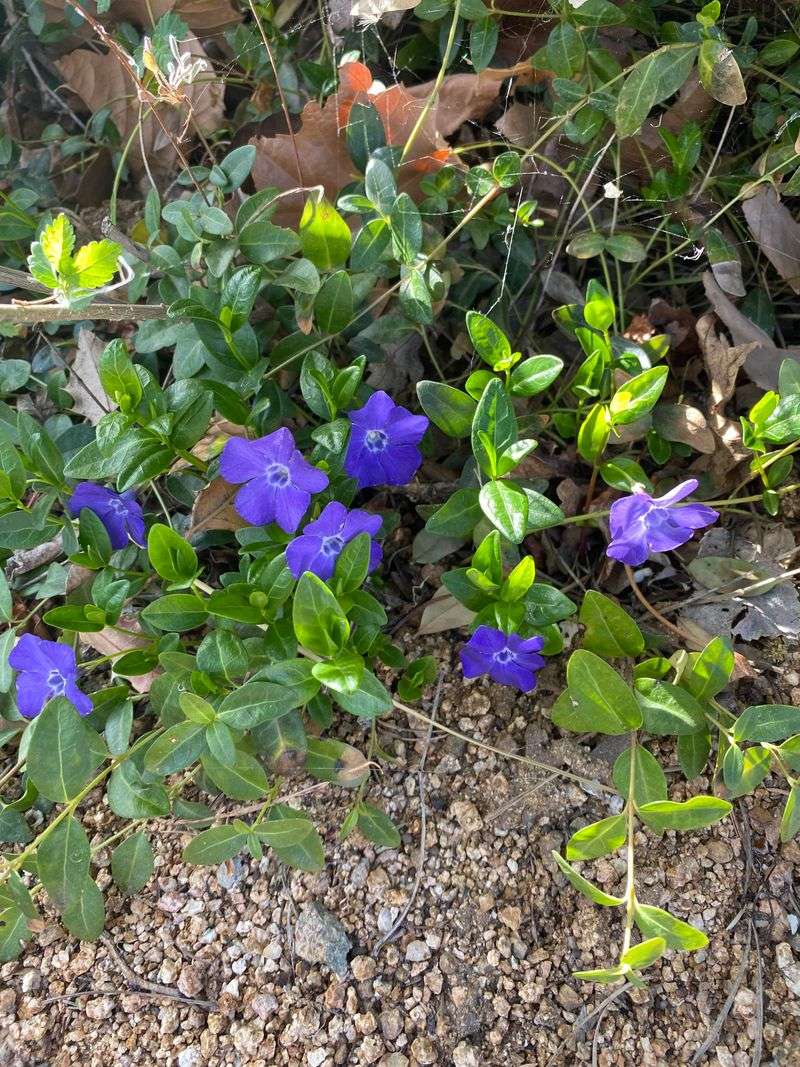
Periwinkle, also called vinca, is one of those plants that seems like the perfect solution. It covers bare ground quickly, produces pretty little purple or white flowers, and stays green year-round.
For gardeners who want an easy ground cover, it checks a lot of boxes.
The trouble is that periwinkle does not understand boundaries. It spreads by sending out long stems that root wherever they touch soil.
In a small yard, this means it will creep into your lawn, climb over garden edging, and wrap around the base of other plants. Once it has spread, pulling it back is a slow and frustrating job.
The vines tangle together into thick mats that are hard to remove by hand. Roots form at every node along the stem, so even a small piece left behind can regrow.
Many gardeners find themselves fighting periwinkle for years after deciding they no longer want it.
Our state has classified some varieties of vinca as invasive, especially in areas near natural waterways or wild spaces. It can escape garden beds and spread into native plant communities, crowding out plants that local insects and birds rely on for food and shelter.
If you want a similar look without the spread, native ground covers like creeping snowberry or wild ginger are worth exploring. They fill in bare soil beautifully and support local wildlife without taking over your entire yard.
Sometimes the best-looking option is not the most practical one for a small space.
6. Ice Plant Can Escape Coastal Yards
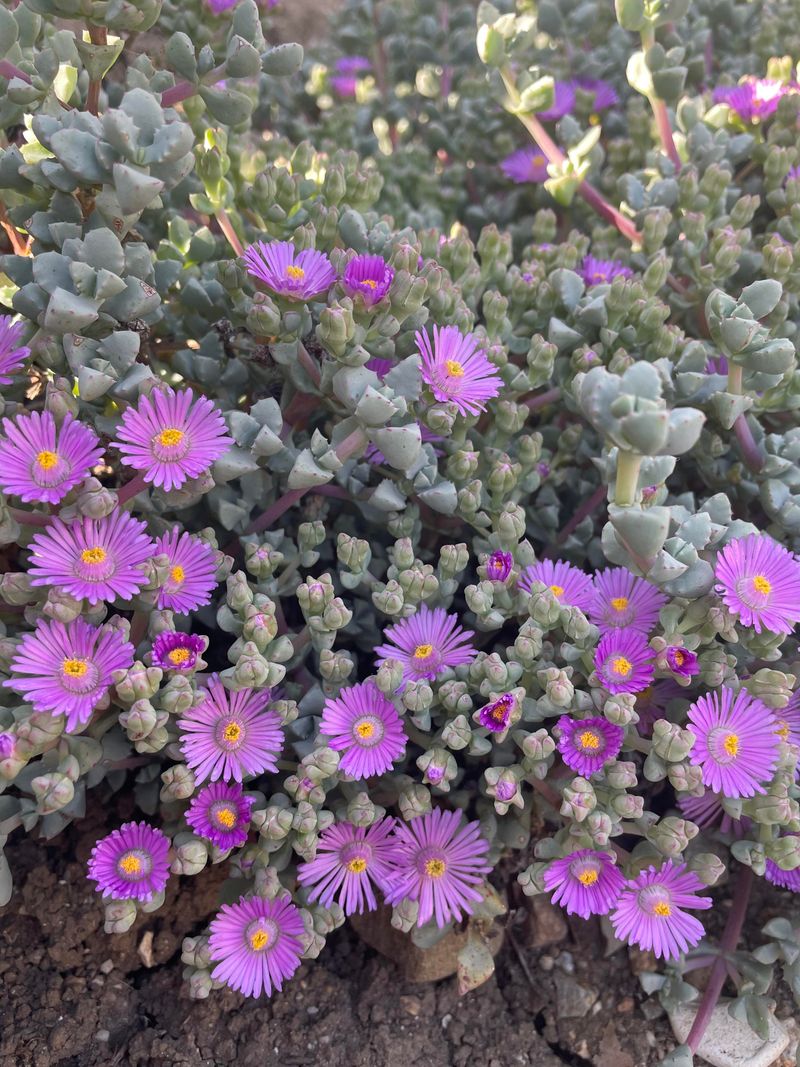
Bright pink and yellow flowers, thick succulent leaves, and almost zero water needs, ice plant sounds like a dream for busy homeowners in our state.
It was planted widely across coastal areas for decades, used to stabilize slopes and cover bare ground quickly. And it does those things very well.
Too well, actually. Ice plant spreads at a rapid pace, forming dense mats that can smother everything underneath.
In a small coastal yard, it can swallow a garden bed in a single growing season. The thick foliage blocks sunlight and moisture from reaching the soil, making it nearly impossible for other plants to survive nearby.
The bigger concern is what happens when it escapes the yard. Ice plant has spread extensively along the California coastline, crowding out native dune plants that protect shorelines and support local wildlife.
Coastal sage scrub and native wildflowers have both suffered where ice plant has taken hold.
Removing established ice plant is hard work. The mats are heavy with water stored in the leaves, and the roots grip the soil firmly.
In steep or rocky areas, removal can take multiple seasons and a lot of physical effort.
There are native alternatives that do similar jobs without the ecological baggage. Coyote brush, coffeeberry, and native buckwheats all stabilize soil and cover ground effectively.
They also support pollinators and birds in ways that ice plant simply does not. For small coastal yards, native plants are a smarter long-term investment.
7. Bamboo Turns Tight Spaces Into A Battle
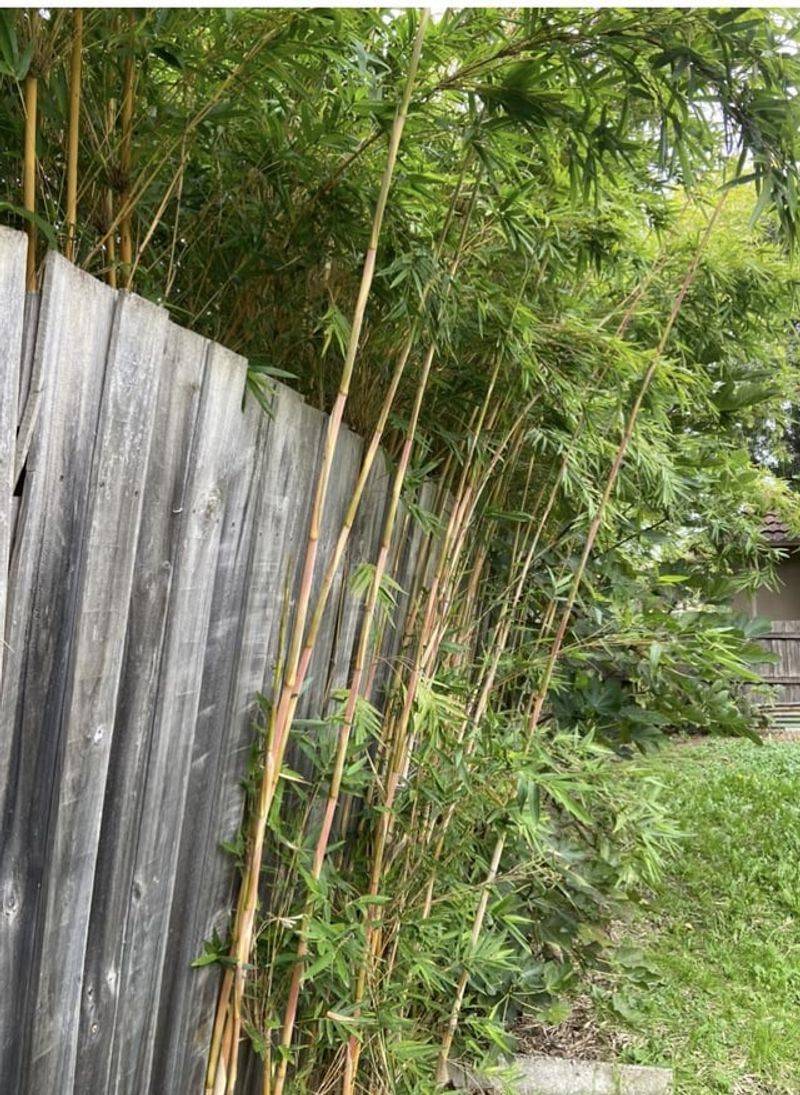
Few plants inspire as much regret among homeowners as bamboo. It is easy to understand the appeal.
The tall, elegant canes create instant privacy, the rustling leaves add a calming sound, and the tropical look fits beautifully in many yard styles across our state.
But running bamboo, the most common type sold in nurseries, spreads underground through a network of roots called rhizomes. These roots move fast and can travel many feet in a single season.
They push through soil, crack pavement, break through fences, and emerge in your neighbor’s yard without warning.
In a small yard, this underground spread can be devastating. The canes come up wherever the roots go, which means bamboo can appear in your lawn, under your deck, and even inside raised garden beds.
Controlling it requires either thick underground barriers or constant vigilance.
Removing bamboo once it is established is one of the hardest jobs in gardening. The roots go deep and spread wide.
Cutting the canes does not stop regrowth. Most removal projects take years of repeated digging, cutting, and monitoring before the plant is truly gone.
Clumping bamboo is a much safer option for small yards. It grows in a tight cluster and does not send runners underground.
Always confirm the variety before buying, because the difference between running and clumping bamboo can mean years of extra work. A quick question at the nursery can save you a massive headache down the road.
8. Bougainvillea Needs More Room Than It Seems
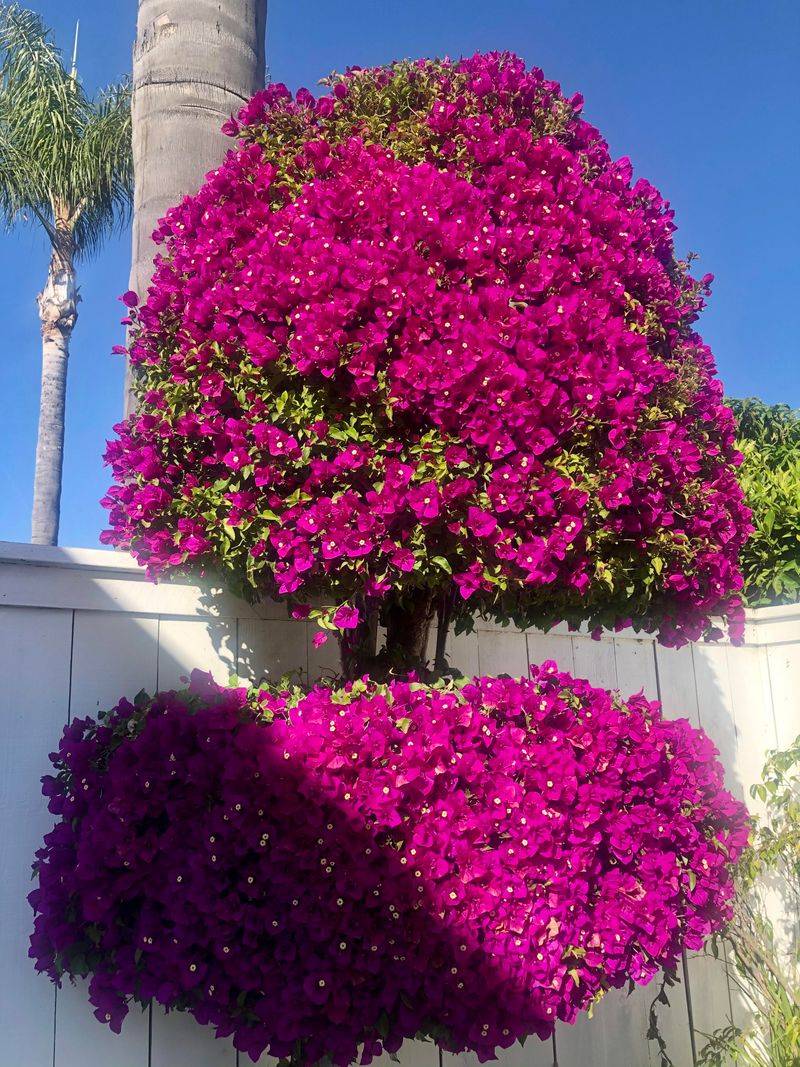
Covered in hot pink, orange, or purple blooms for months at a time, bougainvillea is one of the most eye-catching plants in any neighborhood.
It thrives in the heat and dry conditions of our state, and once it is established, it blooms with very little care. That combination makes it irresistible to many homeowners.
The challenge is size. Bougainvillea is a vigorous grower that can reach 20 to 30 feet if left unchecked.
In a small yard, that means it will climb over fences, cover walls, and reach into neighboring spaces within a few years. The thorny stems make it difficult to trim without thick gloves and long sleeves.
Pruning is necessary to keep it manageable, but it needs to be done carefully and consistently. Cut it back too hard, and you risk reducing the blooms for an entire season.
Miss a few months of maintenance, and you may find it has grown onto your roof or wrapped around utility lines.
The thorns are also a real concern in tight spaces. In a small yard with kids or pets, the sharp spines can make certain areas of the garden nearly inaccessible.
Fallen branches with thorns can be a hazard in pathways or near play areas.
Bougainvillea works beautifully in large gardens, on sprawling fences, or as a statement plant with space to grow.
In a small yard, a dwarf variety in a large container might give you the blooms without the chaos.
Managing expectations before planting always leads to a happier garden experience.