Your Virginia Lawn Is Struggling Underground And Drought Gets The Blame
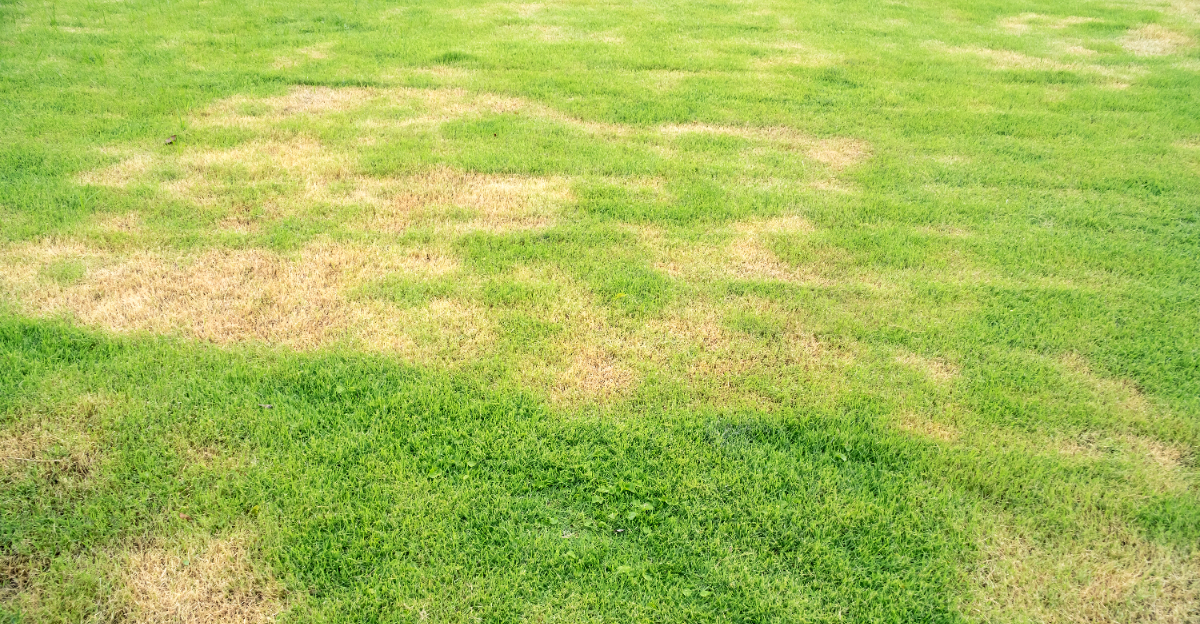
Your Virginia lawn has been brown for weeks, and the heat is getting all the blame. Before you drag out the hose again, consider this: water cannot fix a root system that is no longer there.
Underground pests are quiet, methodical, and very good at making their damage look like something else entirely.
White grubs, mole crickets, and other soil-dwellers chew through grass roots while homeowners keep adjusting their sprinkler schedules. The lawn keeps declining. The diagnosis stays wrong.
Drought is a convenient explanation, but it is rarely the whole story in Virginia summers. Spongy patches, grass that lifts like a loose rug, and brown spots that refuse to recover after rain are not heat damage.
What is actually going on beneath your lawn deserves a real answer, not another watering session.
The Underground Pests Working Against Your Virginia Lawn From Below
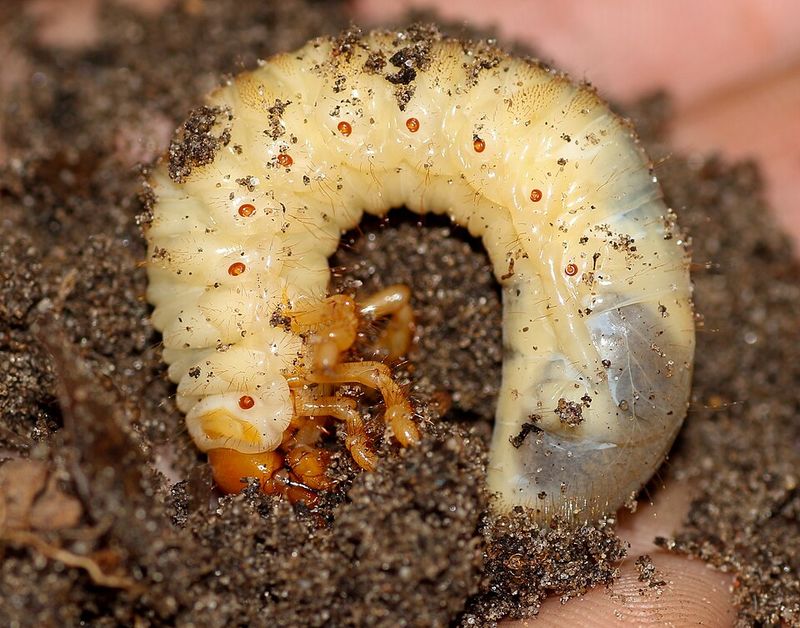
Something is eating your lawn alive, and it is not the sun.
White grubs are the most common underground pest in Virginia yards. These pale, C-shaped larvae hatch from Japanese beetle eggs each summer and immediately start feeding on grass roots.
Mole crickets are another underground menace. They tunnel through soil, severing roots and creating air pockets that dry out the ground faster than normal.
Billbug larvae are smaller but just as damaging. They chew through the base of grass stems right where the blade meets the root, cutting off the plant’s lifeline completely.
Your Virginia lawn is struggling underground, and drought gets the blame because the surface symptoms look identical. Brown patches appear in both cases, and wilting grass fools even experienced gardeners into grabbing the hose instead of investigating below.
The key difference is timing. Pest damage tends to worsen in late summer when larval populations peak, while drought stress tracks closely with rainfall gaps and high temperatures.
Grubs can destroy an entire root zone before you notice anything above ground. By the time the grass turns brown and spongy, the damage has already been done for weeks.
Healthy roots anchor grass and pull moisture from deep soil. Once pests destroy that system, even a well-watered lawn will struggle to recover.
Pulling back a patch of struggling turf is the fastest way to confirm pest activity. If you see more than five grubs per square foot, you have a serious problem worth treating immediately.
Thirsty-Looking Grass That Is Actually A Pest Problem
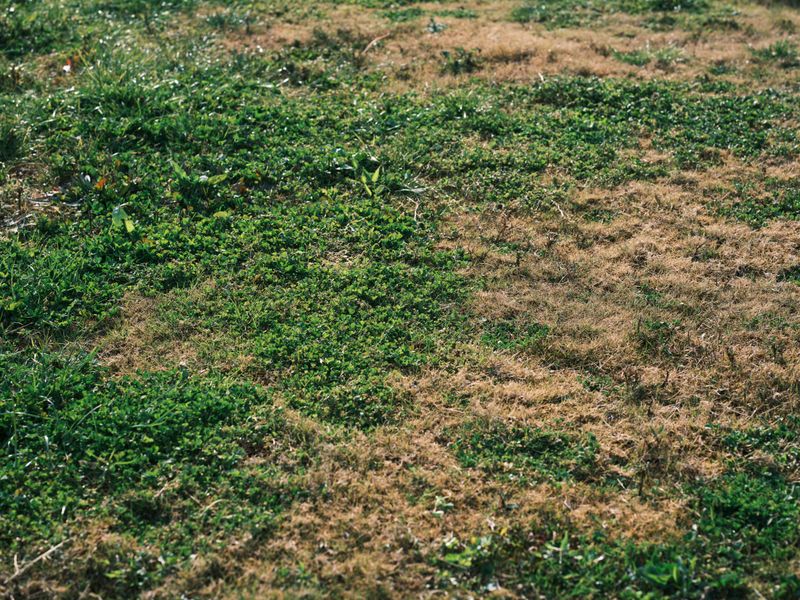
Thirsty grass and pest-damaged grass wear the same disguise. Both turn brown, both feel limp, and both make you reach for the sprinkler without thinking twice.
When roots are chewed through by grubs or mole crickets, the grass cannot absorb water even when moisture is present. The plant essentially starves while sitting in wet soil.
This creates a confusing cycle for homeowners. You water, nothing improves, you water more, and the lawn keeps declining like a slow-motion decline that only gets worse without the right fix.
Drought stress causes leaves to curl inward as a survival response. Pest damage causes the entire plant to detach from the soil, so the turf feels loose or spongy underfoot.
Your Virginia Garden Changes Every Week. Your Plan Should Too.
Gardening in Virginia changes quickly throughout the season. Every Friday you’ll receive a simple weekly plan showing exactly what to plant, prune, fertilize, harvest, and protect so you never miss the right timing.
One easy test is the tug test. Grab a handful of brown grass and pull gently. If it lifts like a piece of loose carpet, pests have destroyed the root system below.
Grass with drought stress resists pulling because the roots are still intact. The blades may be dry and brittle, but the plant is anchored firmly in the ground.
Your Virginia lawn is struggling underground, and drought gets the blame partly because watering seems like the logical fix. Most people do not think to check beneath the surface when the sky has been dry for weeks.
Understanding how pests mimic drought symptoms saves time, money, and a lot of wasted water. Treating the wrong problem only delays recovery and gives underground insects more time to spread.
The Warning Signs Virginia Homeowners Mistake For Drought Stress
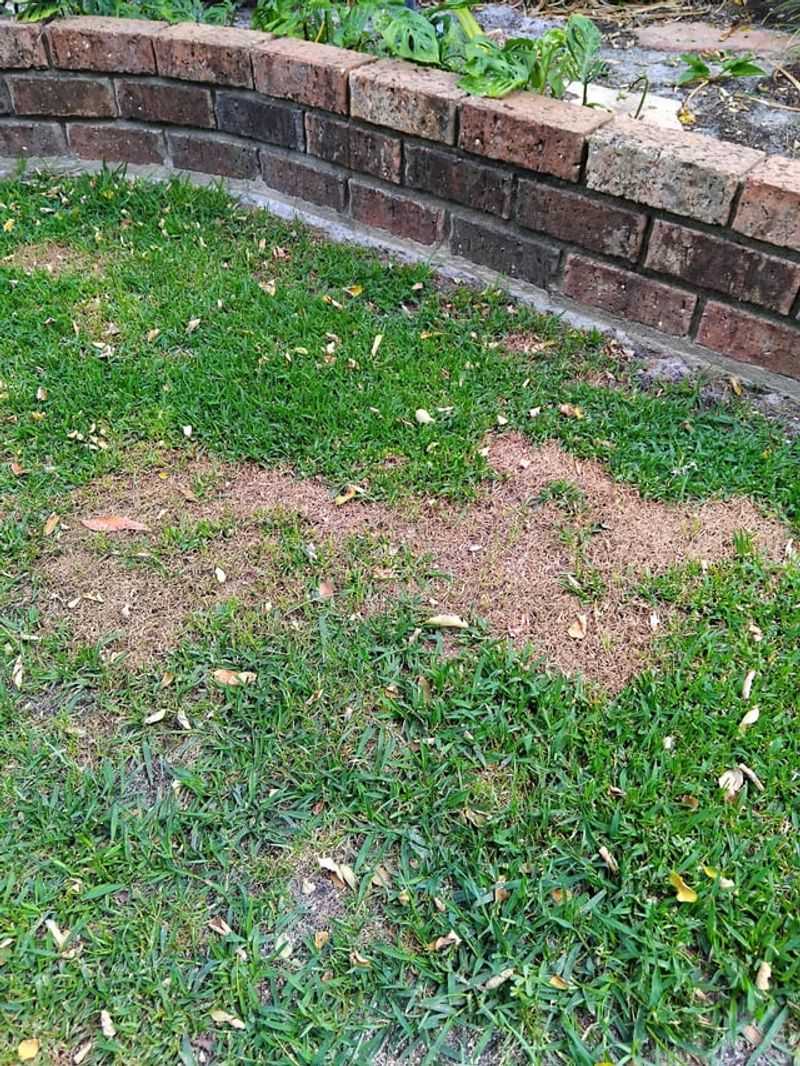
Scattered brown patches that grow in odd shapes are a red flag worth investigating. Drought stress tends to affect the whole lawn evenly, not just random circles or irregular blobs.
Spongy turf is one of the clearest warning signs of underground pest activity. When you walk across the lawn and it feels soft or bouncy, root loss is likely the reason.
Increased bird activity is another clue most homeowners overlook completely. Starlings, robins, and crows pecking aggressively at your lawn are hunting grubs just below the surface.
Mole tunnels and raised ridges running through the turf signal something is burrowing. Moles follow grub populations, so their presence often confirms a serious underground infestation nearby.
Grass that pulls up easily without resistance is nearly always a pest problem. Drought-stressed grass holds its ground even when the blades look terrible and the soil is bone dry.
Patches that do not respond to irrigation after several days of consistent watering deserve a closer look. Dig into the soil about three inches deep and examine the root zone carefully.
Your Virginia lawn is struggling underground, and drought gets the blame when these signs go unnoticed. Catching them early gives you a much better chance of saving the turf before fall arrives.
Virginia summers are hot and unpredictable, which makes it easy to blame the weather for everything. But paying attention to these specific warning signs can completely change how you respond and recover.
How To Tell If Pests Or Dry Weather Are Behind The Damage
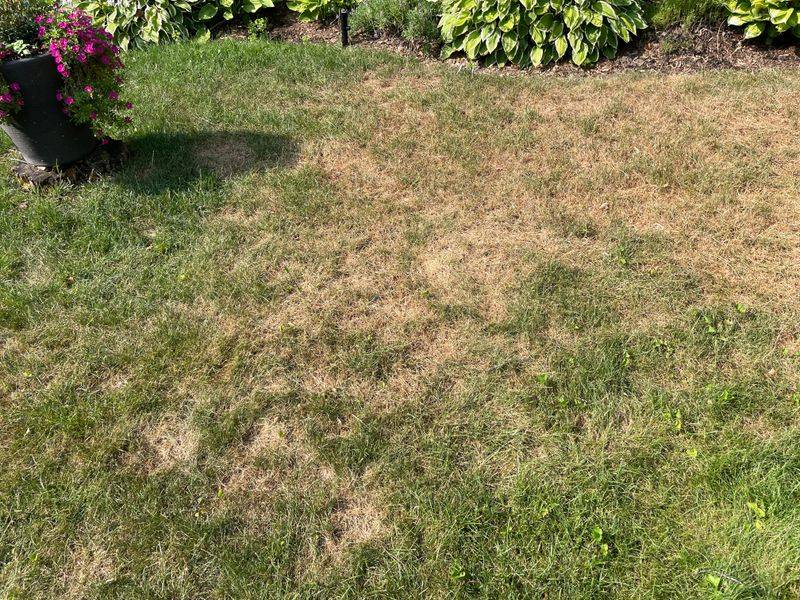
Grab a sharp spade and cut a one-foot square section of struggling turf about three inches deep. Flip it over and count any white, C-shaped larvae you find in the soil.
Finding five or more grubs per square foot means the infestation is significant enough to cause visible turf damage. Fewer than three grubs usually means something else is responsible.
Check the soil moisture while you are down there. Dry, cracked, pale soil that crumbles suggests drought stress, while moist soil with damaged roots points directly to pest activity.
The screwdriver test is a quick field method many lawn professionals use. Push a standard screwdriver into healthy turf and compare how easily it enters versus the damaged area.
Healthy, moist soil accepts the screwdriver with minimal effort. Extremely hard, dry soil that resists the tool confirms drought conditions, while loose soil with broken roots signals underground pest damage.
Look at the shape and distribution of damaged areas. Drought hits exposed, sunny spots first, especially slopes and areas near pavement where heat concentrates and moisture evaporates quickly.
Pest damage appears more randomly and can show up in shaded or irrigated areas where soil stays moist and conditions favor grub activity. That pattern alone can help you narrow down the cause fast.
Your Virginia lawn is struggling underground, and drought gets the blame when these tests go undone. Taking twenty minutes to investigate properly can save you hundreds in misapplied treatments and wasted water bills.
The Best Way To Treat A Lawn That Is Struggling From Below
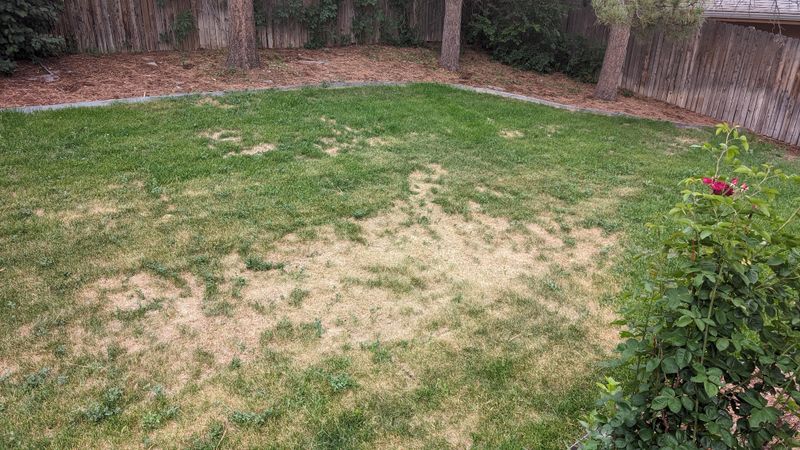
Timing is everything when treating underground lawn pests. Grub treatments work best in late summer when larvae are young and feeding actively near the soil surface.
Preventive grub control products containing chlorantraniliprole should go down in late spring or early summer. Curative treatments with trichlorfon or carbaryl work faster but must be applied when grubs are present and active.
Always water the lawn deeply after applying granular insecticide treatments. The product needs to move down through the soil to reach the grubs feeding below the root zone.
For mole crickets, targeted baits applied at dusk in late summer deliver strong results. These insects are most active at night, so evening applications maximize contact with the pest population.
Nematodes are a natural alternative worth considering for homeowners avoiding chemical treatments. Beneficial nematodes parasitize grubs and mole crickets without harming earthworms, pets, or surrounding plants.
Improving soil health alongside pest treatment speeds up lawn recovery significantly. Aeration, compost topdressing, and overseeding help rebuild the root zone that insects have destroyed over the season.
Avoid over-fertilizing a stressed lawn right after treatment. Too much nitrogen on weakened turf can stress the grass further and slow down recovery, especially when roots are still recovering from underground damage.
Recovery takes patience, but the right treatment plan delivers results. Most Virginia lawns begin to recover within four to six weeks, though results vary depending on damage severity and conditions.
How To Rebuild A Virginia Lawn After Underground Pest Damage
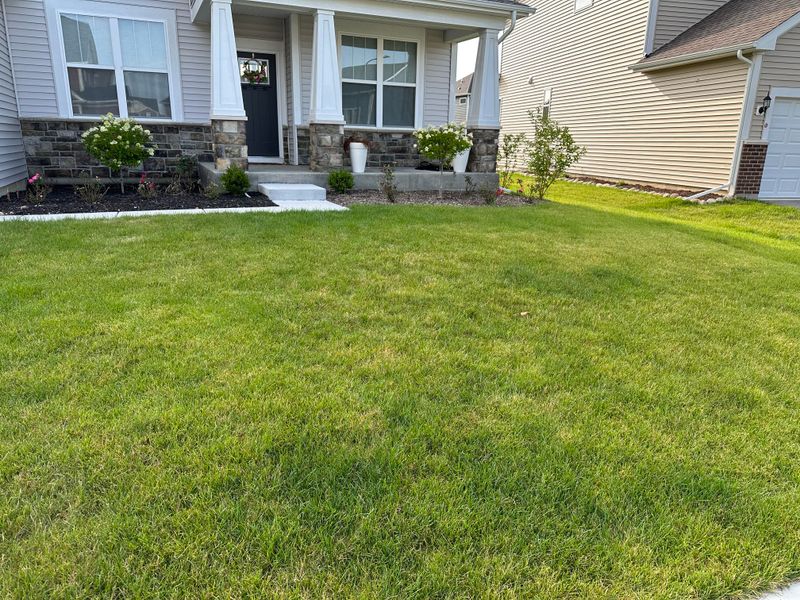
Fall is the best season to rebuild a Virginia lawn that pests have torn apart. Cooler temperatures and reliable rainfall give new grass seed the ideal conditions to germinate and root quickly.
Start by raking out all damaged turf material to expose bare soil. Leaving it in place creates a thatch barrier that prevents seed from making good contact with the ground.
Core aeration before overseeding is a game-changer for damaged lawns. It breaks up compacted soil, improves drainage, and creates small channels where grass seed can settle and root more effectively.
Choose a grass seed blend suited for Virginia’s climate. Tall fescue blends perform well across most of the state because they tolerate heat, drought, and moderate shade better than other cool-season options.
Apply a starter fertilizer at seeding time to support early root development. New seedlings need phosphorus most of all, and starter fertilizers deliver it in a form young grass can access immediately.
Keep the seeded area consistently moist for the first three weeks. Light, frequent watering encourages germination without washing seed away or creating the soggy conditions that invite fungal problems.
Once new grass reaches three inches tall, begin mowing at the highest setting your mower allows. Cutting too short too soon weakens young plants and sets recovery back by weeks.
Your Virginia lawn is struggling underground, and drought gets the blame, but rebuilding is absolutely possible with the right fall strategy and a little steady effort each week.