How Arizona Homeowners Are Using Barn Owls To Help Control Rodents
Few things are more frustrating than discovering signs of rodents around the yard. It might start with chewed irrigation lines, damaged plants, or holes appearing where they were not there before.
Once those problems show up, it is hard to stop looking for them. Many homeowners end up searching for ways to reduce rodent activity without turning their outdoor spaces into a constant battle.
What has surprised some people is that help can come from an unexpected source. Instead of relying only on traps or other control methods, more attention is being given to natural solutions that have existed for generations.
In some areas, a single visitor can have a much bigger impact on rodent activity than people realize.
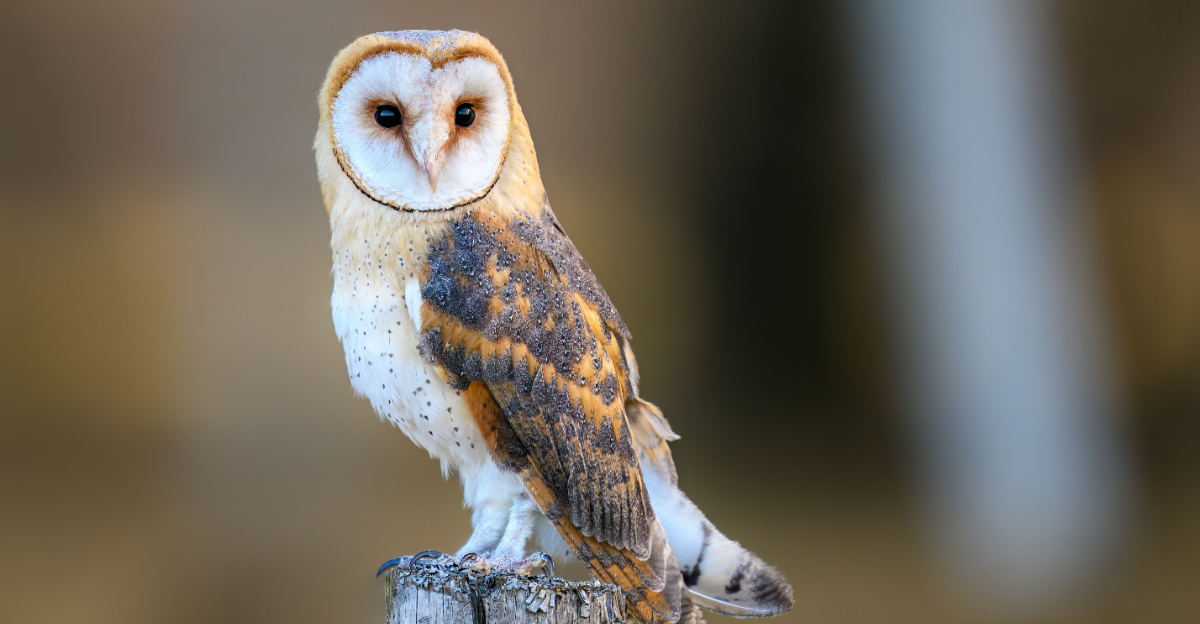
That is part of the reason barn owls are getting so much attention in Arizona. More homeowners are finding ways to encourage these birds nearby and are seeing why they have become such valuable allies in the effort to control rodents.
1. Install Barn Owl Boxes In Quiet Areas
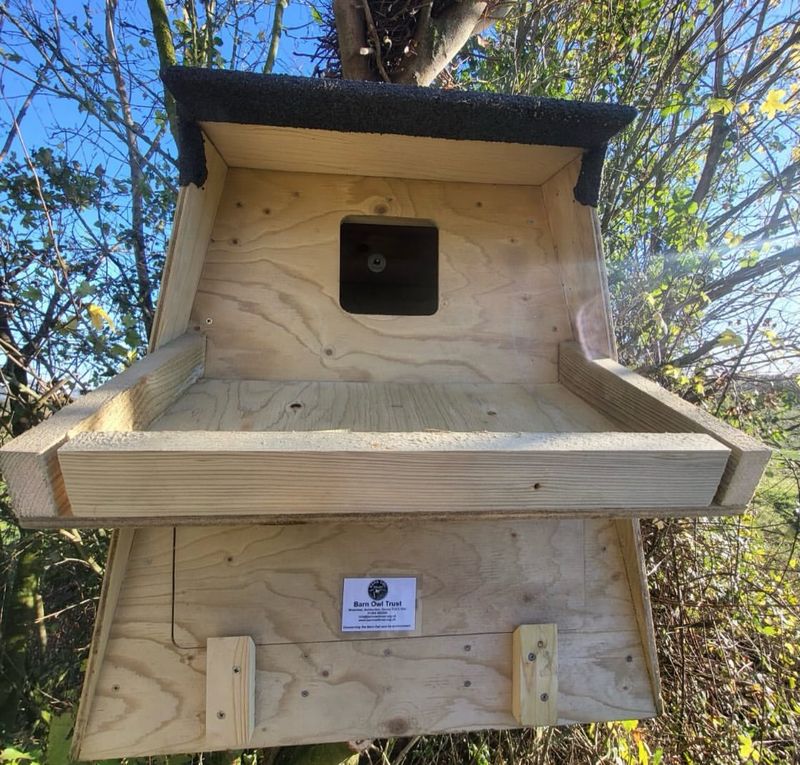
Placement is everything when it comes to barn owl boxes. Put the box in the wrong spot and owls may never show up, no matter how well-built it is.
Barn owls look for quiet, low-traffic areas. Avoid spots near busy roads, loud air conditioning units, or places where dogs run freely.
A calm corner of your yard or near an open field works best.
Mount the box on a wooden post or the side of a barn or shed. Height matters too.
Aim for at least 10 to 15 feet off the ground. Owls feel safer when they have a clear flight path in and out.
Face the opening away from the direction of strong prevailing winds. In many desert areas, afternoon winds blow hard from the west, so east or south-facing openings tend to work better.
Use untreated wood when building or buying a box. Treated lumber can off-gas chemicals that irritate nesting birds.
Rough-cut interior wood gives owlets better grip when they start moving around inside.
Check the box once a year, ideally in late summer after the breeding season ends. Remove old nesting material and look for any damage.
A well-maintained box can attract owls for many years in a row.
2. Barn Owls Can Help Reduce Rodent Numbers
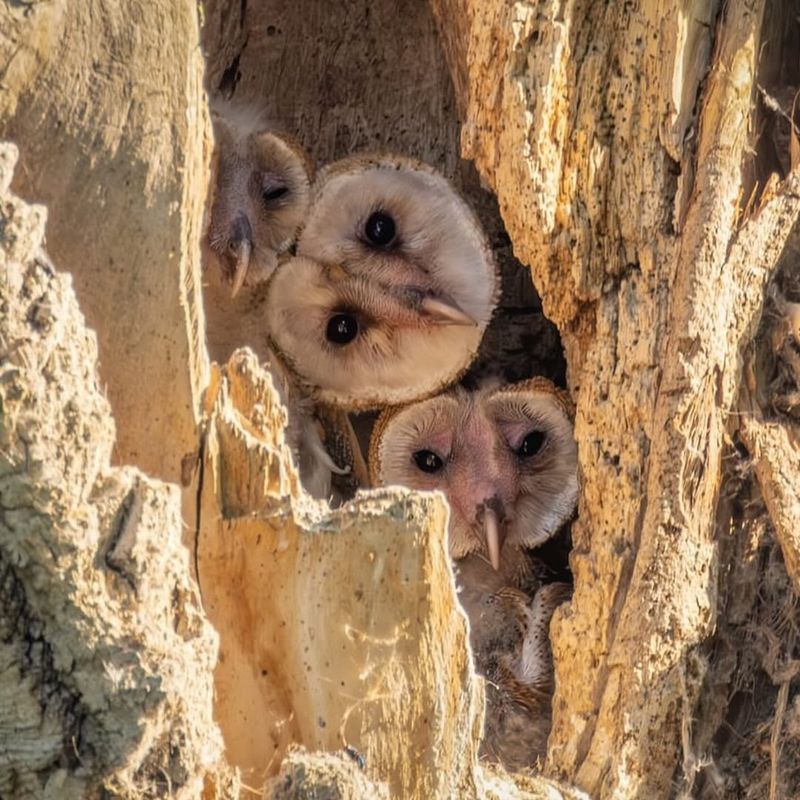
A single barn owl family can remove a surprisingly large number of rodents from the surrounding area over the course of a year. Their natural feeding habits are one reason many homeowners see barn owls as a helpful part of a balanced backyard ecosystem.
A nesting pair with owlets needs even more food. Parents hunt constantly to feed their young.
During peak nesting season, a single owl can bring back several rodents per night to the nest.
Barn owls prefer mice, voles, and rats over almost anything else. That makes them especially useful for homeowners dealing with mouse invasions in garages, sheds, or around garden beds.
Unlike traps or bait stations, owls work silently and automatically. No resetting, no checking, no disposal.
Your Arizona Garden Changes Every Week. Your Plan Should Too.
Gardening in Arizona changes quickly throughout the season. Every Friday you’ll receive a simple weekly plan showing exactly what to plant, prune, fertilize, harvest, and protect so you never miss the right timing.
The owl handles everything on its own schedule.
Rodent populations can bounce back quickly if only traps are used. Owls apply consistent pressure over time.
That steady, nightly hunting makes it harder for rodent numbers to spike again after they drop.
Barn owls are not a magic fix that works overnight. Expect gradual improvement over weeks and months.
Combine owl habitat with good sanitation practices, like securing trash and removing food scraps, and results tend to be stronger and longer-lasting.
Patient homeowners who commit to supporting owl habitat often report noticeably fewer rodents within one to two seasons.
3. Place Nesting Sites Away From Bright Lights
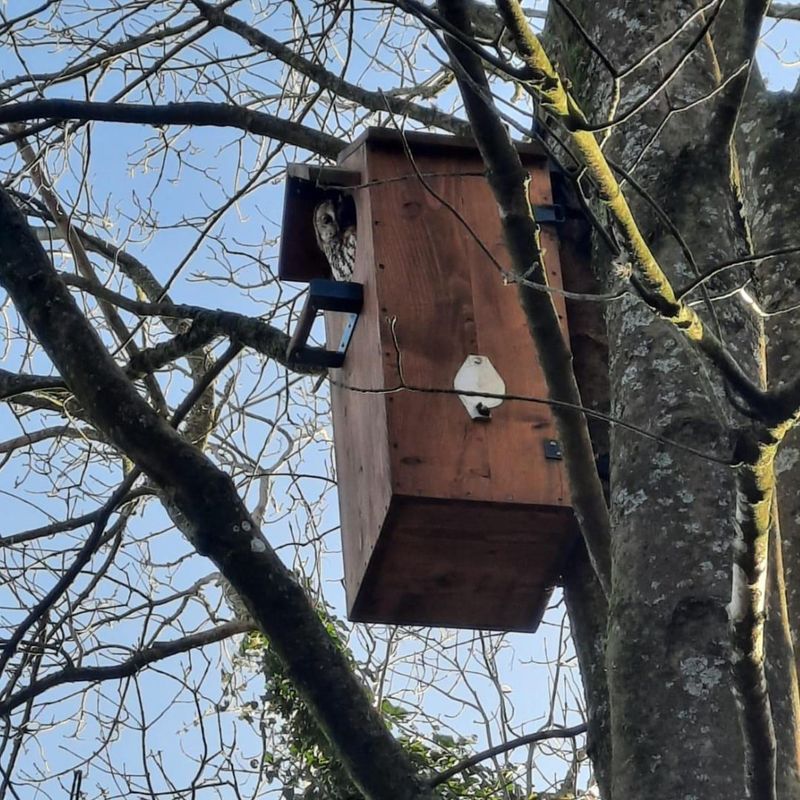
Bright lights are one of the biggest reasons barn owls avoid a property. Owls hunt in near-total darkness, and strong artificial light throws off their natural behavior.
Security lights, porch floods, and decorative string lights can all create problems. Even lights from a neighbor’s property can be enough to push owls away from an otherwise perfect nesting spot.
Position owl boxes at least 50 to 100 feet from any permanent light source when possible. Darker areas near field edges, fence lines, or the far corners of large lots tend to attract owls more reliably.
Motion-activated lights are slightly better than always-on fixtures. At least the owl gets stretches of true darkness between activations.
But even motion lights near a nesting box can stress a sitting bird.
Consider switching nearby outdoor bulbs to amber or warm-toned LEDs. These emit less short-wavelength light and cause less disruption to nocturnal wildlife.
Some homeowners in the Phoenix metro area have made this switch specifically to support owl activity.
Red-spectrum lights are another option near sensitive areas. Bright outdoor lighting can make areas around nest boxes less appealing to barn owls.
Using softer, lower-impact lighting nearby helps create a quieter environment and may encourage owls to remain in the area. Even a small reduction in nighttime lighting around the nest site can make the location feel more suitable for these nocturnal birds.
4. Open Ground Makes Rodent Activity Easier To Spot
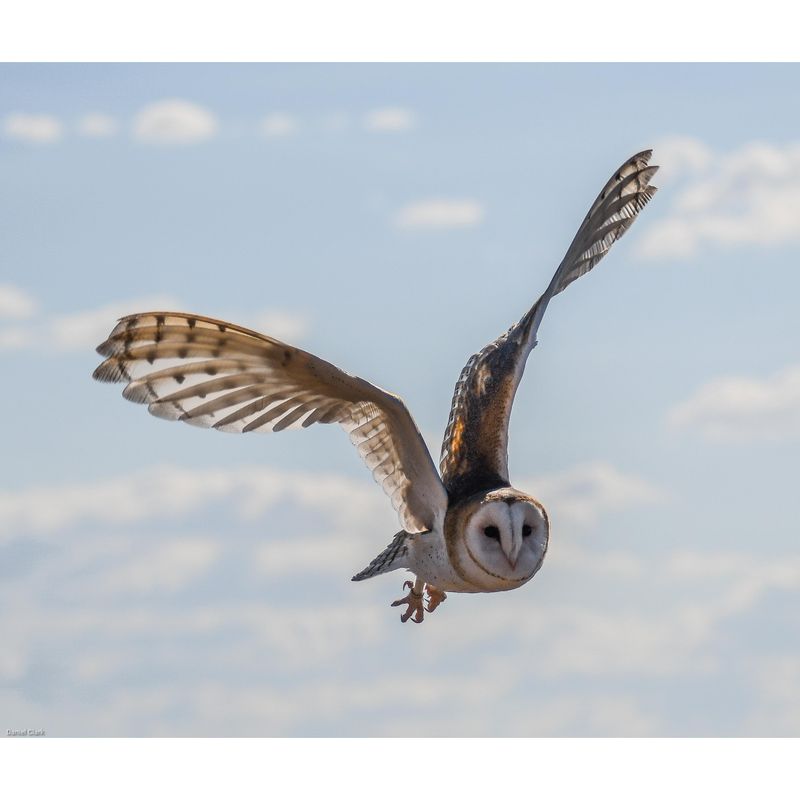
Barn owls hunt by sound and sight. They need open ground to work effectively, and cluttered or overgrown yards make that much harder.
Tall weeds, dense shrubs, and piles of debris give rodents cover. Mice and rats feel safe moving through thick vegetation.
Owls have a harder time detecting movement when the ground is hidden under plant growth.
Keeping grass short and clearing brush around your property creates better hunting conditions. An owl can spot and hear a mouse moving across bare or short-cropped ground far more easily than through dense cover.
Open areas also make rodent activity more obvious to you. Runways, burrows, and droppings are easier to spot when the ground is clear.
Early detection lets you adjust your strategy before a small problem grows.
Gravel paths, cleared fence lines, and mowed buffer zones along property edges all help. These open corridors essentially become hunting lanes for owls on their nightly rounds.
Avoid storing wood piles, old equipment, or construction materials directly on the ground. Rodents nest under and inside these things.
Moving storage off the ground removes shelter that competes with your owl program.
Open ground is not just about aesthetics. It is a functional part of making your property work for natural rodent control.
A well-cleared yard gives owls the best possible conditions to do their job effectively.
5. Avoid Rodenticides That Can Harm Owls
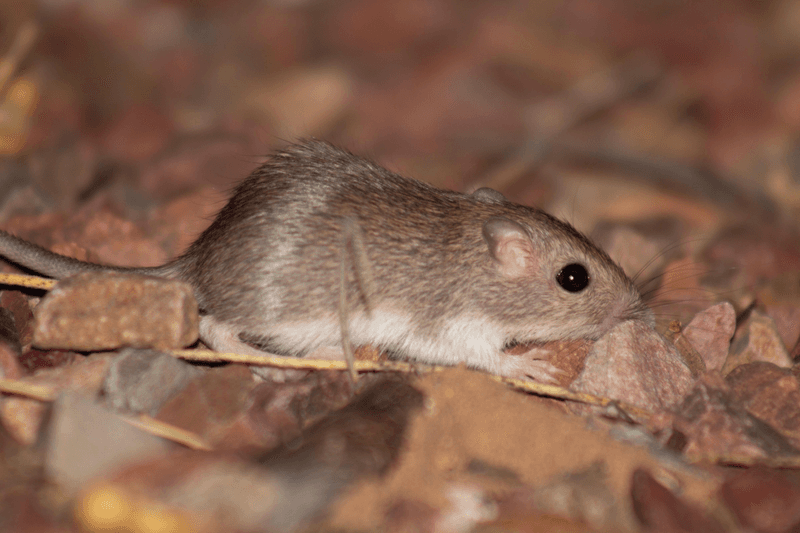
Poison bait stations might seem like an easy fix, but they create a serious problem for owls. A rodent that eats poison does not stop moving right away.
It wanders, slows down, and becomes easy prey.
An owl catches that weakened rodent and ingests the poison along with it. This is called secondary poisoning, and it is one of the leading causes of barn owl decline in suburban and agricultural areas.
Second-generation anticoagulant rodenticides are the most dangerous. Brodifacoum, bromadiolone, and similar compounds accumulate in tissue.
An owl does not need to eat many poisoned rodents before the effects become serious.
Snap traps are a much safer alternative. They work fast, do not leave toxic residue, and keep the rodent contained.
Check and reset them regularly for consistent results.
Live traps followed by relocation also work well in many situations. Relocating rodents far from your property removes them without introducing chemicals into the local food chain.
If you must use any rodent control product, read the label carefully and choose options with the lowest secondary poisoning risk. First-generation products like diphacinone are generally considered less harmful to predators, though no bait is completely risk-free.
Protecting your owl investment means thinking about the whole system. Poison in one part of the yard can undercut everything the owl is doing for you on the other side of the fence.
6. Give Barn Owls Time To Settle In
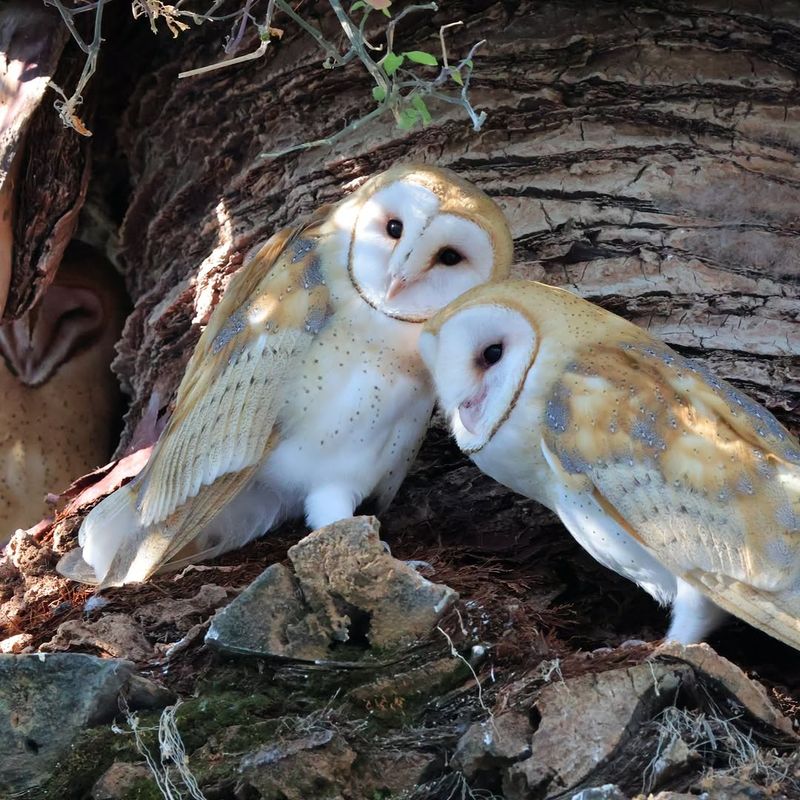
Putting up an owl box and expecting results in a week is the fastest way to get discouraged. Barn owls move on their own timeline, and that timeline does not match human impatience.
In many cases, it takes a full season before any owl investigates a new box. Sometimes it takes two.
That is completely normal and not a sign that something is wrong with the box or its placement.
Barn owls are creatures of habit. Once they find a site they trust, they return to it year after year.
That loyalty is exactly what you want, but it takes time to earn.
Do not disturb the box during the waiting period. Frequent checking, touching the box, or lingering nearby can discourage scouting owls.
Set it up correctly, then leave it alone.
Spring is typically when barn owls begin looking for nesting sites in the Sonoran Desert region. Having your box up and ready before February gives early scouts the best chance to find it.
Watch for signs of interest without getting too close. Feathers near the base of the post, scratching sounds at night, or an owl perched nearby are all encouraging signs.
Consistency matters more than anything. Keep the box maintained, keep the area quiet, and let the owls come to you on their own terms.
Rushing the process usually backfires.
7. Support Long-Term Rodent Control With Owl Habitat
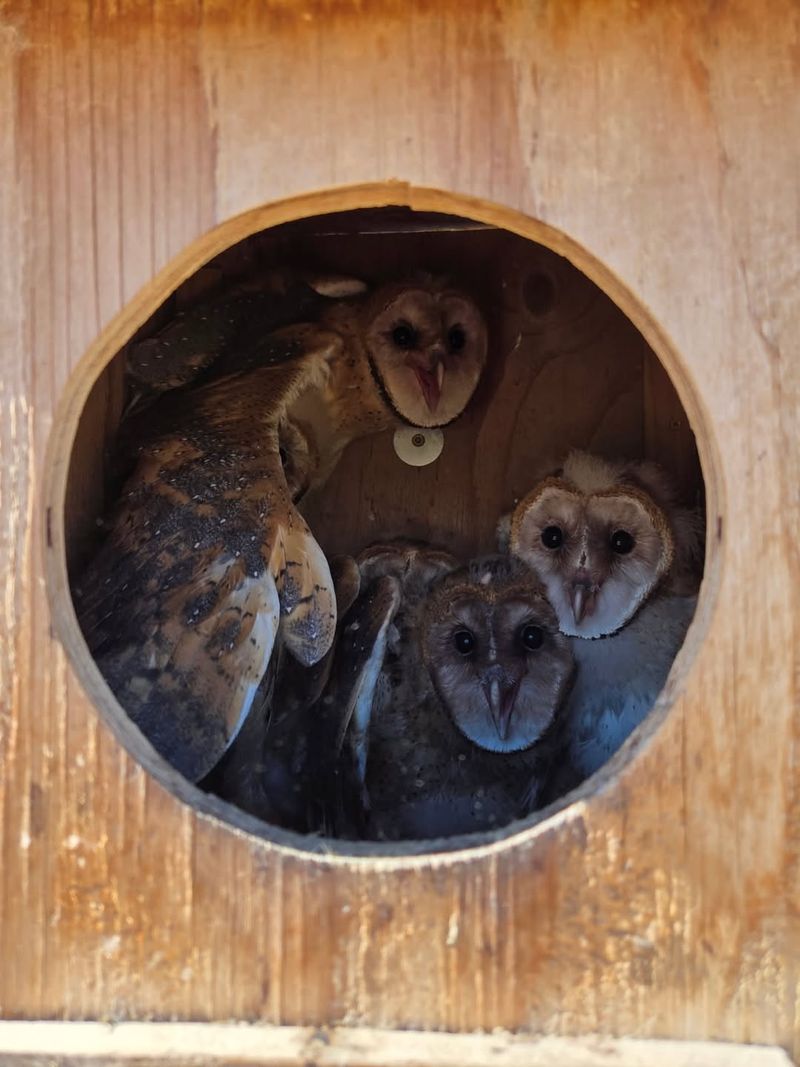
One owl box is a good start. A property designed around owl habitat is a long-term rodent management system that practically runs itself.
Think beyond the single box. Add perch posts throughout the yard so owls have multiple spots to rest and scan.
Simple wooden posts with a crossbar on top are enough. Owls use them constantly.
Native desert plants along property borders provide a natural edge habitat. Owls often hunt along these transition zones where open ground meets low vegetation.
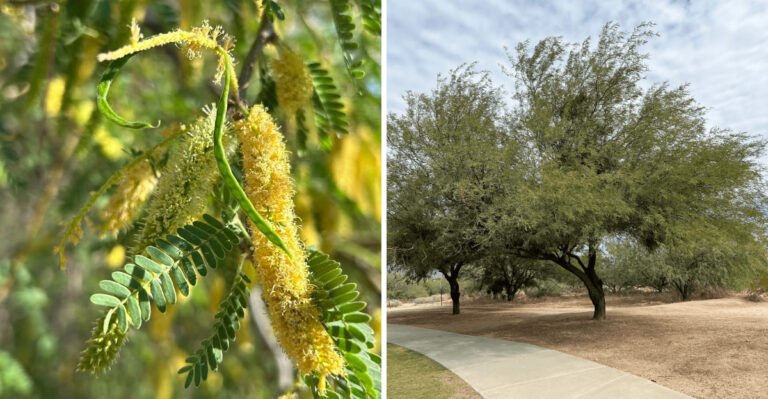
Palo verde trees, mesquite, and native shrubs all create useful structure without blocking hunting lanes.
Water sources help too, though owls do not drink much. A shallow dish of clean water nearby supports the broader wildlife community that keeps your yard ecologically balanced.
Connect with neighbors if possible. Rodent pressure does not stop at property lines.
A coordinated approach where several households maintain owl habitat creates a much larger protected zone.
Document what you observe. Keep a simple log of owl sightings, nesting activity, and rodent encounters.
Patterns emerge over time and help you refine your setup for better results.
Barn owl habitat is an investment that grows in value each year. As owls become established and raise young, those offspring often return to nest nearby.
Over several seasons, a single well-placed box can anchor a small owl population that keeps your property naturally protected year-round.