The Reason Javelina Are Moving Closer To Arizona Homes This Summer
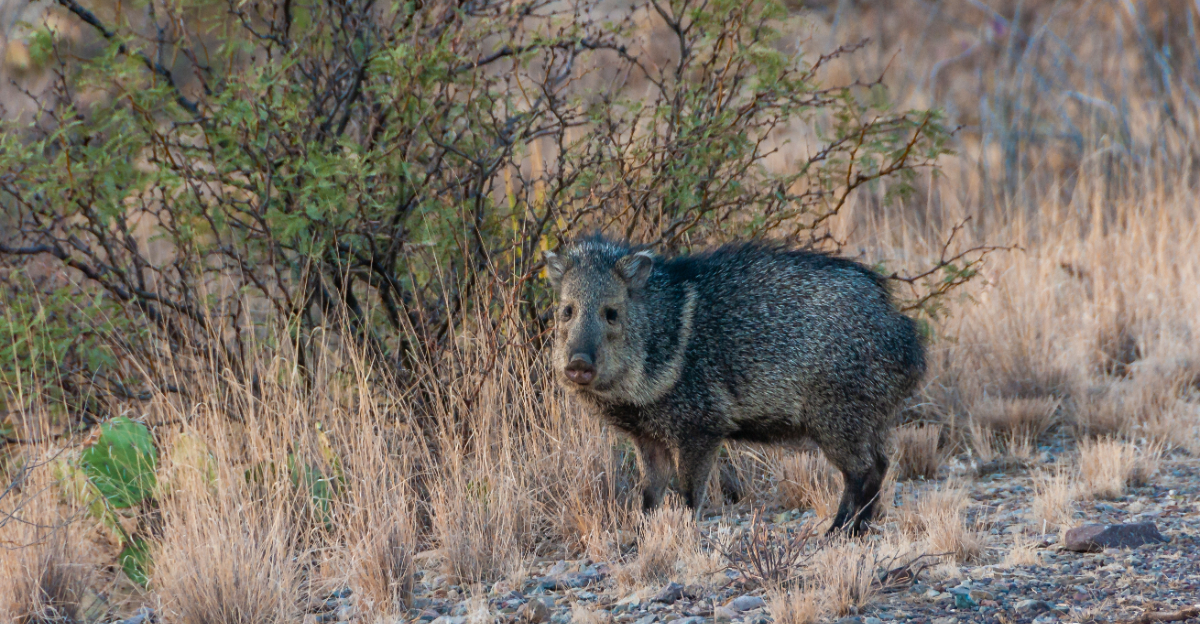
Javelina are showing up in places where many people never expected to see them. A quick visit can easily turn into regular sightings around the same neighborhood.
It is easy to blame bad luck when one wanders through a yard. These animals usually have a clear reason for changing their routine.
Their movements follow food, water, and safe places to travel.
Summer pushes wildlife to make different choices than the rest of the year. Even small changes around a neighborhood can quietly attract more visitors than people realize.
Arizona neighborhoods offer more resources than they did years ago. That is one reason javelina keep appearing closer to homes during the hottest months.
Understanding why they are coming closer makes those unexpected visits much easier to explain.
1. Dry Weather Sends Javelina Looking For Food And Water
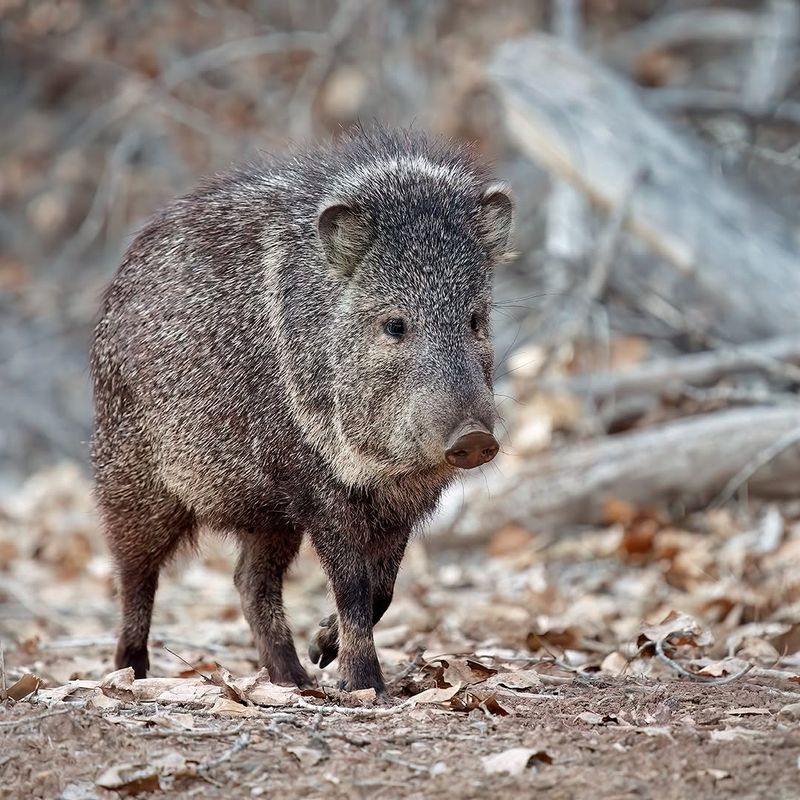
Scorching heat and almost no rainfall can flip a javelina’s routine upside down. When the desert dries out in summer, natural food sources shrink fast.
Cacti produce less fruit, grasses wither, and roots become harder to find.
Javelina are opportunistic feeders. They eat prickly pear, roots, insects, and even small reptiles when food is scarce.
When the desert stops providing enough, they start looking elsewhere.
Neighborhoods offer something the open desert cannot during a drought: reliable moisture. Irrigated lawns, garden plants, and potted succulents are all attractive targets.
A javelina that finds food near a home will likely return.
Water is just as important as food. Javelina need to drink regularly, especially when temperatures climb above 100 degrees.
Without natural water sources nearby, they start following scent trails toward anything wet.
Dry summers push their range outward. Javelina that normally stay miles from homes may wander closer when conditions get tough enough.
Suburban edges near desert preserves tend to see the most activity.
Removing accessible food from your yard is one of the most practical steps you can take. Pick up fallen fruit, water plants in the morning so soil dries before evening, and avoid leaving pet food outside.
Small changes can make a big difference in keeping them moving along.
2. Unsecured Trash Brings Them Into Neighborhoods
Trash smells incredible to a javelina. Their sense of smell is sharp, and a single unsecured garbage can is enough to pull them blocks away from the desert edge.
Javelina are not picky. Leftover food scraps, fruit rinds, vegetable peels, and even greasy food wrappers are all worth investigating.
Once they find a reward, that spot gets remembered.
Garbage pickup schedules can make the problem worse. Putting bins out the night before collection gives javelina hours to explore.
A knocked-over can left outside overnight is basically an open invitation.
Bungee cords, locking lids, or heavy rocks on top of bins can reduce the problem significantly. Storing cans in a garage or enclosed area until morning is even more effective.
Javelina are persistent but not clever enough to open latched containers.
Neighbors matter too. One unsecured bin on your street can draw animals into the whole block.
Your Arizona Garden Changes Every Week. Your Plan Should Too.
Gardening in Arizona changes quickly throughout the season. Every Friday you’ll receive a simple weekly plan showing exactly what to plant, prune, fertilize, harvest, and protect so you never miss the right timing.
Talking to neighbors about securing trash is worth the conversation.
Compost piles are another overlooked attractant. Open composting with food scraps near a fence line or yard edge can bring javelina in regularly.
A sealed compost bin or an enclosed system works much better for desert-adjacent yards. Removing the food reward is the fastest way to break the habit of javelina visiting your neighborhood.
3. Thick Shrubs Give Them A Cool Place To Rest
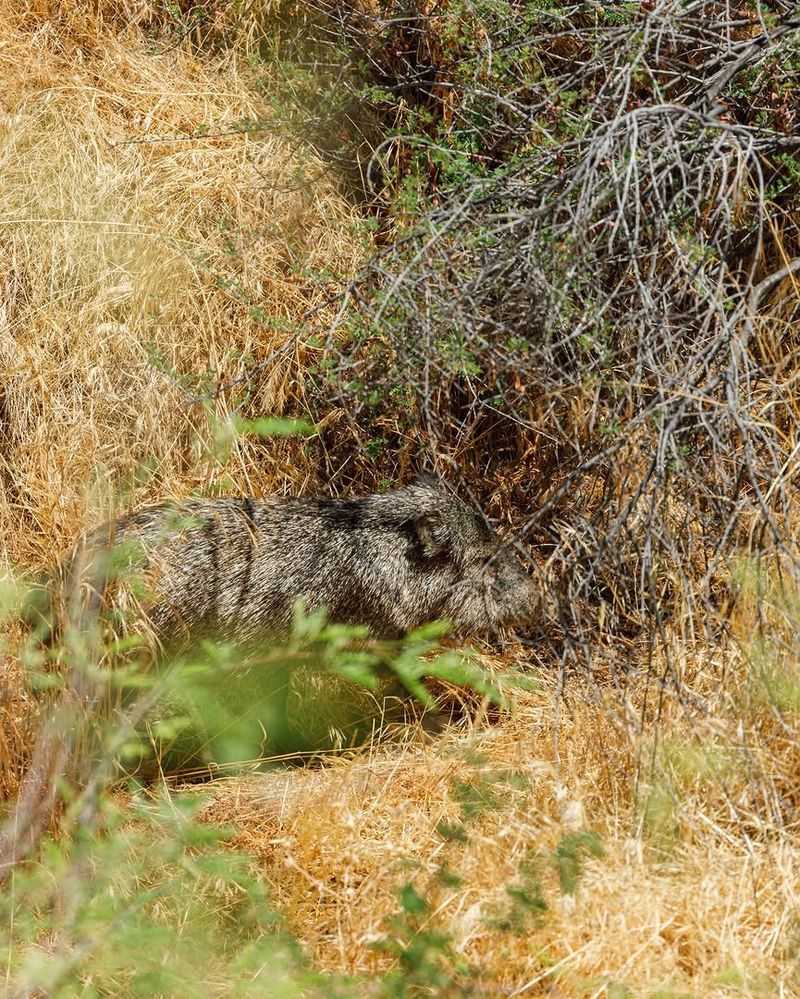
Shade is survival in a desert summer. When midday temperatures push past 105 degrees, javelina search for anywhere cool and dark to wait out the heat.
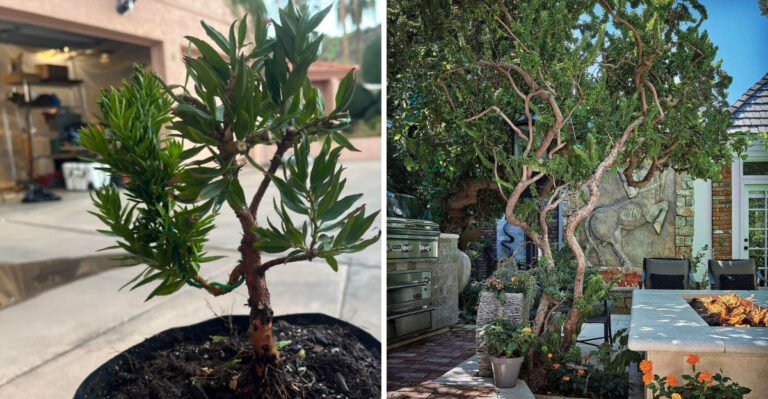
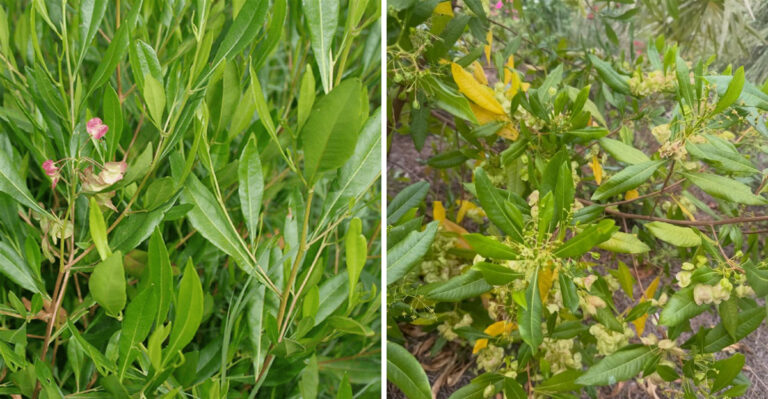
Thick shrubs, overgrown hedges, and dense ground cover near homes offer exactly that. A mature oleander hedge or a cluster of desert broom can create a shaded pocket that feels much cooler than open ground.
Javelina often rest in groups. A family herd can settle under a large shrub and stay there for hours.
Homeowners sometimes discover them only when they step outside or hear rustling near the fence line.
Yards with heavy vegetation near walls or under windows are especially attractive. Javelina do not need much space to feel hidden.
Even a narrow gap between a shrub and a block wall can serve as a resting spot.
Trimming shrubs so they do not touch the ground reduces hiding opportunities. Keeping a clear gap of at least a foot between the base of large plants and the soil makes the space less appealing.
Javelina prefer dense cover, not open exposure.
Motion-activated sprinklers can also discourage resting near specific areas without causing harm. Lighting up dark corners of a yard at night adds another layer of deterrence.
A few habitat adjustments go a long way toward making your yard less comfortable for uninvited guests.
4. Bird Baths And Ponds Provide Drinking Water
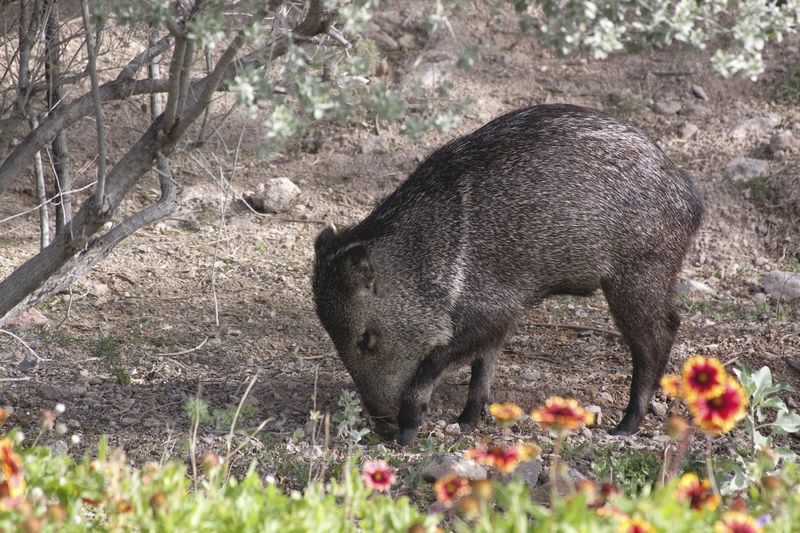
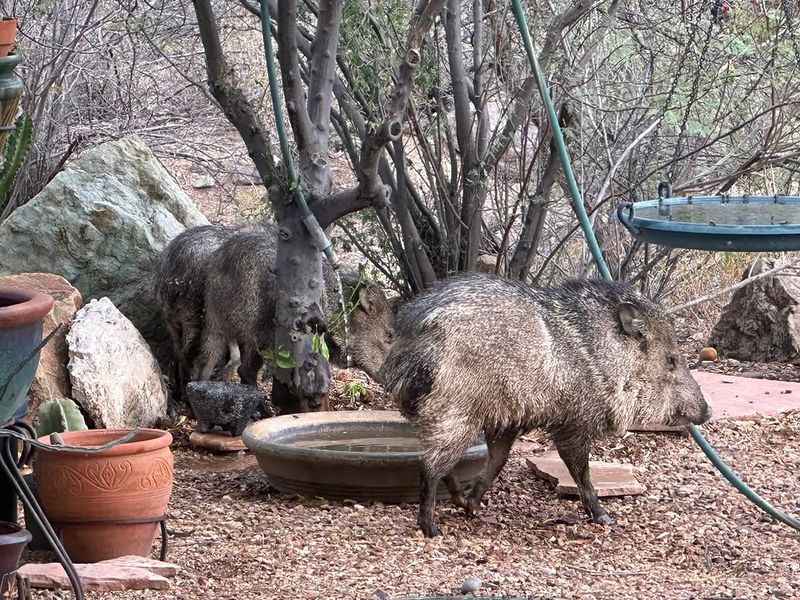
Standing water in a yard is a magnet during a dry summer. Bird baths, garden ponds, fountain basins, and even shallow plant saucers can attract javelina looking for a drink.
Javelina need water daily when temperatures are high. Natural water sources like seasonal streams and desert pools dry up in summer, sometimes leaving animals with very few options.
A backyard water feature becomes a reliable stop on their route.
Bird baths are surprisingly effective at drawing them in. They are low to the ground, hold water for days, and are often placed in open but accessible spots.
A javelina that finds one will likely come back the next evening.
Garden ponds with fish or plants can suffer real damage from a visiting herd. Javelina may wade in, disturb the edges, or trample surrounding plants.
Pond fencing or motion-activated deterrents can help protect the area.
Emptying bird baths at night and refilling them in the morning is one of the simplest solutions. If you enjoy watching birds during the day, this approach keeps the feature useful without leaving water out overnight when javelina are most active.
Decorative fountains with recirculating pumps are harder to secure. Surrounding them with gravel, rocks, or low fencing can create enough of a barrier to reduce easy access.
5. Open Gates Make Yards Easy To Enter
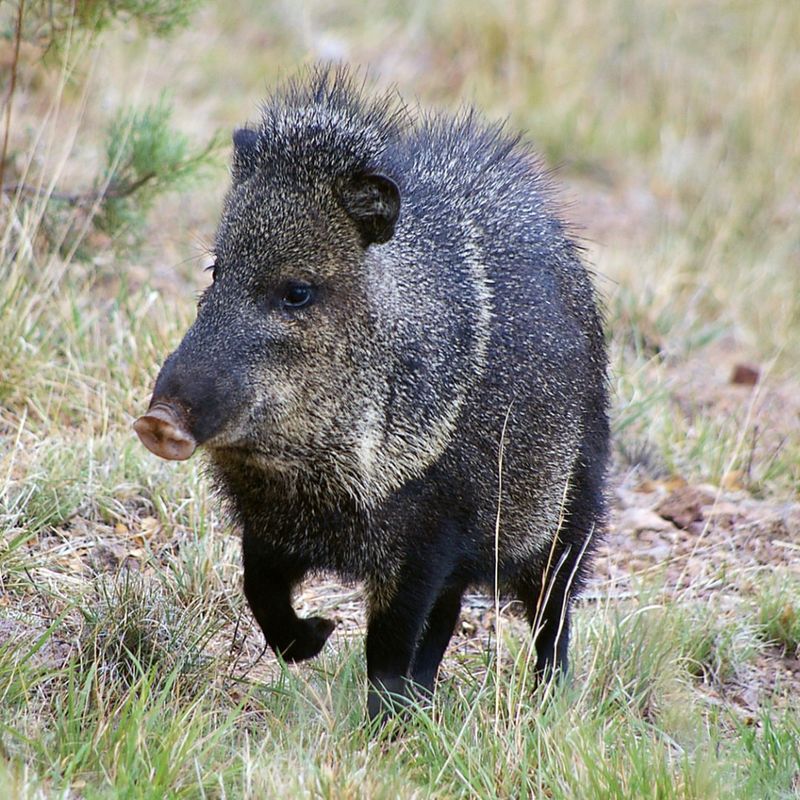
A gate left open is all the access a javelina needs. These animals are low to the ground and surprisingly quick.
An unlatched or wide-open gate is a welcome entrance into a fenced yard.
Many homeowners do not think about their gates as a javelina entry point. But any yard with food, water, or shade nearby becomes worth exploring once the barrier is removed.
Javelina are curious and will investigate new spaces if given the chance.
Side gates and back gates are the most common access points. Delivery drivers, kids playing outside, and contractors working in the yard can all leave gates open without realizing the risk.
Even a few minutes of access can lead to a visit.
Self-closing hinges and spring-loaded latches are inexpensive fixes that make a real difference. Installing them on every gate in the yard removes the human error element entirely.
Gates that close and latch automatically do not rely on anyone remembering to secure them.
Gaps under or around gates can also be a problem. A javelina can squeeze through a surprisingly small opening if motivated.
Checking for gaps and adding a bottom rail or brush guard can close off low-level entry points.
Fences alone do not keep javelina out if the gate is not secured.
Treating gate security as seriously as fence maintenance is a smart habit for any homeowner living near desert open space in the Southwest.
6. They Become More Active After Sunset
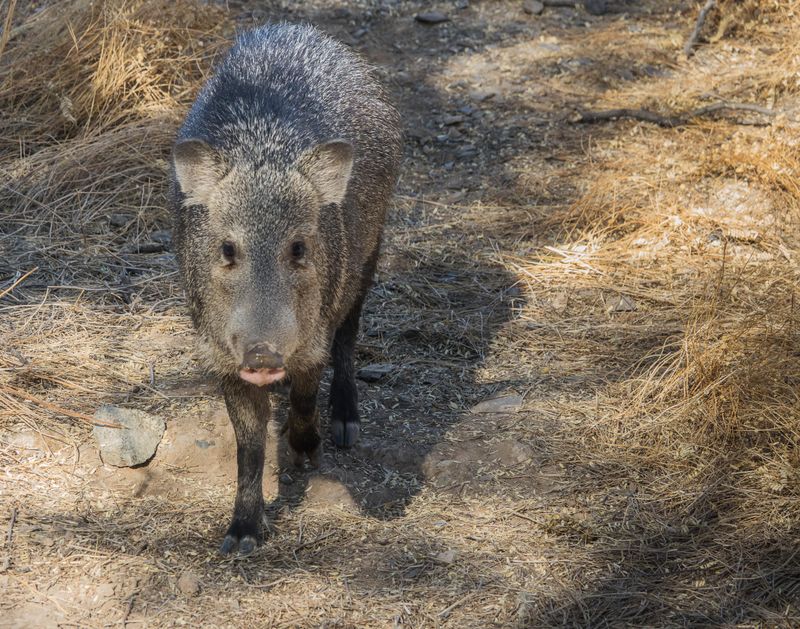
Javelina shift their schedule in summer. Brutal daytime heat pushes most of their activity into the cooler hours after the sun goes down.
Dusk and the hours that follow are prime time for neighborhood visits.
Homeowners who have never seen a javelina in years may suddenly spot one at 9 or 10 at night. Cooler air makes it easier to travel longer distances.
Herds can cover a surprising amount of ground between sunset and midnight.
Outdoor lights help but do not stop them on their own. Javelina that have visited a yard before may return regardless of lighting.
Motion-activated lights are more effective because sudden brightness can startle them and break their routine.
Pets are at higher risk during evening hours. Javelina can be aggressive when startled or when they feel a pet threatens their young.
Keeping dogs and cats indoors after dusk is a practical precaution during peak summer months in desert communities.
Evening walks in javelina territory require some awareness. Walking dogs on a short leash and carrying a walking stick or noise-maker can help create distance if a herd is nearby.
Loud noises and sudden movement usually send them off in the other direction.
Knowing that javelina are most active after dark helps you plan around them.
7. Regular Visits Often Follow The First One
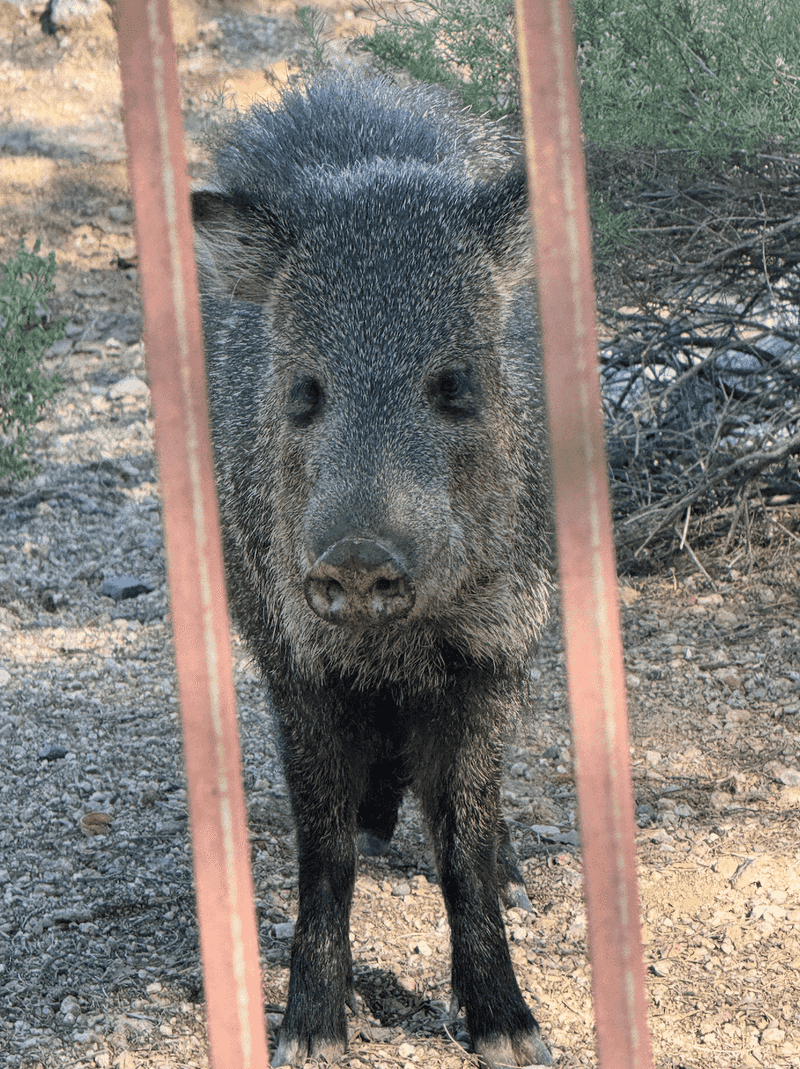
Javelina have a strong memory for places that have worked out well in the past. Once they move through a yard without being disturbed, they often add that location to their regular travel route.
The next visit may happen days later, but repeated success can quickly turn occasional sightings into a familiar pattern.
These animals usually follow the same paths between feeding and resting areas. Fences, washes, and neighborhood edges often become part of those routes.
If nothing interrupts the pattern, they may continue using the same path for weeks.
Changing the yard after the first visit is often more effective than waiting for another one. Removing anything that encouraged the visit and making the area less inviting can persuade them to continue moving elsewhere instead of stopping again.
Early action also keeps young javelina from learning the same route from older animals. Once several members of a herd become comfortable with a neighborhood, changing their routine becomes much more difficult.
Breaking the pattern early gives the best chance of preventing regular visits.