Why Michigan Gardeners Are Taking Out Their Japanese Barberry And What They’re Planting Instead
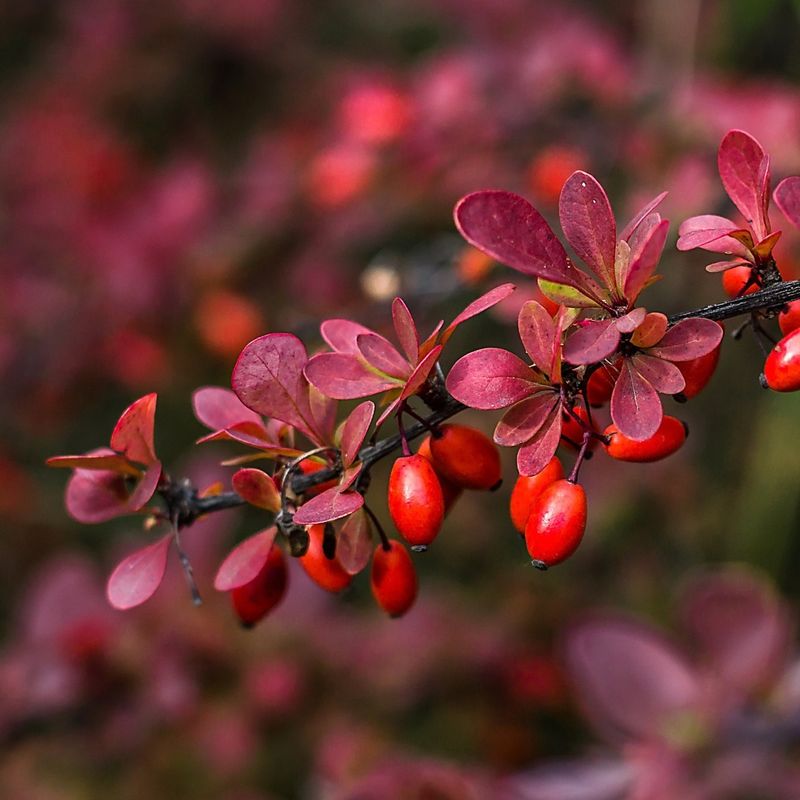
Japanese barberry has been a staple of Michigan residential landscapes for decades, showing up in foundation plantings, borders, and commercial properties across the state.
What has become increasingly clear is that this shrub causes serious problems well beyond the edges of whatever yard it was planted in.
It creates dense ground-level habitat that research has directly linked to higher tick populations, and it spreads aggressively into natural areas where it displaces native vegetation that local wildlife depends on.
Several Michigan counties have already moved to restrict it, and more are following.
Gardeners who are taking it out are discovering that the alternatives available to them are not compromises at all, but genuinely better choices in almost every way that matters for a healthy, productive yard.
1. Japanese Barberry Creates A Tick Habitat
Most people plant Japanese Barberry because it looks nice and seems tough. What they do not realize is that this shrub is practically rolling out a welcome mat for ticks.
The dense, low-growing branches trap humidity close to the ground, creating exactly the kind of warm, moist shelter that ticks love.
Studies have actually found that areas with Japanese Barberry have significantly higher tick populations than areas without it.
One study from Connecticut found that the presence of Barberry was directly linked to higher numbers of black-legged ticks, also called deer ticks, which carry Lyme disease.
Michigan has seen growing concern over Lyme disease cases, making this connection especially important for families with kids and pets who play outdoors.
The shrub’s thorny structure discourages natural predators from disturbing tick populations, letting them thrive undisturbed. Ticks drop off passing deer or mice and find a cozy hiding spot within the barberry’s thick interior.
Removing the shrub disrupts that shelter entirely. Gardeners who have pulled out their barberry report noticing fewer ticks in their yards almost immediately.
Swapping this plant out for a native shrub with a more open growth habit reduces the humid microclimate that ticks depend on, making your outdoor space safer and more enjoyable for everyone who uses it.
2. Japanese Barberry Spreads Aggressively Into Michigan Woodlands
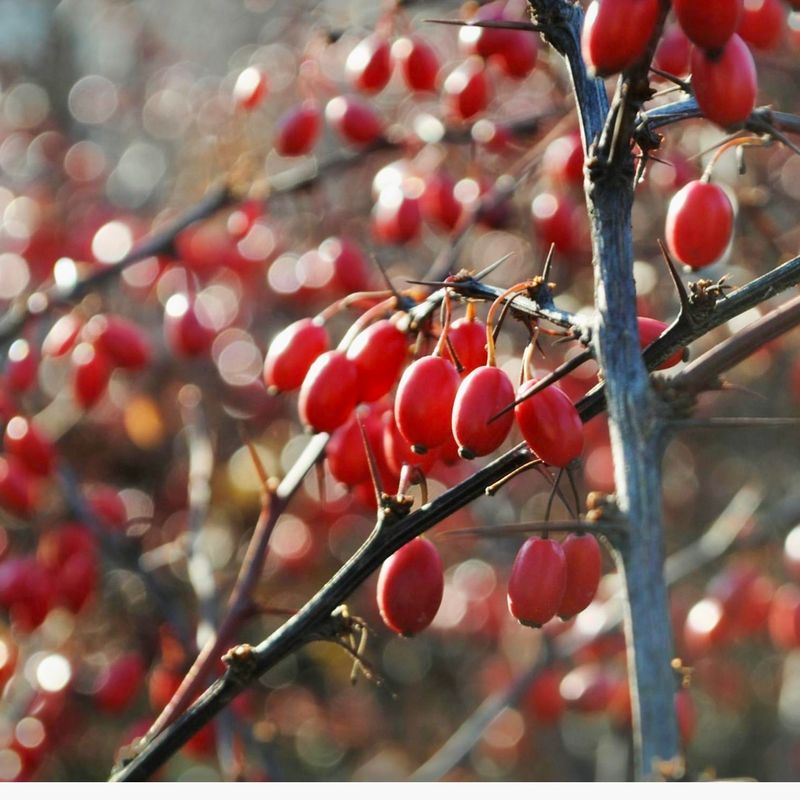
Few plants cause as much quiet chaos in natural areas as Japanese Barberry. Birds eat its small red berries and then fly off into nearby forests, dropping seeds as they go.
Those seeds sprout quickly and grow into dense thickets that crowd out native wildflowers, ferns, and tree seedlings that ecosystems depend on.
What makes this spread so hard to control is how adaptable the plant is. Barberry tolerates shade, drought, poor soil, and even compacted ground.
That resilience, which once made it seem like a great landscape plant, is exactly what makes it so problematic in wild areas.
It establishes itself along forest edges, roadsides, and stream banks with very little effort, and once it gets a foothold, it is genuinely hard to manage.
Michigan’s Department of Natural Resources and the Michigan Invasive Species Program both list Japanese Barberry as a Category B invasive species, meaning its spread is a documented concern.
Your Michigan Garden Changes Every Week. Your Plan Should Too.
Gardening in Michigan changes quickly throughout the season. Every Friday you’ll receive a simple weekly plan showing exactly what to plant, prune, fertilize, harvest, and protect so you never miss the right timing.
Unlike native shrubs that evolved alongside local wildlife and plants, Barberry does not contribute positively to the ecosystem.
It changes soil chemistry, raises nitrogen levels, and alters the conditions other plants need to grow. Gardeners who remove it from their yards are doing more than improving their own landscape.
They are actively helping prevent further spread into the natural areas that make Michigan such a beautiful state to live in.
3. Japanese Barberry Supports Very Few Native Pollinators
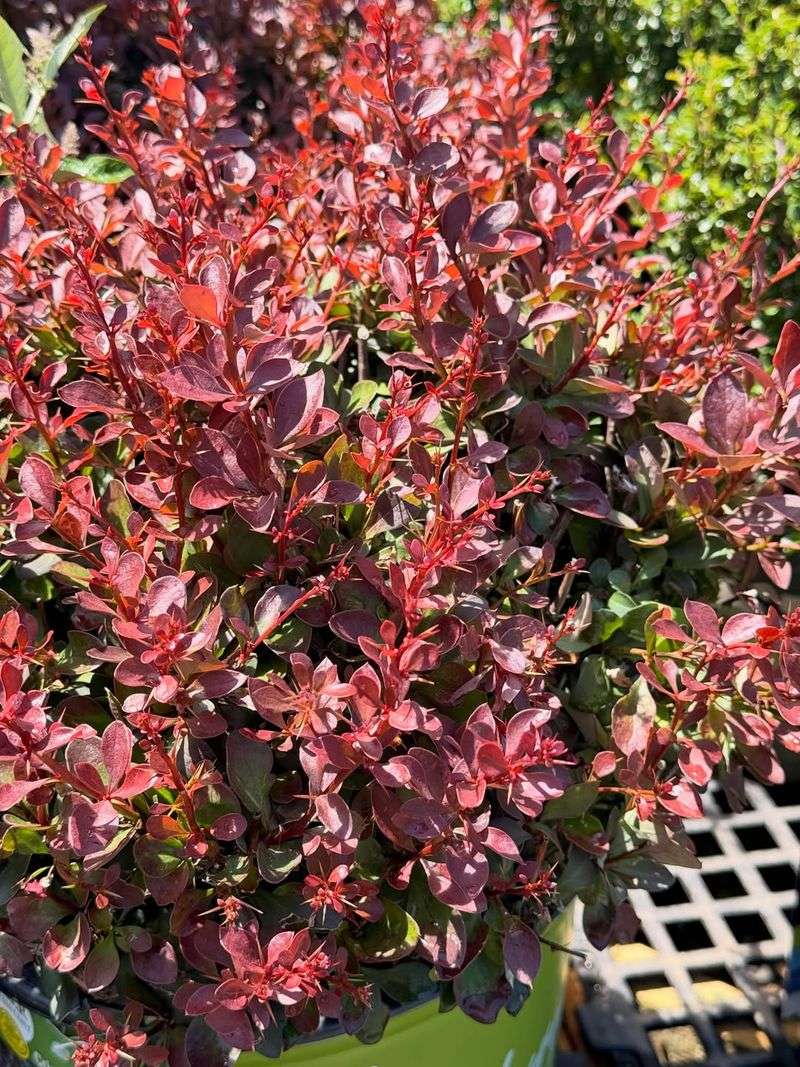
Healthy gardens hum with activity. Bees zip between flowers, butterflies drift over blooms, and beneficial insects work quietly through the foliage.
Japanese Barberry, despite flowering in spring, contributes almost nothing to that activity. Its small yellow flowers attract very few native pollinators, and its structure offers minimal habitat value for the insects gardens need most.
Native pollinators like bumblebees, sweat bees, and specialist bee species have co-evolved with native plants over thousands of years.
They are wired to seek out specific flower shapes, colors, and scents that match plants found naturally in Michigan.
Japanese Barberry, which originates from Japan and parts of China, simply does not match those cues. It is essentially invisible to much of the local pollinator community.
Beyond pollinators, the plant also supports very few native caterpillars, which are a critical food source for nesting birds.
Research from entomologist Doug Tallamy has shown that native oaks support hundreds of caterpillar species, while non-native plants like Barberry support close to zero.
That gap in the food chain has real consequences for bird populations. Replacing Barberry with a native shrub immediately increases the ecological value of your yard.
Even one or two well-chosen native plants can make a measurable difference in how many insects, birds, and beneficial creatures your garden supports throughout the season.
4. Northern Bush Honeysuckle Is A Fantastic Native Replacement
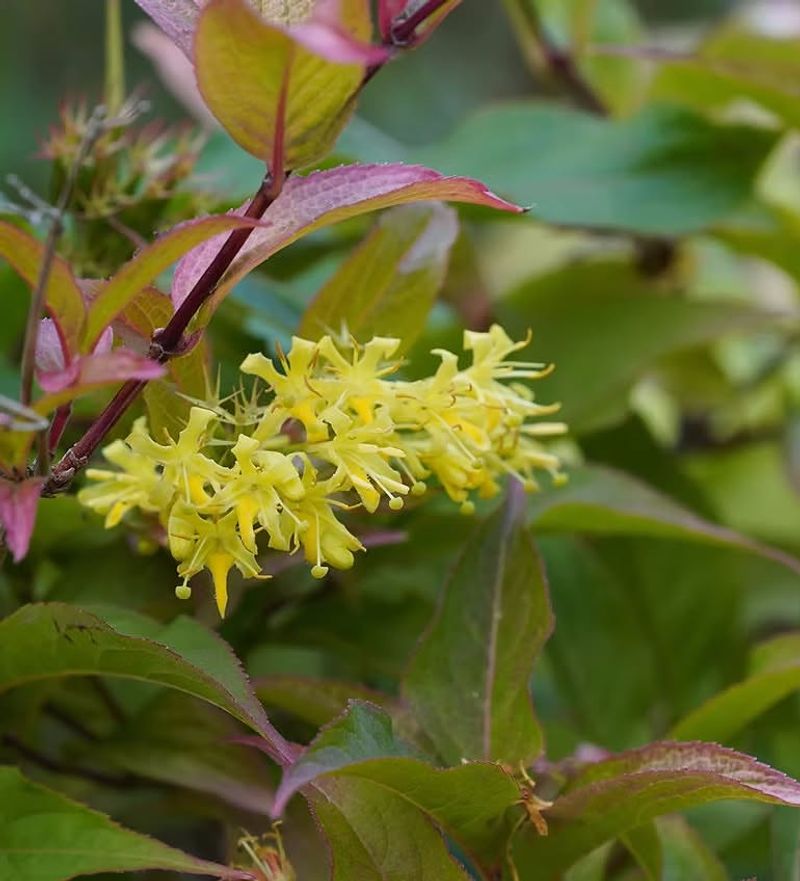
Northern Bush Honeysuckle, known scientifically as Diervilla lonicera, is one of the best-kept secrets in native plant gardening.
Unlike the invasive bush honeysuckles that have also caused problems in the Midwest, this one is truly native to Michigan and behaves beautifully in a landscape.
It forms a tidy, spreading mound that usually reaches about three to four feet tall and wide, making it a great fit for borders, slopes, and naturalized areas.
The cheerful yellow flowers bloom in early summer and are absolutely loved by native bumblebees. After the blooms fade, the foliage takes on warm red and burgundy tones in fall, giving the shrub a second season of visual interest.
It handles part shade to full sun and tolerates dry, sandy soils that challenge many other plants, which makes it well-suited to Michigan’s varied landscape conditions.
From a tick perspective, Northern Bush Honeysuckle’s more open, airy growth habit does not create the same humid microclimate that Barberry does.
Ticks prefer dense, ground-level cover with high moisture, and this shrub simply does not provide that.
It spreads gradually by underground stems, which helps it fill in over time without becoming aggressive.
For gardeners who want a low-maintenance, wildlife-friendly shrub that looks great from spring through fall, Northern Bush Honeysuckle is a genuinely rewarding choice worth planting this season.
5. Spicebush Brings Fragrance And Wildlife Value To Your Yard
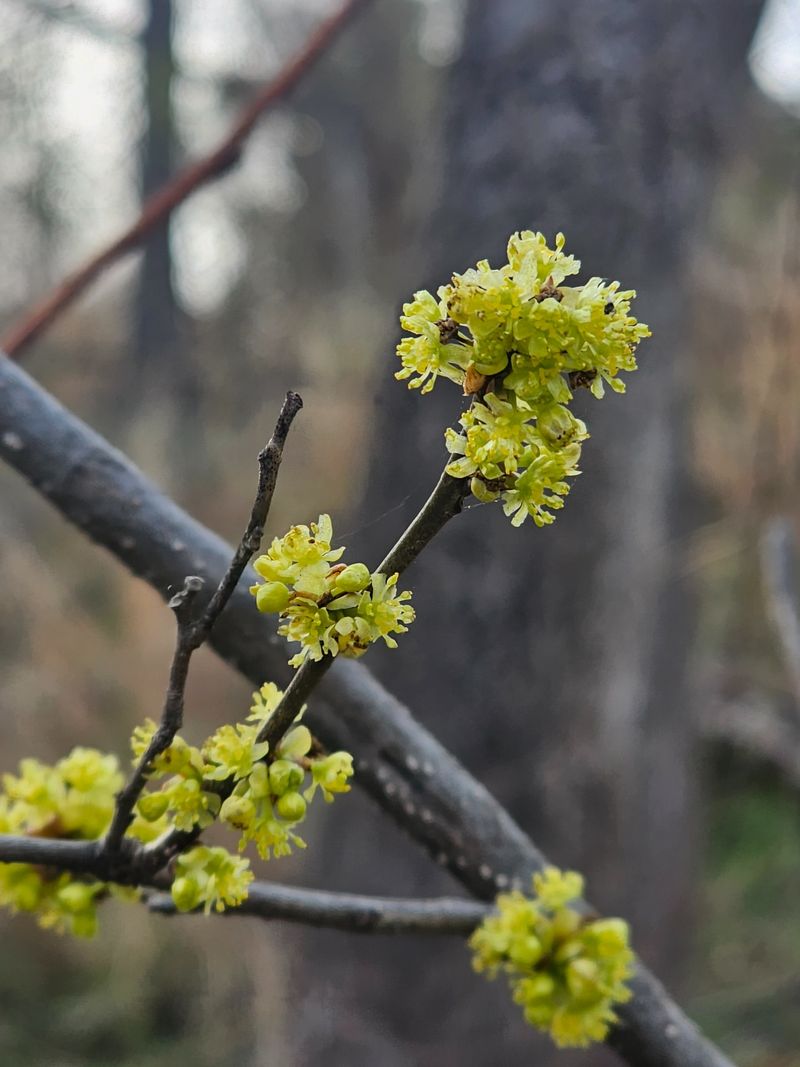
Few shrubs make as strong a sensory impression as Spicebush. Crush a leaf between your fingers and you get an immediate burst of spicy, citrusy fragrance that is genuinely surprising.
Lindera benzoin, as it is formally known, is native to Michigan’s understory woodlands and has been part of the eastern landscape for thousands of years. That long history means local wildlife has had plenty of time to figure out how useful it is.
Spicebush is the primary host plant for the Spicebush Swallowtail butterfly, one of the most striking butterflies in the Midwest.
Female butterflies seek it out specifically to lay their eggs, and the caterpillars that hatch feed on the leaves.
Beyond butterflies, the bright red berries that appear in late summer and fall are a high-fat food source that migrating birds depend on during their long journeys south. More than 20 bird species have been documented eating Spicebush berries.
For Michigan gardeners dealing with shady spots where other shrubs struggle, Spicebush is a reliable and beautiful answer.
It thrives in part shade to full shade, tolerates moist soils, and grows to about six to twelve feet tall over time with minimal care.
Its early spring flowers, which appear before the leaves, are among the first blooms of the year and provide an early nectar source for pollinators just waking up from winter.
Replacing Barberry with Spicebush is genuinely one of the most impactful swaps you can make.
6. Mapleleaf Viburnum Adds Color And Supports Local Birds
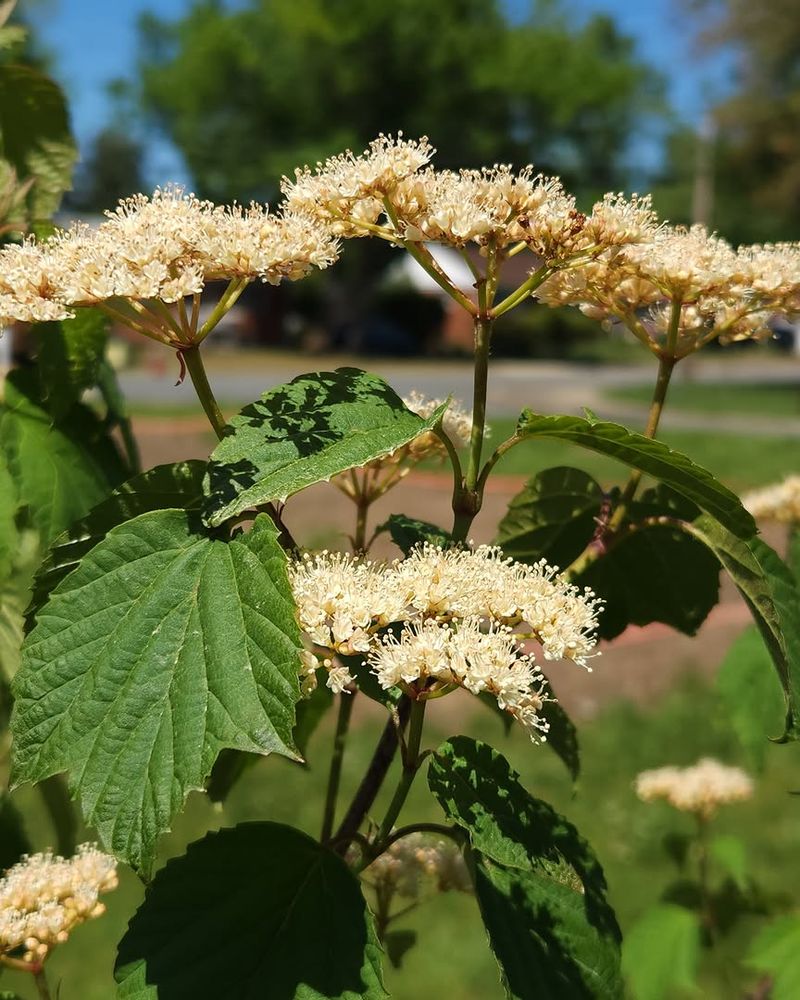
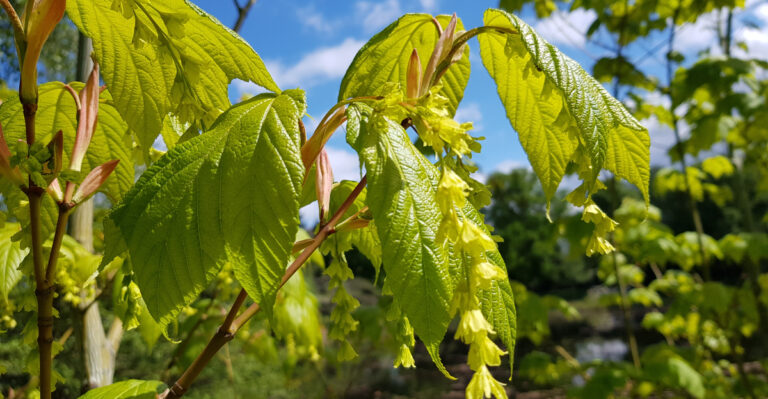
If you want a shrub that earns its place in the garden across every season, Mapleleaf Viburnum is hard to beat. Viburnum acerifolium is native to Michigan’s forests and gets its name from its leaves, which look strikingly similar to maple leaves.
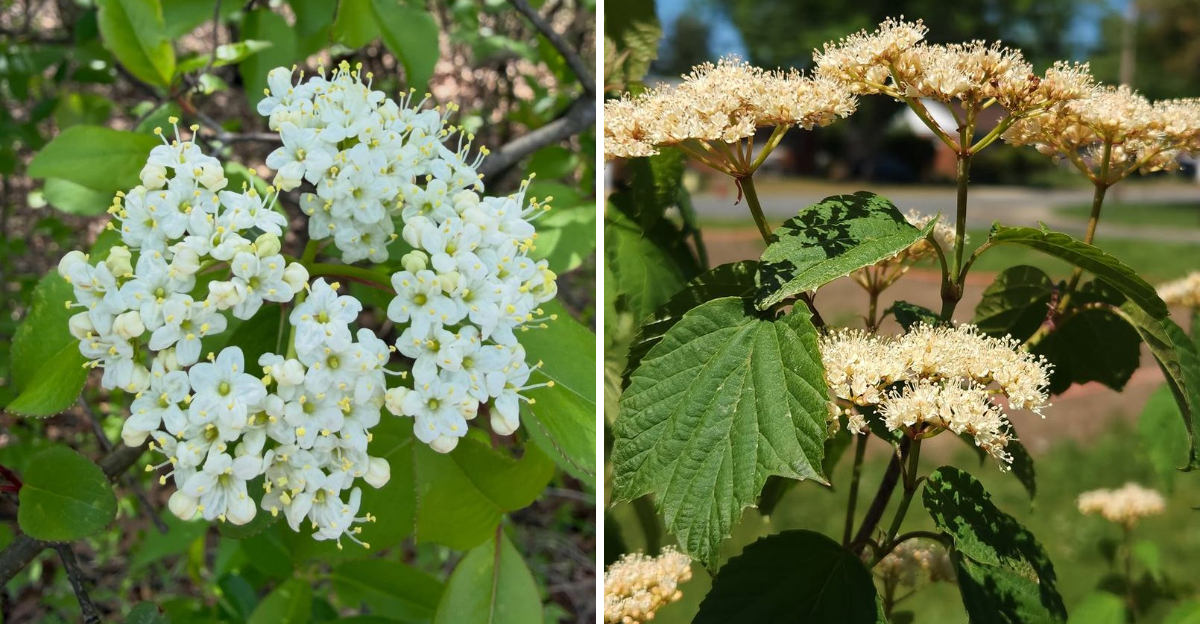
In spring it produces flat-topped clusters of small white flowers. By fall, those flowers become clusters of dark blue-black berries that birds absolutely flock to, and the foliage turns stunning shades of pink, red, and purple.
Unlike Japanese Barberry, which forms a tight, humid thicket, Mapleleaf Viburnum has a more upright, open structure that does not create the sheltered ground-level conditions ticks prefer.
It typically grows four to six feet tall and spreads gradually through root suckers, eventually forming a loose colony that works beautifully as a natural hedge or woodland edge planting.
It handles shade better than almost any other flowering shrub, making it perfect for spots under large trees where little else will grow.
The berries are a top food source for birds including robins, bluebirds, cedar waxwings, and wild turkeys. Because the fruit persists into winter, it provides nutrition during the cold months when food is scarce.
Growing it is genuinely straightforward. Mapleleaf Viburnum prefers well-drained to moist soil, tolerates acidic conditions common in Michigan, and requires very little pruning or maintenance once established.
It rewards patient gardeners with years of seasonal beauty and wildlife activity.
7. Leatherwood Is A Unique And Underused Native Shrub
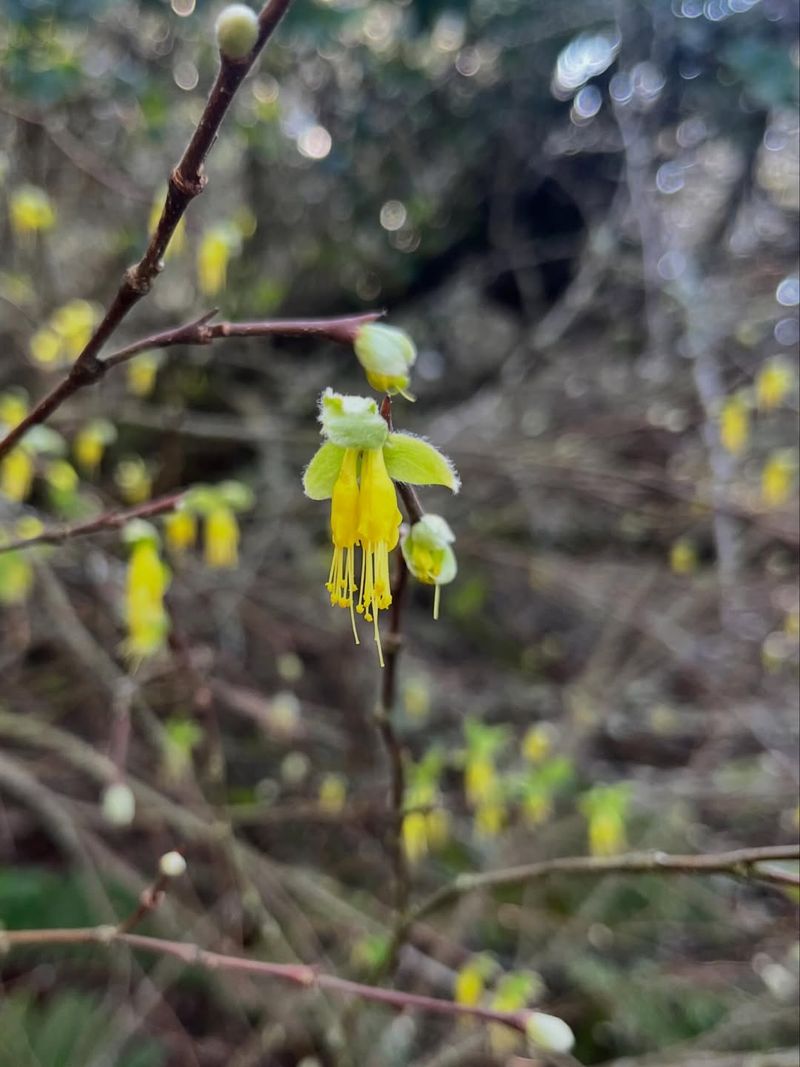
Not many gardeners have heard of Leatherwood, but those who have tend to become dedicated fans.
Dirca palustris is one of Michigan’s most charming native shrubs, known for its incredibly flexible stems that bend without breaking, its early spring flowers, and its quiet, well-behaved growth habit.
It earned its common name because its bark is so tough and pliable that Native Americans historically used it to make rope and cord.
Leatherwood blooms very early, often in March or April before its leaves even appear. The tiny pale yellow flowers are among the first native blooms of the year, giving early bees and other pollinators a valuable food source right when they need it most.
The plant grows slowly, eventually reaching four to six feet tall, but it is extremely long-lived and low maintenance once it gets settled in.
It prefers moist, shaded spots, making it ideal for rain gardens, stream banks, or the shadier corners of a Michigan yard.
For tick management, Leatherwood’s open canopy and preference for moist but not stagnant conditions means it does not create the dense, humid shelter that ticks seek out.
It is also a genuinely rare find in home landscapes, giving your yard a distinctive, naturalistic character that stands out.
Pairing Leatherwood with other native understory shrubs creates a layered planting that supports insects, birds, and small mammals while looking effortlessly natural and beautiful throughout the growing season.
8. Blackhaw Viburnum Offers Year-Round Structure And Wildlife Benefits
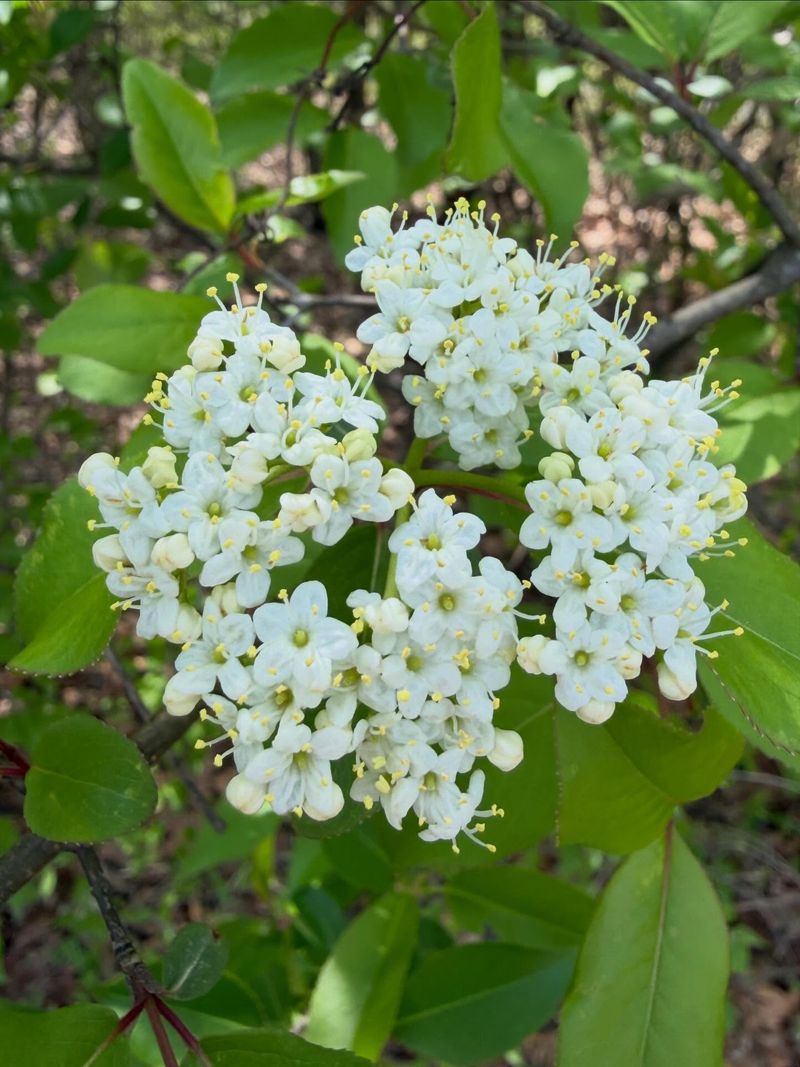
Blackhaw Viburnum is the kind of plant that makes a landscape look intentional and complete.
Viburnum prunifolium is a native Michigan shrub that can grow as a large multi-stemmed shrub or a small tree, reaching anywhere from eight to fifteen feet tall depending on how it is managed.
Its zigzagging branch structure gives it a sculptural quality in winter that most shrubs simply cannot match.
Spring brings flat-topped clusters of creamy white flowers that attract a wide range of native bees and other pollinators.
By late summer, the flowers become clusters of blue-black berries that ripen progressively, giving birds a long harvest window rather than a single burst of fruit.
Species like thrushes, mockingbirds, and cedar waxwings are among the regulars that visit for the berries. The foliage turns rich red and purple in fall, adding another layer of seasonal interest to the planting.
From a practical standpoint, Blackhaw Viburnum’s dense branching creates a solid visual screen and windbreak without the tick-harboring qualities of Japanese Barberry.
Its branches are more upright and less ground-hugging, reducing the humid microclimate that ticks need to survive.
It adapts well to a range of soil types, handles both sun and part shade, and is remarkably drought-tolerant once established.
For Michigan homeowners who want a structural anchor plant that also actively supports local wildlife, Blackhaw Viburnum is one of the most well-rounded native choices available anywhere in the region.