That Tall Roadside Plant Michigan Gardeners Keep Pulling Out Of Beds Is One Of Their Best Natives
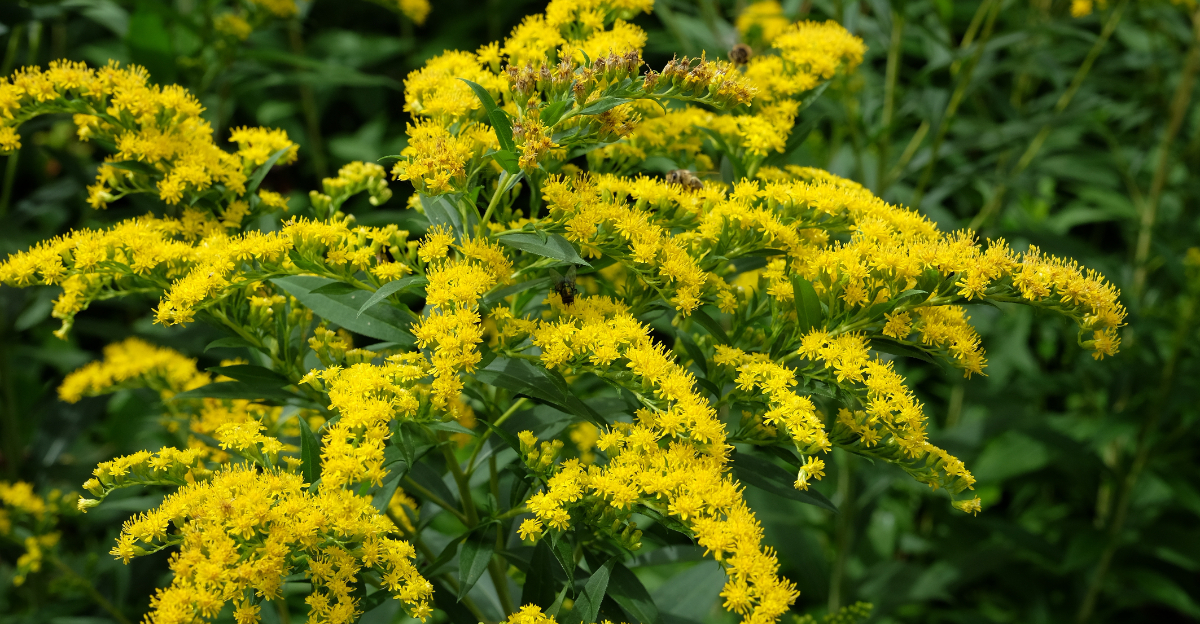
It shows up uninvited, shoots up fast, and looks just weedy enough that most Michigan gardeners yank it without a second thought.
Millions of these native plants are cleared every year by homeowners who never stop to identify what they’re actually dealing with.
Yet, goldenrod has a deep history in Michigan’s landscape, supports a massive network of beneficial insects, and thrives in the brutal soil where fussier plants fail.
The gardeners who finally stop pulling it and let it ride discover one of the most resilient, rewarding volunteers their yard has ever produced.
1. The Gorgeous Goldenrod
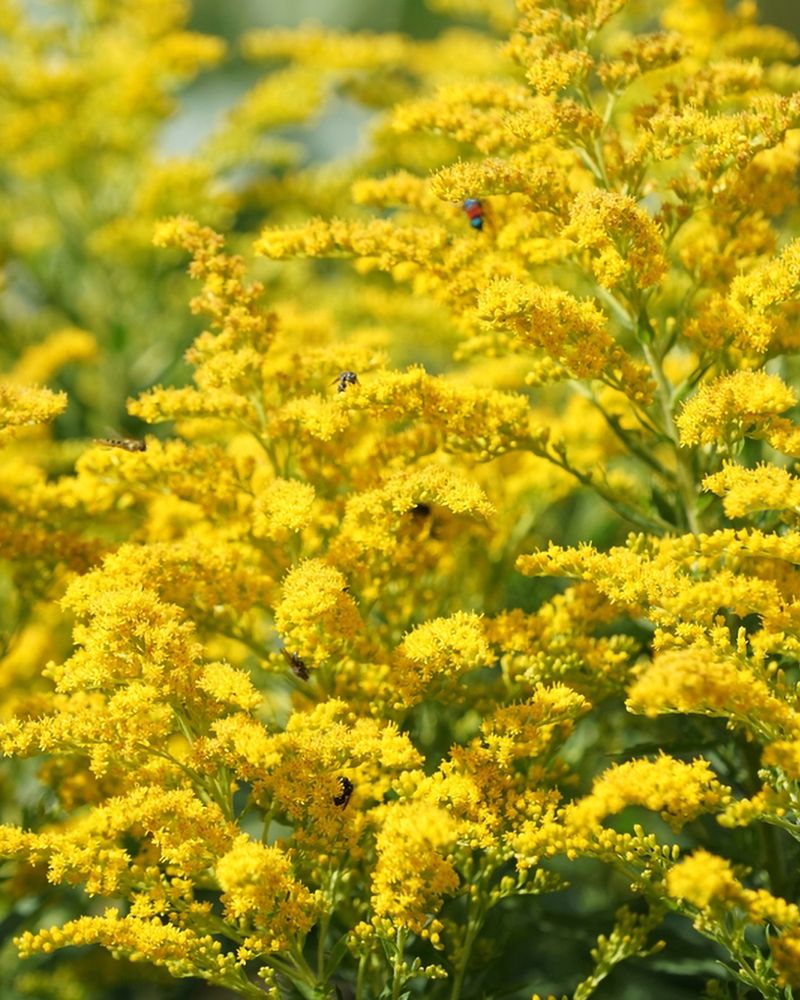
Picture a tall, sunny plant shooting up from a ditch in late August, covered in feathery clusters of bright yellow flowers. That plant is goldenrod, and it has been growing wild across Michigan long before anyone planted a formal garden.
Goldenrod belongs to the genus Solidago, and Michigan is home to more than a dozen native species. It thrives in sunny spots from roadsides and open fields to fence rows and meadow edges.
Because goldenrod shows up without being invited, gardeners often assume it does not belong. It spreads through seeds and underground rhizomes, which means it can pop up in unexpected places over time.
That habit makes it look weedy, but that is not the full story. Goldenrod has been growing in North American landscapes for thousands of years. Native communities used it for food, medicine, and practical purposes long before European settlers arrived.
Today, scientists and gardeners recognize it as a keystone native plant, meaning many other species depend on it to survive. Knowing what goldenrod actually is changes how you see it completely.
2. Why Gardeners Mistake It For A Weed
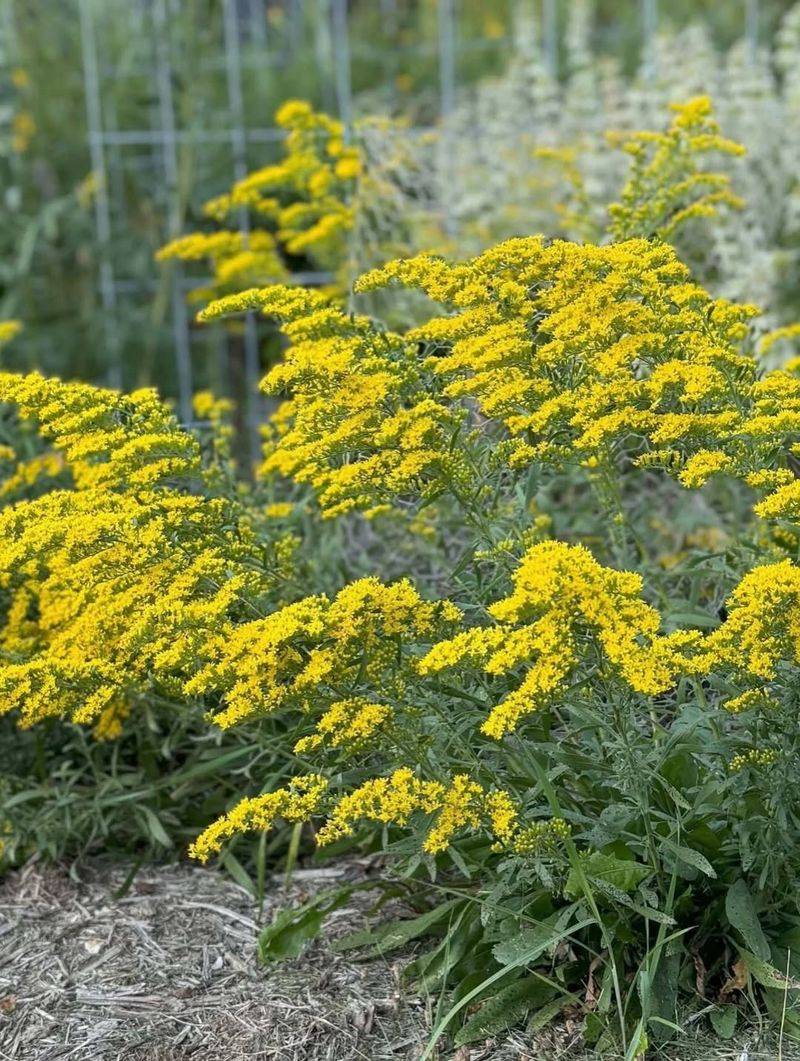
Goldenrod has a reputation problem, and honestly, some of it is understandable. When a tall, fast-spreading plant shows up uninvited in a tidy flower bed, pulling it out feels like the obvious move.
The thing is, goldenrod is not actually a weed. It is a native wildflower that sometimes ends up in the wrong place at the wrong time.
Part of the issue is that some goldenrod species spread more aggressively than others. Canada goldenrod, for example, can form wide colonies through underground rhizomes, which makes it tricky to manage in smaller garden spaces.
When it appears in a formal bed alongside roses or hostas, it looks completely out of place.
Placement matters more than most people realize. Goldenrod planted in a naturalized meadow or a sunny pollinator strip looks intentional and beautiful.
The same plant in a narrow foundation bed looks chaotic. Choosing the right species and giving it a defined spot makes all the difference between a plant that enhances your yard and one that frustrates you every weekend.
The plant itself is not the problem. The problem is usually putting it somewhere it was never meant to grow.
3. It Is Not The Main Fall Allergy Culprit
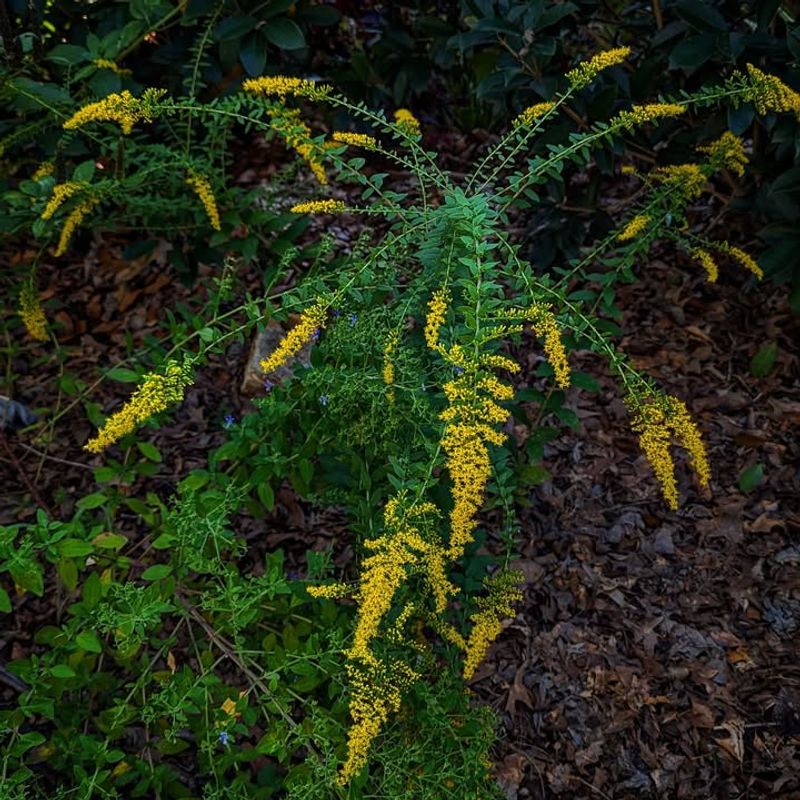
Goldenrod gets blamed for fall allergies every single year, and it really does not deserve it.
The real troublemaker blooming at the same time is ragweed, a plant with tiny, easy-to-miss greenish flowers that releases massive amounts of wind-carried pollen.
Your Michigan Garden Changes Every Week. Your Plan Should Too.
Gardening in Michigan changes quickly throughout the season. Every Friday you’ll receive a simple weekly plan showing exactly what to plant, prune, fertilize, harvest, and protect so you never miss the right timing.
Ragweed pollen floats through the air and lands directly in your nose and eyes. That is what triggers the sneezing.
Goldenrod, on the other hand, has heavy, sticky pollen that is designed to travel by insect, not by wind. Bees, butterflies, and beetles carry goldenrod pollen from flower to flower.
Because that pollen does not drift through the air, it rarely reaches your nasal passages unless you are pressing your face into the blooms.
The mix-up happens because both plants bloom around the same time in late summer and early fall, and goldenrod is far more visible with its showy yellow plumes. Ragweed blends into the background, so goldenrod takes the blame.
Before you pull out every goldenrod plant to protect your sinuses, take a closer look at what else is growing nearby. You might find ragweed is the actual source of your suffering, and goldenrod is completely innocent.
Learning to tell them apart could save a very useful plant from an unfair end.
4. It Feeds Late Season Pollinators
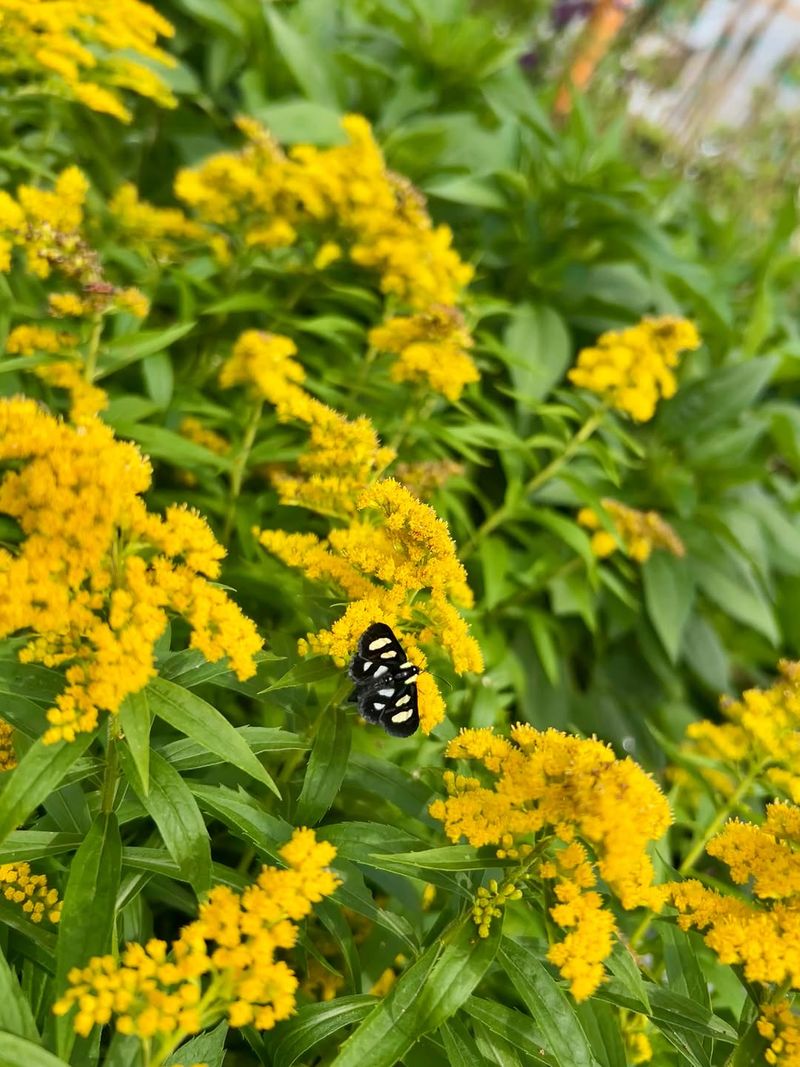
By the time September rolls around in Michigan, many garden flowers have finished blooming and pollinators are running low on food. That is exactly when goldenrod steps in and becomes one of the most important plants in the entire landscape.
Its nectar and pollen are rich, abundant, and available at a time when most other sources have dried up.
Bumblebees depend heavily on goldenrod in the weeks before cold weather arrives. Monarch butterflies fuel up on goldenrod nectar during their long migration south.
Native bees, wasps, flies, beetles, and even skippers all visit the flowers regularly. Some research suggests that over 100 species of insects use goldenrod as a food source during the fall season.
For Michigan gardeners trying to support pollinators, goldenrod is almost impossible to replace. There are very few other native plants that offer as much nectar and pollen so late in the season.
When you remove goldenrod from your yard, you are not just pulling out a plant. You are removing a critical late-season fuel stop that pollinators genuinely need.
Keeping even one patch of goldenrod in a sunny corner of your yard can make a real, measurable difference for the insects that keep your whole garden healthy.
5. Showy Goldenrod Is A Better Garden Choice
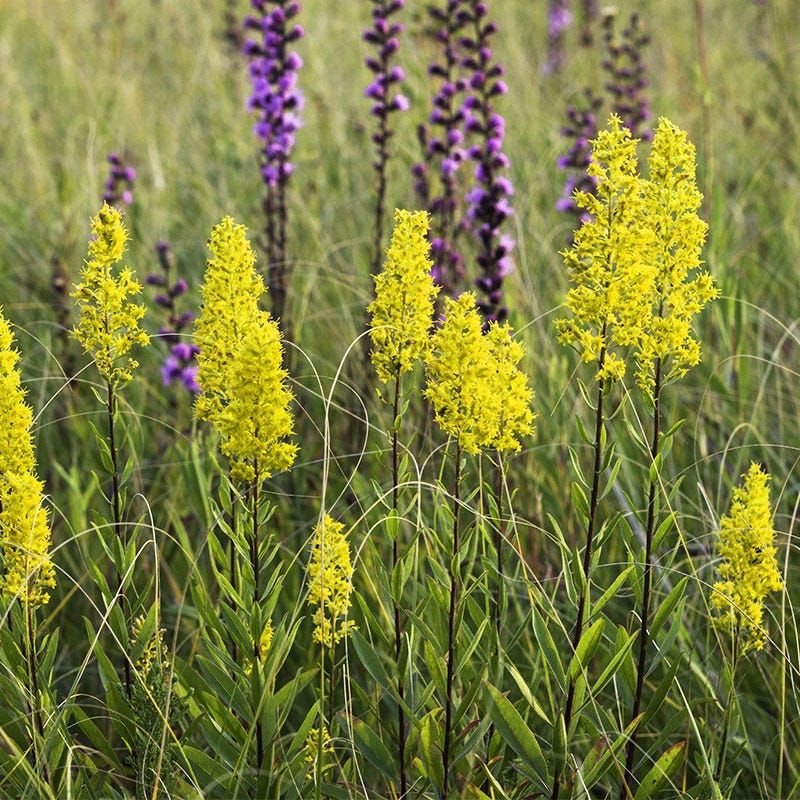
Not all goldenrods behave the same way in a garden, and that distinction matters a lot when you are trying to create a tidy, managed native bed.
Showy goldenrod, known scientifically as Solidago speciosa, is one of the best options for Michigan home landscapes.
It grows upright, stays more compact than its roadside cousins, and produces stunning golden flower clusters that pollinators absolutely love.
Unlike Canada goldenrod, which can spread aggressively through rhizomes and take over a bed in a few seasons, showy goldenrod spreads more slowly and stays easier to control.
It works beautifully alongside native asters, little bluestem grass, and coneflowers in a planned pollinator garden. The look is bold, colorful, and intentional rather than wild and overgrown.
Gardeners who want to use goldenrod without worrying about it taking over should also look into named cultivars like Solidago rugosa ‘Fireworks’ or Solidago ‘Golden Baby.’
These selections have been chosen specifically for garden performance and tend to behave more predictably than plants grown from roadside seed. Choosing the right variety from the start saves you a lot of management work later.
Goldenrod can absolutely earn a permanent spot in your yard when you start with a species or cultivar that fits your space.
6. It Brings Beneficial Insects Into The Yard
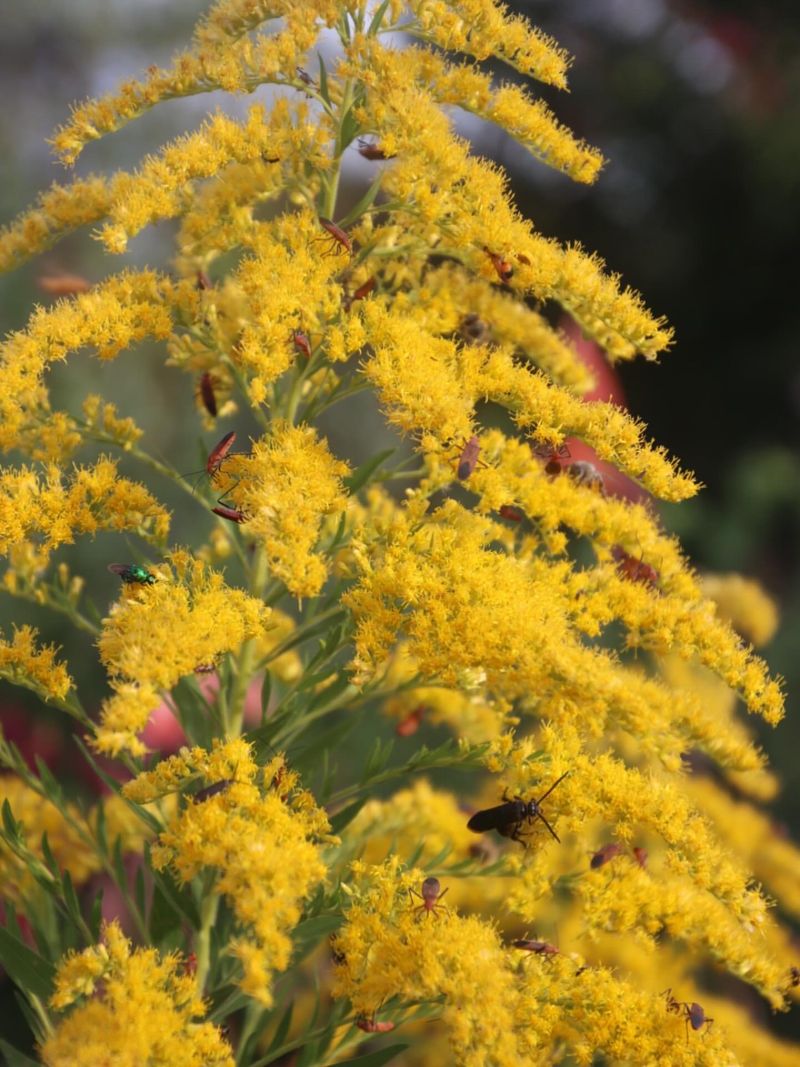
Goldenrod is not just a pollinator magnet. It is also a gathering place for a whole community of beneficial insects that help keep your garden balanced naturally.
Tiny parasitic wasps, for instance, visit goldenrod flowers for nectar while also hunting for aphids and caterpillars to parasitize. Having these wasps nearby means your garden gets free, built-in pest management.
Minute pirate bugs are another group worth knowing about. These tiny, fast-moving insects feed on thrips, spider mites, and small caterpillars, and they show up on goldenrod flowers regularly.
Lady beetles and their larvae are also common goldenrod visitors, and they are some of the best natural predators of soft-bodied pest insects in any garden.
Predatory flies in the family Syrphidae look like bees but are actually important hunters of aphids and other pests.
The fascinating thing about goldenrod is that it supports all of these beneficial insects without you doing anything extra. You plant it, it blooms, and the insect community builds itself around it.
Gardeners who rely heavily on sprays for pest control often miss out on this natural balance.
A patch of goldenrod in a sunny part of your yard can quietly shift your whole garden ecosystem toward something healthier and more self-sustaining over time.
7. It Gives Fall Gardens Color When Summer Flowers Fade
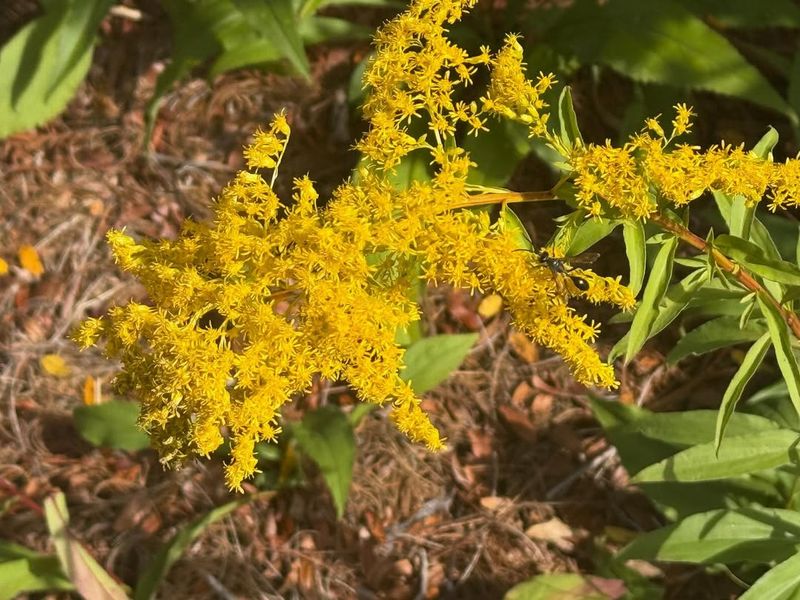
August arrives and suddenly the garden looks exhausted. Coneflowers are finishing up, black-eyed Susans are fading, and the summer annuals are looking ragged.
That is the exact moment goldenrod takes center stage, and it does so with confidence. Those tall plumes of golden yellow light up the landscape at a time when most other plants are winding down.
Goldenrod pairs especially well with native purple asters, which bloom at the same time and create a stunning yellow and purple color combination.
Throw in some native grasses like little bluestem with its reddish fall color, and you have a garden that looks genuinely beautiful well into October.
Ironweed’s deep purple flowers also complement goldenrod perfectly when planted nearby.
Michigan falls can be long and surprisingly warm, which gives goldenrod plenty of time to shine before the first hard frost arrives.
Gardeners who plan for fall color often reach for mums from the garden center, but goldenrod offers that same burst of warm color while also feeding pollinators and supporting native wildlife.
It is one of the most rewarding plants you can grow for the end of the season. Once you see a well-placed patch of goldenrod glowing in the fall light, it is hard to imagine the garden without it.
8. It Belongs In A Sunny Native Patch
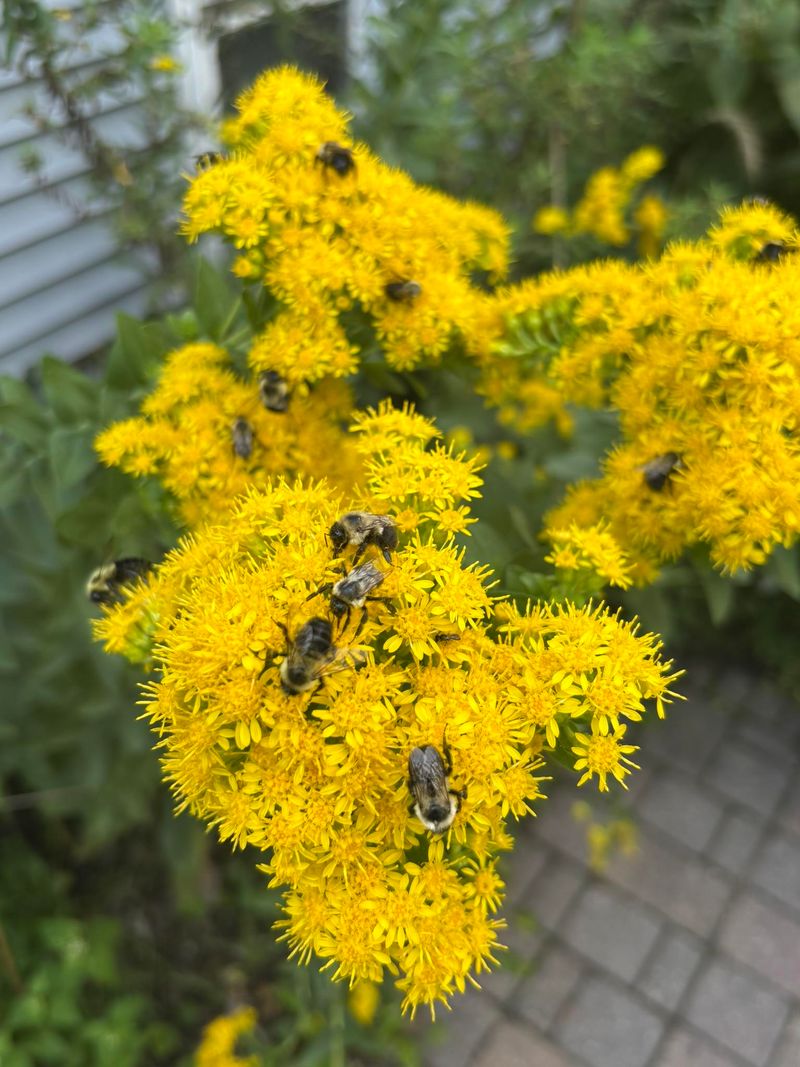
Goldenrod is a sun-lover through and through. Give it full sun and reasonable soil and it will reward you with strong stems, abundant blooms, and a whole ecosystem of insect activity.
The best spots for goldenrod in a Michigan yard include open borders, meadow corners, pollinator strips along driveways or fences, and naturalized areas where plants can spread a bit without crowding anything important.
Rain garden edges work well for moisture-tolerant species like Solidago rugosa, which handles wetter soil better than most goldenrods. For drier, sandier spots, species like Solidago nemoralis or Solidago speciosa are excellent choices.
Matching the right species to your soil and moisture conditions makes the plant much easier to manage long term.
Goldenrod is generally not the best fit for tiny foundation beds or narrow formal borders right against the house. In those spaces, the spreading habit and tall stems can quickly feel overwhelming.
But in a naturalized bed, a backyard meadow strip, or along a sunny fence line, goldenrod looks completely at home and contributes enormously to the health of your yard. Think of it as a plant that needs a little elbow room to do its best work.
Give it that space, and it will absolutely deliver season after season.
9. Manage It Instead Of Removing It Completely
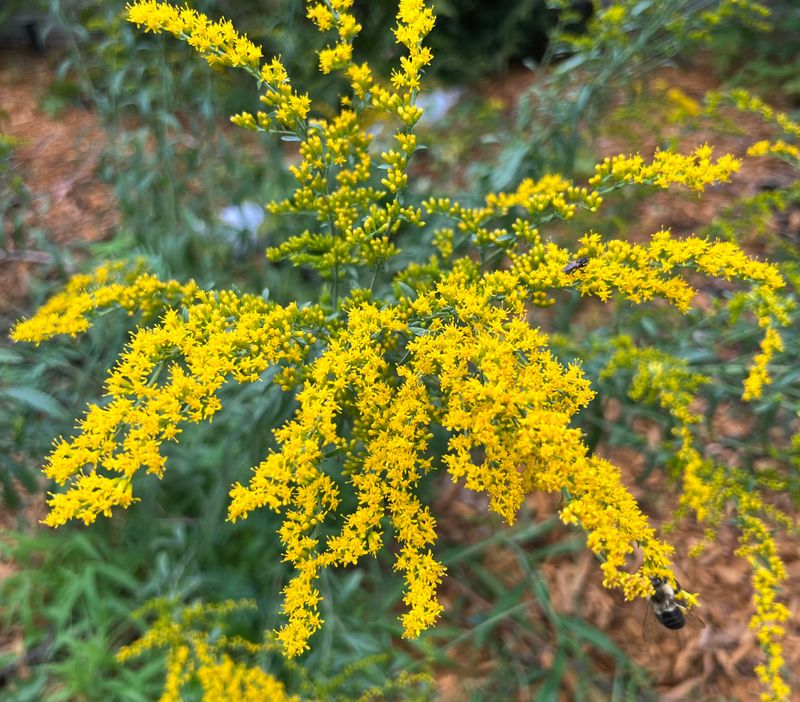
Goldenrod does not have to be an all-or-nothing plant. Many gardeners assume the only options are letting it run wild or pulling every last stem out of the ground.
There is a much smarter middle ground, and it starts with learning a few simple management techniques that keep goldenrod useful without letting it take over.
Cutting back unwanted seedlings early in the season is one of the easiest ways to limit spread. Goldenrod seeds freely, so removing seedlings before they establish roots keeps the colony from expanding beyond its intended area.
Dividing large clumps every two or three years also helps. You can share the divisions with neighbors, move them to a new spot, or simply compost the excess.
Keeping a defined bed edge with a sharp spade or a physical edging barrier makes a big difference too.
A clear boundary between your goldenrod patch and the surrounding lawn or garden bed prevents the rhizomes from sneaking into places you do not want them.
Choosing a less aggressive species from the start reduces the amount of management work you need to do each year. The goal is a planned, productive pollinator patch that stays where you put it.
With a little attention a couple of times a year, goldenrod is genuinely easy to keep in check.
10. Why Michigan Gardeners Should Keep Some
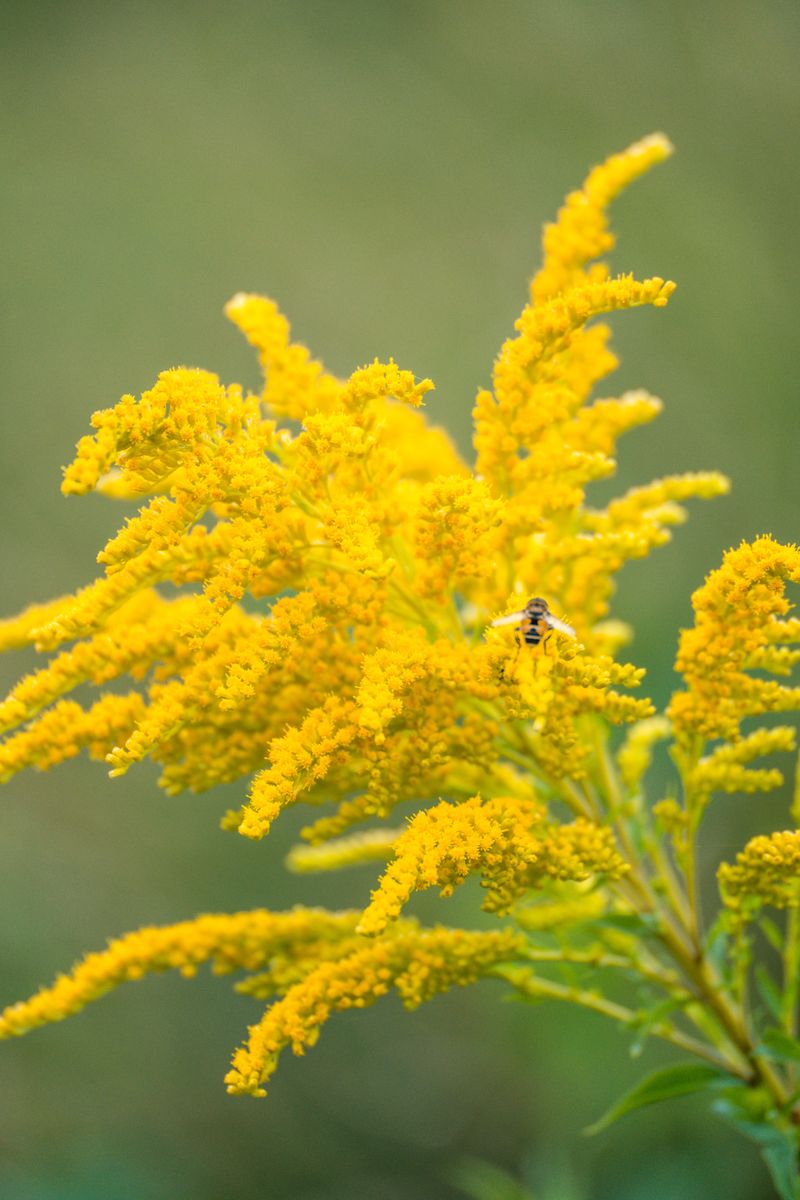
Goldenrod earns its place in the Michigan garden in more ways than most people expect.
Late-season color, nectar for migrating monarchs, pollen for native bees, habitat for beneficial insects, and seed heads that birds pick through during winter all come from one plant that requires almost no watering, fertilizing, or fussing once it is established.
That is a remarkable return on a very small investment. Beyond the practical benefits, there is something genuinely satisfying about watching a goldenrod patch come alive in September. Bees cover the flowers.
Butterflies drift from stem to stem. The whole plant hums with activity while everything else in the garden is slowing down.
That kind of late-season energy is hard to find anywhere else in a Michigan yard.
The smartest move is not to pull every goldenrod you spot. The smartest move is to give the right kind of goldenrod one well-chosen, sunny spot where it can do exactly what it was built to do.
Choose a garden-friendly species, give it room to grow, and manage the edges once or twice a year.
Your pollinators will be grateful, your fall garden will look stunning, and you will finally see that roadside plant for what it truly is: one of Michigan’s most generous and hardworking natives.