What It Really Means When Carpenter Bees Start Showing Up Around Your California Porch
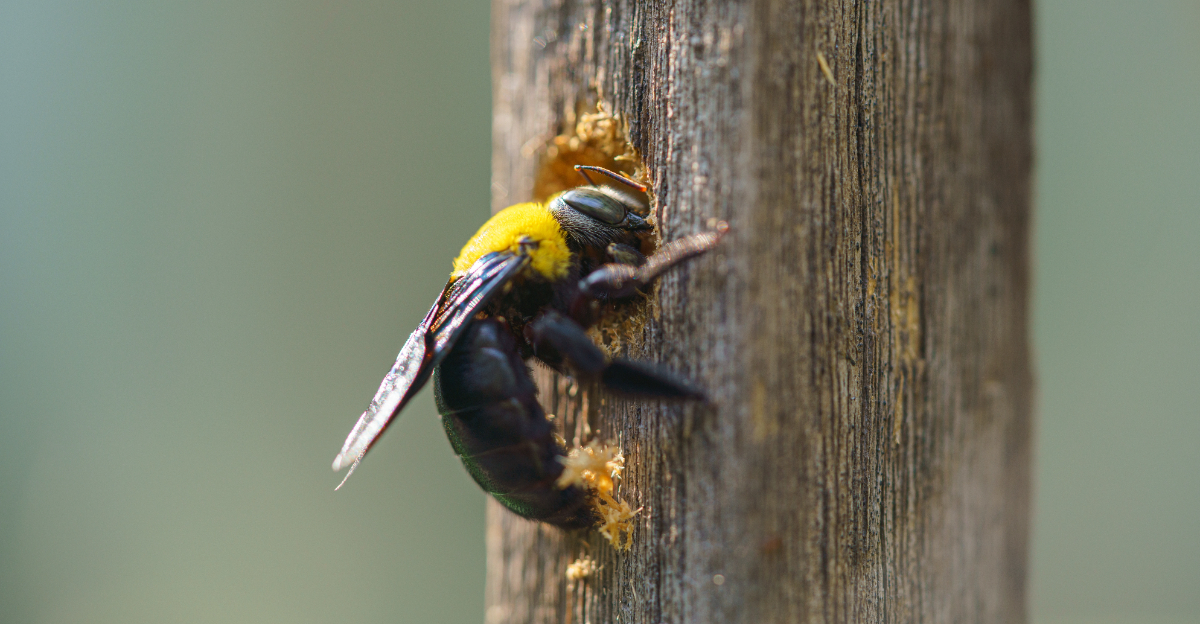
A carpenter bee near the porch can look alarming at first, especially when it hovers close and refuses to move along. But its visit may mean more than a random insect passing through.
In California, these bees often show up when the area offers shelter, warmth, or wood they can inspect. They may also be drawn to nearby blooms.
The tricky part is knowing when their behavior is harmless and when it points to a bigger porch problem.
Carpenter bees are important pollinators, but they can also make homeowners nervous around railings or trim.
A closer look at where they linger can tell you a lot. Once you understand what their visits mean, it is easier to respond without overreacting.
1. Carpenter Bees Are Looking For Nesting Wood
Every spring, something predictable happens around wooden porches across California.
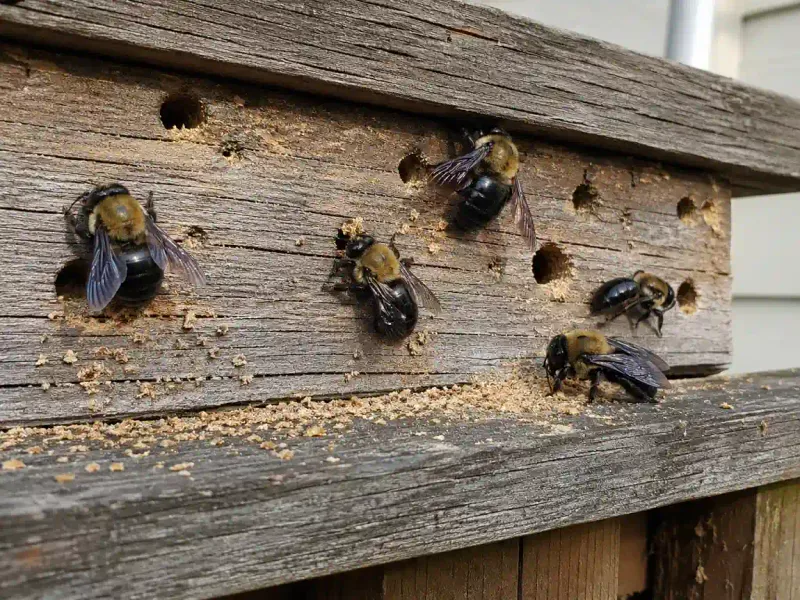
Carpenter bees emerge from their overwintering spots and immediately start searching for soft, untreated wood to nest in. They are not visiting your porch by accident.
These bees prefer wood that is dry, weathered, and unpainted. Cedar, pine, redwood, and Douglas fir are among their favorites.
If your porch railings, fascia boards, or deck beams are made from bare wood, you have essentially put out a welcome sign for them.
Unlike honeybees, carpenter bees do not live in large colonies. Each female finds her own piece of wood and tunnels inside to lay her eggs.
She is a solo nester, working quietly and efficiently on her own.
The good news is that sealing or painting your wood can discourage them from choosing your porch. Stain and paint create a barrier that makes the wood less appealing.
Carpenter bees strongly prefer raw, exposed wood over finished surfaces.
Spotting them early in the season gives you the best chance to take action before nesting begins. Watch for bees flying close to wood surfaces and repeatedly returning to the same spot.
That repeated hovering near one area is a clear sign a female is scoping out a nesting location and getting ready to start tunneling.
2. Perfect Round Holes Mean Females Are Tunneling
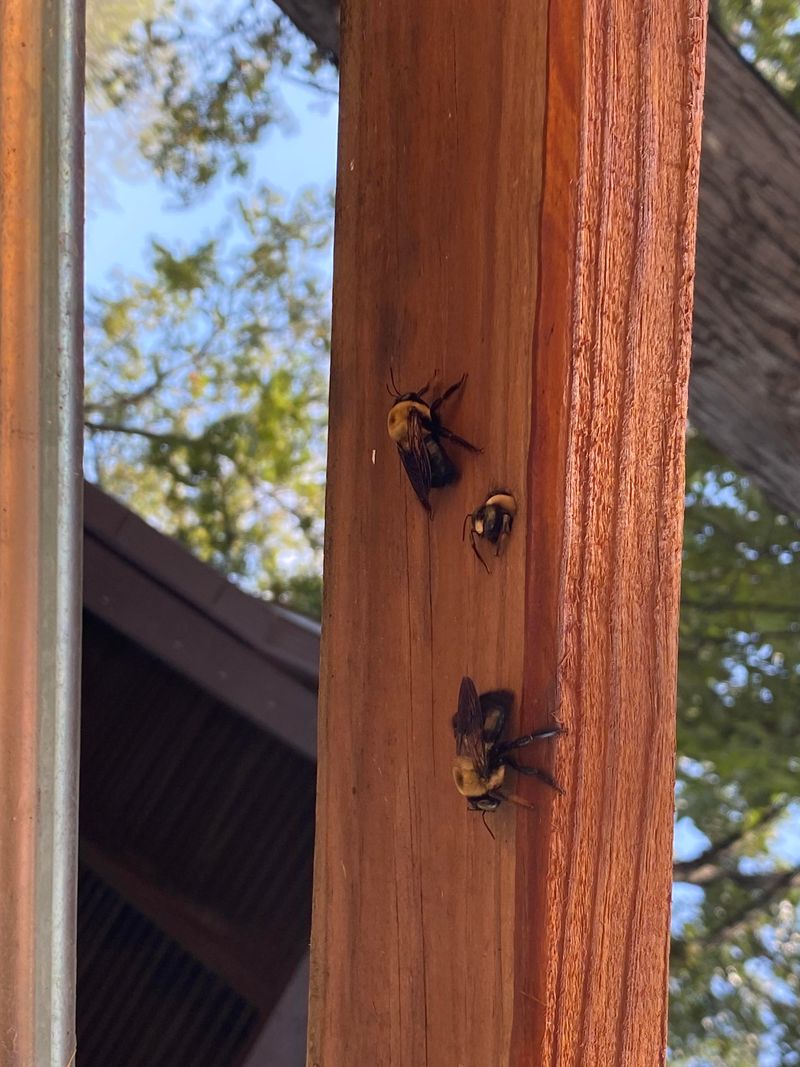
One of the most recognizable signs of carpenter bee activity is a small, perfectly round hole in your wood.
These holes are about half an inch wide and look almost like they were drilled by a machine. That kind of precision is impressive for an insect.
Female carpenter bees are the ones doing all the tunneling work. They chew through the wood using their strong mandibles, creating an entry hole that leads to a longer tunnel running with the grain of the wood.
Inside, the female builds small chambers where she lays her eggs.
Each chamber gets packed with a ball of pollen and nectar as food for the developing larva. The female seals each chamber with chewed wood pulp before moving on to the next one.
It is a carefully organized process that takes real effort and time.
Finding one of these holes does not mean your porch is falling apart. A single tunnel usually does not cause serious structural damage.
Your California Garden Changes Every Week. Your Plan Should Too.
Gardening in California changes quickly throughout the season. Every Friday you’ll receive a simple weekly plan showing exactly what to plant, prune, fertilize, harvest, and protect so you never miss the right timing.
The real concern comes when the same holes are used year after year and tunnels grow longer and deeper over time.
Plugging the holes after the bees have left in late summer is one effective way to prevent reuse. Steel wool or wood putty both work well for this.
Sealing the holes and then painting over them gives you the best long-term protection against future nesting activity.
3. Sawdust Below The Hole Is A Big Clue
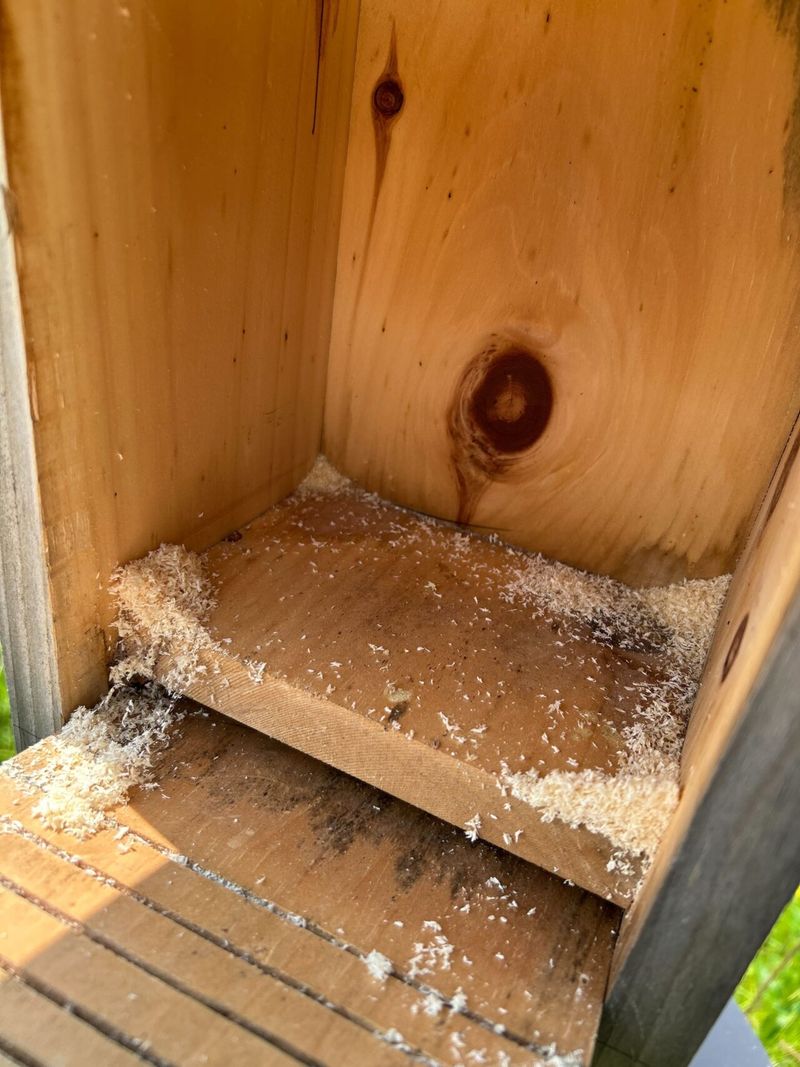
Look down the next time you spot a suspicious hole in your porch wood. If you see a small pile of fine, yellowish sawdust sitting right below it, that is a strong sign that a carpenter bee has been actively tunneling.
Fresh sawdust means recent activity. Carpenter bees do not eat the wood they chew through. They push it out of the tunnel entrance as they work, and it falls to whatever surface is below.
This frass, as it is sometimes called, is one of the easiest early warning signs to spot if you know what you are looking for.
The sawdust can also be mixed with a yellowish substance that looks like pollen or waste matter. That discoloration often stains the wood surface below the hole.
Homeowners sometimes mistake this staining for a water leak or mold, so it is worth knowing the difference.
Fresh sawdust means the bee is currently active and still tunneling. Old, dry, scattered sawdust may mean the tunnel is from a previous season.
Checking for fresh versus old frass can help you figure out whether you are dealing with a new infestation or an older one.
Acting quickly when you see fresh sawdust gives you the best chance to address the problem early.
A wood sealant applied around the entry point can sometimes discourage the bee from continuing. Catching it early saves you from dealing with a much deeper tunnel later on.
4. Hovering Males Are Mostly Bluffing
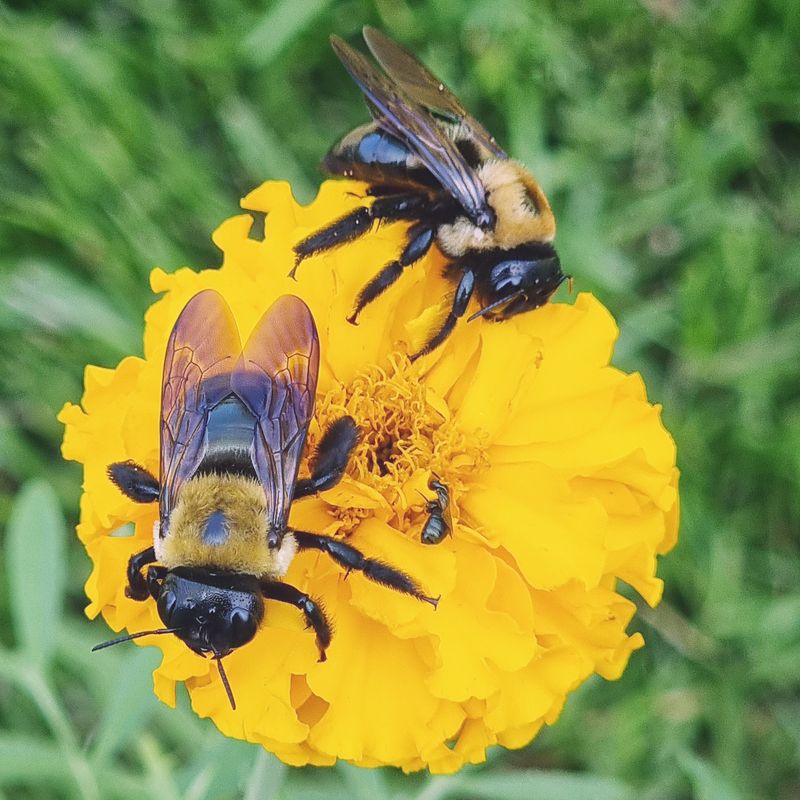
Few things startle a person more than a large bee flying straight at their face. If you have experienced this near your porch, it was almost certainly a male carpenter bee doing what males do best: putting on a show.
Male carpenter bees are territorial and surprisingly bold. They hover near nesting sites and dive-bomb anything they see as a threat, including people, pets, and even other insects.
Their behavior can feel very aggressive and intimidating. Here is the thing though. Male carpenter bees cannot sting.
They have no stinger at all. Every threatening move they make is pure performance, a bluff meant to scare off intruders without any actual ability to back it up with force.
You can actually tell males and females apart by looking at their faces. Males have a yellow or white patch on their faces, while females are entirely black.
Once you know this trick, you can quickly identify which bee is doing all the dramatic hovering near your head.
Females, on the other hand, are much calmer and focused on their work. They rarely bother humans unless directly handled or trapped.
The male is the dramatic one of the pair, and his whole job is to guard the nesting area and attract a mate.
So next time a bee rushes your face near the porch, stay calm. It is probably just a male doing his job, and he cannot hurt you at all.
5. They Usually Do Not Sting Unless Handled
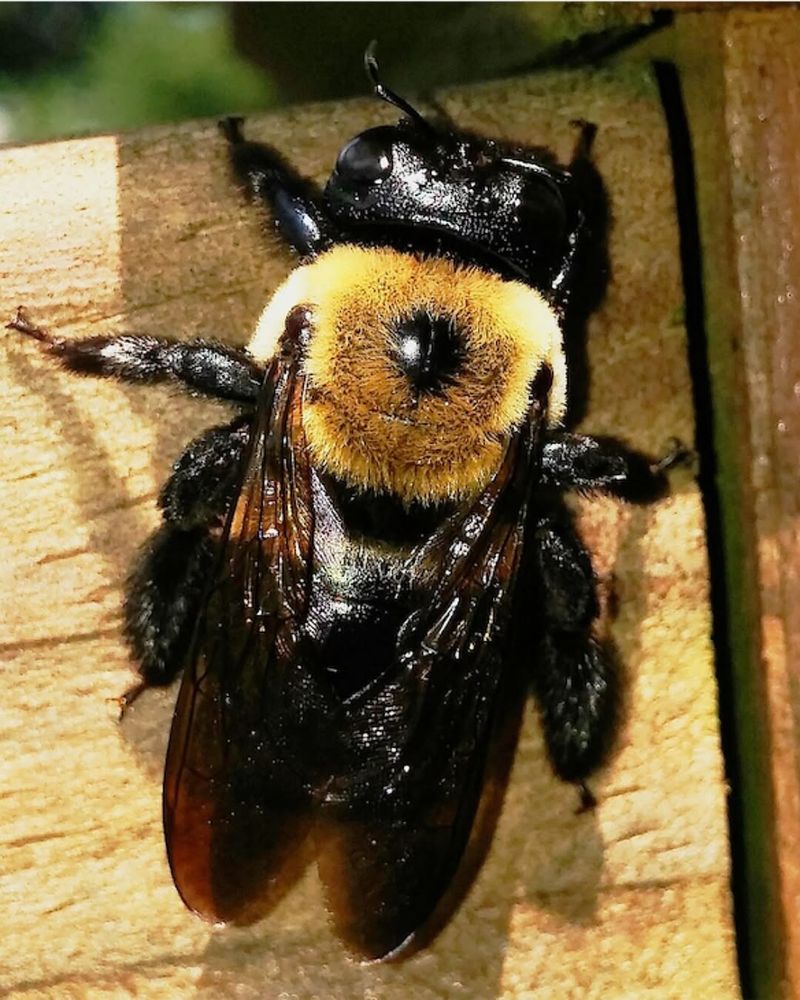
Carpenter bees have a reputation that is a lot scarier than reality. Most people assume that any large black bee is dangerous and ready to sting at a moment’s notice.
With carpenter bees, that assumption is mostly wrong. Female carpenter bees do have stingers, but they are remarkably calm insects. They rarely sting humans.
A female will only sting if she is grabbed, squeezed, or trapped against skin. Simply being near one while she works is not a threat to you.
This calm behavior makes them very different from yellow jackets or even some wasps that can be quick to sting when startled. Carpenter bees are focused on their work.
They want to tunnel, lay eggs, and gather pollen. People are simply not on their radar.
Children and pets are really the ones most at risk of an accidental sting, simply because they may not know to avoid handling the bees.
Teaching kids early that these bees should be watched from a safe distance but never touched is a smart and simple safety lesson.
For most adults going about their normal porch activities, carpenter bees pose almost no stinging threat. You can sit outside, garden nearby, or walk past their nesting sites without issue.
Respecting their space is really all it takes to coexist peacefully with these surprisingly low-key insects throughout the warm season.
6. Porch Railings And Eaves Are Common Targets
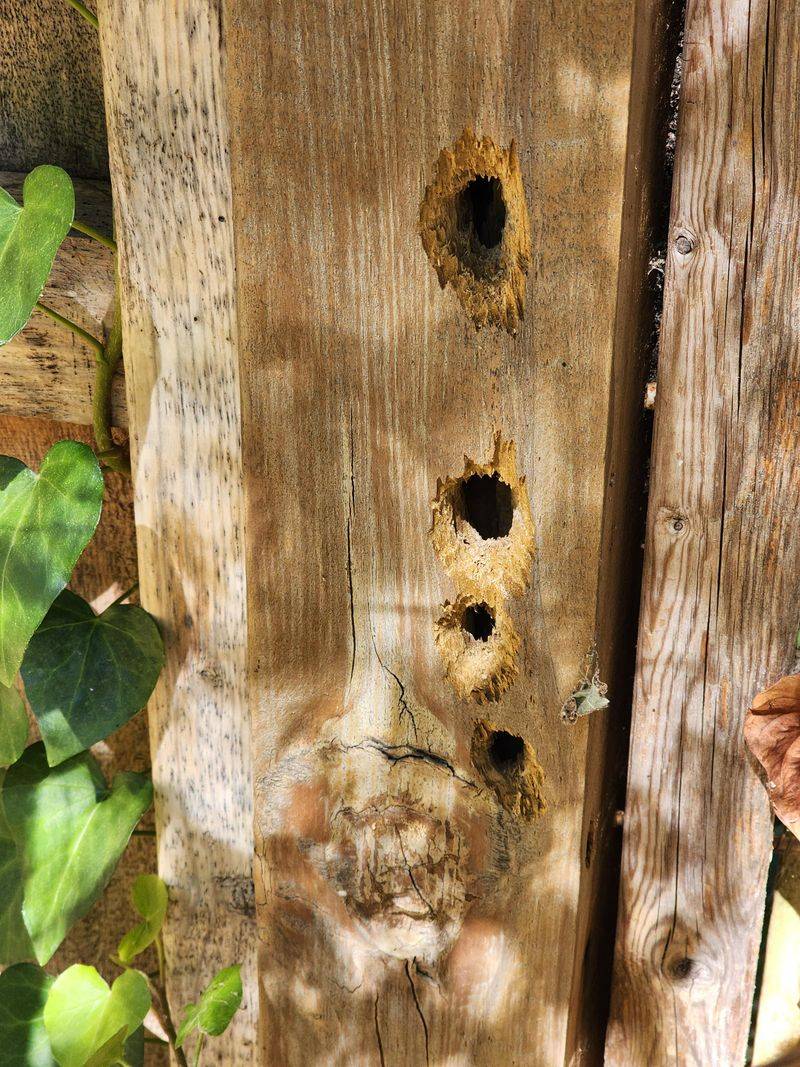
Not all parts of your California porch are equally attractive to carpenter bees. They are picky about where they nest, and certain spots get targeted far more than others.
Knowing which areas to inspect can save you a lot of time and frustration.
Porch railings are a top target because they are often made from soft wood and left unfinished or poorly sealed.
The flat undersides of railings are especially popular because they offer easy access and some natural shelter from rain. Bees prefer horizontal and angled wood surfaces for their entry holes.
Eaves are another hot spot. The wooden overhangs that protect your roofline from rain create ideal nesting conditions.
They are sheltered, dry, and often made from bare or weathered wood. Many homeowners do not notice bee activity in the eaves until the damage has been going on for a while.
Fascia boards, window trim, outdoor furniture made from wood, and even wooden fences can also attract these bees.
Basically, any piece of untreated wood near your home is a potential nesting site worth checking regularly.
A simple walk-around inspection of your porch and home exterior once a month during spring and summer can catch new activity early. Look for round holes, fresh sawdust, and hovering bees near the same spots.
Early detection makes the whole situation much easier to manage before the tunnels get deep or widespread.
7. Old Tunnels Can Be Reused Each Year
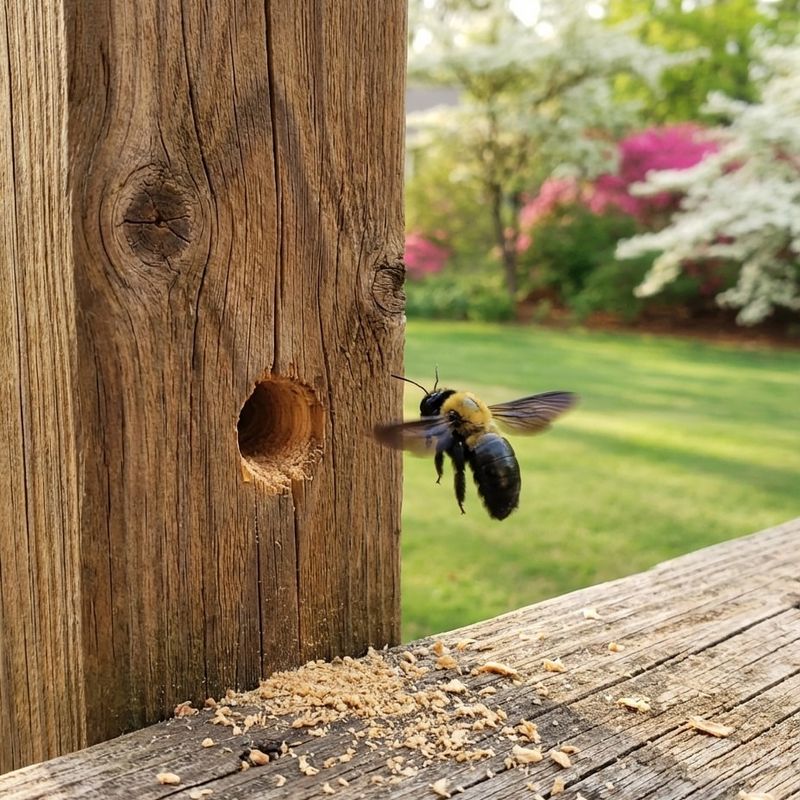
Carpenter bees are creatures of habit in the most literal sense. Once a tunnel is created in a piece of wood, it does not just get abandoned.
Future generations of bees will come back to expand and reuse it, sometimes for many years in a row.
This is one of the main reasons carpenter bee damage gets worse over time. A single tunnel from one season might extend several inches.
Over multiple seasons, that same tunnel can grow to be several feet long as new bees enlarge and branch it out further.
Adult bees that hatched in a tunnel the previous summer will often return to that same piece of wood the following spring.
They have a strong homing instinct that brings them back to familiar nesting locations. It is almost like the tunnel is passed down through generations.
Old tunnels also weaken wood structurally over time. A beam or railing with multiple long tunnels running through it loses strength gradually.
In severe cases, porch supports can become compromised, which is something worth taking seriously before it becomes a bigger problem.
Filling old tunnels at the end of the season is one of the most effective long-term prevention strategies. Use wood putty or caulk to seal the holes completely, then paint or stain over them.
This discourages returning bees from reopening the tunnels and forces them to look elsewhere for a new nesting spot next season.
8. These Bees Are Important Pollinators
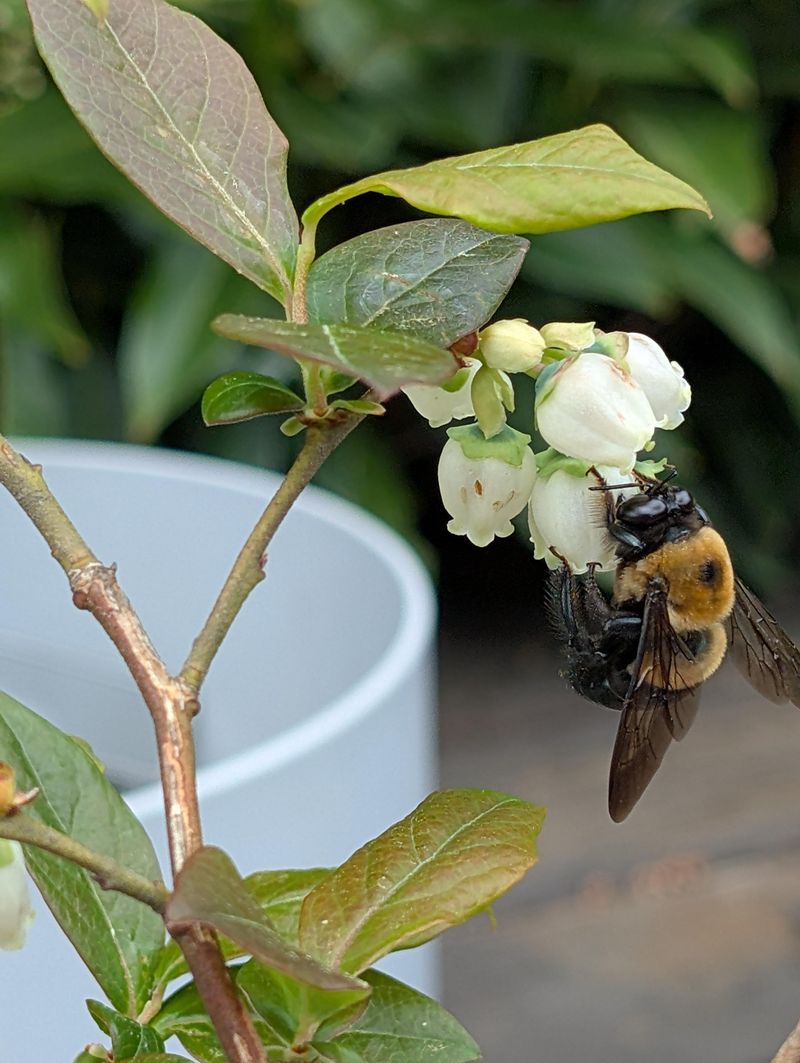
Before you reach for a can of spray, consider this: carpenter bees are genuinely valuable members of our local ecosystem.
They are powerful pollinators that support a wide range of native plants, wildflowers, and even some garden crops.
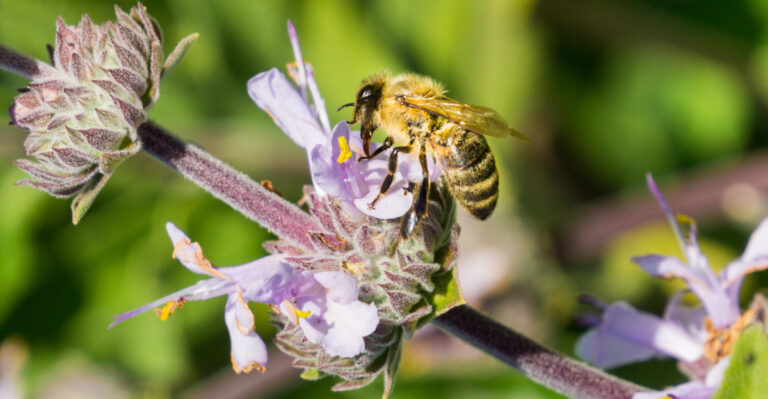
One reason they are so effective at pollination is a behavior called buzz pollination. A carpenter bee grabs onto a flower and vibrates its flight muscles rapidly, shaking loose pollen that other insects cannot reach.
Blueberries, tomatoes, and passionflowers all benefit greatly from this unique technique.
California is home to a rich variety of native plants that depend on native bee species like carpenter bees for reproduction. Without them, some plant populations would struggle to thrive.
Supporting carpenter bees, even in small ways, helps keep local ecosystems healthy and balanced.
There is a real balance to strike here. Protecting your porch from structural damage is completely reasonable.
But completely eliminating carpenter bees from your yard is not necessary and can actually hurt your garden and the local plant life around your home.
A smarter approach is to redirect them. Setting up a purpose-built carpenter bee house made from untreated wood can give them a designated nesting spot away from your porch.
It keeps your home safe while still giving these important pollinators a place to do their work. It is a solution that works well for both people and bees at the same time.