Can A California Neighbor Legally Force You To Remove A Nuisance Tree?
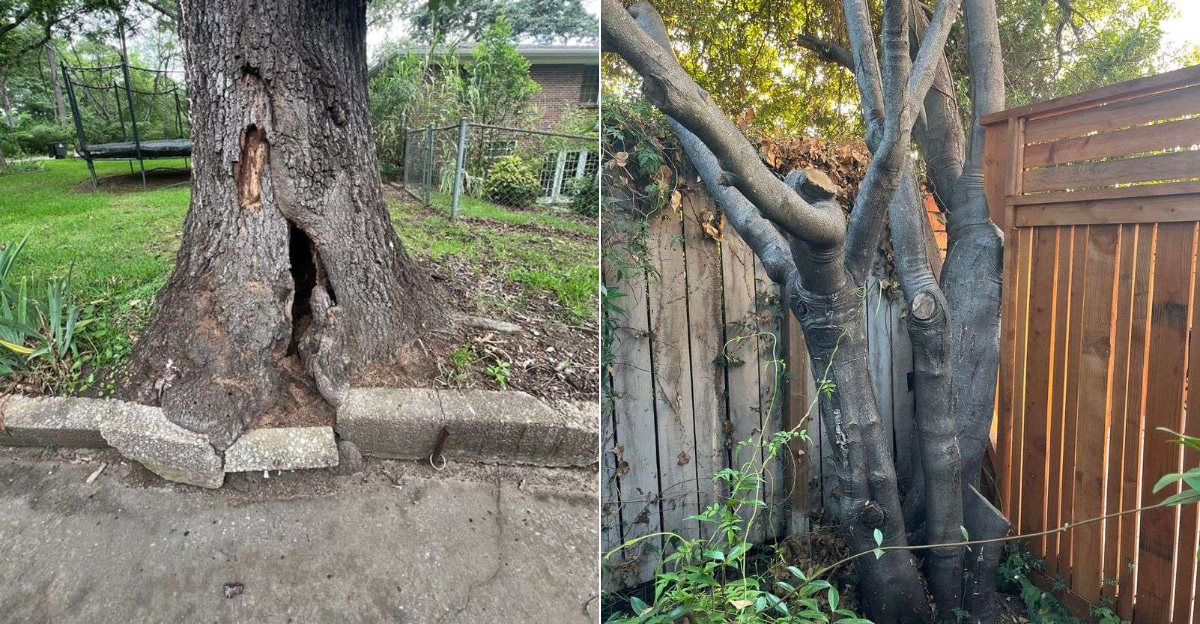
A tree can become a neighborhood argument long before it becomes a legal problem. Maybe its roots are lifting a driveway, branches are hanging over a roof, or the canopy has grown large enough to block light and create constant cleanup.
In California, calling a tree a “nuisance” does not automatically mean the owner has to remove it.
The details matter, including the kind of interference involved and how serious the impact has become.
Our courts recognize property damage and encroaching tree issues, but disputes can turn on facts that are easy to overlook.
That is why a neighbor’s demand to cut down a tree may be very different from an enforceable legal requirement.
Before agreeing to removal or refusing outright, homeowners should understand what turns an annoying tree into a problem the law may actually address.
1. Your Neighbor Cannot Just Order The Tree Gone
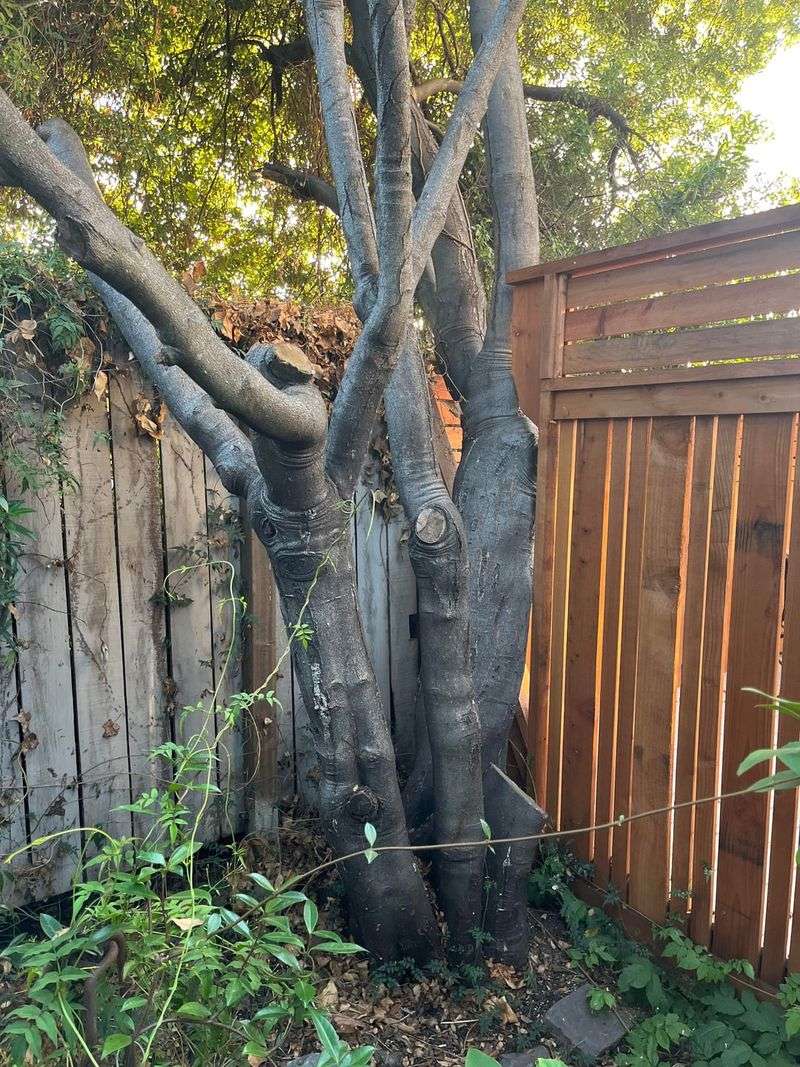
Many people assume that if a tree bothers them, they can demand the owner remove it immediately. That is not how the law works.
A neighbor has no automatic legal authority to force you to cut down a tree simply because they find it annoying or unattractive.
Disliking a tree is not a legal reason for removal. Your neighbor would need to prove that the tree is causing real, measurable harm to their property.
Courts look for actual damage, not just personal preference or inconvenience.
Things like leaf litter, shade, or the tree blocking a view are generally not strong enough reasons for a forced removal. These are considered natural results of living near trees.
Most judges will not order removal based on aesthetic complaints alone.
If your neighbor sends you a letter or shows up at your door demanding you remove a healthy tree, you are not legally required to comply. You can listen politely, but you have no obligation to act without a valid legal reason being presented.
That said, it is smart to keep communication open. If you ignore a neighbor who has a real concern, the situation can escalate quickly.
Talking it out early often prevents a small disagreement from turning into a costly legal dispute that neither side wants to deal with.
2. Crossing The Property Line Changes The Story
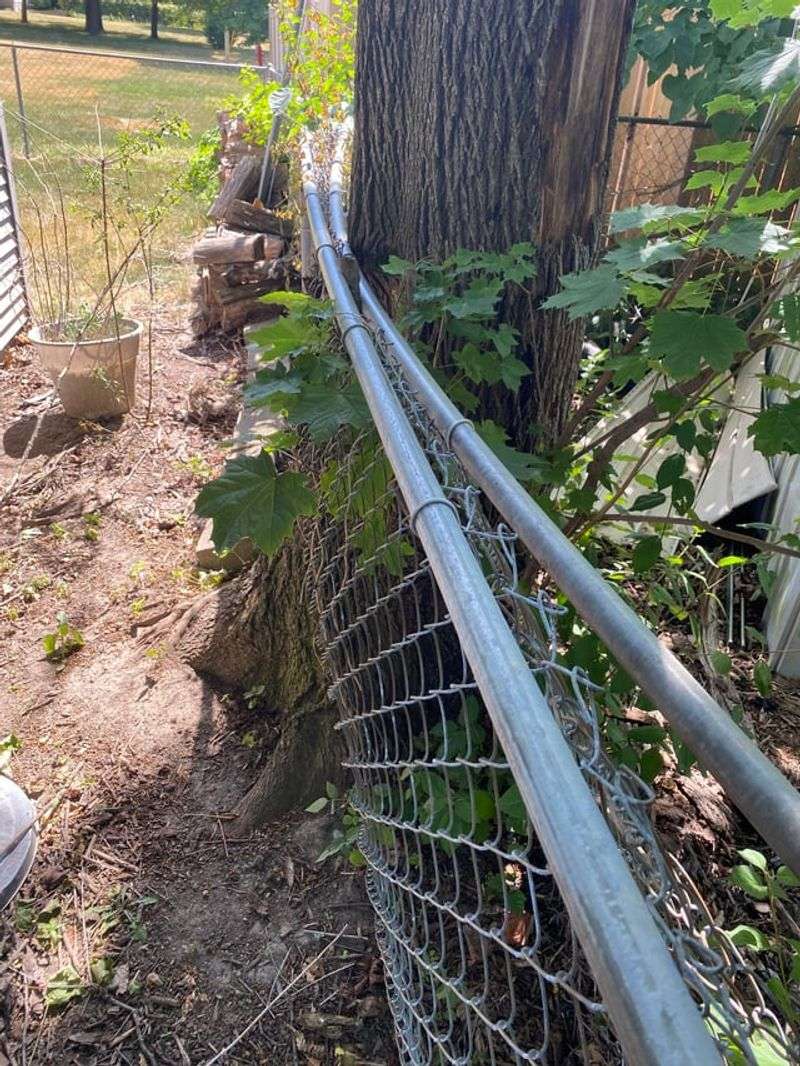
Where a tree sits matters a great deal in any dispute. If the trunk of your tree is entirely on your property, you are generally the sole owner and decision-maker.
However, when a trunk sits directly on the property line, both neighbors may share legal ownership of that tree.
Shared ownership means neither neighbor can remove or significantly alter the tree without the other person’s agreement. Cutting it down without consent could make you legally liable for damages.
This rule protects both sides from acting recklessly.
A tree that straddles the boundary is sometimes called a boundary tree. California courts treat boundary trees differently from trees that clearly belong to one owner.
Both neighbors have a responsibility to care for it and a say in what happens to it.
Your California Garden Changes Every Week. Your Plan Should Too.
Gardening in California changes quickly throughout the season. Every Friday you’ll receive a simple weekly plan showing exactly what to plant, prune, fertilize, harvest, and protect so you never miss the right timing.
If your neighbor tries to remove a boundary tree without asking you, you may have legal grounds to stop them or seek compensation. Document the tree’s location with a survey if there is any uncertainty about where the property line falls.
Hiring a licensed land surveyor is the best way to settle location disputes before they get worse. A survey provides clear, legal evidence of where boundaries are.
Having that paperwork ready can prevent a disagreement from spiraling into something much harder to resolve later on.
3. Overhanging Branches May Be Fair Game To Trim
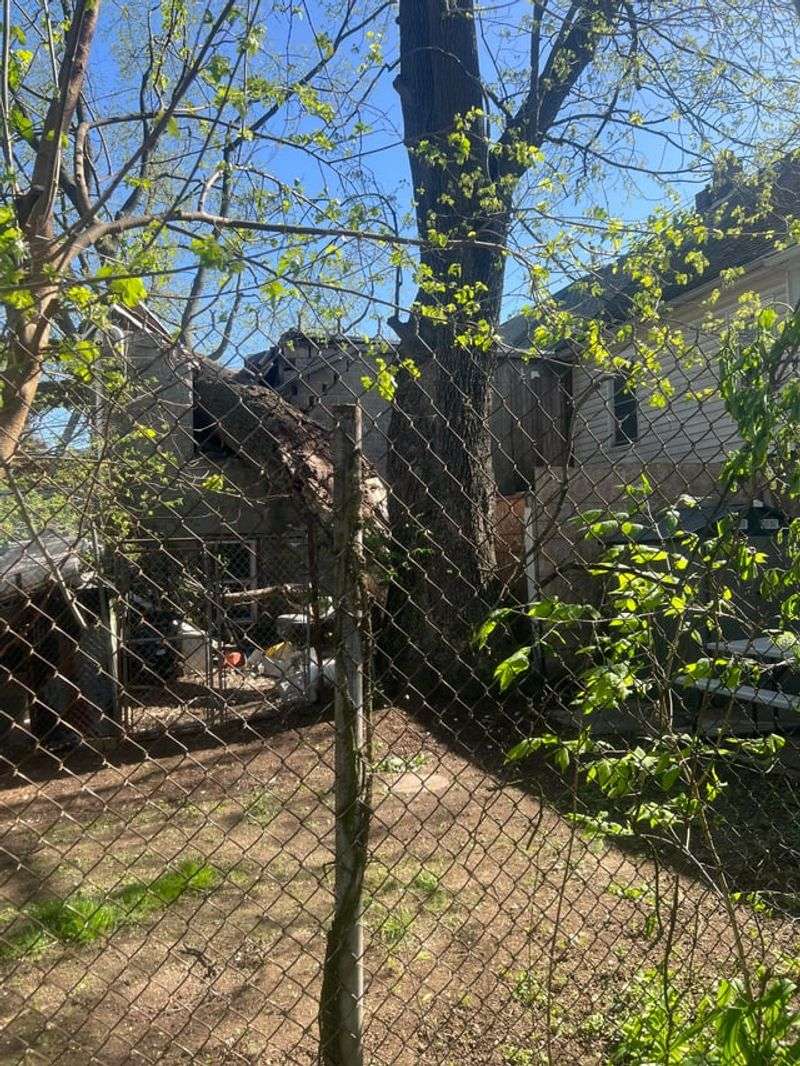
One of the most common tree conflicts in California involves branches that hang over into a neighbor’s yard. Many people do not realize that the neighbor has a legal right to trim those branches back to the property line.
They do not need your permission to do this. However, trimming rights come with limits. The neighbor can only cut branches up to the property line.
They cannot come onto your property to do the work, and they cannot cut branches that are still on your side of the fence.
There is also a responsibility attached to how the trimming is done. If the neighbor trims branches so aggressively that the tree is harmed or becomes unstable, they could be held responsible for the resulting damage.
Careless trimming that weakens a tree is not protected under the self-help trimming rule.
Many tree experts recommend notifying the tree owner before trimming begins. While it may not always be legally required, it is a courteous and practical step.
It gives the owner a chance to do the trimming themselves or at least be aware of what is happening.
Keeping records of any communication about trimming is a good habit. If a dispute arises later about how much was cut or whether the tree was harmed, having written records can make a real difference in how the situation is resolved.
4. Damaged Fences Can Turn Annoyance Into A Real Dispute
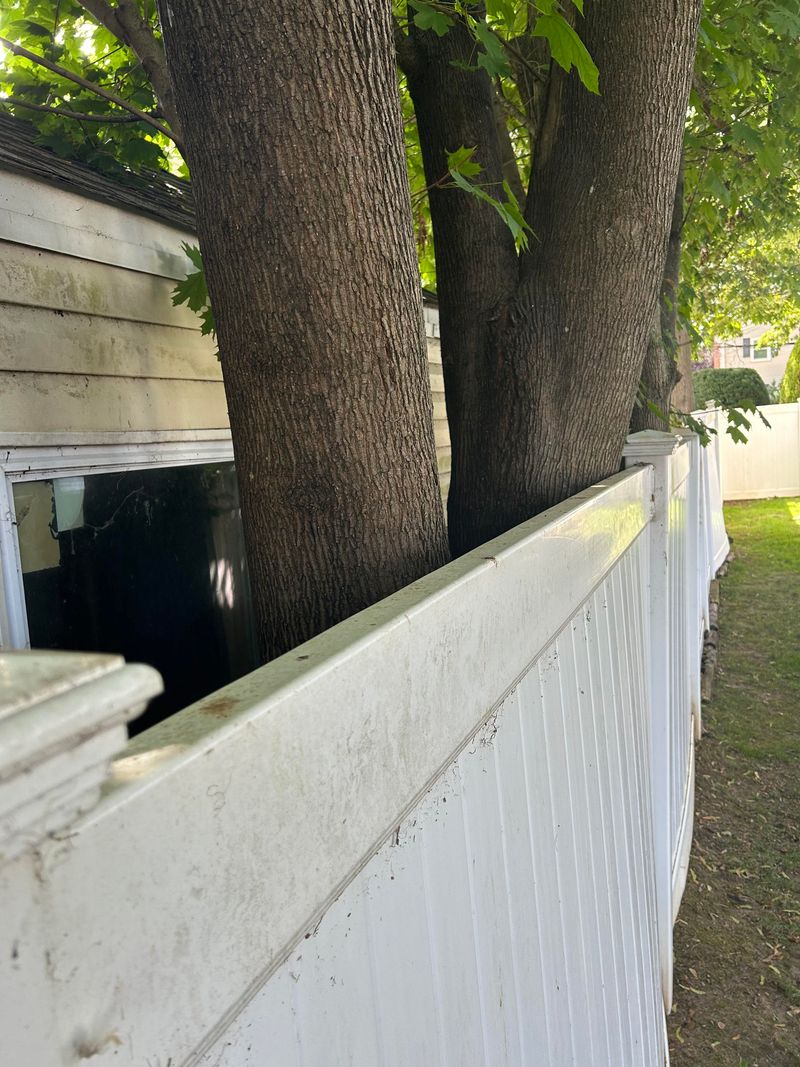
A tree that leans against or grows into a fence is more than an eyesore. When a tree causes physical damage to a neighbor’s fence, the situation shifts from a simple annoyance to a legal matter with real financial consequences.
Property damage is taken seriously by courts. If your tree falls on or pushes over a neighbor’s fence, you could be held responsible for the repair costs. The key factor is whether you knew or should have known the tree was a risk.
Ignorance is not always a valid defense. Neighbors who notice a tree threatening their fence should document the situation early.
Taking photos with timestamps creates a record that can be used later if the damage worsens.
Sending a written notice to the tree owner is also an important protective step.
Tree owners who receive a written complaint about fence damage should take it seriously. Responding quickly and getting a professional assessment shows good faith.
Ignoring the notice can be used against you if the matter ends up in small claims court.
Fencing disputes tied to trees can be resolved through mediation in many cases. Local community mediation services offer a low-cost way to reach an agreement without going to court.
Both neighbors walk away with a solution that feels fair, which is often better than leaving the decision to a judge.
5. Roots Cracking Concrete Can Raise Bigger Questions
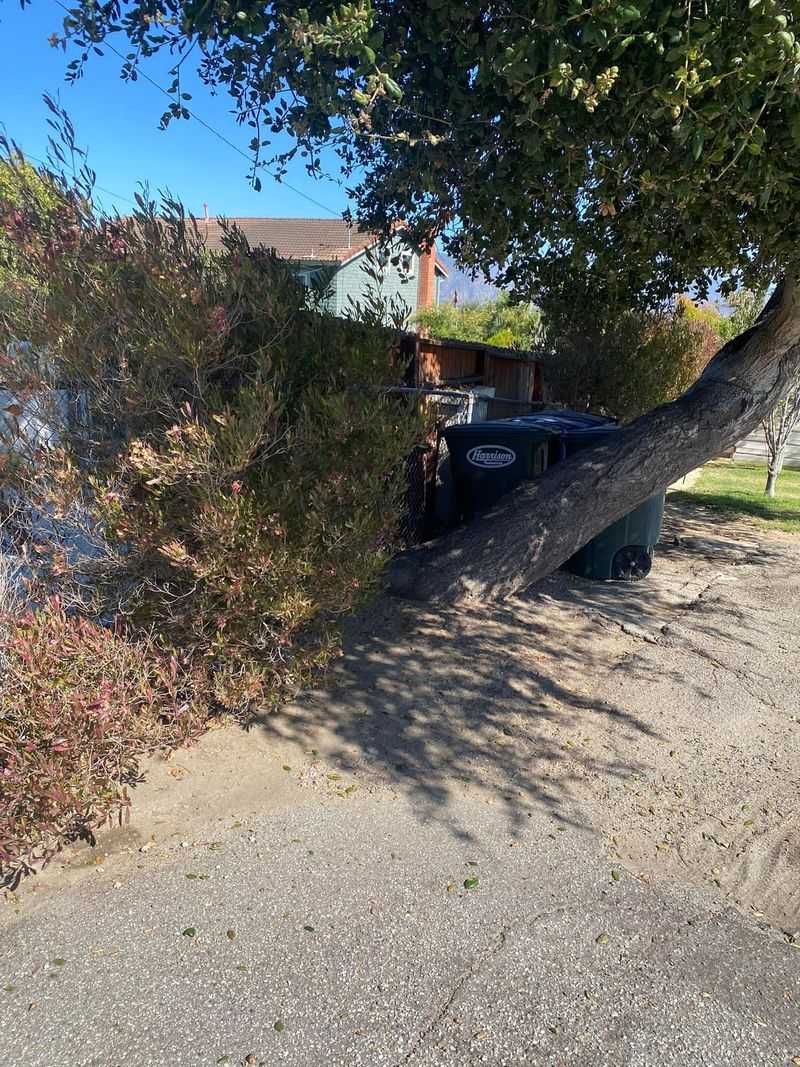
Tree roots travel far underground, and they do not stop at property lines. When roots push through a neighbor’s driveway, patio, or sidewalk, the damage can be expensive to fix.
Root damage is one of the most common reasons tree disputes turn into legal cases.
Proving that a specific tree caused the concrete damage can be tricky. Roots are underground and not always visible.
An arborist or structural engineer may need to assess the damage and trace it back to its source before any legal claim can move forward.
If your tree’s roots are confirmed to be cracking a neighbor’s concrete, you may be liable for repair costs. Courts generally look at whether the tree owner was aware of the root spread and whether any action was taken.
Doing nothing after being notified is a risky position to be in.
Some California homeowners install root barriers to prevent underground spread before problems start. These barriers are placed in the soil to redirect roots away from structures.
They are far cheaper than dealing with lawsuit costs or driveway replacements later.
Talking to a certified arborist when a tree is young can help you understand its root behavior. Knowing how far roots are likely to spread helps you plan ahead.
Proactive care is always smarter and less expensive than reacting to damage after it has already happened.
6. A Dangerous Tree Gets Treated Differently
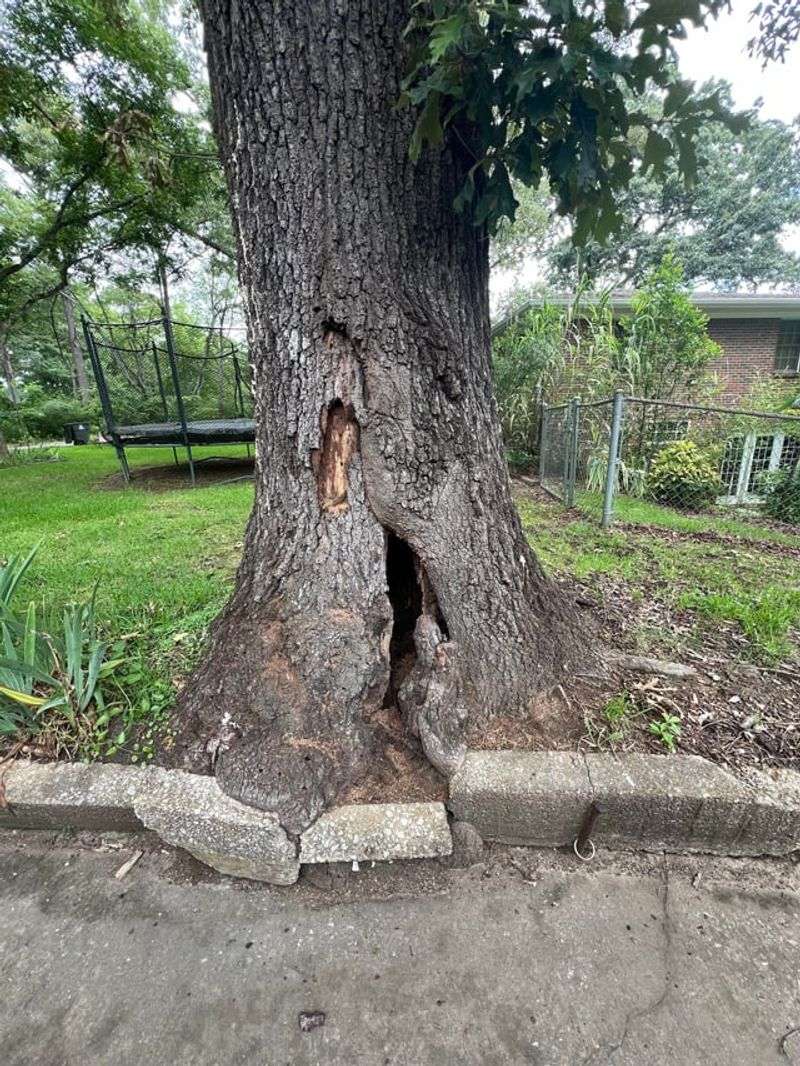
Not all tree disputes are about minor irritations. When a tree poses a genuine safety threat, the legal rules shift significantly.
A tree that is visibly rotting, leaning dangerously, or dropping large limbs is a hazard that neighbors can take more seriously from a legal standpoint.
Notifying the tree owner in writing about a dangerous condition is a critical step. Once the owner is officially informed, they have a responsibility to act.
If they ignore the warning and the tree causes harm, their liability increases considerably.
Local municipalities often have ordinances covering hazardous trees. Some cities require homeowners to maintain trees so they do not pose a public risk.
Violating these rules can result in fines or forced removal ordered by local code enforcement officials.
An arborist’s written report can be powerful evidence in these situations. A professional who documents decay, structural weakness, or disease gives the complaint credibility.
Courts and insurance companies take arborist reports seriously when evaluating claims.
If a neighbor’s tree is truly dangerous and the owner refuses to act, you can contact your local city or county office to report the hazard. Code enforcement officers have the authority to inspect and order action.
In serious cases, the city can have the tree removed and bill the property owner for the cost of the work.
7. Written Complaints Can Matter If Damage Happens Later
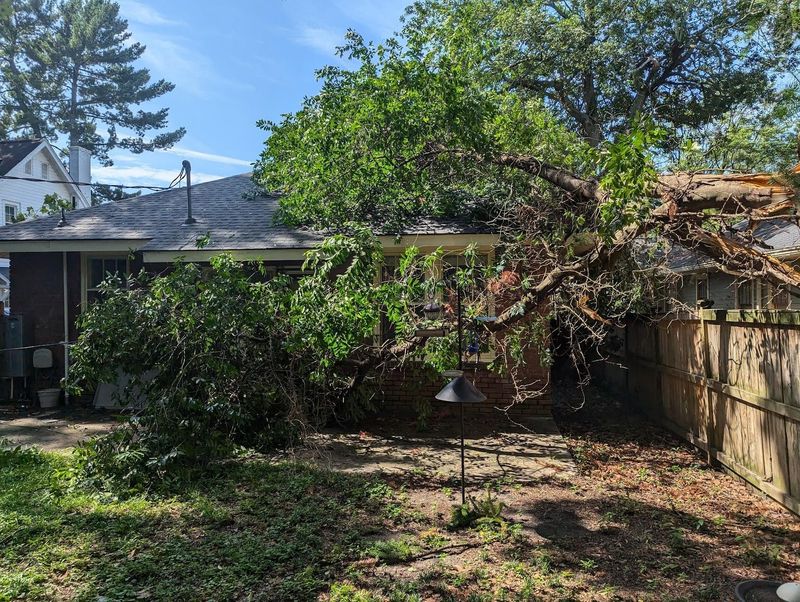
Verbal conversations are easy to forget or deny. When a neighbor has a concern about a tree, putting that concern in writing creates a record that can matter a great deal if the situation gets worse.
A written complaint is not aggressive; it is smart and protective.
A good written complaint includes the date, a description of the problem, photos if available, and a request for a response within a reasonable timeframe. Keeping a copy for yourself is just as important as sending the letter.
Email works well because it creates a timestamp automatically.
If damage occurs after a written complaint was ignored, the tree owner’s liability can increase. Courts view the written notice as proof that the owner had knowledge of the problem.
Knowingly ignoring a risk is treated more harshly than simply being unaware of it.
On the other side, if you receive a written complaint about your tree, do not ignore it. Responding politely and getting a professional inspection shows that you are acting responsibly.
That response could protect you legally if a dispute continues.
Keeping all written communication in a dedicated folder or digital file makes things easier if you ever need to reference them.
Whether you are the tree owner or the concerned neighbor, a paper trail gives you a stronger position in any future negotiation or legal proceeding that might arise.
8. Cutting Too Far Can Create Trouble For The Neighbor Too
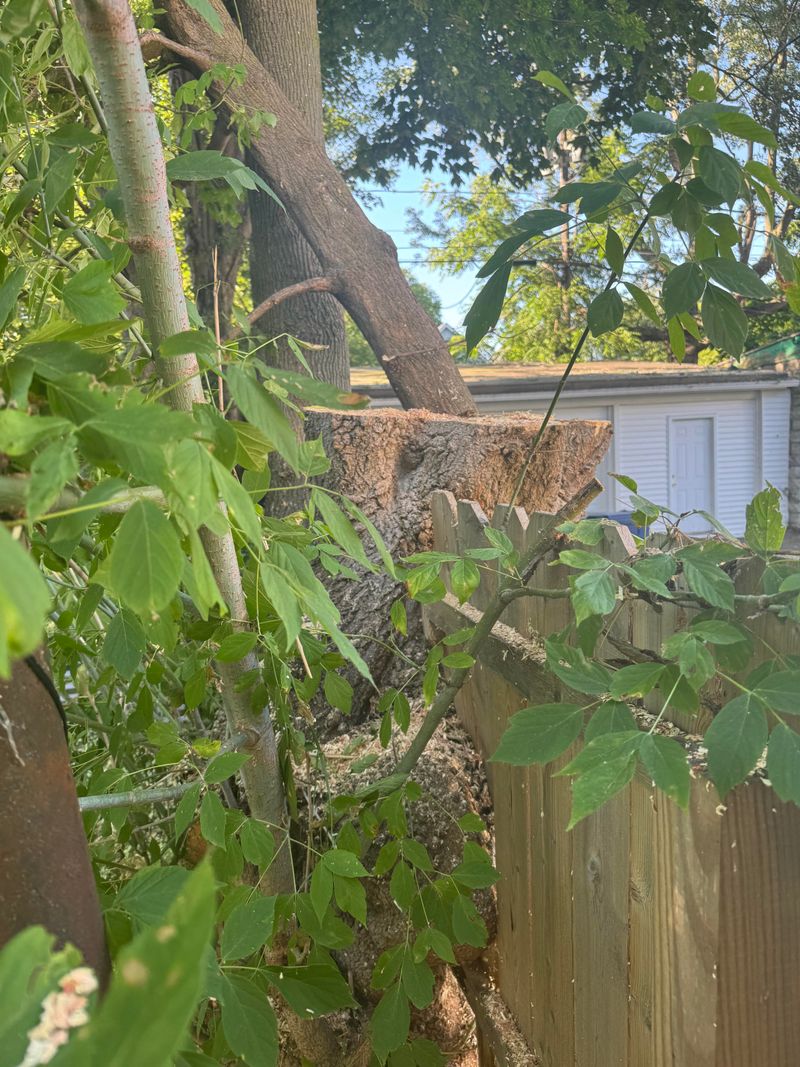
Neighbors have the right to trim branches that cross the property line, but that right has a clear stopping point.
Cutting beyond the property line, removing healthy branches from the tree owner’s side, or destroying the tree’s structure crosses into illegal territory.
The right to trim does not mean the right to harm.
If a neighbor cuts too aggressively and the tree is significantly damaged or cannot survive, the tree owner may have a legal claim against them.
In some cases, compensation for a harmed tree can be quite high, especially if the tree was mature and added real value to the property.
Tree valuation is a real practice used in legal disputes. Certified arborists can assign a dollar value to a tree based on its species, size, health, and location.
A large, healthy shade tree can be worth thousands of dollars in formal assessments.
Neighbors who want to trim should proceed carefully and, when possible, hire a licensed tree service to do the work. A professional understands where the property line is and how much trimming is safe.
They also carry insurance in case anything goes wrong during the job.
Documenting the tree’s condition before and after trimming is a wise move for both sides. Photos taken before work begins protect everyone.
If a disagreement later arises about how much was removed, those photos serve as objective evidence of what the tree looked like originally.
9. A Court May Have The Final Say On Removal
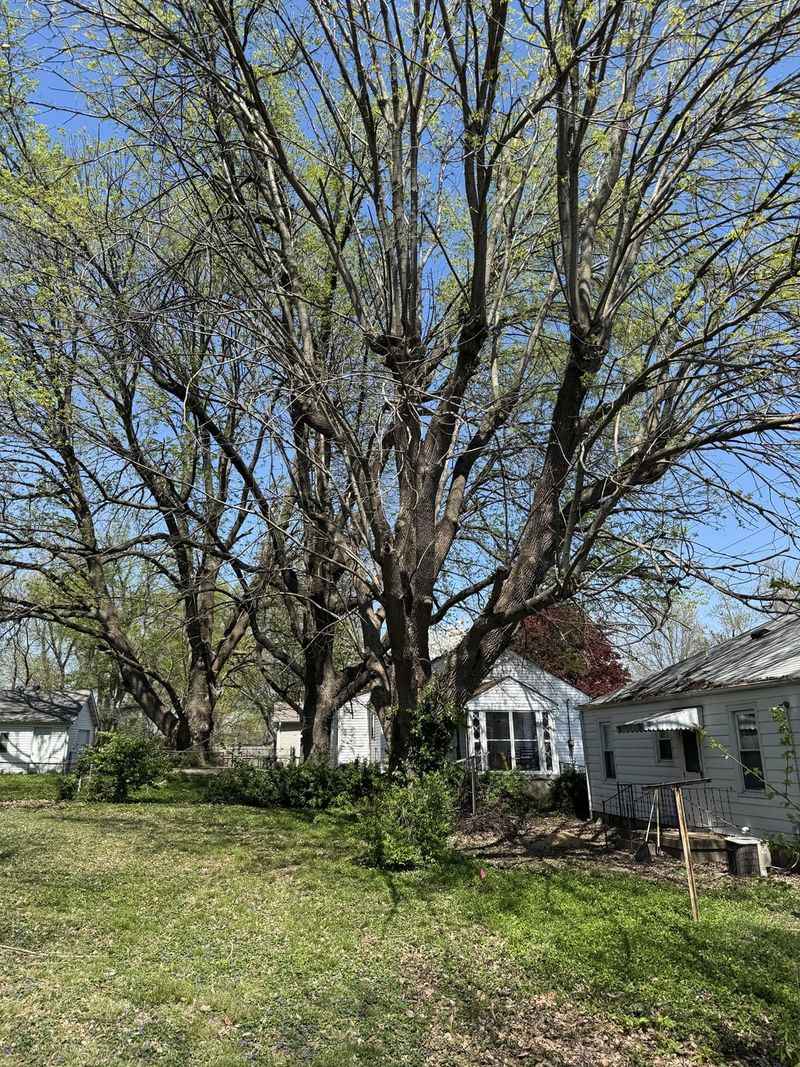
When neighbors cannot agree and the damage is serious, a court can step in and make the final decision.
Judges have the authority to order tree removal, award damages, or require specific maintenance steps.
Going to court is a last resort, but it is sometimes the only path forward.
Small claims court handles many tree disputes, especially those involving property damage under a certain dollar amount. The process is simpler and less expensive than hiring a full attorney for a civil lawsuit.
Many homeowners find that small claims court is accessible and straightforward.
For larger cases involving significant property damage or personal injury, a civil lawsuit may be necessary. These cases take longer and cost more, but they allow for larger compensation amounts.
Having an attorney who understands property law can make a real difference in the outcome.
Judges look at several factors when deciding tree disputes. Evidence of damage, written notices, arborist reports, and the history of communication between neighbors all play a role.
The more organized and documented your case is, the stronger your position will be.
Before heading to court, consider mediation. Many counties offer free or low-cost mediation services for neighbor disputes.
A neutral mediator helps both sides find a solution that works without the stress and expense of a courtroom battle. Resolving things outside of court is almost always faster and less draining for everyone involved.