This California Lizard Eats Garden Pests, But Homeowners Often Remove It By Mistake
A quick rustle under leaves can make many California homeowners reach for gloves or a broom. But not every surprise visitor in the garden is a problem.
Some are quietly doing useful work while staying mostly out of sight. This shy reptile hunts insects, slugs, and other small pests that can bother plants, which makes it more helpful than many people realize.
Its long body and quick movements can look alarming at first, especially when it appears near patios, pots, or mulch. Still, removing it may take away one of the garden’s natural helpers.
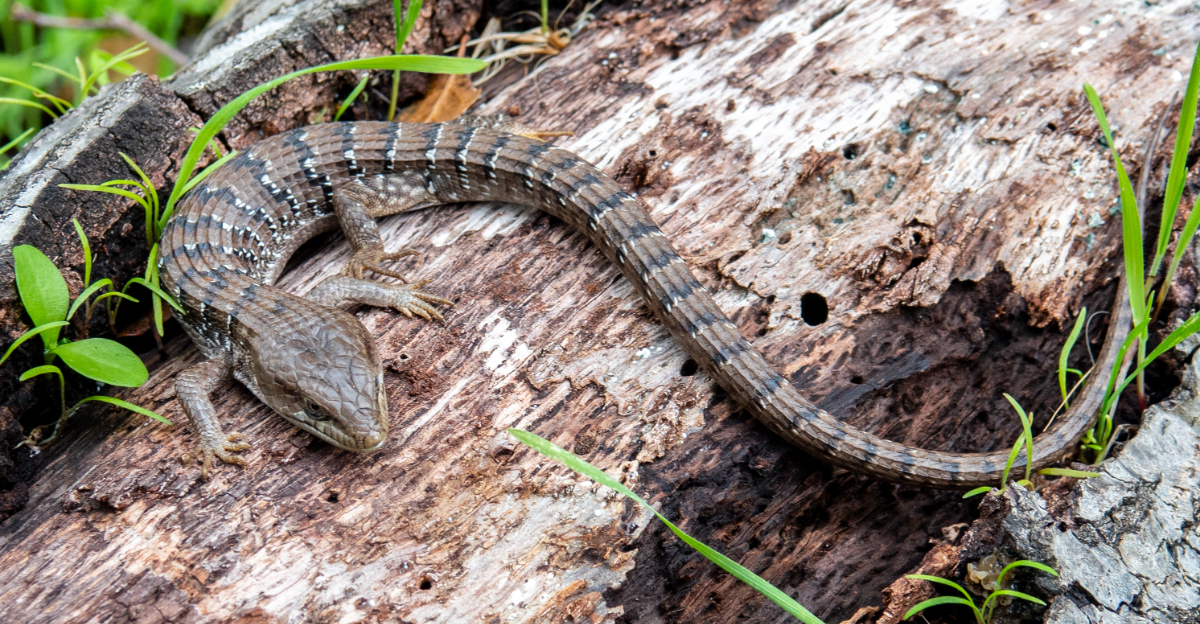
Before you rush it out of the yard, it helps to know what you are seeing. The southern alligator lizard may look like trouble, but it is often part of a healthier backyard balance.
1. Southern Alligator Lizards Look Scary But Help The Garden
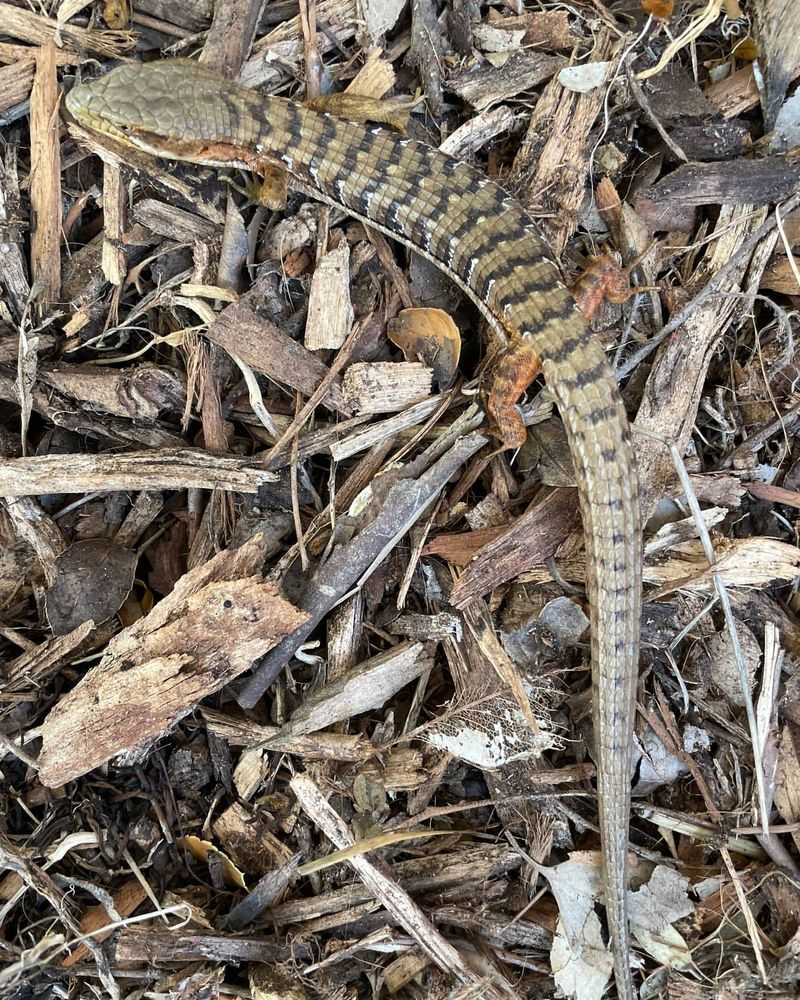
With its rough, scaly skin and slow, deliberate movements, the Southern Alligator Lizard looks like something out of a nature documentary. Many people see one near their flower bed and assume the worst.
But this lizard is not aggressive toward humans, and it has no interest in your plants.
Its name comes from its bumpy, alligator-like scales, not from any dangerous behavior. Adults usually grow between 10 and 20 inches long, and they move in a low, creeping style that can startle people who are not expecting them.
That surprise reaction often leads homeowners to grab a shovel or a hose and drive the lizard away.
That is a mistake worth reconsidering. The Southern Alligator Lizard is a native species that has lived in our state for thousands of years.
It evolved alongside our local insects and knows exactly which ones to hunt. Removing it from your yard does not make your garden safer.
It actually removes one of the most effective natural pest controllers you can have.
Gardeners who learn to recognize this lizard often describe a shift in how they feel about it. Once the fear fades, appreciation takes its place.
It is one of those backyard neighbors that quietly earns its keep without ever asking for anything in return.
Letting it stay is one of the easiest decisions you can make for a healthier garden this season.
2. This Native Lizard Eats More Pests Than Homeowners Realize
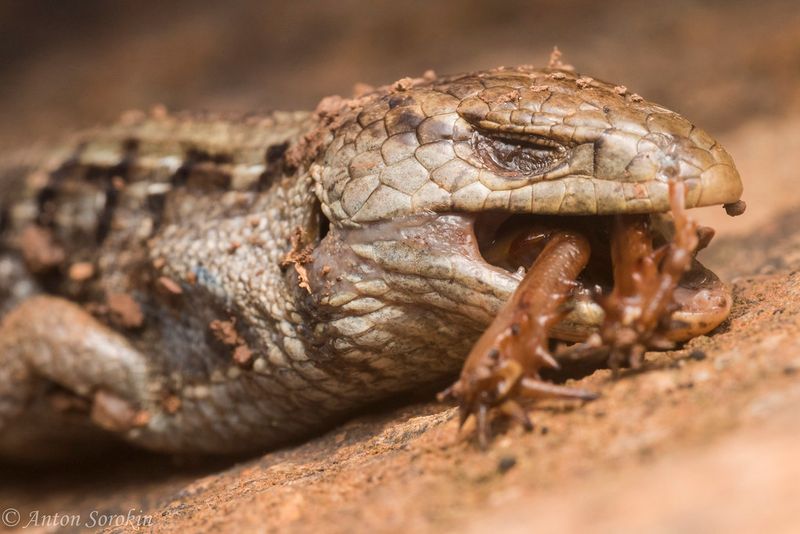
Most homeowners have no idea how much work a single lizard does in one day. A Southern Alligator Lizard can consume dozens of insects in just a few hours of active hunting.
That kind of appetite adds up quickly over a full season.
What makes this lizard especially useful is that it does not pick and choose based on what is easy to catch. It goes after hard-shelled beetles, fast-moving crickets, and even slow-moving slugs that other predators ignore.
It is not picky, and that broad diet is exactly what your garden needs.
Many gardeners spend money on pest control products without realizing a free and natural solution already lives in their yard. The lizard does not need to be fed, managed, or maintained.
Your California Garden Changes Every Week. Your Plan Should Too.
Gardening in California changes quickly throughout the season. Every Friday you’ll receive a simple weekly plan showing exactly what to plant, prune, fertilize, harvest, and protect so you never miss the right timing.
It hunts on its own schedule, usually in the morning and late afternoon when insects are most active near the soil surface.
Studies on native reptiles show that lizards play a measurable role in reducing insect populations in residential areas. Their presence can lower the number of harmful bugs without any human effort at all.
That is a benefit most people overlook simply because they have never thought of a lizard as a helper.
Recognizing what this animal does every day changes how you see it. It is not a pest.
It is a partner. Keeping it around costs nothing and gives your garden a quiet, steady layer of protection that works around the clock.
3. Grasshoppers, Beetles, Spiders, And Crickets Are On The Menu
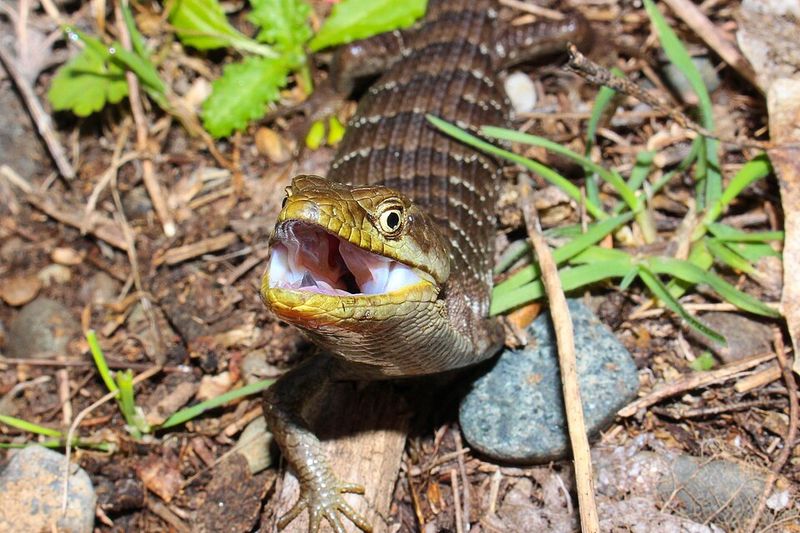
Few backyard hunters have a menu as varied as the Southern Alligator Lizard. Grasshoppers, ground beetles, spiders, crickets, earwigs, and even small scorpions are all fair game for this reptile.
It is built for hunting, and it rarely passes up a meal.
Grasshoppers alone can strip a vegetable garden down to bare stems in a matter of days. Beetles can chew through roots and leaves before you even notice the damage.
Crickets may seem harmless, but large numbers of them can destroy seedlings overnight. The lizard hunts all of these without hesitation.
What is especially impressive is how the lizard handles hard-bodied prey. Its jaw is strong enough to crush beetles and other insects with thick shells.
Most birds and small mammals avoid these tougher bugs, but the alligator lizard takes them on without any trouble.
Spiders are another common prey item. While many spiders are helpful in their own right, an overpopulation of them near entry points to your home can become a nuisance.
The lizard helps keep spider numbers at a manageable level without eliminating them entirely.
Having a lizard patrol your garden beds is like having a small, silent exterminator on duty every day. It targets the exact bugs that cause the most damage to plants and soil.
The variety of pests it consumes makes it one of the most well-rounded natural pest controllers you can find in a backyard setting across our state.
4. It Can Help Reduce Bugs Without Sprays
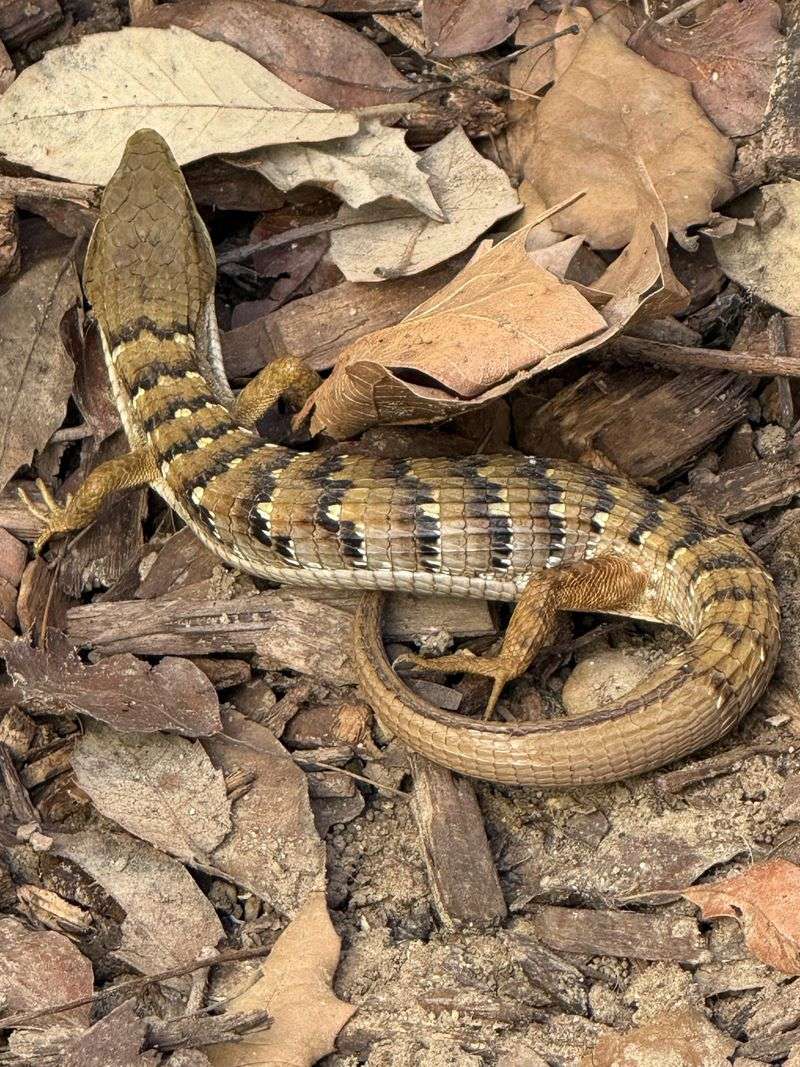
Chemical sprays are one of the most common tools homeowners reach for when bugs show up in the garden. They work fast, but they come with real drawbacks.
Many sprays affect beneficial insects like bees and butterflies along with the harmful ones.
The Southern Alligator Lizard offers a different approach. It targets moving insects and selects prey based on size and behavior, not chemistry.
That means it naturally avoids most pollinators, which tend to stay on flowers rather than crawling through leaf litter and soil where the lizard hunts.
Over a full growing season, a single lizard can remove hundreds of harmful insects from your garden.
That reduction happens gradually and consistently, which is actually better for long-term pest management than a sudden chemical treatment that wears off within days or weeks.
Gardeners who embrace natural pest control often report that their plants look healthier over time. Without repeated chemical exposure, the soil stays more balanced, and the overall ecosystem in the yard becomes more stable.
The lizard is one piece of that puzzle.
Choosing to support a native lizard instead of reaching for a spray bottle is a small decision with a big impact.
You spend less money, expose your garden to fewer chemicals, and support a native species that has been part of this landscape for generations.
It is a practical swap that benefits both your plants and the local environment around your home.
5. Most Garden Lizards Do Not Damage Plants
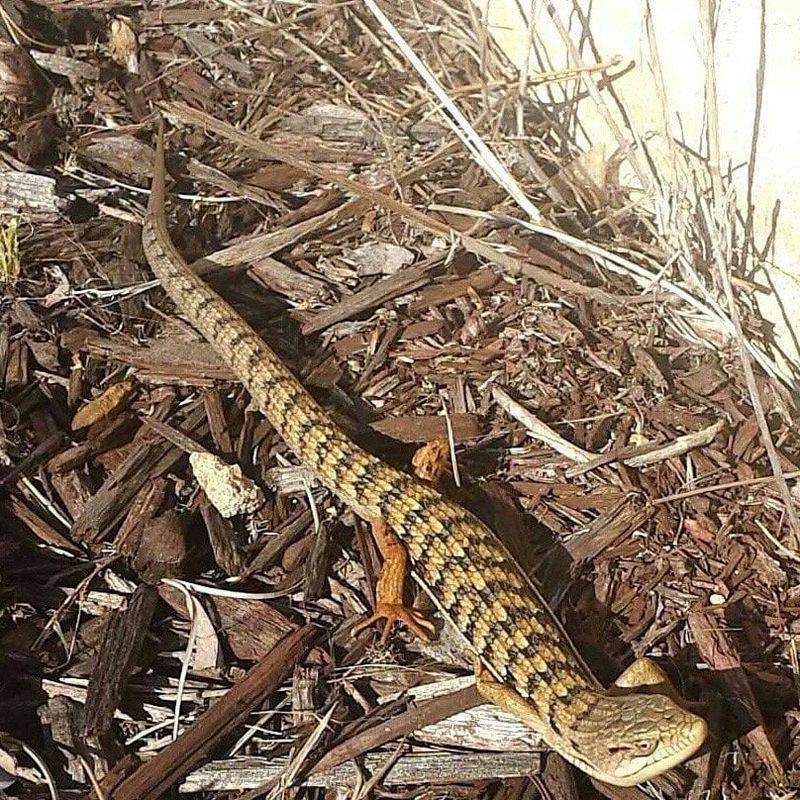
One of the biggest reasons homeowners remove lizards from their yards is the fear that they will eat plants or damage roots. That concern is completely understandable, but it is not based on fact.
Alligator lizards are carnivores through and through.
They do not nibble on leaves, dig up bulbs, or chew through stems. Their entire diet consists of insects, spiders, and other small invertebrates.
Plants are simply the background scenery where they hunt, not a food source they have any interest in.
Some people confuse lizards with other garden visitors like voles or caterpillars, which do cause real plant damage.
The confusion is easy to make if you only catch a glimpse of something moving through your garden bed.
But a closer look at the Southern Alligator Lizard shows a creature built for chasing bugs, not munching on greenery.
Its teeth are sharp and pointed, designed for gripping slippery or fast-moving prey. They are not flat or broad like the teeth of an animal that eats plants.
Even its body shape, long and low to the ground, is built for stalking insects through tight spaces in the soil and leaf litter.
Once you understand what the lizard actually eats, the fear of plant damage disappears. What replaces it is often a sense of relief.
You have a natural hunter living in your garden, and it is working entirely in your favor every single day without disturbing a single leaf.
6. Leave It Alone Unless It Gets Inside The House
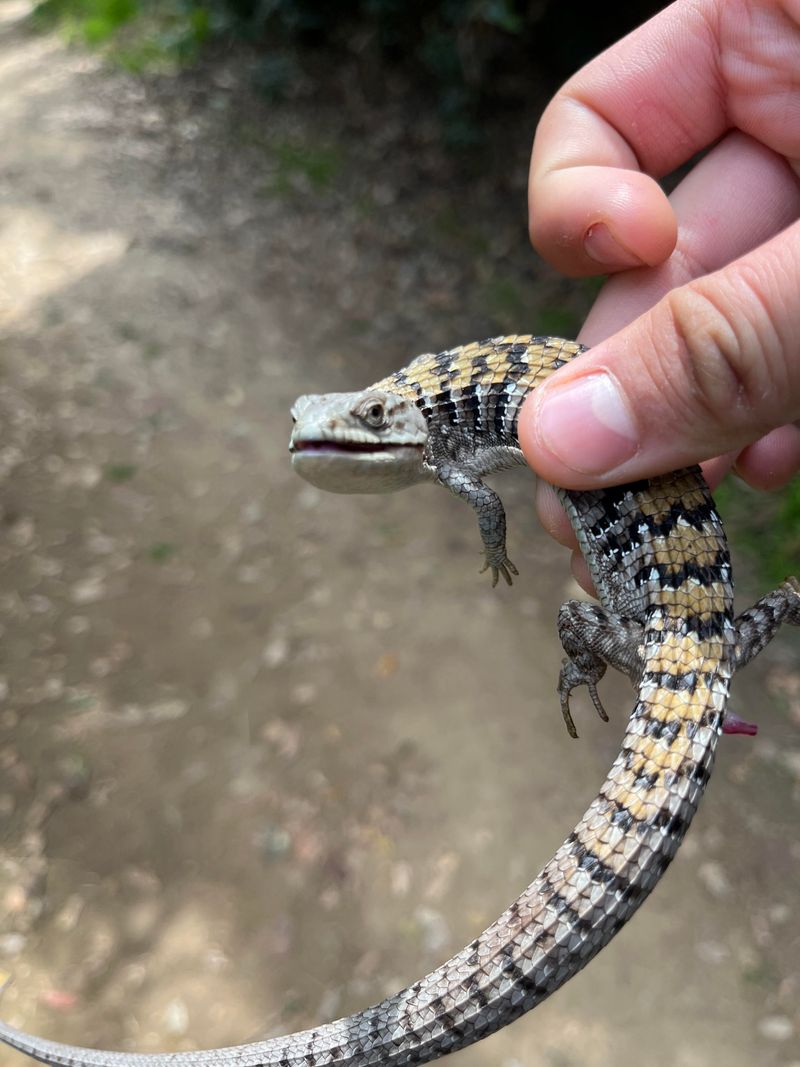
For the most part, the Southern Alligator Lizard is a completely hands-off neighbor. It does not need your help, your food, or your attention.
The best thing you can do for it is simply leave it alone and let it do its job in the garden.
That said, there are times when a lizard wanders inside a home through an open door or gap in a screen. When that happens, it is reasonable to want to move it back outside.
The lizard is not in danger inside, but it will eventually have trouble finding food and water indoors.
To move it safely, use a towel or a container to gently guide it toward an open door. Avoid grabbing it by the tail, as alligator lizards can drop their tails when threatened, a defense mechanism that is harmless but stressful for the animal.
A calm, slow approach works best. Once it is back outside, it will find its way back to the garden on its own. There is no need to transport it far from your home.
Releasing it near a shrub or a rock pile close to where it was found gives it the best chance to settle back into its routine quickly.
Treating this lizard with patience and care reflects a broader respect for the wildlife that shares our neighborhoods. It is not a threat inside or outside.
Handled gently, the whole situation resolves itself in just a few calm minutes.
7. Rock Piles And Leafy Cover Give It A Place To Hunt
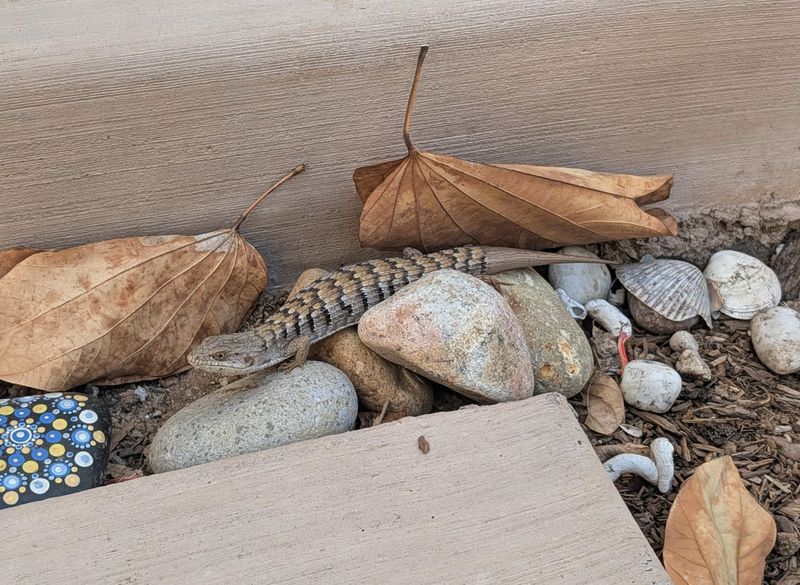
Creating a lizard-friendly yard does not require a major renovation. A few simple changes can make your garden far more welcoming to Southern Alligator Lizards and help them stick around longer during the growing season.
Rock piles are one of the best additions you can make. Lizards use rocks for basking in the morning sun, which helps them warm up and become active faster.
Rocks also provide shelter from predators like hawks and cats, giving the lizard a safe place to retreat when it feels threatened.
Leaf litter is equally important. A layer of fallen leaves, wood chips, or mulch near garden beds creates the dark, moist conditions where many insects live.
That is exactly where the lizard prefers to hunt. Keeping a small section of your yard with natural ground cover gives it a productive feeding ground right next to your plants.
Dense, low-growing shrubs also help. Plants like manzanita, native grasses, or ground-hugging perennials give the lizard places to hide while still being close to open soil where it can chase prey.
A yard with some structure and variety is much more attractive to this reptile than a flat, open lawn.
Small changes like these cost very little and take minimal effort. But the reward is a yard that supports a native predator working quietly on your behalf.
Making space for the lizard is one of the most practical things a gardener can do for long-term, chemical-free pest management.
8. Pesticides Can Remove The Food It Depends On
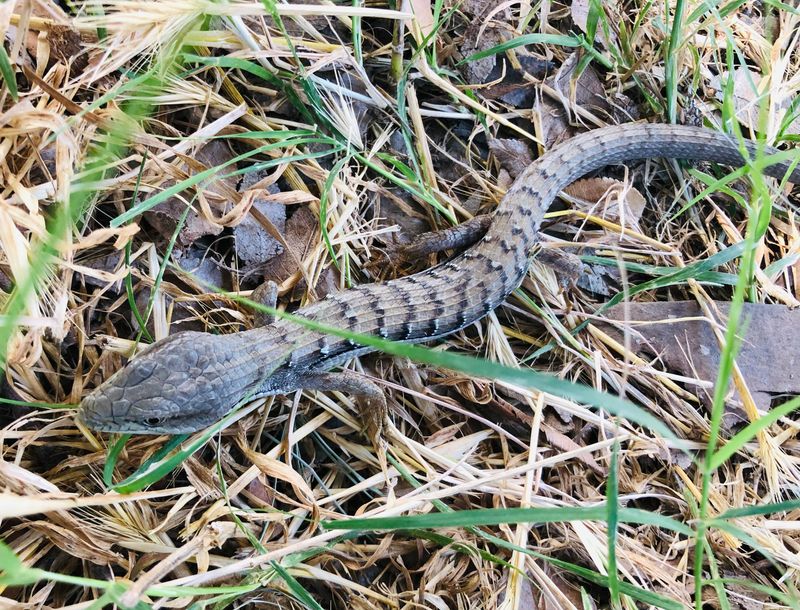
Here is something most homeowners never consider. When you spray pesticides across your garden, you are not just targeting the bugs that bother your plants.
You are also wiping out the insects that the Southern Alligator Lizard depends on for every meal.
A yard treated heavily with broad-spectrum pesticides quickly becomes an empty hunting ground. The lizard may linger for a while, but without a reliable food supply, it will eventually move on to a neighboring yard where insects are more plentiful.
Once it leaves, it rarely returns on its own.
This creates a cycle that works against you. Without the lizard to control insect populations naturally, pest numbers can rebound quickly after the pesticide fades.
You end up needing more treatments, spending more money, and still dealing with recurring bug problems throughout the season.
Reducing pesticide use, even partially, can make a meaningful difference. Spot treatments on specific problem areas are far less disruptive to the lizard’s food supply than full-yard sprays.
Targeted approaches give the lizard room to keep hunting while still addressing your most urgent pest issues.
Thinking of your yard as a small ecosystem rather than just a patch of lawn and plants changes how you approach pest management. Every creature in that space plays a role.
The lizard keeps insect numbers down. Insects feed on organic matter and support soil health.
Removing one part of that chain affects everything else. Protecting the lizard means protecting the whole system.