The 8 Cut-And-Come-Again Ohio Flowers That Fill Vases From June Through October
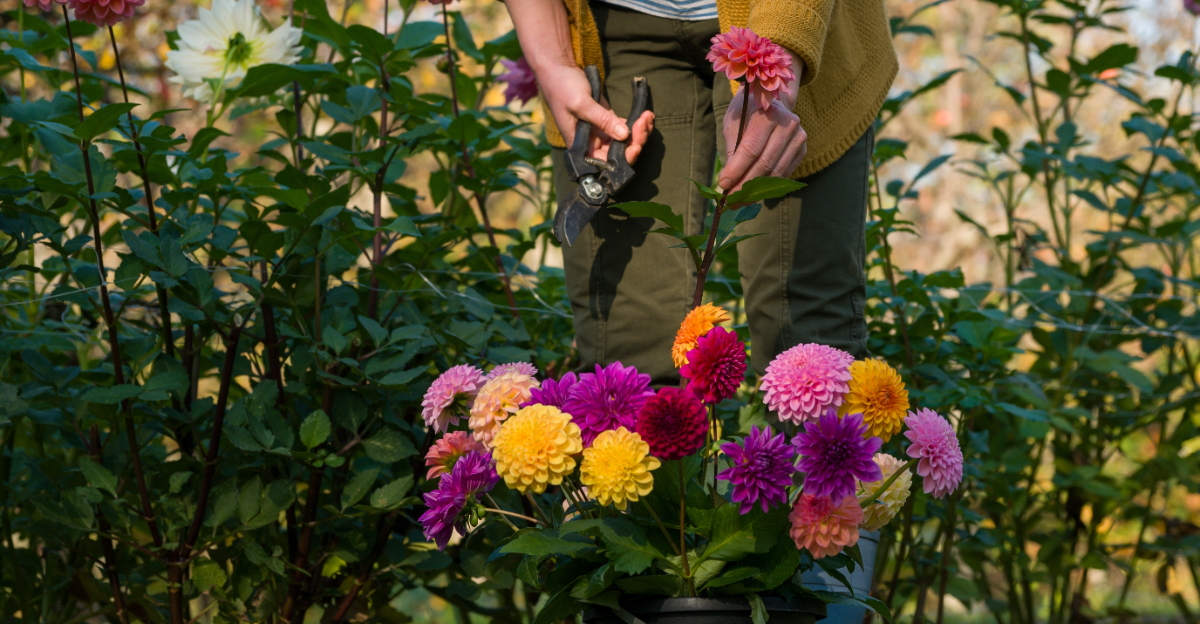
A cutting garden that actually keeps up with you through an entire Ohio season is rarer than most gardeners expect.
You get a flush of blooms in June, cut them back with confidence, and then spend July waiting for a comeback that arrives late, sparse, or not at all.
By August the whole operation feels like more work than it is worth. Cut-and-come-again flowers break that cycle.
The right varieties do not just recover from cutting, they respond to it. Take the blooms, the plant pushes out more, and that pattern holds through June, July, August, September, and well into October in most Ohio gardens.
Eight Ohio-friendly flowers earn that reputation honestly. Some are familiar.
A couple might surprise you. All of them have a track record of filling vases consistently without making you feel like you are robbing the plant every time you reach for the scissors.
1. Grow Zinnias For The Easiest Vase Filler All Summer
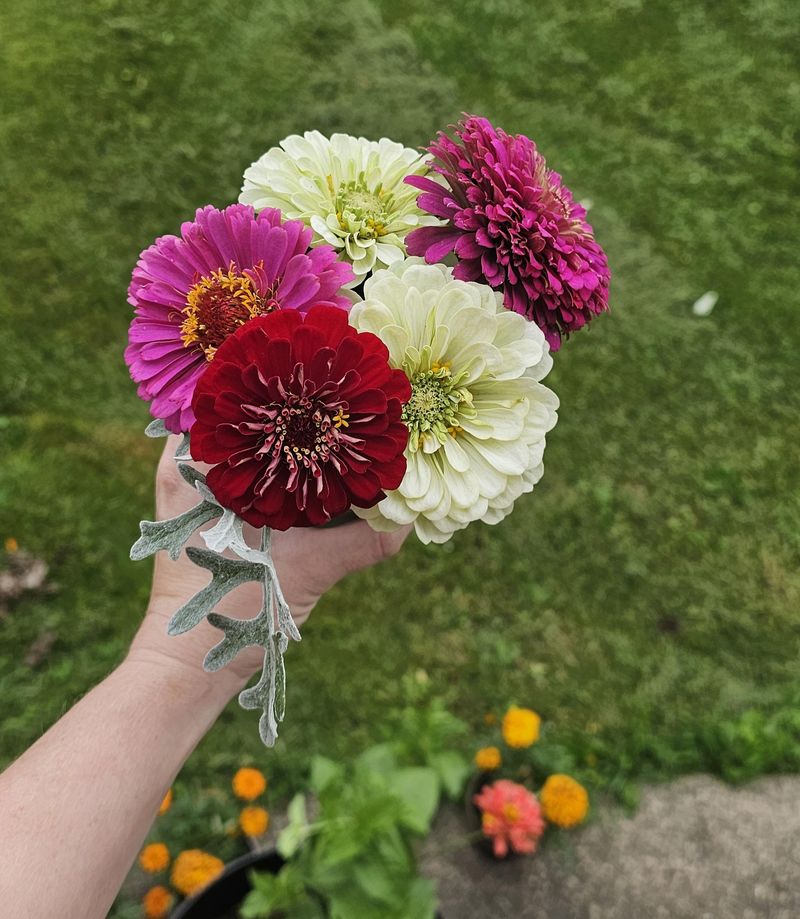
A freshly cut zinnia stem is almost a signal to the plant to get busy again. Zinnias, Zinnia elegans, are one of the most reliable cut-and-come-again annuals a home gardener can grow.
Every time you remove a bloom, the plant branches and sends up new flower stems in response. That cycle can continue through the season when plants are kept harvested.
Full sun is non-negotiable for zinnias. They need at least six to eight hours of direct light each day to stay productive.
Good airflow around the plants helps reduce the chance of powdery mildew, which is a common problem in humid summers. Try to water at the base rather than overhead when you can, and space plants well so air moves freely between them.
For cutting beds, taller varieties in the Benary Giant or Oklahoma series tend to produce longer stems that work well in arrangements. Cut stems when the flower is just fully open and feels firm when you gently shake it.
Harvest in the early morning when stems are well hydrated. Drop them in water right away and recut the stems at an angle once you bring them inside.
With regular cutting and basic care, zinnias can stay productive from early summer until frost shuts them down.
2. Cut Cosmos Often For Airy Stems That Keep Coming
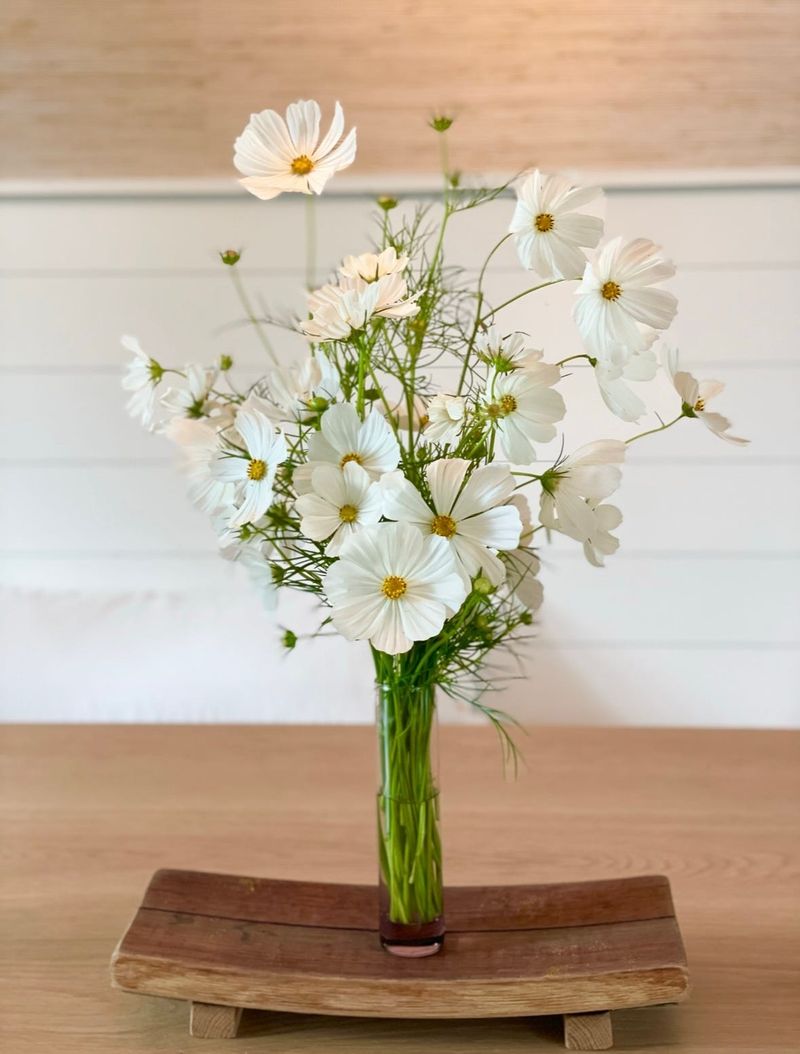
Few flowers feel as effortless in a bouquet as cosmos. The thin, feathery stems and delicate petals give arrangements a light and natural look that heavier flowers cannot replicate.
Cosmos bipinnatus is a fast-growing annual that responds well to frequent cutting. The more you harvest, the more the plant tends to branch and push out new flower buds.
One of the most common mistakes with cosmos is overfeeding. Rich soil or too much fertilizer often leads to lush, bushy plants with lots of foliage and surprisingly few flowers.
Cosmos actually performs better in lean to average soil. Full sun is important, and the plants appreciate consistent moisture without being waterlogged.
For cutting, harvest stems when the flower is just starting to open or is about halfway open. Fully open blooms can fade faster in the vase.
Your Ohio Garden Changes Every Week. Your Plan Should Too.
Gardening in Ohio changes quickly throughout the season. Every Friday you’ll receive a simple weekly plan showing exactly what to plant, prune, fertilize, harvest, and protect so you never miss the right timing.
Cut long stems in the morning and place them in water immediately. Removing spent blooms along with regular harvesting helps keep the plant focused on producing new buds rather than setting seed.
Taller varieties like Sensation Mix or Velouette can give you stems long enough for most vases. Succession planting every few weeks can also extend your cutting season.
Cosmos can bloom from early summer into fall, especially in seasons without extreme heat spikes that push plants to go to seed too quickly.
3. Plant Celosia For Bold Texture From Heat To Frost

Celosia brings something to a bouquet that most other flowers simply cannot match: strong, sculptural texture in colors that hold up even as temperatures climb.
This plant genuinely thrives in heat, which makes it a reliable producer during the stretches of summer when other flowers slow down.
Celosia species come in several forms, including plumed types, crested or cockscomb types, and wheat-style varieties. Each brings a different shape to arrangements.
Not all types branch the same way, so it helps to read the seed packet or plant tag before assuming every celosia will keep producing like a zinnia. Plumed varieties often branch more freely when cut regularly, while crested types may produce a single large head.
Cut celosia stems when the flower is well developed but before the color starts to fade. Stems cut too early may not have enough strength to hold up in a vase.
Celosia also dries beautifully, so any stems you do not use fresh can be hung upside down in a dry spot to preserve for later arrangements.
Plant celosia in full sun and well-drained soil. It does not handle cold or wet roots well.
Wait until soil has warmed and frost risk has passed before transplanting. In most parts of this state, that means planting after mid-May.
With steady heat and regular harvesting, celosia can carry bold color from midsummer through the first frost.
4. Use Gomphrena For Color That Holds In Fresh Or Dried Bouquets
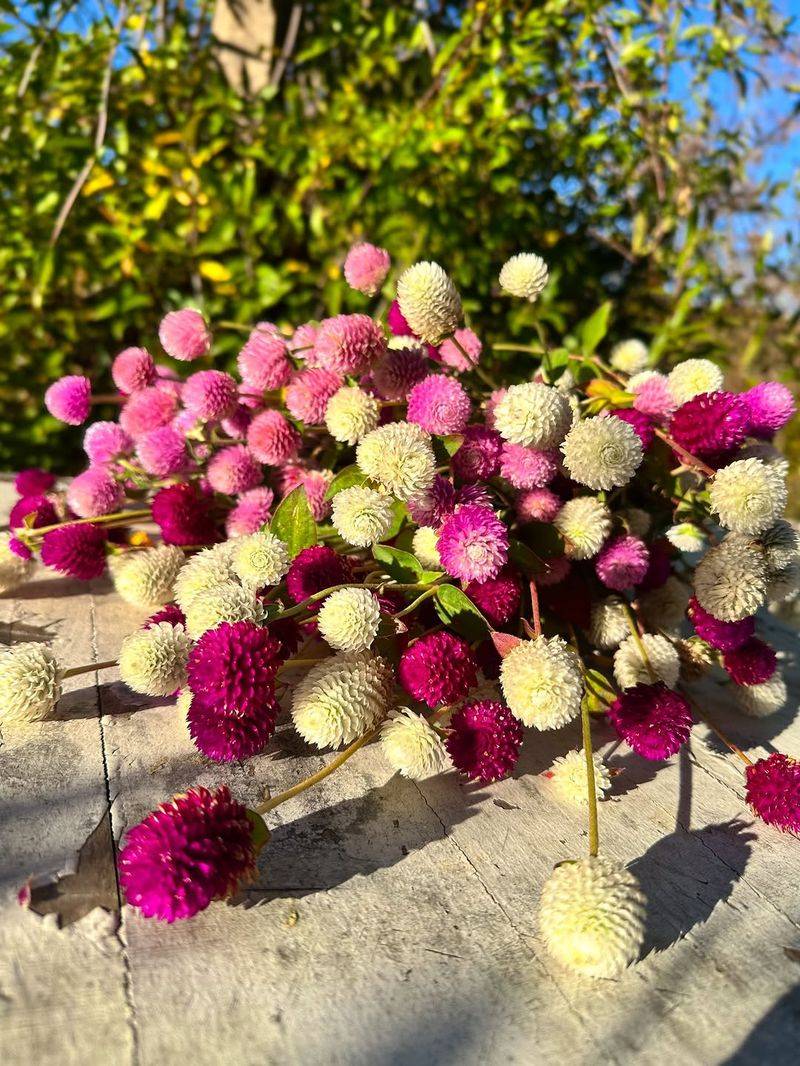
Globe amaranth is one of those flowers that surprises people the first time they use it in a bouquet. The round, clover-like heads come in shades of purple, pink, magenta, white, and orange.
They hold their color remarkably well, both in fresh arrangements and when dried for longer-lasting displays.
Gomphrena globosa loves heat and handles dry spells better than many annuals. It thrives in full sun and does not need rich soil to perform well.
Regular picking encourages the plant to keep branching and producing new stems. If you stop harvesting and let seed heads form, production tends to slow, so staying on top of cutting makes a real difference.
For fresh use, cut stems when the globe-shaped heads are fully colored and firm. For drying, harvest before the heads start to show any fading and hang upside down in small bunches in a warm, airy space.
Dried gomphrena holds color well for months, making it useful for wreaths, dried arrangements, and crafts long after the garden season ends.
Gomphrena is a relatively compact plant, so it works well at the front or middle of a cutting bed. Taller varieties like Qis series can give you stems long enough for most vase arrangements.
From midsummer into fall, this plant can be a steady and reliable source of color for both fresh and dried flower projects.
5. Add Strawflower For Papery Blooms That Last Beyond The Vase
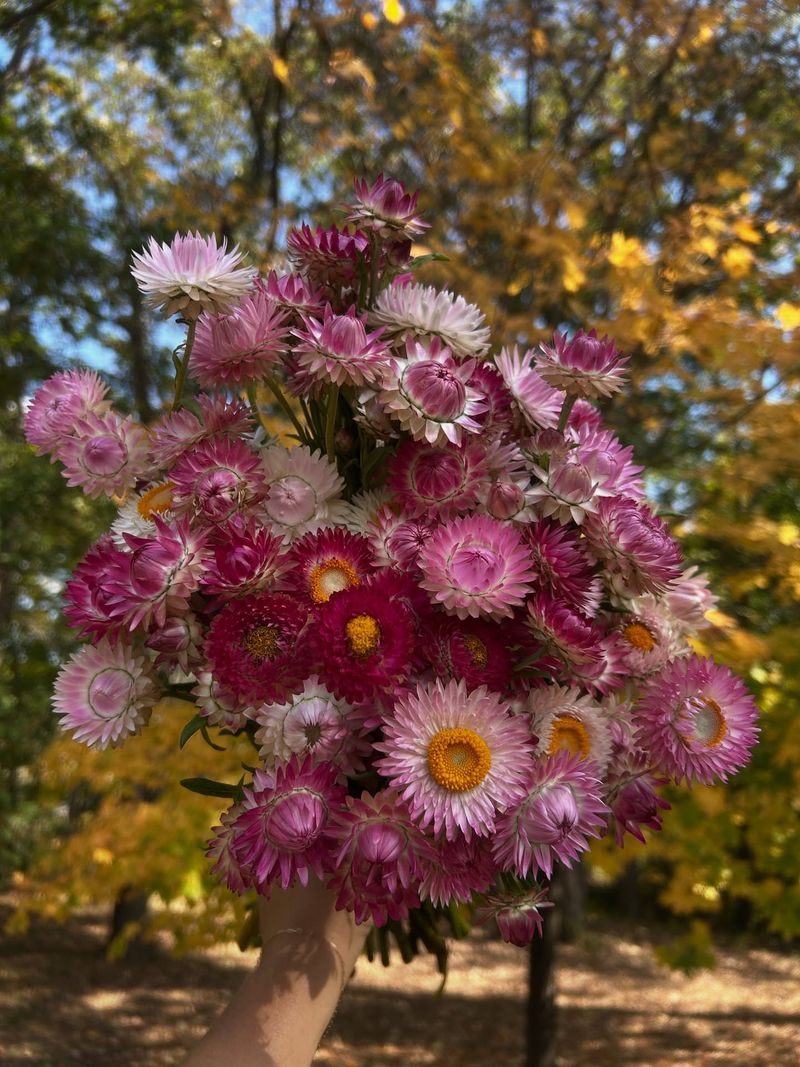
Strawflower has a texture unlike almost anything else in the cutting garden. The papery, almost crisp petals feel like they are already halfway to dried before you even cut them.
That quality is exactly what makes Xerochrysum bracteatum so useful for gardeners who want blooms that go the distance. It works either in a fresh vase or in a dried arrangement that lasts for months.
For fresh use, cut stems when the outer petals have opened but the center is still tight. Flowers cut at this stage tend to last longer in the vase.
If you want to dry them, cut even earlier, just as the outer petals begin to unfurl. Harvest in the morning and hang stems upside down in small bunches in a dry, well-ventilated space away from direct sun.
Dried correctly, strawflowers can hold color for a very long time.
Strawflower grows best in full sun and well-drained soil. It handles heat well and does not like sitting in wet conditions.
Regular cutting encourages new stems, but the plant may not branch as aggressively as zinnias or cosmos. Expect steady production rather than explosive reblooming.
Newer varieties bred for longer stems have made strawflower more practical for cutting beds. Look for varieties in the Cottage series or similar types with stems long enough to use in arrangements without extra wiring.
From midsummer into fall, this plant can offer a unique papery texture that few other flowers provide.
6. Grow Dahlias For Bigger Bouquets From Midsummer To Frost
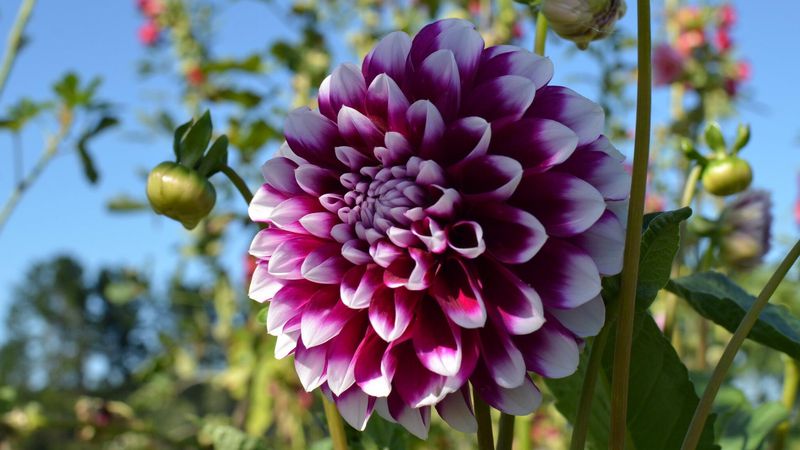
Dahlias have a way of making every other flower in the vase look like it is trying harder. The blooms are full, the colors are deep, and a single stem can anchor an entire arrangement.
From midsummer until frost ends the season, dahlias grown in cutting beds can produce a steady supply of stems when harvested consistently.
Regular cutting is key. Removing blooms as they open, rather than letting them linger on the plant, encourages dahlias to push out new stems.
Pinching plants early in the season also helps develop a bushier structure with more flowering shoots. Dahlias benefit from consistent moisture and a balanced fertilizer routine, though too much nitrogen can favor foliage over flowers.
One important note for gardeners in this state: dahlia tubers are not reliably winter-hardy in most regions here. After the first frost blackens the foliage, gardeners typically need to dig the tubers and let them cure.
Then they should store them in a cool, dry, frost-free location until spring planting time. Some gardeners in southern regions have had success with heavy mulching, but lifting tubers is the more dependable approach.
For vase life, cut dahlia stems when the flower is three-quarters to fully open. Recut stems and place them in cool water immediately.
Some growers sear the stem ends briefly in hot water to help with uptake. With consistent cutting and care, dahlias can be one of the most impressive producers in any home cutting garden from July through October.
7. Plant Branching Sunflowers For More Than One Cut
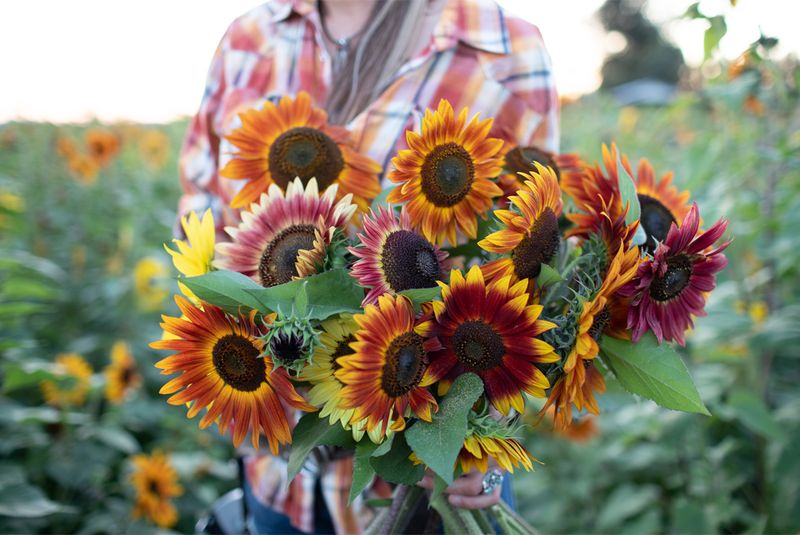
Not all sunflowers are built the same way. The classic single-stem sunflower produces one large bloom per plant and that is the end of the story.
Branching sunflowers, on the other hand, are bred to produce multiple flowering stems from a single plant. That makes them far more useful for anyone who wants to keep cutting through the season.
Helianthus annuus varieties labeled as branching or multi-stem types are the ones to seek out for cutting beds. Varieties like Lemon Queen, Earthwalker, and ProCut series branching types are good examples worth looking for at seed suppliers.
Read labels carefully because single-stem types are common and will not rebloom after the first cut.
Full sun is essential. Sunflowers need at least six hours of direct light and prefer eight or more.
Give plants enough room to branch out. Crowding reduces the number of side shoots that develop.
A spacing of twelve to eighteen inches between plants generally works well for branching types in a home cutting bed.
Cut stems when the petals are just beginning to open and the back of the flower head still feels firm. Sunflowers cut too late can drop petals quickly in the vase.
Harvest in the morning and place stems in deep water right away. As the main stem is cut, side branches will develop and flower over the following weeks, giving you a longer window of production than single-stem types ever could.
8. Use Marigolds For Bright Stems That Bounce Back Fast
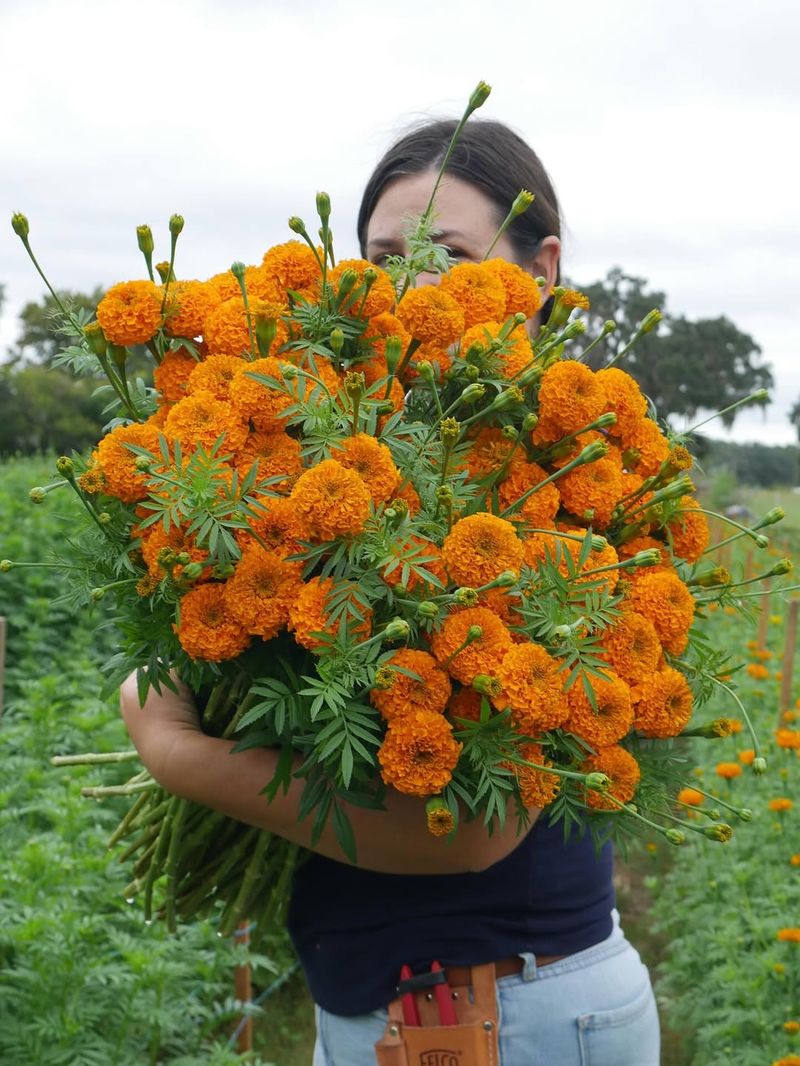
Marigolds get underestimated in cutting gardens because most people picture the small, round bedding types sold in packs every spring. Those compact varieties are fine for borders, but they are not what you want if you are cutting for vases.
Taller varieties, especially African marigolds in the Tagetes erecta group, produce stems long enough to be genuinely useful in arrangements.
Regular cutting and trimming keep marigolds producing through the season. When spent blooms are removed, the plant redirects energy into new buds.
Skip the trimming for a few weeks and production noticeably slows. The bounce-back time on marigolds is surprisingly fast compared to some other annuals, which is part of what makes them reliable for a cutting bed.
Marigolds thrive in full sun and handle heat well. They are not fussy about soil as long as drainage is decent.
Overwatering or heavy clay soil can lead to root problems, so raised beds or amended garden soil helps. In this state, marigolds can start producing in early summer and continue until frost, especially with consistent harvesting.
For vases, choose stems where the bloom is just fully open and the color is at its brightest. The scent is strong, which some people enjoy and others find overpowering, so that is worth keeping in mind for indoor arrangements.
Marigolds will never pass for a florist flower, but as a productive, cheerful, and low-cost source of warm-toned stems, they are hard to beat in a home cutting garden.