These Are The Native Ohio Shrubs That Replace Barberry Without Losing The Red Color
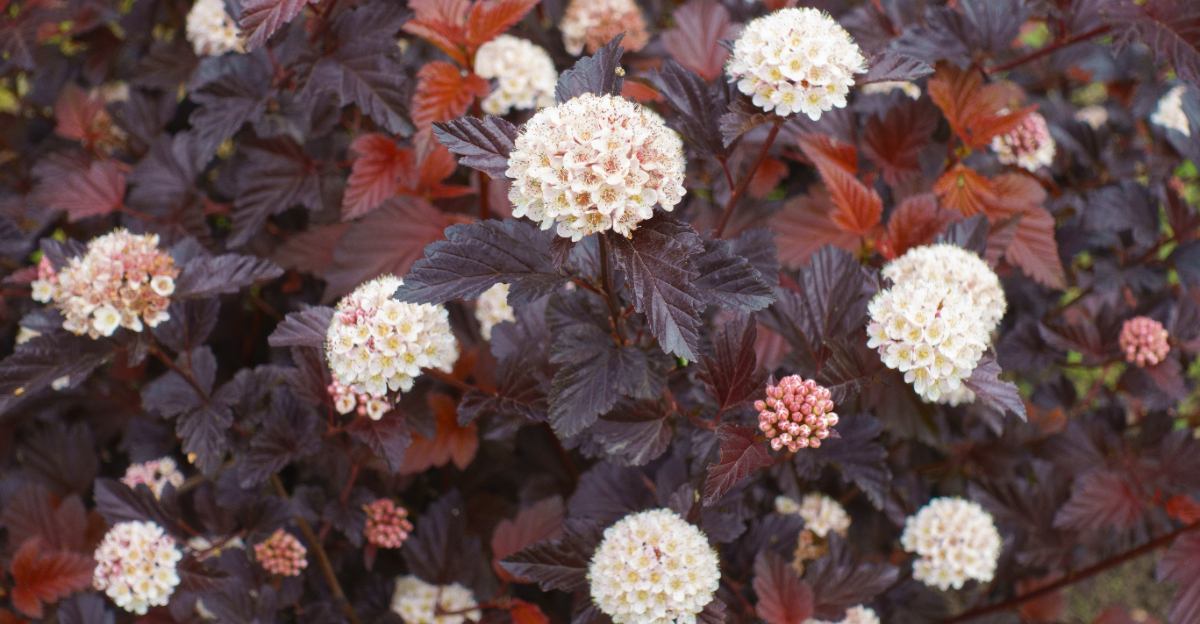
Barberry delivers red color in a way that is genuinely hard to argue with. That deep burgundy foliage holds through the season, looks sharp against green plantings, and requires almost nothing in return.
The problem is what barberry does beyond the garden border. Ohio’s natural areas have been dealing with that problem long enough that some counties have moved toward restricting it entirely.
Pulling barberry out of the landscape does not mean giving up on red. Ohio’s native shrub palette has options that bring real color to a garden without the invasive spread that makes barberry such a liability in this region.
Some of these natives go burgundy in fall. Others hold reddish tones through the season in foliage, stem, or berry.
A few do more than one at once. Red stays on the table.
Barberry does not have to.
1. Replace Barberry With Red Chokeberry For Bright Fruit And Fall Color
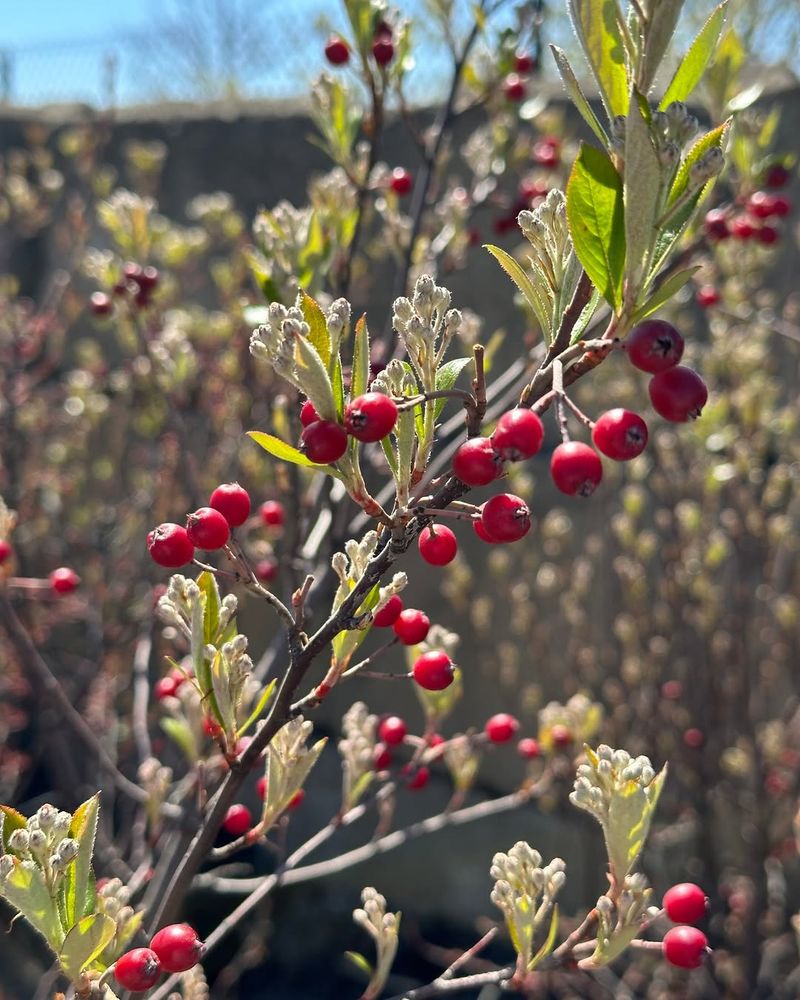
A red shrub does not need sharp thorns or invasive seedlings to earn its place in a yard. Red chokeberry, Aronia arbutifolia, delivers some of the most vivid red fruit of any native shrub in this region.
The small, glossy berries ripen in late summer and hold on the branches well into winter, long after most other shrubs have gone bare.
Fall color is another strong point. The leaves shift to a rich scarlet or deep red before they drop, giving the plant two strong seasons of color instead of just one.
Spring brings clusters of small white flowers that attract early pollinators, so the shrub earns its space across three seasons.
Mature plants typically reach six to ten feet tall and four to six feet wide, so this is not a shrub for tight corners or small foundation beds. It grows best in moist to average soil and tolerates wet conditions better than many shrubs.
Full sun brings out the strongest fall color and the heaviest fruit set.
Red chokeberry can spread by suckers in favorable spots, forming loose colonies over time. Ohio gardeners should give it room to expand or plan to manage the edges occasionally.
Used on a shrub border, rain garden edge, or naturalized slope, it performs well without much intervention. It is a genuine native replacement, not a perfect copy of barberry.
2. Choose Black Chokeberry For Red Leaves Without The Barberry Problem
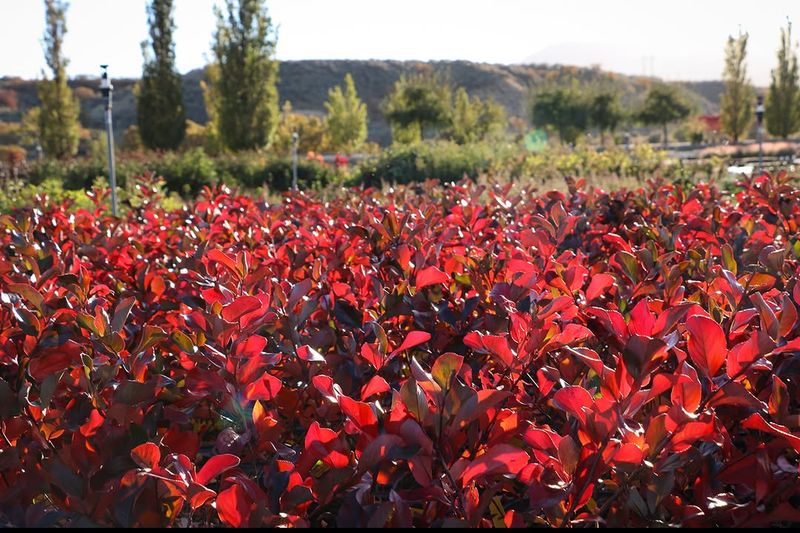
Not every red-colored shrub has to offer red fruit to make a strong seasonal statement. Black chokeberry, Aronia melanocarpa, earns its place through fall foliage that turns a strong red to reddish-purple as temperatures drop.
The color can rival some of the showiest fall shrubs in a regional garden, and it does it without being invasive or problematic.
Spring brings clusters of small white flowers, similar to those of red chokeberry, that provide early-season interest and support pollinators. The dark, nearly black berries that follow are less showy than red chokeberry fruit, but birds do consume them.
The plant tends to be somewhat more compact than its red-fruited relative, often reaching three to six feet tall and wide at maturity.
Your Ohio Garden Changes Every Week. Your Plan Should Too.
Gardening in Ohio changes quickly throughout the season. Every Friday you’ll receive a simple weekly plan showing exactly what to plant, prune, fertilize, harvest, and protect so you never miss the right timing.
It handles a range of soil conditions reasonably well, tolerating wet areas but also growing in average garden soil with decent moisture. Full sun encourages the boldest fall color and strongest growth.
Partial shade is manageable, though color intensity may soften somewhat.
Like red chokeberry, this shrub can sucker and form colonies in spots where conditions suit it. Giving it enough room from the start reduces the need for ongoing management.
For Ohio rain gardens, shrub borders, or naturalized edges where some spreading is acceptable, black chokeberry brings consistent seasonal value. Cultivars like Autumn Magic offer more compact growth and strong fall color for smaller spaces.
3. Plant Red Osier Dogwood For Winter Stems That Stay Colorful
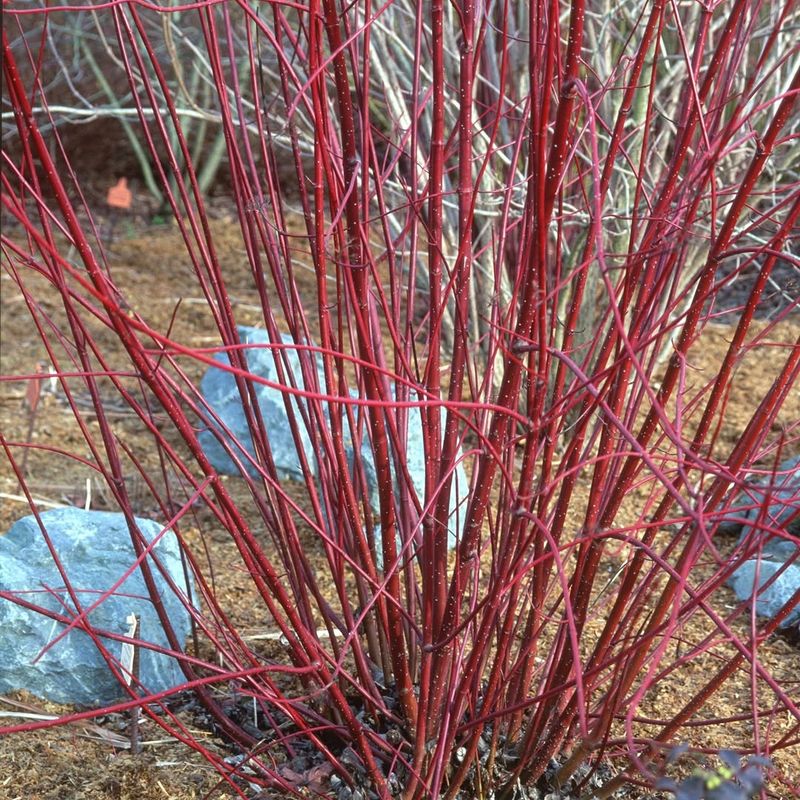
When every other shrub in the yard has gone gray and bare, red osier dogwood does something remarkable. Its stems turn a vivid red that practically glows against snow or a pale winter sky.
The color comes from the bark of younger branches, and it is one of the most reliable winter displays any native shrub in this region can offer.
Cornus sericea is native across much of the eastern and central United States, including this state. It grows naturally along stream banks, pond edges, and wet low-lying areas.
It performs best in moist to wet soil and full sun to partial shade. Average garden soil with consistent moisture can work, but dry conditions stress the plant noticeably.
Mature plants typically reach six to twelve feet tall and can spread nearly as wide by suckering. This is a large, spreading shrub, and gardeners who expect a compact mound may be surprised.
Renewal pruning, cutting older stems back hard every few years, keeps younger red-stemmed growth coming and maintains the visual impact through winter.
White flower clusters appear in late spring and attract a range of native insects. White berries follow and are consumed by birds.
The fall foliage turns a soft red to reddish-purple before dropping. The main seasonal event, though, remains those winter stems.
Cultivars like Cardinal offer especially intense stem color and slightly more restrained size for home landscapes.
4. Use Virginia Sweetspire For Burgundy Fall Color In Moist Soil
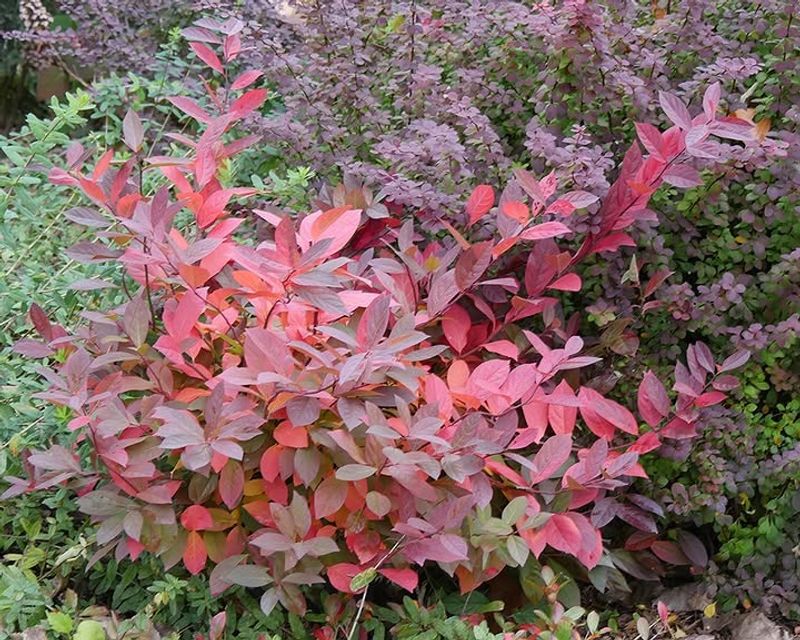
Few Ohio native shrubs offer fall color that lingers as long as Virginia sweetspire. The leaves shift from green to shades of red, burgundy, and wine as autumn progresses, and they often hold on the branches later than most other shrubs in the yard.
The color range can vary from plant to plant and season to season, but deep burgundy tones are common and reliable in most years.
Itea virginica blooms in early summer with fragrant white flower racemes that arch gracefully at the branch tips. The flowers are not flashy from a distance, but up close they are elegant, and they attract bees and butterflies reliably.
The arching, somewhat loose habit gives the shrub a natural, relaxed appearance that suits informal borders and streamside plantings well.
This shrub performs best in moist to average soil with some organic matter. It tolerates wet conditions and can handle occasional flooding better than many ornamentals.
Full sun to partial shade both work, though some afternoon shade in the hottest parts of the state can help it through dry summers.
Virginia sweetspire spreads by suckers and can form colonies in favorable conditions. The spread is typically manageable, but gardeners should account for it when placing the plant near walkways or small beds.
Cultivars like Henry’s Garnet are widely available and offer especially strong burgundy fall color. They also stay somewhat more compact than the straight species at three to four feet tall.
5. Grow Fragrant Sumac For Red Orange Autumn Leaves
Slopes, dry banks, and sunny edges that challenge most shrubs are exactly where fragrant sumac earns its reputation. Rhus aromatica is a low-spreading native shrub that handles dry, rocky, or infertile soil with ease.
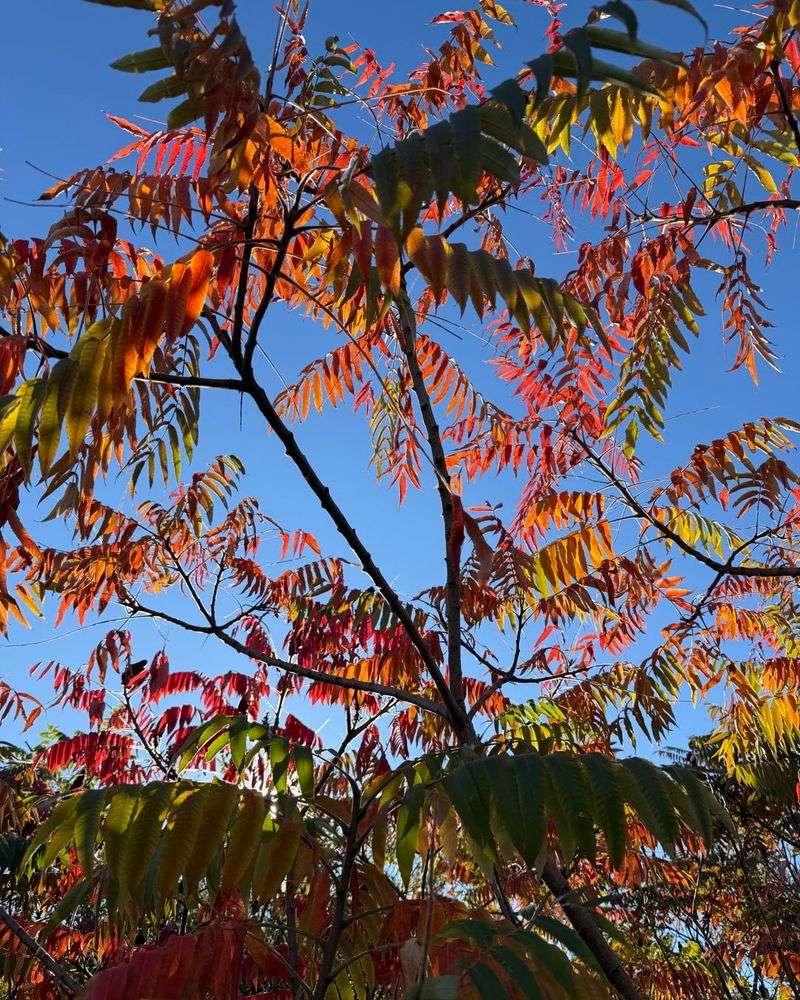
In autumn, it rewards that tough-site tolerance with vivid orange, red, and burgundy leaves.
The fall color is one of the most reliable seasonal features this shrub offers. Leaves shift through a warm range of tones, from soft orange to deep red-orange, before dropping.
The effect on a sunny bank or naturalized slope can be genuinely striking. The low habit allows the color to spread across a wide area without blocking views.
Mature plants typically reach three to six feet tall and can spread six feet or wider by suckering. This spreading habit is part of what makes fragrant sumac effective for erosion control and slope stabilization.
It also means the plant is not suited for tidy, small foundation beds. Giving it room to move is the practical approach.
Small yellow flowers appear in early spring before the leaves emerge, providing early pollen for native bees. Red fruit clusters follow and are sometimes consumed by birds.
The aromatic foliage, which releases a pleasant scent when brushed, adds a sensory detail that most shrubs cannot match. Gro-Low is a popular cultivar that stays closer to two feet tall and suits smaller spaces or mass plantings on gentle slopes.
6. Add Oakleaf Hydrangea For Deep Red Fall Texture
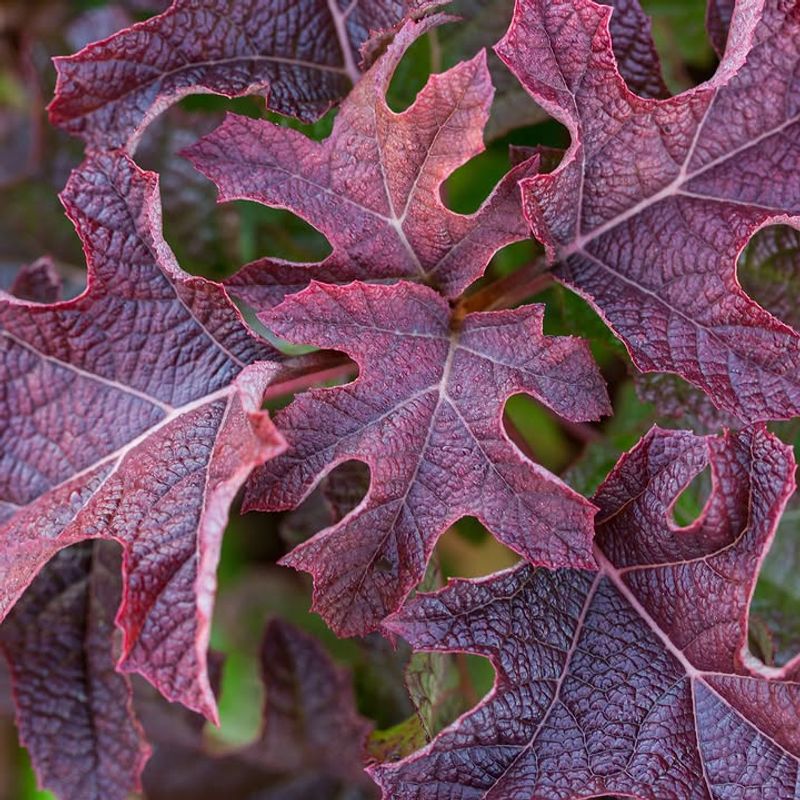
Bold, textured, and surprisingly tough, oakleaf hydrangea brings a kind of fall drama that most shrubs in this size range simply cannot match.
The large, lobed leaves resemble oak foliage in shape, and as temperatures drop they turn shades of burgundy, deep red, and bronze that hold on the plant for weeks.
The combination of color and leaf texture makes the shrub stand out even from a distance.
Hydrangea quercifolia is native to the southeastern United States and is widely grown and recommended across much of this state. It performs well in regional gardens when sited correctly, though it is not technically native to this state’s flora.
Most gardeners and extension resources treat it as a regionally appropriate native-adjacent choice worth using.
The peeling, cinnamon-colored bark on mature stems adds winter interest after the leaves drop. White flower panicles appear in early summer and fade to a papery tan that persists through fall and into winter, adding another layer of seasonal texture.
Wildlife value is moderate, with some pollinators visiting the flowers.
Mature size varies by cultivar but ranges from four to eight feet tall and wide for most selections. It needs well-drained soil with consistent moisture and performs best in partial shade, though full sun works if soil moisture is maintained.
Siting it where it has room to develop its full rounded form is key. Cultivars like Pee Wee and Sikes Dwarf offer more compact options for smaller spaces.
7. Choose Winterberry For Red Berries After Leaves Drop
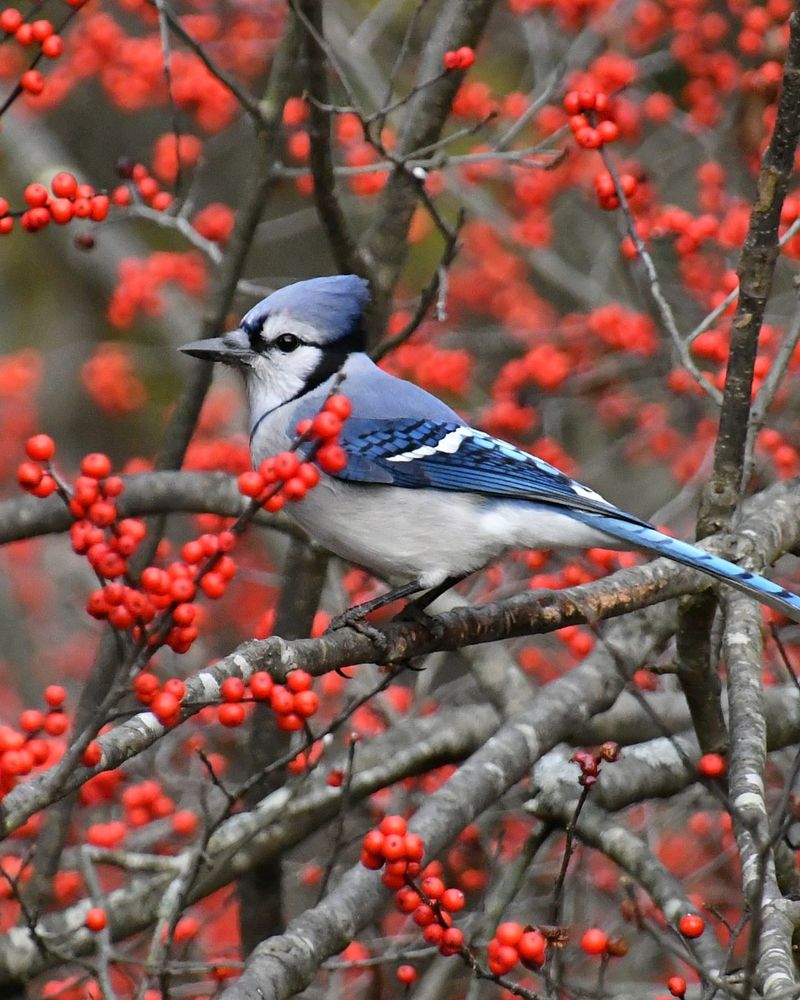
There is a moment in late autumn when winterberry becomes one of the most striking plants in any yard. That happens after the leaves have fallen and the landscape has gone mostly brown.
The bare branches of Ilex verticillata light up with clusters of bright red berries that hold through winter. They feed birds and catch the eye from across the yard or even from inside the house.
Winterberry is a native holly and one of the most reliable sources of true red winter color available to regional gardeners. The berries ripen in fall and can persist on the plant for months, depending on bird pressure and weather.
Robins, cedar waxwings, and other fruit-eating birds consume them, making the shrub a genuine wildlife resource rather than just a visual one.
One detail that gardeners need to plan for is pollination. Winterberry produces the best berry crops when a compatible male plant is growing nearby.
Most nurseries carry both male and female plants, and staff can help match compatible cultivars. A single male can typically pollinate several females within a reasonable distance.
This shrub prefers moist to wet, acidic soil and grows naturally along stream banks and pond edges. It reaches six to twelve feet tall at maturity and can spread by suckering over time.
Full sun to partial shade both work, though sun brings heavier fruit set. Compact cultivars like Berry Heavy and Red Sprite offer smaller sizes for home foundation beds and rain gardens.
8. Plant Ninebark For Red Toned Cultivars With Native Roots
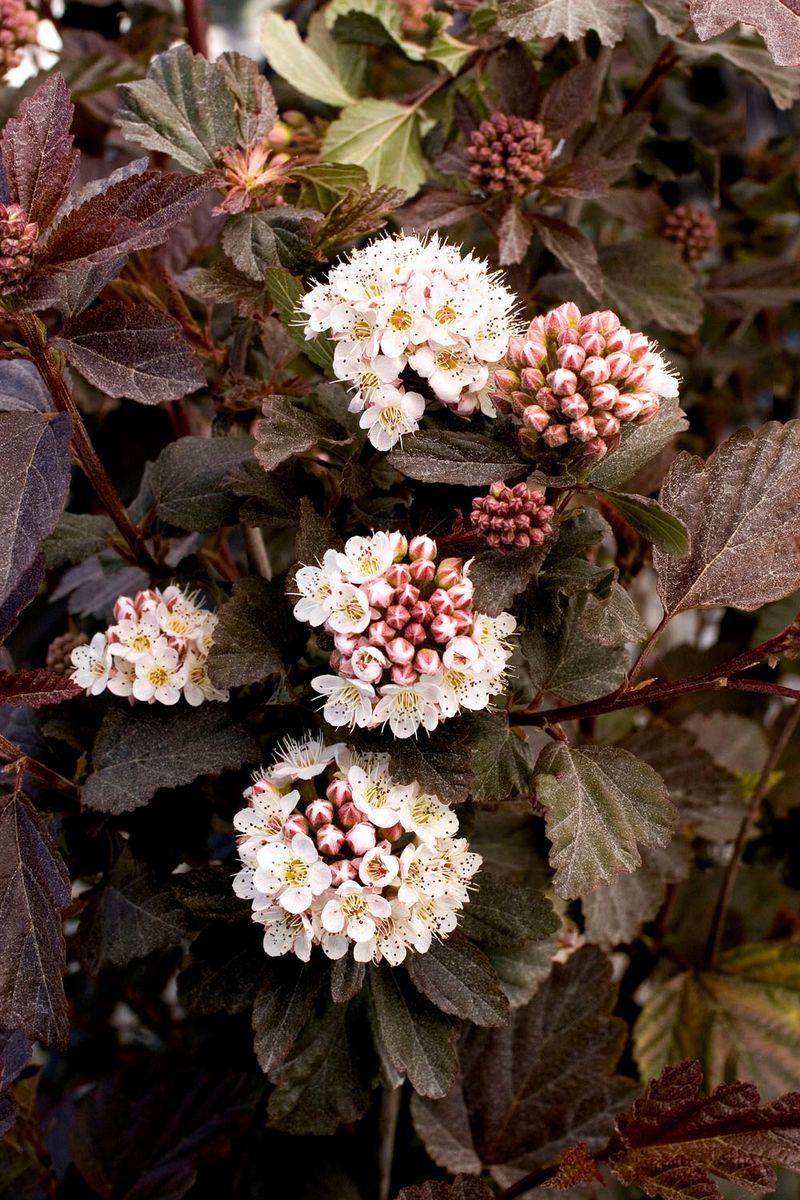
Among native shrubs that can mimic barberry’s year-round burgundy foliage, ninebark comes closest to delivering that effect without the invasive downside.
The straight species of Physocarpus opulifolius is native to this region and grows naturally along stream banks and rocky slopes.
The selected cultivars bred for red and burgundy foliage are what most gardeners reach for when they want that dark, dramatic look in a shrub border.
Cultivars like Diabolo, Summer Wine, and Tiny Wine offer foliage that ranges from deep burgundy to reddish-purple through much of the growing season.
The color can fade somewhat in high heat or heavy shade, but in good sun it holds reasonably well from spring through fall.
White to pale pink flower clusters appear in late spring and attract native bees and other pollinators.
The peeling, papery bark on older stems adds winter interest that barberry cannot match. Layers of cinnamon and tan peel back naturally to reveal contrasting inner bark, giving the plant a distinctive texture in the off-season.
This is a detail worth noticing when choosing between a native shrub and an invasive one.
Mature size varies widely by cultivar. Diabolo can reach eight to ten feet tall, while Tiny Wine stays closer to three to four feet.
Checking the expected mature size before planting prevents the common mistake of putting a large cultivar into a small space. Average, well-drained soil and full sun to partial shade suit most selections well.