7 Fast-Growing Oregon Plants That Look Amazing But Can Become A Real Chore
Oregon gardens have a funny little trap. The plants that look like instant heroes in spring can become the ones that steal your weekends by August.
At first, the growth feels like a win. Bare soil vanishes. Fence lines soften. That awkward corner finally has personality.
Then one day, the plant you praised starts acting like it signed a lease on the whole yard. You pull one runner, and three more appear. You cut back one patch, and another pops up near the path. Sound familiar?
Fast growth feels magical until it turns bossy. The trick is spotting the charmers that come with hidden chores before they claim every inch of space.
Oregon’s mild, wet climate gives certain plants a serious head start, and some take that advantage a little too far.
A few look gorgeous at first glance, but they ask for firm boundaries, smart placement, and quick action before the garden becomes their personal stage.
1. English Ivy
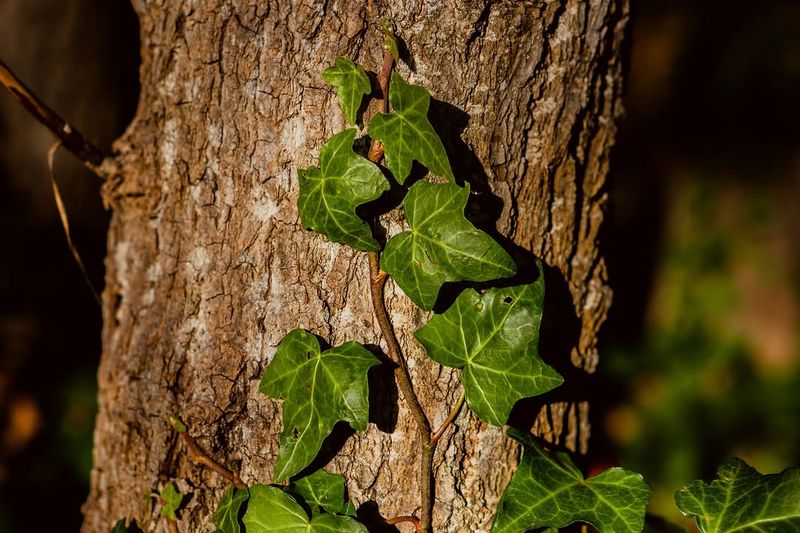
English ivy makes a confident first impression. The dark glossy leaves fill in bare spots quickly, stay green through Oregon winters, and give garden beds a polished, established look within a single season.
Then it finds a tree.
Ivy climbs using small root-like structures that attach directly into bark. Over time, the added weight and moisture retention affect the tree’s structural integrity and increase vulnerability during Oregon’s windstorms.
On the ground, the pattern is equally persistent. Runners spread horizontally and root wherever they touch soil.
A single plant can cover hundreds of square feet within a few growing seasons. Every broken stem left behind during removal can resprout from the break point, which turns incomplete removal into a multiplication event.
Birds eat the berries and spread seeds into natural areas where ivy forms dense mats that displace native plants. Oregon lists it as a plant of serious concern in western landscapes for this reason.
Start any containment effort at the trees. Create a clear ivy-free ring around each trunk before addressing the ground-level spread.
That priority protects the most structurally important plants in the yard while the rest of the work proceeds.
For new planting areas, native groundcover alternatives provide similar visual density without the removal commitment that ivy eventually demands.
English ivy is genuinely beautiful for about three years. After that, it becomes a relationship with very unequal terms that only one party agreed to.
2. Japanese Knotweed
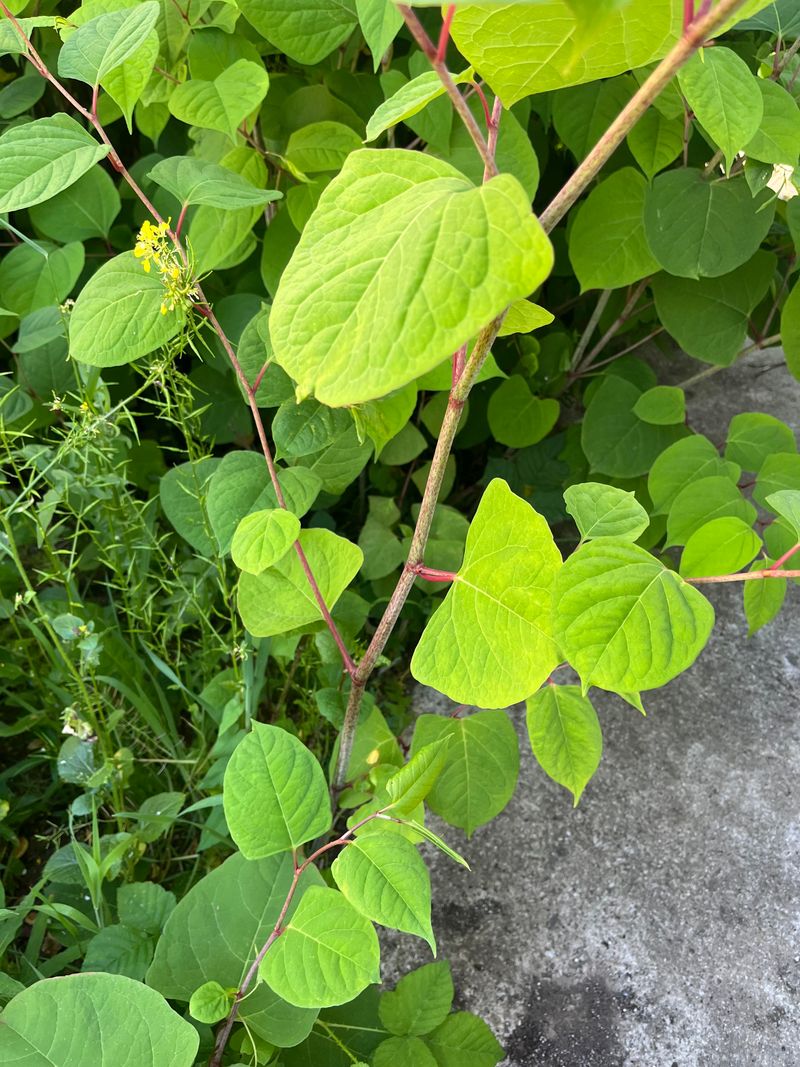
Few plants in Oregon demand as much immediate respect as Japanese knotweed. This is not a plant that spreads gradually across a fence line.
It pushes through concrete, breaks through asphalt, and sends roots more than ten feet down before the surface growth even begins to look threatening.
A single clump can expand into a colony covering an entire property edge within two or three growing seasons.
Oregon classifies it as a Class B noxious weed, which means control is an active priority rather than an optional consideration.
The roots, called rhizomes, are where the real challenge lives. Even a small fragment left in soil after removal can regenerate into a full plant.
Your Oregon Garden Changes Every Week. Your Plan Should Too.
Gardening in Oregon changes quickly throughout the season. Every Friday you’ll receive a simple weekly plan showing exactly what to plant, prune, fertilize, harvest, and protect so you never miss the right timing.
Standard pulling and mowing do not address the problem. They often spread it further by breaking rhizomes into fragments that each become a new starting point.
Early detection changes the entire management situation. A small patch found in spring is manageable in ways that a dense late-summer stand simply is not.
Knotweed is distinctive and identifiable once you learn the broad heart-shaped leaves and bamboo-like hollow stems.
Repeated cutting close to the ground over multiple seasons weakens established plants gradually. Some Oregon homeowners work on removal for five or more years. That timeline is not unusual.
Consult local resources before attempting large-scale removal on your own.
Knotweed is not just a weed. It is a project with a multi-year timeline and, frankly, a stronger will than most of the people managing it.
3. Mint
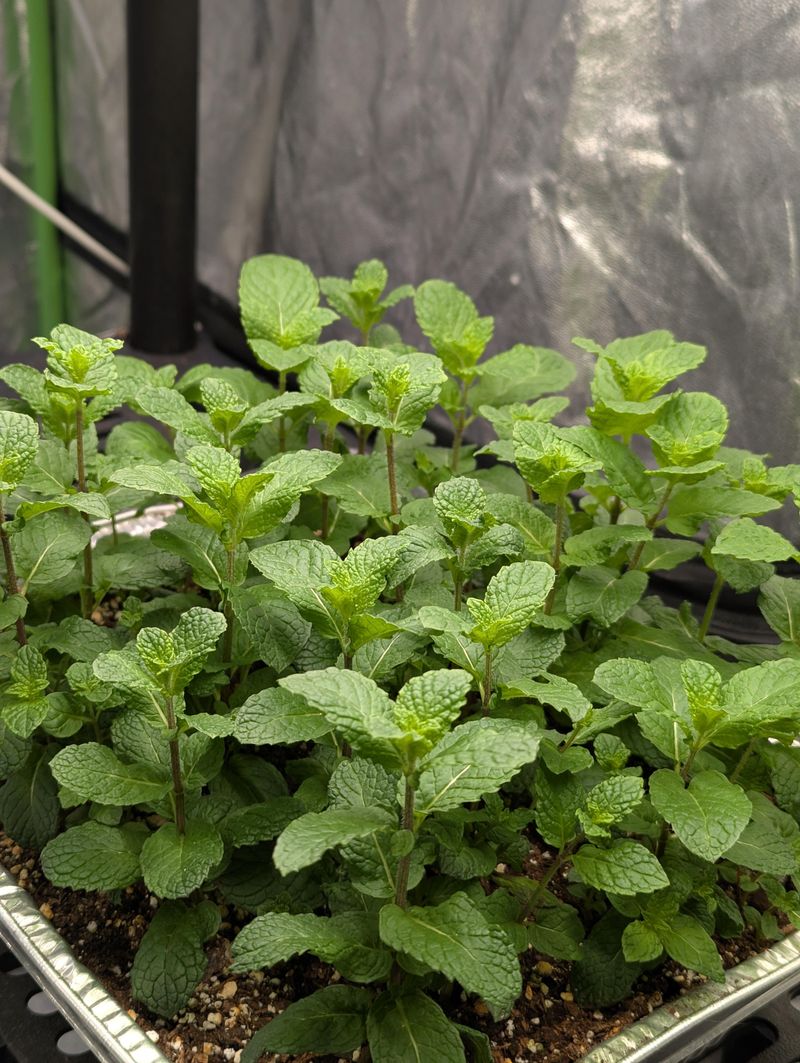
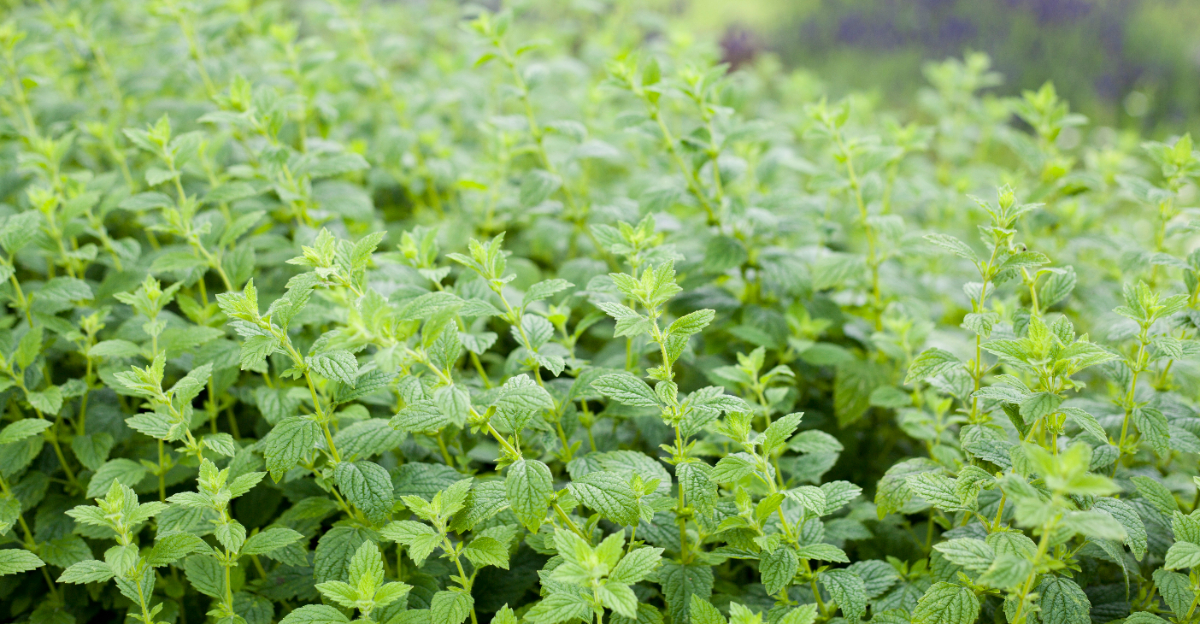
Mint makes a compelling case for itself at the nursery. The fragrance alone justifies the purchase. Then it gets into open garden soil, and the case it makes for itself becomes considerably more territorial.
Mint spreads through underground stems called stolons. These runners travel horizontally just below the soil surface and produce new plants every few inches along the way.
Within a single growing season, one plant can spread several feet in multiple directions. It slides under edging, crosses garden borders, and appears in the middle of other plantings without any invitation or apology.
Oregon’s mild, moist conditions are ideal for mint in every sense of the word.
The same climate that makes Oregon gardens so productive accelerates mint’s lateral ambitions considerably beyond what most gardeners anticipate when they bring that small pot home.
Growing mint in a container is the practical solution. A pot at least twelve inches deep prevents roots from escaping through drainage holes.
Placing it on a hard surface like a patio or deck removes the possibility of runners reaching nearby soil.
Even in containers, mint benefits from division every year or two. When roots become crowded, the plant turns woody and the leaves lose some of their intensity.
Dump the pot in early spring, pull the root mass apart, and replant fresh sections with new soil. Better mint and a contained plant in exchange for twenty minutes of spring attention.
That arrangement is unreasonably fair, and mint is one of the rare plants that genuinely rewards being kept in its place.
4. Lemon Balm
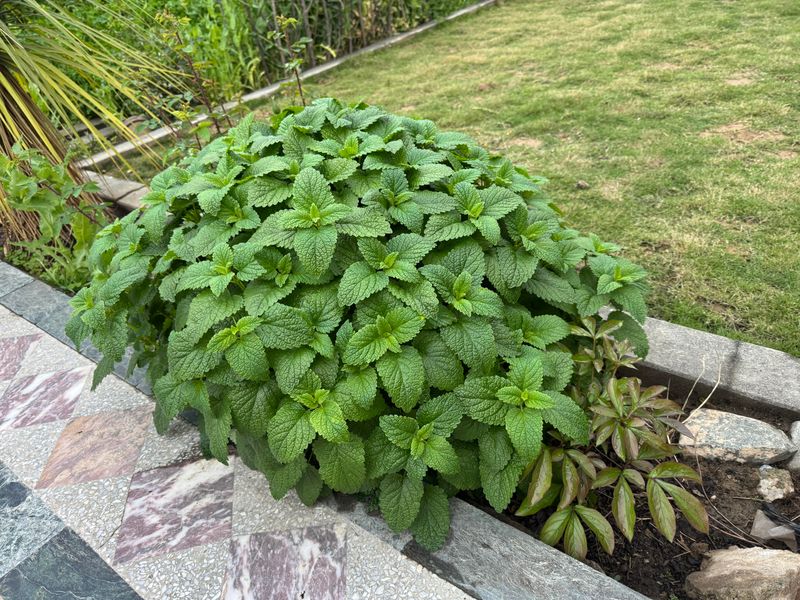
Lemon balm is genuinely one of the more useful plants available to Oregon herb gardeners. The fragrance is calming, pollinators visit consistently, and it makes excellent tea.
The enthusiasm new lemon balm growers feel in year one is completely understandable. Year two offers a different kind of education.
Spreading happens through two mechanisms that operate simultaneously. The clump itself pushes outward each season into adjacent planting areas.
Self-seeding works in parallel. A single plant allowed to flower and set seed can produce dozens of new seedlings the following spring, arriving fast and dense in spots that never requested them.
Smart placement at the outset prevents most of the problem. A container or a bed with hard physical barriers on all sides keeps lemon balm where it belongs.
Trimming the flowers before seeds form, particularly in late summer when bloom is heaviest, cuts down on unwanted seedlings more effectively than any other single step.
Already managing lemon balm that has spread beyond its intended area? Pull seedlings while they are small and the soil is moist.
Young plants release from Oregon’s damp soil cleanly. Larger established clumps are considerably harder to address because the root system becomes dense and interwoven with everything around it.
Staying ahead of it each spring takes about twenty minutes. Reclaiming ground that lemon balm has already taken requires considerably more.
The tea is absolutely worth it. The garden takeover is not, and lemon balm will not feel bad about the distinction.
5. Himalayan Blackberry
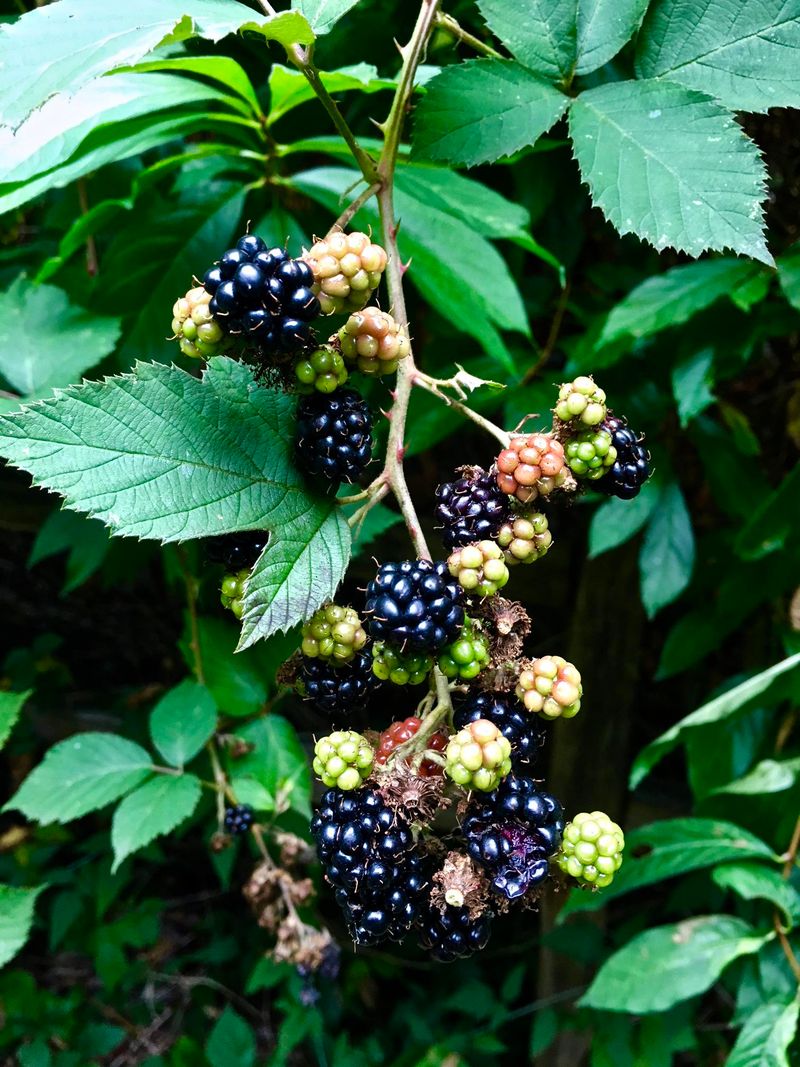
Himalayan blackberry delivers genuinely excellent fruit. Anyone who has picked berries along an Oregon fence line in August knows the flavor is difficult to argue with. The plant itself, however, is a different negotiation entirely.
Oregon lists it as one of the state’s most problematic invasive species. Left alone along a property edge, it forms thickets taller than a person within a few seasons.
The canes are aggressive, the thorns are substantial, and the plant expands through multiple mechanisms simultaneously.
New growth arches outward until a cane tip touches the ground. At that point it roots and starts a new plant.
Birds spread seeds widely across western Oregon, which is why Himalayan blackberry appears along roadsides, stream banks, and open lots throughout the region without anyone deliberately planting it there.
Early control is the only approach that does not eventually escalate into significant effort. Small canes cut or pulled in spring, before they arch and root, are genuinely manageable.
A mature thicket requires repeated cutting over multiple seasons, and even then the root crown resproots persistently.
Consistent follow-through throughout the cutting season produces better long-term results than attempting to remove everything at once in a single ambitious session.
For gardeners who want actual blackberries in a managed setting, named thornless varieties bred for garden use stay in bounds with basic pruning and produce fruit without the annual reclamation project.
The berries are outstanding. The plant considers that reputation to be a perfectly reasonable justification for everything else it does.
6. Reed Canary Grass
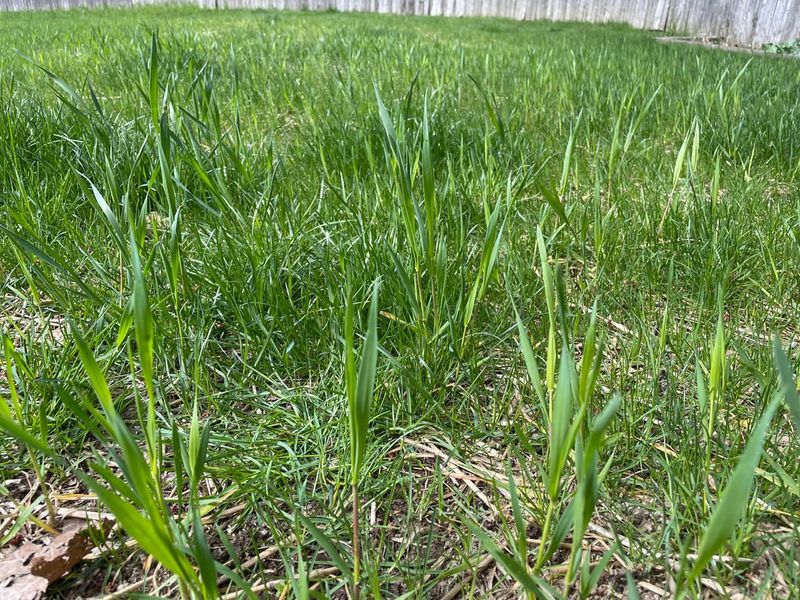
Wet spots in an Oregon yard present a specific gardening challenge. Many common plants struggle in soggy soil.
When something fills in fast and grows easily near a drainage area or pond edge, it can seem like the problem resolved itself.
Reed canary grass creates exactly that impression in year one. The follow-up is considerably more complicated.
This grass forms thick, dense stands that crowd out nearly everything surrounding them. It spreads through both seed and underground rhizomes simultaneously, advancing on multiple fronts at once.
A small patch near a drainage ditch can cover an entire low-lying area within a few growing seasons. Once established, the root system becomes so dense and interwoven that removal requires sustained effort across multiple seasons.
Oregon recognizes reed canary grass as invasive with particular impact along stream banks, wetlands, and seasonal drainage areas.
It reduces habitat for the native plants and wildlife that depend on healthy streamside vegetation throughout the Pacific Northwest.
For wet ground that genuinely needs covering, native alternatives exist that work with Oregon’s ecosystem rather than displacing it.
Sedges, rushes, and native grasses suited to Oregon’s wet conditions provide the coverage without the downstream consequences reed canary grass creates in riparian zones.
For existing patches, early-season cutting followed by planting of competitive native species is one of the most effective long-term management approaches available.
The natives, once established, compete for the same space and gradually shift the balance.
Wet ground is a gardening challenge. Reed canary grass is a different kind of challenge that keeps expanding its definition of what it considers its territory.
7. Aggressive Groundcovers
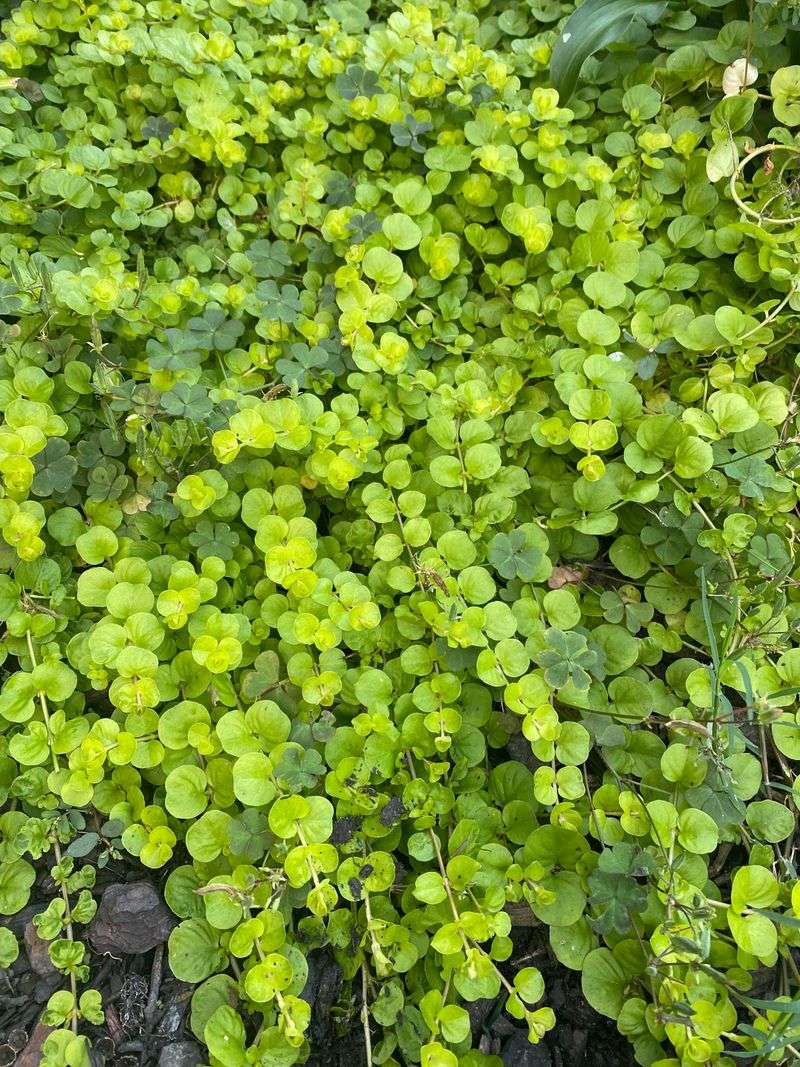
A bare slope or an awkward shaded corner creates real pressure to find something that fills in quickly and stays low.
Many of the fastest-growing groundcover options solve the immediate problem effectively. The longer-term situation requires more thought before anything goes in the ground.
Plants like creeping Jenny, bishop’s weed, and lesser celandine all fall into the category of groundcovers that fill in enthusiastically and then keep going well past any reasonable boundary.
Each spreads through a different mechanism. Runners, rhizomes, and self-seeding all produce the same outcome: a planting that extends far beyond the area it was supposed to occupy.
Lesser celandine presents a specific removal challenge because of tiny bulb-like structures that break off during removal and regrow from each fragment independently.
It is considered invasive in multiple Pacific Northwest counties, and established patches resist most conventional removal approaches in ways that require patience and persistence.
The practical approach is researching any groundcover before purchasing it.
Native alternatives like wild ginger, native strawberry, and low-growing sedges provide ground coverage without the long-term management burden that aggressive non-natives create.
These plants belong in Oregon’s ecosystem and perform their function without requiring annual containment work.
For groundcovers already spreading beyond their intended boundaries, a deep physical root barrier combined with consistent edge maintenance each spring is the most manageable ongoing approach.
Catching runners before they root in new areas is significantly easier than reclaiming territory after the fact.
A groundcover that respects its boundaries is worth the extra ten minutes of research at the nursery. The plants on this list have already reviewed that offer and moved on to your neighbor’s yard.