Here’s How To Grow Big Lavender Like A Pro In A Michigan Garden
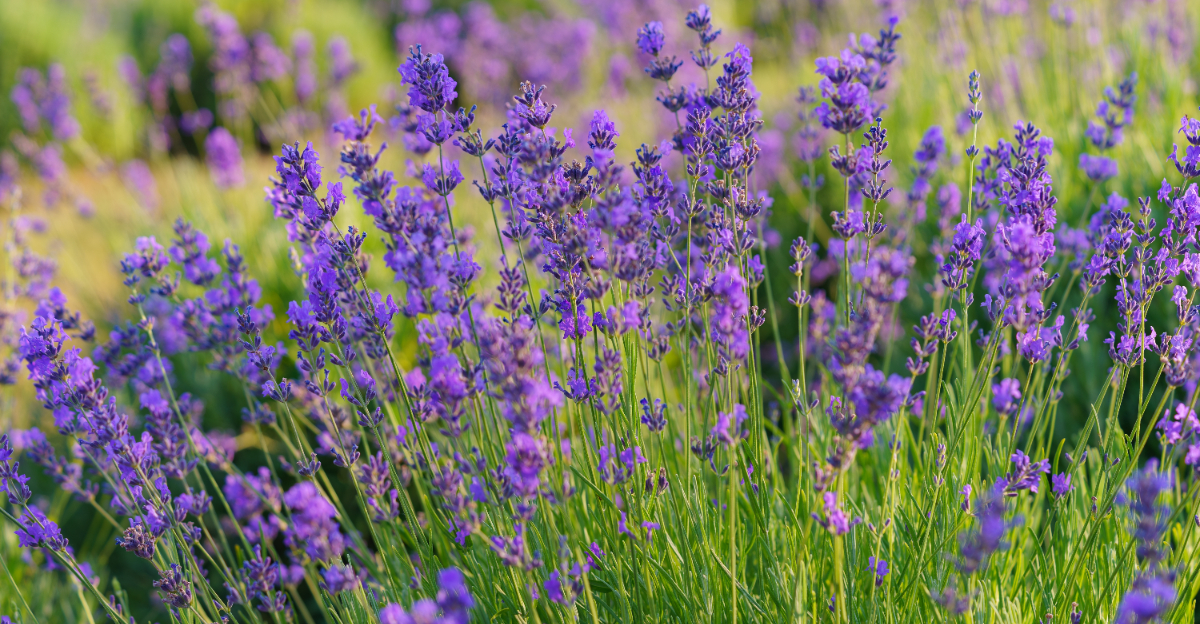
Lavender grown well in Michigan is a genuinely impressive plant. Grown poorly, it sulks, stays small, and often does not survive a second winter.
The difference almost always comes down to a few key decisions made at planting time and maintained consistently through the first couple of seasons.
Michigan’s clay soils and cold winters are the two biggest obstacles lavender faces in this state, and both are manageable with the right approach.
For Michigan lavender growers, success hinges on drainage, variety selection, and proper pruning. Getting these right leads to large, long-lived plants, while getting them wrong means replacing dead bushes every few years.
1. Start With Munstead If You Want A Bigger Plant
Not all lavender is built the same, and that is the first thing Michigan gardeners need to understand before buying a single plant.
Walk into any garden center and you will find several varieties sitting side by side, but choosing the wrong one can limit how big your plant ever gets.
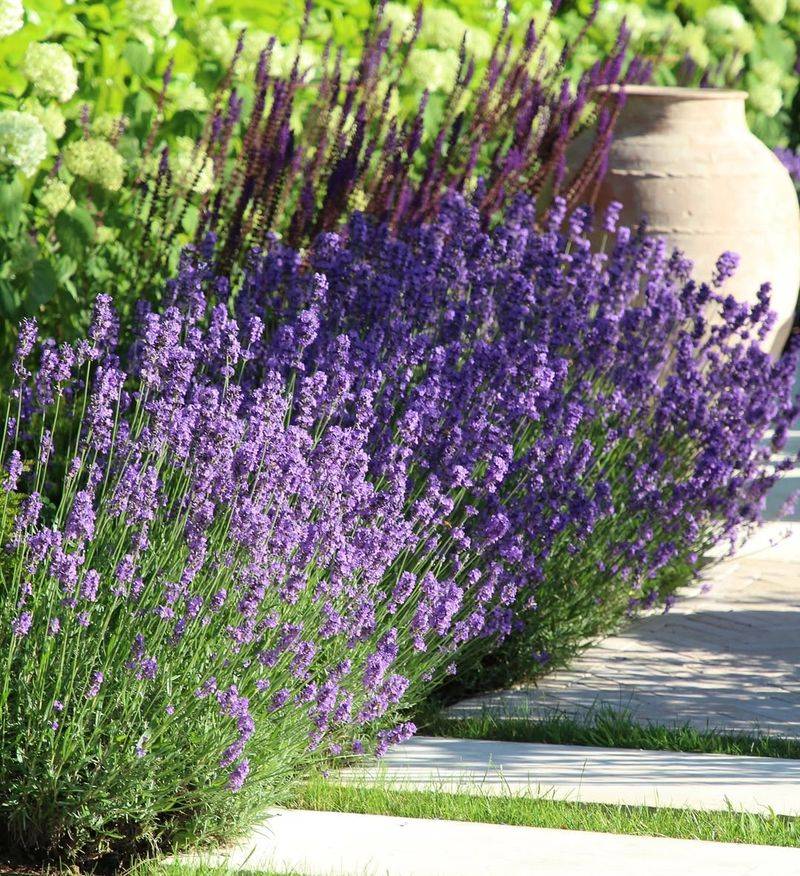
Munstead lavender is one of the best choices when size and fullness are the goal. It grows into a nice, rounded bush and handles Michigan winters better than many other types.
Hidcote, on the other hand, tends to stay more compact by nature, which means no matter how perfectly you care for it, it will rarely grow into that big dramatic plant you are picturing.
Variety selection is not just a small detail. It is the foundation of your entire lavender growing plan.
Some gardeners spend years wondering why their lavender never fills out, and the answer is simply that they started with a naturally dwarf type.
Munstead reaches about one to two feet tall and wide, giving you that full, bushy look that makes a real statement in the garden.
Phenomenal and Provence are other excellent choices for size if you want to explore beyond Munstead.
Starting with the right variety means every other tip on this list will work even better for you.
2. Plant Lavender Where It Gets Full Sun
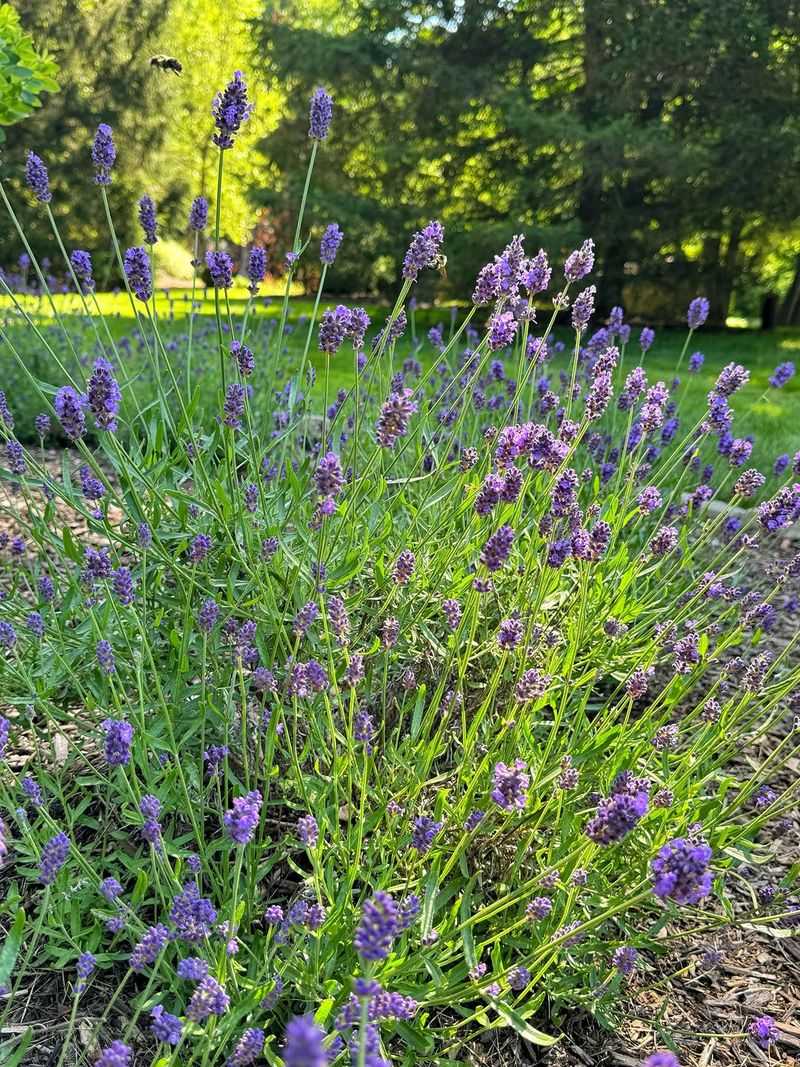
Sunlight is not optional for lavender. It is absolutely essential, and Michigan gardeners who skip this step will always be disappointed with the results.
Lavender needs at least six hours of direct sun every single day, and more is always better. A south or southwest-facing spot in your yard is often the sweet spot.
These locations capture the strongest, longest light of the day and warm up faster in spring, which gets your lavender off to a great start after a Michigan winter.
Shady corners, spots under trees, or areas blocked by fences will not give lavender what it needs to grow full and fragrant. Strong sunlight does more than just keep the plant alive.
It actually pushes lavender to grow fuller, produce more flower spikes, and develop that rich, intoxicating fragrance everyone loves.
Plants grown in weaker light tend to stretch out and get leggy rather than building that round, bushy shape.
They also bloom less and produce fewer of the essential oils that give lavender its famous scent.
Your Michigan Garden Changes Every Week. Your Plan Should Too.
Gardening in Michigan changes quickly throughout the season. Every Friday you’ll receive a simple weekly plan showing exactly what to plant, prune, fertilize, harvest, and protect so you never miss the right timing.
If your yard has limited sunny spots, prioritize lavender in those prime locations over other plants that can handle a bit more shade.
One season in the right spot will show you just how much sunlight changes everything about how this plant grows.
3. Keep Lavender Out Of The Main Vegetable Water Zone
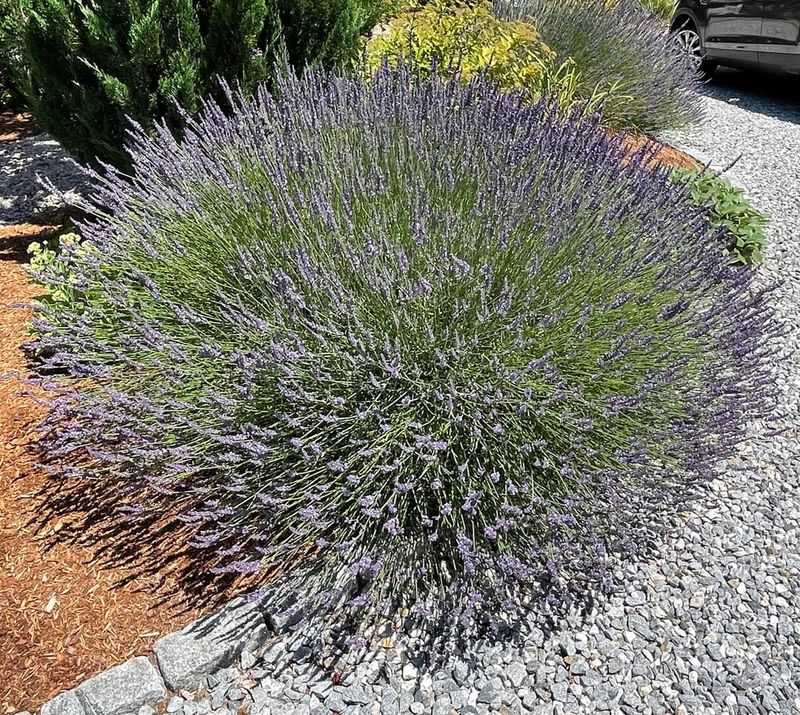
Here is something a lot of gardeners never think about until it is too late.
Planting lavender near your vegetable beds sounds convenient, but it can quietly work against you all season long.
Vegetables like tomatoes, peppers, cucumbers, and basil are thirsty plants that need regular, consistent watering to produce well.
When lavender sits in the same zone, it ends up getting soaked on the same schedule as those water-hungry crops.
That is a problem because lavender thrives on a drier rhythm. It actually prefers to dry out between waterings rather than sitting in consistently moist soil.
Too much regular watering makes lavender grow weak and thin instead of sturdy and full.
The roots can get waterlogged, which stresses the plant and makes it more vulnerable to root rot and other problems.
Over time, an overwatered lavender plant loses its shape and never builds the strong woody base that supports big, healthy growth.
The fix is simple but important: give lavender its own dedicated space away from irrigation zones designed for vegetables.
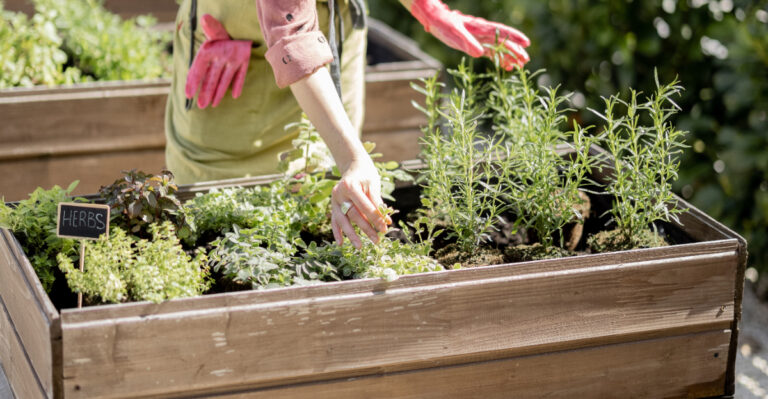
Even if your garden is small, placing lavender in a raised bed, a container, or a separate corner with its own watering schedule makes a huge difference.
Keeping lavender out of the vegetable watering zone is one of the easiest ways to help it grow stronger and fuller all season.
4. Give It Soil That Drains Fast
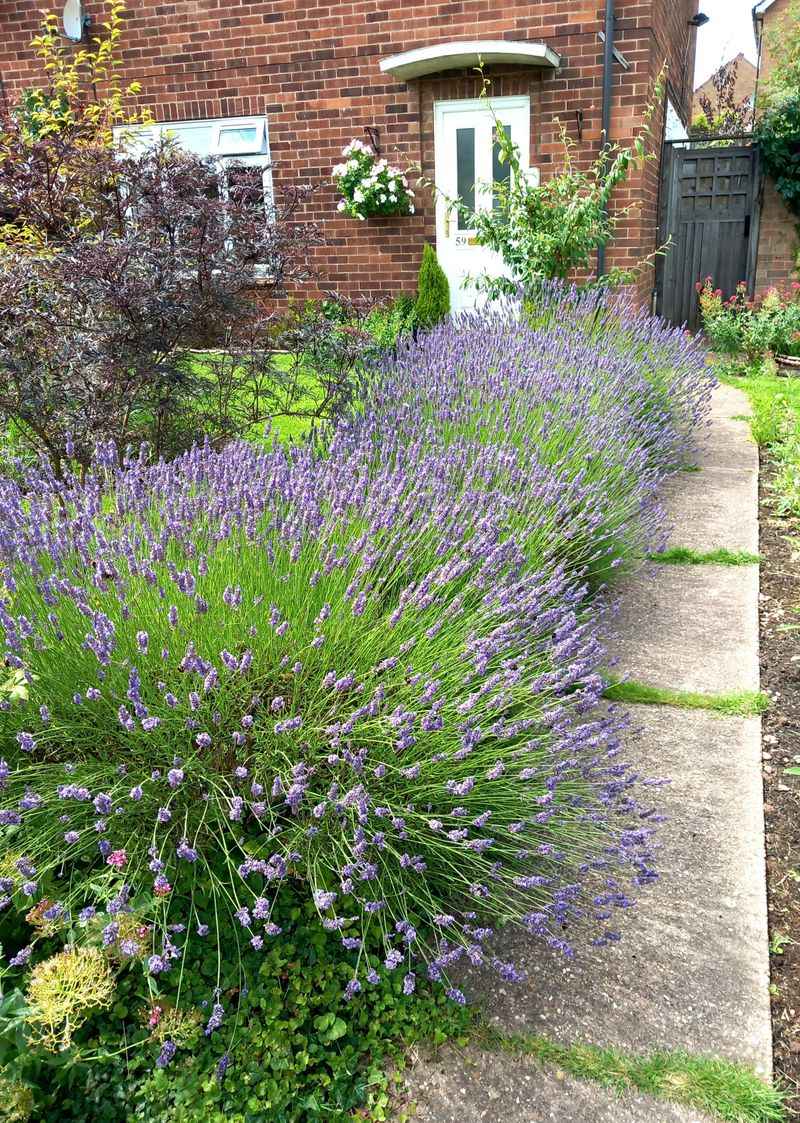
Drainage might be the single biggest secret to growing large, thriving lavender in Michigan.
Lavender comes from the rocky hillsides of the Mediterranean, where rain passes through the soil quickly and roots never sit in standing water.
Michigan soil, especially in many parts of the state, can be heavy and slow-draining, which is the opposite of what lavender wants.
Sandy loam, rocky soil, raised beds, and slopes are all great options for lavender. These setups allow water to move through quickly, keeping roots aerated and healthy.
Containers filled with a fast-draining potting mix are another excellent choice, especially for gardeners dealing with heavy clay in their yard.
The key is that water should not linger around the roots for more than a day or two after a rain.
Heavy clay beds and soggy garden corners are poor choices unless you take steps to improve drainage first.
Mixing in coarse sand, pea gravel, or perlite can help lighten clay soil significantly. Raising the bed even a few inches above the surrounding ground level also improves drainage in a big way.
Lavender planted in poorly drained soil will struggle to grow large no matter how much sun it gets or how carefully you prune it.
Get the drainage right first, and you will be amazed at how quickly lavender responds with strong, healthy, full growth throughout the season.
5. Aim For Neutral To Alkaline Soil
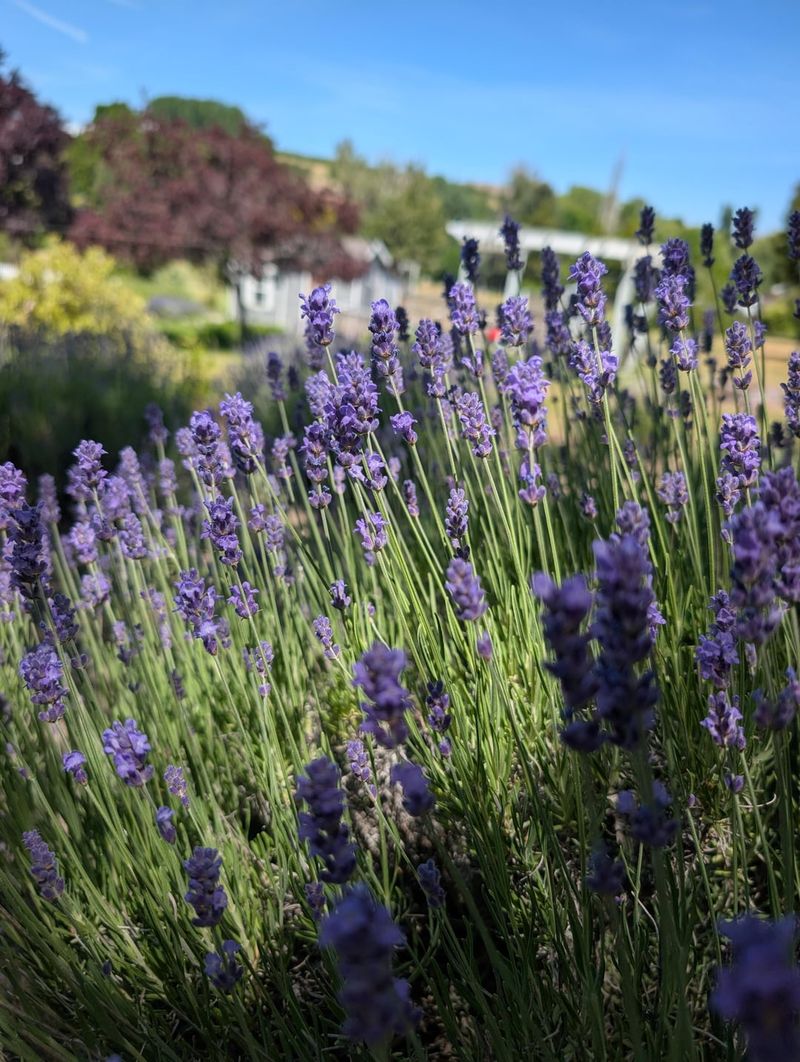
Michigan soil tends to lean acidic in many areas, and that is actually not ideal for lavender.
While lavender is a tough plant in many ways, it genuinely prefers soil that sits on the neutral to slightly alkaline side of the pH scale.
A pH range of about 6.5 to 8.0 gives lavender the environment it needs to absorb nutrients properly and grow to its full potential.
When soil is too acidic, lavender can look yellowish, grow slowly, or simply never reach the size you want.
The good news is that adjusting soil pH is not complicated, but it does require knowing where your soil currently stands before you start adding anything.
A soil test is the smartest first move any Michigan gardener can make before planting lavender.
Basic soil test kits are available at garden centers, or you can send a sample to a local cooperative extension office for a more detailed reading.
Once you know your pH, adding agricultural lime is a common and effective way to raise it toward that ideal range.
Do not guess at how much lime to add, because too much can push pH too high and create a new set of problems.
Testing first, adjusting carefully, and retesting after a season gives you the most accurate and beneficial results.
Healthy soil pH is a quiet but powerful factor in growing lavender that truly stands out.
6. Plant At The Same Soil Level
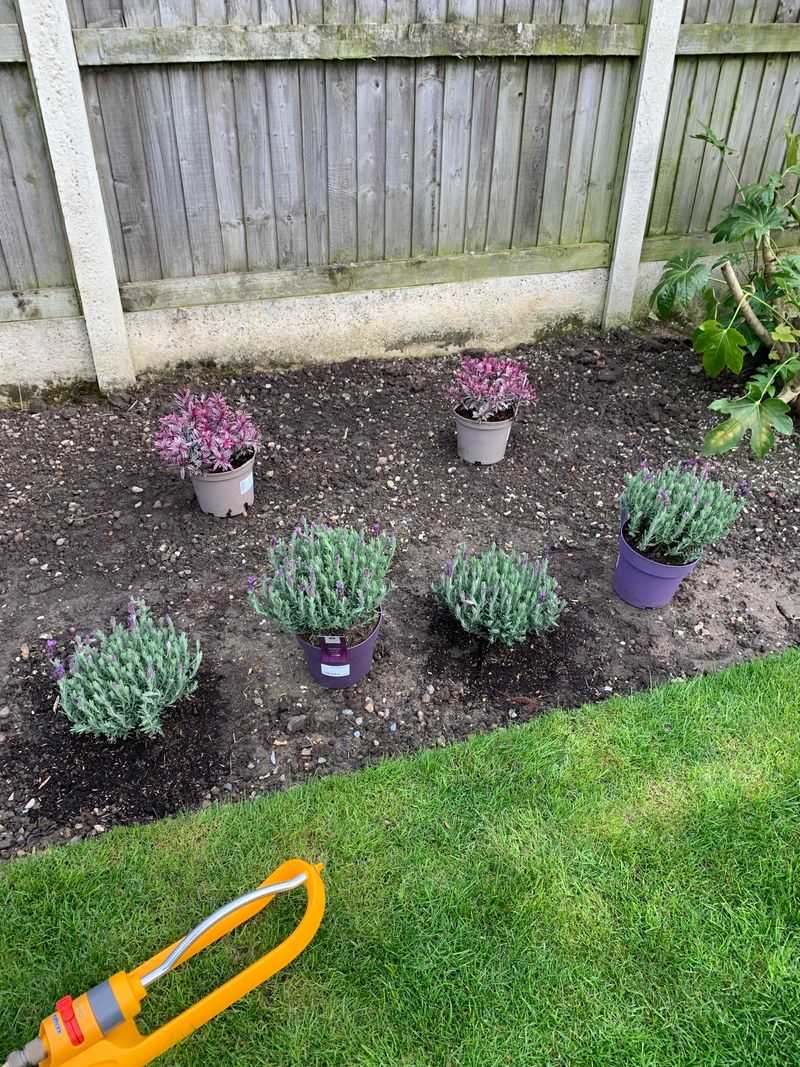
Planting depth is one of those details that sounds almost too simple to matter, but it actually has a real impact on how well lavender settles in and grows.
Getting this right from day one saves you from problems that can show up weeks or even months later.
When you take a lavender seedling out of its nursery pot, notice where the soil line sits on the stem. That exact level is where you want the soil to sit in your garden bed too.
Planting too deep buries the crown of the plant, which is the spot where the stems meet the roots, and that area staying covered with moist soil can lead to rot and poor establishment.
Planting too shallow can leave roots exposed and dry out too quickly. Many new gardeners make the mistake of burying lavender a little extra, thinking it will help the plant anchor better.
In reality, it traps moisture right at the base and creates the kind of damp conditions lavender strongly dislikes.
Keeping the crown at or just slightly above the soil surface allows for good airflow and helps the plant dry out properly between waterings.
Firm the soil gently around the roots after planting to remove air pockets, then water in well just that first time.
A properly planted lavender seedling gets established faster, grows more confidently, and builds a stronger root system right from the start.
7. Space Plants Two To Three Feet Apart
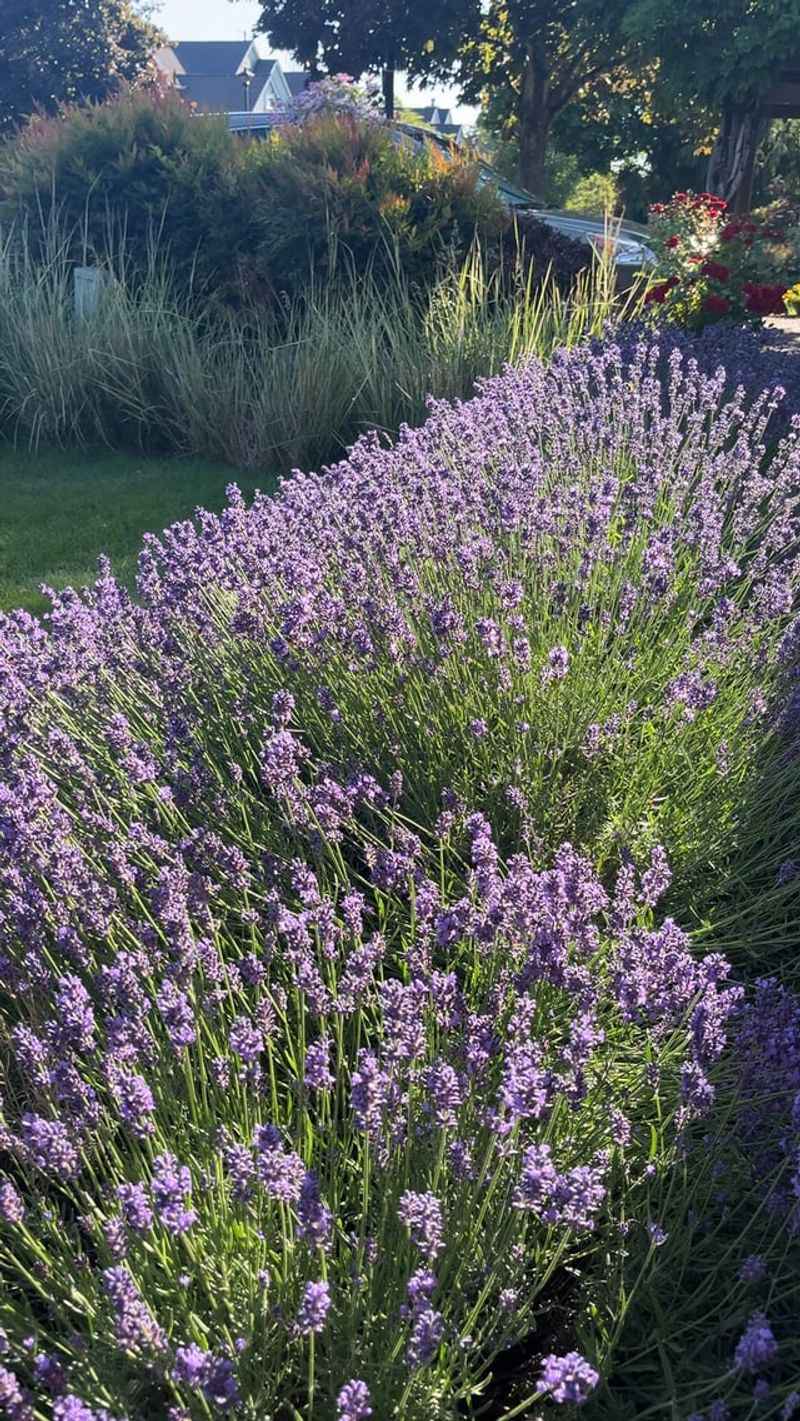
Giving lavender enough room to breathe is one of the most overlooked steps in growing it well.
It is tempting to plant everything close together for a full, lush look right away, but with lavender, crowding actually works against you.
Spacing plants two to three feet apart gives each one the room it needs to spread out and fill in naturally over time.
Lavender grows into a rounded, bushy shape when it has enough space, and that shape is exactly what makes a lavender planting look so impressive and full.
When plants are too close together, they compete for light, water, and nutrients, and none of them reach their full potential. Airflow is another big reason spacing matters so much in Michigan.
After rain or heavy morning dew, lavender plants that are packed tightly stay damp for much longer than those with space around them.
Moisture lingering around the stems and foliage creates conditions that can weaken the plant over time.
Proper spacing allows air to circulate freely, helping each plant dry out faster and stay healthier through Michigan’s sometimes humid summers.
Yes, the bed might look a little sparse in the first season, but by the second and third year, those well-spaced plants will have grown into beautiful, full mounds that fill the space perfectly.
Patience with spacing pays off in a big, dramatic way once lavender hits its stride.
8. Water Well At Planting Then Reduce Watering
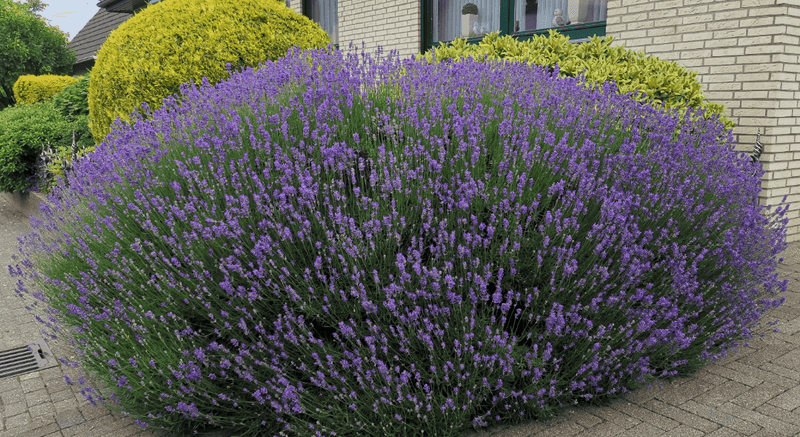
Watering lavender is one of those things where less is truly more once the plant is settled in.
Many gardeners treat lavender like a thirsty annual and end up overwatering it, which leads to weak, leggy growth and unhappy roots.
When you first plant lavender, give it a thorough, deep watering to help the roots make contact with the surrounding soil and get off to a solid start.
For the first few weeks, water regularly to help the plant establish. After that, you can begin pulling back significantly.
Established lavender in Michigan can often rely quite heavily on natural rainfall, especially when planted in well-prepared, fast-draining soil. Deep, occasional watering is far better for lavender than frequent shallow watering.
When you water deeply but infrequently, the roots are encouraged to grow downward in search of moisture, which builds a stronger, more drought-tolerant plant over time.
Shallow, frequent watering keeps roots near the surface where they stay wet and never develop that deep, anchored root system lavender needs to grow big and healthy.
A good general guideline for established plants in Michigan is to water only when the top few inches of soil are completely dry. During rainy stretches, you may not need to water at all.
Learning to trust your soil and your plant rather than a rigid watering schedule is one of the most valuable habits a lavender grower can develop.
9. Feed Lightly Instead Of Overfeeding
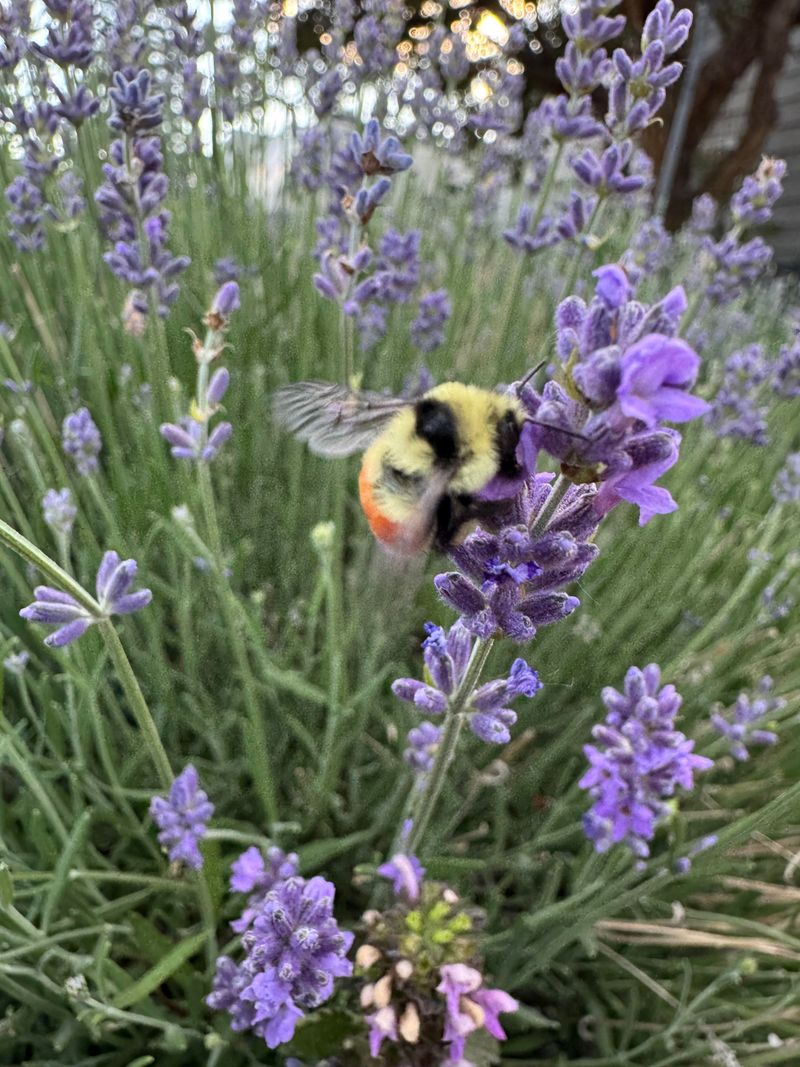
Lavender is not a heavy feeder, and that is actually one of the things that makes it such a low-maintenance plant once you understand it.
Pouring on rich fertilizer might seem like a way to push bigger growth, but with lavender, it tends to backfire in a frustrating way.
Too much fertilizer, especially nitrogen-rich blends, encourages lavender to push out soft, floppy green growth rather than the sturdy, fragrant stems that make it so attractive.
That lush-looking new growth sounds appealing, but it is actually weaker and more prone to flopping over, which ruins the shape of the plant.
The fragrance also tends to be less intense in overfed lavender because the plant is spending its energy on leafy growth rather than producing essential oils.
If your soil is reasonably healthy and well-amended, lavender may not need any fertilizer at all.
For gardeners who do want to feed their plants, a light application of a balanced, slow-release fertilizer in early spring is usually plenty.
Base your decision on how the plant looks and what a soil test tells you rather than feeding on a set schedule.
Thin, pale lavender might benefit from a gentle boost, while a plant that already looks healthy and full probably does not need anything extra.
Trusting the plant and keeping feeding minimal is actually the pro approach, and it results in stronger, more aromatic lavender that holds its shape beautifully all season long.
10. Prune To Keep The Plant Bushy
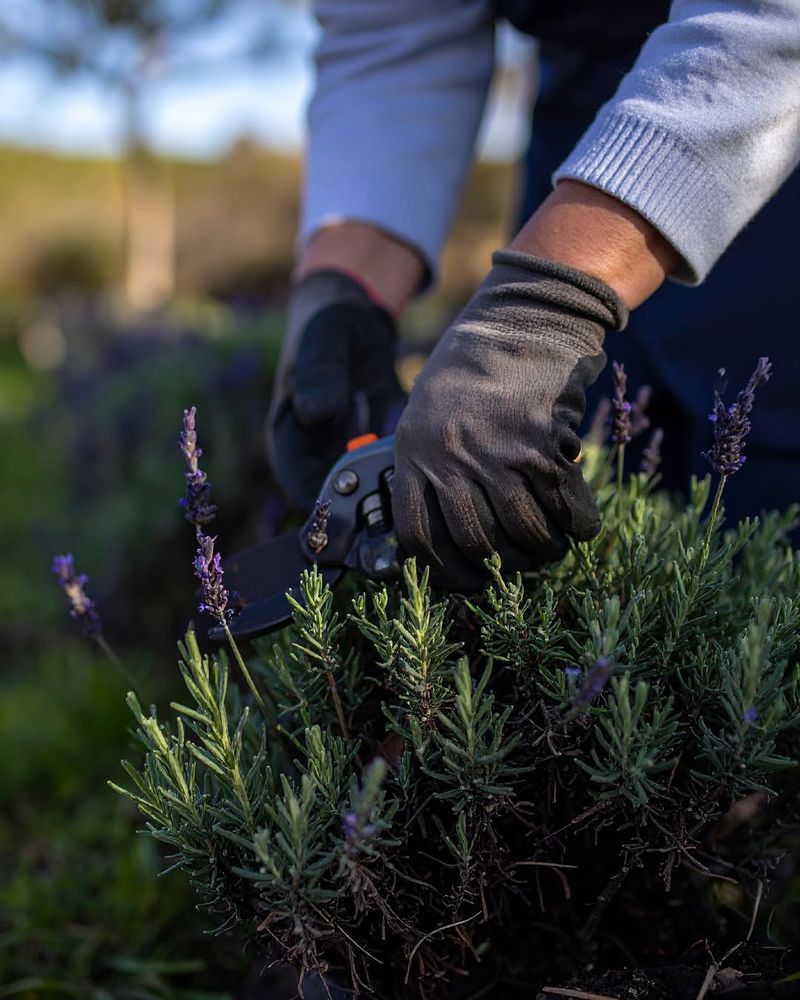
Pruning might feel a little intimidating at first, but it is genuinely one of the most important things you can do to keep lavender looking full and beautiful year after year.
Without regular pruning, lavender tends to get woody and open in the center, losing that round, lush shape that makes it so stunning.
The best time to prune Michigan lavender is right after the main bloom period wraps up, or alternatively in early spring when you can see fresh green growth emerging from the base of the plant.
Either timing works well, and the goal is the same: to encourage the plant to stay compact and bushy rather than stretching out and going bare in the middle.
Use sharp, clean pruners and trim back the green growth by about one-third, shaping the plant into a rounded mound.
One important rule to remember is to avoid cutting deeply into the old, bare woody stems.
That woody base does not regenerate well, and cutting into it can seriously set the plant back or prevent it from bouncing back at all.
Always prune where you can see living green growth. Think of it like giving the plant a haircut rather than a drastic overhaul.
Regular light pruning every season keeps lavender young-acting and full, prevents the woody open center from forming in the first place, and actually encourages more flower production the following year.
It is a small effort with a huge visual payoff.
11. Harvest When Buds Begin To Open
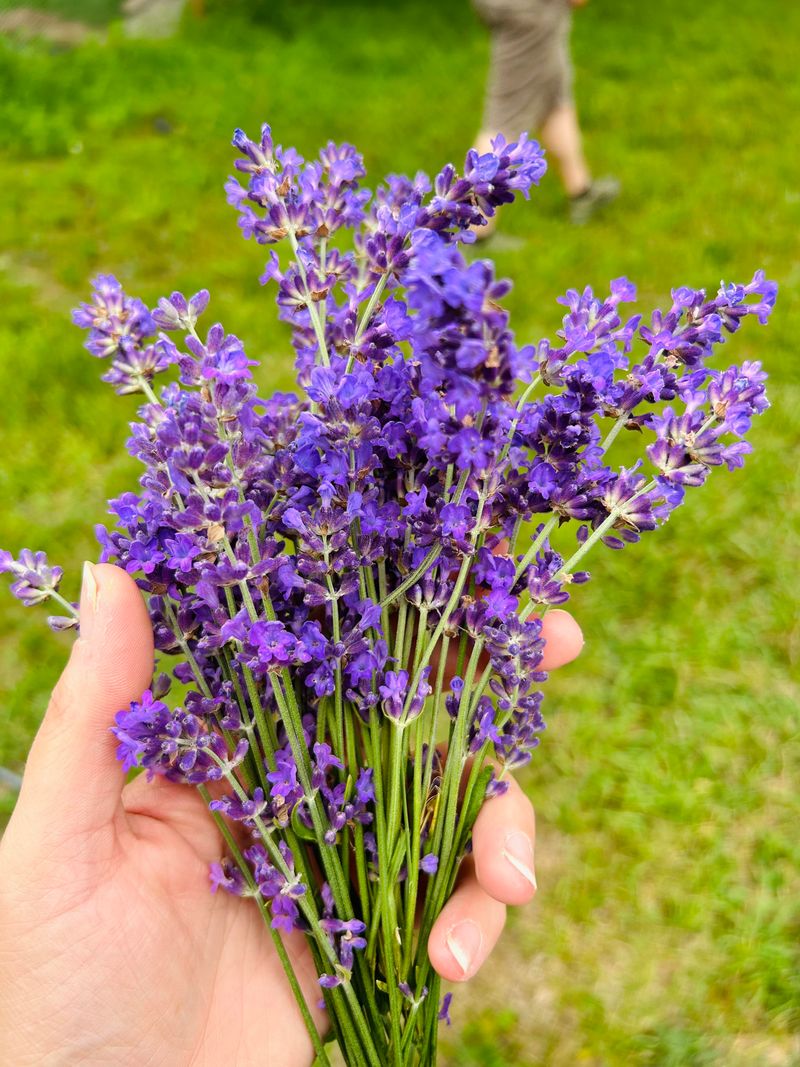
Timing your lavender harvest correctly makes a bigger difference than most people expect. Cut too early and the fragrance is not fully developed.
Wait too long and the blooms start dropping petals, making them less useful for drying, crafting, or simply enjoying indoors.
The sweet spot for harvesting Michigan lavender is when the flower buds have formed fully and just a few blooms at the bottom of each spike are beginning to open.
At this stage, the essential oils in the flowers are at their peak concentration, which means the fragrance will be strongest and last the longest after cutting.
This is the moment lavender growers look forward to all season. Morning is the best time of day to harvest, specifically after the dew has dried but before the heat of the afternoon sets in.
The essential oils are most potent in the cool morning hours, and cutting at this time gives you the most fragrant stems possible.
Use clean, sharp pruners to cut the stems cleanly rather than tearing them, which can stress the plant. Cut the stems as long as possible, going down to just above the green leafy growth.
Harvesting properly also acts as a light pruning, which encourages lavender to produce a second flush of blooms in some seasons.
Getting the timing right is one of those satisfying skills that separates a casual lavender grower from someone who really knows what they are doing.
12. Dry Lavender In Small Hanging Bundles
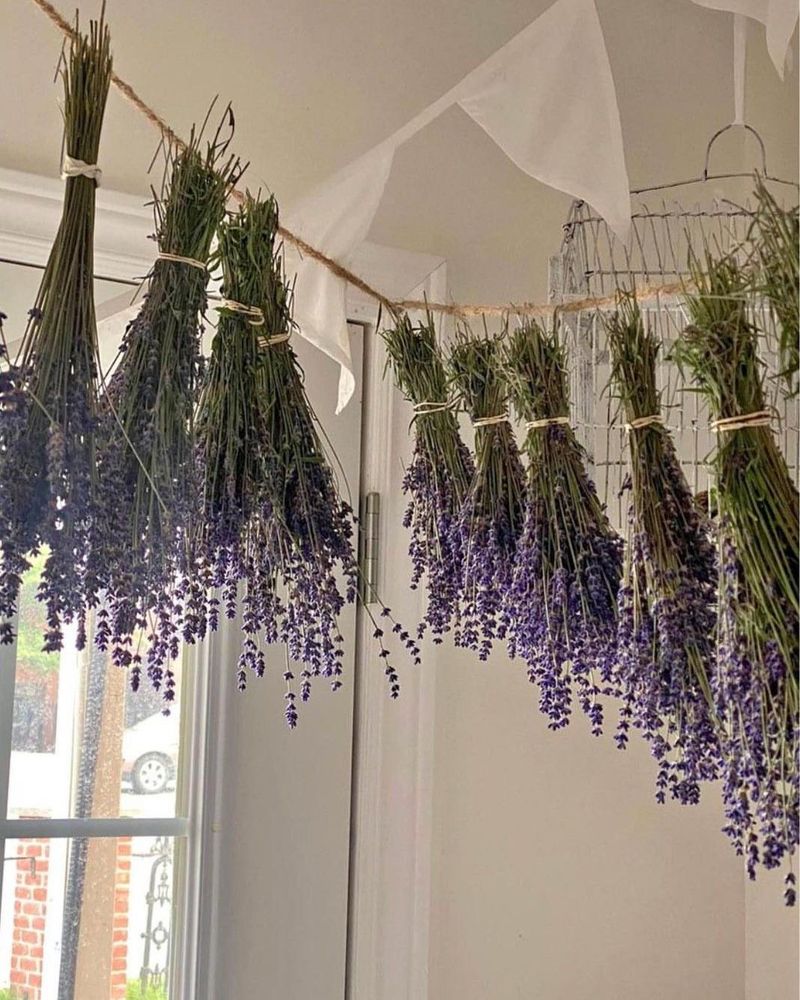
After all the work of growing and harvesting your lavender, drying it correctly is the final step that preserves all that gorgeous fragrance and color.
The method is simple, and you probably already have everything you need to do it well. Gather your harvested stems into small bundles of about ten to twenty stems each.
Smaller bundles are actually better than big thick ones because air can circulate through them more easily, which means the lavender dries evenly and resists any mold from forming in the center.
Secure each bundle with a rubber band, which will tighten automatically as the stems shrink during drying, keeping the bundle from falling apart.
Hang the bundles upside down in a warm, dry, airy space like a shed, barn, garage, or covered porch.
Good airflow is important, and so is keeping the bundles away from direct harsh sunlight, which can fade the beautiful purple color faster than you want.
Most lavender dries fully within two to four weeks depending on temperature and humidity.
Once the stems feel completely dry and crisp, your lavender is ready to use in sachets, wreaths, cooking, or simply as a fragrant display.
The real pro method for growing big Michigan lavender is actually a full circle of smart choices: start with the right variety, give it full sun, keep the roots dry, prune it lightly every season, harvest at just the right moment, and never overwater.
Follow these steps and your lavender garden will reward you every single year.