The Apple Tree Diseases Oregon Gardeners Need To Watch For Right Now
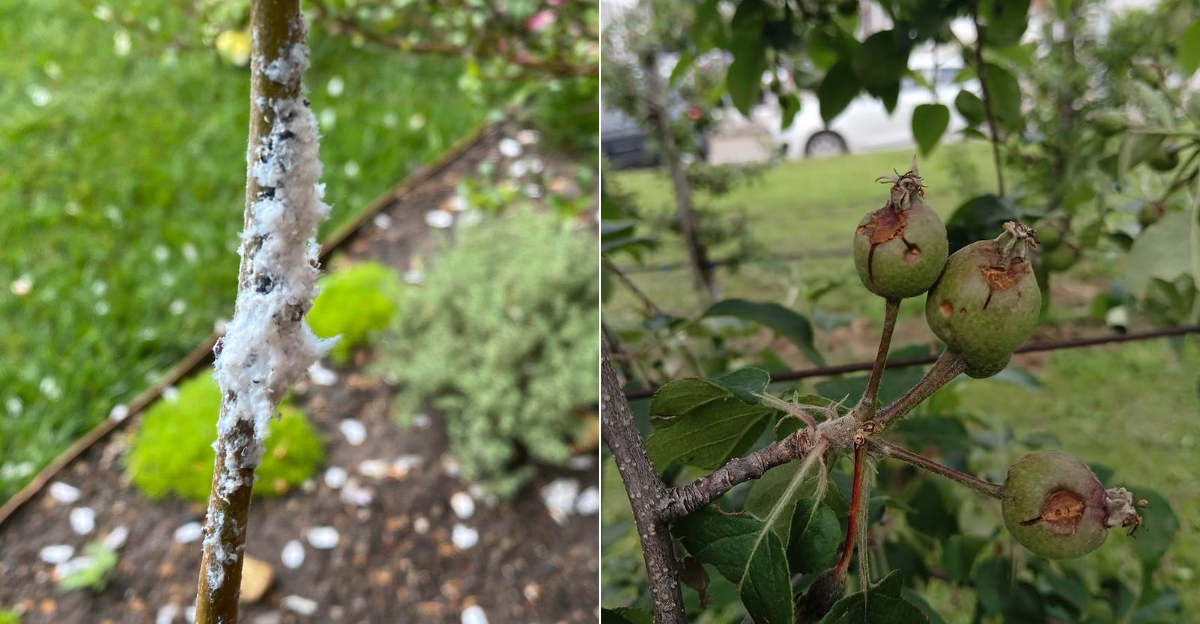
Apple trees can look healthy in spring, then start showing trouble just as the season gets going. A few spotted leaves, curled shoots, or odd marks on young fruit may seem minor at first.
In Oregon’s wet, mild conditions, those small signs can spread fast if gardeners miss them. That is why this moment matters.
Moisture, fresh growth, and crowded branches can create the perfect setup for common apple problems. The tricky part is that many diseases do not announce themselves clearly.
They show up as little changes that are easy to blame on weather, pests, or normal aging leaves.
Learning what to watch for now can help you protect the tree before the harvest is affected. A quick look today may save you a much bigger headache later in the season.
1. Apple Scab Starts With Olive-Colored Leaf Spots
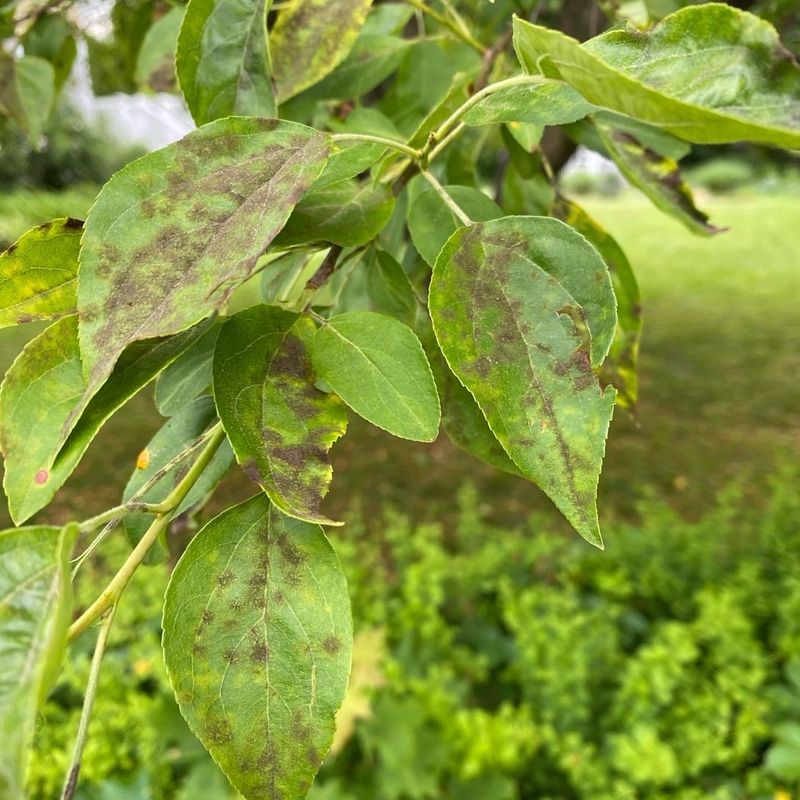
One of the most common troublemakers for apple growers in this state is apple scab. It starts quietly, showing up as small, olive-colored or brown spots on leaves and fruit.
The spots look almost velvety at first, which makes them easy to overlook if you are not paying close attention.
Apple scab is caused by a fungus called Venturia inaequalis. It thrives in cool, wet spring weather, which is exactly what we get here most years.
Spores travel through the air and land on wet leaves, where they quickly take hold and start spreading.
As the season goes on, infected leaves often turn yellow and fall off early. Fruit that gets hit by scab ends up with rough, cracked, or distorted spots on the skin.
Those apples are still edible in many cases, but they do not look great and can crack open, letting other problems in.
The best way to fight apple scab is to start early in the season. Rake up fallen leaves in the fall and remove them from around the tree.
Fungicide sprays applied from bud break through early summer can really help keep the fungus under control.
Choosing scab-resistant apple varieties is one of the smartest long-term moves you can make.
Varieties like Liberty or Goldrush hold up much better against this disease and save you a lot of work throughout the growing season.
2. Cedar Apple Rust Leaves Bright Orange Damage
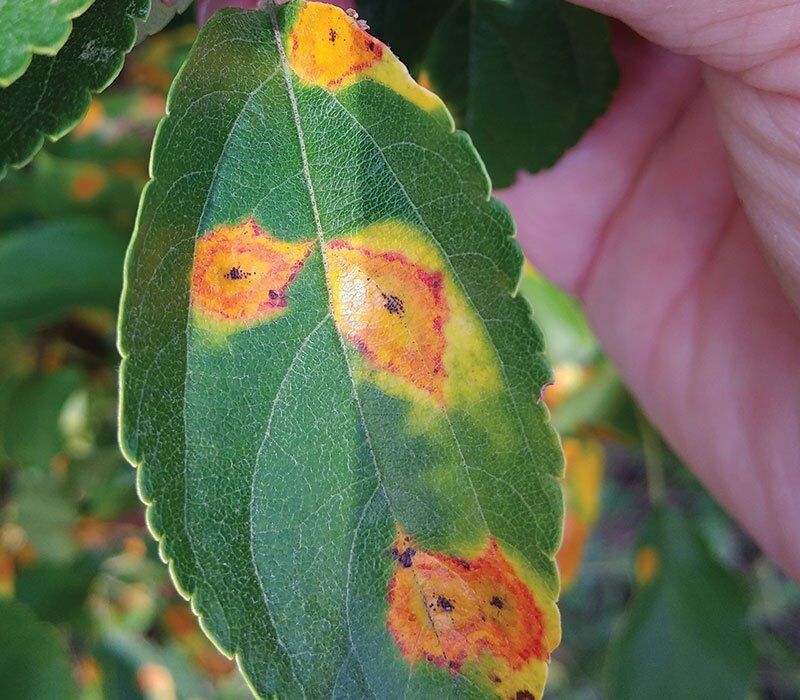
Bright orange spots on apple leaves are hard to miss, and they are almost always a sign of cedar apple rust.
This disease has a wild life cycle because it actually needs two different types of host plants to survive.
It spends part of its life on juniper or cedar trees and part on apple trees.
In spring, juniper trees release orange, gelatinous spore masses that look almost like something from a science fiction movie. Those spores float through the air and land on nearby apple trees.
If you have both junipers and apple trees growing close together, your risk goes up significantly.
On apple leaves, the infection shows up as bright yellow-orange spots on the upper surface. Flip the leaf over and you may see small tube-like structures growing out of the underside.
Your Oregon Garden Changes Every Week. Your Plan Should Too.
Gardening in Oregon changes quickly throughout the season. Every Friday you’ll receive a simple weekly plan showing exactly what to plant, prune, fertilize, harvest, and protect so you never miss the right timing.
These are the spore-producing parts of the fungus, and they can spread the disease further.
Fruit can also get infected, showing up with similar orange spots and sometimes becoming misshapen. Heavily infected trees may drop leaves early and produce fewer apples over time.
Keeping juniper and cedar trees away from your apple trees is one practical step to reduce risk.
Fungicide applications in early spring, right around pink bud stage, can also help protect your trees.
Some apple varieties show better resistance to this disease, so that is worth researching when you plant new trees.
3. Powdery Mildew Twists Young Apple Growth
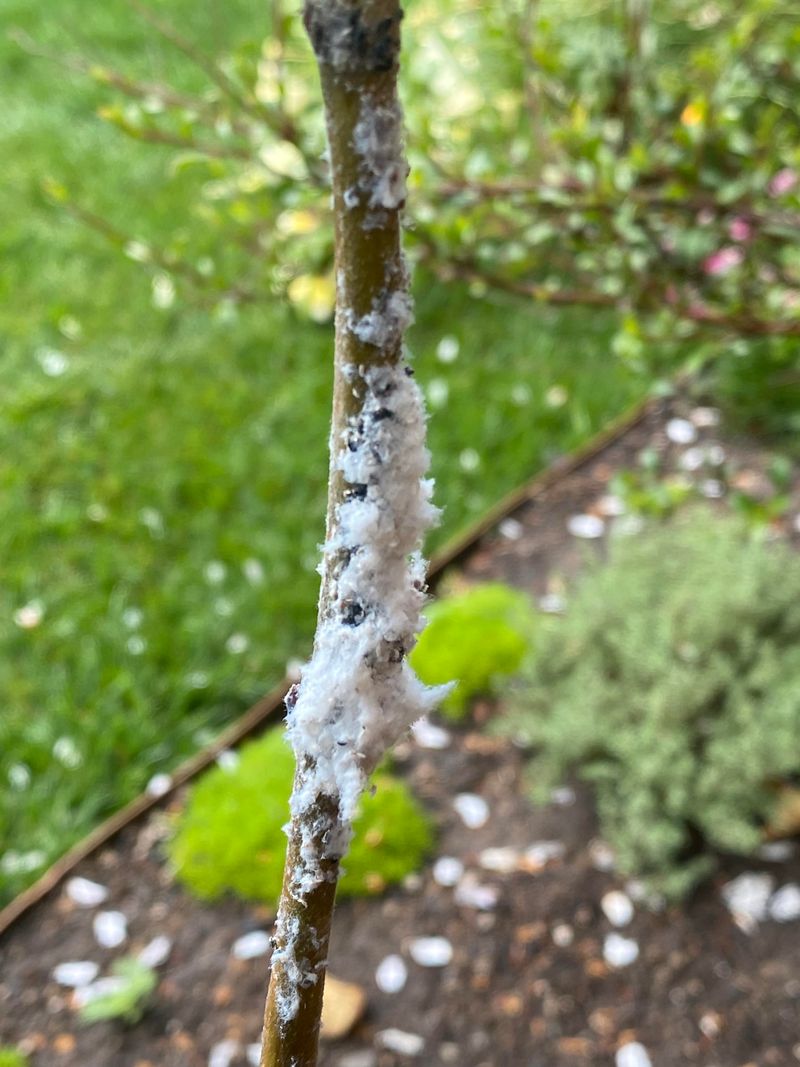
Powdery mildew has a very recognizable look. It coats the surface of young apple shoots and leaves with a white or grayish powdery layer that almost looks like someone dusted the tree with flour.
It targets new growth first, which is why you need to watch closely in spring.
Unlike many other fungal diseases, powdery mildew does not need wet conditions to spread. It actually prefers warm days and cool nights with high humidity but no rain.
That kind of weather pattern is common in many parts of this state, especially during late spring and early summer.
Young shoots that get infected often become twisted, stunted, or distorted. Leaves may curl inward or look crinkled and pale.
In some cases, the growing tips of branches stop developing normally, which can affect the shape and health of the whole tree over time.
Fruit can also be affected, often showing a russetted or rough patch on the skin near the stem end. These patches are not dangerous to eat but do lower the quality of your harvest.
Pruning out infected shoots as soon as you spot them is a fast and effective way to slow the spread. Good airflow through the tree canopy also helps a lot.
Thinning out crowded branches lets air move freely and makes the environment less friendly for powdery mildew to grow and spread across your tree.
4. Fire Blight Can Blacken Branches Shockingly Fast
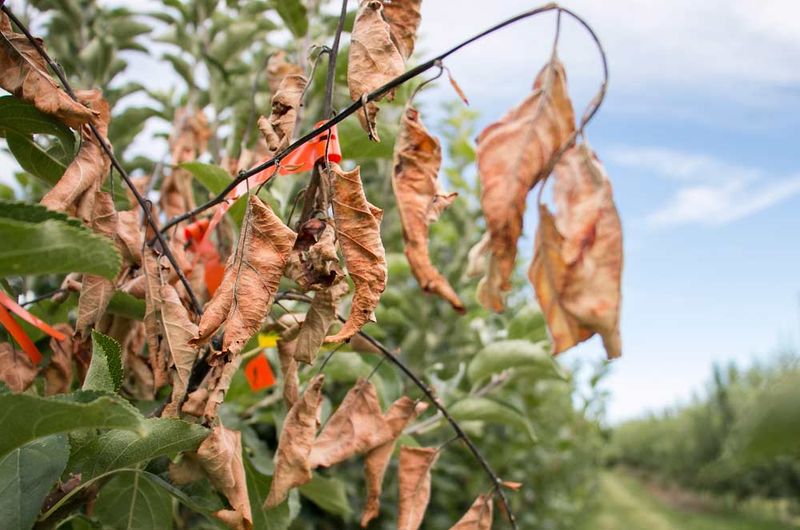
Few apple tree diseases are as alarming to see as fire blight. Infected branches turn dark brown or black and wilt suddenly, bending over at the tip in a shape that looks like a shepherd’s crook.
It can look like the branch was scorched by fire, which is exactly how this disease got its name.
Fire blight is caused by a bacterium called Erwinia amylovora. It enters the tree through blossoms, wounds, or new growth during warm, wet weather.
Bees and other pollinators can actually spread the bacteria from flower to flower while doing their normal work.
Warm spring temperatures combined with rain or heavy dew create ideal conditions for fire blight to explode.
Once it gets into a tree, it can move quickly through the branches and even into the main trunk.
Catching it early makes a real difference in how much damage it causes.
Pruning out infected branches is the main way to manage fire blight. Cut at least 8 to 12 inches below the visible damage to make sure you are removing all the infected tissue.
Always sterilize your pruning tools between cuts using a bleach solution or rubbing alcohol so you do not spread bacteria. Copper-based sprays applied during bloom can help reduce infection rates.
Choosing fire blight-resistant apple varieties like Enterprise or Goldrush is also a smart long-term strategy for home growers in our state.
5. Sooty Blotch Makes Apples Look Dirty Before Harvest
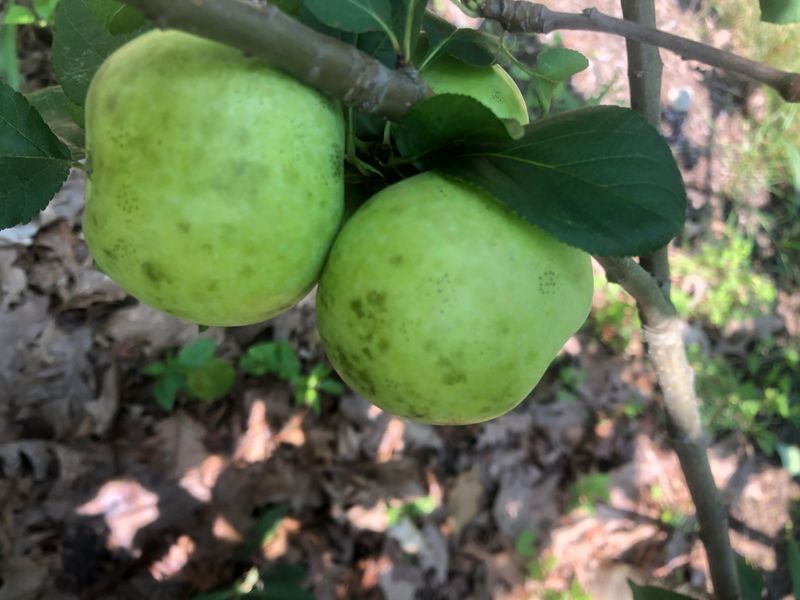
Right before harvest, some apples start showing dark, smudgy patches on their skin that look like they have been rubbed with dirt.
That is sooty blotch, a fungal disease that affects the surface of apple fruit without going deep into the flesh.
It is more of a cosmetic problem than a serious health threat to the tree.
Sooty blotch is actually a group of different fungi that work together on the fruit surface. They thrive in humid conditions with poor air circulation.
Long periods of wet summer weather, which are not unusual in parts of this state, make conditions very favorable for this disease to show up.
The dark patches do not affect the taste or the safety of the apple inside. You can wash or lightly scrub them off in many cases, and the fruit underneath looks and tastes just fine.
However, for anyone selling or showing apples, sooty blotch is a real problem because it makes the fruit look unappealing.
Improving air circulation through your tree is one of the best ways to prevent this disease. Thinning the canopy by pruning out crossing or crowded branches lets light and air reach the fruit.
Keeping grass and weeds trimmed under the tree also helps reduce humidity around the lower branches.
Fungicide sprays during the summer months can reduce sooty blotch when applied on a regular schedule. Starting early and staying consistent gives you the best results heading into harvest.
6. Bitter Rot Often Appears During Warm Wet Weather
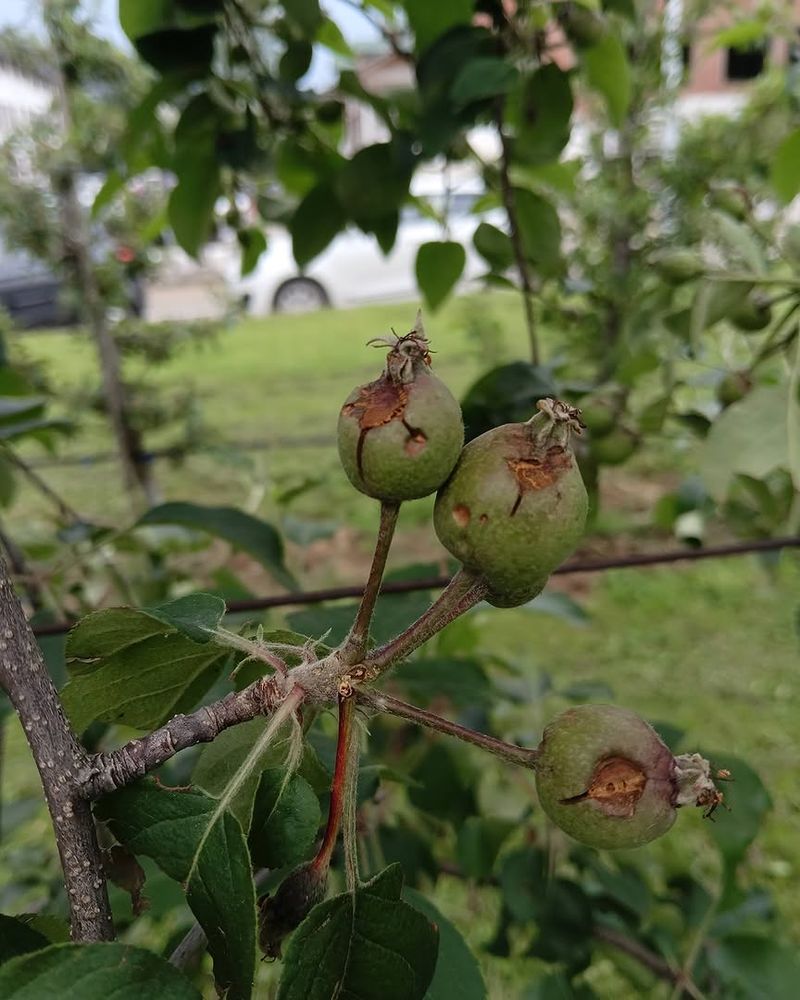
Warm, wet summers are the perfect setup for bitter rot to move in and ruin your apple crop. This fungal disease causes circular, sunken, brown spots to appear on the surface of the fruit.
The spots grow larger over time, and the flesh underneath becomes soft, watery, and bitter-tasting, which is exactly how this disease earned its name.
Bitter rot is caused by the fungus Colletotrichum acutatum and related species. It often enters fruit through tiny wounds or natural openings in the skin.
The disease can sit quietly in old mummified fruit or dead wood on the tree before spreading to healthy apples during summer.
One of the most telling signs of bitter rot is the salmon-pink or orange spore masses that appear at the center of lesions during wet weather.
These spores wash down or splash onto nearby fruit, spreading the infection across the tree quickly when rain continues.
Removing old, mummified fruit from the tree and the ground is one of the most important steps you can take.
Those dried-up apples from last season are a major source of fungal spores. Clean up thoroughly in late winter before the new season begins.
Fungicide applications during the summer fruit development period can help protect healthy apples.
Thinning the fruit so apples do not touch each other also reduces the chance of rot spreading from one fruit to the next. Good sanitation is your strongest tool against this disease.
7. Canker Diseases Slowly Weaken Older Apple Trees
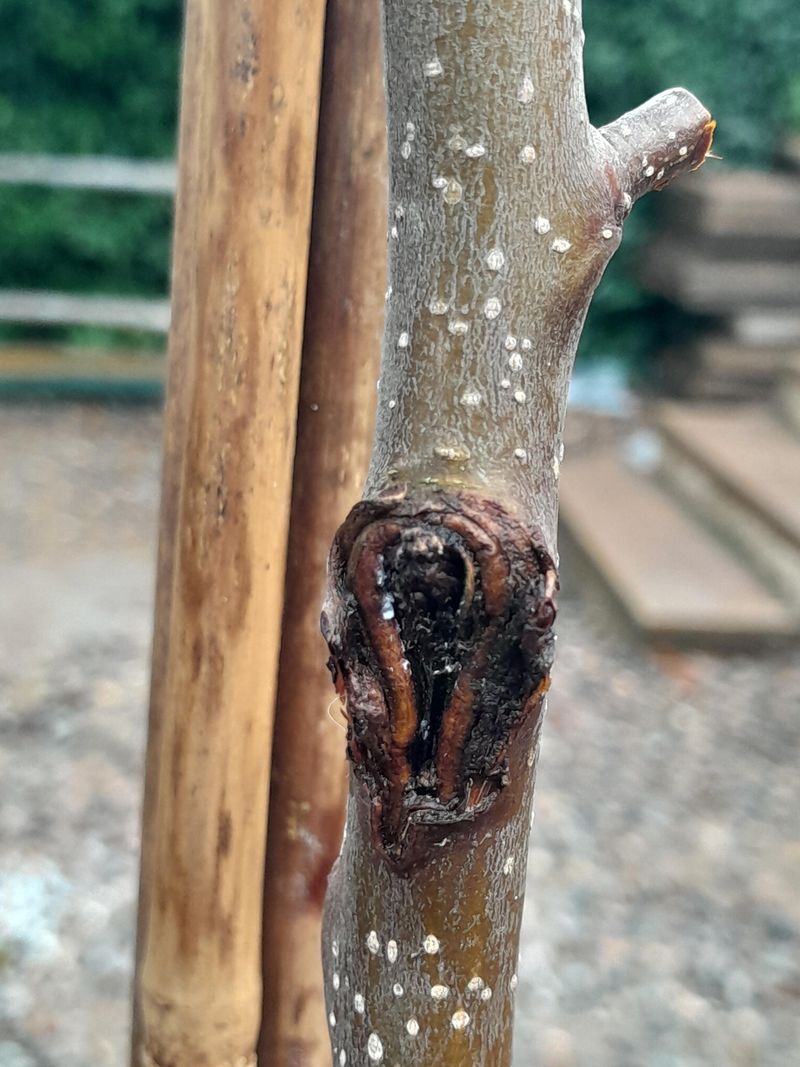
Older apple trees sometimes develop something that looks like a wound on the bark that just will not heal.
Sunken, dark, or discolored patches on branches and trunks are often signs of canker disease.
These patches can grow over time, cutting off the flow of water and nutrients to the rest of the tree.
Several different fungi cause canker diseases in apple trees. Two of the most common are Neonectria ditissima, which causes European canker, and Botryosphaeria species, which cause a different type of canker.
Both are more likely to show up on trees that are already stressed by drought, poor soil, or other diseases.
Cankers often start at pruning wounds, broken branches, or spots where insects have caused damage. Wet winters and falls create ideal conditions for the fungi to spread.
In our state, the combination of wet falls and mild winters means canker problems can develop over the cool season without gardeners noticing.
Branches that have large cankers may show wilting or reduced leaf growth in spring. In serious cases, a whole limb may stop producing leaves altogether.
Cutting out infected wood well below the canker edge is the main management strategy.
Always sterilize cutting tools between uses to avoid spreading fungal spores. Painting pruning wounds with a protective sealant can help reduce new infections.
Keeping trees healthy through proper fertilizing and watering makes them far more resistant to canker diseases taking hold in the first place.