Why Illinois Tomatoes And Peppers Are Getting Black Bottoms, And What To Do About It
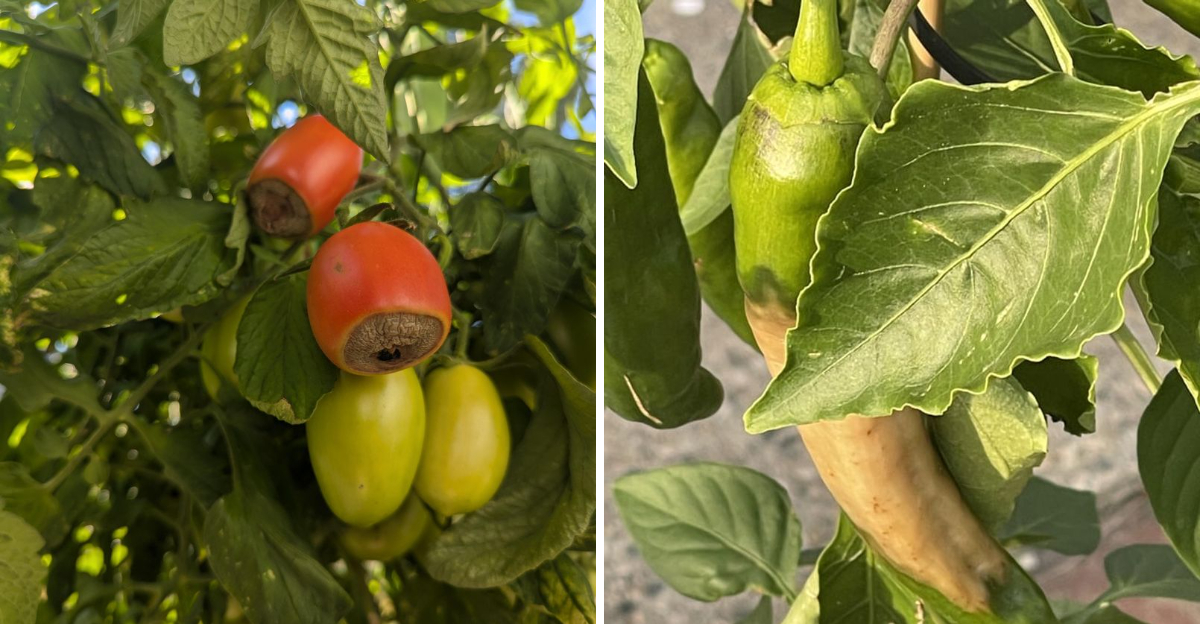
You check on your tomatoes and peppers after a long week, and something is off. Dark, sunken patches are spreading across the bottoms of fruits that looked perfectly fine just days ago.
Neither bugs nor soil fungi have anything to do with it.
Blossom end rot is one of the most common and most misunderstood problems Illinois home gardeners deal with every single summer. It almost always strikes when your plants are growing fastest.
By the time those black patches appear, the damage has already been building for weeks beneath the surface. Most gardeners blame themselves, tweak their watering, and hope for the best. That rarely works.
Understanding what is actually driving this problem is the only way to stop it from wiping out your harvest before August even begins.
The Real Cause Of Black Bottoms On Tomatoes And Peppers
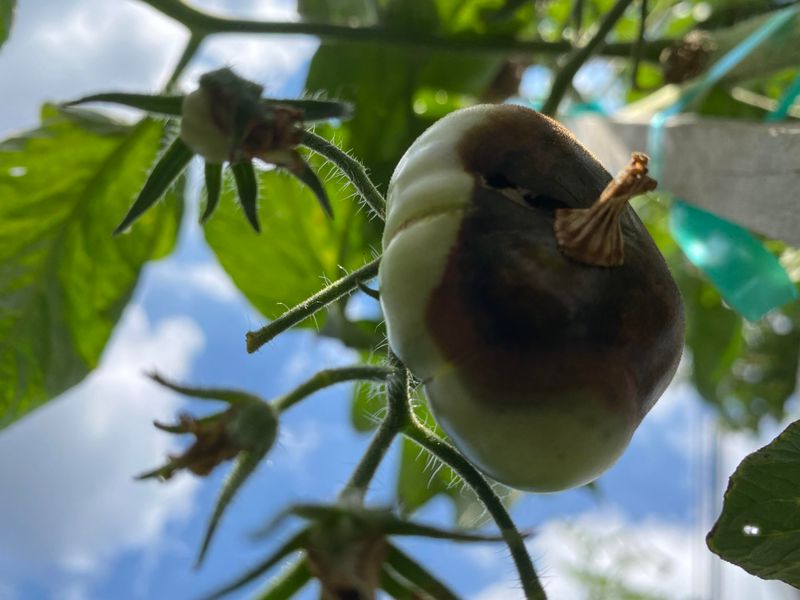
That ugly black patch is not a disease, and it is not caused by bugs. Black bottoms on tomatoes and peppers come from a condition called blossom end rot.
Blossom end rot happens when the fruit does not get enough calcium while it is forming. Calcium is the mineral that holds plant cells together, especially in young, fast-growing fruit.
Without enough calcium reaching the bottom of the fruit, those cells break down and turn dark. The damage is permanent once it starts on that particular fruit.
Here is the tricky part: in many cases, your soil already has enough calcium in it. The real problem is that the plant cannot absorb or move calcium fast enough to the fruit.
Calcium travels through a plant with water. When water delivery is uneven or stressed, calcium delivery gets disrupted too.
That is why blossom end rot is called a physiological disorder, not a nutrient deficiency in the traditional sense. Your plant is not starving for calcium in the soil.
The plant just cannot transport it properly under stress. Stress from heat, drought, or irregular watering is almost always the root trigger.
Understanding this distinction changes everything about how you respond. Adding more calcium to your soil often will not fix the problem if water stress is the real culprit.
Solving black bottoms on tomatoes and peppers means solving the water and stress equation first. That is the foundation of every effective fix you will read about next.
Illinois Heat And Soil Conditions That Make Things Worse
Illinois summers are no joke, and your garden knows it. Temperatures frequently spike above 90 degrees, and the humidity swings wildly from week to week.
That kind of heat puts enormous stress on garden plants. When soil temperatures climb too high, root activity slows down and water uptake becomes inconsistent.
Clay-heavy soils, which are extremely common across central and northern Illinois, hold water in a way that creates problems. They get waterlogged after rain and then bake rock-hard during a dry stretch.
That cycle of wet and dry is exactly the pattern that triggers blossom end rot. Plants swing from too much water to not enough, and calcium transport collapses each time.
Your Illinois Garden Changes Every Week. Your Plan Should Too.
Gardening in Illinois changes quickly throughout the season. Every Friday you’ll receive a simple weekly plan showing exactly what to plant, prune, fertilize, harvest, and protect so you never miss the right timing.
Sandy soils in other parts of the state drain so fast that roots barely get a chance to absorb moisture. Those gardens face a different version of the same core problem.
Soil pH also plays a role here. Illinois soils often trend slightly acidic, and when pH drops too low, calcium becomes harder for roots to access even if it is present.
A simple soil test from your local extension office can tell you exactly where your pH stands. Adjusting it with garden lime can make a measurable difference in one season.
Knowing your specific soil type is not just helpful, it is essential. Black bottoms on tomatoes and peppers in Illinois often trace back to soil conditions that gardeners never thought to check.
Which Tomato And Pepper Varieties Get Hit The Hardest
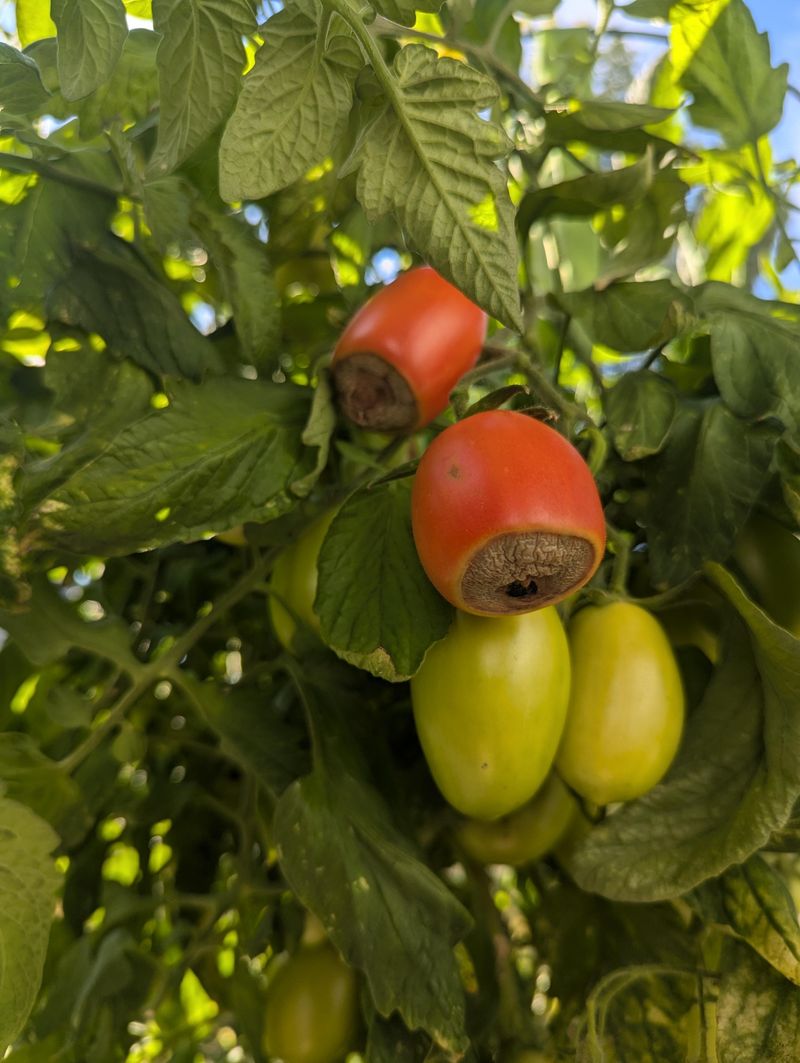
Not all tomatoes and peppers are equally vulnerable to black bottoms, and that matters when you are planning your garden. Paste-style tomatoes like Roma and San Marzano get hit the hardest, year after year.
These varieties grow long, dense fruits that require a high volume of calcium to form properly. The more fruit the plant sets at once, the more calcium demand spikes at the same time.
When demand outpaces supply, the furthest point from the stem, which is the bottom of the fruit, suffers first. That is why the blossom end is always where the damage appears.
Large beefsteak varieties can also be prone to blossom end rot during hot, dry stretches. Their big fruits simply need more calcium than smaller cherry-type tomatoes do.
Cherry tomatoes are generally more resistant because each individual fruit is small and calcium needs are lower per fruit. That does not mean they are immune, but they recover faster under stress.
Bell peppers are among the most affected pepper types in Illinois gardens. Their thick walls need steady calcium to develop fully without collapsing at the base.
Hot pepper varieties like jalapenos tend to show less damage than bells, though they are not fully protected. Thin-walled peppers simply have less tissue demanding calcium at once.
Choosing resistant varieties is one smart layer of protection. Pairing smarter variety selection with good watering habits gives your garden the strongest possible defense going into summer.
Early Signs To Catch Blossom End Rot Before It Spreads
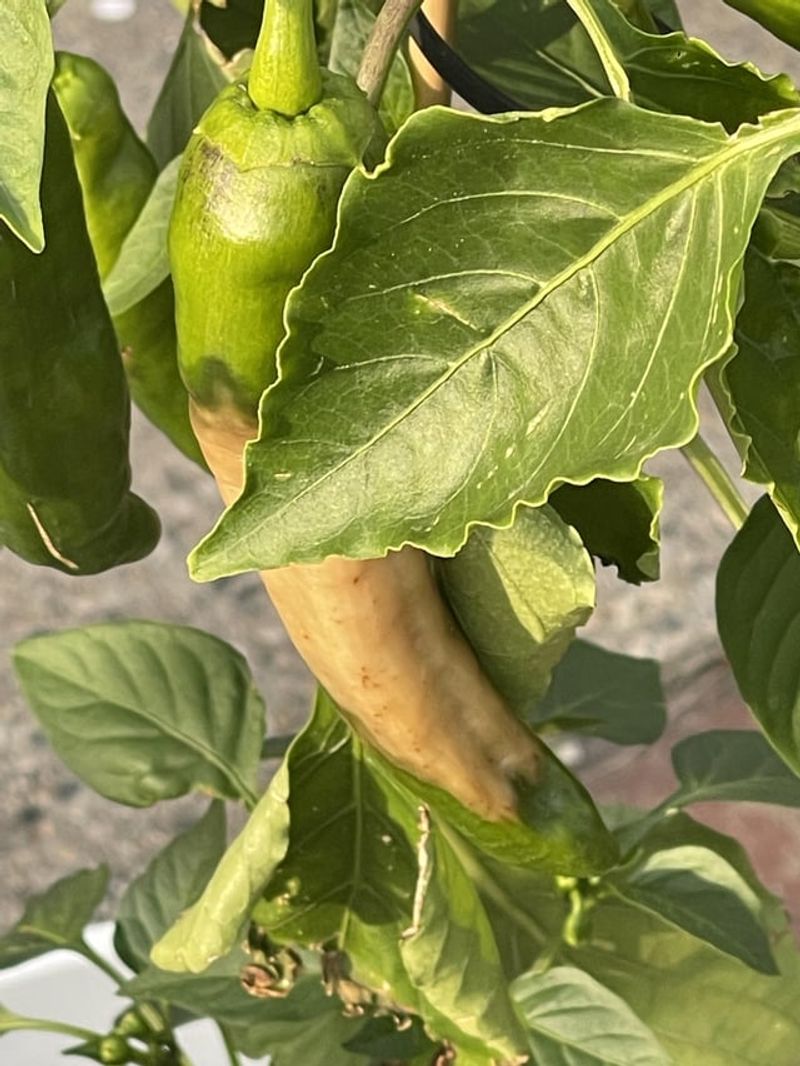
Catching blossom end rot early can save a significant portion of your harvest. Most gardeners miss the first signs because they look nothing like the dramatic black patches you see in photos.
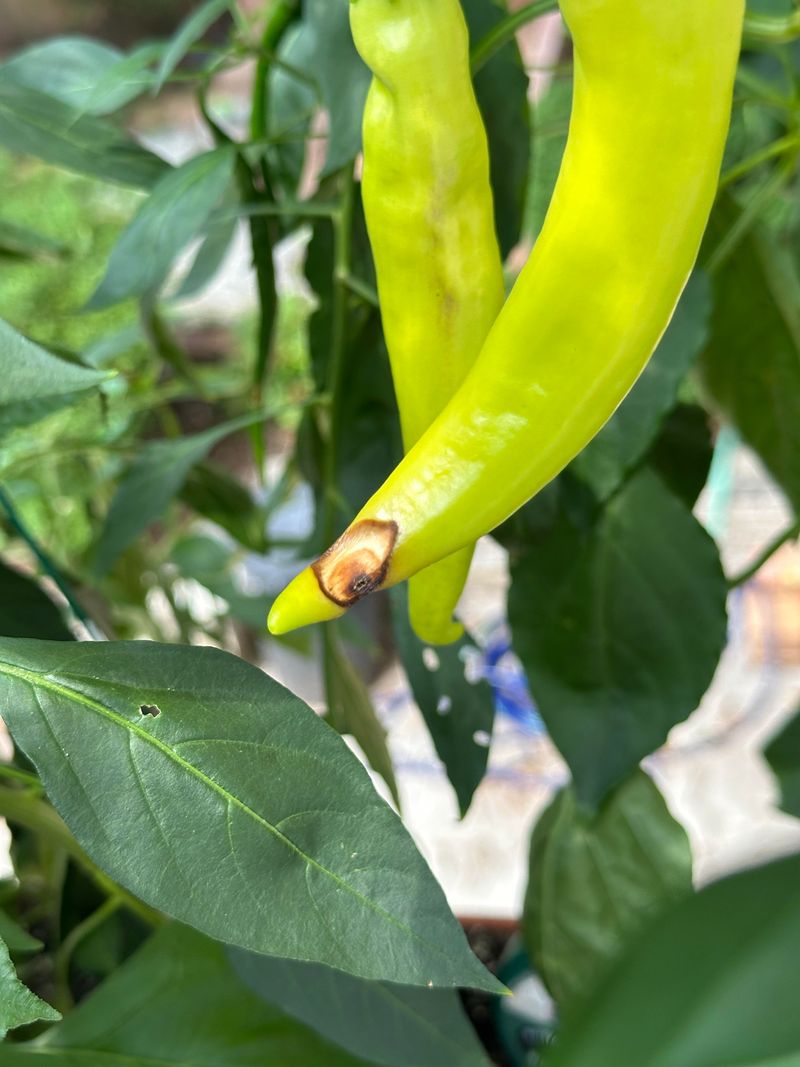
The earliest sign is a small, slightly tan or off-color spot at the very bottom of a young fruit. It looks almost like a bruise and is easy to overlook when the fruit is still green.
Within a few days, that spot begins to flatten and sink slightly into the fruit. The tissue underneath starts to dry out and harden before the surface turns fully dark.
At this stage, the fruit is already lost and cannot be saved. Removing it quickly, however, helps the plant redirect energy toward healthier fruits still forming on the vine.
Check the bottoms of your fruits every two to three days once plants start setting fruit. This is especially important during heat waves or after any period of uneven rainfall.
Look at multiple fruits on the same plant, because blossom end rot rarely affects just one. If you spot it on two or three fruits, the plant is under active stress right now.
Peppers can be harder to inspect because they hang and rotate on the stem. Gently tilt each fruit upward to check the blossom end directly rather than guessing from the side.
Early detection is your most powerful tool in this fight. Spotting the problem in week one means you can adjust watering immediately and protect the rest of your crop.
Watering And Mulching Mistakes Illinois Gardeners Keep Making
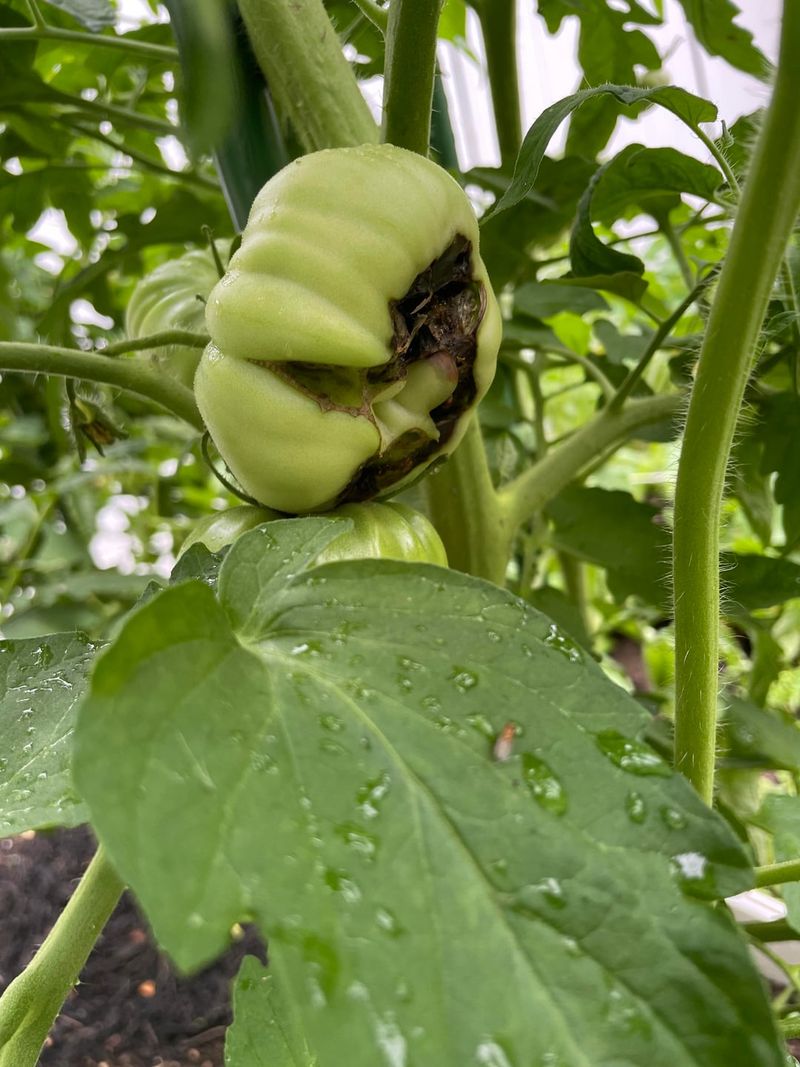
Watering mistakes are the number one reason blossom end rot keeps coming back in the same garden season after season. The most common mistake is watering too little too often, which creates a constant cycle of mild drought stress.
Shallow, frequent watering encourages roots to stay near the surface where soil dries out fastest. Deep, infrequent watering trains roots to go down where moisture stays consistent longer.
Tomatoes and peppers need about one to two inches of water per week, delivered slowly and deeply. A slow soak two or three times a week beats a quick sprinkle every single morning.
Overhead watering from a sprinkler wastes water through evaporation and wets the foliage unnecessarily. A soaker hose or drip irrigation delivers water directly to the root zone where it counts.
Mulching is the single most underused tool in Illinois vegetable gardens, and skipping it is a costly mistake. A thick layer of mulch around two to three inches deep keeps soil moisture from evaporating rapidly on hot days.
Straw, shredded leaves, and wood chips all work well as mulch around tomatoes and peppers. Avoid piling mulch directly against the stem, which can trap moisture and cause rot at the base.
Mulch also moderates soil temperature swings, which reduces the stress that disrupts calcium movement inside the plant. Consistent soil temperature and consistent moisture work together to keep calcium flowing.
Fix these two habits and you will see fewer black bottoms before the season even peaks. Small changes in how you water and mulch create a dramatically healthier garden.
Practical Steps To Save Your Harvest
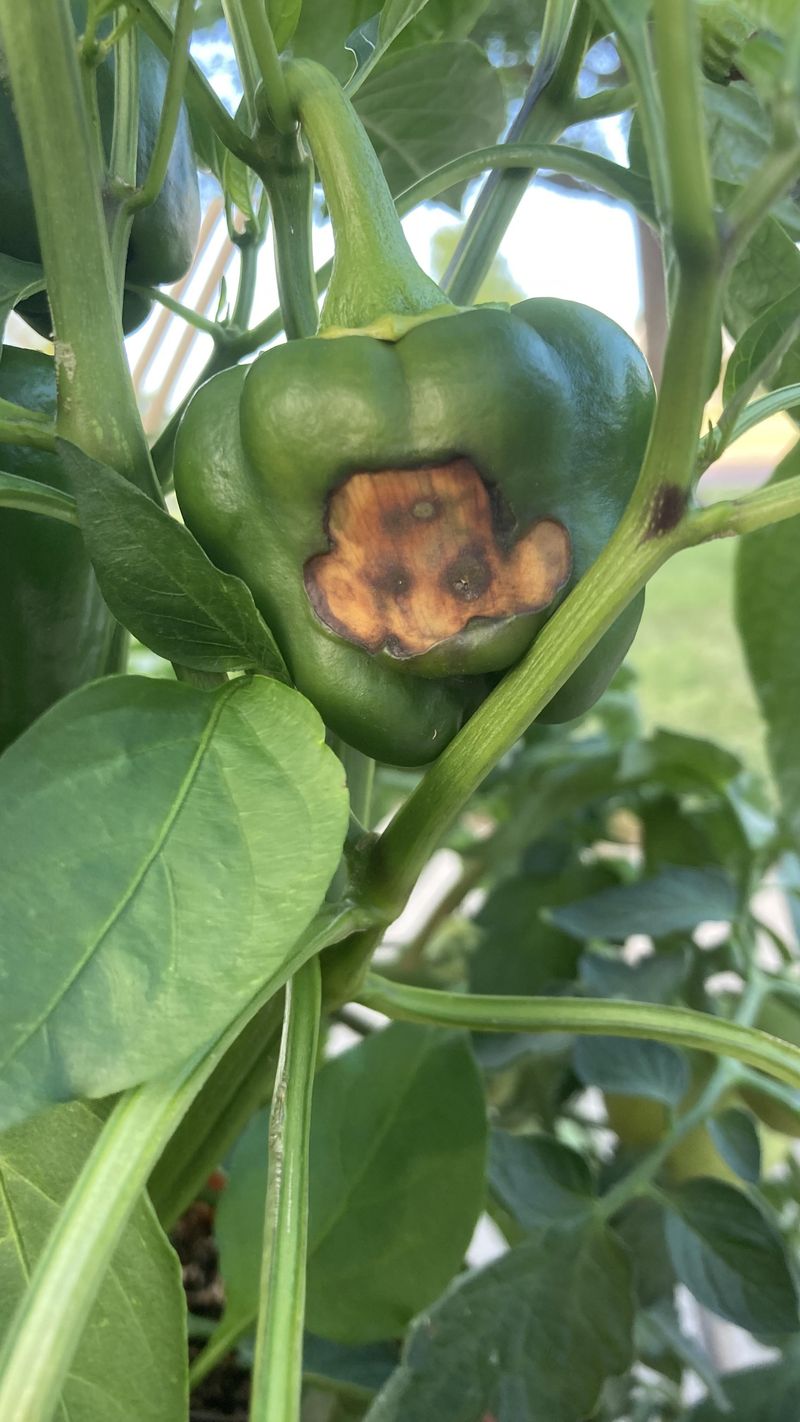
Once you spot blossom end rot in your garden, the first move is to remove every affected fruit right away. Leaving damaged fruits on the plant drains energy that could go toward healthy new growth.
Next, check your soil moisture immediately by pushing a finger two inches deep into the ground near the plant base. If it feels dry at that depth, the plant is already behind on water intake.
Start a consistent deep-watering schedule and stick to it no matter what the weather looks like. Consistency is far more important than volume when it comes to preventing this problem from returning.
Calcium foliar sprays are available at most garden centers and may help stabilize the plant during a particularly rough stretch. Apply in the early morning when temperatures are still low and evaporation is minimal.
If your soil pH is below 6.2, apply garden lime to raise it and improve calcium availability from the soil itself. Follow package directions carefully and retest your soil after four to six weeks.
Adding compost to your garden beds each spring builds long-term soil health and improves water retention naturally. Healthy soil structure means more consistent moisture and better nutrient movement all season long.
Black bottoms on tomatoes and peppers are fixable with steady effort and smarter habits. A few intentional changes now can turn a struggling garden into a genuinely productive one.