Florida Herbs Worth Growing That Also Happen To Repel Ticks
A herb garden that pulls double duty is hard to argue with. You get fresh rosemary for the kitchen, a handful of mint for your drink, and a yard that smells incredible on a warm Florida evening.
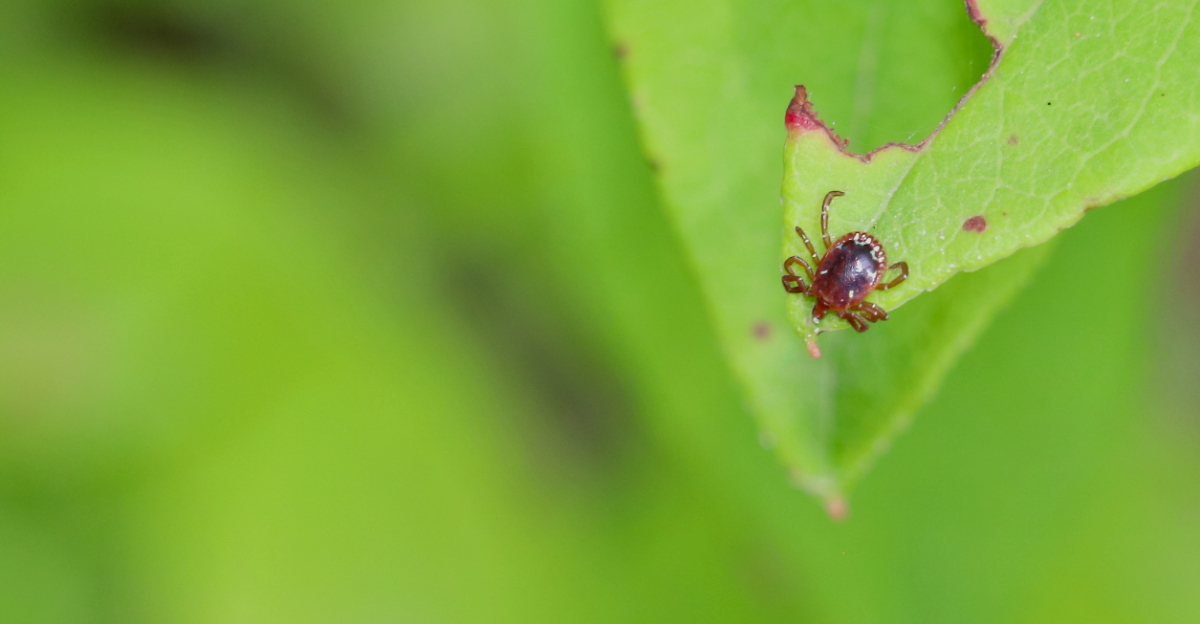
But certain herbs bring something extra to the table that most gardeners never think to factor in when they are deciding what to grow. Ticks have strong opinions about smell.
Several common herbs produce compounds that ticks find genuinely off-putting. Florida, where tick season never really ends, is exactly the kind of place where that matters.
To be straight about it, herbs alone are not a tick control strategy. They are one layer in a broader approach, and a useful one at that.
But the fact that plants you would grow anyway happen to make your yard less hospitable to ticks is worth knowing. Some of these will surprise you.
1. Rosemary Earns Its Place Before Tick Season Starts
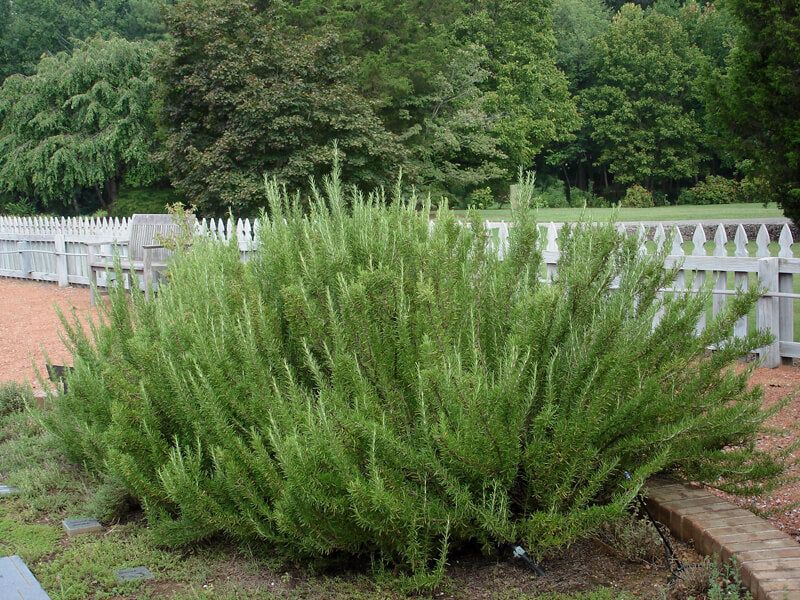
Before the heat of summer fully settles in, rosemary is already earning its spot in the herb bed. Known botanically as Salvia rosmarinus, this evergreen herb brings structure, fragrance, and serious culinary value.
It fits sunny gardens and container plantings across this state. Its needle-like foliage stays green year-round in most regions, making it one of the most reliable herbs for warm climates.
Rosemary contains aromatic compounds, including camphor and 1,8-cineole, that are often discussed in pest-repellent research. Some studies have explored rosemary-based essential oils in pest management contexts.
That said, a rosemary plant growing in your garden bed is not a substitute for tick checks or yard treatments recommended by UF/IFAS Extension.
What rosemary can do is thrive beautifully when conditions are right. Full sun is non-negotiable.
At least six hours of direct sunlight daily keeps the plant healthy and aromatic. Well-drained soil matters just as much, because soggy roots are the fastest way to weaken this herb in humid conditions.
Sandy soil, which is common across much of this state, actually suits rosemary well. Raised beds and containers work especially well in areas with heavy clay or poor drainage.
A container on a sunny porch or patio gives you flexibility to move the plant during extended rainy stretches.
Keep rosemary trimmed regularly so it stays bushy and productive. Harvest stems often for cooking, and the plant rewards you with dense, fragrant growth.
Coastal gardeners should note that rosemary handles salt air reasonably well, making it a smart pick near the coast.
2. Lemongrass Brings Citrus Scent To Sunny Herb Pots
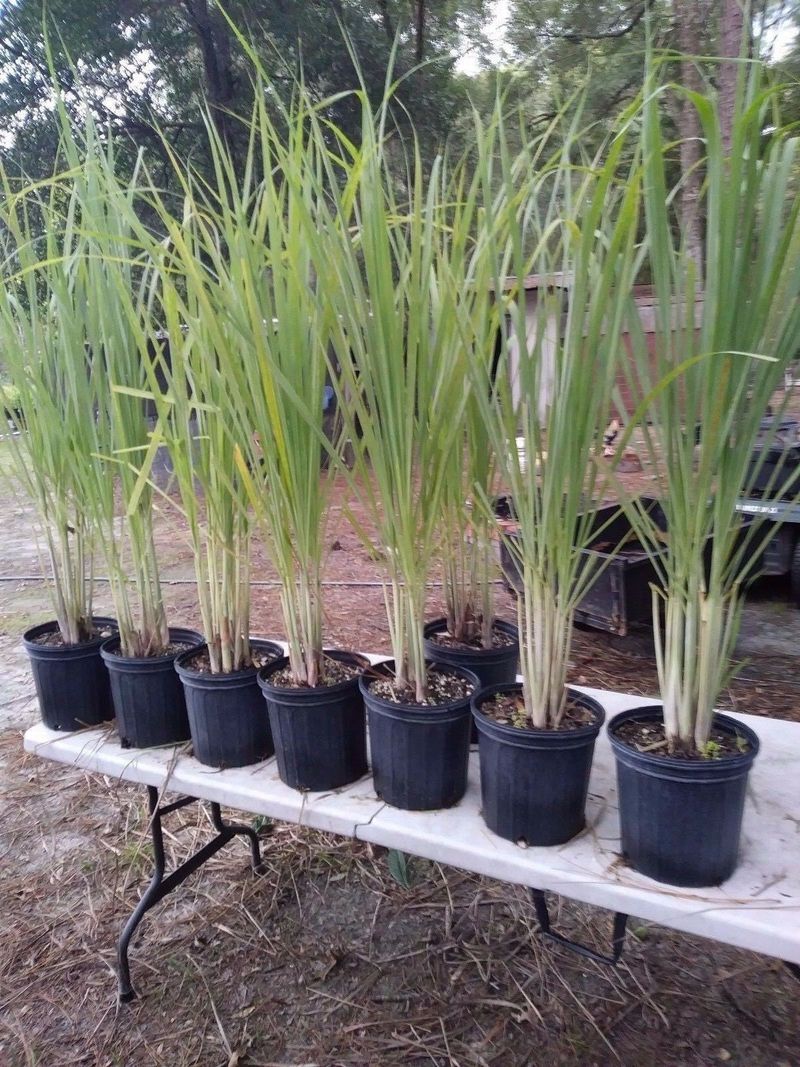
Few herbs make a statement quite like lemongrass standing tall in a big sunny container. Cymbopogon citratus is the botanical name for the culinary variety most commonly grown in herb gardens.
It thrives in the warm, humid conditions that define this state for much of the year. Its upright, grass-like clumps can reach three to five feet tall, giving your patio or garden bed a bold, tropical look.
The citrus scent that lemongrass releases when leaves are brushed or cut comes from citral, a naturally occurring aromatic compound.
Your Florida Garden Changes Every Week. Your Plan Should Too.
Gardening in Florida changes quickly throughout the season. Every Friday you’ll receive a simple weekly plan showing exactly what to plant, prune, fertilize, harvest, and protect so you never miss the right timing.
Grasses in the citronella family are widely associated with pest-repellent properties, and lemongrass is often grouped into that conversation.
Still, a potted lemongrass plant on your porch is not a reliable barrier against ticks across your yard.
Grown for cooking, lemongrass is genuinely useful. The lower stalks add bright flavor to soups, curries, teas, and marinades.
Harvesting regularly keeps the plant productive and tidy, which also reduces the kind of dense debris where ticks prefer to hide.
Sun is the most important growing requirement. Lemongrass wants at least six hours of direct sun daily, and it performs best with eight or more.
Good drainage is equally critical. Containers with drainage holes and a well-draining potting mix prevent waterlogged roots during the rainy season.
Give clumps plenty of room to spread. Dividing overcrowded plants every one to two years keeps growth vigorous.
In northern regions, bring containers indoors or protect clumps during cold snaps. Lemongrass is frost-sensitive and grows as a perennial only in the warmest parts of the state.
3. Mint Helps Most When It Stays Contained
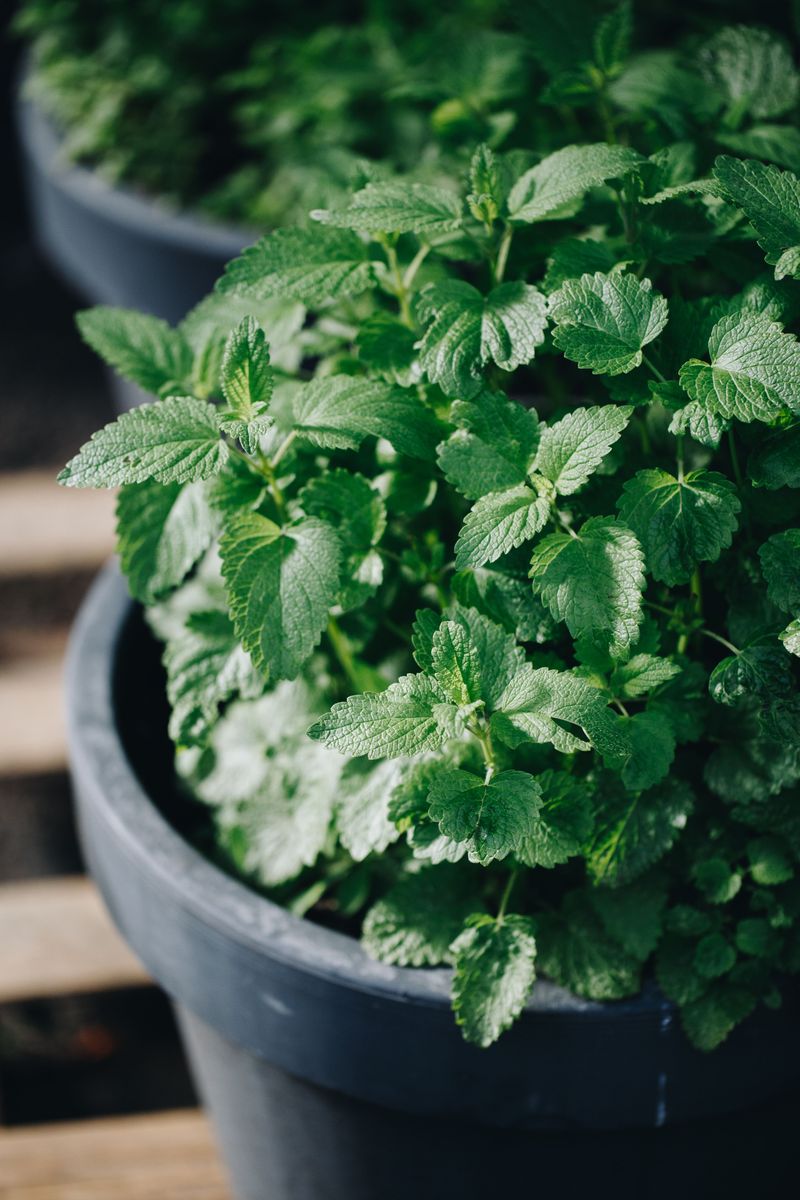
Ask any experienced herb gardener about mint, and the first thing they will probably tell you is to keep it in a pot.
Mentha species are famously vigorous spreaders, and a single plant left unchecked in a garden bed can take over a surprising amount of space in a single season.
Containers are the smartest way to enjoy mint in this state without turning it into a yard management problem.
The strong, cool scent of mint comes from menthol and other volatile compounds that give the herb its familiar bite. Strong-smelling herbs are often noted in the context of pest-discouraging gardens, and mint fits that category.
However, a container of mint on your Florida patio is not going to push ticks out of your yard in any meaningful way on its own.
What mint does reliably well is flavor your kitchen. Fresh leaves work beautifully in iced teas, lemonade, cocktails, salads, and desserts.
Spearmint and peppermint are the most popular culinary choices. Many varieties grow well in warm climates when drainage is good and roots do not sit in standing water.
Harvest mint often. Cutting stems back regularly keeps the plant bushy and prevents it from going leggy or flowering too quickly.
Once mint flowers and sets seed, the flavor in the leaves tends to drop off. Pinching back flower buds extends the harvest season considerably.
Keep containers tidy and off the ground when possible. Cluttered, overgrown pots can become hiding spots for pests rather than deterrents.
A clean, well-maintained mint pot is both more useful and more effective in a thoughtful herb garden setup.
4. Sage Adds Strong Aroma Without Needing Much Fuss
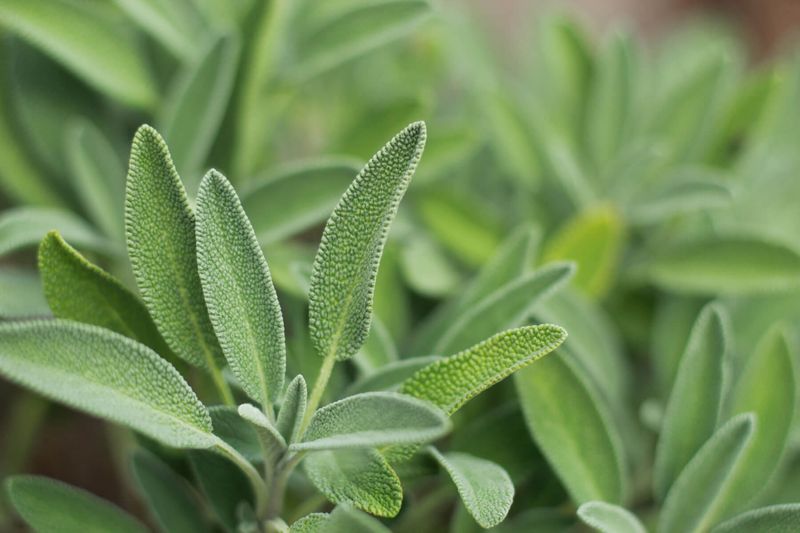
Rubbing a sage leaf between your fingers releases one of the most distinctive scents in any herb garden. Salvia officinalis, common culinary sage, carries a bold, earthy fragrance that comes from compounds including thujone, camphor, and borneol.
These aromatic oils are part of why sage often comes up in conversations about herbs with pest-discouraging qualities.
Growing sage well in this state comes down to one critical factor: drainage. Soggy soil is the biggest threat to sage in warm, humid climates.
Roots that stay wet during the rainy season can weaken the plant quickly. Raised beds and containers with excellent drainage give sage the best chance of performing well through summer.
Full sun is the other non-negotiable. Sage wants at least six hours of direct light daily to stay healthy and aromatic.
Plants that receive too much shade tend to grow loosely, lose their strong scent, and become more vulnerable to fungal problems in humid air.
For gardeners in central and northern regions, sage often behaves as a short-lived perennial. In southern regions, the heat and humidity of summer can stress the plant, so treating it as an annual or growing it in a moveable container gives you more control.
Replacing plants every one to two years keeps your sage productive and aromatic.
Harvest leaves regularly throughout the cooler months when growth is most vigorous. Sage pairs beautifully with roasted meats, beans, butter sauces, and savory breads.
A healthy, well-tended sage plant brings genuine culinary value and a strong fragrance to your herb garden without asking for much in return.
5. Thyme Fits Dry Edges Where Ticks Hate Exposure
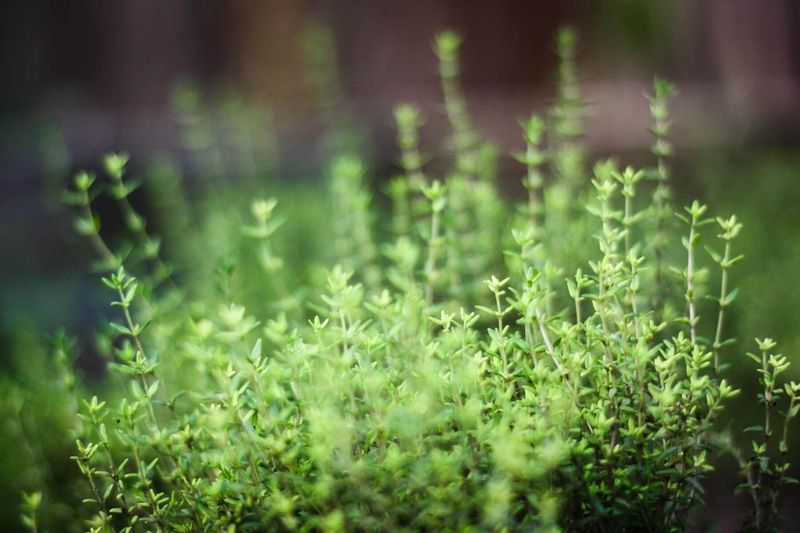
Sunny, dry, open edges are not the kind of habitat ticks prefer. These pests tend to favor tall grass, dense brush, leaf litter, and shaded, humid spots where they can wait for a passing host.
Thyme has a low-growing habit and prefers dry, well-drained conditions. It fits naturally into the kinds of open sunny spots that are already less hospitable to ticks.
Thymus vulgaris, common culinary thyme, brings a lot to a Florida herb garden beyond its tick-habitat logic. The small, aromatic leaves pack serious flavor into a compact plant.
Fresh thyme works in marinades, roasted vegetables, soups, herb butters, and grilled meats. A few stems go a long way in the kitchen.
Thyme thrives in full sun with sharp drainage. Sandy, well-drained soil suits it well, and raised beds or containers give you easy control over moisture levels during the rainy season.
Avoid planting thyme in low spots where water collects after summer downpours. Wet feet during humid stretches are one of the fastest ways to weaken this herb.
Trim thyme back after flowering to keep plants bushy and productive. Woody, overgrown stems produce fewer flavorful leaves, so light, regular harvesting keeps growth fresh.
Container-grown thyme on a sunny porch or patio is one of the most practical setups for this state, giving you drainage control and easy access for cooking.
Thyme is not a standalone tick solution. Its real contribution is fitting beautifully into a sunny, open, low-debris herb garden design that happens to align with the kind of environment ticks tend to avoid.
6. Lavender Works Best In Sunny Pots With Sharp Drainage
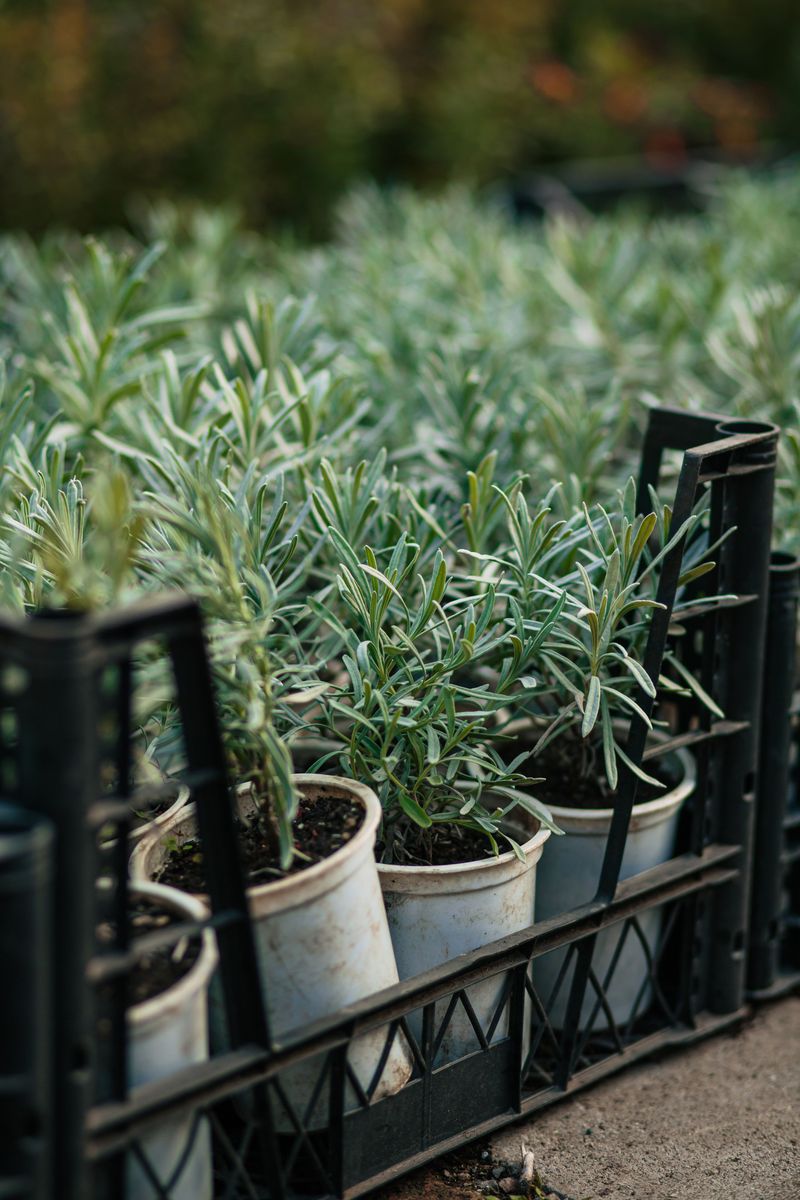
Lavender has a reputation that precedes it. The soft purple flower spikes and calming fragrance make it one of the most beloved herbs in any garden.
The scent is widely associated with pest-discouraging properties in both folk tradition and some research contexts. Growing lavender in this state is absolutely possible, but it does require the right setup to thrive through humid summers.
Lavandula species are Mediterranean plants at heart. They want full sun, excellent air circulation, and soil that drains so quickly it almost seems too fast.
Heavy, wet, clay-based soil is the opposite of what lavender needs. In this state, where summer rain can be relentless, containers with drainage holes and a gritty or sandy potting mix give lavender the best possible chance.
Spanish lavender (Lavandula stoechas) tends to handle heat and humidity better than English varieties in warm climates. It flowers earlier in the season and recovers from our summer conditions more gracefully.
That said, no variety of lavender loves sitting in soggy soil, so drainage is always the priority regardless of which type you grow.
Place lavender pots where they receive at least six to eight hours of direct sun. Good air movement around the plant helps reduce fungal issues that humid air can encourage.
Avoid overwatering, especially during the rainy season when natural moisture may be more than enough.
Harvest flower spikes for sachets, dried arrangements, or simple fragrant bundles around the porch. Lavender brings real beauty and scent to your outdoor space, and a healthy, well-drained plant is far more effective at doing its job than one struggling in wet soil.
7. Garlic Chives Add Oniony Scent To Small Herb Gardens
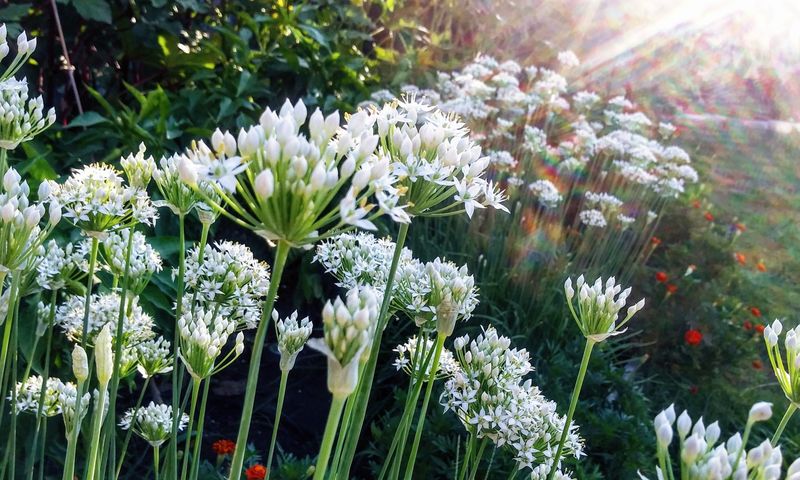
There is something quietly useful about a plant that feeds you, looks tidy, and smells strongly enough to fit right into a pest-discouraging herb collection. Garlic chives, known botanically as Allium tuberosum, do all three.
The flat, dark green leaves carry a mild garlic and onion scent that becomes more noticeable when leaves are cut or brushed. That makes them a flavorful and aromatic addition to any small herb garden.
Allium scent is often mentioned in the context of gardens designed to discourage pests, and garlic chives fit that theme well. However, no research firmly establishes that garlic chives repel ticks across a landscape.
What they genuinely offer is edible leaves and attractive white star-shaped flowers that pollinators love during late summer blooms.
Harvest the flat leaves regularly for use in salads, stir-fries, egg dishes, dumplings, and herb butters. The mild garlic flavor is less sharp than regular garlic but more complex than standard chives.
Snipping leaves back often keeps the plant productive and prevents it from going to seed too quickly.
Garlic chives grow well in containers and small raised beds with full sun or light partial shade. They are more forgiving of occasional moisture than some Mediterranean herbs, but they still prefer well-drained soil.
Containers with good drainage holes work well on patios and porches throughout the state.
Divide crowded clumps every two to three years to keep plants vigorous. Trim flower heads before seeds drop if you want to limit self-seeding, since garlic chives can spread steadily in a garden bed.
Kept tidy, they are genuinely low-effort and rewarding herbs for any home garden.