Why Pennsylvania Homes Are Actually Better For These Indoor Plants Than Most Gardeners Realize
Pennsylvania’s indoor growing conditions get a lot of negative press from houseplant enthusiasts, and some of it is deserved.
The winters are long, the light is low for months at a stretch, and the dry air from heating systems stresses plants that need humidity to stay happy.
What gets far less attention is the other side of that picture, the qualities that make Pennsylvania homes genuinely well suited to a specific group of indoor plants that struggle in the brighter, warmer, more consistent environments of other regions.
Cool winter temperatures near windows, the shift in seasonal light, and moderate summer conditions without the relentless heat of southern states create a growing environment that certain houseplants respond to with impressive results.
Pennsylvania gardeners who have been apologizing for their growing conditions may be doing it for the wrong plants. The right ones treat a Pennsylvania home less like a challenge and more like exactly where they were meant to be.
1. Snake Plant
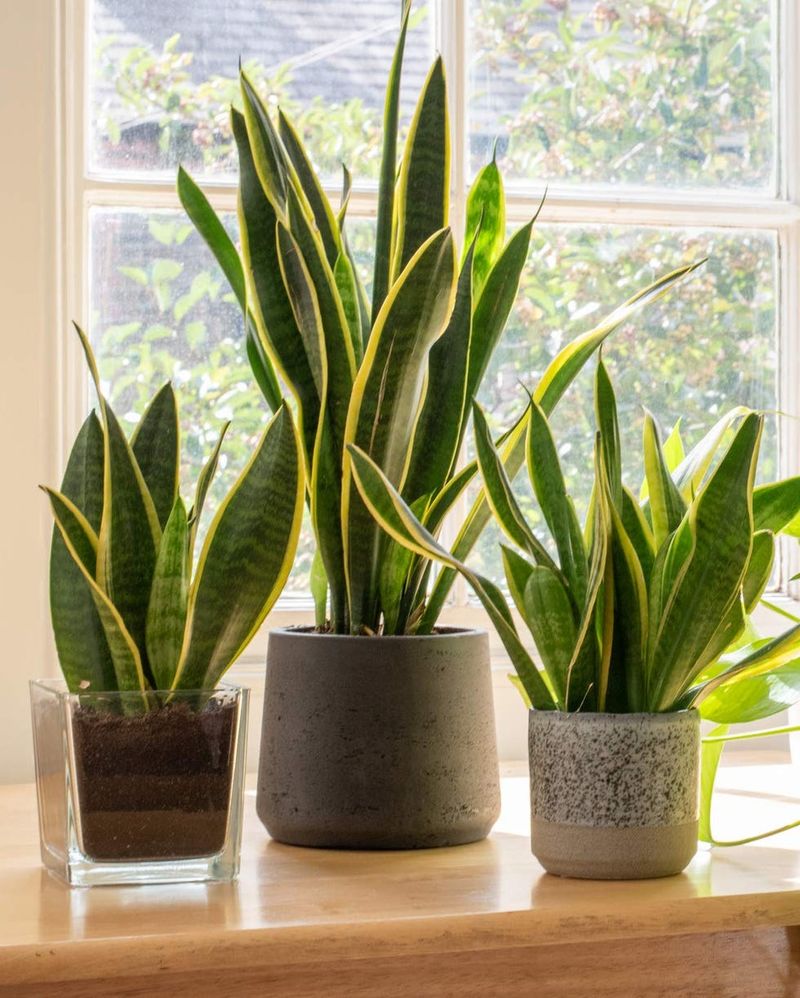
Forget everything you have heard about difficult houseplants. The snake plant is basically impossible to mess up, and Pennsylvania homes are practically made for it.
Those north-facing windows that leave other plants struggling? The snake plant treats them like a luxury spa.
Snake plants handle low light better than almost any other houseplant out there. They store water in their thick, sword-shaped leaves, which means they can go weeks without a drink.
Pennsylvania winters, with their short days and weak sunlight, are genuinely no problem for this plant.
Indoor heating systems can suck the moisture right out of the air during cold months. Most plants hate that.
The snake plant shrugs it off completely. It evolved in dry, rocky environments in West Africa, so your heated living room feels totally normal to it.
Another big plus is that snake plants clean indoor air by absorbing toxins like formaldehyde and benzene.
Studies from NASA have shown this plant is one of the best air purifiers you can keep indoors. That is a real bonus during Pennsylvania winters when windows stay shut for months.
You can place a snake plant in a bedroom, hallway, bathroom, or office corner and it will thrive without much fuss. Water it once every two to three weeks in winter and once a week in summer.
Use well-draining soil and a pot with drainage holes to keep roots healthy. Honestly, ignoring this plant a little is part of good care.
Pennsylvania homeowners who travel often find it is the one plant still looking great when they return.
2. ZZ Plant
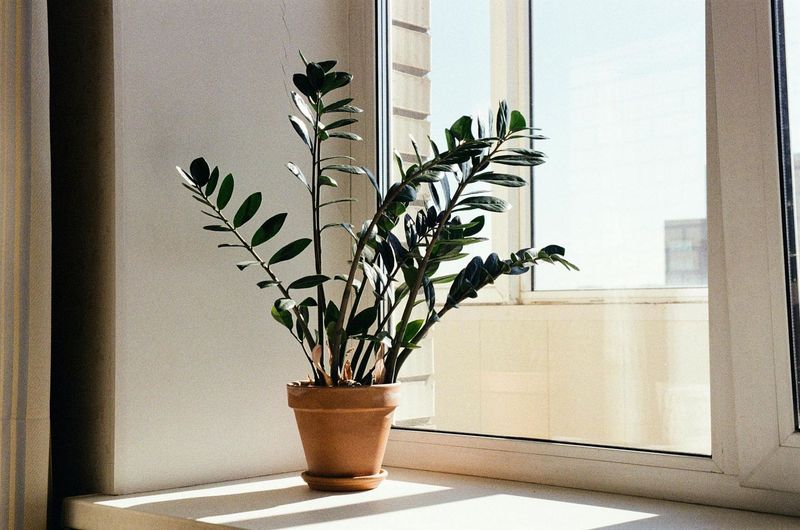
Walk into almost any stylish home in Philadelphia or Pittsburgh and you will probably spot a ZZ plant sitting somewhere looking absolutely flawless. This plant has a reputation for being nearly indestructible, and that reputation is 100 percent earned.
ZZ plants store water in their thick underground rhizomes, which look like small potatoes buried beneath the soil. This adaptation means the plant can survive long stretches without watering.
Pennsylvania homeowners who forget to water for a few weeks will not find a sad, wilted plant waiting for them.
Your Pennsylvania Garden Changes Every Week. Your Plan Should Too.
Gardening in Pennsylvania changes quickly throughout the season. Every Friday you’ll receive a simple weekly plan showing exactly what to plant, prune, fertilize, harvest, and protect so you never miss the right timing.
Winter heating in Pennsylvania homes drops indoor humidity levels significantly. Most tropical plants throw a fit when this happens.
The ZZ plant, however, actually prefers drier air and handles indoor heating conditions without skipping a beat. It is one of those rare plants that thrives precisely because of the conditions most gardeners worry about.
Bright or filtered light works best for ZZ plants, making east-facing windows in Pennsylvania homes a solid spot. However, they also tolerate lower light levels surprisingly well.
You do not need a sunroom or a south-facing window to keep this plant healthy and growing.
One fun fact: ZZ plants were largely unknown in the houseplant world until the late 1990s when Dutch growers began mass-producing them. Since then, they have become one of the most popular office and home plants in the world.
Water yours every two to three weeks during winter, let the soil dry out fully between waterings, and use a well-draining potting mix. A little fertilizer in spring and summer is all the extra care it needs to keep producing those gorgeous, waxy green leaves.
3. Spider Plant
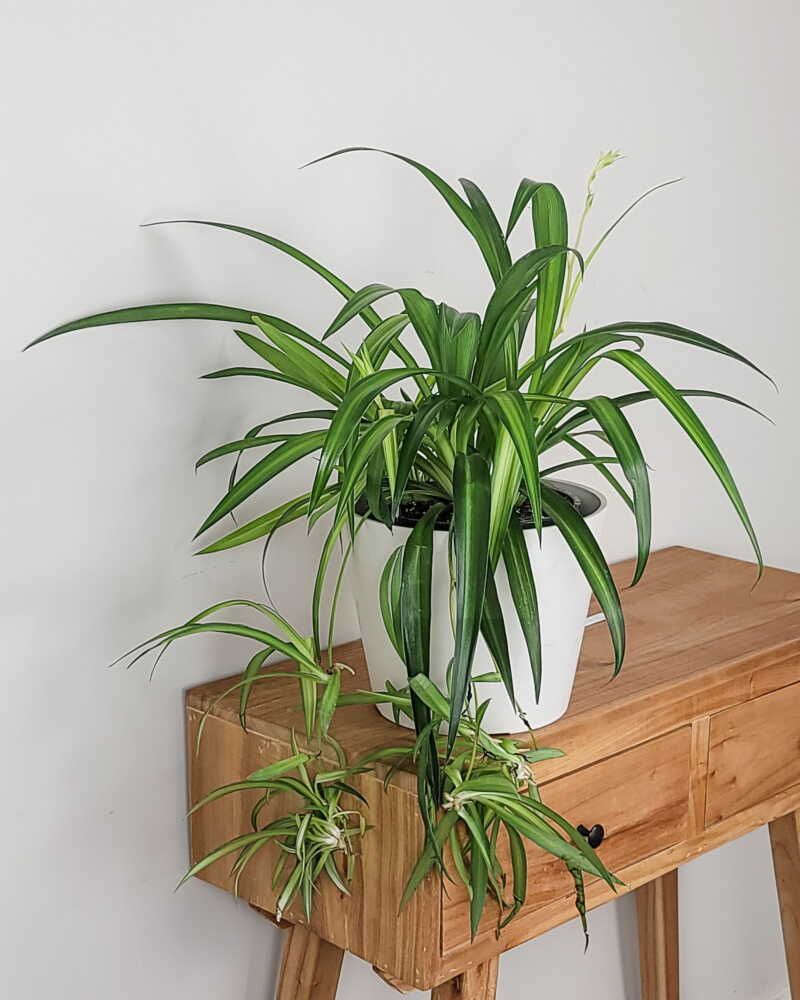
There is something almost cheerful about a spider plant. Those long, arching leaves with their creamy white stripes just look happy, and the little dangling offshoots, called pups or spiderettes, make it look like the plant is always growing a family.
Pennsylvania homes with east- or west-facing windows are genuinely ideal for this plant. Spider plants love indirect sunlight, which is exactly what east- and west-facing windows provide during Pennsylvania mornings and afternoons.
Direct harsh sunlight can scorch the leaf tips, but the softer light coming through these windows keeps the foliage looking fresh and vibrant all year long.
One of the best things about spider plants is how easy they are to share. Once a mature plant produces pups, you can snip them off, place them in water until roots develop, and pot them up as brand-new plants.
This makes spider plants a great gift for fellow plant lovers across your neighborhood. Air quality is another area where spider plants genuinely shine. Research has shown they can reduce indoor carbon monoxide and formaldehyde levels.
During Pennsylvania winters when homes are sealed tight against the cold, having a natural air cleaner hanging in your kitchen or living room is a real advantage.
Spider plants are also pet-friendly, which matters a lot in households with curious cats or dogs. They are non-toxic and completely safe if a pet decides to chew on a leaf.
Water your spider plant when the top inch of soil feels dry, keep it away from heating vents that blast hot air directly, and watch it reward you with a cascade of cheerful green-and-white foliage that brightens even the dreariest Pennsylvania winter day.
4. Cast Iron Plant
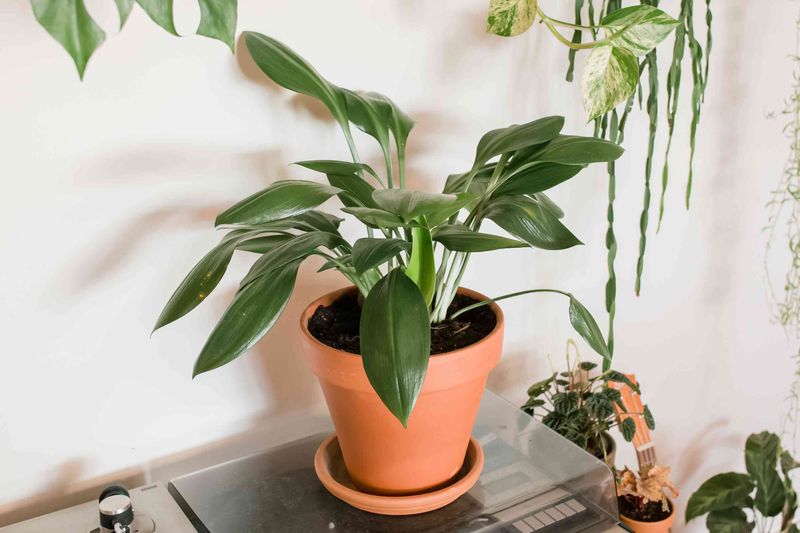
The name alone tells you something important: this plant is tough as iron. The cast iron plant has been grown indoors since the Victorian era, when gas lighting and drafty parlors made growing anything inside nearly impossible.
If it survived that, it can absolutely handle a shaded corner in your Pennsylvania home. Older Pennsylvania homes, especially those built in the early 1900s, often have rooms with small windows and limited natural light. Most houseplants struggle in these spaces.
The cast iron plant, however, was practically born for low-light corners. Its broad, dark green leaves are incredibly efficient at capturing whatever light is available.
Growth is slow with this plant, which might sound like a downside but is actually a bonus. You will not need to repot it constantly or worry about it outgrowing its space.
Once settled into a spot it likes, a cast iron plant can stay there for years, looking elegant and unfussy without demanding much attention.
Watering needs are minimal. During Pennsylvania winters, you can water a cast iron plant as infrequently as once every two to three weeks.
The plant prefers to dry out between waterings and absolutely does not like sitting in soggy soil. Use a pot with good drainage and a standard potting mix.
Did you know cast iron plants can also grow outdoors in USDA zones 6 through 11? Parts of Pennsylvania fall within zone 6, meaning you could transition a cast iron plant to a shaded outdoor garden bed in warmer months.
This flexibility makes it one of the most versatile plants any Pennsylvania homeowner can add to their collection. It is low drama, high reward.
5. Parlor Palm
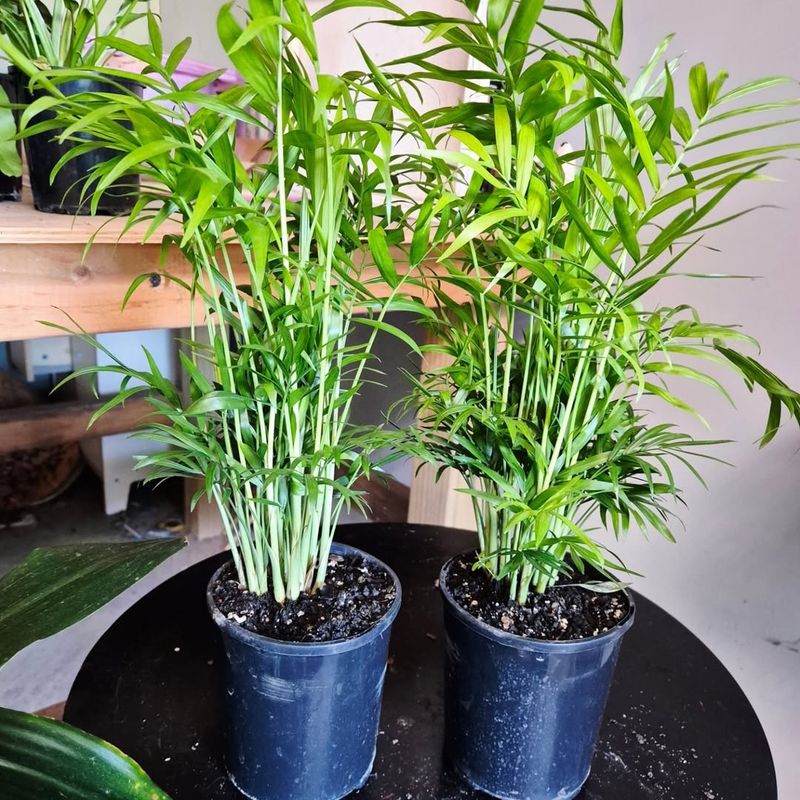
Back in the 1800s, wealthy families kept parlor palms in their formal sitting rooms as a sign of good taste and sophistication. Today, this charming little palm is just as elegant but far more accessible, and Pennsylvania homes happen to suit it beautifully.
Unlike larger tropical palms that need blazing sunlight and humid greenhouse conditions, the parlor palm is perfectly content with low to moderate indoor light. A spot a few feet away from a window works well.
It will not sulk or drop leaves just because it is not sitting in direct sun all day. Pennsylvania winters bring notoriously dry indoor air thanks to forced-air heating systems. Many tropical plants respond by developing brown, crispy leaf tips.
The parlor palm handles this better than most palms, especially if you mist it lightly once or twice a week or place a small humidifier nearby.
A pebble tray filled with water beneath the pot also helps maintain moisture around the plant. Watering should be moderate. Allow the top inch of soil to dry out before watering again.
Overwatering is a more common problem than underwatering with parlor palms, so err on the side of less rather than more during the winter months when growth naturally slows down.
Parlor palms are also non-toxic to cats and dogs, making them a smart choice for pet-friendly Pennsylvania households. They grow slowly, reaching about four feet tall indoors over several years.
Feed them with a diluted liquid fertilizer once a month during spring and summer. Year-round, they bring a lush, tropical feel to any room, which is a welcome contrast to Pennsylvania cold and grey winter skies outside.
6. Pothos
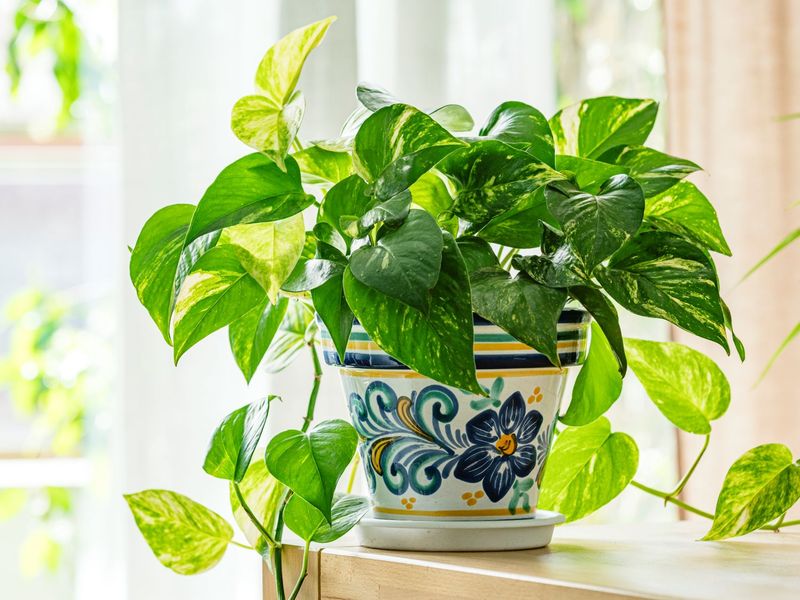
Few plants are as forgiving, as fast-growing, or as downright fun as pothos. Watch a pothos vine trail down from a shelf or climb up a moss pole and you will understand why so many Pennsylvania plant lovers keep at least one in every room.
This plant practically grows itself. Adaptability is the pothos superpower. It handles bright indirect light near a window just as comfortably as it handles the dimmer light of a hallway or bedroom corner.
That kind of flexibility is rare in the plant world, and it makes pothos a natural fit for the varied lighting situations found throughout Pennsylvania homes.
Humidity is another area where pothos just rolls with it. Pennsylvania winters dry out indoor air fast, but pothos keeps growing through it all.
It does appreciate a little extra moisture now and then, so an occasional misting or placement in a naturally humid bathroom is a nice treat without being a strict requirement.
Propagation could not be easier. Snip a stem just below a leaf node, place it in a glass of water, and within a week or two you will see roots forming.
This is a great way to multiply your collection or share plants with friends and neighbors throughout the year.
Pothos come in several gorgeous varieties including golden pothos, marble queen, neon pothos, and pearl and jade. Each has a slightly different look but the same easygoing care routine.
Water when the top two inches of soil feel dry, avoid overwatering, and feed monthly during spring and summer with a balanced liquid fertilizer.
Pennsylvania homeowners who want lush, fast-growing greenery without a complicated routine will find pothos to be an absolute household favorite.
7. Peace Lily
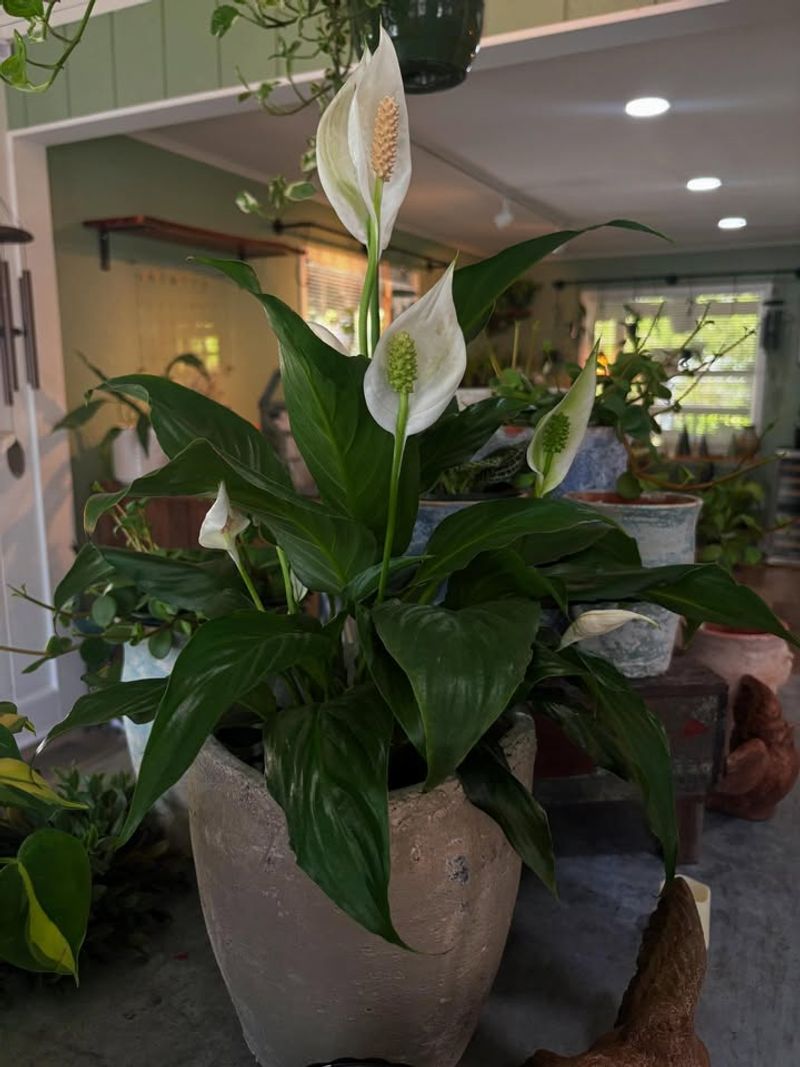
Imagine having fresh white flowers blooming inside your home in the middle of a grey Pennsylvania January. That is exactly what a peace lily can give you.
While outdoor gardens sit dormant under frost, the peace lily quietly puts on a show right there on your windowsill.
Peace lilies are one of the few flowering houseplants that actually prefer low light. Bright indirect light encourages more blooms, but even a room with limited natural light will not stop this plant from flowering.
That makes it one of the most rewarding options for Pennsylvania homeowners dealing with short winter days and cloudy skies.
Indoor heating can be hard on tropical plants, but peace lilies manage it better than expected. They do appreciate slightly higher humidity, so placing the pot on a pebble tray with water or keeping it in a bathroom with a window helps.
If leaf tips turn brown, that is usually a sign the air is too dry, and a quick misting will help. Peace lilies are also well-known air purifiers. NASA research identified them as effective at removing indoor pollutants like ammonia, benzene, and formaldehyde.
During Pennsylvania winters when homes are sealed up tight, having a natural air cleaner that also blooms is a genuine win.
Water your peace lily when the leaves just start to droop slightly. That sounds alarming but the plant recovers quickly after a good drink and this method prevents overwatering.
Use distilled or filtered water if possible, since peace lilies can be sensitive to the fluoride found in tap water.
Feed monthly during spring and summer with a balanced fertilizer and enjoy those elegant white blooms that make winter inside a Pennsylvania home feel genuinely beautiful.