The New Jersey Yards Making Ragweed Allergies Worse Just Before Peak Season
That itchy throat and watery eyes hitting you across New Jersey right now are not just seasonal coincidence. Something is thriving in yards near yours, and it is working overtime to make you miserable.
Most homeowners rarely think to check their own landscape as part of the culprit. Yet one overlooked plant hiding in plain sight could be feeding your symptoms every single day.
As peak season creeps closer across the Garden State, a quick look around your property might explain more than any allergy pill could. The source might be closer than you think.
You do not need a science degree to spot the problem or fix it. A few simple adjustments to your yard could bring noticeably calmer days ahead.
Certain Yard Conditions Fuel Worse Ragweed Reactions
Your backyard might be the reason your eyes will not stop watering. Ragweed allergies in New Jersey are not just a seasonal nuisance, they are often made worse by specific conditions hiding right outside your door.
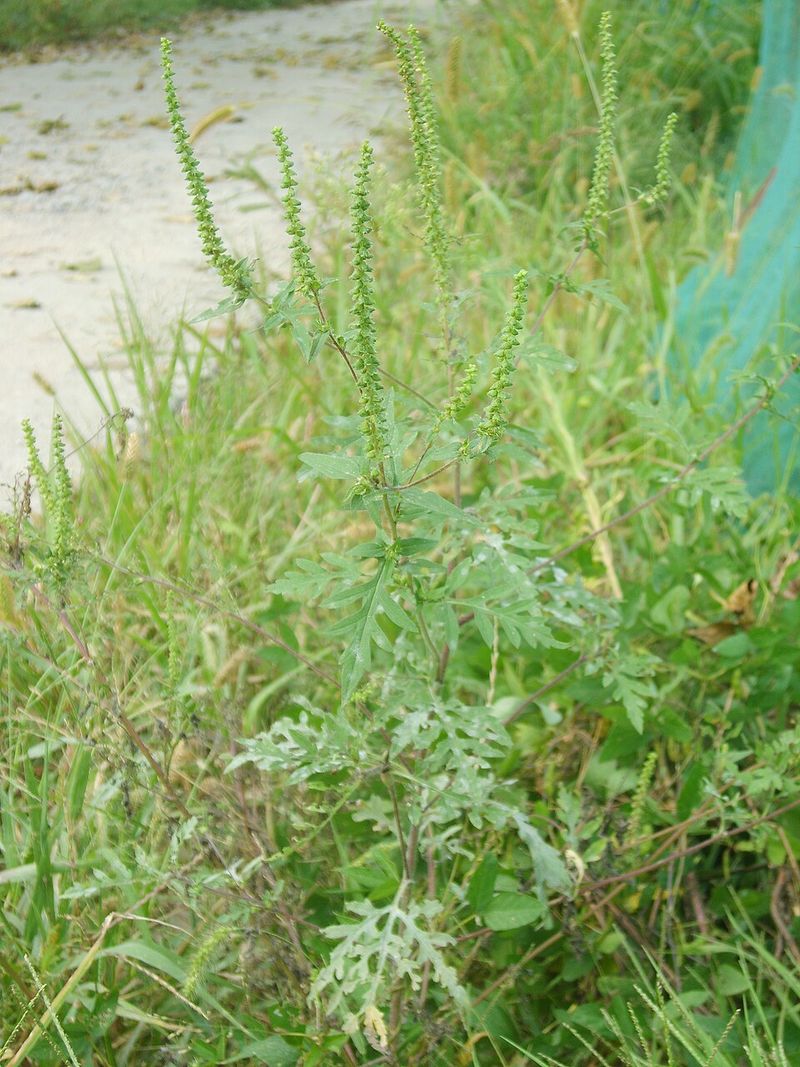
Overgrown fence lines are one of the biggest culprits. Ragweed loves disturbed soil, shaded edges, and spots where mowing rarely happens.
Bare patches of dirt also create perfect growing conditions. When grass thins out, ragweed rushes in to fill every gap it can find. These areas dry out fast and stay warm, conditions ragweed thrives in during late summer.
Neglected garden beds where weeds have taken over are equally problematic. A single ragweed plant can release up to one billion pollen grains in one season.
That number is not a typo. One plant, one billion grains, all floating directly into your nose and eyes.
Yards with poor air circulation trap pollen close to the ground. Fences, dense shrubs, and tall hedges can create pollen pockets that linger long after a plant has finished releasing.
Even a well-maintained yard can have trouble spots. Check corners, edges, and shaded areas where weeds grow unchecked between regular lawn care visits.
Understanding what makes your New Jersey yard a ragweed hotspot is the first step. Once you know what to look for, fixing the problem becomes much more manageable.
Ragweed Pollen Peaks In Late Summer
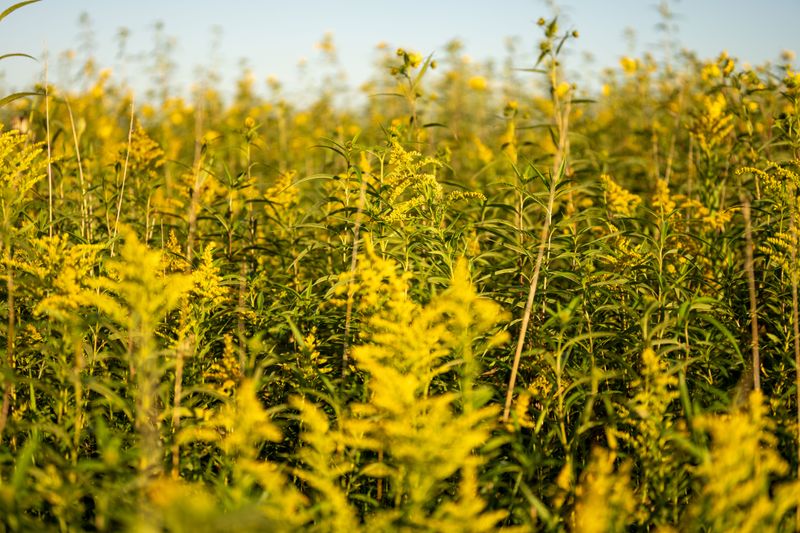
Late August hits and suddenly everyone around you is sneezing. Ragweed pollen peaks in late summer, typically between mid-August and the first hard frost of fall.
In New Jersey, that window can stretch well into October. Warmer autumns in recent years have extended the season by several weeks compared to past decades.
Pollen counts are highest on warm, dry, windy days. Morning hours between 10 a.m. and 3 p.m. are when ragweed releases the most pollen into the air.
Rain can temporarily wash pollen down, but it bounces back fast. Within hours of a passing storm, counts can spike again as plants shake off moisture and resume releasing.
Humidity plays a tricky role too. High humidity slows pollen release slightly, but wet conditions help ragweed grow stronger and produce more pollen overall.
Your New Jersey Garden Changes Every Week. Your Plan Should Too.
Gardening in New Jersey changes quickly throughout the season. Every Friday you’ll receive a simple weekly plan showing exactly what to plant, prune, fertilize, harvest, and protect so you never miss the right timing.
Pollen can travel up to 400 miles on the right wind current. That means even if your New Jersey yard is pristine, pollen from neighboring towns or counties can still reach you.
Tracking local pollen counts is a smart daily habit during this season. Apps and weather websites now offer real-time allergen data specific to your zip code.
Knowing when counts are highest helps you plan outdoor activities more wisely. Staying inside during peak hours on high-count days can reduce your total exposure significantly.
Peak season does not last forever, but it can feel that way without a plan. Timing your outdoor time smartly is one of the easiest wins available.
Common Yard Features That Attract Ragweed Growth
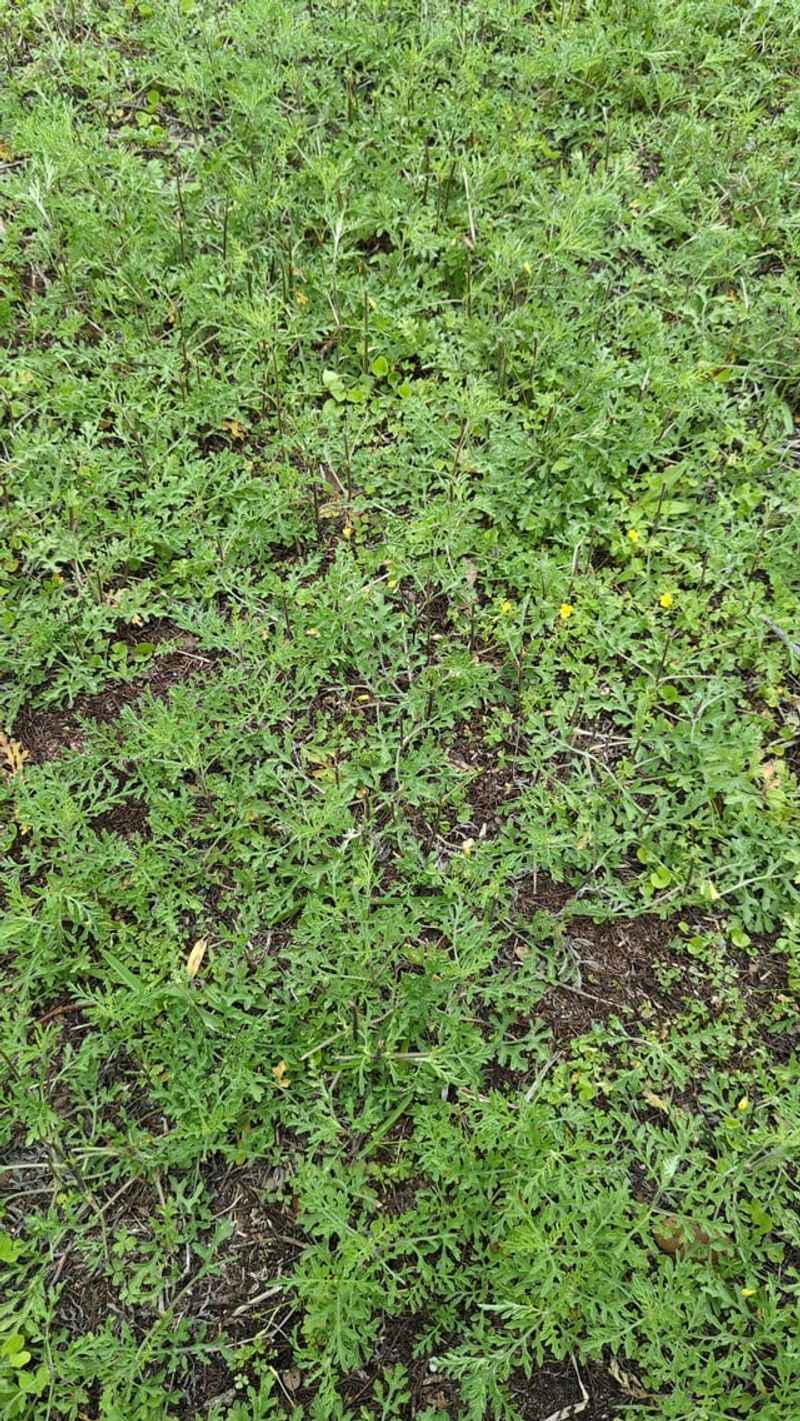
Not every yard is equally risky, and the layout of your outdoor space matters more than you might expect. Certain yard features act like a welcome mat for ragweed, giving it exactly what it needs to thrive.
Bare soil is the number one invitation. Ragweed seeds germinate quickly in open ground, especially after construction, renovation, or heavy foot traffic strips away existing grass.
Low spots that collect rainwater are also prime real estate for weed growth. Moist, disturbed soil creates a nursery where ragweed can establish itself before you even notice.
Unmaintained areas along property borders are classic trouble zones. Shared fence lines between neighbors often go untouched for weeks, allowing weeds to grow tall and flower without interruption.
Gravel driveways and stone pathways create warm microenvironments that ragweed loves. The stones absorb heat during the day and release it overnight, extending the growing season in those spots.
Garden beds with mulch gaps are another sneaky entry point. Where mulch has thinned or shifted, ragweed seeds land and sprout with very little effort.
Tall decorative grasses planted near borders can also hide ragweed underneath. By the time you spot it, the plant may already be flowering and releasing pollen daily.
Even compost bins placed near the house can attract weed growth if not managed carefully. Seeds that survive the composting process can spread into nearby soil quickly.
A simple walk around your New Jersey yard once a week can catch these issues early. Early removal before flowering stops the pollen problem before it starts.
Weather Conditions That Intensify Pollen Spread
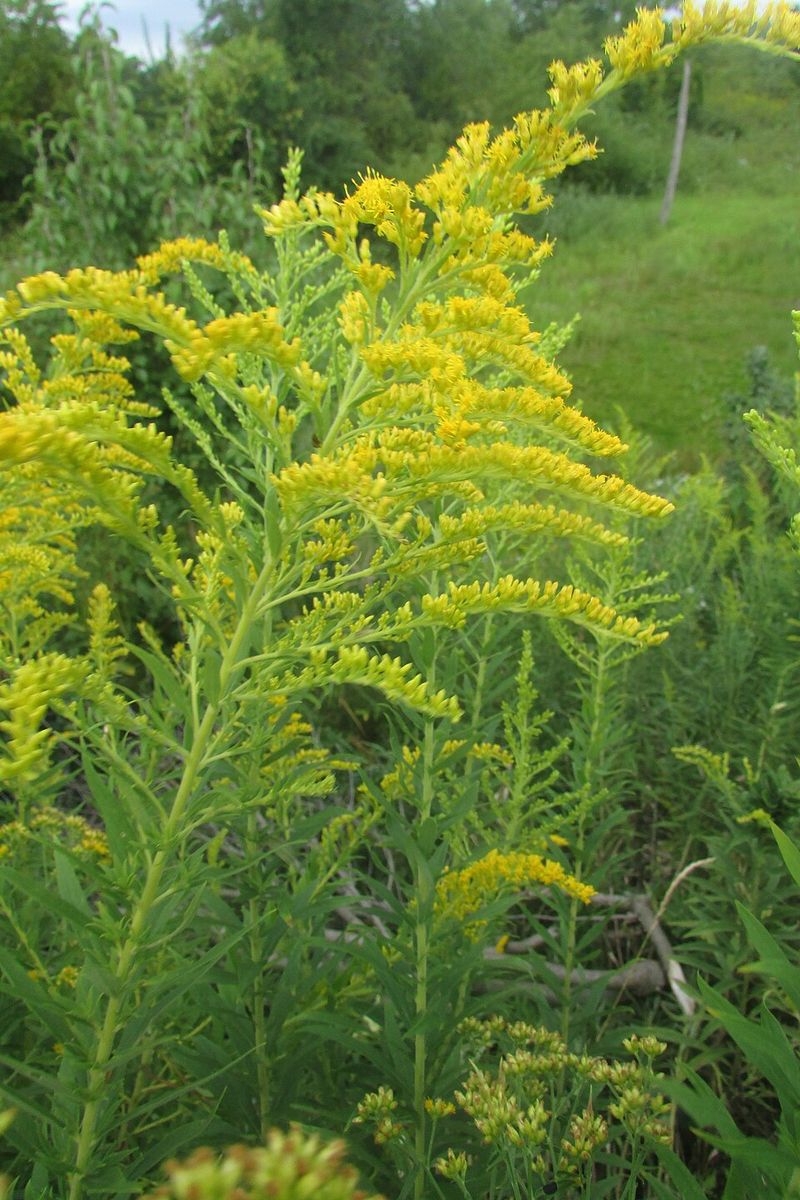
Wind is ragweed pollen’s best friend, and late summer in the Northeast delivers plenty of it. Dry, breezy days send pollen grains soaring across neighborhoods, parks, and open fields with zero effort.
Low humidity amplifies the spread dramatically. When air is dry, pollen grains stay light and airborne for hours instead of dropping quickly to the ground.
Heat accelerates the release cycle too. On hot, dry days, ragweed plants open their pollen sacs faster and more fully than on cooler ones.
Thunderstorms create a particularly nasty effect called thunderstorm asthma. Storms cause pollen grains to burst into smaller particles that penetrate deeper into the lungs.
This post-storm spike catches many allergy sufferers off guard. Calm, overcast days offer the most relief outdoors. Pollen stays lower and disperses less when wind speeds drop and cloud cover keeps temperatures mild.
Frost is the only true reset button for ragweed season. Once temperatures drop below freezing consistently, pollen production stops and the plant’s growing season ends for good.
Until that first frost arrives, wind and heat remain your biggest outdoor challenges. Checking the forecast before yard work or outdoor plans is a genuinely useful strategy.
Knowing which weather patterns drive your worst days helps you respond smarter. Preparation beats reaction when it comes to managing seasonal pollen exposure.
Reducing Ragweed Growth Around Your Property
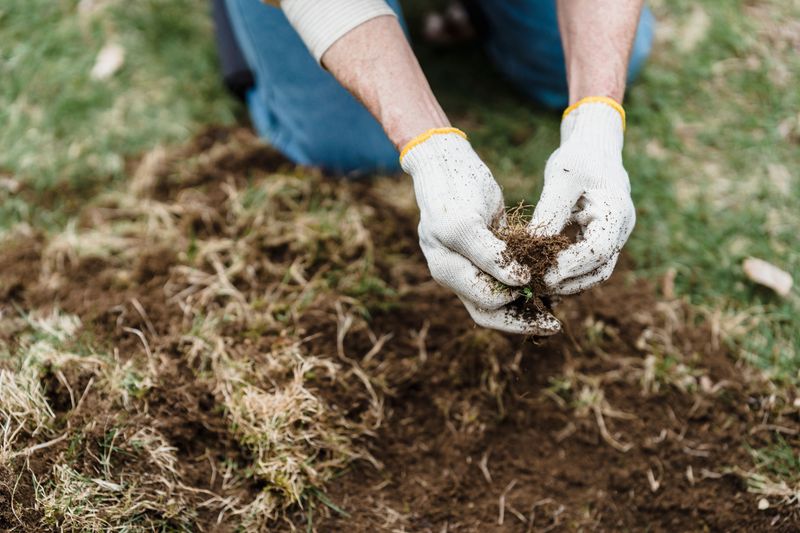
Pulling weeds before they flower is the single most effective move you can make. Ragweed must be removed before it blooms, because once pollen starts flying, the damage is already done.
Mow your lawn regularly and keep grass height between two and four inches. Taller grass shades the soil and makes it much harder for ragweed seeds to germinate successfully.
Fill in bare soil patches with grass seed, ground cover, or mulch immediately. Leaving exposed dirt open for even a few weeks gives ragweed seeds a perfect place to land.
Dense plantings in garden beds crowd out weeds naturally. When desirable plants fill every inch of space, ragweed has nowhere to establish a foothold.
Consider planting low-allergen ground covers like clover, creeping thyme, or ajuga in problem areas. These plants spread quickly and suppress weed growth without adding to your allergy burden.
Wear a mask and gloves when doing yard work during high-pollen periods. An N95 mask blocks a significant amount of airborne pollen from reaching your airways while you work.
Shower and change clothes immediately after spending time outdoors. Pollen clings to hair and fabric, and bringing it inside extends your exposure long after you come in.
Ask neighbors to manage ragweed on shared borders when possible. A cooperative approach to weed removal across multiple yards reduces the overall pollen load in your immediate area.
Consistent yard maintenance throughout summer pays off big by late August. Staying ahead of ragweed growth is far easier than fighting a full bloom.
When To Seek Relief From Severe Symptoms
Sometimes a runny nose turns into something that genuinely disrupts your daily life. When over-the-counter antihistamines stop keeping up with your symptoms, it is time to talk to a doctor.
Allergy testing can pinpoint exactly what your immune system is reacting to. Knowing your specific triggers allows for a much more targeted and effective treatment approach.
Prescription nasal sprays are often more powerful than anything available at a pharmacy. They reduce inflammation directly in the nasal passages and can provide relief that pills simply cannot match.
Allergy shots, also called immunotherapy, are a long-term option worth exploring. They gradually train your immune system to stop overreacting to ragweed pollen over a period of years.
Sublingual drops are a newer alternative to shots that work similarly. Placed under the tongue daily, they expose your system to tiny allergen amounts without weekly clinic visits.
Symptoms that include wheezing, chest tightness, or shortness of breath need prompt medical attention. Ragweed can trigger asthma flares, and those require a different treatment plan entirely.
Keep a symptom journal during peak weeks to share with your allergist. Patterns in your reactions help doctors fine-tune your treatment plan more accurately than memory alone.
Air purifiers with HEPA filters inside your home can reduce indoor pollen levels significantly. Keeping windows closed on high-count days also helps create a lower-allergen sanctuary indoors.
Managing ragweed allergies is possible with the right support system in place. You deserve to enjoy the end of summer without constant sneezing and itchy, watery eyes.