8 Easy Backyard Tweaks Virginia Birds Will Love This Summer
Virginia summers hit different when your backyard is alive with birds. A flash of red in the dogwood. A hummingbird freezing mid-air like it forgot where it was going.
Most homeowners assume birds just show up on their own, but the truth is, a few small changes make all the difference between a yard birds fly over and one they actually stop in.
You do not need a sprawling garden or a lot of money. You need the right setup. Native plants, a reliable water source, the correct feeders, these are the things birds are quietly looking for every single day.
Virginia has no shortage of incredible backyard species, from tufted titmice to Carolina wrens, and they are all closer than you think. Give them a reason to land.
1. Add A Water Feature Birds Can Actually Use
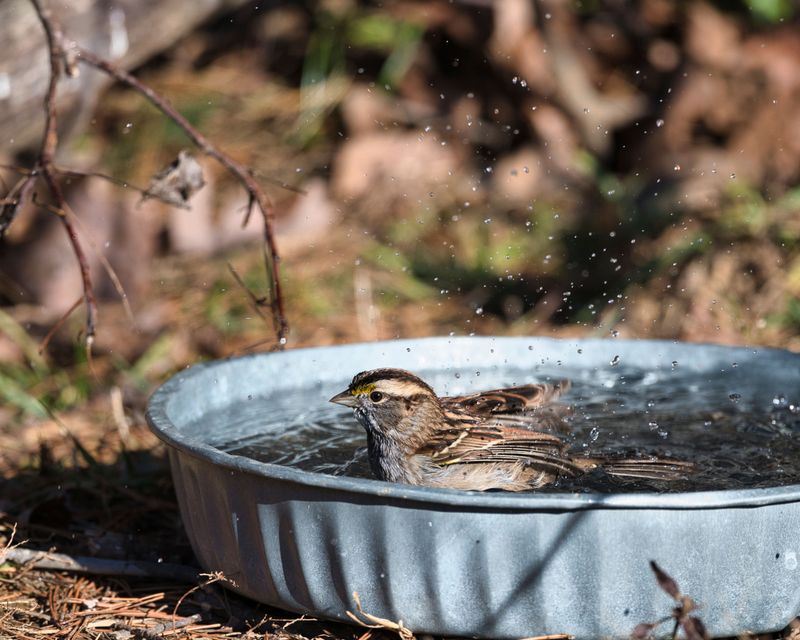
Splash. That sound alone can draw birds in from surprisingly far away. A simple water source is the single fastest way to attract more birds to your yard this summer.
Birds need fresh water every single day. They use it for drinking, bathing, and cooling off when summer heat gets brutal.
A basic ceramic birdbath works well, but moving water works even better. Birds pick up on the sound and sight of rippling water from a surprising distance.
You can add a small solar-powered fountain to any existing birdbath for under twenty dollars. Simple to set up, ready to use.
Keep the water shallow, no deeper than two inches. Many birds feel nervous in deep water and will skip a bath that feels unsafe.
Scrub the basin every two to three days to prevent algae and mosquito larvae. Clean water keeps birds healthy and coming back for more.
Place your water feature near shrubs or low branches. Birds like to perch and preen nearby after a bath, so give them that landing spot.
Avoid putting it directly under a feeder. Seed hulls and droppings contaminate the water fast and make maintenance a chore.
A good water feature does not have to cost much. Even a shallow terracotta saucer on a stump does the job beautifully.
Once birds discover your water source, they will come back daily. That loyalty is the reward you did not know you were working toward.
2. Plant Native Species That Feed Birds Year Round
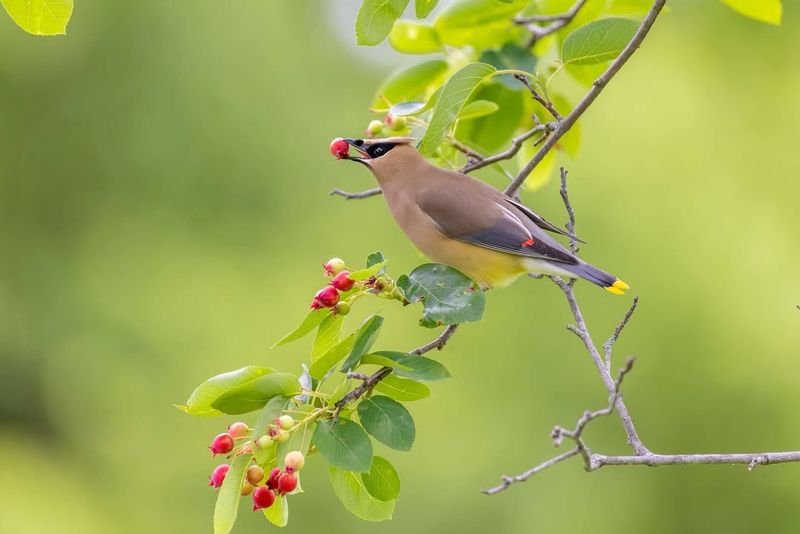
Your yard is either a buffet or a food desert for local birds. The difference almost always comes down to whether you have native plants or not.
Native plants evolved right alongside local bird species over thousands of years. They produce seeds, berries, and insects that birds are already wired to seek out.
Serviceberry is one of the best choices for mid-Atlantic yards. It produces fruit in late spring and early summer, right when migrating birds need fuel most.
Coneflowers are another powerhouse plant. Goldfinches go absolutely wild for the seed heads in late summer, sometimes hanging upside down to get every last one.
Black-eyed Susans, native oaks, and wild sumac all offer serious food value. A single oak tree can support hundreds of caterpillar species that birds feed to their nestlings.
Your Virginia Garden Changes Every Week. Your Plan Should Too.
Gardening in Virginia changes quickly throughout the season. Every Friday you’ll receive a simple weekly plan showing exactly what to plant, prune, fertilize, harvest, and protect so you never miss the right timing.
Non-native ornamentals might look pretty, but they often provide little to no food for wildlife. Swapping even a few of them out makes a measurable difference.
Native shrubs like beautyberry and spicebush produce berries that thrushes and warblers love during fall migration. Planting them now means food ready by next season.
You do not need to rip out your entire yard to make an impact. Start with one or two native plants and build from there each year.
Local nurseries that specialize in native plants are your best resource. Staff there can match plants to your specific soil type and sun conditions.
A yard full of natives is a yard that works for birds all year. That is a legacy worth planting.
3. Hang The Right Feeders For Virginia Bird Species
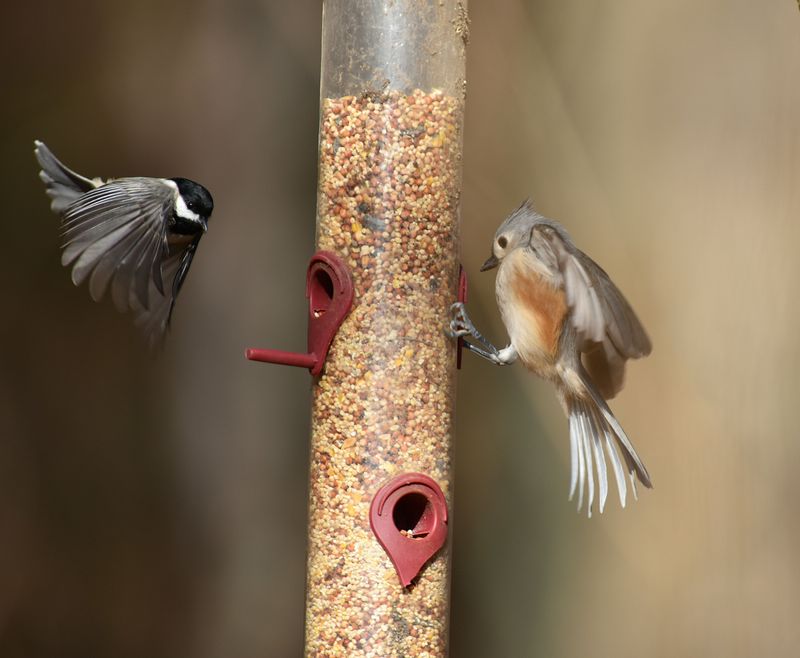
Not all feeders are created equal, and birds are picky customers. Hanging the wrong type of feeder is like setting out a menu nobody wants to order from.
Tube feeders filled with nyjer seed are magnets for goldfinches and pine siskins. These small birds have narrow beaks perfectly shaped for pulling out tiny seeds.
Platform feeders attract a wider crowd. Cardinals, juncos, and mourning doves all prefer feeding on a flat surface where they can see around them while they eat.
Sunflower seeds are the crowd-pleaser of the bird food world. Black-oil sunflower seeds have thin shells and high fat content, making them ideal for dozens of species.
Avoid cheap mixed seed blends loaded with milo and millet filler. Most songbirds toss that stuff to the ground and only eat what they actually want.
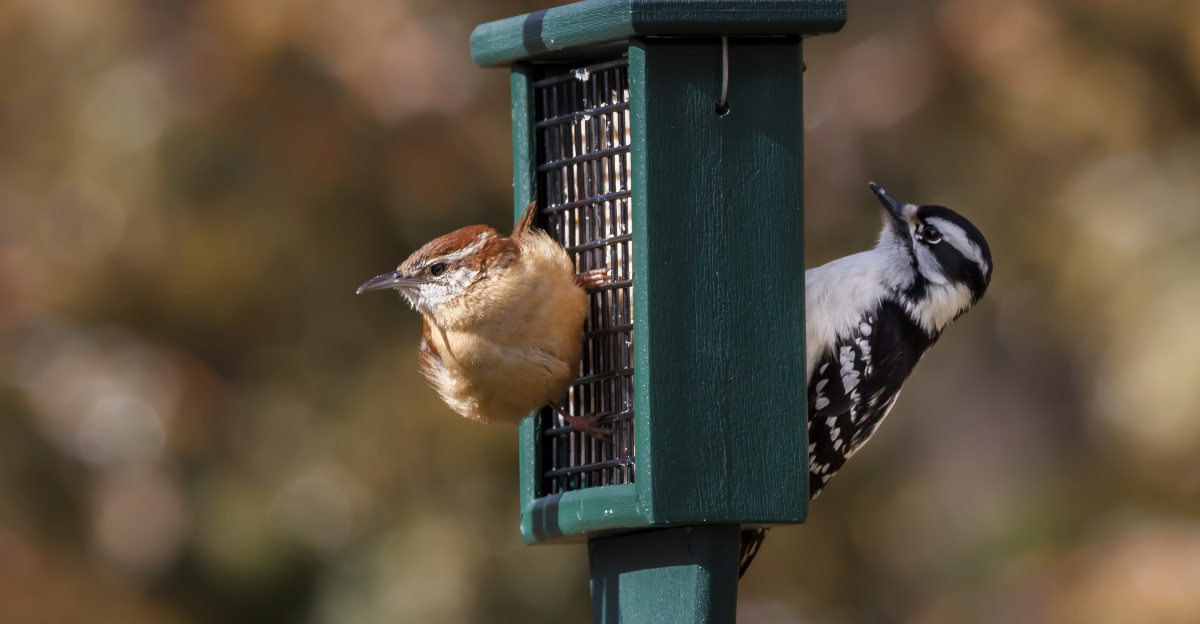
Suet cakes are a summer must for woodpeckers, nuthatches, and Carolina wrens. Use no-melt suet formulas in warm months so the fat does not turn rancid.
Hang feeders at different heights to attract different species. Some birds feel safer feeding close to the ground, while others prefer higher perches with better sightlines.
Clean your feeders every one to two weeks with a mild soap solution. Wet seed can grow mold that makes birds sick, so do not skip this step.
Place feeders within ten feet of a window or more than thirty feet away. That spacing reduces the risk of window collisions without sacrificing your view.
The right feeder setup brings birds close enough to watch in real detail. That kind of front-row seat to nature is genuinely hard to beat.
4. Build A Brush Pile In A Corner Of Your Yard
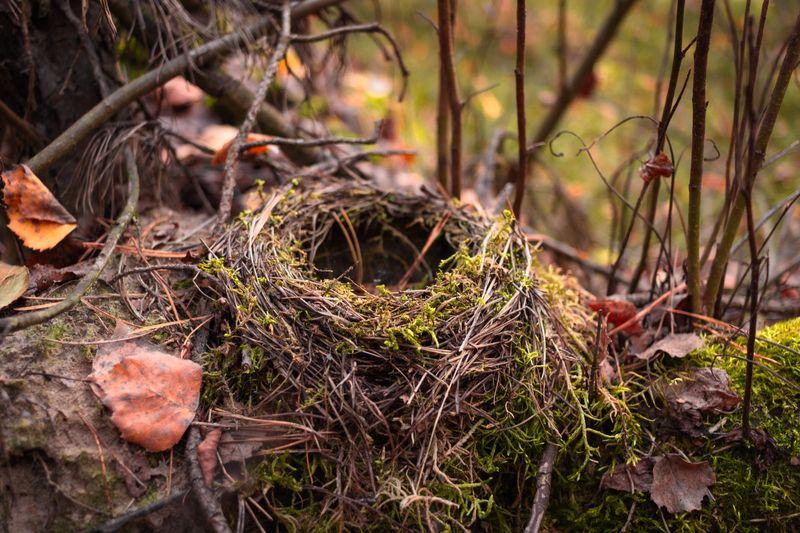
Most people look at a pile of sticks and see a mess. Birds look at the same pile and see a five-star hotel.
A brush pile is one of the cheapest and most effective habitat additions you can make. It costs nothing but a little time and a willingness to embrace organized chaos.
Towhees, sparrows, and wrens are ground-feeding birds that love rummaging through leaf litter and woody debris. A brush pile gives them exactly the kind of cover they need.
Start with a base layer of larger logs or thick branches. Stack smaller sticks and twigs on top, then finish with leaves and loose organic material.
Aim for a pile about four to six feet wide and three feet tall. That size gives birds enough room to move around inside while still feeling protected.
Tuck it into a back corner near native shrubs if possible. The combination of dense plants and a brush pile creates a layered habitat that many species find irresistible.
Small mammals like chipmunks and toads may also move in, which only adds to the ecosystem value. More critters mean more food sources for larger birds nearby.
Do not be tempted to tidy it up every spring. The whole point is to let it age and break down naturally over time.
Fallen branches from storm cleanup are perfect material. Save them instead of hauling them to the curb for trash pickup.
A brush pile looks wild, but it works hard. Once birds find it, they will use it every single day.
5. Cut Back On Pesticides And Let Insects Thrive
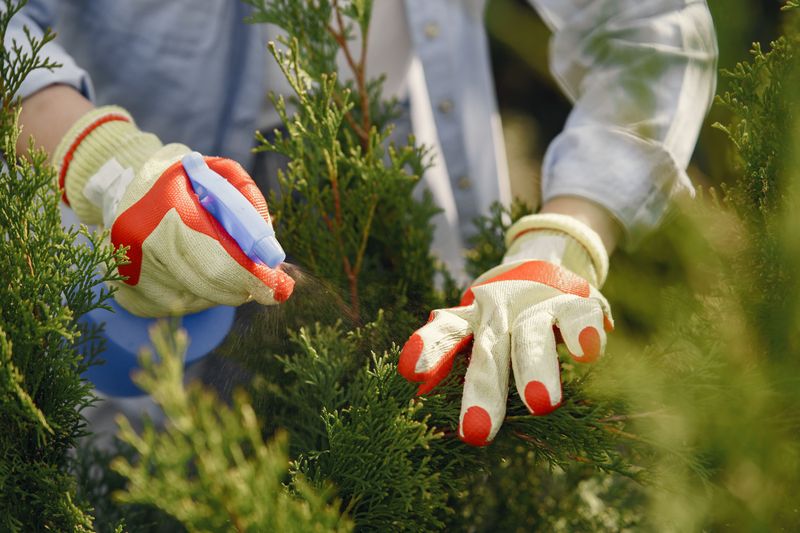
Here is a fact that changes how you see your yard: ninety-six percent of land birds feed insects to their young. Without bugs, baby birds simply can not survive.
Pesticides wipe out the insect populations that birds depend on to survive and raise their families. Even products labeled as safe can affect insect populations in ways that ripple through the food chain.
Cutting back does not mean letting your garden turn into a jungle. It means being strategic about when and where you spray, and choosing targeted treatments over broad applications.
Start by identifying which pests are actually causing damage. Many insects that look scary are largely harmless or even beneficial to your garden ecosystem.
Ladybugs, lacewings, and parasitic wasps are all natural pest controllers. Reaching for a broad-spectrum spray removes your garden’s own defense system.
Aphids and caterpillars that seem like problems are often food sources for warblers, chickadees, and flycatchers. A few chewed leaves are a small price for a yard full of birds.
If you must treat a plant, use targeted organic options like neem oil or insecticidal soap. Apply them in the evening when beneficial insects are less active.
Letting some areas of your yard go a little wild is genuinely helpful. Unmowed patches and leaf litter harbor the ground beetles and grubs that robins love to hunt.
Healthy insect populations are the foundation of a healthy bird habitat. Protect them and the birds will take care of the rest.
Your yard can be both tidy and teeming with life. You just have to decide what you are actually growing it for.
6. Put Up Decals To Stop Window Collisions
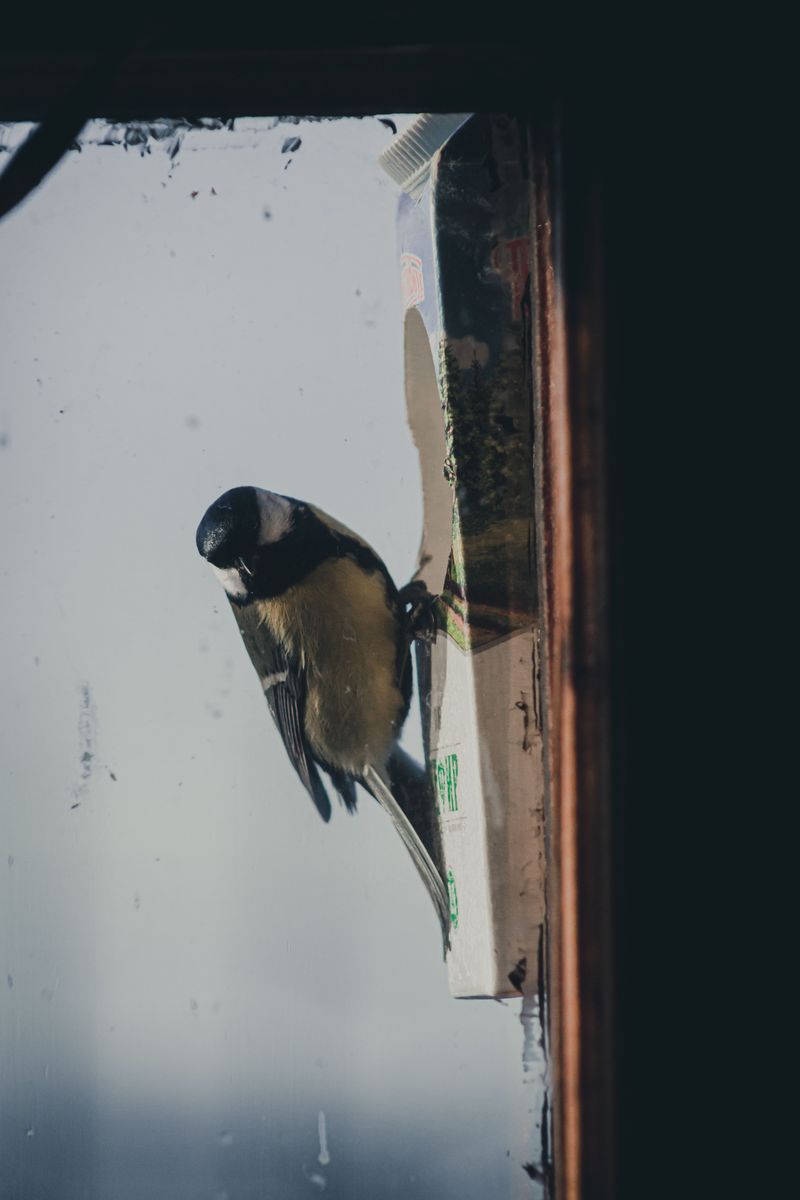
About one billion birds are lost to window strikes in the United States every single year. That number is staggering, and most of it happens at ordinary homes just like yours.
Birds cannot see glass the way we do. They see reflections of sky and trees and fly straight into the surface at full speed.
Decals are the easiest fix, and they actually work when applied correctly. The key is spacing them no more than two inches apart in a grid pattern.
One or two decorative stickers in the corner of a window will not do the job. Birds need visual markers across the entire glass surface to recognize the barrier.
UV-reflective decals are nearly invisible to human eyes but show up clearly to birds. They are a sleek solution that does not block your view or ruin your window aesthetics.
You can also use tempera paint, soap markers, or tape strips in a dot pattern. These options are cheap and surprisingly effective for problem windows.
External window screens are another strong option. The mesh texture breaks up reflections and creates a physical buffer between birds and the glass.
Placing feeders either very close to windows or far away also helps reduce strikes. Birds flying from a feeder ten inches away cannot build up enough speed to get hurt.
Check your windows in the morning light to see which ones reflect the most sky. Those are the panes that need treatment most urgently.
Every collision prevented is a bird that survives to sing another morning. That is worth a few decals and twenty minutes of your time.
7. Layer Your Plants From Ground Level To Treetop
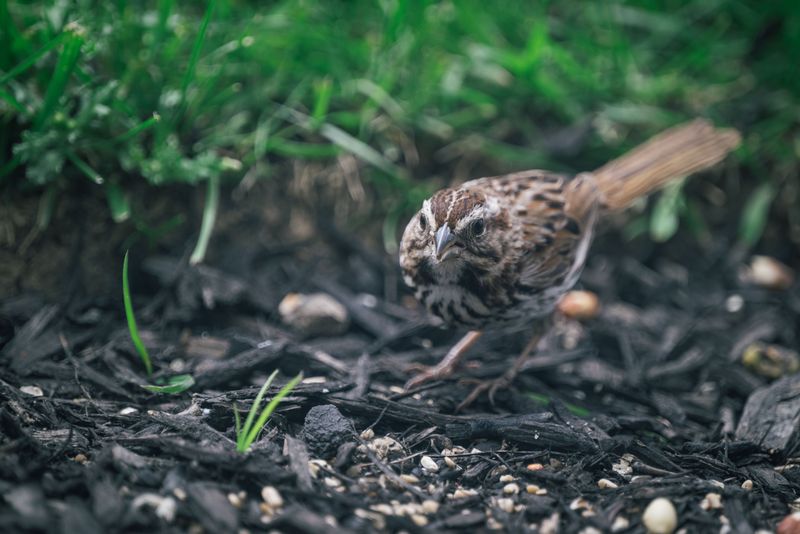
Think of your yard as a high-rise apartment building. Different birds want to live on different floors, and most yards only offer one or two levels.
Layering your plants from the ground up creates a diverse habitat that serves far more species than a simple lawn with a few trees.
Ground cover plants like wild ginger and creeping phlox shelter thrushes and sparrows. These birds spend most of their time at or near ground level, foraging through leaf litter.
Mid-level shrubs like native viburnums and spicebush attract warblers and catbirds. These species hunt insects and berries in the middle zone between the ground and the treetops.
Tall canopy trees like oaks, hickories, and tulip poplars host orioles, tanagers, and vireos. These birds rarely come down to feeders but will nest and feed high in the branches.
Even a small yard can support multiple layers with smart plant choices. Compact native shrubs and ornamental trees let you build vertical structure in tight spaces.
Avoid the common mistake of mowing right up to your tree trunks. Leaving a ring of mulch or native ground cover around each tree base adds valuable habitat.
Vines like native trumpet honeysuckle can fill vertical gaps along fences and walls. Hummingbirds are especially drawn to the bright tubular blooms in summer.
Each layer you add multiplies the number of species your yard can support. More layers equal more birds, more variety, and more reasons to look out your window.
A layered yard does not happen overnight, but every plant you add moves the needle. Start at the ground and build your way up.
8. Install Nesting Boxes For Local Virginia Birds
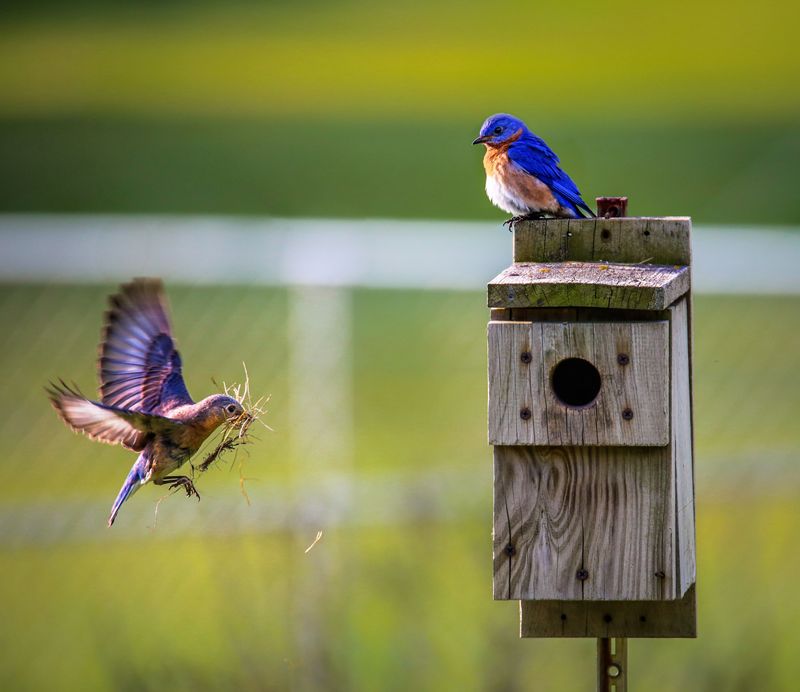
Bluebirds lost ground for decades as natural tree cavities disappeared. Nest boxes remain one of the best ways to support them.
Eastern bluebirds, Carolina chickadees, and house wrens all readily accept nest boxes in suburban and rural yards. Each species has specific requirements for hole size and box placement.
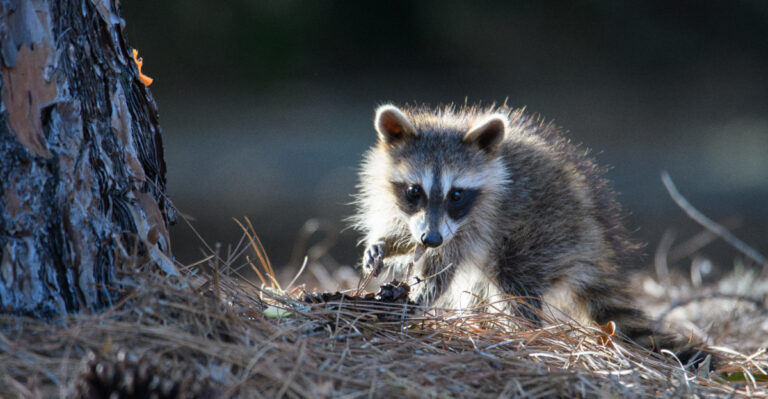
Bluebird boxes need a one-and-a-half-inch entrance hole and should face an open area. Mount them on a metal pole with a predator guard to protect eggs from raccoons and snakes.
Chickadees prefer boxes near woodland edges with smaller entrance holes of about one-and-an-eighth inches. Place those boxes four to six feet off the ground in a shaded spot.
Avoid mounting boxes on wooden fence posts or tree trunks without predator protection. Climbing mammals find those locations easily and raids destroy entire clutches of eggs.
Check your boxes weekly during nesting season, from March through July. Remove old nests after each brood fledges so new pairs can move in for a second round.
Do not use boxes with perches on the front. Perches do not help native birds but give house sparrows an advantage when competing for nest sites.
Cedar and pine are the best wood choices for a long-lasting box. Avoid pressure-treated lumber, which can release chemicals harmful to nesting adults and their chicks.
Space multiple boxes at least one hundred feet apart to reduce territorial conflict between pairs. Bluebirds are not fans of crowded neighborhoods.
Installing even one nesting box connects you directly to the breeding cycle of backyard birds in Virginia. That connection is what these easy tweaks are truly all about.