Why Virginia Tomatoes And Peppers Turn Black On The Bottom And How To Prevent It
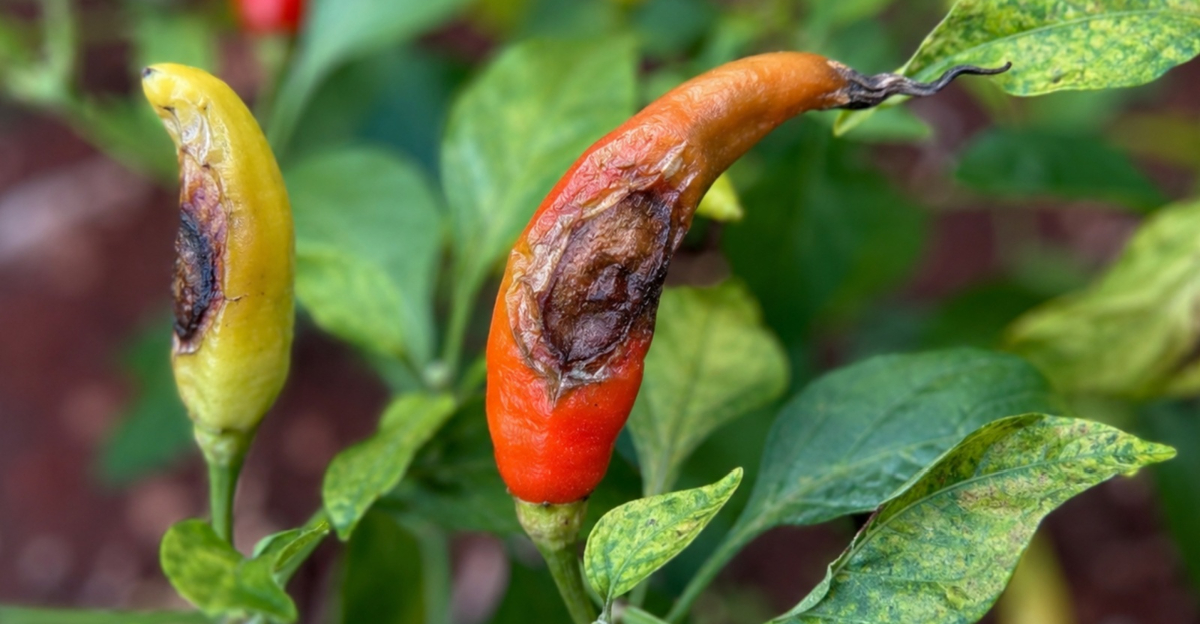
Forty days of faithful watering, perfect rows, and Virginia heat finally losing the argument. Then you flip one tomato over.
A dark, sunken patch spreads across the bottom, soft where it should have been firm. The whole basket suddenly feels wrong. That blemish has a name: blossom end rot.
It moves through tomatoes, peppers, and squash with quiet efficiency. It resembles disease but is not one. It suggests neglect but that is not it either.
At its core, it is a calcium delivery problem, shaped by how your plants absorb water, not by how generously you provide it.
Ever wonder why your most-watered plants struggle most? Virginia summers leave little room for uncertainty.
Once you understand what is limiting your fruit and how to correct it, far fewer harvests will end with that telltale dark bottom. Your garden will quietly become the envy of everyone who wishes they had yours.
Calcium Deficiency In The Developing Fruit
Most gardeners blame themselves when they see black bottoms on tomatoes and peppers. The real culprit hiding behind that damage is a calcium shortage inside the developing fruit itself.
Calcium is the building block that holds plant cell walls together. Without enough of it reaching young fruit, those cells collapse and turn dark, creating that signature sunken rot you see at the blossom end.
Here is the twist: your soil might actually have plenty of calcium in it. The problem is that the plant cannot move calcium fast enough to the fruit when conditions are off.
Calcium travels through a plant slowly and only through water movement. When fruit is growing quickly in warm Virginia summers, demand can outpace supply within days during a growth surge.
Tomatoes and peppers are especially vulnerable because their fruit develops so rapidly. Squash and watermelon can show the same problem, but gardeners notice it most on their beloved summer staples.
The dark tissue at the bottom is essentially compromised plant cells that never received enough structural support. Once that damage appears on a fruit, it will not reverse itself no matter what you do afterward.
Catching the early signs matters enormously. A small tan or water-soaked spot at the blossom end is the first warning before full darkening takes hold.
Understanding this calcium connection gives you real power over the problem. Knowing the root cause means every fix you apply actually targets the right issue from the start.
Inconsistent Watering Disrupting Calcium Transport
Picture this: you water deeply on Monday, skip Tuesday through Thursday, then soak the garden again on Friday. That wet-dry cycle quietly disrupts calcium delivery to your developing fruit.
Calcium does not move through a plant on its own. It rides along dissolved in water, traveling up from roots through stems and into developing fruit.
When soil goes dry between waterings, that flow stops completely. The growing fruit keeps expanding but receives no calcium during those dry gaps.
Then when you water again, the plant rushes water to leaves first because leaves transpire and demand moisture more aggressively than fruit does. Under dry conditions, fruit consistently ends up last in line for available water.
Your Virginia Garden Changes Every Week. Your Plan Should Too.
Gardening in Virginia changes quickly throughout the season. Every Friday you’ll receive a simple weekly plan showing exactly what to plant, prune, fertilize, harvest, and protect so you never miss the right timing.
Virginia summers make this worse because heat speeds up transpiration dramatically. On a 90-degree afternoon, a tomato plant loses moisture through its leaves faster than most gardeners realize.
Mulching around your plants helps slow that moisture loss from soil. A thick layer of straw or wood chips keeps the root zone cooler and holds water longer between sessions.
Many gardeners find drip irrigation one of the most effective upgrades they make to their routine. It delivers slow, steady moisture directly to the root zone without the feast-or-famine pattern of hand watering.
Even soil moisture is not just about plant comfort; it is the literal highway calcium uses to reach your fruit. Smooth out that highway and the black bottoms often stop appearing on their own.
Root Damage Or Restricted Root Systems
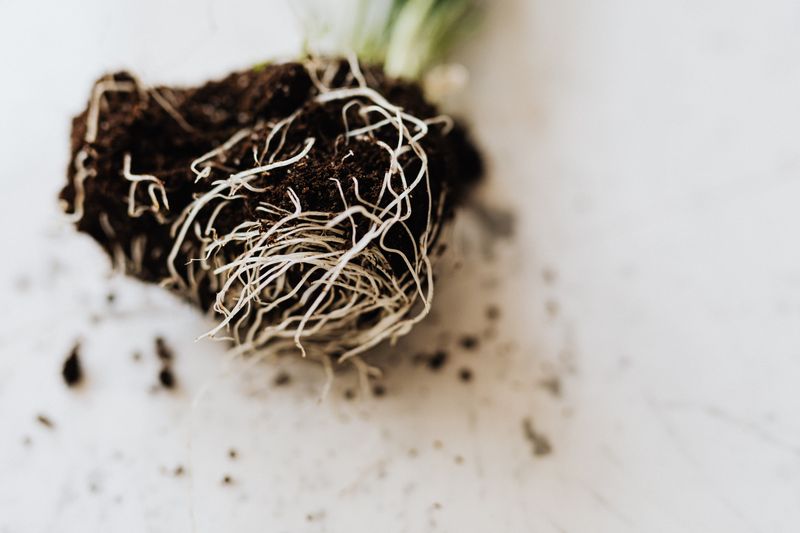
Healthy roots are the engine behind every thriving tomato or pepper plant. Damage those roots and the whole calcium delivery system breaks down almost immediately.
Root damage happens more often than most gardeners expect. Hoeing too close to the base of a plant, cultivating aggressively between rows, or even a curious dog digging nearby can sever the fine roots that do most of the water uptake.
Those fine feeder roots are the ones responsible for pulling calcium-rich water from the soil. Lose them and the plant simply cannot absorb what it needs, even when nutrients are sitting right there in the ground.
Container gardeners face a different version of this problem. Pots that are too small force roots to circle and crowd, limiting their ability to explore soil and pull in consistent moisture.
A tomato plant needs a pot of at least five gallons, and larger is genuinely better. Peppers can manage in smaller containers but still thrive with more root space to work with.
Soil compaction is another sneaky root restrictor. When soil gets packed down from foot traffic or heavy rain, roots struggle to push through and spread out to find water and nutrients.
Loosening soil before planting and avoiding walking directly on garden beds makes a real difference. Raised beds solve this problem beautifully because the soil stays loose and well-aerated all season long.
Over-Fertilizing With Nitrogen Or Potassium
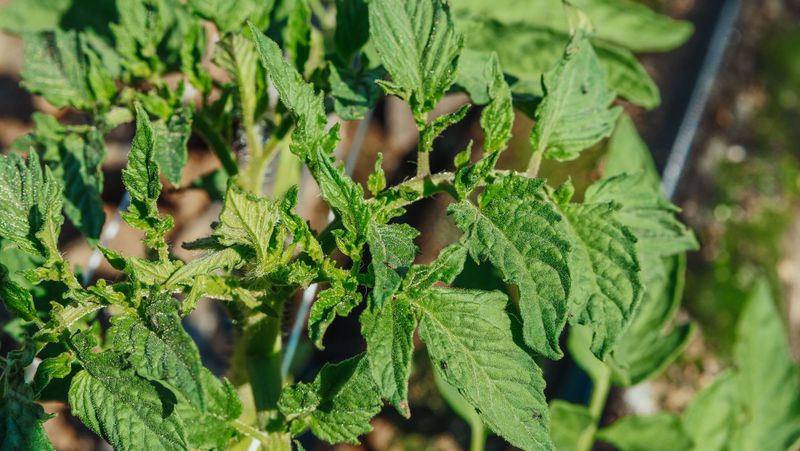
More fertilizer feels like more love for your garden, but sometimes that extra boost works directly against your fruit.
Over-fertilizing with nitrogen or potassium can actually block calcium from getting where it needs to go. Nitrogen pushes plants to grow fast and lush.
Rapid vegetative growth means the plant is pumping resources toward leaves and stems, leaving developing fruit short on calcium during those critical early weeks.
Potassium is trickier because it competes with calcium at the root level. When potassium levels in soil are too high, roots absorb potassium preferentially and calcium absorption drops sharply.
Magnesium does the same thing. Soils that are heavy in magnesium can suppress calcium uptake even when calcium is technically present in adequate amounts.
This is why a soil test is one of the smartest things a Virginia gardener can do before the season starts.
Your local cooperative extension office offers soil testing that reveals exactly what is already in your soil.
Over-applying nitrogen is an easy error to make, especially early in the season. Gorgeous leafy growth often signals that fruit quality is being sacrificed underneath all that beauty.
Once tomatoes and peppers begin flowering, ease back on nitrogen significantly. Switch to a fertilizer with a lower first number on the label, which represents nitrogen content.
Balanced feeding leads to balanced fruit production. Give your plants steady, measured nutrition rather than dramatic spikes, and your harvest will show the difference clearly.
Water Deeply And Consistently On A Regular Schedule
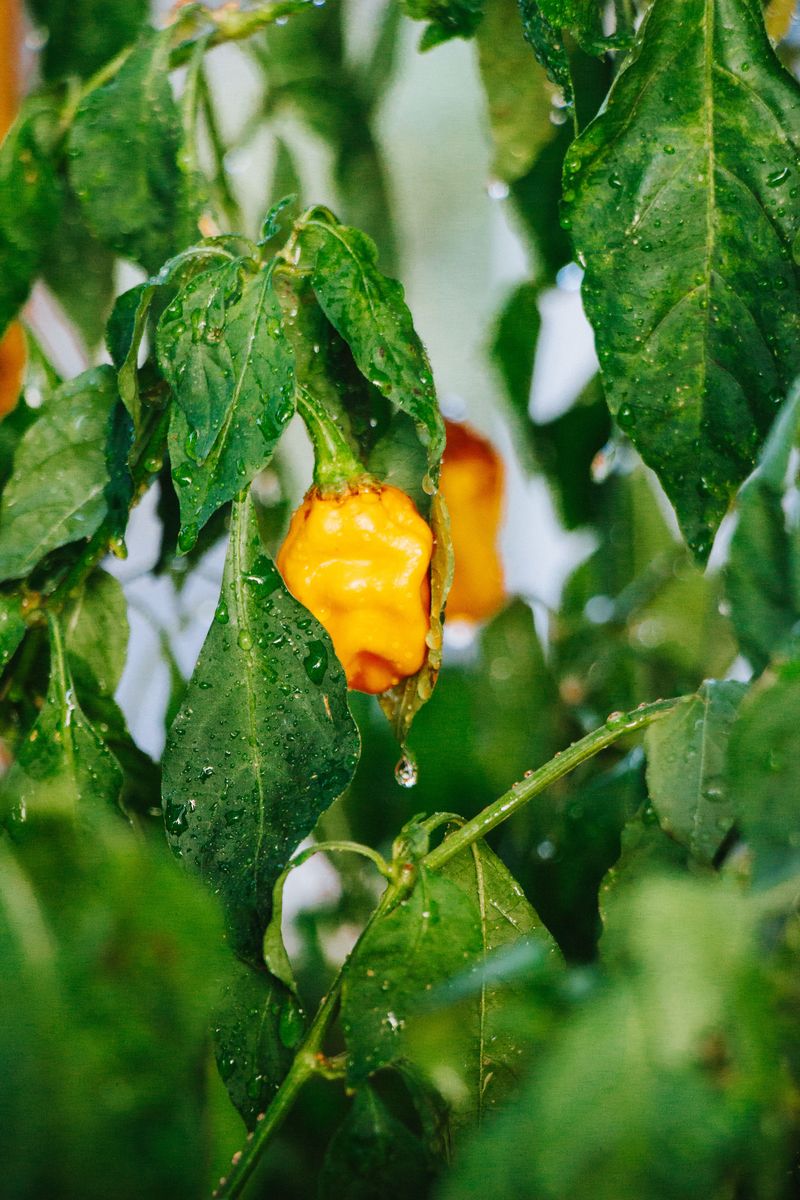
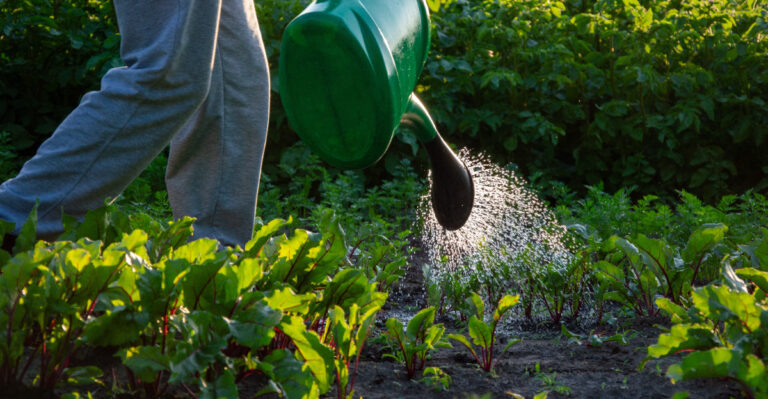
Fixing black bottoms on tomatoes and peppers starts with one simple but powerful habit: watering on a schedule you actually stick to. Consistent moisture is the single most effective tool you have against blossom end rot.
Deep watering encourages roots to grow downward into cooler, moister soil. Shallow watering keeps roots near the surface where they dry out fast and struggle to access nutrients consistently.
Aim to give your garden about one inch of water per week from rain or irrigation combined. During hot Virginia summers, that amount often needs to climb to one and a half inches or more.
A rain gauge is a cheap and surprisingly useful tool for tracking what your garden actually receives.
Guessing leads to either overwatering or underwatering, both of which cause problems for your plants.
Water in the morning when possible so foliage dries before evening. Wet leaves overnight invite fungal issues that compound an already stressed plant.
Soaker hoses deliver water slowly right at the root zone without wetting leaves at all. Pairing them with a simple timer removes the guesswork from your entire watering routine.
Mulch is the secret partner to consistent watering. A two-to-three inch layer of straw or shredded leaves slows evaporation and keeps soil temperature steady between watering days.
Consistent watering gives your plants the best conditions to produce healthy fruit. Once you lock in a steady rhythm, many gardeners are surprised at how quickly new fruit comes in clean and healthy.
Fix Calcium Shortages With Lime, Gypsum, Or Foliar Spray
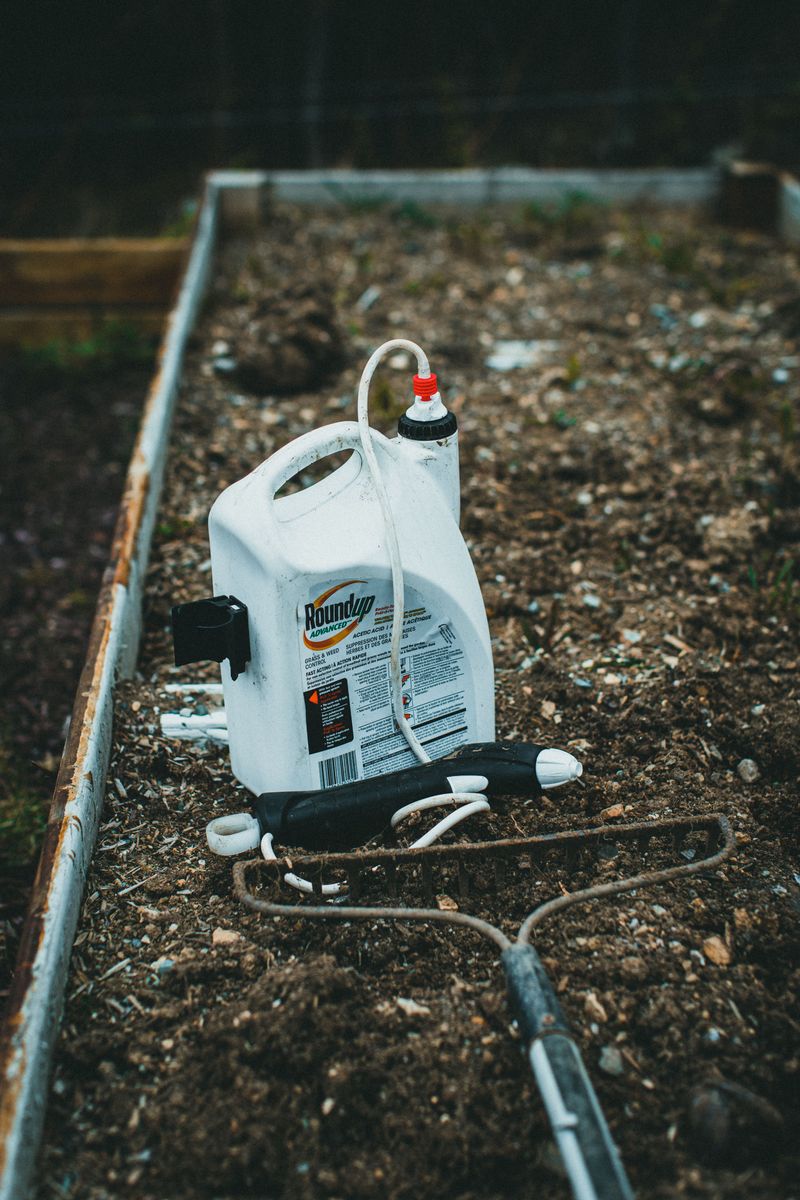
Sometimes your soil genuinely needs a calcium boost, and that is where targeted soil amendments come in.
Agricultural lime, gypsum, and foliar calcium sprays each offer a different way to address the shortage. Agricultural lime raises soil pH while adding calcium at the same time.
If your soil is on the acidic side, which is common across parts of Virginia, lime pulls double duty by correcting pH and feeding your plants.
Most tomatoes and peppers prefer a pH between 6.2 and 6.5, though growth remains strong up to 6.8.
Soil that falls below that range makes calcium harder for roots to absorb even when plenty of it is physically present in the ground. Gypsum is the better choice when your pH is already in the right range.
It delivers calcium directly without altering pH, making it a precise and targeted option for gardeners who have already balanced their soil.
Foliar calcium sprays are widely sold as a quick fix, but research on their effectiveness for blossom end rot is inconclusive.
Calcium cannot travel from leaves into developing fruit, so your most reliable route is correcting soil moisture and amending the root zone directly.
Mix calcium chloride or calcium nitrate solution according to label directions and spray it on leaves during cooler morning hours.
Avoid spraying in full afternoon sun to prevent leaf burn from the solution. Applying any amendment without a soil test first is a bit like guessing at a recipe.
Testing first tells you exactly how much to add and prevents accidentally overshooting in the other direction.
Targeted calcium application gives your plants what they need right now, and your garden will reflect that care in the quality of every fruit it produces.
Remove All Affected Fruit Immediately So New Growth Comes In Clean
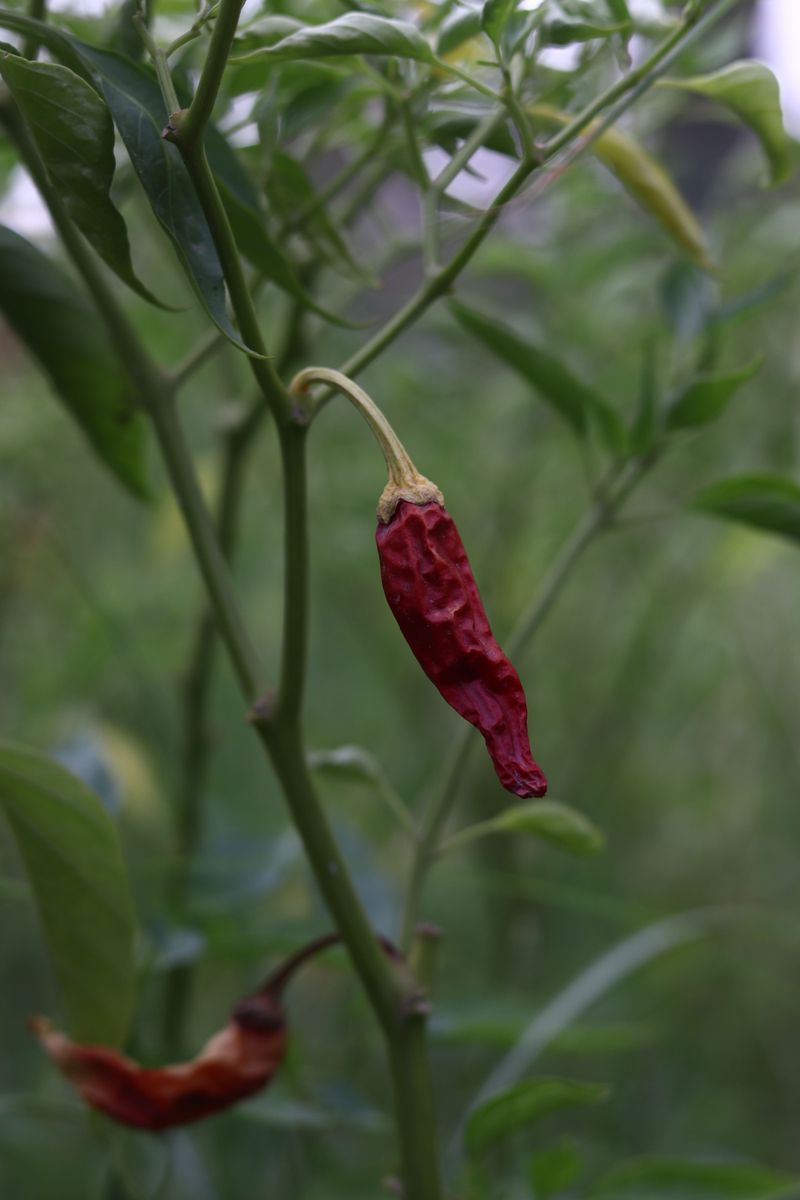
Spotting dark-bottomed fruit on your plants stings a little, but leaving it on the vine is the worst thing you can do for the rest of your harvest. Removing it promptly is generally the best course of action.
Damaged fruit does not recover. Once calcium deficiency causes those cells to collapse and darken, no amount of watering or spraying will reverse what already happened to that specific tomato or pepper.
Leaving affected fruit on the plant wastes energy the plant could redirect toward healthy new fruit setting on the vine.
Every day that damaged fruit stays attached is a day of resources diverted away from your good harvest.
There is also a secondary concern with softening fruit left on plants. Decomposing tissue attracts insects and fungal pathogens that can spread to otherwise healthy parts of the plant.
Removing the fruit cleanly with pruning shears or scissors prevents tearing the stem. A clean cut heals faster and reduces entry points for any opportunistic pathogens lurking in your garden.
Toss the removed fruit into a trash bag rather than your compost pile if rot has already set in. Compost piles do not always heat up enough to neutralize all the organisms that move into damaged tissue.
After removing the affected fruit, focus your energy on correcting the watering and calcium issues causing the problem. New fruit that sets after your fixes will often come in perfectly clean and healthy.
Clearing the damage and correcting the cause is exactly what every Virginia gardener needs to turn the season around fast and finish strong.