The Small Flowering Native Trees That Actually Belong In A North Carolina Suburban Backyard
Picking a flowering tree for your North Carolina backyard feels like a fun and straightforward decision right up until that tree starts pushing against your fence, shading out your vegetable garden, and cracking the edge of your patio ten years later.
Mature size, root spread, shade patterns, nearby structures, and overhead utility lines matter a lot more than most homeowners expect when they are standing in a nursery admiring something pretty in bloom.
North Carolina backyards come in every shape and situation imaginable, from tight city lots in Raleigh to sloped woodland edges in Asheville, and each one calls for a tree that actually fits the space.
The nine native flowering trees worth considering here can be genuinely rewarding choices, but every single one still needs the right light, soil, moisture, and room to perform well.
1. Flowering Dogwood Fits Woodland Edges
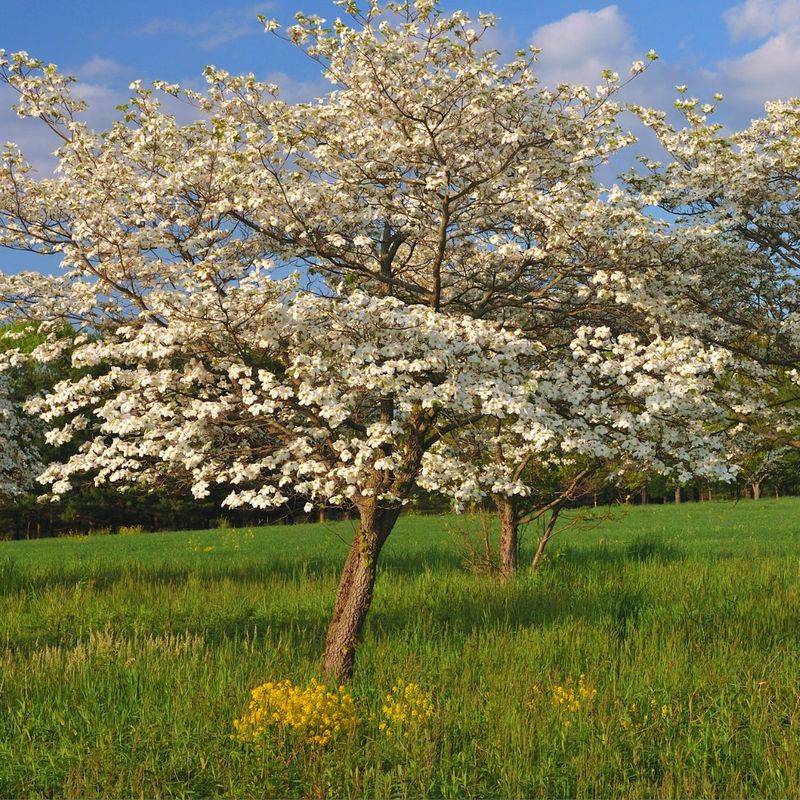
Spring in North Carolina often means one thing to backyard gardeners: the unmistakable white blooms of a Flowering Dogwood catching the light along a shaded fence line.
Cornus florida is one of the most recognized native trees in the eastern United States, and it earns that reputation every April when its four-petaled bracts open wide before most leaves have filled in.
Mature trees typically reach 15 to 30 feet tall with a broad, layered canopy that provides gentle filtered shade without overwhelming a modest backyard.
That horizontal branching habit makes it a natural fit for woodland edges, side yards, or spots near a patio where you want seasonal interest without heavy shade.
Flowering Dogwood tends to prefer well-drained, slightly acidic soil with good organic matter, which lines up well with many Piedmont and mountain garden conditions across North Carolina.
It does best with some afternoon shade, especially during hot summers, since full sun in heavy clay can stress the tree over time.
Birds rely on the bright red fall berries as a food source heading into winter, which adds real wildlife value. Give it room to spread, keep mulch away from the trunk, and avoid planting it in low spots where water collects after rain.
2. Eastern Redbud Brings Early Spring Color
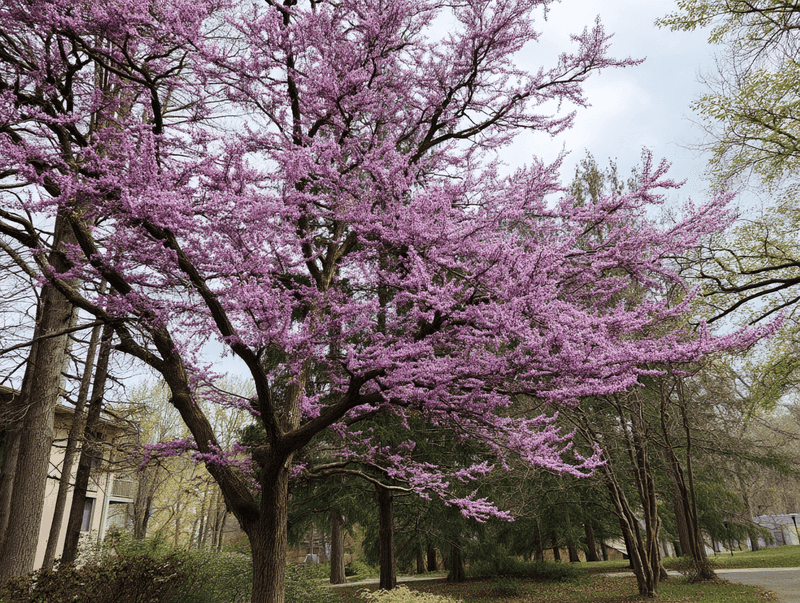
Few sights in a North Carolina yard are as striking as an Eastern Redbud covered in rosy-pink blooms while everything else around it is still bare and brown.
Cercis canadensis blooms earlier than almost any other native flowering tree, often putting on its show in late February or March across the Piedmont before spring has truly settled in.
The flowers emerge directly from the branches and trunk, which gives the tree a dramatic, almost otherworldly look from a distance.
Up close, those small pea-like blossoms are a critical early nectar source for native bees coming out of winter, making Redbud a genuinely useful addition to a pollinator-friendly backyard.
Eastern Redbud typically matures between 20 and 30 feet tall with a rounded, spreading crown.
It adapts reasonably well to a range of soil types, including the clay-heavy soils common across much of central North Carolina, though it tends to struggle in consistently wet or waterlogged spots.
Your North Carolina Garden Changes Every Week. Your Plan Should Too.
Gardening in North Carolina changes quickly throughout the season. Every Friday you’ll receive a simple weekly plan showing exactly what to plant, prune, fertilize, harvest, and protect so you never miss the right timing.
Heart-shaped leaves emerge after bloom and provide decent shade through summer before turning yellow in fall.
Plant it with enough room to spread, keep it away from utility lines, and consider placing it where you can enjoy the early bloom from a window or patio on a cool March morning.
3. Downy Serviceberry Works In Smaller Yards
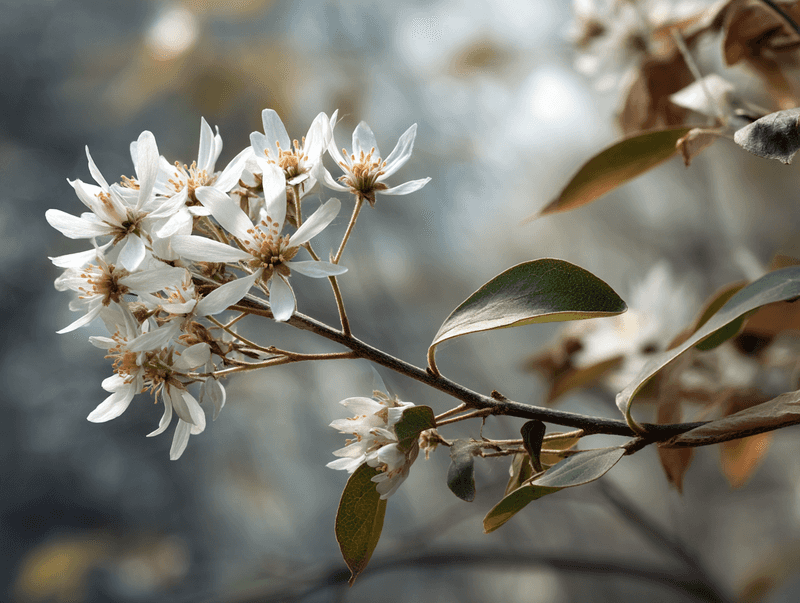
Compact suburban lots in North Carolina need trees that earn their keep through multiple seasons without demanding too much space, and Downy Serviceberry does exactly that.
Amelanchier arborea is a native small tree or large shrub that typically matures between 15 and 25 feet tall, making it one of the more manageable choices for tighter backyards, side yards, or spots near a fence line.
White flower clusters appear in early spring, often before the soft, downy new leaves fully open. The bloom period is brief but genuinely beautiful, and the small purple-red berries that follow in late spring are edible for people and irresistible to birds.
Fall color can range from orange to deep red depending on the season, which means Serviceberry offers something interesting from March through November.
It tends to prefer moist, well-drained, acidic soil and does well in partial shade, which suits the woodland edge conditions found in many North Carolina backyards that back up to tree lines or natural areas.
Multi-stem forms have a graceful, natural look that fits native plant gardens well. Single-trunk specimens work nicely near patios or walkways where a cleaner shape is preferred.
Either way, this tree rewards low-maintenance gardeners who want seasonal variety without constant pruning or watering.
4. White Fringetree Adds Soft White Blooms
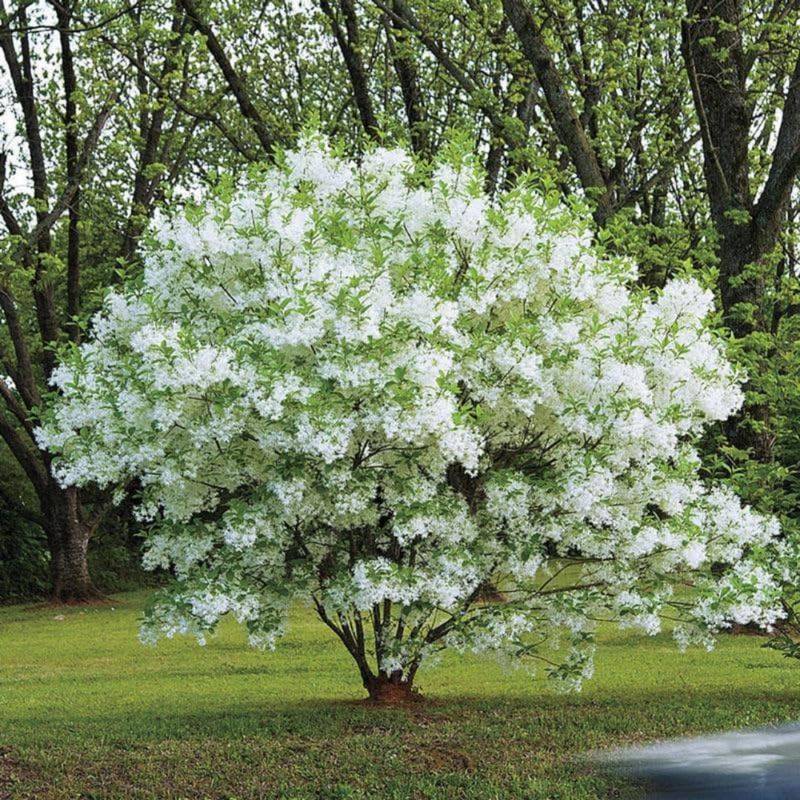
Late spring in a North Carolina backyard can feel like a gap between the early bloomers and summer color, and White Fringetree fills that window beautifully.
Chionanthus virginicus produces long, wispy white flower clusters that drape from the branches in May and June, giving the tree a soft, almost cloud-like appearance that stands out against a green lawn or wooden fence.
It is a slow grower that typically reaches 12 to 20 feet at maturity, which keeps it manageable for most suburban lots.
The tree can be grown as a single trunk or multi-stem form, and both have a natural elegance that works well near a patio, along a property edge, or as a focal point in a native plant garden.
White Fringetree tolerates a range of soil conditions and handles both partial shade and full sun reasonably well, though it tends to bloom more heavily with good light.
It is considered quite adaptable across North Carolina, from the Coastal Plain to the mountains, and has a reputation for being relatively low-maintenance once established.
Female trees produce small, dark blue fruits in late summer that attract birds. Male trees generally bloom more showily.
Plant one where you can appreciate the bloom up close, because the fragrance on a calm May evening is genuinely worth seeking out.
5. Red Buckeye Brightens Shady Corners
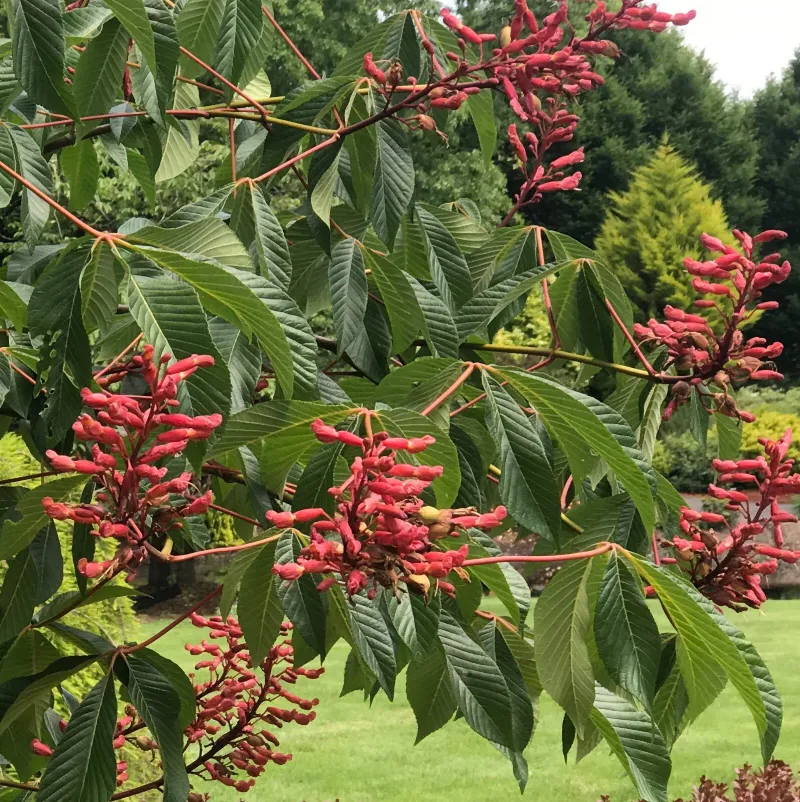
Shady corners in North Carolina backyards can be surprisingly hard to plant well, especially when you want something that actually blooms rather than just filling space with green leaves.
Red Buckeye, Aesculus pavia, is a native small tree or large shrub that thrives in shade and produces upright clusters of bright red tubular flowers in April and May, precisely when Ruby-throated Hummingbirds are passing through on their spring migration.
That connection to hummingbirds is one of the most compelling reasons to plant Red Buckeye near a patio or seating area where you can watch the activity.
The flowers are specifically shaped for hummingbird pollination, and the timing lines up almost perfectly with their northward movement each spring.
Red Buckeye typically matures between 10 and 20 feet tall with a rounded, spreading habit.
It prefers moist, fertile, well-drained soil and performs best in partial to full shade, which makes it well-suited to spots under larger trees or along north-facing fence lines in North Carolina suburban yards.
Leaves emerge early and may look tattered by late summer, which is normal for this species. Planting it behind other shrubs or perennials can help mask that late-season appearance.
The large seeds are toxic if eaten, so keep that in mind if children or pets spend time in that part of the yard.
6. Sweetbay Magnolia Brings Fragrant Flowers
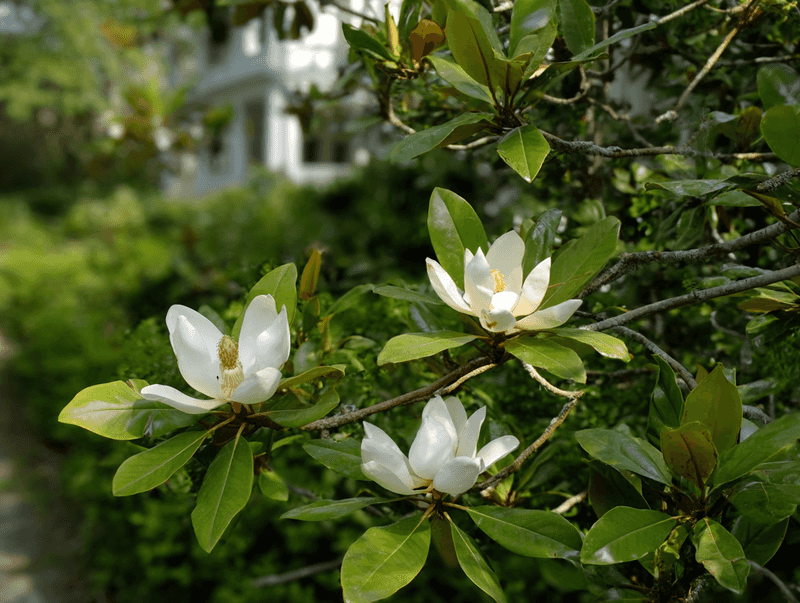
Walking past a Sweetbay Magnolia in bloom on a warm June evening in North Carolina is an experience that stays with you.
Magnolia virginiana produces creamy white, lemon-scented flowers from late spring through much of summer, which gives it a much longer bloom season than most other native flowering trees in the region.
In North Carolina, Sweetbay behaves as a semi-evergreen to evergreen tree in the Coastal Plain and as a more deciduous tree in the Piedmont and mountains.
It typically matures between 10 and 35 feet depending on location and growing conditions, so site selection matters more than it might with some smaller choices.
This tree strongly prefers consistently moist to wet soil and performs well along stream edges, rain gardens, low areas, or any spot in the yard that stays reliably damp.
That makes it a thoughtful choice for North Carolina homeowners dealing with a wet corner that other trees struggle to handle.
Wildlife value is solid, with red seeds in fall attracting birds and the flowers supporting native pollinators through summer. Sweetbay can work in a suburban backyard, but it genuinely needs moisture and some room to develop.
Very small or dry yards may not provide the right conditions for this tree to reach its potential.
7. American Plum Offers Spring Blooms
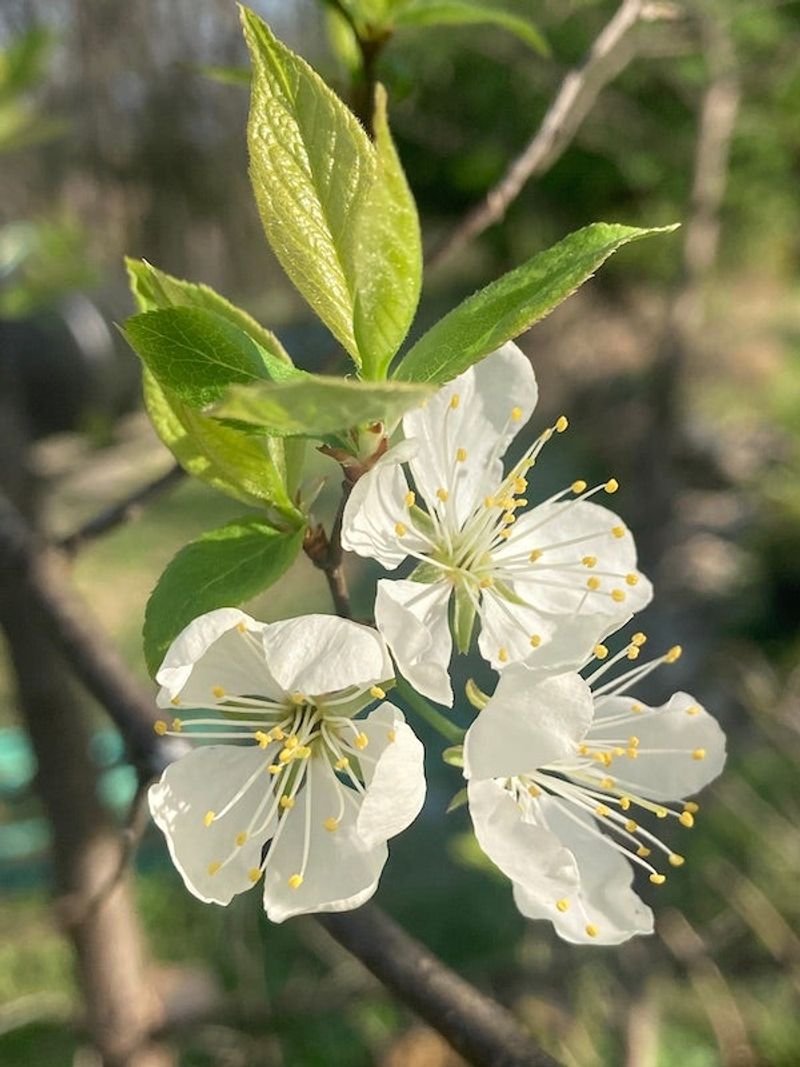
Before most North Carolina homeowners have even thought about spring planting, American Plum is already putting on a show.
Prunus americana blooms in early spring with dense clusters of small white flowers that cover the branches before the leaves emerge, creating a frothy, almost bridal-veil effect that looks striking against a clear sky or a wooden fence line.
It is a tough, adaptable native small tree that typically matures between 15 and 25 feet with a suckering, thicket-forming habit in the wild.
In a managed suburban yard, occasional pruning can keep it more contained, though homeowners should understand that it naturally wants to spread at the base over time.
American Plum tolerates a wide range of soil conditions, including clay, and handles both full sun and partial shade reasonably well.
That adaptability makes it a practical choice for North Carolina backyards where soil quality is inconsistent or where conditions along a fence line are less than ideal.
The small yellow to red fruits ripen in summer and are edible, though tart. Birds, mammals, and native pollinators all benefit from this tree across its season.
Plant it in a naturalistic border or wildlife-friendly bed where its spreading habit is an asset rather than a nuisance, and you will have a genuinely productive native planting.
8. Southern Crabapple Fits Roomier Backyards
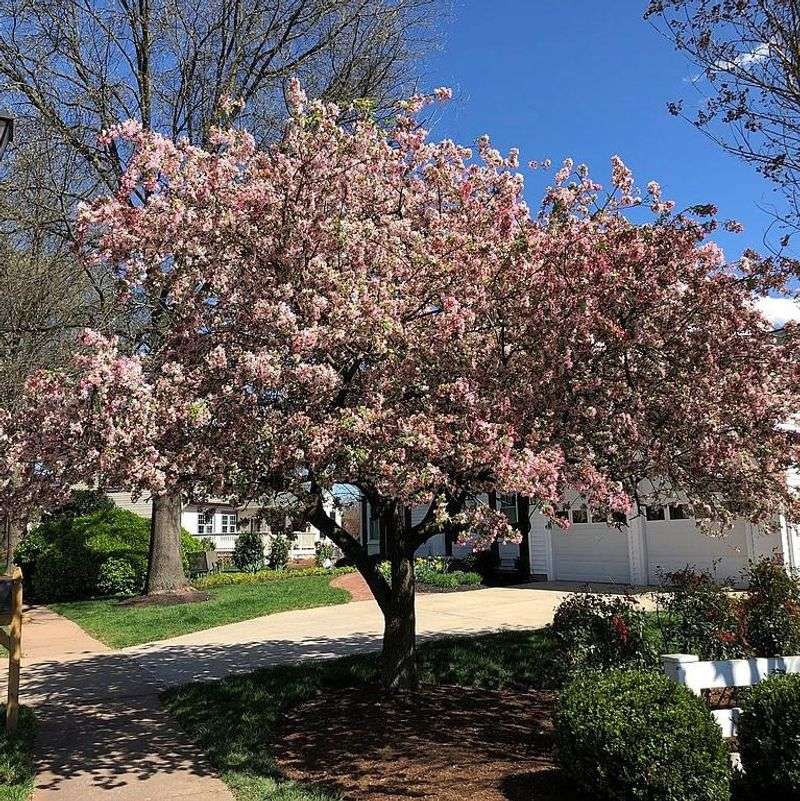
Gardeners with a bit more room to work with in their North Carolina backyards have a genuinely rewarding option in Southern Crabapple.
Malus angustifolia is the only crabapple species native to the Southeast, and it delivers a reliable spring bloom of fragrant pink to white flowers that open just as the leaves begin to emerge in late March and April.
The fragrance alone sets it apart from many other native flowering trees.
On a warm spring afternoon, a Southern Crabapple in full bloom fills the surrounding area with a sweet, pleasant scent that makes it worth planting near a patio or seating area where you spend time in spring.
Southern Crabapple typically matures between 20 and 30 feet with a rounded, somewhat open crown.
It prefers full sun and well-drained soil, and it tends to perform best in sites with good air circulation, which helps reduce susceptibility to common diseases like cedar-apple rust and fire blight.
Small tart fruits ripen in fall and are heavily used by wildlife, including birds, deer, and small mammals. This tree can work in a suburban North Carolina backyard, but it genuinely needs space, sunlight, and reasonable drainage.
Tight lots or heavily shaded yards are not ideal, and homeowners should plan for its eventual spread before choosing a planting spot.
9. Carolina Silverbell Belongs In Moist Shade
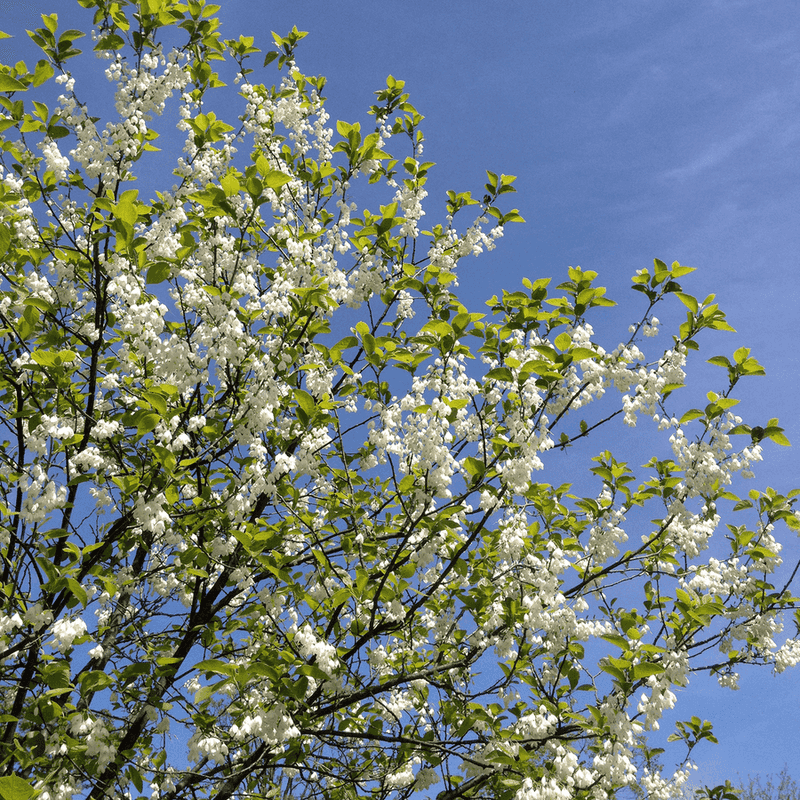
Tucked beneath taller trees along a moist, shaded slope in a North Carolina backyard, Carolina Silverbell is one of those native trees that rewards gardeners who take the time to match it with the right spot.
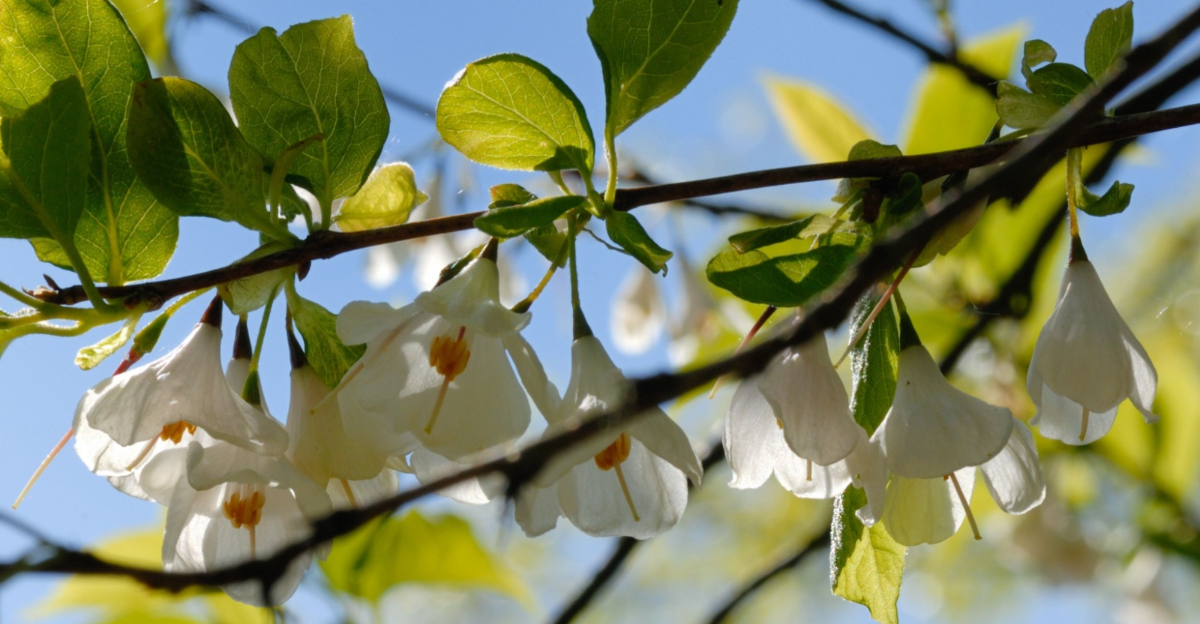
Halesia tetraptera produces small, white, bell-shaped flowers that hang in clusters from the branches in April and May, creating a delicate, graceful display that suits naturalistic and woodland garden styles beautifully.
It is a mid-sized native tree that typically matures between 20 and 40 feet, which means it needs more space than some of the smaller choices on this list.
That makes site planning especially important, particularly on compact suburban lots in North Carolina where overhead clearance and neighboring structures are real considerations.
Carolina Silverbell strongly prefers moist, well-drained, acidic soil with good organic matter. It performs best in partial shade, which mirrors the conditions of its natural woodland habitat in the Appalachian foothills and Piedmont of North Carolina.
Full sun combined with dry soil tends to stress this tree noticeably.
Yellow fall color adds a pleasant seasonal note, and the four-winged seed capsules are interesting through winter. This is a tree for homeowners willing to provide the right conditions rather than forcing it into a dry, sunny spot.
Given moisture, shade, and room to grow, Carolina Silverbell can become one of the most rewarding native trees in a North Carolina backyard.