Why More Iowa Homeowners Are Letting Part Of Their Yard Grow Wild
Something is changing in Iowa yards, and it’s not just the weather. Homeowners are putting down the mower, stepping back, and letting nature take over, at least in one corner of the property.
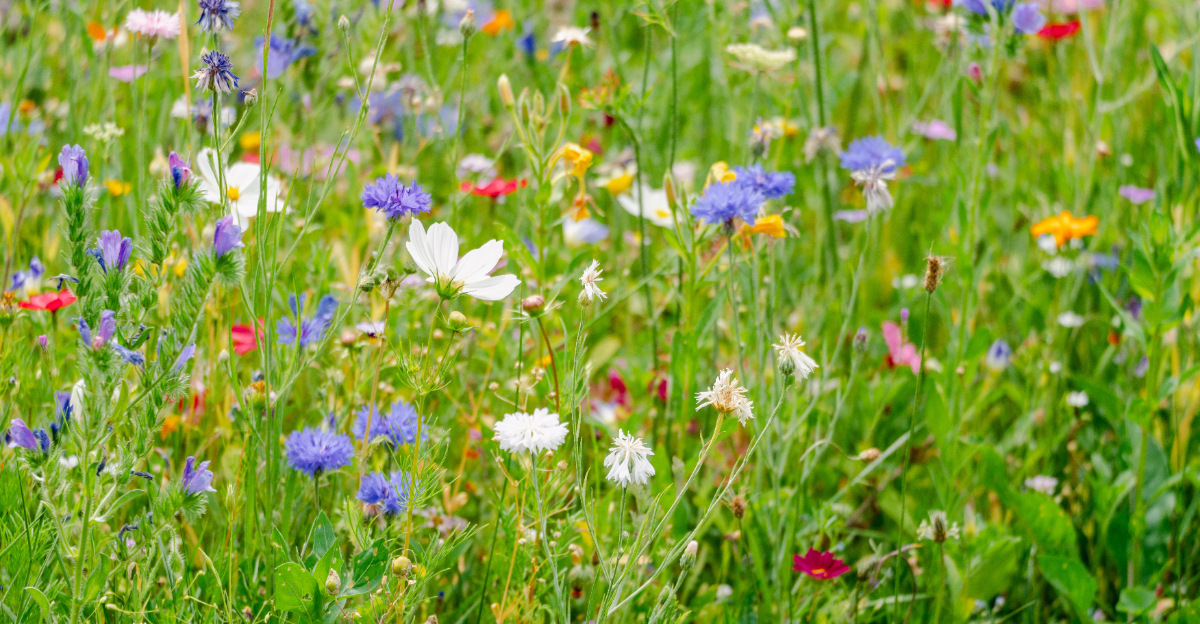
Native grasses are reclaiming old flowerbeds. Wildflowers are popping up where turf used to struggle.
And the bees? They’re back. This isn’t neglect. It’s a deliberate choice, and more Iowa homeowners are making it every season.
Some got tired of dumping money into a lawn that never looked quite right. Others watched pollinators vanish from their yard and wanted to do something about it.
Whatever the reason, the results are hard to argue with, less maintenance, more wildlife, and a yard that actually feels alive.
If your lawn has been feeling more like a chore than a retreat, this trend might be worth a closer look.
Iowa Homeowners Are Rethinking The Perfect Lawn
The perfectly manicured lawn has been the gold standard of American homeownership for decades. But something has shifted, and Iowa front yards are looking noticeably different these days.
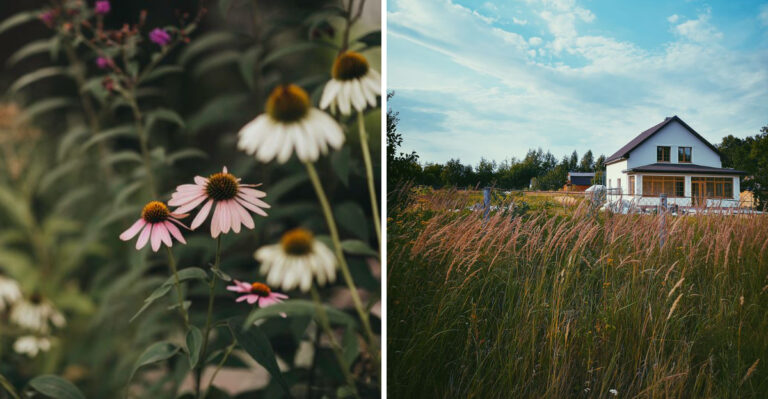
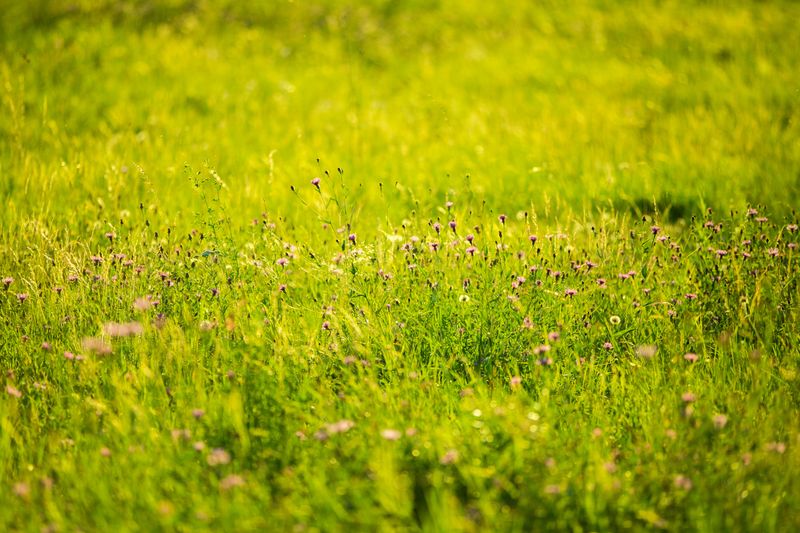
More Iowa homeowners are letting part of their yard grow wild instead of maintaining that flat green carpet. The change is showing up on quiet cul-de-sacs and busy corner lots alike.
The traditional lawn requires a lot of work and even more water. Mowing, fertilizing, and fighting weeds can eat up entire weekends from spring through fall.
Native plants, by contrast, take care of themselves once they’re established. They’ve evolved over thousands of years to thrive in this exact climate without much human help.
Keeping a traditional lawn healthy takes serious time, effort, and resources, and most homeowners feel it every single weekend.
Switching even a small patch to native plants can cut those costs dramatically. Many gardeners report spending almost nothing after the first planting season.
There’s also something emotionally satisfying about letting nature lead. Watching a patch of prairie flowers bloom where grass once struggled feels genuinely rewarding.
The movement isn’t about neglect or giving up on your home’s appearance. It’s about choosing a smarter, more intentional relationship with the land around you.
Across the state, this shift is gaining real momentum. The perfect lawn may finally be losing its grip on the American dream.
Wildlife Is Disappearing, And Yards Are Filling The Gap
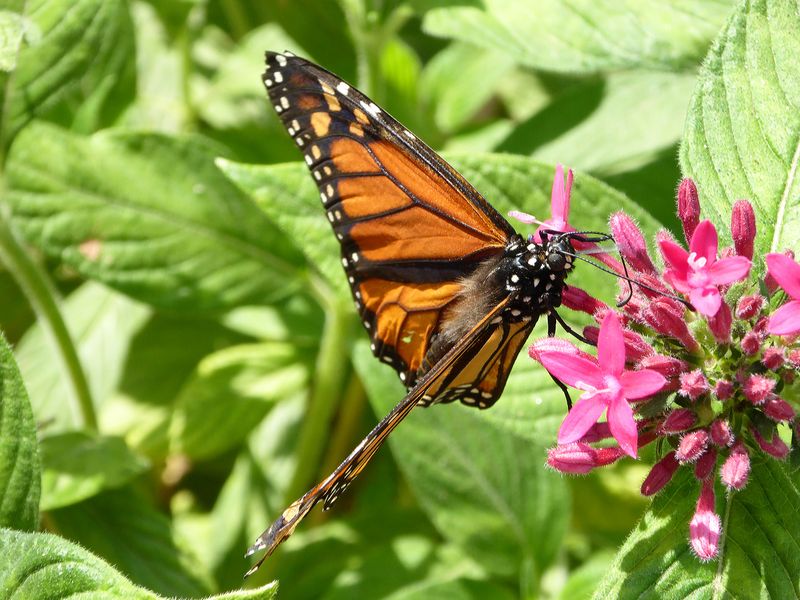
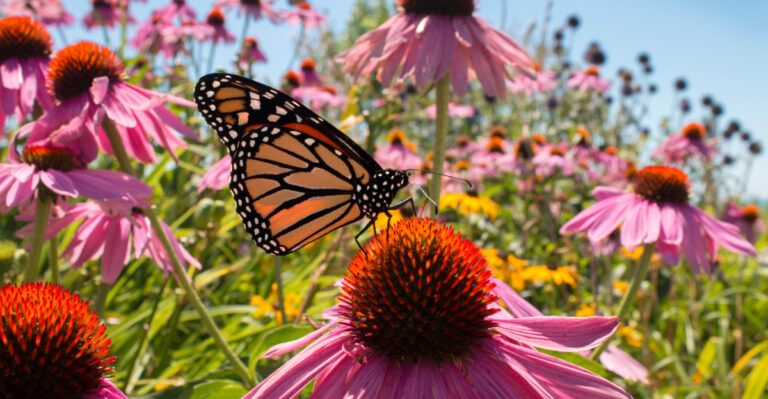
Monarch butterflies once filled Midwestern skies in breathtaking numbers. Today, their numbers have dropped sharply since the late 1990s, and scientists say the trend shows no sign of reversing.
Habitat loss is one of the main culprits, and yards across Iowa have become unexpected lifelines for struggling species. Private land now plays a critical role in wildlife survival.
When farmers converted prairies to cropland, millions of acres of natural habitat vanished. The insects, birds, and small mammals that depended on those spaces had nowhere left to go.
Backyard wild patches are stepping in to fill that gap. Even a small corner of native plants can support dozens of insect species and the birds that feed on them.
Your Iowa Garden Changes Every Week. Your Plan Should Too.
Gardening in Iowa changes quickly throughout the season. Every Friday you’ll receive a simple weekly plan showing exactly what to plant, prune, fertilize, harvest, and protect so you never miss the right timing.
Fireflies, once a common summer sight, are declining across the country. Reducing mowing and adding leaf litter gives these magical insects the habitat they need to reproduce.
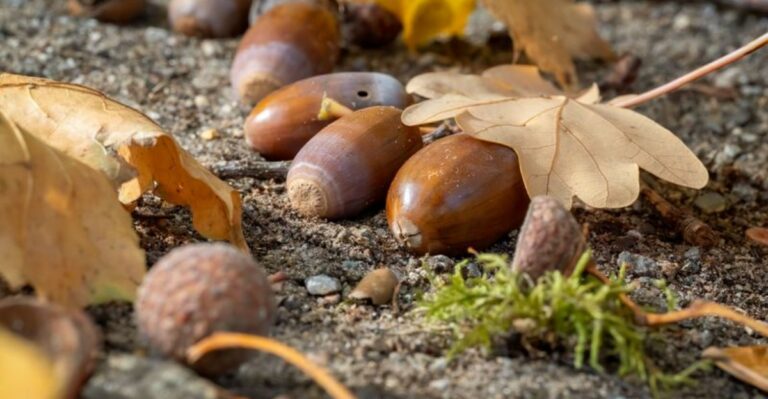
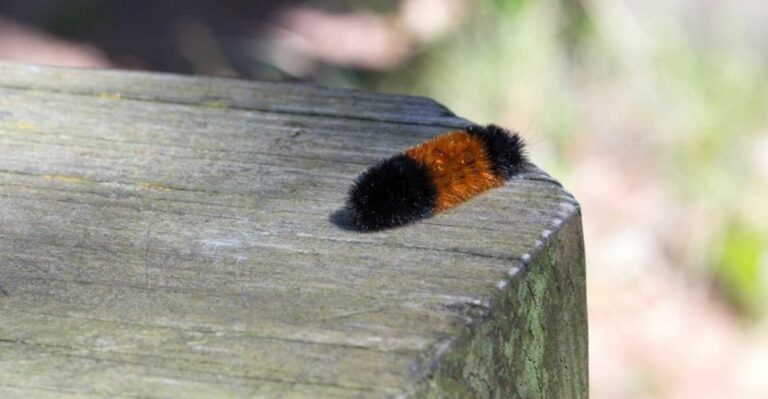
Songbirds rely heavily on caterpillars to feed their young. Native oak trees alone support over 500 species of caterpillars, making them powerful anchors for any wild yard.
Bees are another group facing serious pressure. Iowa alone is home to over 400 native bee species, and most of them nest in undisturbed ground or hollow stems.
A wild patch in your yard provides exactly that kind of shelter. You don’t need acres of land to make a measurable difference for local wildlife.
Every square foot of habitat matters in a fragmented landscape. Your yard might be the bridge a species needs to survive.
The Wild Corners Iowa Pollinators Can’t Resist
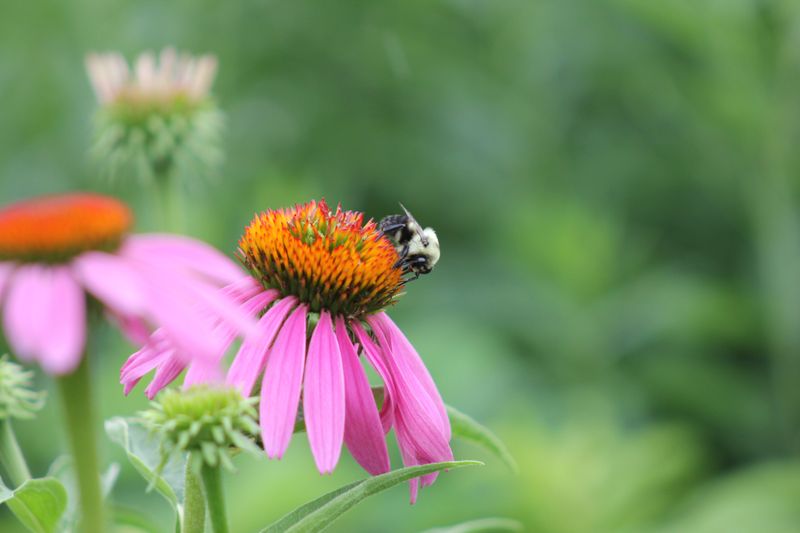
Pollinators are picky, and they have strong opinions about what they want in a yard. Luckily, their preferences are easy to meet with the right native plants.
Iowa sits along the Mississippi Flyway, one of the most important bird migration corridors in North America. That makes local yards especially important for pollinators passing through each season.
Purple coneflower is one of the most beloved native plants in the state. Bees swarm it from midsummer through fall, and goldfinches devour its seeds in winter.
Black-eyed Susans are another crowd favorite among pollinators. They bloom reliably, spread naturally, and look cheerful even in the hottest part of summer.
Wild bergamot, also called bee balm, is practically a pollinator magnet. Bumblebees, hummingbirds, and sphinx moths all compete for its fragrant pink blooms.
Wild corners work best when they include plants that bloom at different times. Staggering bloom times keeps food available from early spring through late fall.
Even a small three-foot-by-three-foot patch can attract and support multiple bee species. Bigger isn’t always necessary when the right plants are chosen.
Leaving some bare soil in a corner gives ground-nesting bees a place to burrow. About 70 percent of native bees nest underground rather than in hives.
Skipping the mulch in at least one spot makes your yard far more welcoming. Pollinators are waiting for exactly the kind of wild corner you can create this weekend.
The Best Plants For A Wild Iowa Yard
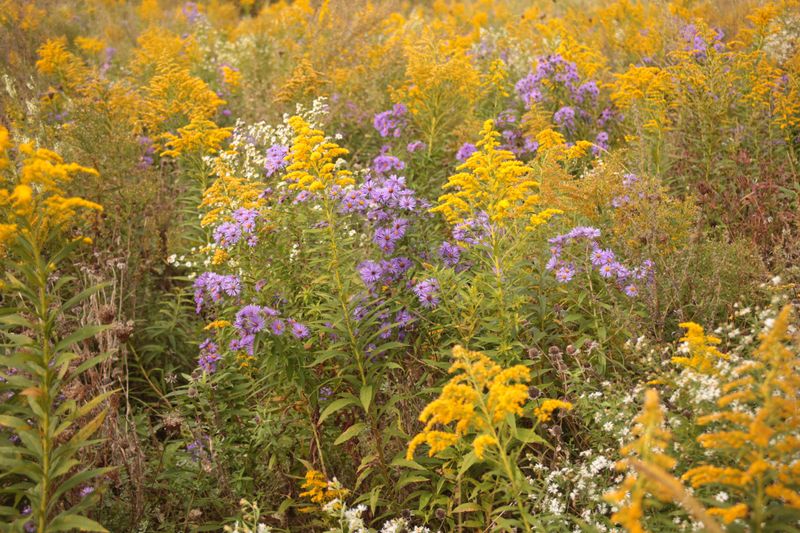
Not every plant earns a spot in a wild Iowa yard. The best choices are native species that evolved here and know exactly what to do with the local soil and weather.
Prairie dropseed is a graceful native grass that forms soft mounds of fine-textured foliage. It turns golden in fall and smells faintly of coriander when it blooms in late summer.
Wild blue indigo is a standout plant for early-season color. Its deep purple flower spikes emerge in spring, and its sturdy stems stay interesting well into winter.
Butterfly weed is technically a milkweed, and monarchs absolutely depend on it. Its bright orange clusters pop against green foliage and attract a parade of pollinator visitors.
Little bluestem grass is one of the most iconic plants of the tallgrass prairie. It turns a stunning copper-red in autumn and holds its feathery seed heads through the cold months.
Wild ginger makes an excellent ground cover for shaded corners. It spreads slowly, stays low, and provides important early-season food for specialist bee species.
Rattlesnake master looks like something from another planet. Its spiky, globe-shaped flower heads are architectural and dramatic, attracting wasps, beetles, and native bees.
Choosing a mix of grasses, forbs, and shrubs creates layers that mimic natural prairie structure. Layered planting supports far more wildlife than any single-species garden bed.
Start with three or four species and expand from there. A wild Iowa yard grows richer and more complex every single year.
How To Start A Wild Corner Without Losing Curb Appeal
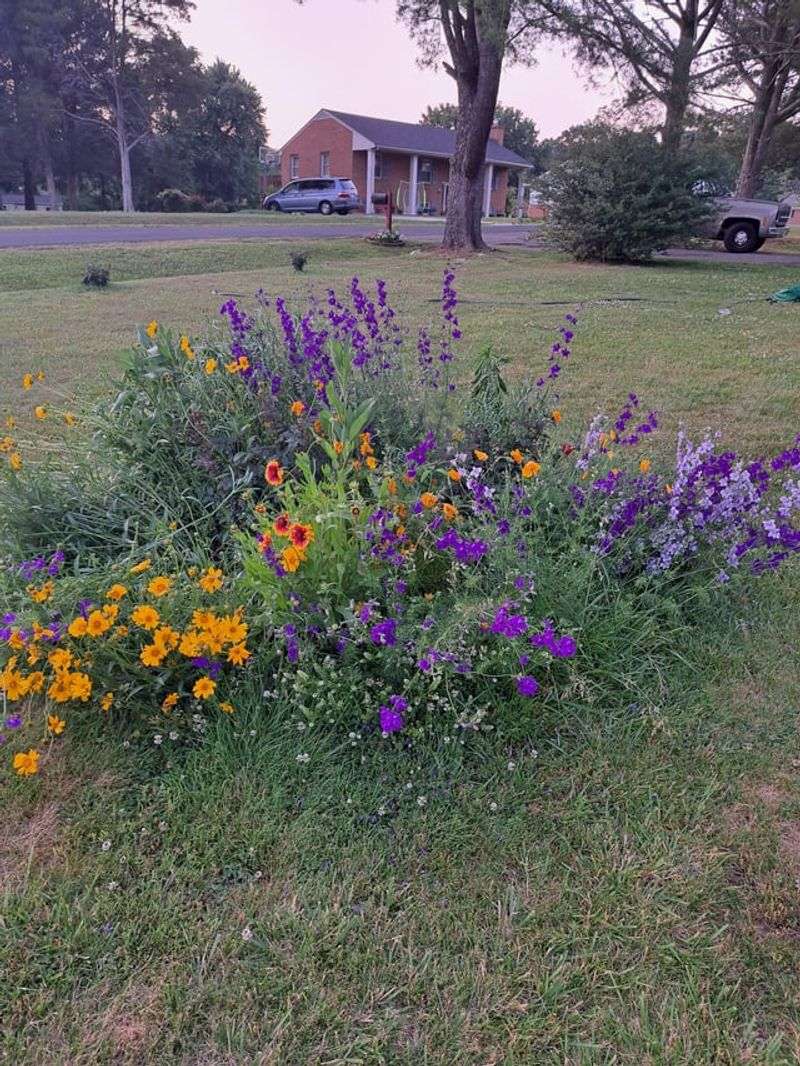
Wild doesn’t have to mean messy, and that distinction matters a lot to neighbors and HOAs. A few simple design choices keep a wild patch looking intentional rather than abandoned.
Start by defining a clear border around your wild area. A simple edging of stones, bricks, or steel strips signals that the space is planned, not forgotten.
A small sign identifying the area as a pollinator garden also helps a lot. Neighbors are far more accepting when they understand what they’re looking at.
Choose a back corner or side yard for your first wild patch. Starting away from the street gives you room to experiment before the whole neighborhood notices.
Mow a neat path through or around the wild section. That single gesture of maintained space makes even tall native plantings look deliberate and cared for.
Incorporate a few taller focal plants like wild bergamot or rattlesnake master. These add visual structure and keep the planting from looking like an accident.
Keep the edges clean even if the interior gets lush and full. A crisp outer edge does most of the heavy lifting for curb appeal.
Add a birdbath or a simple bench near the wild corner. These small touches communicate that the space is being enjoyed, not ignored.
Curb appeal isn’t just about neatness anymore. A thoughtfully designed wild corner can actually increase your home’s appeal to like-minded buyers in today’s market.
What Iowa Regulations Say About Wild Yards
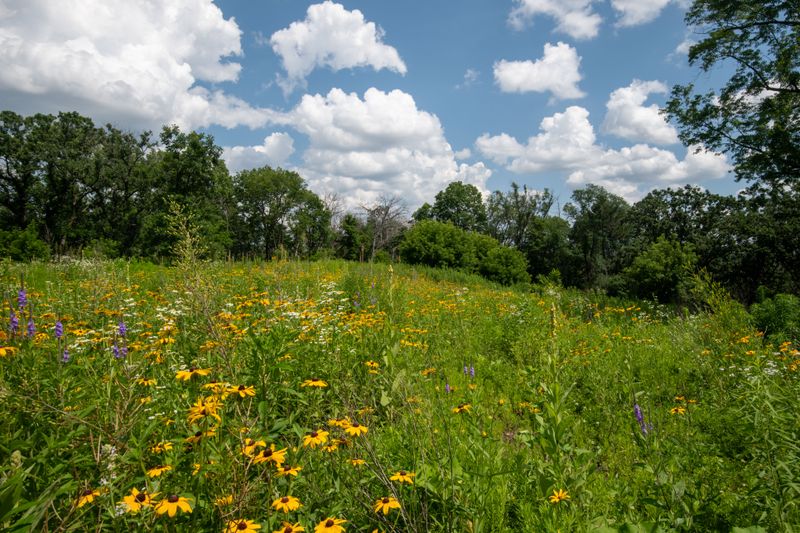
Before you let your yard grow wild, it pays to know the local rules. Iowa municipalities vary widely in what they allow when it comes to lawn height and native plantings.
Some cities have ordinances that cap grass height at six to eight inches. These rules were originally written to address neglected properties, not intentional native gardens.
The good news is that many Iowa cities have updated their codes in recent years. Some Iowa cities have begun revisiting their codes to better accommodate intentional native plantings.
If your city requires a permit or exemption, the process varies, some ask for a simple application, others want a basic site plan showing what you intend to plant.
If your neighborhood has a homeowners association, check the HOA rules before planting. Some HOAs have separate guidelines that go beyond city ordinances.
Talking to your neighbors before you start can prevent a lot of conflict. A friendly heads-up goes a long way toward keeping the peace on your block.
Iowa State University Extension offers free resources on navigating local plant ordinances. Their master gardener network can also connect you with others who’ve already gone through the process.
Documentation helps if questions arise later. Keep photos of your plantings and any permits or approval letters somewhere easy to find.
The regulatory landscape for wild yards is shifting fast across the country. Iowa is moving in a more nature-friendly direction, and that trend shows no signs of slowing down.