Arizona Shrubs That Bounce Back From Brutal Heat Faster Than You’d Expect
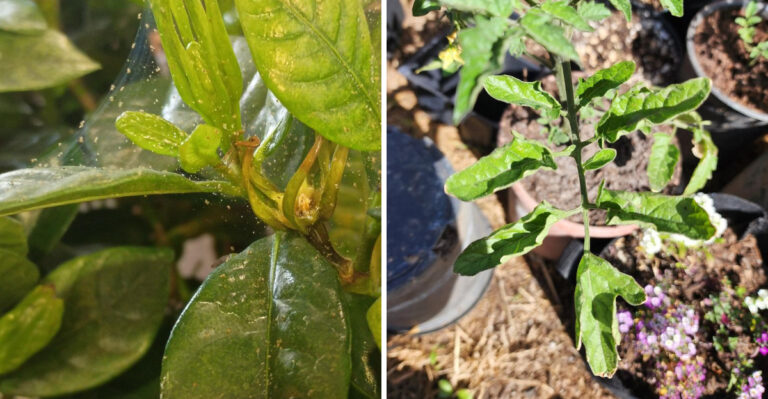
Mid-July in Arizona and the yard looks like it has given up entirely. The shrubs are dusty. Some have dropped half their leaves. A few look so still and pale that the reasonable assumption is that they are finished for the season, possibly forever.
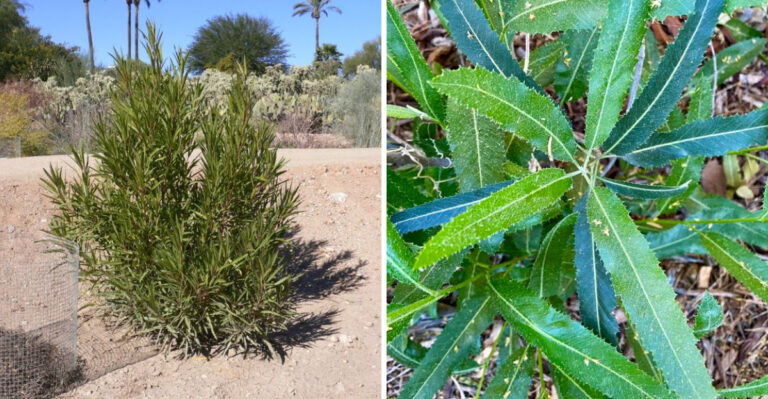
Many Arizona gardeners have been there. The temptation is to water aggressively, prune everything back, or replace the whole bed with gravel and call it a lesson learned.
But here is what experienced desert gardeners know that many people do not.
What does a stressed Arizona shrub in July actually look like versus one that is genuinely struggling beyond recovery?
The answer changes everything about how you respond. Because several of the most heat-stressed looking plants in an Arizona yard are not struggling at all.
They are waiting. Conserving. Running a survival strategy that has worked in this desert for thousands of years.
The right shrubs do not just survive Arizona summers. They come back from them looking better than before. Eight of them are worth having in your yard specifically for that reason.
1. Texas Sage Flushes Purple After Summer Stress
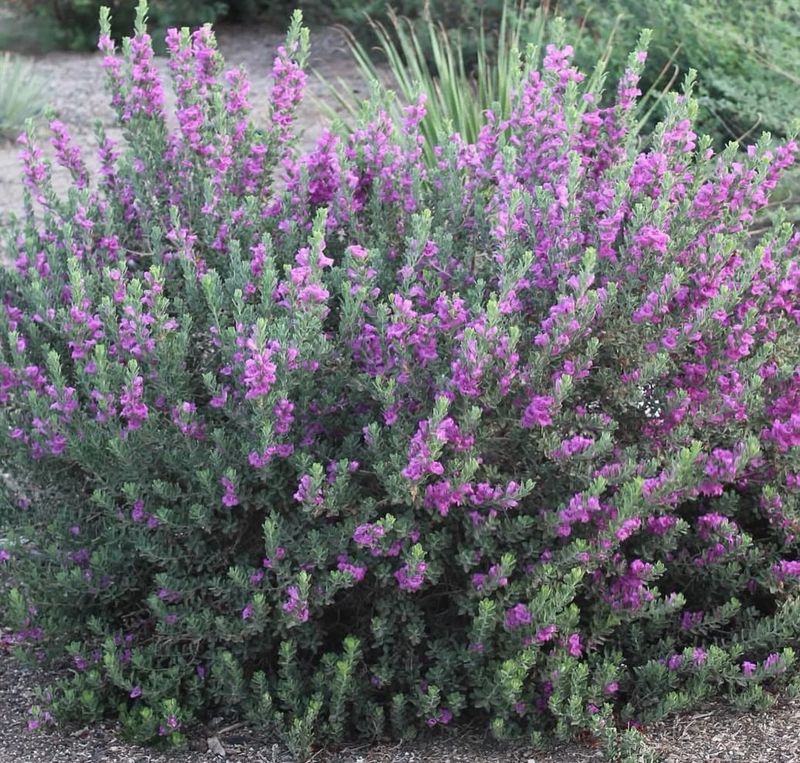
Right after a monsoon rolls through, Texas Sage does something that stops people mid-stride.
The silver-leafed shrub that looked quiet and motionless for weeks suddenly erupts in deep purple blooms.
The transformation happens fast. One muggy evening and the whole plant shifts from dormant-looking to spectacular.
Texas Sage, known botanically as Leucophyllum frutescens, thrives in full sun and reflected heat. Those silvery leaves are not just ornamental.
They actively reflect sunlight, helping the plant manage intense temperatures without much input from the gardener.
Recovery after heat stress shows up as fresh silver growth at the branch tips first, followed quickly by the bloom flush.
The flowers are triggered by rising humidity rather than rain specifically, so even a heavy monsoon atmosphere without significant rainfall can set things off.
The most common care mistake with this plant is overwatering. Texas Sage planted in heavy soil or watered on a regular schedule declines considerably faster than one left to dry out fully between infrequent waterings.
So, pull back the hose. Trust the plant. Let the monsoon handle the triggering. Good drainage, lean soil, and strong sun are the complete care requirements.
Texas Sage rewards patience with one of the most reliable color displays in the Arizona garden. It has been doing this every monsoon season for a very long time. You are not managing it so much as giving it permission to perform.
2. Desert Ruellia Keeps A Soft Shape In Heat
Not every desert shrub announces itself with spines and drama. Desert Ruellia takes a different approach entirely.
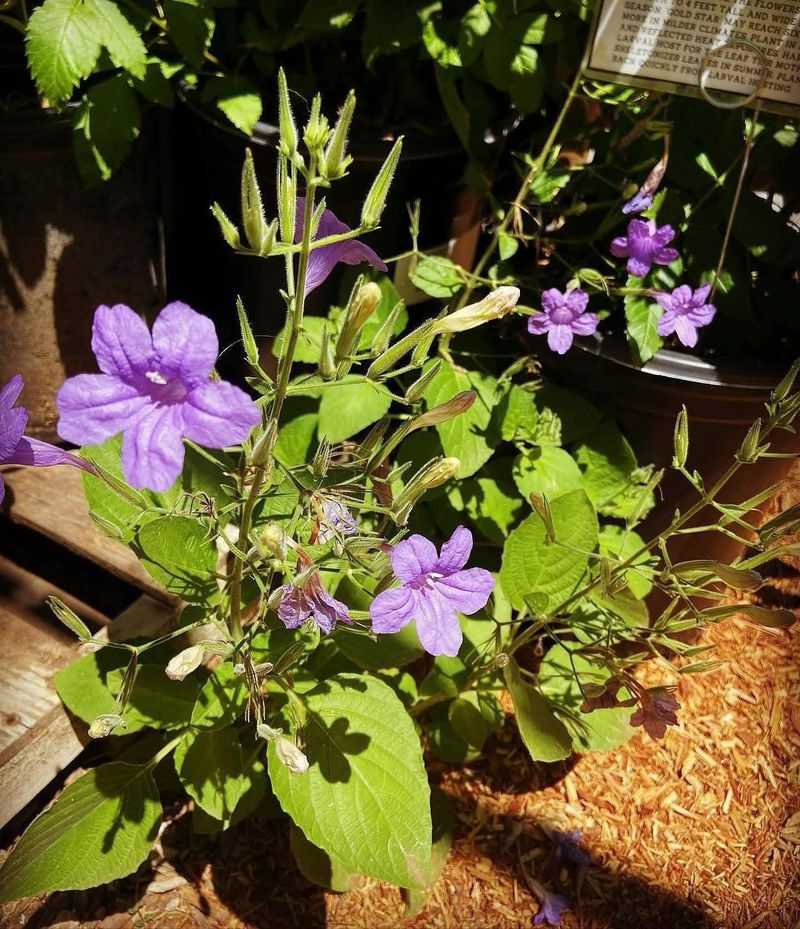
This Sonoran native holds a soft, rounded form even when temperatures are at their worst, and the purple blooms keep appearing through summer when most other plants have gone completely quiet.
That combination of gentle appearance and genuine toughness is what makes it consistently useful in Arizona borders and entry plantings.
Ruellia peninsularis evolved in the same conditions Arizona gardeners contend with every season. Once established, it uses very little water and asks for minimal attention in return for continuous performance.
Your Arizona Garden Changes Every Week. Your Plan Should Too.
Gardening in Arizona changes quickly throughout the season. Every Friday you’ll receive a simple weekly plan showing exactly what to plant, prune, fertilize, harvest, and protect so you never miss the right timing.
Heat stress, when it shows, tends to look like some leaf drop or a brief pause in blooming. Give the plant one deep watering and a few slightly cooler nights and new growth appears quickly along the stems and at the base.
One care note worth taking seriously: avoid fertilizing during the hottest weeks. Pushing new growth with fertilizer during extreme heat stresses the plant more than the temperature itself.
The better strategy is to let it rest, water deeply but infrequently, and allow recovery to happen on the plant’s own timeline.
Full sun and well-drained soil give it the conditions it genuinely prefers.
Desert Ruellia is the plant equivalent of a person who stays calm in a crisis while everyone else is making things worse. The garden needs more of those.
3. Chuparosa Returns With Hummingbird Color
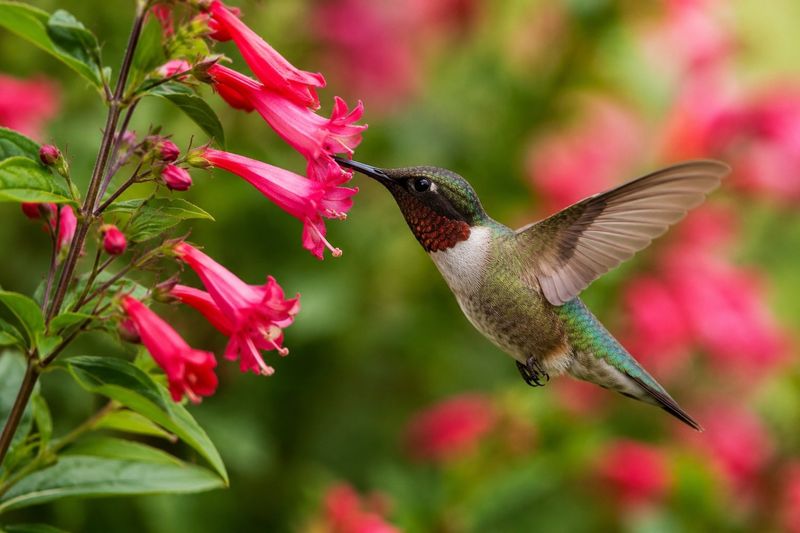
A hummingbird hovering at a Chuparosa in full bloom is one of the more reliable signs that a desert garden is functioning exactly as it should.
This warm-season shrub may drop most of its leaves during the driest summer stretches, and that can look alarming the first time it happens.
It is not. Justicia californica is conserving energy. It knows what it is doing and has been doing it in the Sonoran Desert long before anyone had a landscaping concern about it.
Native to the Sonoran Desert and parts of Baja California, Chuparosa thrives in full sun and reflected heat.
South and west-facing exposures where other plants consistently underperform are exactly the spots where this shrub settles in with confidence.
Recovery after a brutal heat stretch is fast and genuinely visible. Once temperatures ease slightly or monsoon rain arrives, new stems and blooms push out with impressive speed. The tubular red and orange flowers return in waves and often continue well into fall.
The care approach that works best runs counter to instinct. One deep soak after a long dry stretch helps restart things, but consistent regular irrigation keeps the soil too moist for this plant.
Dry spells between waterings actually improve its performance. Too much moisture encourages weak growth and creates root problems in heavier soils.
Lean care, strong sun, good drainage. That is the entire management plan for Chuparosa, and it keeps the hummingbirds on a reliable schedule.
4. Fairy Duster Keeps Blooming With Desert Charm
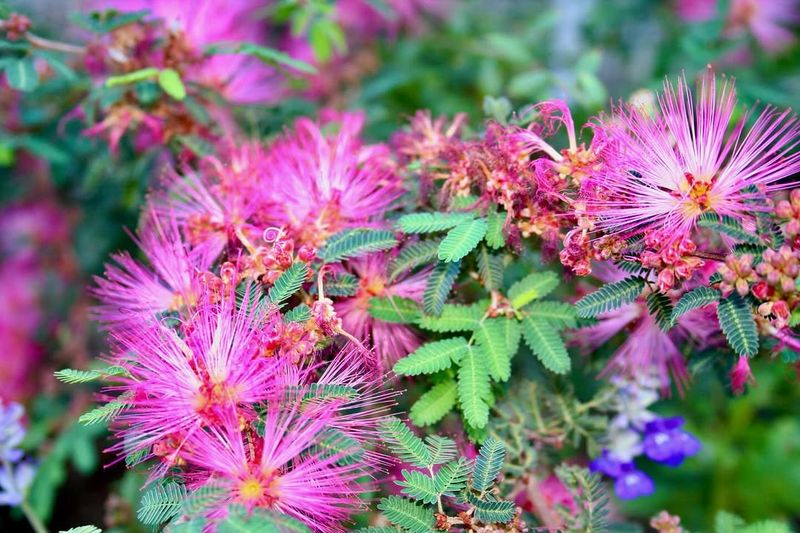
Fuzzy, feathery, and full of personality, Fairy Duster stops people mid-walkthrough of a garden to ask what it is.
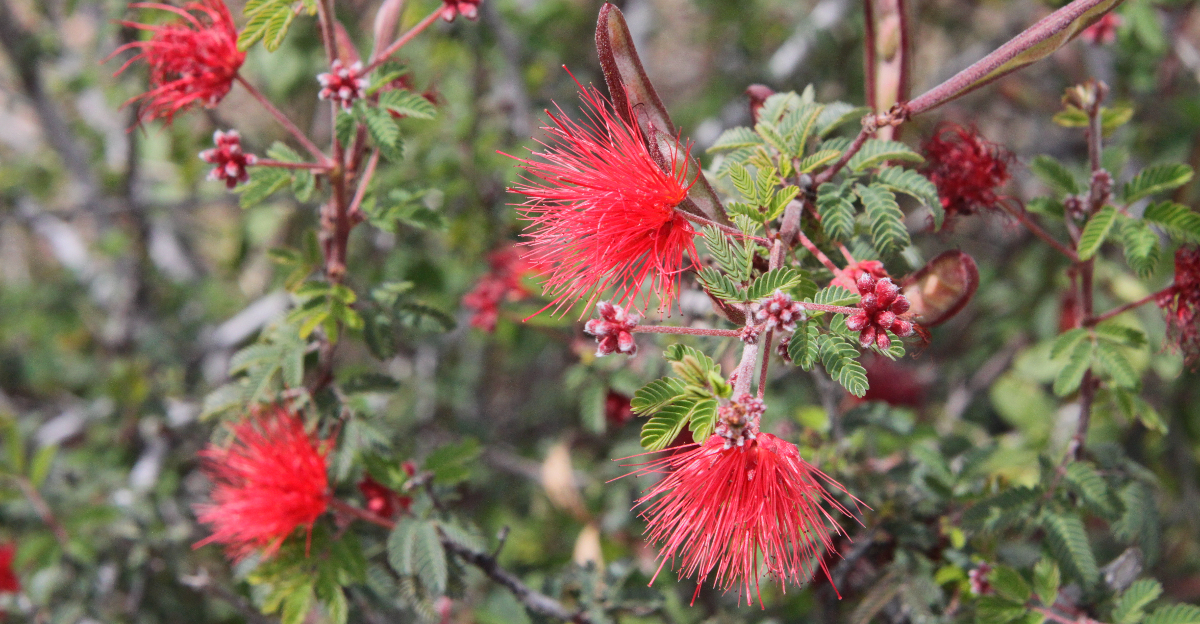
The airy pink and red blooms look almost like tiny fireworks. The fine-textured foliage gives the shrub a delicate quality that creates a misleading impression about how tough it actually is.
Calliandra eriophylla is a Sonoran native that handles summer heat without losing its character.
The plant blooms heavily in late winter and spring, but established specimens frequently push a second round of flowers after monsoon rains arrive. That second flush is one of the more pleasant surprises in a desert garden bed.
During extreme heat, some leaf drop or a temporarily sparse appearance is normal. The woody framework underneath stays intact throughout.
Recovery once conditions improve is quick and the plant rarely needs significant intervention to return to form.
A light trim after the main bloom period removes ragged stems and encourages a tighter shape heading into monsoon season.
Avoid heavy pruning during summer heat. Cutting back significantly while the plant is managing extreme temperatures slows recovery rather than supporting it.
Water deeply once or twice a month during dry stretches and let the soil dry completely between sessions. That rhythm works with the plant’s natural tolerance rather than against it.
Fairy Duster rewards a hands-off approach with consistent blooming and a naturally tidy form.
It looks delicate. It performs tough. That gap between appearance and reality is one of the more satisfying things about having this plant in an Arizona garden.
5. Brittlebush Leans On Silver Leaves For Recovery
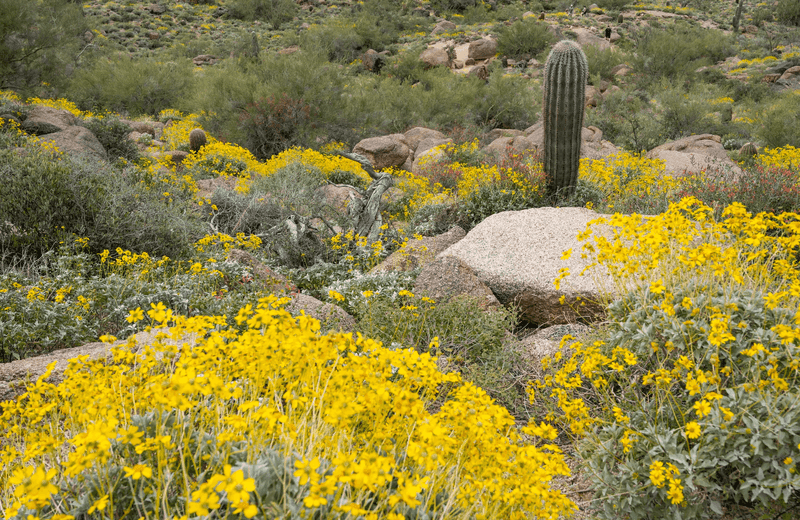
When the sun is blazing and heat shimmers above the pavement, Brittlebush is managing it in a way that many plants cannot replicate.
Those silvery leaves on Encelia farinosa are not primarily ornamental. The pale, reflective surface bounces sunlight away from the plant, reducing heat absorption and slowing water loss during the most punishing weeks of an Arizona summer. The color is the mechanism.
Brittlebush is one of the most recognizable native shrubs in the Sonoran Desert, and it earns that recognition season after season.
It grows naturally on rocky slopes and dry washes where conditions are genuinely harsh. Rich, amended, or regularly irrigated soil actually works against this plant. Lean and dry is where it performs best.
Recovery after heat stress is built directly into the plant’s biology. When monsoon moisture arrives, new silver growth pushes from the base and along existing stems quickly. The plant fills back out and yellow daisy-like flowers return in fall and again in spring.
One care note that matters significantly: do not prune Brittlebush during summer heat. Wait until late winter before spring growth begins to trim back any stems that look woody and unproductive.
Summer pruning removes the growth points the plant needs to recover and slows the process considerably.
Trust the silver leaves. They have been managing Arizona summers for a very long time and have not needed any help with the strategy.
6. Creosote Bush Handles Dry Heat Like A Local
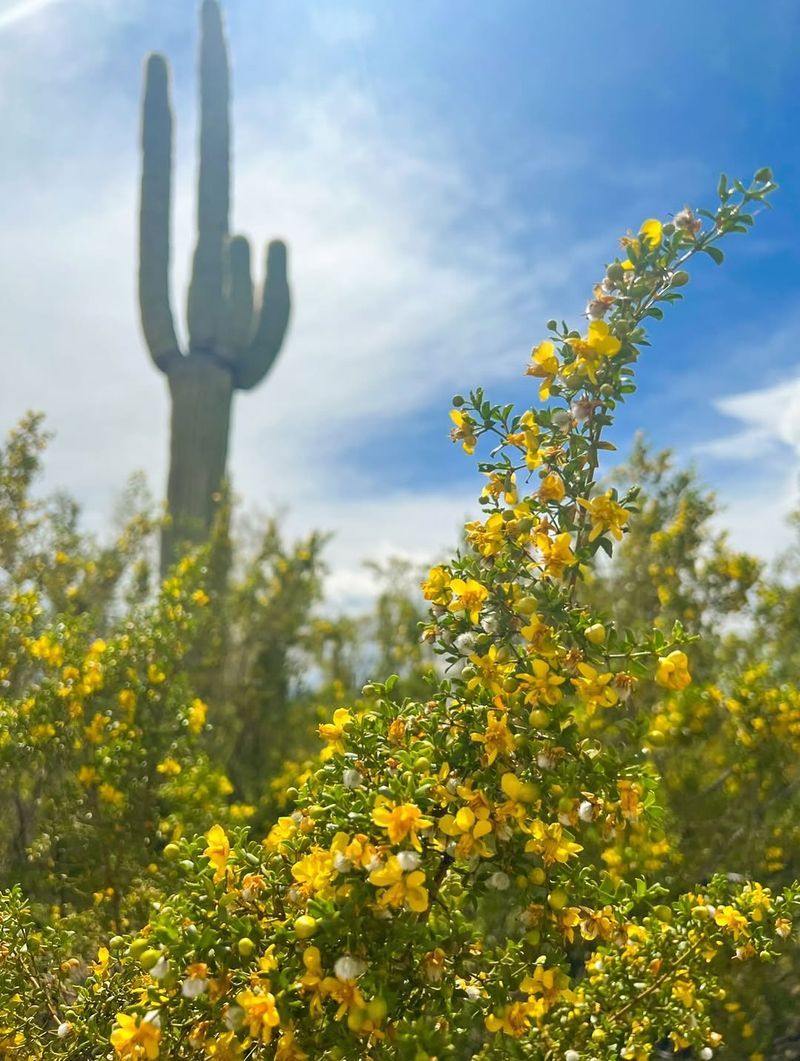
There is a smell every Arizona desert hiker recognizes. That sharp, earthy fragrance that rises from the ground just before monsoon rain.
That is Creosote, and it has been producing that scent in the Sonoran, Mojave, and Chihuahuan deserts for thousands of years.
Larrea tridentata is arguably the most heat-adapted shrub on this list. No plant handles dry Arizona heat with more efficiency, and the reason is simple. This plant is the definition of local.
Creosote thrives on neglect. No irrigation once established. No fertilizer. Very little pruning. Its small, resin-coated leaves reduce water loss, and a deep root system accesses moisture that other plants cannot reach.
Recovery after brutal heat is not really recovery for Creosote because it does not truly struggle. The plant slows down, conserves resources, and waits.
When monsoon moisture arrives, fresh yellow flowers and new leaf growth follow within days. The response is fast and consistent.
The care approach is genuinely simple. Do not pamper it. Spacing matters more than watering. Give each plant at least six to eight feet so roots are not competing. One deep soak every three to four weeks during summer is more than sufficient.
Creosote will outlast everything else in the yard if given room and left alone.
Treating a plant that survived the Ice Age like it needs a weekly watering schedule is, respectfully, not necessary.
7. Turpentine Bush Stays Compact After Harsh Sun
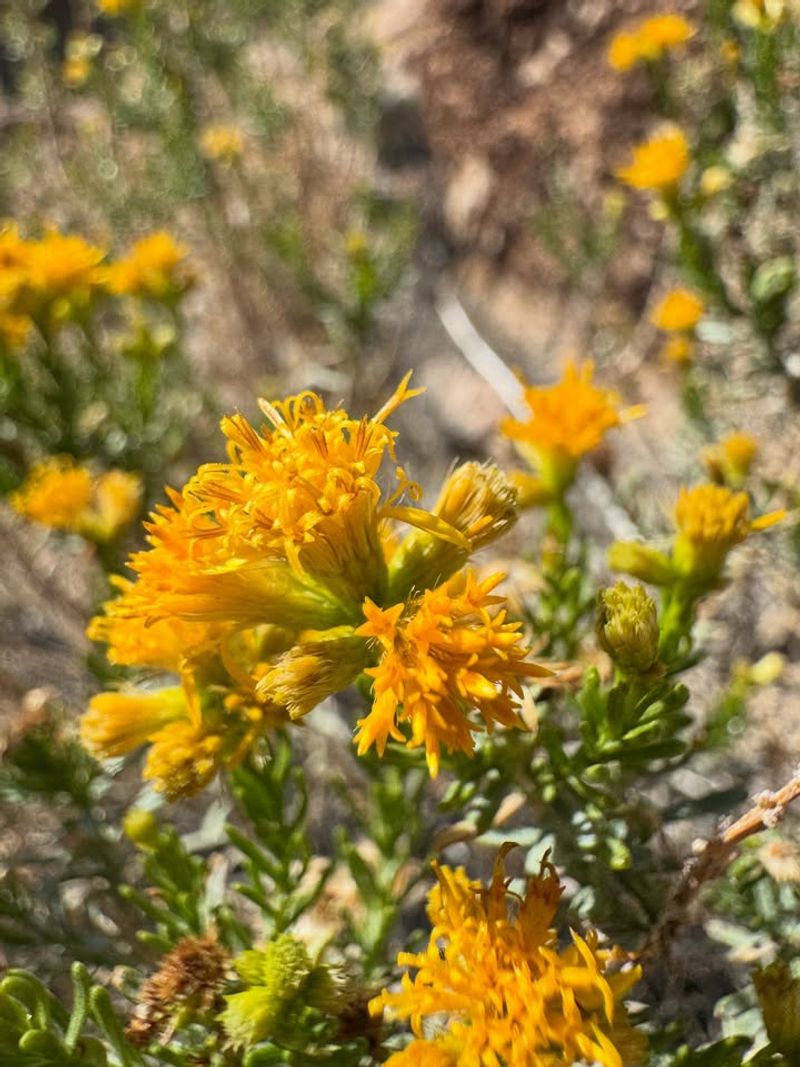
While bigger shrubs look ragged by August, Turpentine Bush holds its form with quiet, almost stubborn confidence.
Ericameria laricifolia is a native shrub found naturally in rocky, dry soils across southern Arizona, New Mexico, and into Texas.
Full sun and reflected heat are not challenges for this plant. They are its preferred operating conditions. Hot spots along walls, driveways, and south-facing slopes are exactly where it performs reliably.
The real payoff comes in fall. Yellow flowers arrive in September and October as a reward for everything the plant endured through summer, and the bloom display confirms how well it held on through conditions that stressed everything around it.
After intense summer heat, the plant may look dusty and still. The woody stems are active throughout, ready to push new growth as temperatures ease toward fall. That stillness is patience, not decline.
The most useful care tip involves restraint at the wrong time. Resist pruning during summer heat. Wait until late winter or very early spring to trim back any leggy growth, which encourages a fuller shape for the coming season.
Water deeply once or twice a month during dry summer stretches, then ease off as fall arrives.
Turpentine Bush delivers aromatic foliage, late-season color, and low ongoing demands. It is the plant that shows up looking its best precisely when the rest of the garden is trying its hardest just to survive.
8. Littleleaf Cordia Rebuilds Its Neat Rounded Form
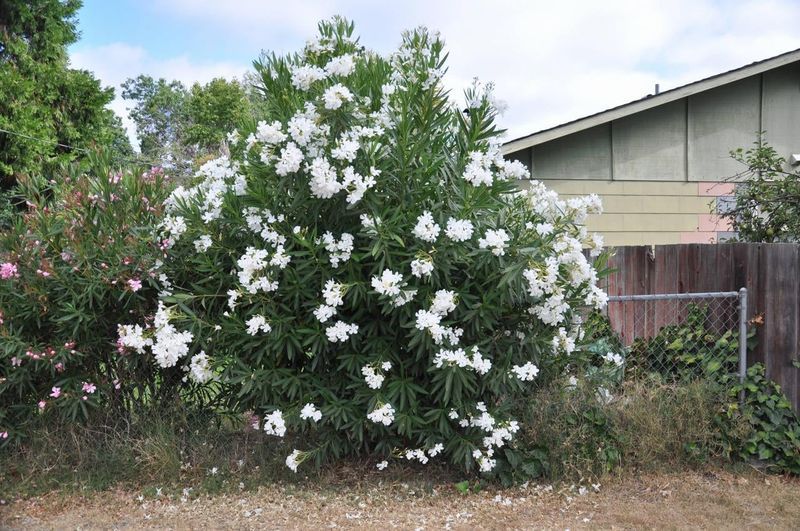
Placement matters enormously with desert shrubs, and Littleleaf Cordia makes that point clearly.
In the right spot, this tidy rounded shrub practically manages itself, rebuilding its clean form season after season regardless of how harsh the summer was.
Cordia parvifolia is a Sonoran Desert native whose small white flowers bring a delicate quality to spaces where bold, spiky plants tend to dominate the visual conversation.
It grows naturally in rocky desert washes and dry hillsides from southern Arizona into Mexico. Small leaves reduce water loss during the hottest months, and the plant handles full sun and extreme heat without significant visible stress.
After a tough stretch, some leaf drop and a pause in blooming are typical responses. Both are temporary.
Once temperatures ease slightly or monsoon moisture arrives, new growth flushes in neatly and the rounded form fills back in naturally without corrective pruning.
One placement decision makes a meaningful difference for this plant in the hottest microclimates. Morning sun with some afternoon shade reduces stress significantly compared to all-day western exposure.
That single choice affects how quickly and fully the plant recovers each time conditions improve.
Water deeply every two to three weeks during summer and let the soil dry between sessions. Good placement, minimal water, a little patience.
Littleleaf Cordia is proof that the right plant in the right spot needs very little from you to look exactly right.