How Georgia Clay Soil Affects Summer Watering And What To Do About It
Few gardening tasks cause more second guessing than watering during summer. The soil looks dry, so you water.
A day later, parts of the garden still seem damp while certain plants look like they need another drink. It can feel like the garden is giving completely different signals at the same time.
After seeing that happen a few times, it becomes harder to know what the plants actually need. Adding more water seems like the safe choice, but that does not always improve the situation.
In some cases, it can create a new set of problems that are not obvious right away.
A big part of the challenge starts below the surface. Georgia’s clay soil behaves differently than many people expect.
It holds water differently, drains differently, and responds to summer heat in its own way. Understanding those differences can make watering decisions much easier and help plants stay healthier during the hottest part of the season.
1. Clay Soil Holds Moisture Longer Between Summer Waterings
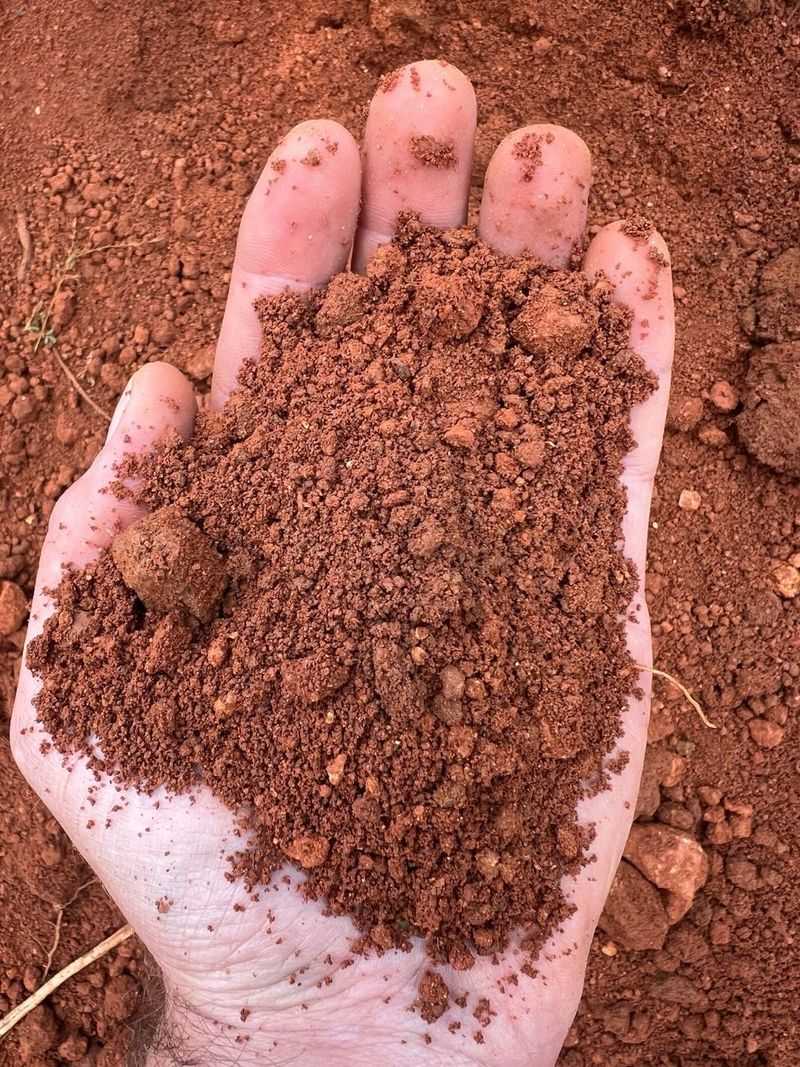
Red clay soil acts almost like a sponge that drains in slow motion. Once it takes on water, it holds onto that moisture far longer than sandy soil ever would.
That sounds useful at first, but during Georgia’s brutal summer heat, it creates a tricky balancing act.
Plants sitting in clay-heavy ground can go several days without needing water again. Watering on a fixed daily schedule often leads to oversaturation.
Roots need air pockets in the soil, and when clay stays consistently wet, those air pockets disappear fast.
A smart move is to check the soil before reaching for the hose. Push a wooden dowel or your finger about two inches down.
If it comes out damp, hold off on watering another day or two.
Clay particles are extremely fine and pack tightly together. That tight structure is what holds water so effectively but also slows everything down.
On the upside, plants in clay beds may need less frequent watering than neighbors gardening in sandy soil.
Adjust your schedule based on actual soil conditions rather than the calendar. A light rain shower may be enough to keep clay soil adequately moist for three or four days.
2. Compacted Ground Slows Water Movement To The Root Zone
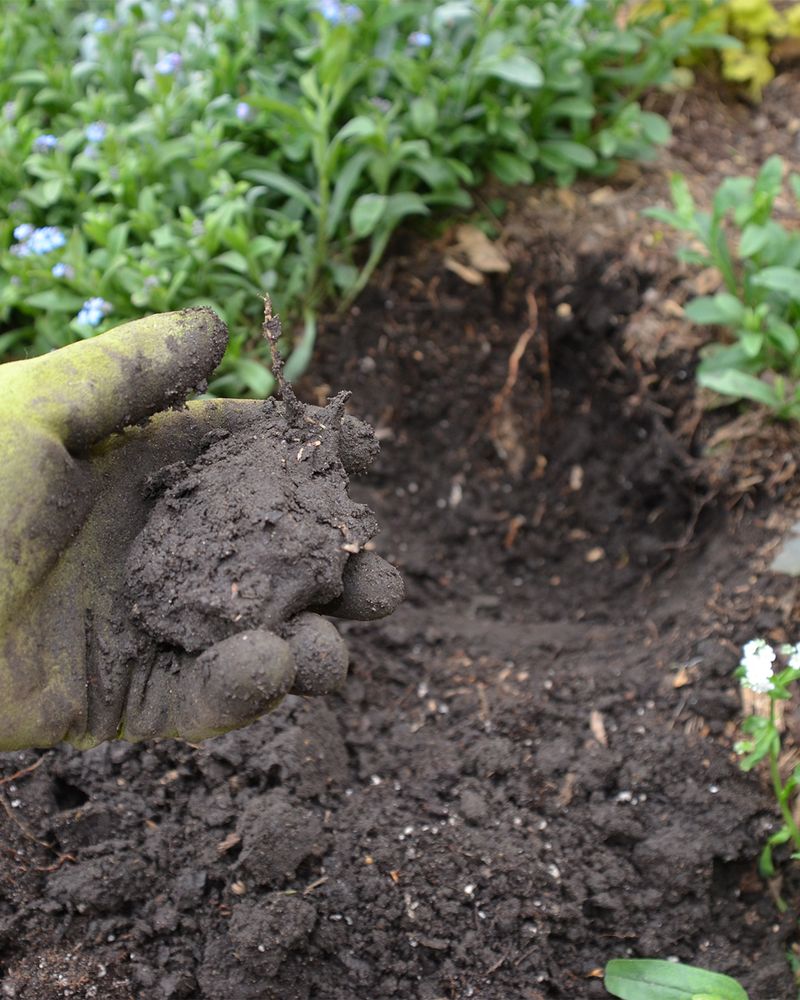
Walk across your garden enough times and the soil beneath your feet starts behaving more like pavement than planting ground. Clay compacts easily under foot traffic, heavy equipment, or even repeated rain.
Once compacted, water hits the surface and runs off instead of soaking in.
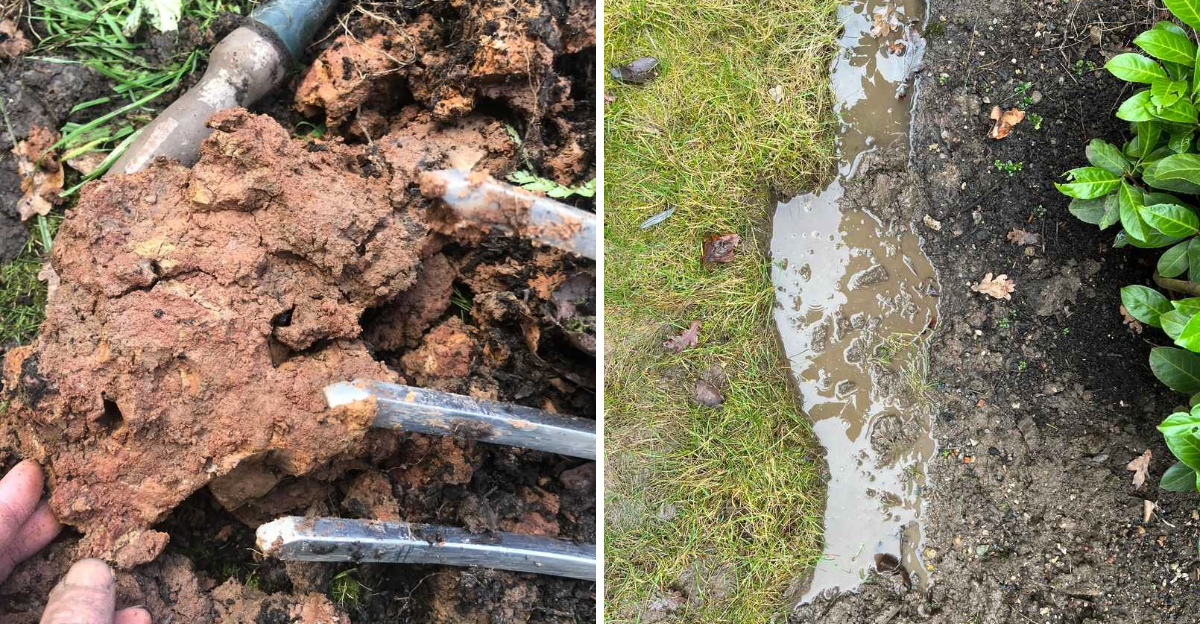
Compaction is especially common in high-traffic areas around vegetable beds and along garden paths. Water pooling on the surface after irrigation is a clear sign that compaction is already happening.
Runoff carries away moisture that your plants never actually receive.
Breaking up compacted clay takes effort but pays off quickly. A garden fork pushed about eight to ten inches deep and rocked gently back and forth loosens the structure without fully turning the soil.
Repeat that process across the bed before the next watering cycle.
Your Georgia Garden Changes Every Week. Your Plan Should Too.
Gardening in Georgia changes quickly throughout the season. Every Friday you’ll receive a simple weekly plan showing exactly what to plant, prune, fertilize, harvest, and protect so you never miss the right timing.
Avoid working clay soil when it is wet. Wet clay smears and seals rather than loosening up, which makes compaction worse.
Wait until the soil is slightly damp but not soggy before aerating or amending it.
Permanent garden paths help a lot. Designating specific areas for walking keeps foot traffic off planting zones entirely.
Straw, wood chips, or stepping stones spread the weight and reduce soil compression over time.
3. Apply Water Slowly To Give Heavy Soil Time To Absorb It
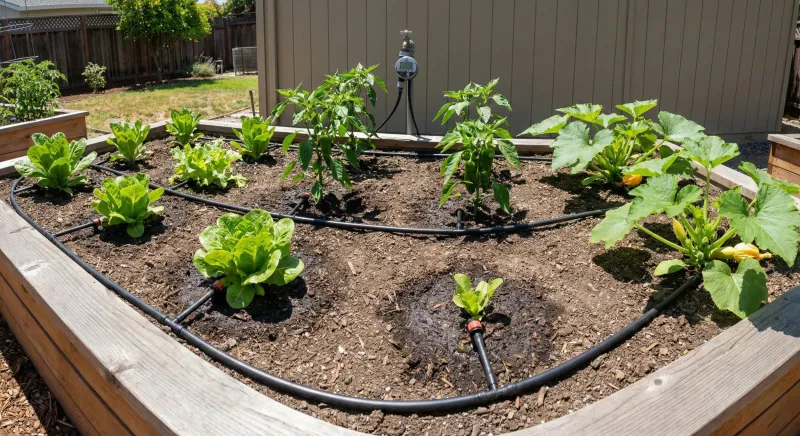
Blasting clay soil with a strong stream of water from a hose is one of the quickest ways to waste a full watering session. Water hits the hard surface, beads up, and runs off before the soil ever gets a chance to absorb it.
Slow and steady is the only approach that actually works with dense clay.
Drip irrigation is one of the best tools for clay soil gardens. Low-flow emitters deliver water directly to the root zone at a pace the soil can handle.
Moisture seeps in gradually rather than sheeting off across the surface.
Soaker hoses work on the same principle and are more affordable to set up. Lay them along plant rows and let them run for longer periods at lower pressure.
Short bursts of heavy watering are far less effective than long, slow sessions.
Sprinklers set to a low output and run in cycles also help. Running a sprinkler for ten minutes, pausing for twenty, then running again gives clay time to absorb each round before more water arrives.
Cycle and soak is the technical name for this method.
Watering in the early morning gives extra time for absorption before heat increases evaporation. Evening watering works too, though it can promote fungal issues in humid summer conditions.
4. Check Moisture Below The Surface Before Watering Again
Surface soil can look bone dry while the ground two inches down is still holding plenty of moisture. Clay is deceptive that way.
Judging water needs by the surface alone leads to overwatering far more often than underwatering in clay-heavy gardens.
A simple moisture check takes less than a minute. Push a wooden skewer, a screwdriver, or your index finger straight down into the soil about two to three inches.
If it feels damp at that depth, your plants are fine for at least another day or two.
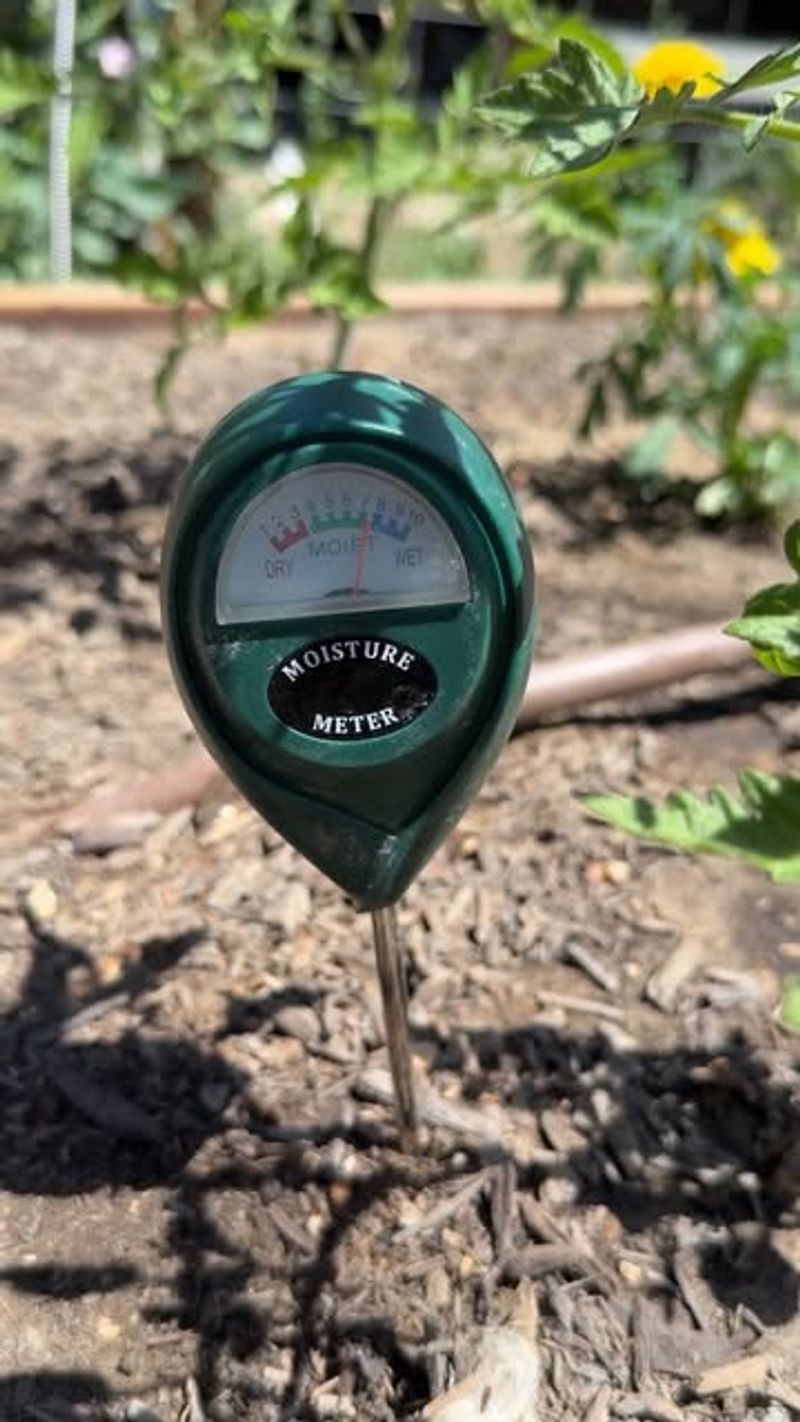
Moisture meters are inexpensive and remove all the guesswork. A basic probe meter from any garden center gives an instant reading at root depth.
Aim for readings in the moderate range before adding more water to clay beds.
Wilting is not always a sign of dry soil in clay gardens. Plants sometimes wilt from heat stress during peak afternoon temperatures even when soil moisture is adequate.
Check moisture before assuming the plant needs water, especially between noon and three in the afternoon.
Building a consistent checking routine each morning sets you up well. Early checks give you the most accurate picture of overnight moisture levels before evaporation begins.
5. Poor Drainage Can Leave Roots In Soggy Conditions
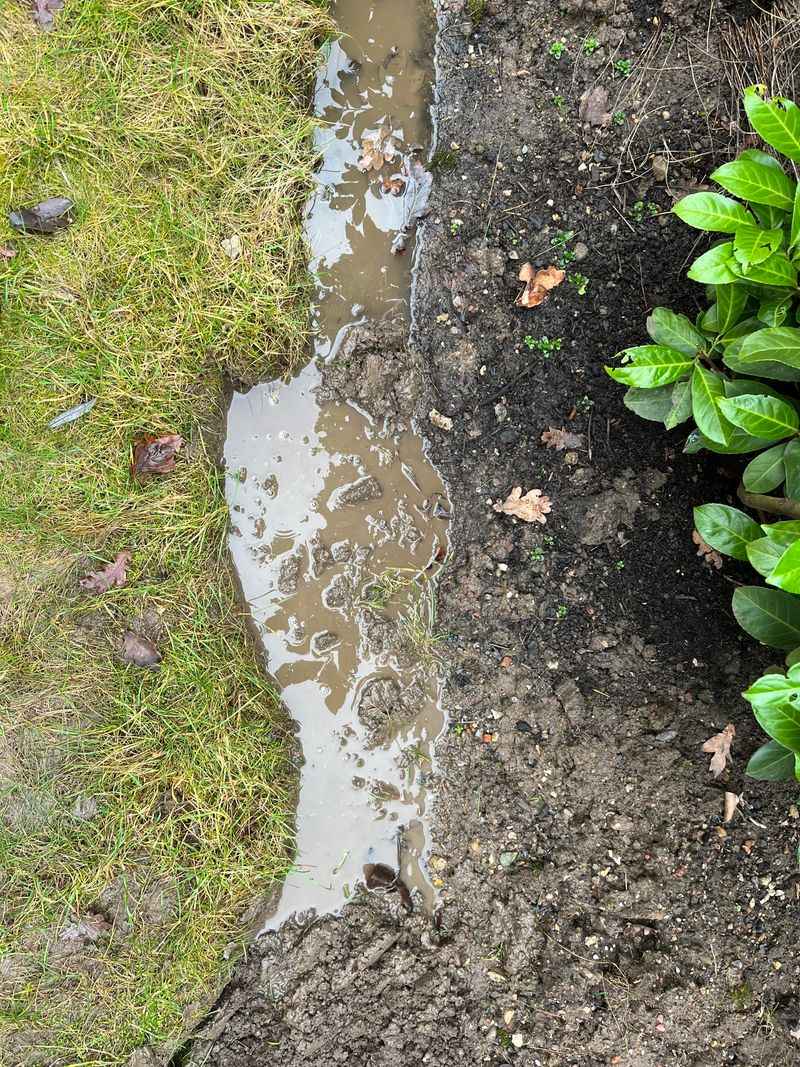
Standing water around your plants after a summer rain is a warning sign, not just a minor inconvenience. Clay soil drains slowly, and when water has nowhere to go, roots sit in saturated ground for hours or even days.
That extended wetness creates serious problems for most common vegetables, shrubs, and flowers.
Roots need oxygen just as much as they need water. Soggy soil cuts off that oxygen supply, weakening plants gradually from the ground up.
You might notice yellowing leaves, wilting despite wet soil, or slow growth as early signs of trouble.
Raised beds are one practical fix. Lifting the root zone just six to eight inches above the native clay makes a noticeable difference in drainage.
You can fill raised beds with a blended soil mix that moves water more freely.
Planting on a slight slope also helps water move away from the root zone naturally. Even a gentle grade encourages runoff and prevents pooling.
Flat areas with heavy clay are the most likely spots to develop drainage problems.
Some plants handle wet clay better than others. Native plants adapted to the Southeast are often more tolerant of poor drainage.
However, most vegetables and ornamentals prefer consistently moist but never waterlogged conditions.
6. Mix In Compost To Improve Drainage Over Time
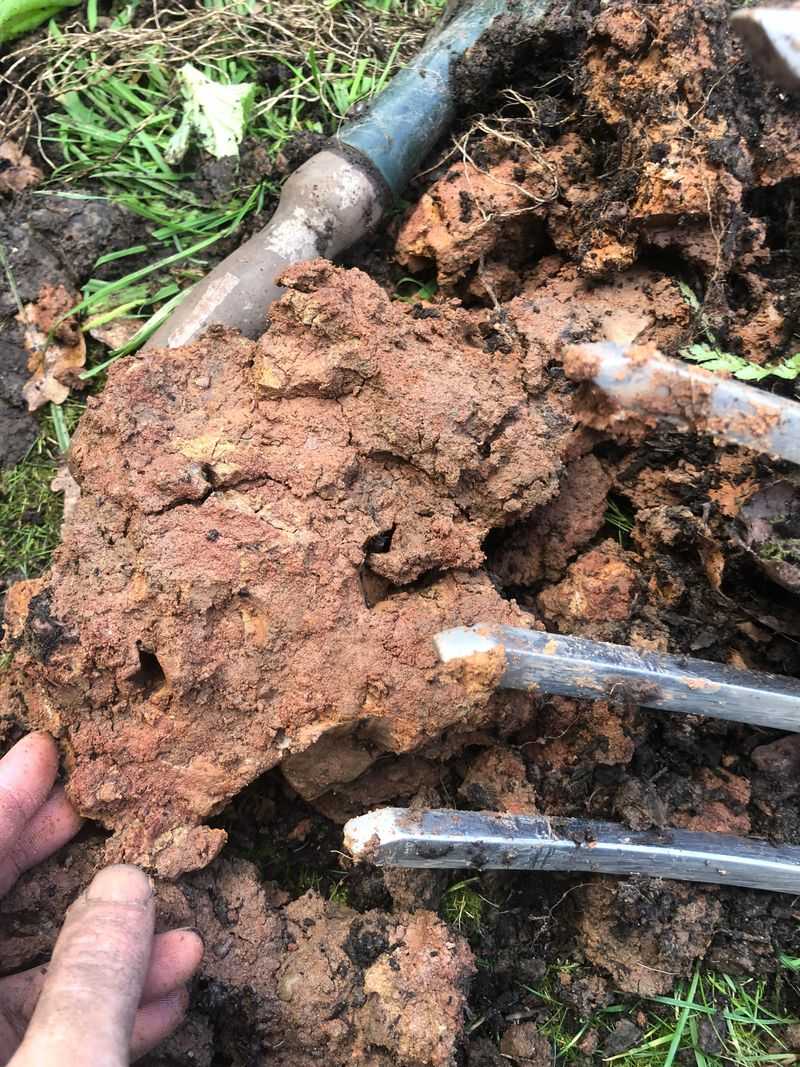
Compost is the single most practical amendment for clay soil, and the results show up over multiple seasons rather than overnight. Organic matter works its way between clay particles, creating tiny air pockets and improving both drainage and root penetration.
Consistent annual additions make a real cumulative difference.
Work two to four inches of finished compost into the top eight to ten inches of soil each spring and fall. Do not just lay it on top and expect results.
Mixing it in thoroughly gives clay particles something to separate around.
Homemade compost works just as well as bagged products. Kitchen scraps, yard trimmings, and dried leaves break down into rich organic material over a few months.
A backyard compost bin keeps the process going year-round without much effort.
Worm castings are another excellent option. They are finer in texture than standard compost and blend into clay very easily.
A layer mixed into planting holes at the start of the season gives transplants a better chance of establishing roots quickly.
Clay soil improved with compost also retains moisture more evenly. Instead of holding water in giant, airless clumps, amended clay releases moisture more gradually to roots.
7. Spread Mulch To Reduce Moisture Loss During Hot Weather
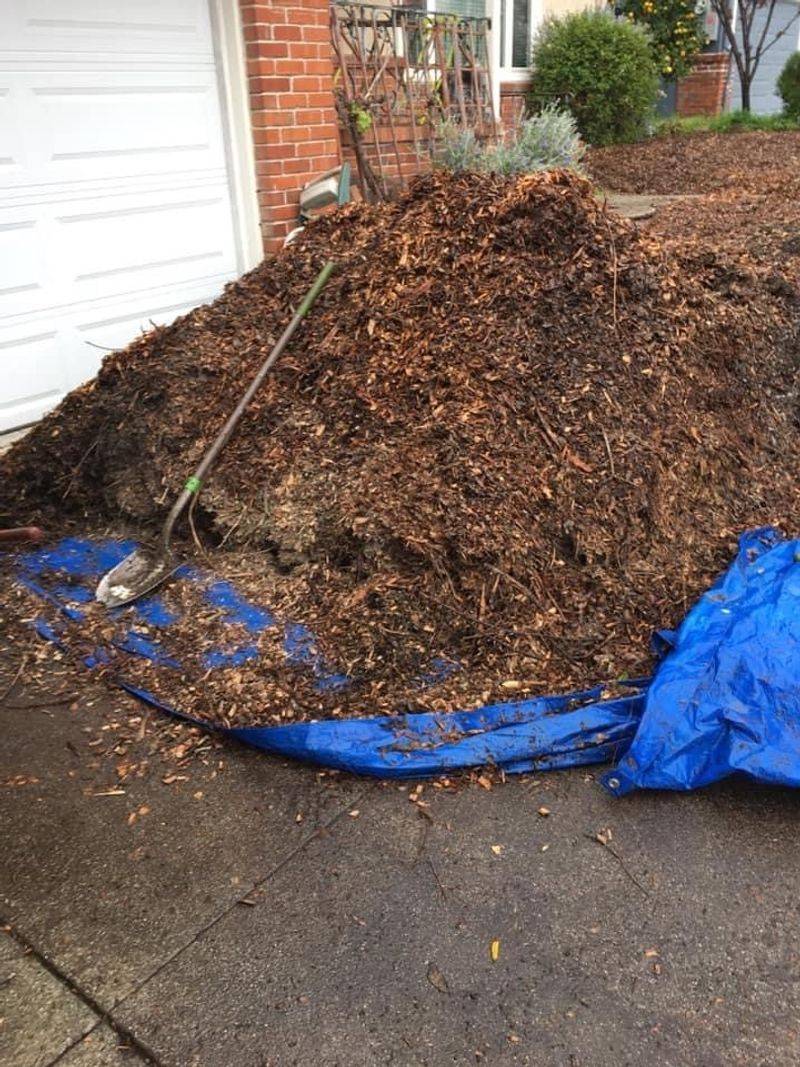
Bare soil in a summer garden loses moisture fast. Direct sun and hot air pull water out of unprotected ground within hours of watering, leaving clay soil to bake and harden on the surface.
A layer of mulch changes that equation completely.
Two to three inches of organic mulch spread across garden beds acts as an insulating blanket. It slows evaporation, keeps soil temperatures lower, and reduces how often you need to water.
On the hottest summer days, mulched soil can stay measurably cooler than exposed ground nearby.
Wood chips, straw, shredded leaves, and pine bark all work well over clay soil. Avoid piling mulch directly against plant stems, which can trap moisture and invite rot.
Keep a small gap around each stem and spread the mulch outward from there.
Organic mulches break down slowly over the season and add small amounts of organic matter to the soil below. That gradual decomposition feeds the same soil improvement process that compost starts.
Replenishing mulch once or twice per season keeps the layer effective.
Mulch also suppresses weeds that compete with your plants for water and nutrients. Fewer weeds mean more moisture stays available for your garden plants.
In a region with long, intense summers, every strategy that reduces moisture loss adds up.