Why Eggplant Is One Of The Most Overlooked Summer Vegetables In Georgia Gardens
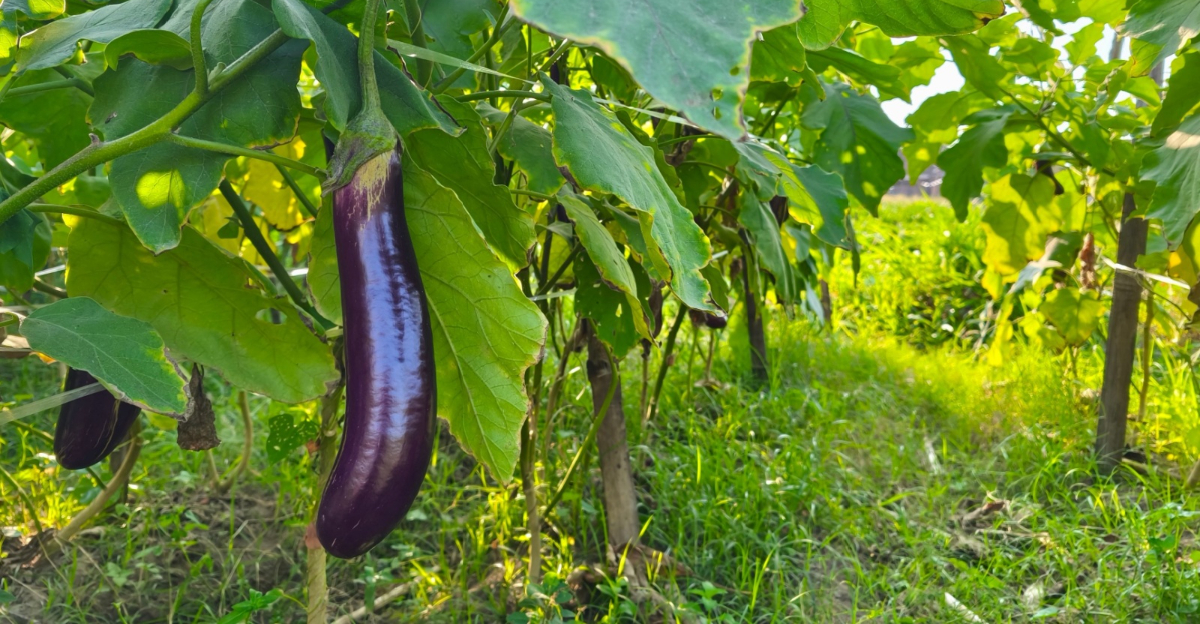
Eggplant doesn’t get nearly enough credit in Georgia vegetable gardens, and that’s a shame because it’s genuinely one of the better warm-season crops for the state’s growing conditions.
While tomatoes, peppers, squash, and beans get all the attention every spring, eggplant quietly sits there being extremely well suited to Georgia’s long, hot summers and barely anyone notices.
Full sun, steady moisture, and timely harvesting are really all it asks for, and a few healthy plants can supply a surprisingly generous amount of fruit through the hottest months of the year.
If eggplant has never made it onto your planting list before, or it showed up once and got overlooked, it might be time to give it a proper spot in the garden this season.
You might be pleasantly surprised.
1. Eggplant Thrives In Warm Georgia Soil
Hot garden rows baking under a July sun can feel like the wrong place for most vegetables, but that same heat is exactly what eggplant needs to settle in and grow well.
Eggplant is a warm-season crop that performs best when soil temperatures have climbed and nighttime lows stay consistently warm.
Georgia’s long summers provide those conditions naturally, making the state a solid place to grow this vegetable from late spring through early fall.
Soil warmth matters more for eggplant than many gardeners realize. Planting into cold or even cool soil can slow root development and leave transplants looking stalled for weeks.
In Georgia, waiting until after the last frost date and giving the soil time to warm up fully tends to produce stronger, faster-establishing plants than rushing the season.
Raised beds and in-ground rows both work well, though raised beds often warm up faster in spring and drain more efficiently during Georgia’s summer rain events.
Adding compost before planting improves soil structure and helps retain moisture between watering sessions.
Eggplant roots prefer loose, well-drained soil rather than heavy clay, so amending compacted Georgia clay beds before transplanting makes a noticeable difference in how well plants grow through the season.
2. A Few Plants Can Produce Plenty
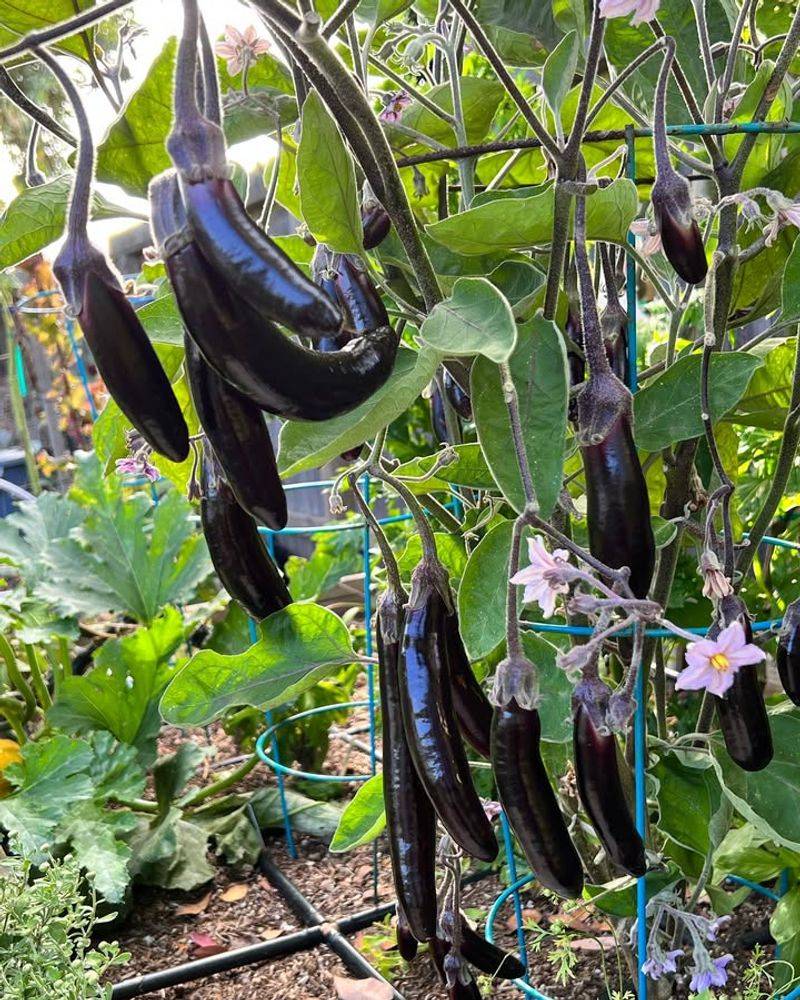
Tucked into a corner of a raised bed or lined along a sunny in-ground row, just a handful of eggplant plants can surprise even experienced Georgia gardeners with how much fruit they put out over a full summer.
Unlike crops that need large patches to produce meaningful harvests, eggplant tends to be efficient with space while still delivering consistent yields when plants are healthy and cared for properly.
Most home gardeners find that three to five plants supply more than enough eggplant for regular meals, with extra fruit to share or preserve.
Each plant can set multiple fruits at a time, and as long as harvesting happens regularly, plants tend to keep flowering and producing well into late summer and sometimes beyond.
Spacing matters when it comes to getting the most from each plant. Eggplant generally does well with about 18 to 24 inches between plants, giving each one enough room for airflow and root development without crowding.
Your Georgia Garden Changes Every Week. Your Plan Should Too.
Gardening in Georgia changes quickly throughout the season. Every Friday you’ll receive a simple weekly plan showing exactly what to plant, prune, fertilize, harvest, and protect so you never miss the right timing.
Containers can also work for eggplant in Georgia, especially for gardeners with limited ground space, as long as the containers are large enough and placed where full sun is available for most of the day.
Compact or dwarf varieties tend to fit container growing especially well without sacrificing too much fruit production.
3. Glossy Fruit Signals Harvest Time
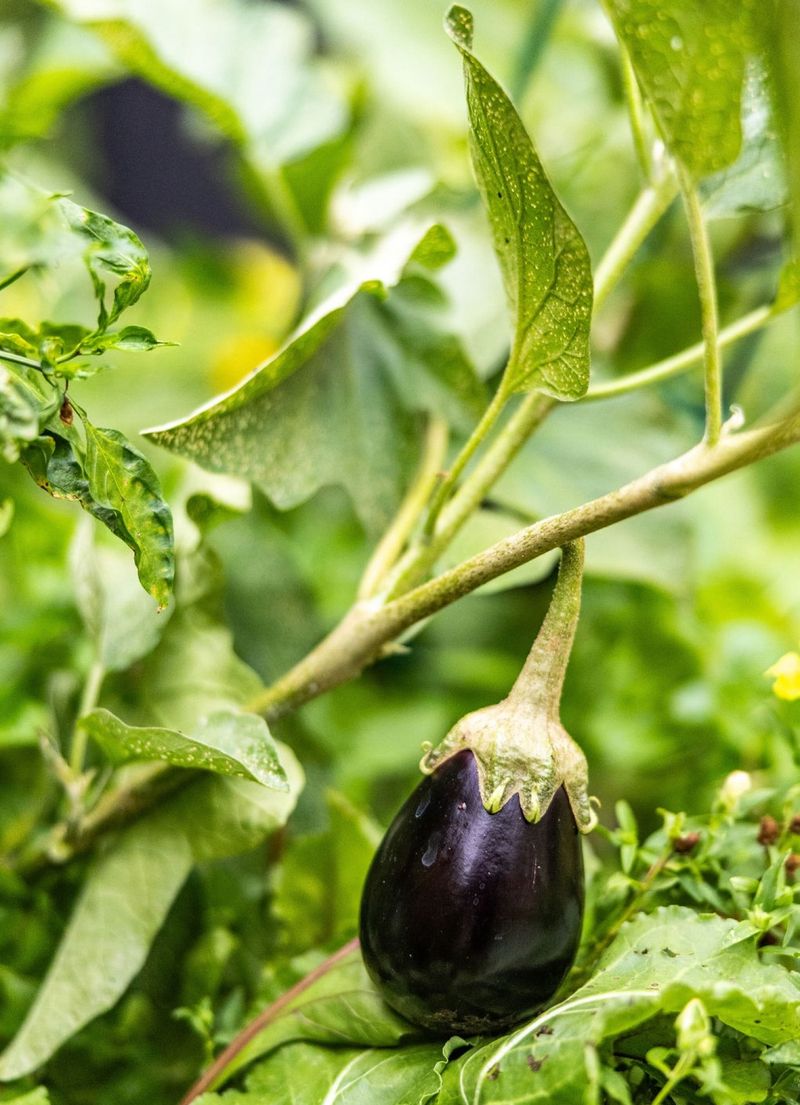
Wandering through the garden on a warm Georgia morning and spotting a cluster of deep purple, shiny eggplant fruit hanging heavy on the plant is one of the more satisfying sights of the summer season.
That glossy sheen is the clearest signal that fruit is ready to pick, and learning to recognize it makes harvesting much more reliable than guessing by size alone.
Fruit that has passed its prime tends to lose that bright shine and take on a duller, slightly brownish appearance. The skin may also start to feel softer when gently pressed.
At that point, the seeds inside have often become more developed, and the flesh can turn bitter. Catching eggplant before it reaches that stage keeps the flavor mild and the texture smooth, which is what most cooks prefer.
Size can vary quite a bit depending on the variety being grown. Some eggplant types are ready at just a few inches long, while others can grow quite large before the gloss starts to fade.
Paying attention to the skin rather than relying on size alone helps gardeners harvest at the right moment.
Using a sharp knife or garden shears to cut the stem cleanly protects the plant from damage and keeps it ready to set new flowers and fruit for the rest of the Georgia growing season.
4. Steady Moisture Supports Better Production
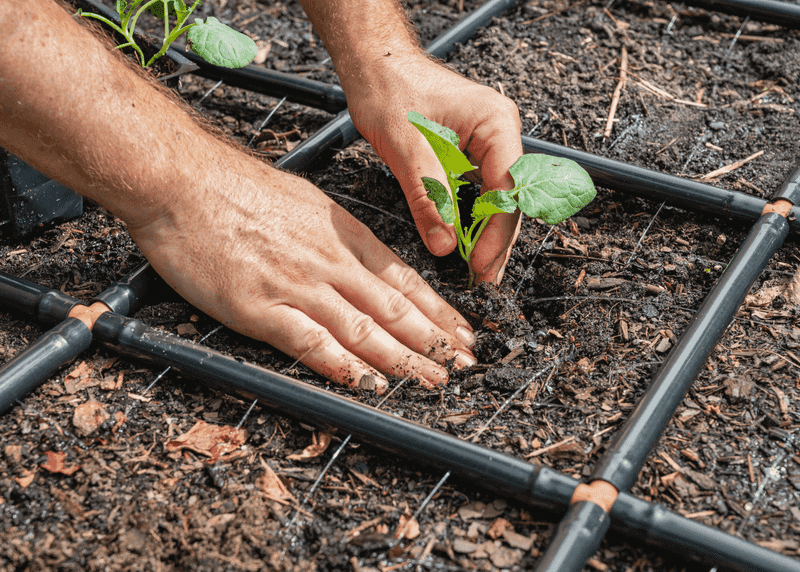
Humid Georgia mornings can feel wet, but the surface moisture that comes with summer air does not replace what eggplant roots actually need from the soil.
Consistent, deep watering throughout the growing season plays a major role in how well plants produce and how good the fruit tastes.
Uneven moisture, where plants dry out and then get flooded, can lead to poor fruit development and stressed plants that become more vulnerable to pest pressure.
Drip irrigation or soaker hoses work well for eggplant because they deliver water directly to the root zone without wetting the foliage.
Wet leaves in Georgia’s humid conditions can invite fungal issues over time, so keeping water at the soil level rather than overhead is a practical habit worth building into a regular garden routine.
Mulching around plants helps hold soil moisture between watering sessions and also keeps soil temperatures more stable during the hottest stretches of Georgia summer. Straw, wood chips, or shredded leaves all work reasonably well as mulch materials.
Checking soil moisture a few inches below the surface gives a more accurate picture of what the roots are experiencing than looking at the soil surface alone.
During dry stretches, which Georgia summers can bring even amid general humidity, plants may need watering more frequently to keep production steady and fruit quality high through the season.
5. Full Sun Helps Plants Stay Productive
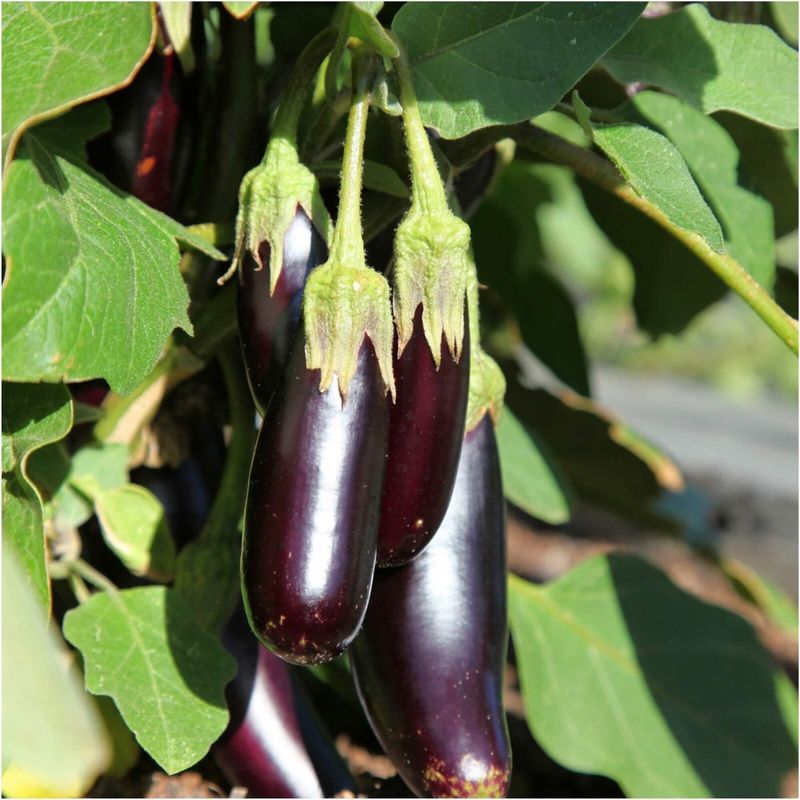
Productive eggplant plants need a lot of light, and in Georgia that usually means choosing a garden spot that receives at least six to eight hours of direct sun each day.
Shaded or partially shaded locations can leave plants looking healthy but producing very little fruit, which is one reason some gardeners give up on eggplant without fully understanding what went wrong.
Full sun drives flowering, and more flowers generally means more fruit set. In Georgia’s summer garden, where the sun is strong and the days are long, well-placed eggplant plants can flower reliably and keep producing through the warmest months.
A sunny raised bed or an open in-ground row away from trees and fences tends to give plants the light exposure they need.
Afternoon shade from nearby structures or tall plants can reduce total sun hours more than gardeners expect.
Taking a few minutes to observe how sunlight moves across a potential planting spot throughout the day helps avoid placing eggplant in a location that looks sunny in the morning but gets blocked later on.
When full sun is available, plants tend to be more vigorous, set fruit more consistently, and recover more quickly after harvesting.
Pairing good sun exposure with proper soil preparation and steady watering gives Georgia gardeners the strongest foundation for a productive eggplant season from early summer through fall.
6. Harvesting Often Keeps Plants Working
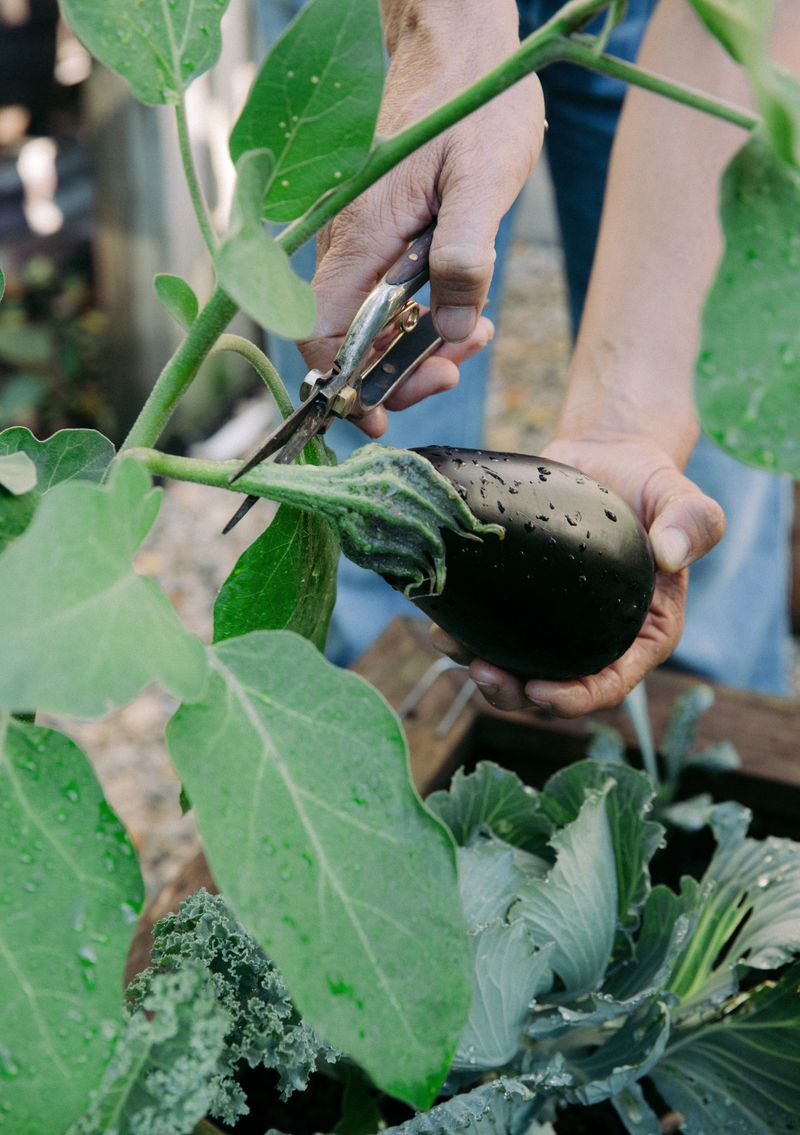
One of the more counterintuitive things about growing eggplant is that the more you harvest, the more the plant tends to produce.
Leaving ripe or overripe fruit on the plant signals it to slow down flowering, which reduces overall output for the rest of the season.
Regular picking keeps plants focused on producing new flowers and setting fresh fruit rather than putting energy into maturing seeds inside fruit that has already peaked.
Summer harvest baskets in Georgia can fill up quickly when eggplant is checked every few days rather than once a week. Plants that are harvested consistently tend to stay more vigorous and keep producing well into late summer.
Skipping harvest checks for extended periods during the season often leads to fruit going past its prime unnoticed, which can slow the plant’s production cycle noticeably.
Using a sharp knife or clean garden shears makes the job easier and cleaner than twisting or pulling fruit off by hand. Cutting the stem an inch or so above the fruit cap protects the plant and reduces the chance of tearing branches.
After harvesting, it helps to scan the plant for any fruit that may have been missed, any damaged leaves worth removing, and any early signs of pest activity.
Keeping a close eye on plants during regular harvest visits makes overall garden management more manageable across the full Georgia growing season.
7. Flea Beetles Need Early Attention
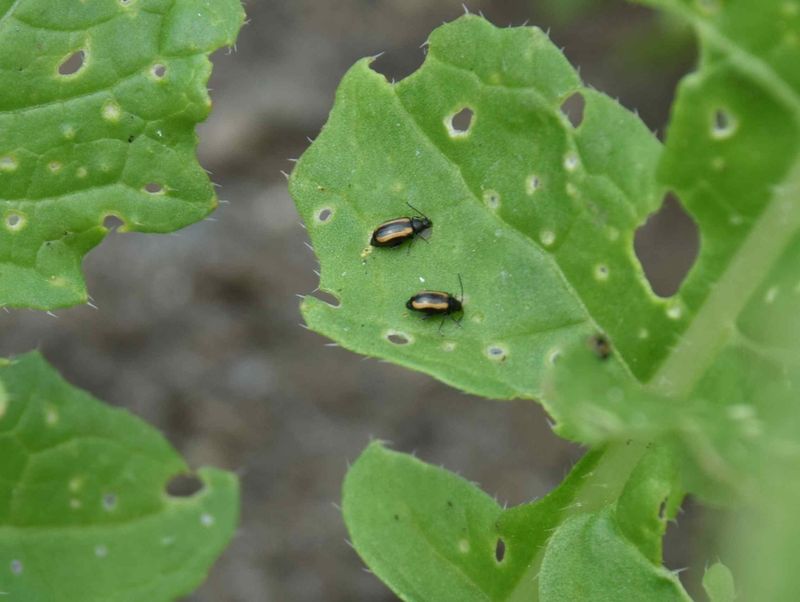
Small, jumping insects that scatter when leaves are disturbed can be one of the first challenges eggplant growers notice in a Georgia summer garden.
Flea beetles are tiny but they can cause noticeable damage to young eggplant leaves, leaving behind clusters of small holes that weaken plants if the pressure is heavy and goes unaddressed.
Seedlings and young transplants tend to be most vulnerable, so early scouting pays off.
Checking plants regularly in the first few weeks after transplanting gives gardeners a chance to catch flea beetle activity before leaf damage becomes significant.
Healthy, established plants tend to tolerate moderate flea beetle pressure better than young ones that are still building root systems and canopy.
Keeping plants well-watered and fed during the early season helps them grow through minor damage more effectively.
Row covers can help protect young plants from flea beetles early in the season, though covers need to be removed once plants begin flowering so that pollination can occur.
Floating row cover fabric is lightweight and easy to manage in Georgia’s warm conditions.
Some gardeners also use reflective mulches around plants to deter flea beetles. Staying observant rather than waiting for visible damage to accumulate gives the best chance of managing this pest without it becoming a major setback.
Flea beetles are a known challenge for eggplant in the Southeast, but attentive monitoring helps keep them from undermining an otherwise productive growing season.
8. Georgia Gardeners Often Overlook Its Value
Overlooked seedlings at the garden center, sitting quietly beside the tomato and pepper starts that most Georgia shoppers reach for first, might actually be one of the better investments of the summer growing season.
Eggplant brings a lot to the table, both in the garden and in the kitchen, and its reputation for being difficult is often more about unfamiliarity than actual complexity.
Many Georgia gardeners who try eggplant for the first time are surprised by how well it fits the summer climate here.
The heat that wilts other crops can actually push eggplant forward, and a well-sited plant in warm soil with good sun and consistent water can produce steadily for months.
The fruit is versatile in cooking, working well grilled, roasted, stewed, or used as a base for dips and spreads.
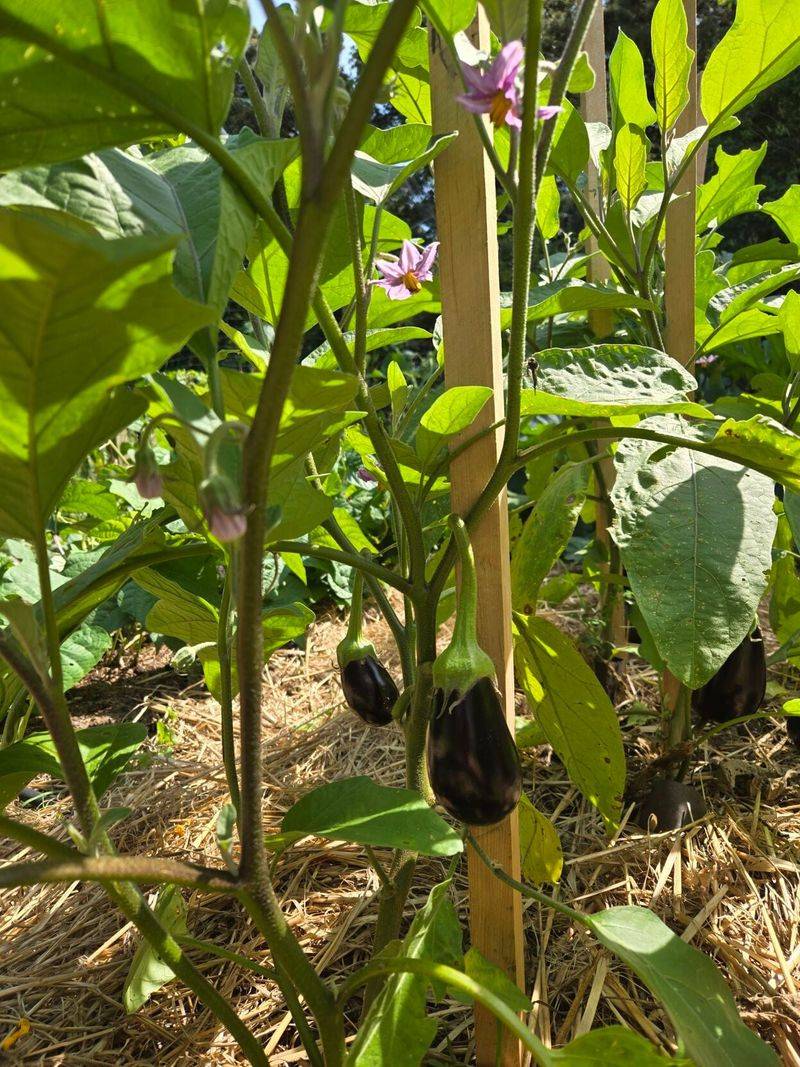
Beyond flavor, eggplant adds visual interest to the garden with its purple flowers and deep-colored fruit.
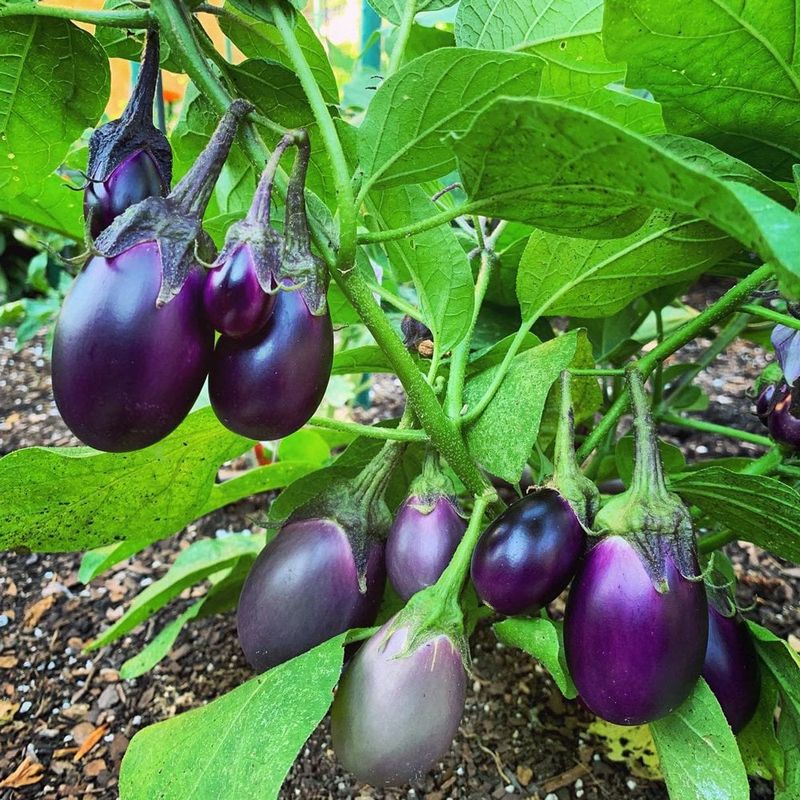
Varieties range from the classic large dark purple type to slender Asian styles, small round types, and even white or striped options that add variety to a summer harvest basket.
Exploring different eggplant varieties is one of the more enjoyable parts of growing this crop in a Georgia garden.
Giving eggplant a fair chance in the vegetable bed, with proper care and realistic expectations, often leads gardeners to wonder why they waited so long to make room for it.