Why This Fast-Growing Minnesota Native Tree Is Perfect For Your Fence Line
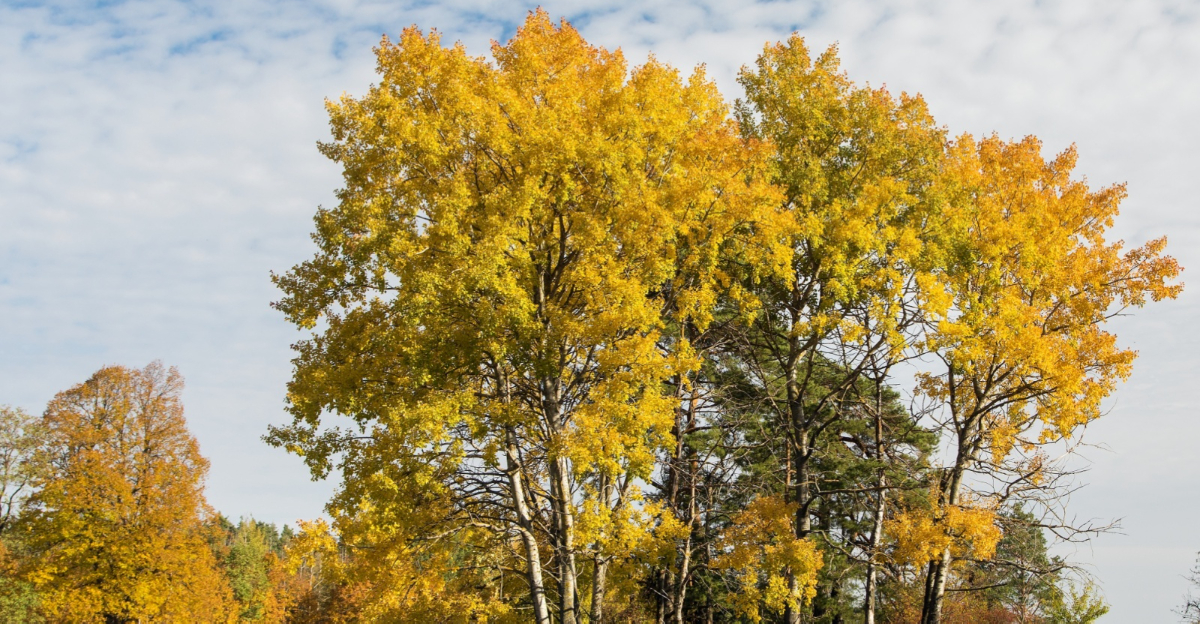
A hillside full of trees in October does not just catch your eye. It stops your breath. The leaves tremble and flash like scattered coins in the wind.
That kind of beauty can turn an ordinary Minnesota backyard into something that feels almost cinematic.
You might have driven past a row of these trees a hundred times without realizing what you were looking at.
A fast-growing native that quietly builds one of the most effective natural privacy screens in the upper Midwest.
What if the most useful tree for your Minnesota property line has been hiding in plain sight all along?
It spreads on its own, fills in bare gaps, and laughs through the kind of winters that test everything you plant. No expensive fencing. No constant upkeep.
Just a living, breathing wall that grows stronger every single year. Beauty, function, and cold-weather resilience all wrapped into one. You just have to plant it first.
Grows 2 To 5 Feet Per Year
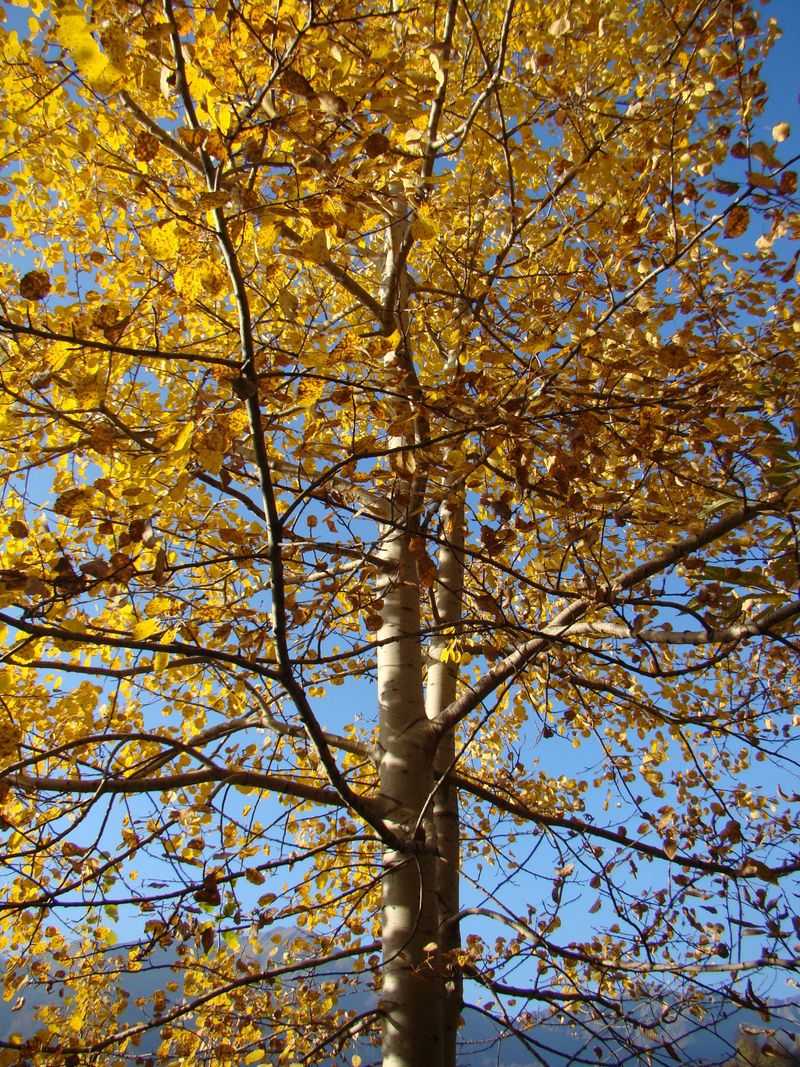
Quaking Aspen does not ease into growth. In just one season, a newly planted sapling can shoot up between 2 and 5 full feet under good conditions.
That kind of speed is impressive among native trees, and it makes a real difference when you are trying to build a natural privacy screen fast.
Plant a row of these trees today, and within three to five years you could have a fence line that actually looks like something.
Most slow-growing options leave you staring at a row of sticks for a decade before you see real results. Quaking Aspen does not waste time.
Its roots get established quickly in the first season, then above-ground growth kicks into high gear the following spring.
You can almost watch it happen week by week if you are paying attention. Homeowners who want results without waiting years often turn to fast-growing species, but many of those are invasive or non-native.
Quaking Aspen gives you speed and ecological integrity at the same time. That is a combination that is hard to beat.
The rapid upward growth also means you get canopy coverage sooner. More canopy means more shade, more wind protection, and more visual blocking from neighboring properties.
For anyone tired of feeling exposed in their own backyard, that fast growth rate is not just a bonus. It is the whole point.
Self-Fills Gaps By Sprouting New Shoots From Its Roots
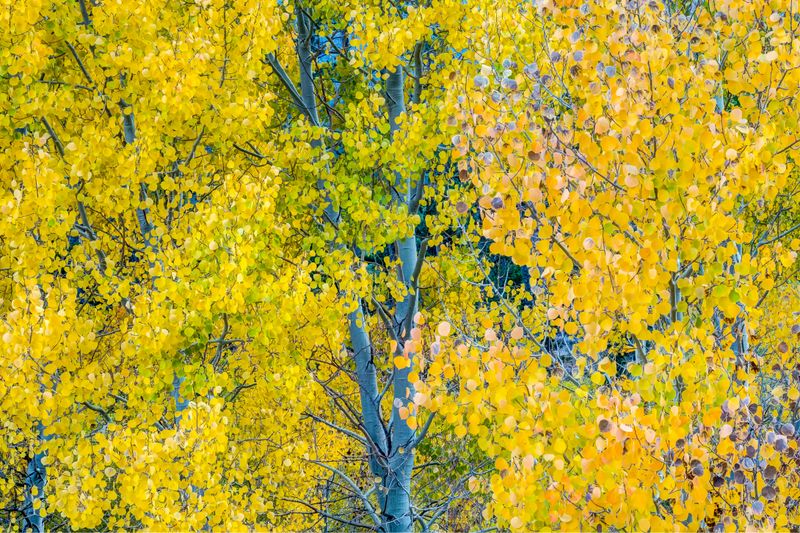
Quaking Aspen is the tree that fixes its own mistakes. When a gap appears in your Minnesota fence line, this species sends up new shoots from its underground root system to fill the space.
No replanting required. No extra cost. Just nature doing the work for you. These new sprouts are called suckers, and they are one of the most useful features this tree has.
A single parent tree can send up dozens of new shoots over time, gradually thickening your tree line into a dense, connected grove.
What starts as a sparse row can become a solid wall of green within a few seasons. If you have ever struggled with patchy hedges or bare spots, this feature will feel almost too good to be true.
Your Minnesota Garden Changes Every Week. Your Plan Should Too.
Gardening in Minnesota changes quickly throughout the season. Every Friday you’ll receive a simple weekly plan showing exactly what to plant, prune, fertilize, harvest, and protect so you never miss the right timing.
It is completely real and well-documented. Quaking Aspen naturally forms clonal colonies, meaning an entire grove can technically be one connected organism sharing a single root network.
That root connection also means the grove supports itself. If one tree gets stressed by drought or wind, the root network can help channel nutrients to struggling members of the colony.
It is a built-in support system that most other fence-line trees simply do not have. One thing worth planning for: Aspen roots spread enthusiastically across Minnesota properties, which is exactly what fills your fence line so effectively.
But that same energy can send shoots into nearby garden beds or close to hardscapes like patios and driveways.
Removing unwanted suckers early is easy, and root barriers can keep the grove neatly contained where you want it.
For a privacy screen that self-repairs and self-expands, this natural sprouting habit is a real practical advantage. You plant once and let the grove do the rest. Nature has already figured out the spacing.
Dense Summer Foliage Creates A Natural Privacy Screen
Summer in the backyard should feel like your own personal retreat. If your neighbor can see every move you make from their deck, that feeling disappears fast.
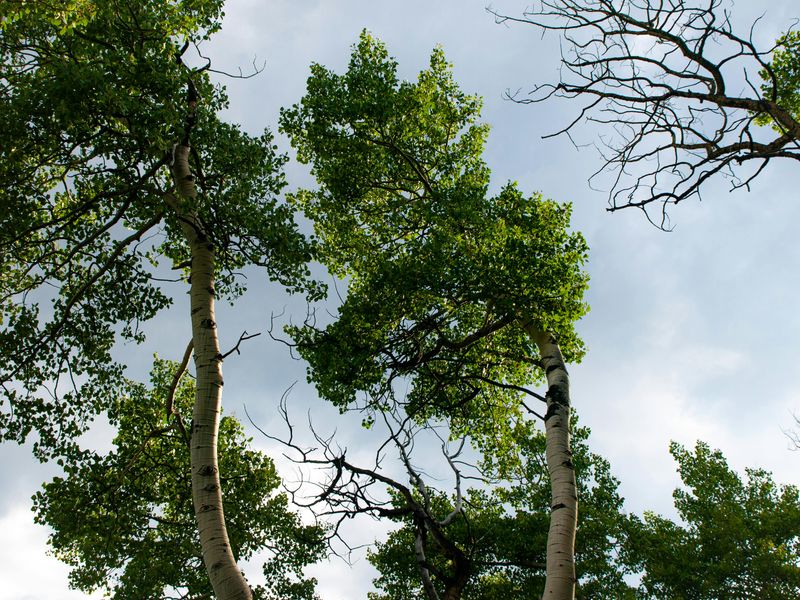
Quaking Aspen solves that problem with a wall of lush, overlapping leaves that blocks sightlines from late spring all the way through early fall.
The leaves on this tree are round and slightly flattened at the stem, which causes them to tremble and flutter in even the lightest breeze.
That movement creates a layered, rippling effect that fills the visual space between branches beautifully. From a distance, a mature grove looks almost like a green curtain hanging along your property line.
By midsummer, a well-established row of Quaking Aspen can reach mature heights of 40 to 65 feet, depending on growing conditions.
At that scale, the canopy coverage becomes genuinely impressive. Neighbors, traffic, and nearby structures simply disappear behind the foliage.
What makes this natural screen special is the texture it adds to the landscape. Unlike a wooden fence or vinyl privacy panel, a living tree line moves, breathes, and changes with the seasons.
It brings sound, motion, and life to your yard in a way that manufactured barriers never can. Backyard gatherings feel more intimate when surrounded by trees instead of fences.
The soft rustle of Aspen leaves in a summer breeze adds an atmosphere that no hardware store product can replicate. Once you experience it, a plain fence will feel like a serious downgrade.
White Bark And Golden Fall Color Keep It Beautiful Year-Round
Some trees earn their place in the yard with function alone. Quaking Aspen earns it with both function and striking natural beauty.
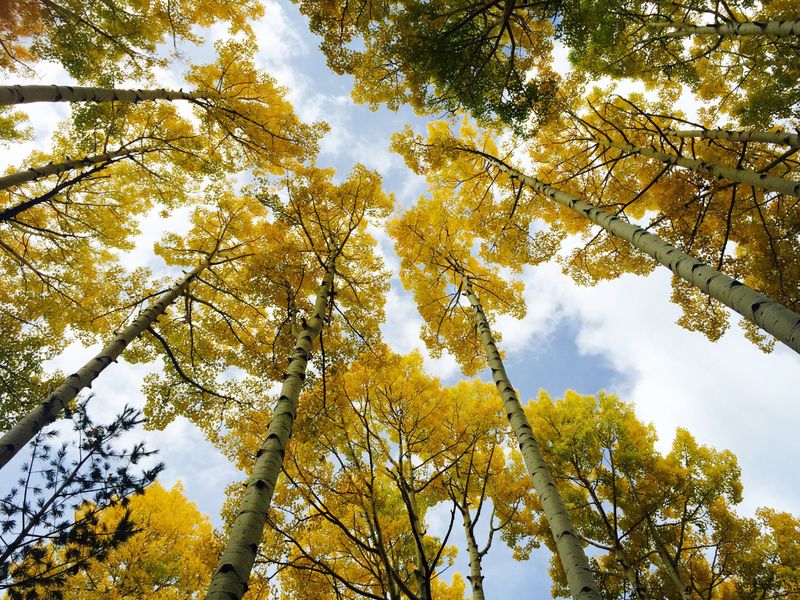
The combination of smooth white-to-gray bark and blazing golden fall color makes this one of the most visually striking trees you can plant along a property line.
The bark is not just attractive. It is distinctive enough to make your yard stand out from every other house on the block.
On young trees the bark is smooth and bright, ranging from creamy white to light gray-green. Even in the depths of winter, when every other tree looks like a tangle of gray sticks, Quaking Aspen glows.
That bark catches light on cloudy days and creates contrast against snow in a way that feels almost painterly.
Come autumn, the transformation is breathtaking. Leaves shift from deep summer green to a warm, saturated gold that seems to glow from within when backlit by the afternoon sun.
In Minnesota, Aspen groves turn entire hillsides into rivers of yellow every October. Landscape designers often charge a premium for plants that offer multi-season interest.
Quaking Aspen delivers that naturally, without any extra effort on your part. You get spring freshness, summer fullness, autumn gold, and winter elegance all from a single tree species.
Planting a row of these trees along your fence line is not just a practical decision. It is a design choice that improves your property’s curb appeal through every season of the year. Neighbors will stop and stare. That is not an accident.
Adapts To Many Different Soil Types
Not every yard has perfect soil. Rocky patches, clay-heavy ground, and sandy stretches can make planting feel like a gamble.
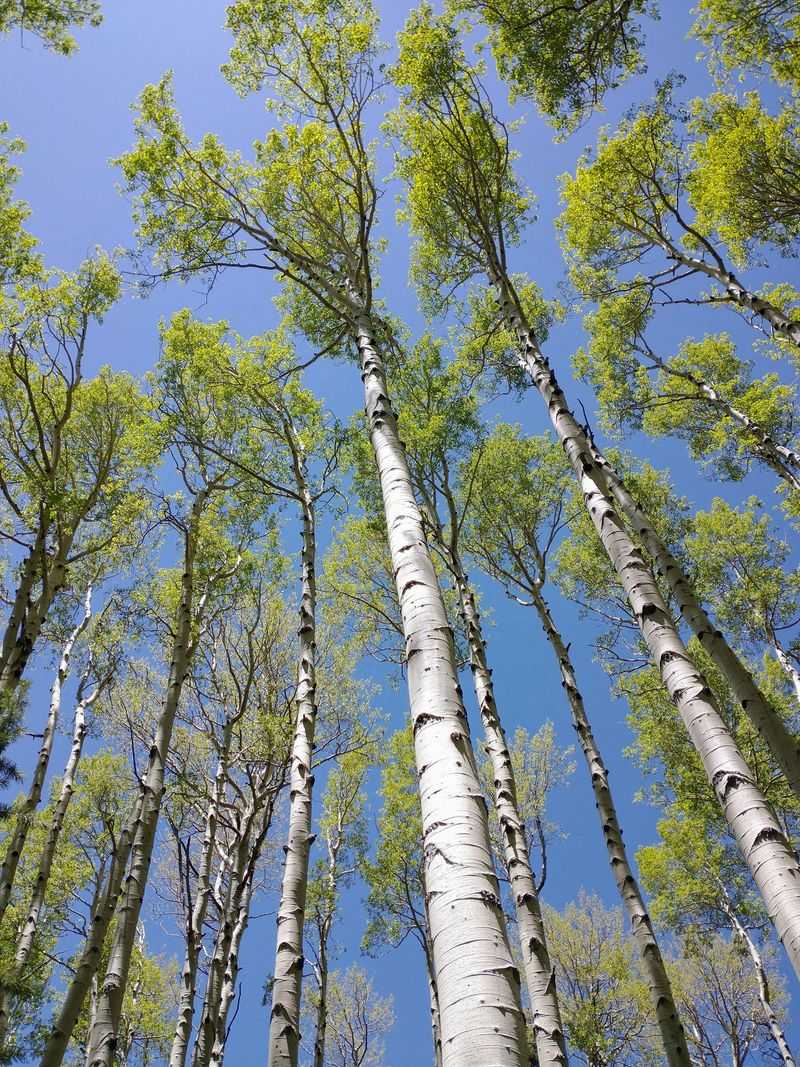
Quaking Aspen takes that gamble off the table. This tree has adapted over thousands of years to grow across an enormous range of soil conditions.
It handles sandy soil that dries out fast, loamy soil that most plants prefer, and even moderately heavy clay, provided drainage is reasonable.
Few native trees match its flexibility when it comes to where it will actually grow and thrive.
That adaptability is a huge advantage when you have irregular or challenging terrain along your fence line. In most cases, you can simply dig a hole, plant the tree, water it in, and step back.
Quaking Aspen also tolerates mildly acidic to slightly alkaline soil pH, which covers most of what you will find across Minnesota yards and rural properties alike. One condition it genuinely needs is consistent moisture, especially in the first few seasons.
Soil that stays waterlogged for long stretches can stress the root system over time, so if your planting area drains very slowly, a little soil amendment goes a long way.
As long as the soil is not completely bone-dry or perpetually saturated, this tree will find a way to establish itself.
For anyone in Minnesota who has watched expensive plants struggle in their yard’s problem spots, finding a tree this forgiving feels like a genuine relief. Plant it where other things have failed. Chances are good it will surprise you.
Thrives In Full Sun, Tolerates Partial Shade
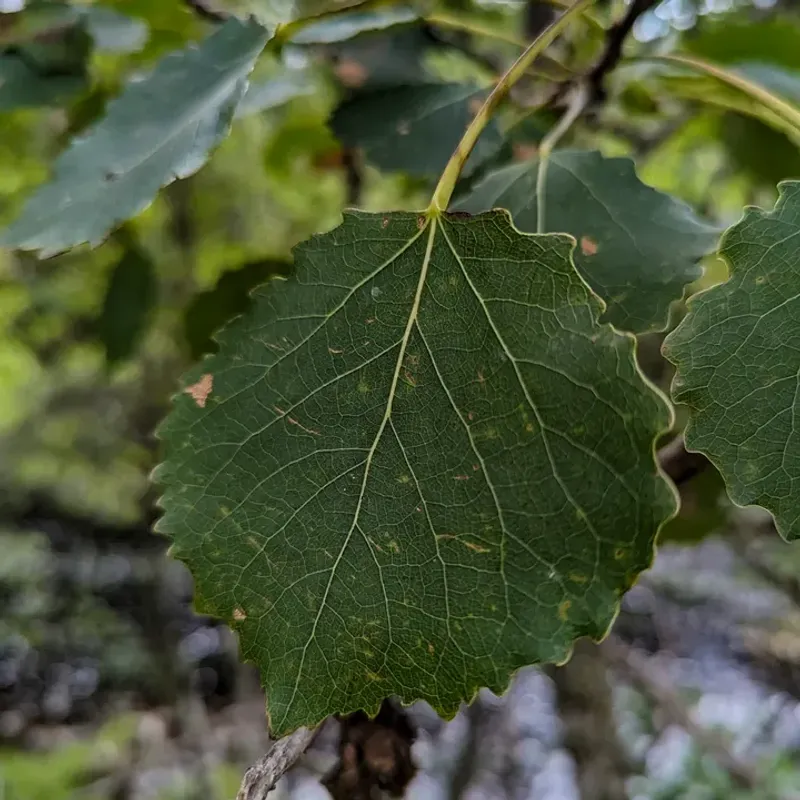
Light conditions in a typical backyard are rarely consistent. One section of your fence line might bake in full afternoon sun while another sits in the shadow of your house for most of the day.
Quaking Aspen is at its best in full sun. In open, sunny spots with six or more hours of direct light daily, these trees grow at their fastest rate and produce the densest, most vigorous foliage.
That is where they truly shine. If your fence line gets plenty of sunlight, expect this tree to take off.
In partial shade, Quaking Aspen can still establish and fill in a fence line, though growth slows noticeably and the canopy will be somewhat less full compared to sunnier spots.
It is worth knowing that this species strongly prefers light, and the shadier the location, the more patient you will need to be.
Its natural habitat includes forest edges where light levels shift, so it has some built-in flexibility. But for the fastest, densest screen, prioritize the sunniest sections of your property line.
Planting a continuous fence line becomes much simpler when one species can handle a range of conditions.
Quaking Aspen does that better than most. That kind of flexibility makes the planting process far less stressful.
Needs Very Little Maintenance Once Established
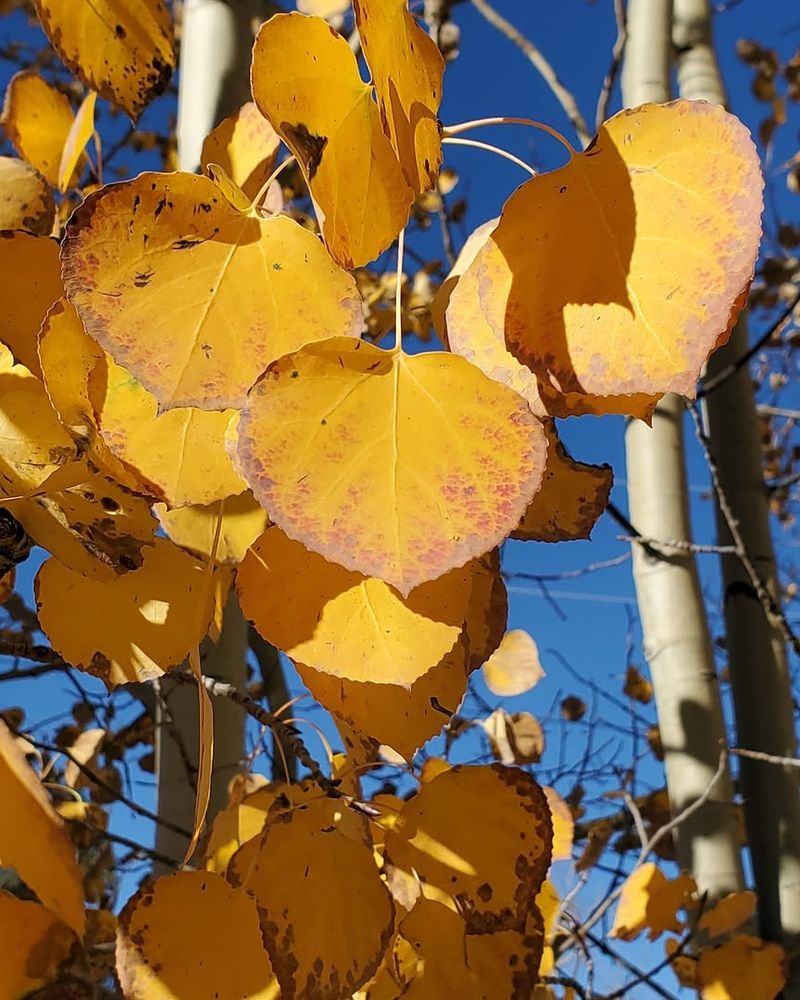
Low-maintenance is a phrase that gets thrown around a lot in gardening. Quaking Aspen actually earns it.
Once this tree gets its roots established in the first growing season, it largely takes care of itself.
No weekly watering schedules, no annual fertilizing routines, no complicated pruning requirements.
During the first year after planting, regular watering helps the root system get a strong foothold.
After that, established trees tap into deep soil moisture and handle typical seasonal dry spells on their own.
Pruning needs are minimal as well. Quaking Aspen naturally grows in a clean, upright form that rarely requires shaping.
You might want to remove the lowest branches as the tree matures to improve clearance, but that is a once-every-few-years task rather than a seasonal obligation.
Like any fast-growing tree, Aspen can be susceptible to certain pests and fungal diseases, particularly canker and poplar borers.
Keeping trees well-watered and healthy is the best way to stay ahead of those issues. A quick seasonal check is all most established groves ever need.
It is worth knowing that individual Aspen stems have a shorter lifespan compared to oaks or maples, typically ranging from 20 to 60 years in a home landscape.
The good news is that the root colony itself persists and continuously sends up healthy new stems, so the grove renews itself over time rather than simply fading away.
This tree is native, which means harsh winters, spring flooding, and early frosts are nothing new to it. It has handled them for centuries without human help.
Plant a native tree and you work with nature, not against it. A wooden fence needs staining, repairs, and replacement. This tree just keeps growing.
Dense Branches Still Block Views Even In Winter
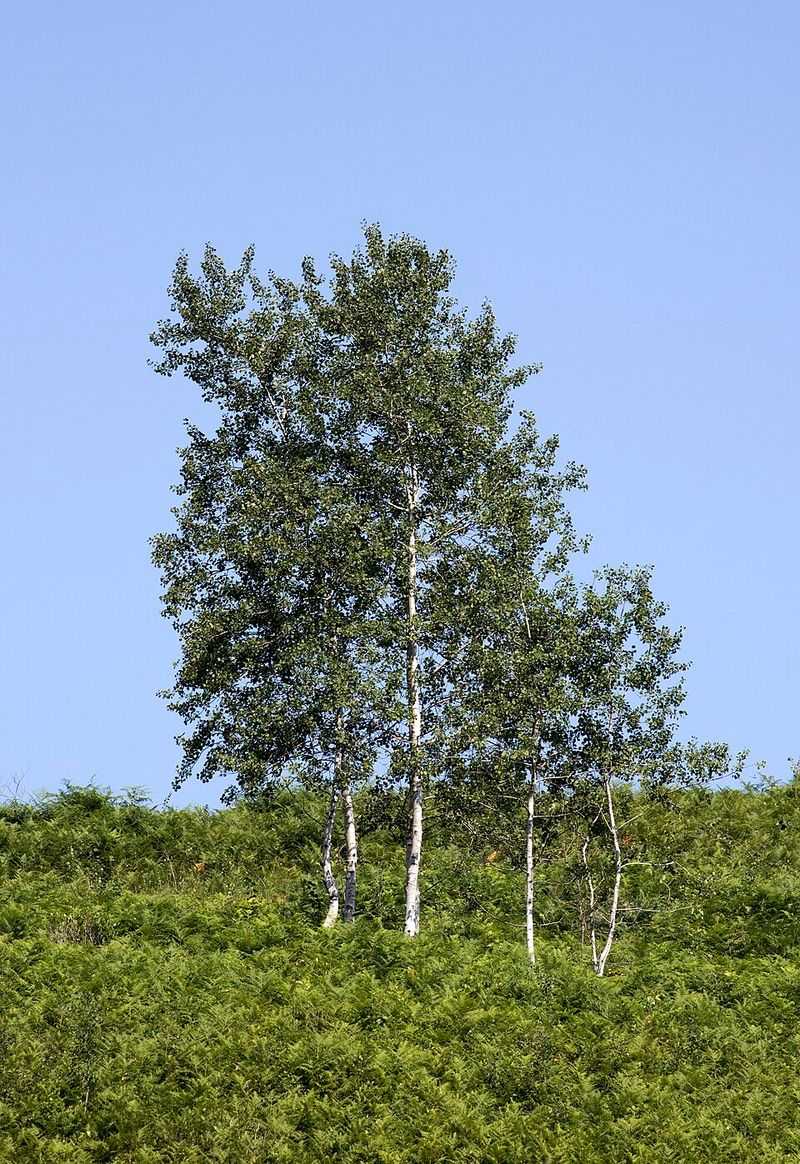
Winter is when most privacy plantings completely fall apart. Deciduous trees drop their leaves, fences look bleak, and suddenly your backyard feels exposed for five solid months.
Quaking Aspen handles winter differently. Even without leaves, a mature Aspen grove creates a surprisingly effective visual barrier.
The trees grow in tight clusters, naturally branching in dense, overlapping patterns that fill the space between trunks. From a distance, a dormant Aspen fence line still reads as a solid screen rather than a transparent row of sticks.
The white-to-gray bark also does something interesting in winter. It creates a strong visual presence that establishes a clear boundary line between your property and the world beyond it.
That visual weight keeps the fence line feeling intentional and structured even when the canopy is gone. Snow on the branches adds another layer of texture and beauty.
A heavy snowfall turns an Aspen grove into something a cedar fence could never replicate. The combination of pale bark, dark branches, and clinging snow is simply stunning.
For anyone in a cold-climate state who feels like privacy plantings are only useful half the year, Quaking Aspen changes that calculation entirely.
This tree earns its spot on the fence line in every single season. Planting it is not just a summer decision. It is a year-round investment in your property and your peace of mind.