Ohio Plants To Cut Back After Blooming (And The Ones You Should Never Touch)
Most Ohio gardeners grab the shears after blooming season with the best intentions. The spent flowers look messy, the bed needs tidying, and cutting things back feels like the responsible move.
Sometimes it is. Sometimes it sets a plant back an entire season or costs the garden something that cannot be undone until next year.
Trimming spent flowers on the wrong plant at the wrong time removes buds that were already forming for next spring. It wipes out seed heads that songbirds rely on once temperatures drop.
It pushes late season growth that weakens a plant heading into winter. None of that damage is obvious in the moment.
It shows up months later when something just does not perform the way it used to. Some Ohio plants respond beautifully to a post-bloom cut.
Others should never be touched once the flowers fade. That distinction is worth getting right before the shears come out.
1. Catmint Bounces Back After A Post-Bloom Shear
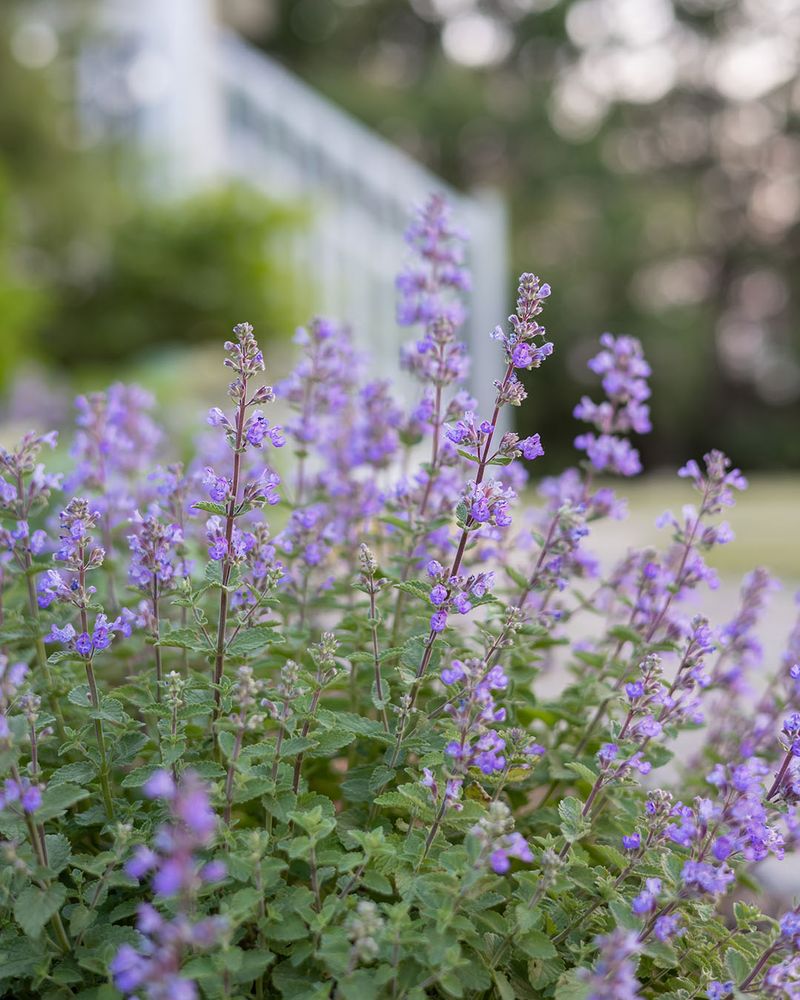
Few perennials reward a gardener’s effort quite as quickly as catmint does after a post-bloom shear. Once the first big flush of blue-purple flowers starts to fade and the stems look floppy, it’s a good signal that a trim is overdue.
Shearing the plant back by about one-third to one-half of its height can tidy the clump and encourage a fresh flush of new growth.
Use clean, sharp shears to avoid tearing stems. Make cuts above healthy leaves or side shoots rather than cutting into bare, woody stems near the crown.
Cutting into the woody crown without a good reason can set the plant back more than you’d expect.
Catmint is a tough perennial, but heat and drought can stress it out right when you’re thinking about trimming. If the plant looks wilted or the soil is bone dry, water it first and give it a day or two before picking up the shears.
A stressed plant doesn’t bounce back as fast as a well-watered one. After trimming, a light watering helps the plant push out fresh leaves faster.
Don’t skip cleanup entirely, because left untrimmed, catmint can flop outward and look messy for the rest of the growing season.
2. Salvia Sends Up Fresh Flowers When Spent Spikes Come Off
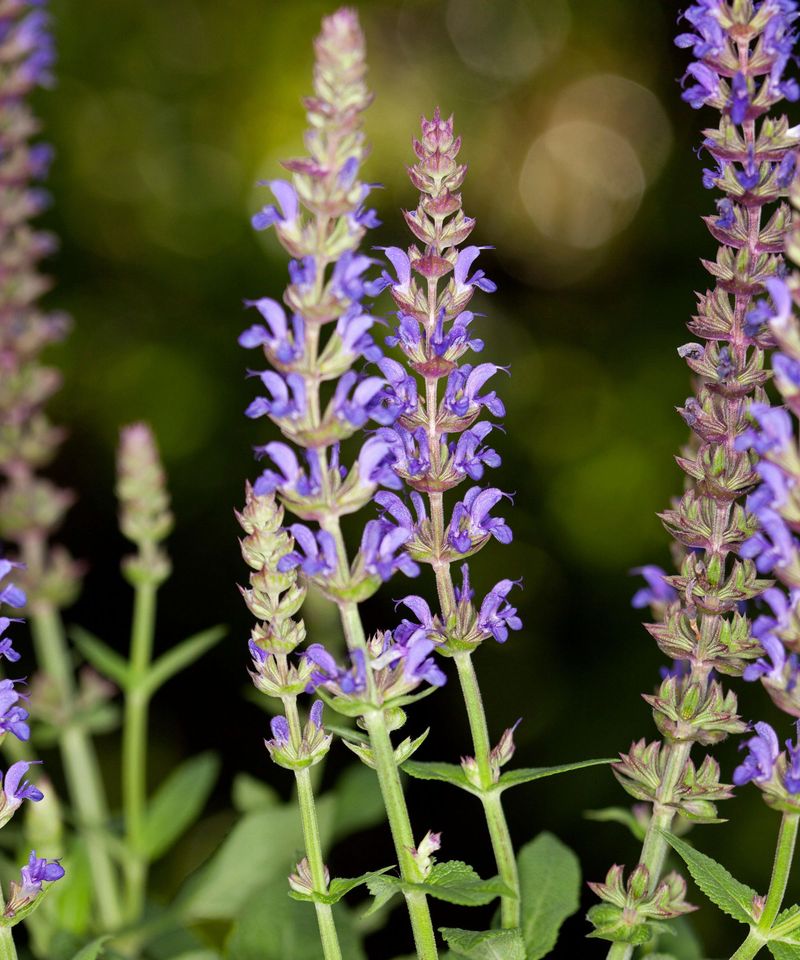
Perennial salvia is one of those plants that almost asks to be trimmed. Once the flower spikes start looking brown and ragged, removing them can clean up the plant considerably.
On some varieties, taking off spent spikes above a healthy leaf node or side shoot may encourage a lighter second flush of flowers later in the season.
The key word there is “may.” Not every salvia variety reblooms reliably, and results depend on the cultivar, the season’s heat, and how much water the plant has received. Don’t count on a full second show, but do expect a tidier, more compact plant after a careful trim.
Make cuts above a set of healthy leaves or a visible side shoot rather than cutting the whole plant to the ground. Hacking salvia flat after bloom is unnecessary and can stress the plant, especially during hot, dry stretches common in Ohio summers.
Your Ohio Garden Changes Every Week. Your Plan Should Too.
Gardening in Ohio changes quickly throughout the season. Every Friday you’ll receive a simple weekly plan showing exactly what to plant, prune, fertilize, harvest, and protect so you never miss the right timing.
If temperatures are spiking above 90 degrees and the plant looks stressed, hold off on any hard trimming until conditions cool slightly. Clean shears matter here too.
Dirty blades can spread problems between plants, so a quick wipe with rubbing alcohol between cuts is a smart habit worth building.
3. Hardy Geranium Looks Cleaner After A Midseason Cutback
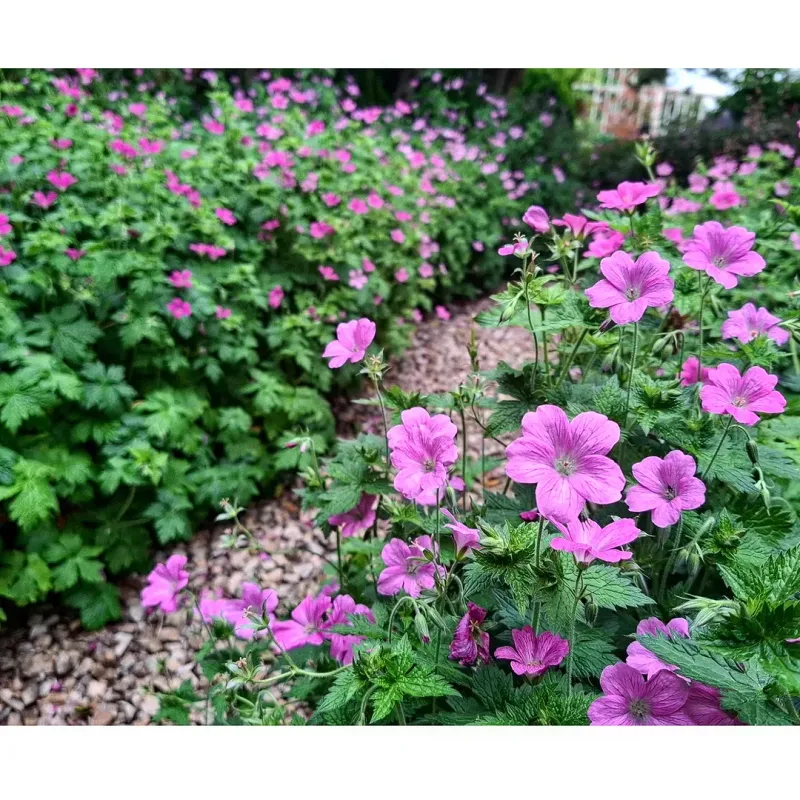
Hardy geranium, often called cranesbill, is a workhorse in perennial beds across this state. After blooming, many varieties start to look open, floppy, or a bit ragged, with foliage that yellows or sprawls outward.
A midseason cutback can refresh the whole clump and bring back a neater, more compact look.
Cutting the plant back by about half after bloom removes tired foliage and gives the clump a chance to push out clean new leaves.
Some varieties may produce a lighter second bloom, but that varies a lot by species and cultivar, so treat any rebloom as a bonus rather than a guarantee.
After a hard trim, water the clump well and keep the soil reasonably moist while the plant recovers. Hardy geraniums are tough, but cutting them back during a heat wave without watering them afterward can slow recovery noticeably.
Remove the trimmed foliage from the bed rather than leaving it to mat down over the crown. Piled-up clippings can trap moisture and encourage problems.
If you’re growing a native or near-native variety, check whether leaving some seedheads would benefit local wildlife before removing everything. Different species behave differently, so knowing what you’re growing helps you make a smarter cut.
4. Columbine Benefits From Trimming Once Seedheads Form
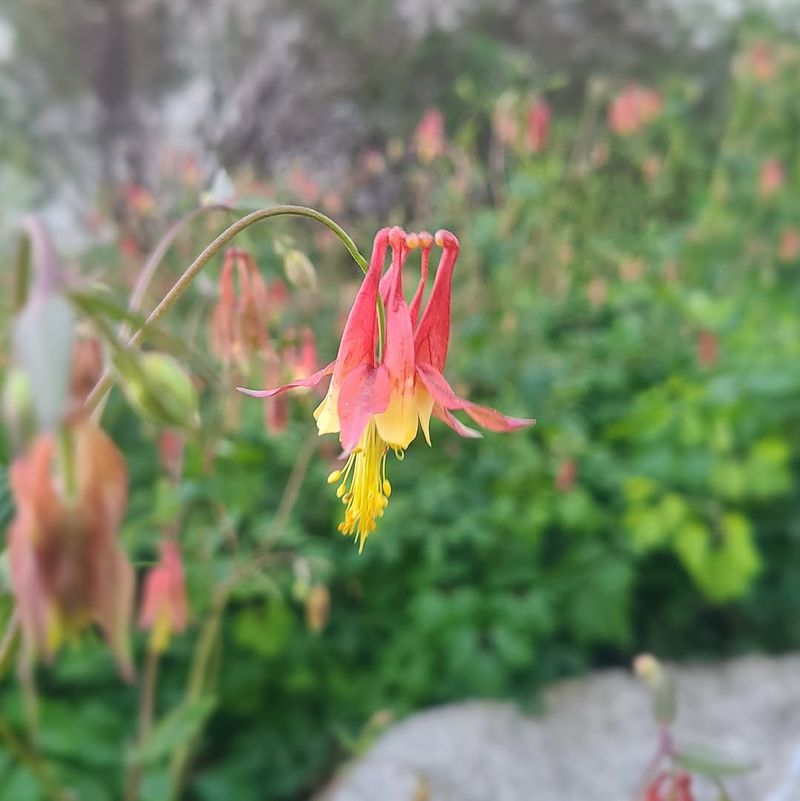
Columbine puts on a beautiful show in spring, but once the flowers fade, the plant moves quickly into seedhead production.
Those seedheads can scatter seedlings all over the bed, which sounds charming until you have columbine popping up in unexpected spots every season.
Trimming spent flower stems once the blooms fade can reduce that spreading significantly.
Gardeners who enjoy self-seeding or want to save seed for planting elsewhere should leave a few seedheads in place.
Birds and other small wildlife sometimes visit columbine seedheads too, so leaving a portion of them is not a bad idea if your garden supports pollinators and wildlife.
The caution here is about the foliage. Columbine leaves can look a little rough by midsummer, especially in hot weather.
But cutting all the foliage back hard during a heat stretch can stress the plant more than it helps. Focus on removing just the flower stems and seedheads rather than giving the whole plant a severe haircut.
The leaves, even when they look less than perfect, are still feeding the roots. A selective cleanup means removing stems without stripping the plant of all its leaves.
That is the more sensible approach for keeping columbine healthy through summer and into the following spring.
5. Bee Balm Needs Cutting Back When Mildew And Spent Blooms Take Over
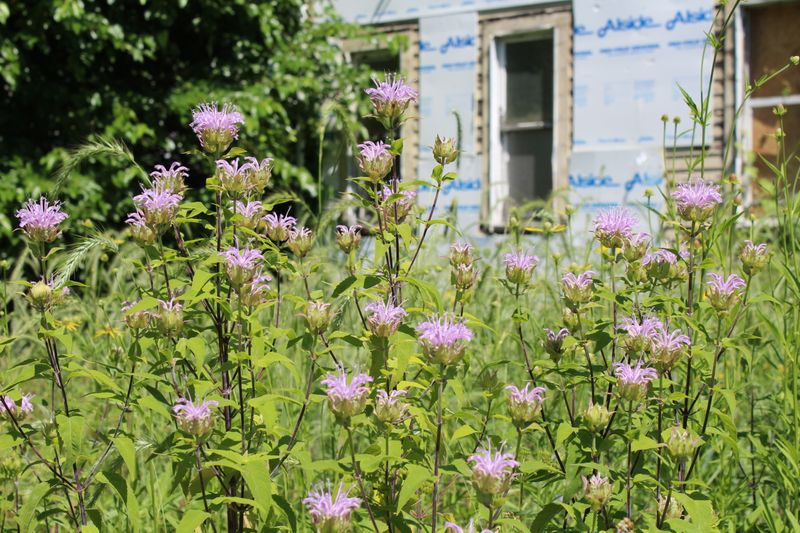
By late summer, bee balm in many Ohio gardens looks like it has had a rough season. Spent flower heads turn brown, foliage gets ragged, and powdery mildew often shows up on the leaves in white or gray patches.
At that point, a cleanup trim can at least improve the appearance of the plant and the surrounding bed.
Removing spent blooms tidies the plant, and cutting back foliage that looks heavily affected by mildew can reduce the visual mess. Be careful here though.
Cutting the plant back will not cure a mildew problem. Mildew is a fungal issue tied to air circulation, humidity, and plant spacing, and no amount of pruning alone fixes those root causes.
Better long-term steps include choosing mildew-resistant bee balm varieties and spacing plants so air can move between them. Watering at the soil level rather than overhead also helps.
If you do cut back mildew-affected foliage, don’t leave the clippings piled in the bed. Put them in the trash rather than the compost pile, since composting potentially diseased material at home carries some risk.
After cleanup, water the plant at the base and let it recover on its own. Bee balm is a native plant, so leaving some seedheads for birds is worth considering before you remove everything.
6. Garden Phlox Stays Tidier When Faded Flowers Come Off
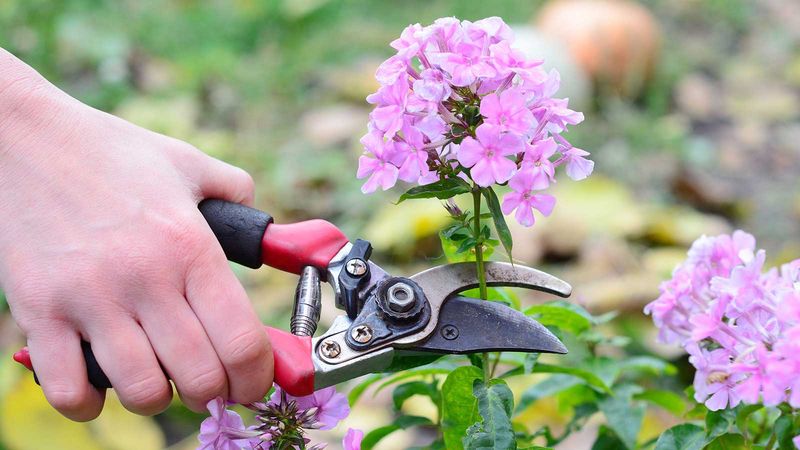
Garden phlox is a summer staple in perennial beds across the Buckeye State, and it can keep a bed looking colorful for weeks. Once those flower clusters start fading, removing them keeps the plant looking cleaner.
It can also reduce the number of unwanted seedlings that pop up around the bed next season.
Trimming phlox means snipping off the spent flower cluster, not cutting the whole stem to the ground. The healthy green foliage below the flower head should stay in place.
Those leaves are still doing important work after bloom, helping the plant build energy for the following year.
Mildew is a real concern with garden phlox, just as it is with bee balm. Removing faded flowers will not solve a mildew problem, but good growing practices can reduce how often it shows up.
Space plants so air moves freely between them, water at the base rather than from above, and look for mildew-resistant varieties when shopping for new plants.
Cutting back healthy foliage just because it looks a little tired after bloom is not necessary and can weaken the plant heading into fall.
Leave the leaves, remove the spent blooms, and let the plant finish its season with its foliage intact. That’s the approach most Extension sources support for keeping phlox strong year after year.
7. Peonies Should Keep Their Leaves After The Flowers Fade
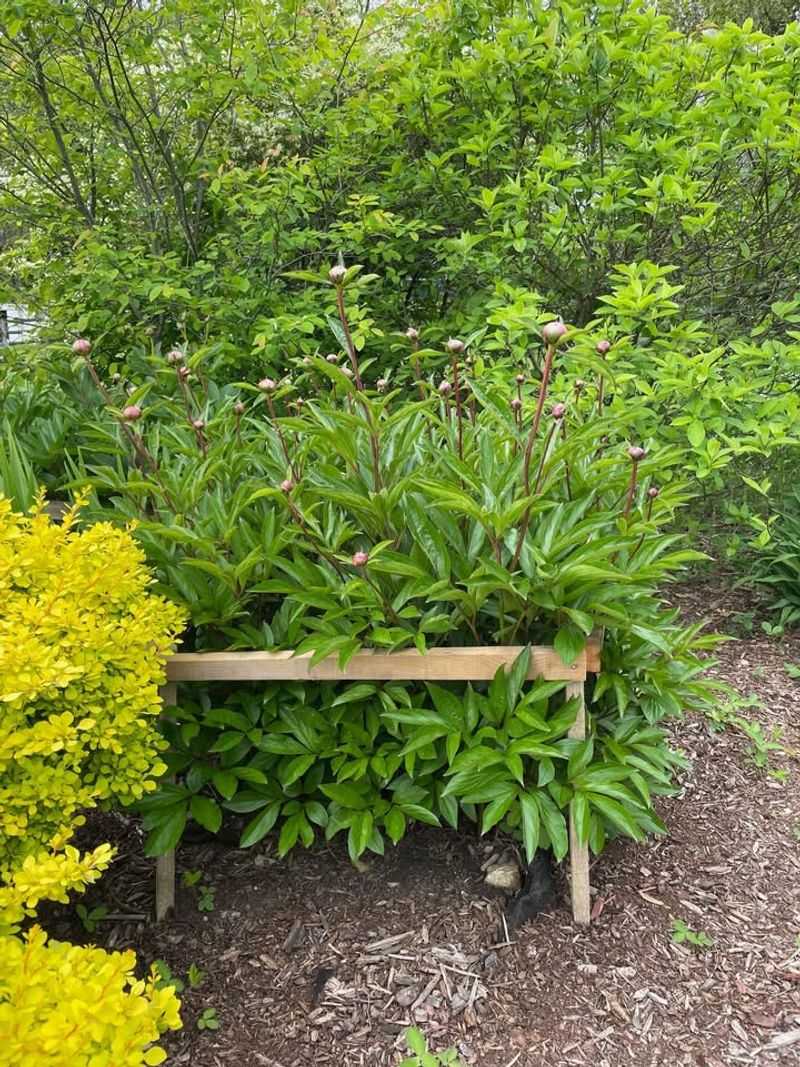
Peonies are one of the most beloved plants in Ohio home landscapes, and they’re also one of the most misunderstood when it comes to post-bloom care. Once the flowers fade, it’s perfectly fine to remove the spent blooms.
What you should not do is cut the foliage back early just to tidy things up.
Those large, glossy leaves are working hard all summer long. After the flowers are gone, the foliage continues to gather sunlight and send energy down to the roots, building the reserves that support next year’s flowers.
Cutting peony leaves off in early summer weakens the plant over time and can reduce flowering in future seasons.
According to Extension guidance, peony foliage should generally be left in place until fall, after it begins to decline naturally or after a hard frost. At that point, cutting the stems down close to the ground and removing the debris from the bed is the right move.
If a plant shows signs of botrytis blight or other disease on the foliage, removing affected leaves and keeping the bed clean is appropriate. But that is a targeted response to a specific problem, not a routine post-bloom haircut.
Healthy peony leaves deserve to stay right where they are until fall cleanup time rolls around.
8. Iris Foliage Needs Time To Feed Next Year’s Growth
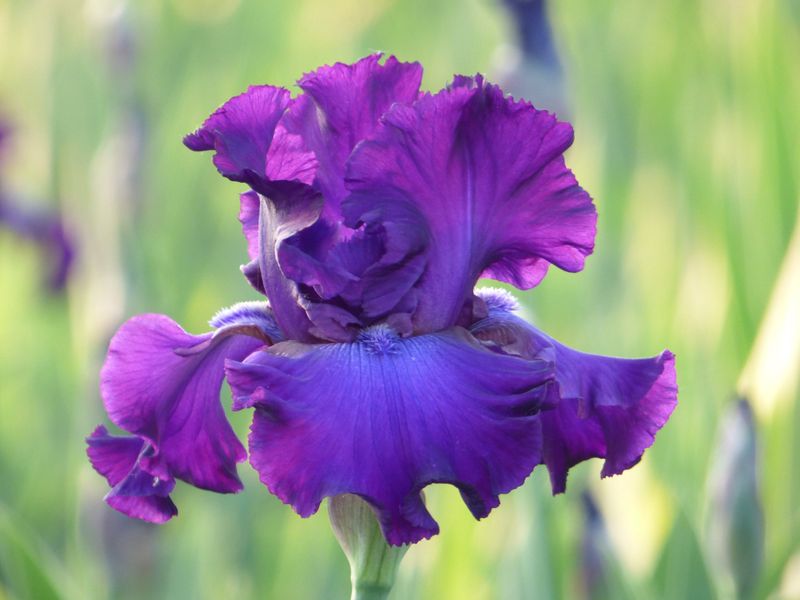
Bearded iris puts on a spectacular show in late spring, and once the flowers are done, it’s easy to want to clean everything up right away. Removing the spent flower stalks is a good idea and should be done once blooming is finished.
The fan-shaped leaves, on the other hand, need more time before they’re touched.
Those green fans are feeding the rhizomes underground, helping store energy for next year’s bloom. Cutting healthy iris foliage into short stubs early in the season, just for the sake of looks, reduces the plant’s ability to build that energy reserve.
The result can be fewer flowers the following spring.
Damaged, brown-tipped, or diseased-looking leaves can be removed as needed throughout the season without harming the plant. Improving airflow around the fans by removing withered outer leaves also makes sense from a plant health standpoint.
A heavier cleanup, cutting fans back to about six inches or so, is more appropriate in late summer or fall as part of the seasonal bed cleanup.
If iris borers or soft rot are present, more aggressive removal of affected tissue is warranted, but that’s a targeted response, not a routine trim.
Keep the healthy green foliage standing as long as it is doing its job.
9. Hydrangeas Require The Right Pruning Timing For Their Type
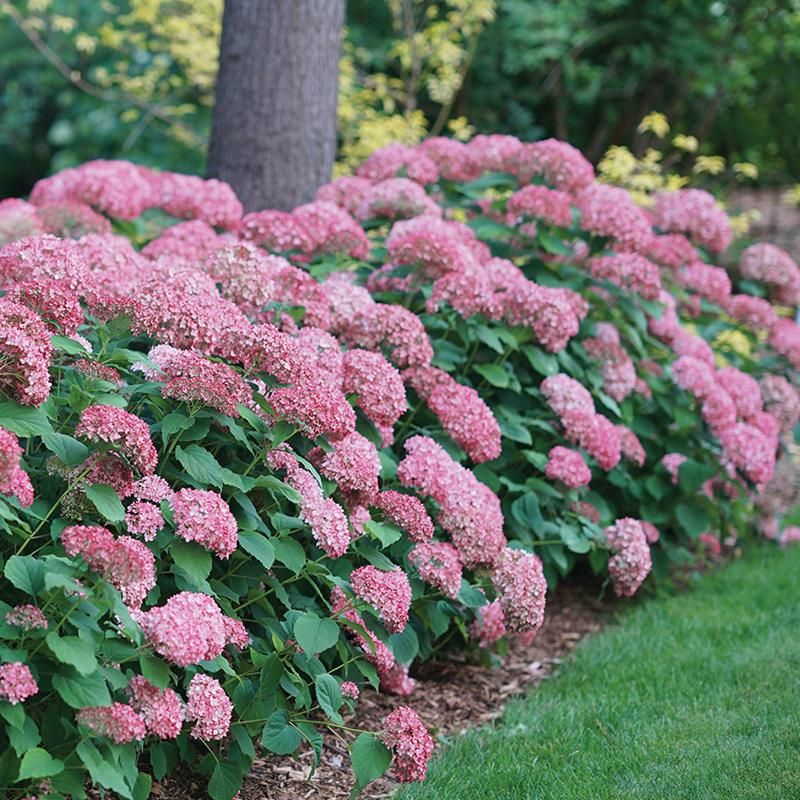
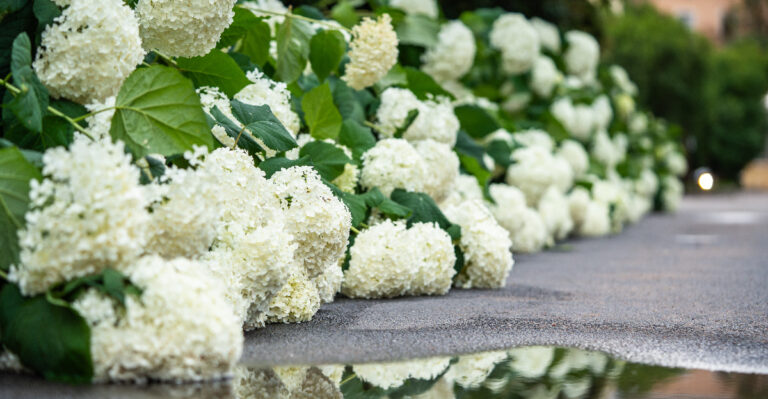
Hydrangeas are probably the most pruning-confused shrubs in home landscapes across this state. Cutting one back at the wrong time is one of the most common reasons gardeners end up with a shrub full of leaves and no flowers the following season.
The type of hydrangea you have determines everything about when and how to prune it.
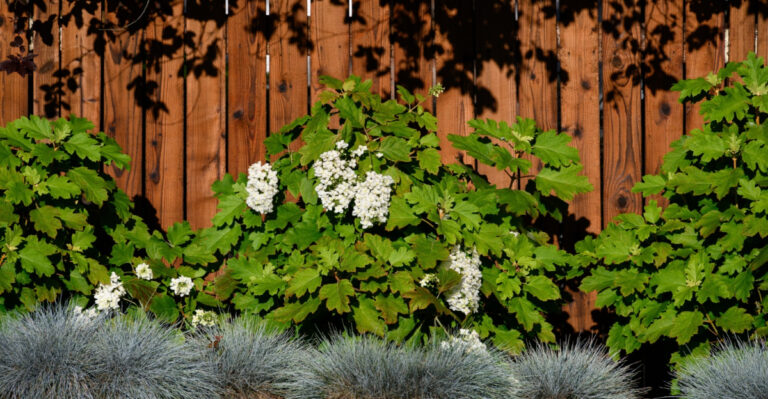
Bigleaf, oakleaf, mountain, and some climbing hydrangeas bloom on old wood, meaning they set their flower buds on stems that grew the previous season.
Pruning those right after bloom or at the wrong time of year removes the buds that would have become next year’s flowers.
Panicle and smooth hydrangeas bloom on new wood and have more flexible pruning windows.
If you’re not sure which type you have, the safest approach is to remove only clearly damaged or broken stems. Leave the rest alone until you can identify the plant properly.
Spent blooms on old-wood types can often be left in place through winter, where they add texture and help protect the buds below.
Panicle hydrangeas, like Limelight and others common in local gardens, can handle a more significant pruning in late winter or early spring.
Knowing your hydrangea before reaching for the pruners is the single most important step you can take.
10. Spring-Blooming Shrubs Should Not Be Cut After Buds Begin Forming
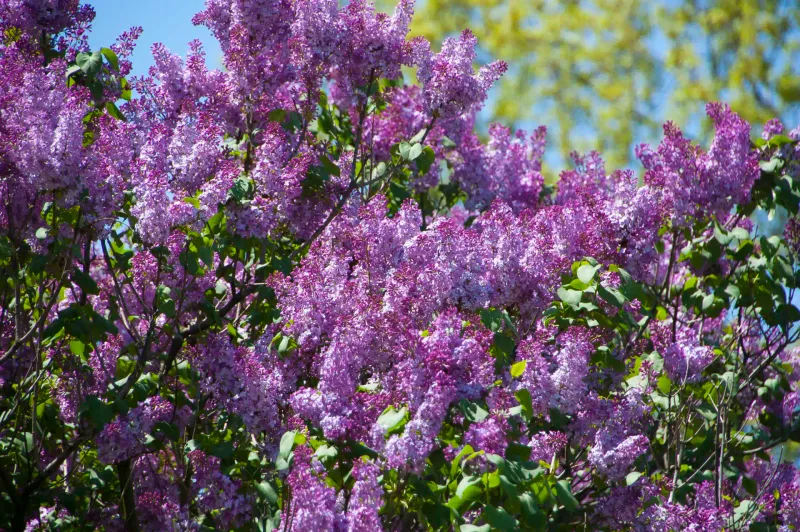
Spring-blooming shrubs like lilac, forsythia, viburnum, mock orange, and some spireas follow a pattern that catches a lot of gardeners off guard. After they finish blooming, they begin setting the flower buds that will produce next year’s show.
Pruning late in the season, once those buds are forming, removes exactly what you’re hoping to see bloom next spring.
The best window for pruning most spring-blooming shrubs that bloom on old wood is shortly after they finish flowering in spring. That timing gives the shrub the rest of the growing season to develop new growth and set buds without interference.
Waiting until late summer, fall, or early spring to prune can cost you a full season of flowers.
Selective pruning is the smarter approach here. Removing crossing branches, deceased wood, or stems that are crowding the center of the shrub is reasonable.
Shearing the whole thing into a tight ball removes flowering wood and creates a dense outer shell that blocks light from reaching the interior. If a shrub has gotten too large, a gradual renewal over a few seasons is less disruptive than a single severe cut.
Check Extension guidance for the specific shrub you’re working with, because timing and technique can vary between species. When in doubt, prune lightly right after bloom and leave the rest alone.