The Sandy Soil Mistake That Makes Florida Gardens Struggle In June
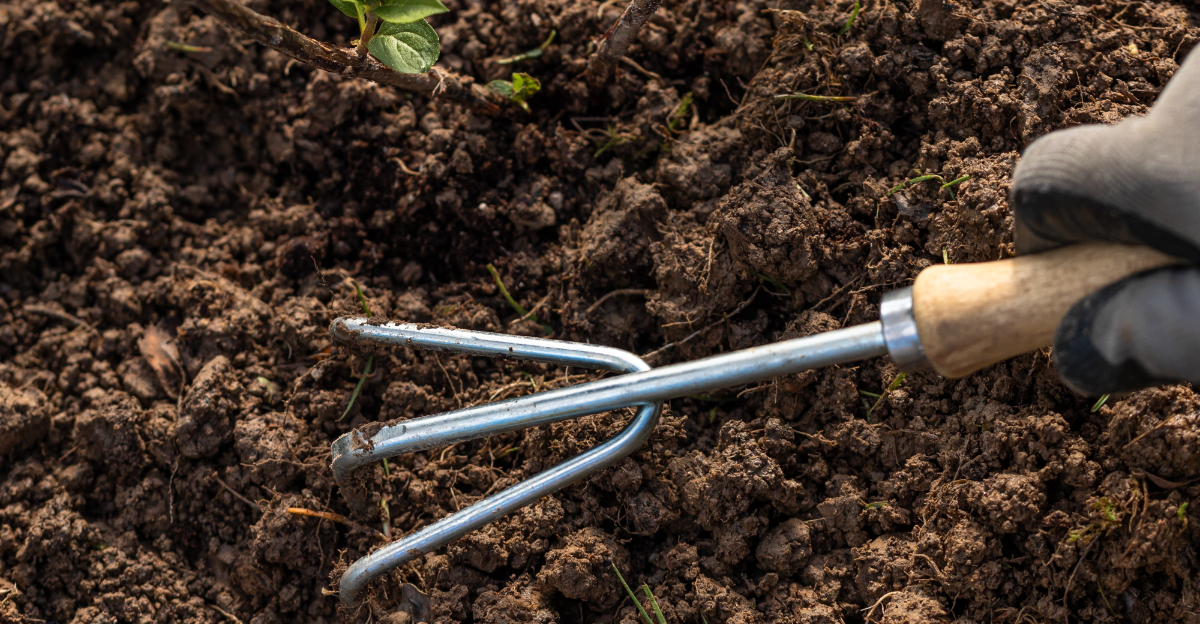
Florida’s sandy soil has one job and it does it almost too well. It drains.
Fast, relentlessly, and without much concern for whether your plants had a chance to drink before the water disappeared six inches down. June arrives with its combination of heat and unpredictable rainfall.
Sandy soil turns that already difficult equation into something that tests even experienced Florida gardeners. Most people respond by watering more.
That is understandable and almost always the wrong move, at least on its own. There is a specific mistake Florida gardeners make with sandy soil in June that compounds every other challenge the month throws at them.
It has nothing to do with how often they water. It has to do with what was never added to that soil in the first place.
Fix that one oversight and June becomes a significantly more manageable month in a Florida garden.
1. Sandy Soil Dries Out Faster Than June Gardens Expect
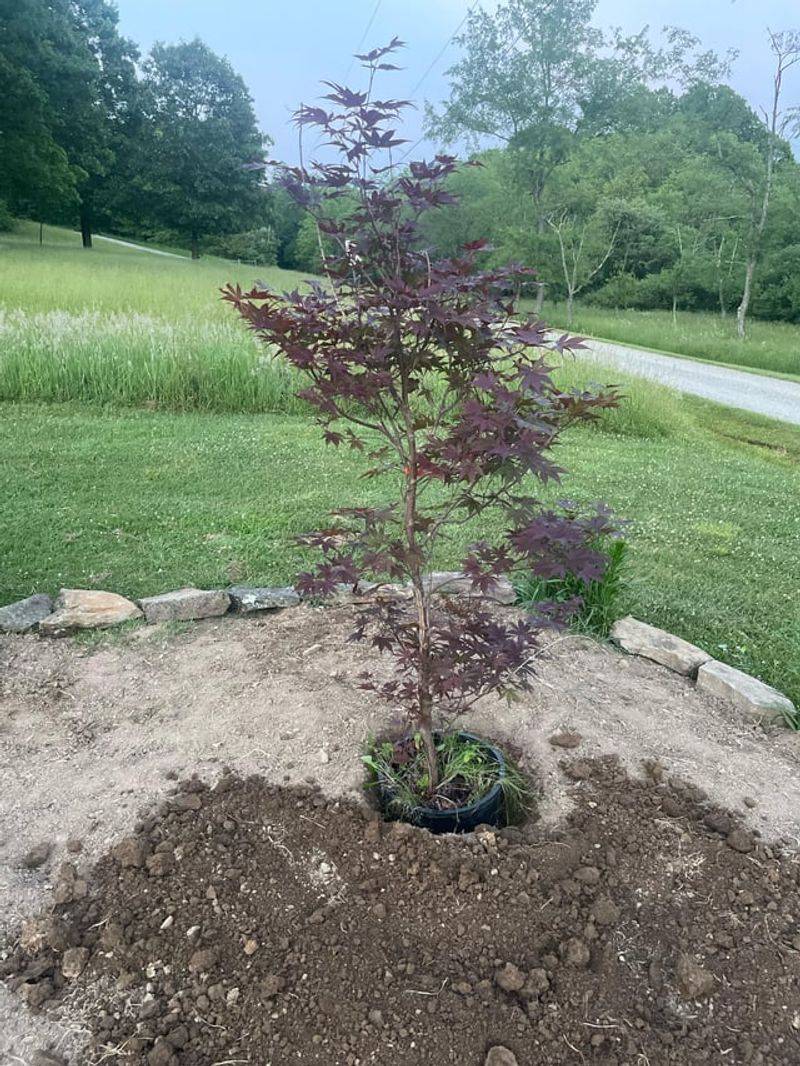
A bed can look damp on top and still be bone dry an inch below the surface. That gap between appearance and reality is one of the trickiest parts of gardening in sandy soil during June.
Unlike clay or loam, sandy soil has large particles with wide spaces between them. Water moves through quickly and does not cling to the soil the way many gardeners expect.
After a short rain or a quick irrigation cycle, the surface may darken and look moist. But roots sitting two to four inches down can already be reaching for water that has drained past them.
June heat speeds this up fast. Soil temperatures in exposed beds can climb high enough to stress roots and evaporate surface moisture within hours of watering.
Judging soil moisture by eye alone leads to underwatering more often than overwatering in sandy conditions. A simple finger test or a basic soil moisture probe can give a clearer picture.
Push a finger or a thin wooden dowel a few inches into the bed. If it comes out dry or barely cool, the soil likely needs water regardless of how it looked on top.
Checking below the surface before watering is a habit that saves plants and water alike.
2. Shallow Watering Leaves Roots Stuck Near The Surface
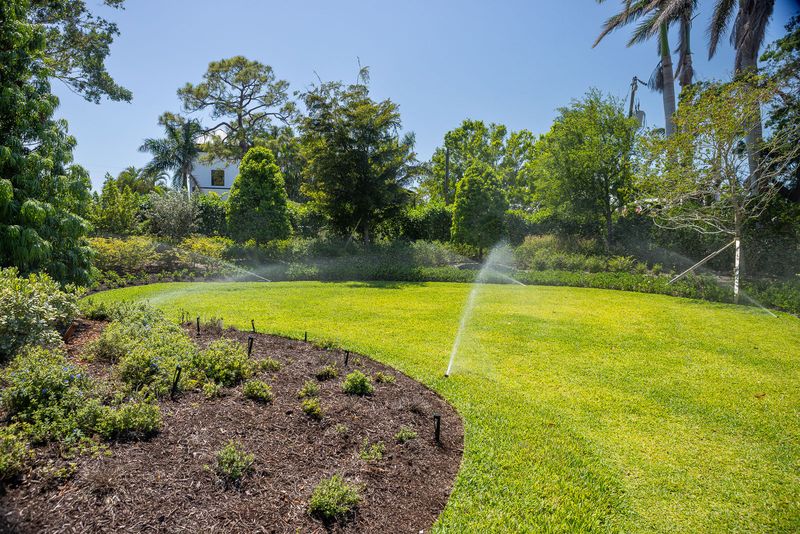
Watering a little every day might feel like good plant care, but in sandy soil it can quietly work against the garden. Frequent, light watering keeps moisture in the top inch or two of soil.
Roots follow moisture, so they tend to stay shallow when water never reaches deeper levels. Shallow roots are more exposed to heat, dry spells, and surface temperature swings that June brings regularly.
Deep, less frequent watering encourages roots to move downward where conditions stay steadier. Soil a few inches down holds moisture longer and stays cooler than the surface layer.
Over time, plants with deeper roots handle dry stretches between rains much better than those with roots clustered near the top.
How much water and how often depends on the plant, the season, local irrigation rules, and recent rainfall. A rain gauge or smart irrigation controller can help track what the garden has already received.
Your Florida Garden Changes Every Week. Your Plan Should Too.
Gardening in Florida changes quickly throughout the season. Every Friday you’ll receive a simple weekly plan showing exactly what to plant, prune, fertilize, harvest, and protect so you never miss the right timing.
Before running irrigation, check the soil first. If the top two to three inches still feel moist, skipping that cycle is usually the right call.
Watering deeply when the soil actually needs it, rather than on a rigid daily schedule, builds stronger roots and wastes less water over the course of the season.
3. Thin Mulch Lets Heat And Moisture Loss Speed Up
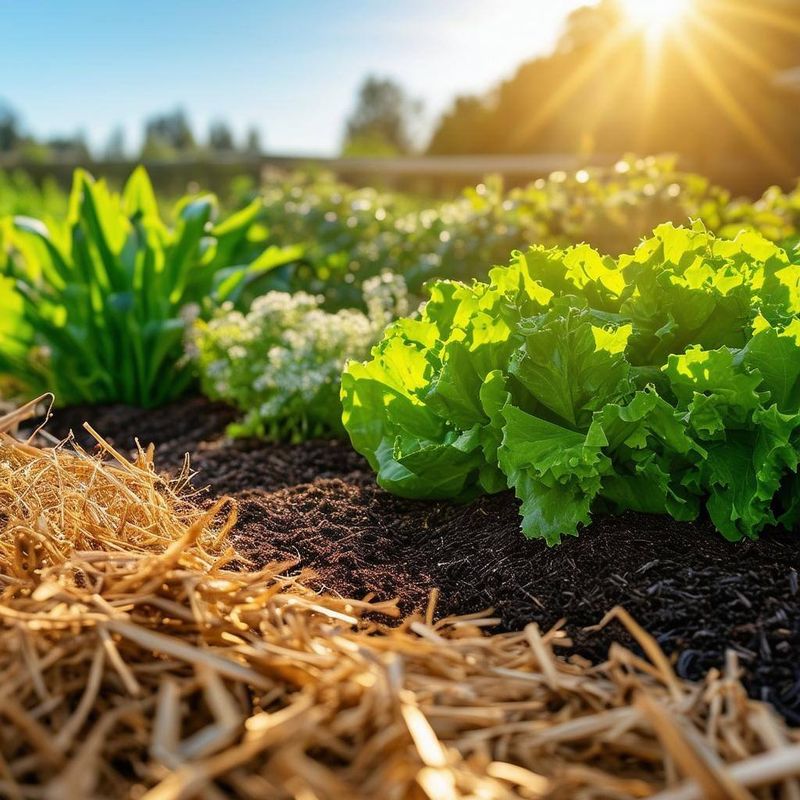
Bare sandy soil in June acts almost like a hot pan left on a burner. Without cover, it heats up fast, dries out quickly, and can splash soil onto plant stems and leaves during heavy rain.
A thin or uneven mulch layer gives only partial protection, which means the soil beneath still loses moisture faster than it should.
Mulch does several useful things at once. It moderates soil temperature, slows evaporation, reduces surface crusting, and breaks down gradually to add small amounts of organic matter over time.
A consistent layer of two to three inches of organic mulch, such as pine bark or wood chips, can make a noticeable difference. It helps sandy beds hold usable moisture longer between waterings or rain events.
Placement matters as much as depth. Keep mulch a few inches away from plant stems, trunks, and crowns to allow air circulation and reduce rot risk.
Pull mulch back from house walls and keep it clear of areas where moisture could build up against wood or siding. Refreshing mulch once or twice a year helps maintain coverage as the material breaks down.
A well-mulched bed in June handles heat and rain swings far better than one left thin or bare.
4. Fast Drainage Washes Nutrients Away Before Plants Use Them
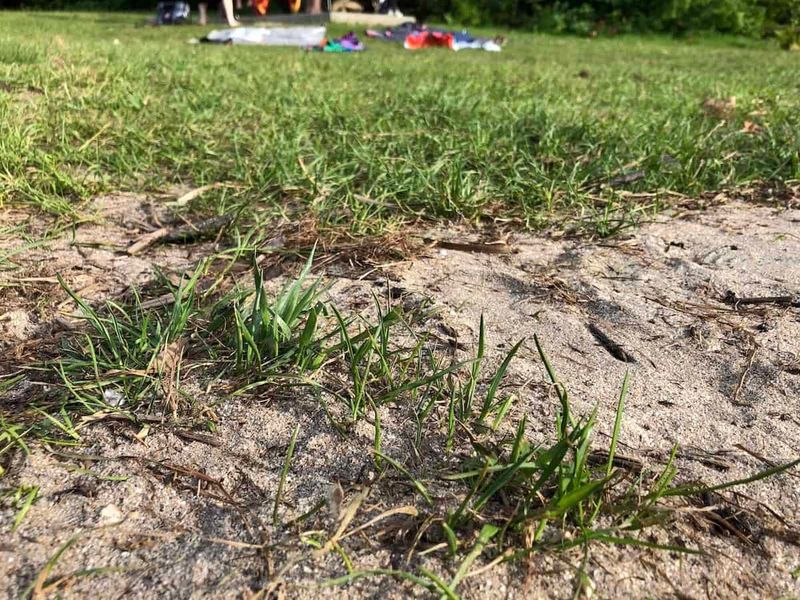
Heavy June rains can flush nutrients straight through sandy soil before plant roots have a chance to absorb them. This process is called leaching, and it happens naturally in sandy soils.
The same fast drainage that prevents waterlogging also carries dissolved nutrients downward and out of the root zone. Nitrogen is especially prone to leaching, which is why sandy beds can look nitrogen-deficient even after recent fertilizer applications.
Reaching for more fertilizer is a common response. But adding extra product to already-stressed or actively leaching soil often wastes money and can cause environmental problems.
Excess nutrients that move past the root zone can reach groundwater or nearby water bodies, which is a real concern in this state. UF/IFAS guidance consistently recommends soil testing before fertilizing and following label rates carefully.
Slow-release fertilizer formulations can help by releasing nutrients gradually over weeks rather than all at once. This gives roots more time to absorb what is available before rain or irrigation moves it on.
Avoid fertilizing during heavy rain periods when leaching risk is highest. Feeding stressed plants without addressing the underlying soil or watering issue first rarely produces the results gardeners hope for.
Fixing drainage habits and soil structure usually does more long-term good than increasing fertilizer rates.
5. Compost Helps Sandy Beds Hold Moisture Longer
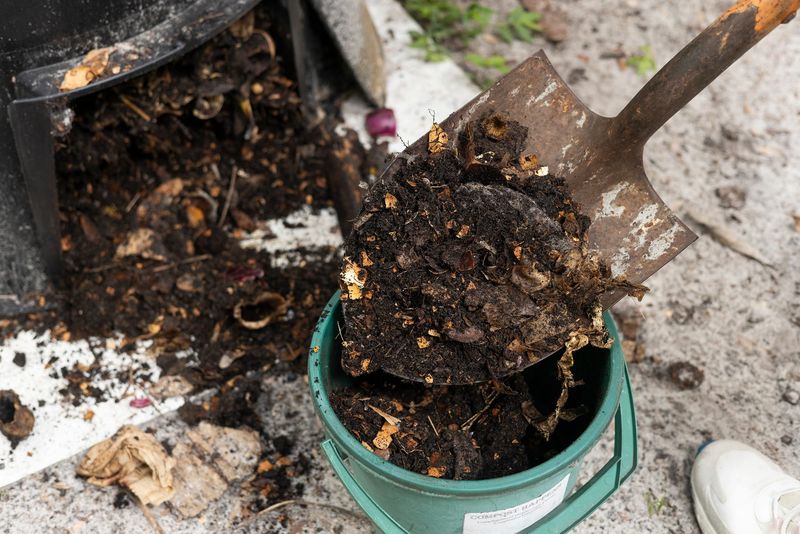
Organic matter is the ingredient sandy soil is naturally short on. Compost, aged wood chips, and other organic materials add structure to sandy beds by giving water something to cling to as it moves through the soil.
Even modest amounts of compost worked into the top several inches of a bed can improve moisture retention noticeably over a growing season.
Compost is not a one-time fix. Sandy soil breaks down organic matter faster than heavier soils do, especially in warm, humid conditions.
Refreshing compost each season and using mulch that breaks down gradually both help maintain organic matter levels over time. Adding compost to new beds before planting gives roots a better start and reduces transplant stress during hot summer months.
A few practical details matter here. Avoid burying thick layers of uncomposted material, which can create drainage problems and use up nitrogen as it breaks down.
Work finished compost evenly into the soil rather than piling it in one spot. Compost also supports beneficial soil biology, which plays a role in nutrient cycling.
Over several seasons of consistent organic matter additions, sandy beds can develop noticeably better structure. They can also hold moisture longer between waterings and support healthier root systems through June heat and rainy-season swings.
6. Wrong Plants Struggle When Roots Cannot Stay Even
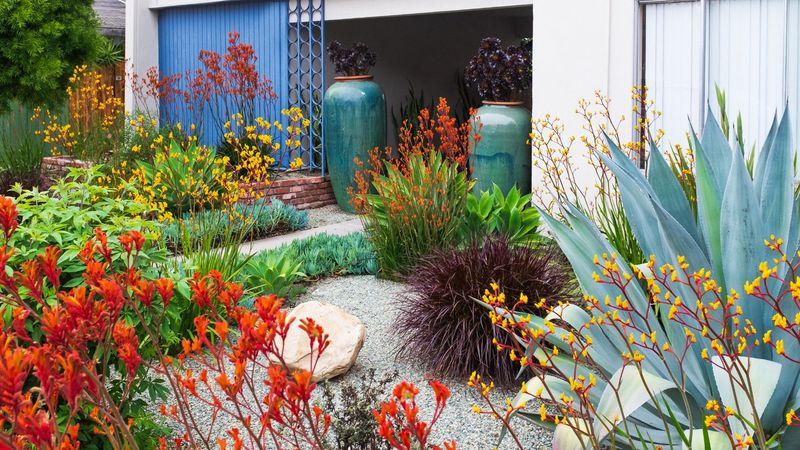
Planting a moisture-loving shrub in unamended sandy soil and expecting it to thrive through June is a setup for frustration. Some plants genuinely need consistent soil moisture and richer conditions than sandy yards naturally provide.
Without the right soil preparation and reliable watering, those plants spend most of their energy trying to cope rather than growing.
Matching plants to actual site conditions saves time, water, and effort. Drought-tolerant and Florida-adapted species are often better suited to the fast-draining, lower-nutrient conditions that sandy soil offers.
Native plants are frequently recommended because many evolved in exactly these conditions. That said, even well-chosen natives need regular water during establishment, which can take a full year or more depending on the plant size and season.
Sun exposure, drainage patterns, root depth, and spacing all factor into whether a plant will settle in comfortably or struggle. A plant rated as drought-tolerant still needs a fair start.
Planting during the hottest part of summer without adequate preparation increases stress for any species.
Reviewing UF/IFAS plant guides and Florida-Friendly Landscaping resources can help narrow down which species are genuinely suited to sandy, well-drained sites.
Choosing thoughtfully at the start avoids a cycle of replacing struggling plants season after season.
7. Containers And Raised Beds Need A Different Rhythm
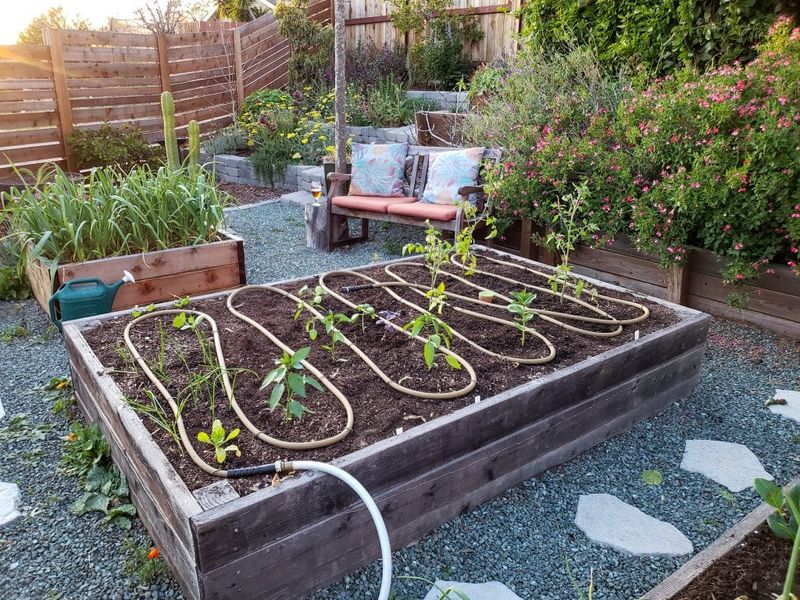
A container sitting on a sun-baked patio in June can lose moisture at a surprising rate. Small pots, dark-colored containers, and elevated beds exposed to full sun dry out faster than in-ground beds, sometimes within hours on a hot afternoon.
Potting mix also drains differently from garden soil, which changes how often watering is needed and how much the plant can rely on stored moisture.
Larger containers hold moisture longer and give roots more room to spread. When possible, choosing a pot that is generously sized for the plant helps buffer against rapid drying.
Quality potting mix designed for container use retains moisture better than sandy garden soil scooped directly into a pot. Avoid filling containers with straight sandy soil, which drains so fast it gives roots almost no buffer time.
On the other end, containers without drainage holes or trays that hold standing water can cause root stress from oversaturation, even in summer. The goal is steady moisture, not swings between soaking wet and completely dry.
Checking containers by hand before watering, rather than following a fixed schedule, keeps conditions more consistent. Grouping containers together can also reduce moisture loss slightly.
It creates a small shared microclimate that buffers individual pots from the full force of afternoon heat.
8. A Better June Fix Starts With Soil Cover And Deep Watering
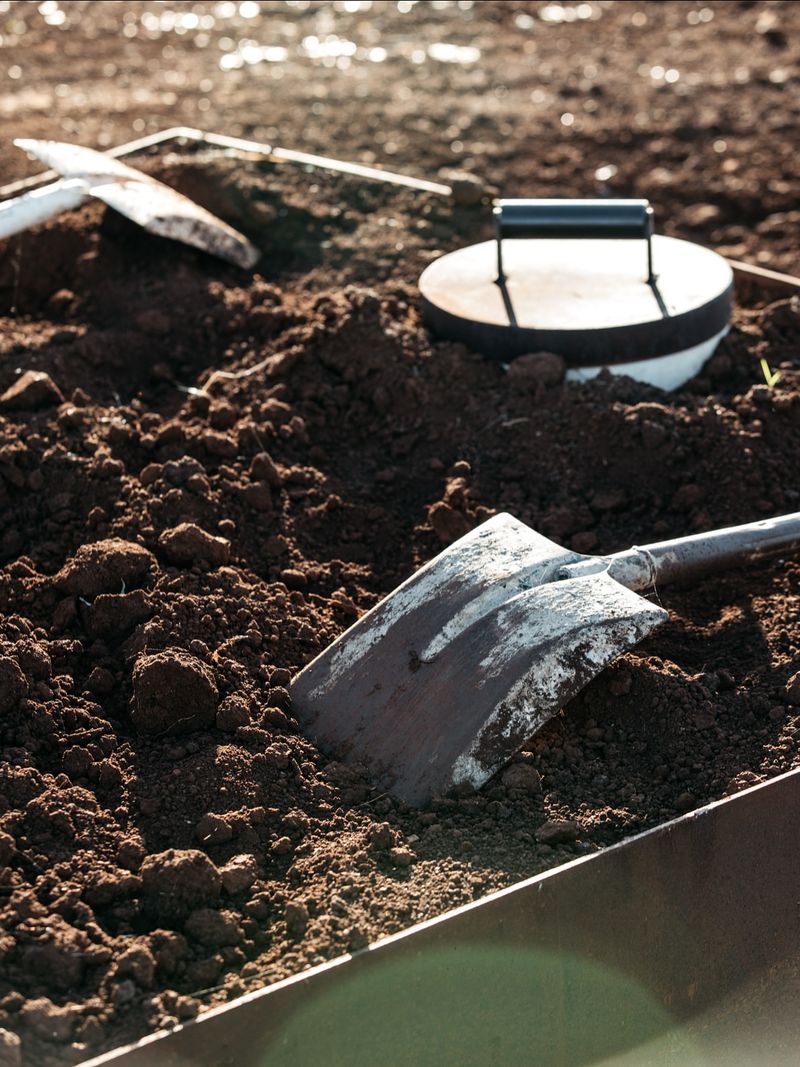
Recovering a struggling June garden rarely requires more water or more fertilizer poured on top of the problem. Most of the time, the real fix starts with understanding what the soil is actually doing.
Checking moisture a few inches below the surface, rather than guessing by surface appearance, gives a far more accurate picture of what the bed needs.
From there, the practical steps build on each other. Water deeply when the soil calls for it rather than on a rigid daily schedule.
Layer mulch to two to three inches to slow evaporation and moderate soil temperature. Add compost to improve structure over time.
Choose plants suited to the site conditions rather than fighting the soil every season. Watch how beds respond after rain before reaching for the irrigation timer.
Sandy soil is not a liability when it is managed with clear eyes. It drains well, resists compaction, and warms up early in the season.
Those are real advantages for gardeners who work with them. The adjustment is in expectations and habits, not in covering the garden with products.
Consistent soil checks, smart mulching, deep watering, and thoughtful plant selection can turn a stressed June bed around. Together, they help it handle heat and rain with much more ease.