The Simple Task Most Maryland Gardeners Skip, And It Costs Them A Full Fall Harvest
Most Maryland gardeners pack up their seed packets after the last spring planting and assume the hard work is done. It is not. The window for a full fall harvest is still wide open, but only if you act in June.
Waiting until August feels natural. The summer heat is brutal, the garden looks full, and fall seems far away. But cool-season crops like kale, broccoli, and spinach need 60 to 90 days to mature. By the time October arrives, it is already too late to start.
The gardeners who eat fresh from their backyard well into October and November all share one habit. They plant in June when everyone else is just watering what they already have.
Maryland’s growing season does not end in summer. It just shifts. And the gardeners who know that shift are the ones still harvesting long after their neighbors have moved on.
June Is Actually Your Last Window For A Full Fall Harvest
June slips away faster than you think. Most gardeners are still picking tomatoes and forget that fall crops need to go in the ground right now.
The simple task most Maryland gardeners skip is backward counting. You start with your first frost date and work backward to find your planting window.
In Maryland, that first frost typically arrives between early October and mid-November, depending on where you live.
Cool-season crops like kale, spinach, and broccoli need 60 to 100 days to mature, depending on the variety and whether you’re starting from seed or transplant. Plant them in late June or early July, and they hit peak flavor just as fall air rolls in.
Gardeners who miss this window end up with nothing but frost-burned greens. Acting in June means eating well in October.
Think of it like booking a flight. You cannot wait until the day before and expect a good seat. Planning ahead is what separates a full harvest from an empty raised bed.
Your neighbors with loaded fall gardens did not get lucky. They simply grabbed their seed packets a little earlier than everyone else.
How Late Planting Cuts Into Your Fall Harvest
Timing is everything in a fall garden. Miss the window by even two weeks and your harvest shrinks fast.
Cool-season crops planted in August instead of June simply run out of warm days. They need soil warmth to germinate and early sunshine to build strong roots.
Once September cools down, growth slows to a crawl. A plant that needed 75 days can need closer to 100, and frost arrives before it gets there.
Late planting also means weaker plants going into fall. Stressed seedlings that sprout in hot, short days never build the strength to handle temperature swings.
Broccoli planted too late will bolt or button, producing tiny, useless heads. Spinach sown in August often germinates poorly because soil temps are too high.
The harvest loss is not just one or two vegetables. Gardeners who plant late typically lose their entire fall lineup of greens, roots, and brassicas.
Your Maryland Garden Changes Every Week. Your Plan Should Too.
Gardening in Maryland changes quickly throughout the season. Every Friday you’ll receive a simple weekly plan showing exactly what to plant, prune, fertilize, harvest, and protect so you never miss the right timing.
That is a full season of salads, soups, and side dishes gone. One skipped week in June can mean bare dinner plates come October and November.
Protecting your fall harvest starts with respecting the calendar. Every day of delay in June is a day of flavor lost in fall.
Which Fall Crops Maryland Gardeners Miss Out On Most
Kale is the undisputed champion of the fall garden. It gets sweeter after a frost and keeps producing even when temps drop into the 30s.
Most gardeners who skip summer planting never taste frost-kissed kale. That nutty, sweet flavor only comes from plants that matured through the season.
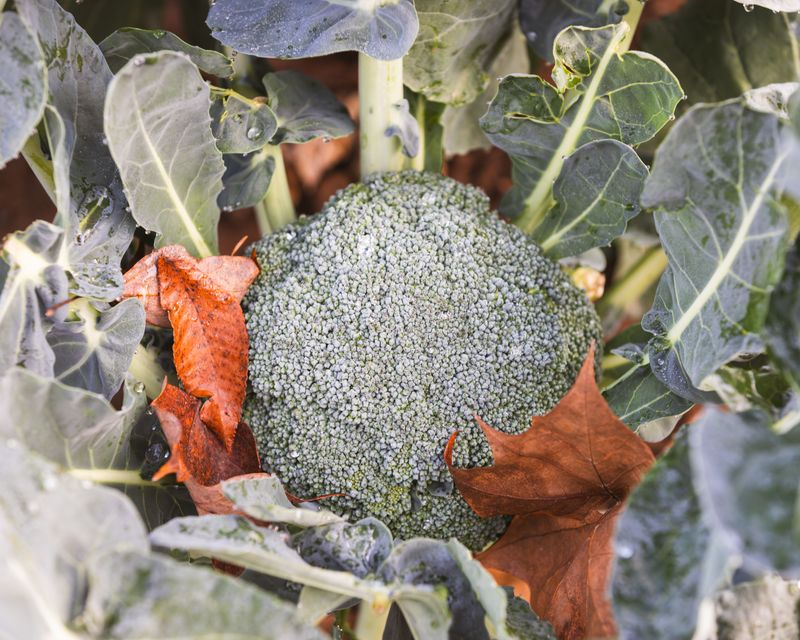
Broccoli is another big miss. Side shoots keep coming for weeks if you plant early enough, giving you handfuls of florets through November.
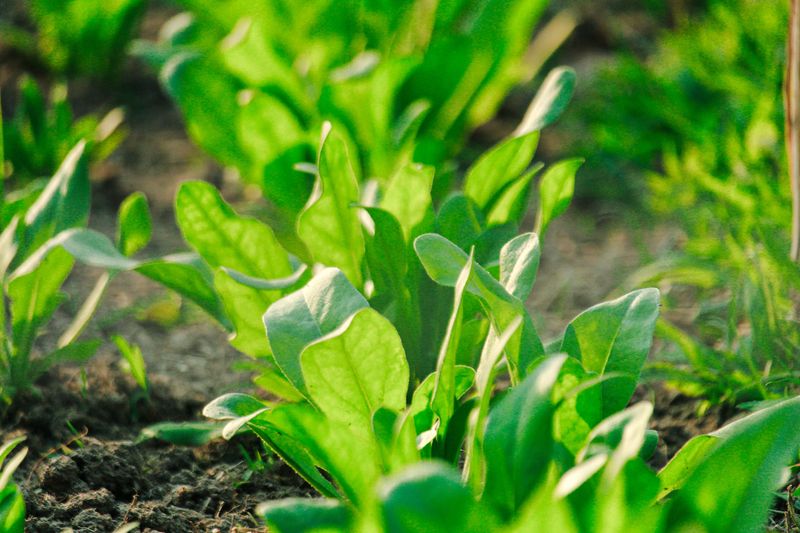
Spinach is the quiet overachiever of fall gardening. It can handle a hard freeze and bounce back looking better than ever the next morning.
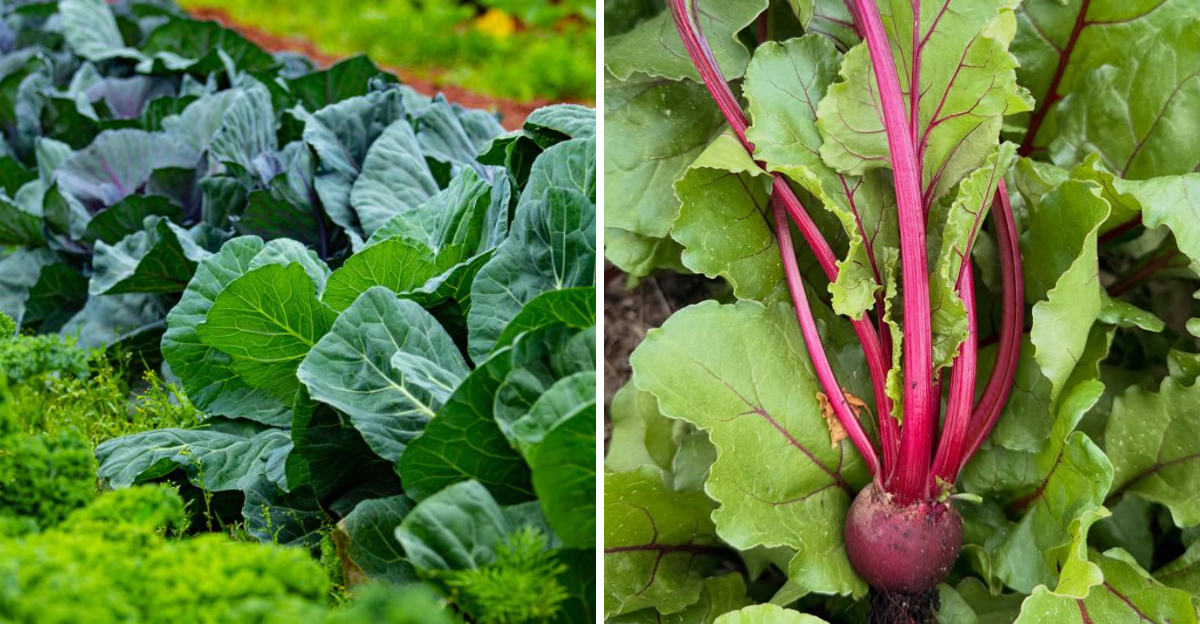
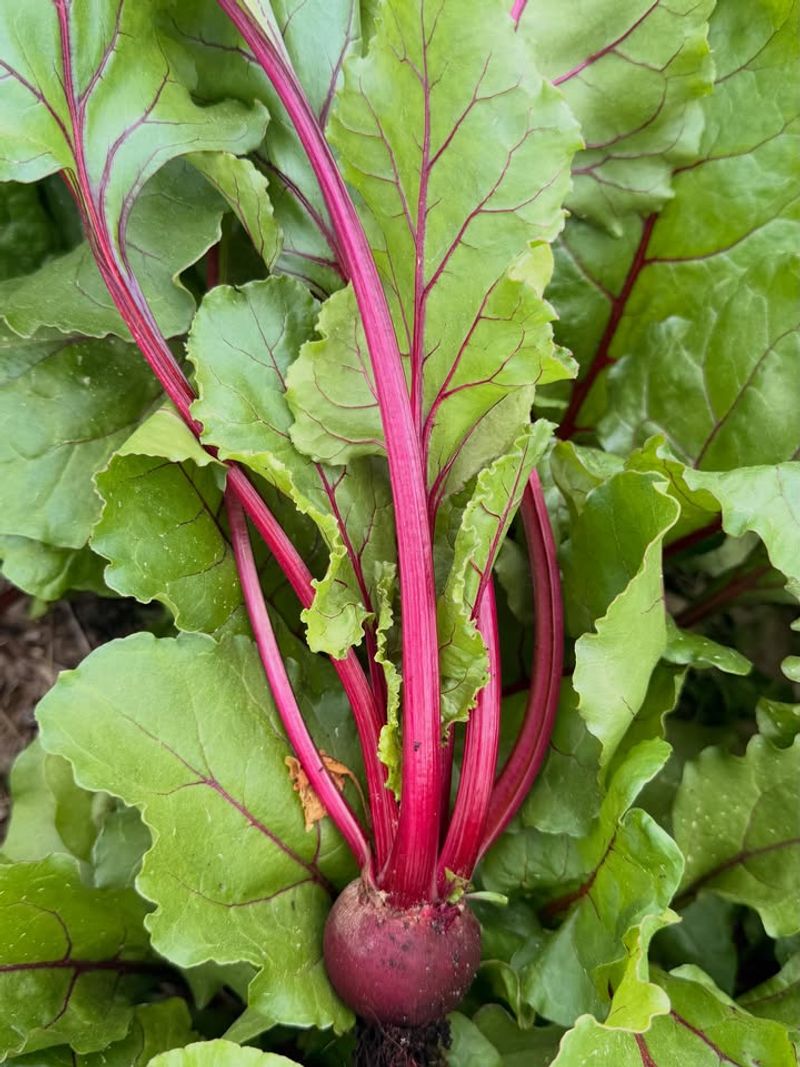
Beets offer two harvests in one plant. You eat the roots and the greens, making them a particularly practical choice for a fall bed.
Carrots actually get sweeter as the ground cools. Gardeners who plant in June pull sweet, crunchy roots well into November with no extra effort.
Radishes and turnips round out the lineup. Both mature in 30 to 50 days, meaning even a late-starting gardener can squeeze in a quick round.
Skipping summer planting means missing all of these. That is a lot of flavor, nutrition, and garden joy left on the table.
How To Start Fall Crops The Right Way
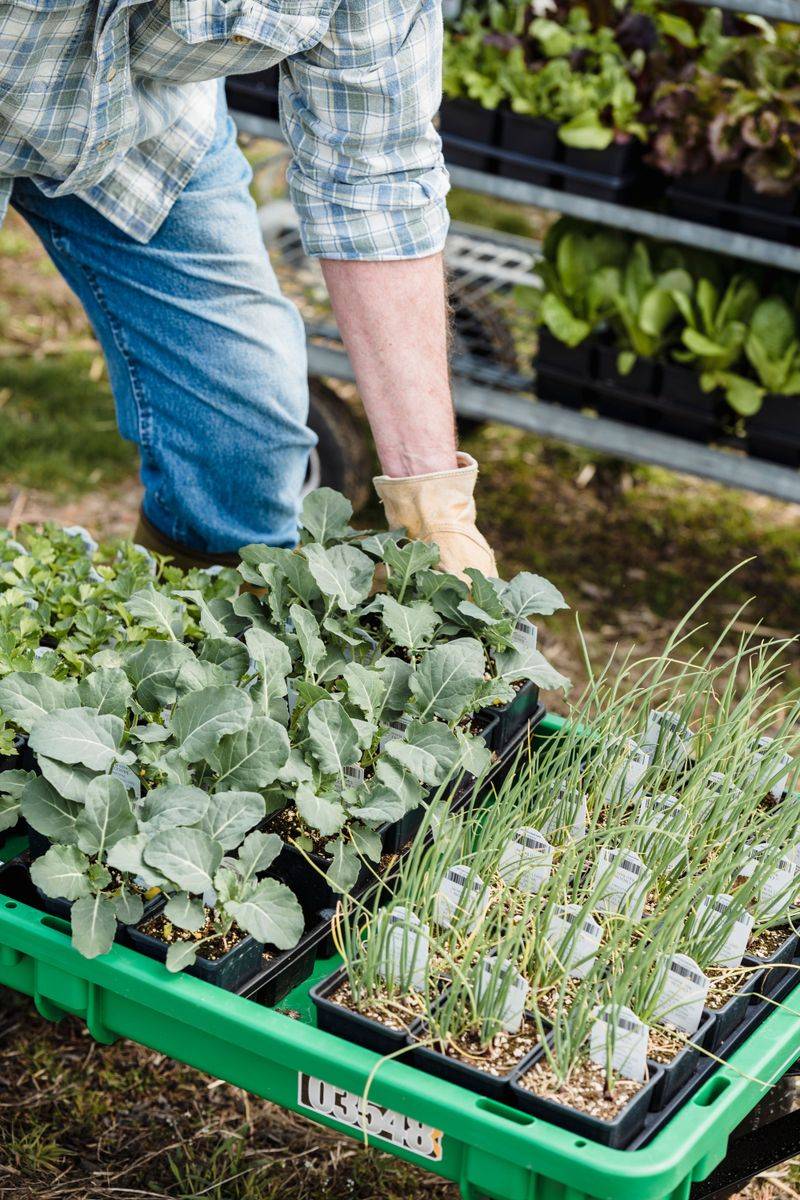
Starting seeds in summer heat sounds backwards. But a few simple tricks make germination easy even when temps hit 90 degrees.
Shade cloth is your best friend in July. A lightweight 30 to 40 percent shade cloth drops soil temps enough for seeds to sprout without stress.
Water your seed bed in the morning and again at dusk. Keeping the surface moist prevents hard soil crusting that blocks tender seedlings from pushing through.
Starting seeds indoors under a grow light is another solid move. You control the temperature, and transplants go into the ground once the worst heat breaks.
Pre-soaking seeds for a few hours before planting speeds up germination. Broccoli, kale, and cabbage seeds sprout faster when they absorb moisture before hitting dry summer soil.
Raised beds drain well but dry out fast in heat. Adding a thin layer of straw mulch around seedlings locks in moisture and keeps roots from baking.
Succession planting is a smart strategy too. Sow a small batch every two weeks through July to spread out your harvest and reduce the risk of a total crop loss.
Starting strong in summer sets up a fall garden that practically runs itself. The effort you put in now pays off in armloads of produce later.
Planting Mistakes Maryland Gardeners Make In June
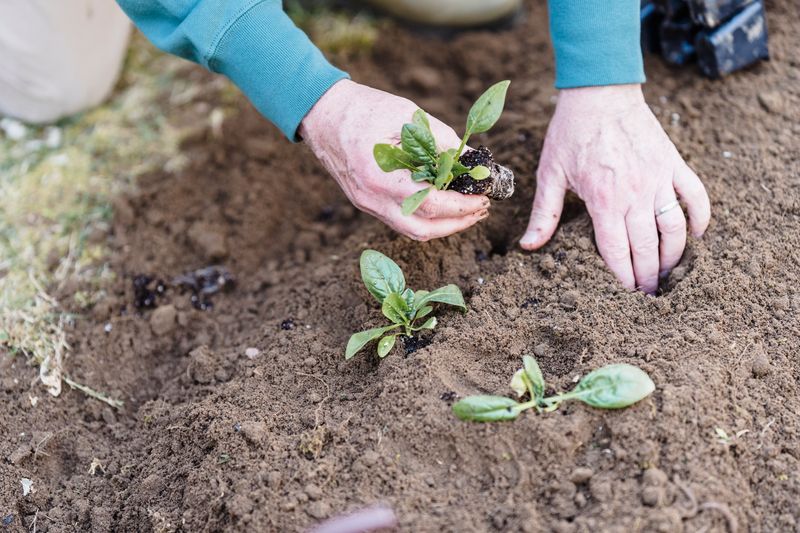
Overwatering is the number one mistake new fall gardeners make. Seeds rot fast in waterlogged soil, especially when summer heat is already stressing the plants.
Planting too shallow is another common error. Small seeds like carrot and spinach need firm seed-to-soil contact to germinate well.
Skipping soil prep costs gardeners weeks of growth. Compacted, nutrient-poor soil slows root development and makes plants vulnerable to heat stress right from the start.
Many gardeners also plant the wrong varieties. Not all broccoli or kale is bred for fall growing. Look for varieties labeled heat-tolerant or short-season to get the best results.
Crowding plants is a mistake that shows up later. Seedlings look tiny in June, but by September they need full space to produce well.
Forgetting to harden off transplants is a quick way to lose a whole tray of seedlings. Move them outside gradually over 5 to 7 days before planting them in the ground.
Neglecting pest control in summer is also a trap. Cabbage worms and aphids love tender fall seedlings and can wipe out a crop fast if left unchecked.
Avoiding these mistakes in June means a smoother, more rewarding fall harvest season from start to finish.
The Best Fall Crops To Grow In Maryland
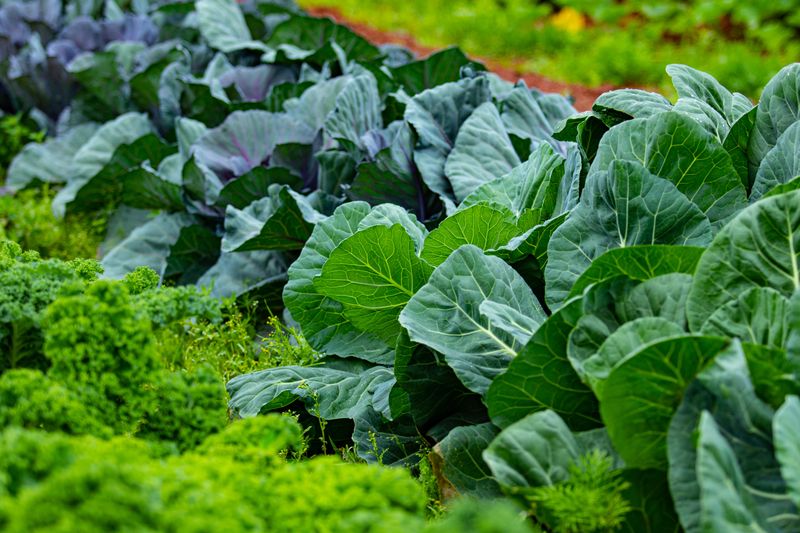
Image Credit: © Prabahar Ravichandran / Pexels
Some crops were practically born for Maryland falls. The mid-Atlantic climate gives gardeners a longer cool season than most people realize.
Kale tops the list for good reason. It thrives in cool temps, resists light frost, and produces heavy yields without much fuss.
Swiss chard is a close second. Its colorful stalks add beauty to the garden while delivering a mild, earthy flavor perfect for fall soups and stir-fries.
Broccoli is the most satisfying fall crop to grow. Watching those tight green heads form after weeks of waiting feels like a real gardening win.
Arugula is a fast grower that most gardeners overlook. It goes from seed to salad bowl in about 40 days and has a peppery bite that gets sharper in cool weather.
Lettuce and pak choi both do well in Maryland’s fall. They handle light frost and produce crisp, flavorful leaves right up until hard freezes arrive.
Choosing the right crops for your region makes fall gardening feel almost effortless. Maryland’s climate is a gift, so use it wisely.
The July And August Habits That Protect Your Fall Harvest
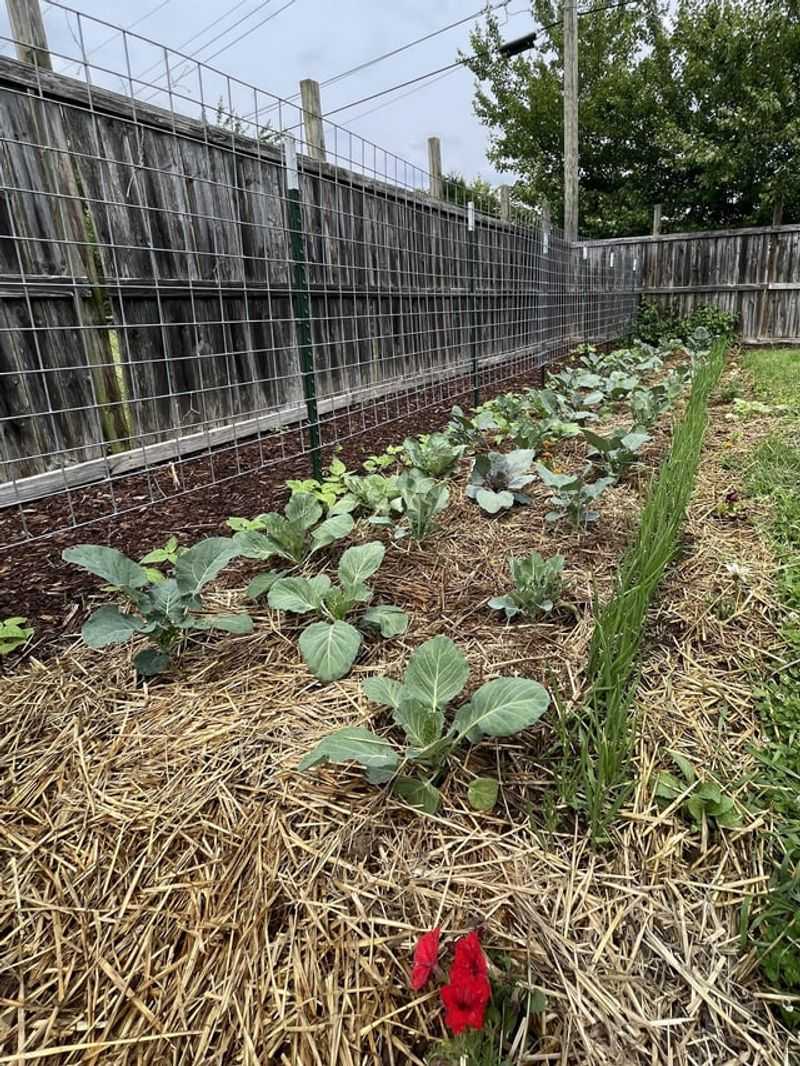
August is where most fall gardens either thrive or fade. The difference comes down to a few consistent habits done weekly.
Mulching your beds in early August is non-negotiable. A 2-inch layer of straw or shredded leaves keeps roots cool and moisture locked in during those final hot weeks.
Check your plants for pests every few days. Cabbage loopers and flea beetles love the heat and can shred a kale plant in under a week.
Side-dress your beds with a balanced fertilizer in early August. Cool-season crops respond well to a nitrogen boost right before fall growing conditions kick in.
Row covers become essential as nights start cooling in late August. A lightweight floating row cover protects against early frost and extends your season by weeks.
Thin your seedlings if you have not already. Crowded plants compete for nutrients and produce smaller, less flavorful harvests than properly spaced ones.
Keep succession sowing through mid-August for fast crops like radishes and lettuce. That habit keeps something new coming in every few weeks well into fall.
The simple task most Maryland gardeners skip is staying engaged past summer. Showing up for your garden in August is what makes October feel like a celebration.